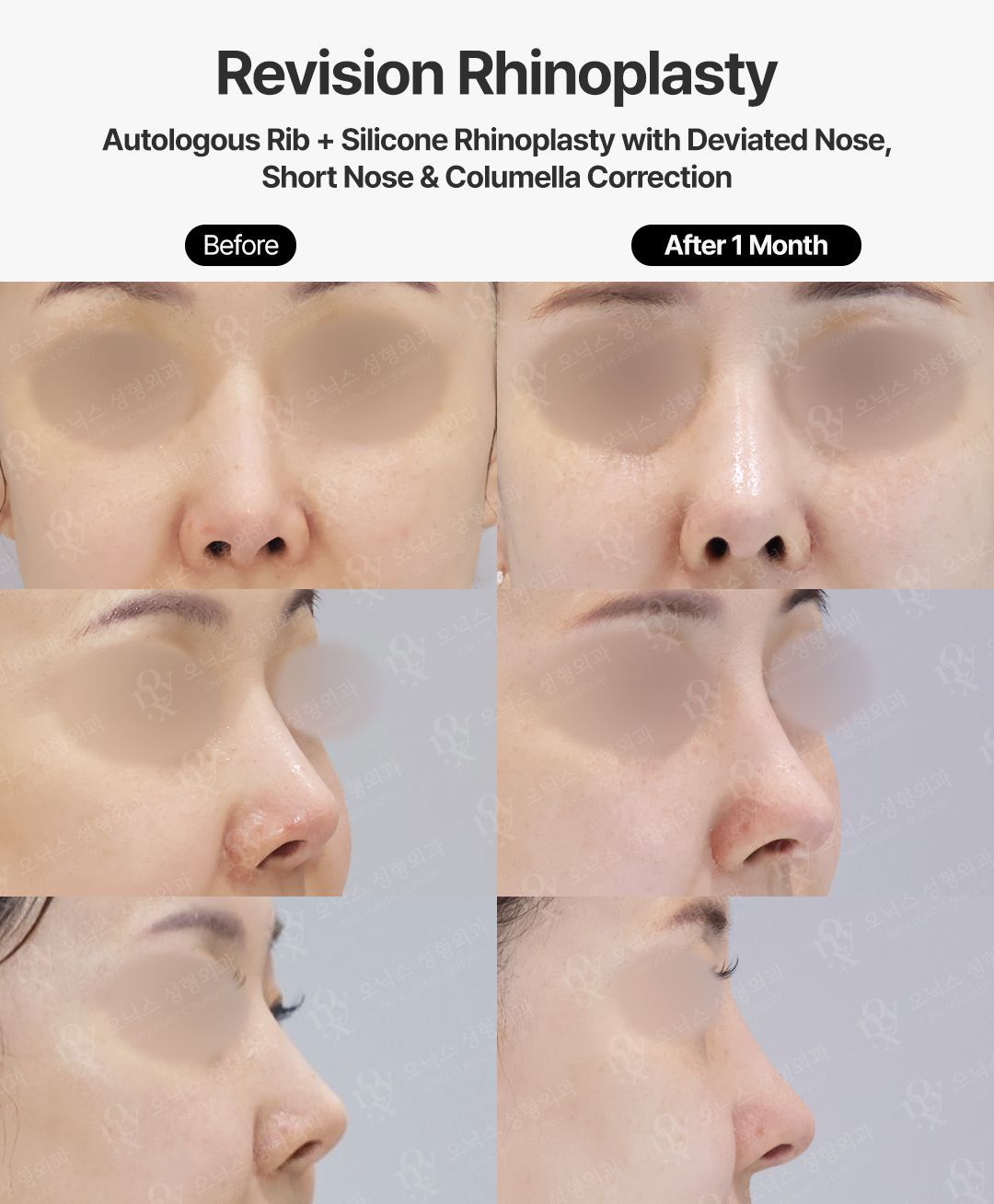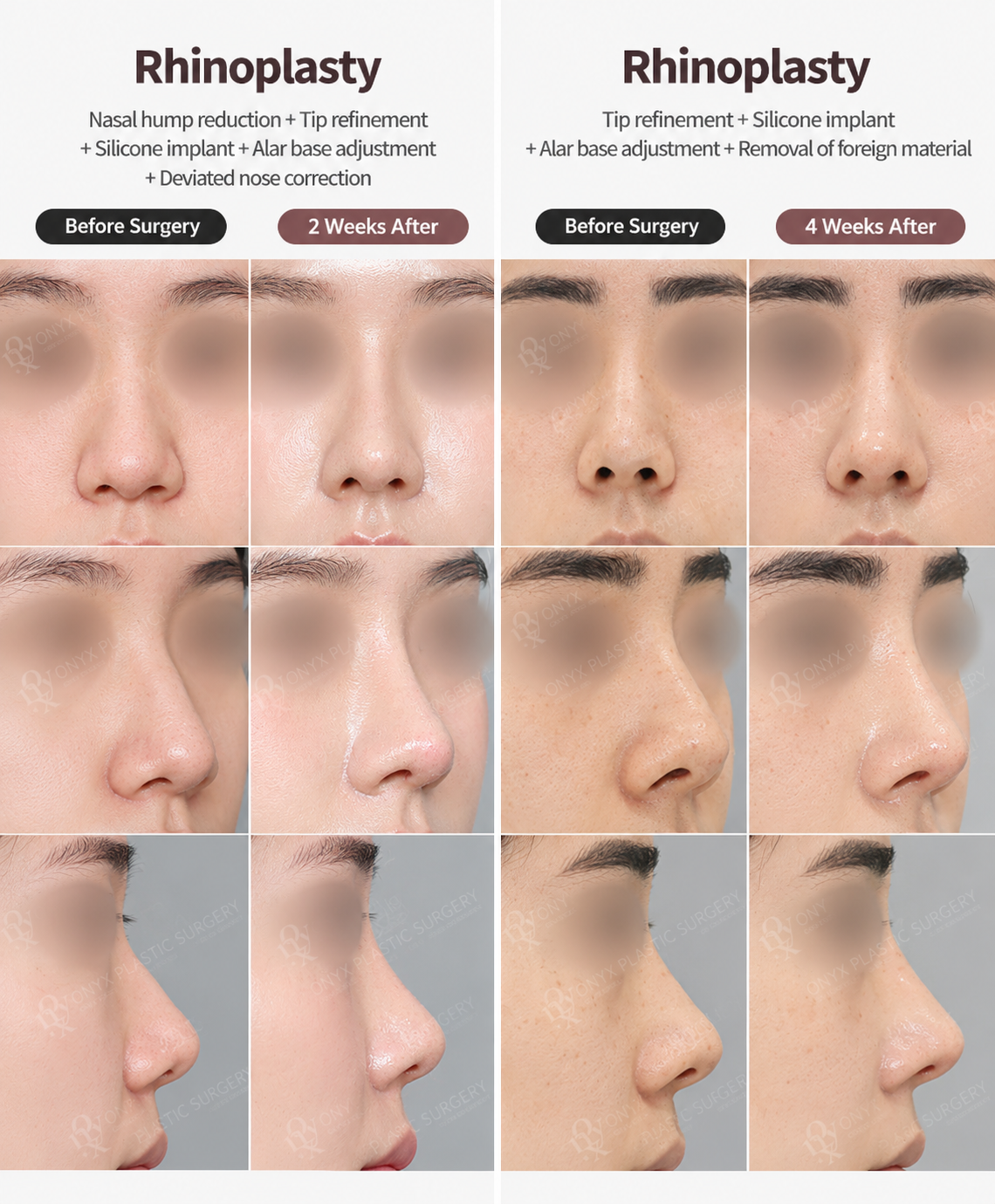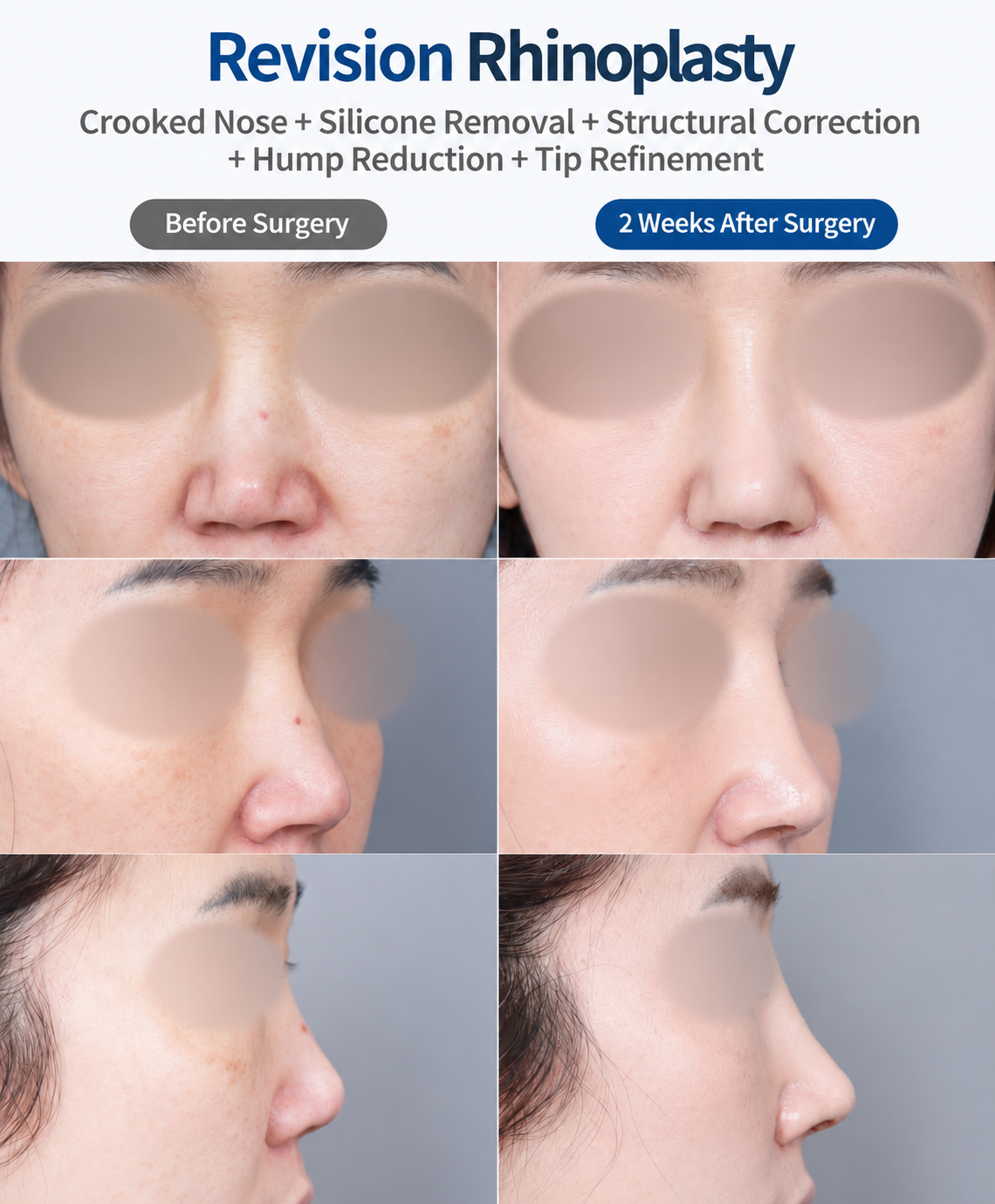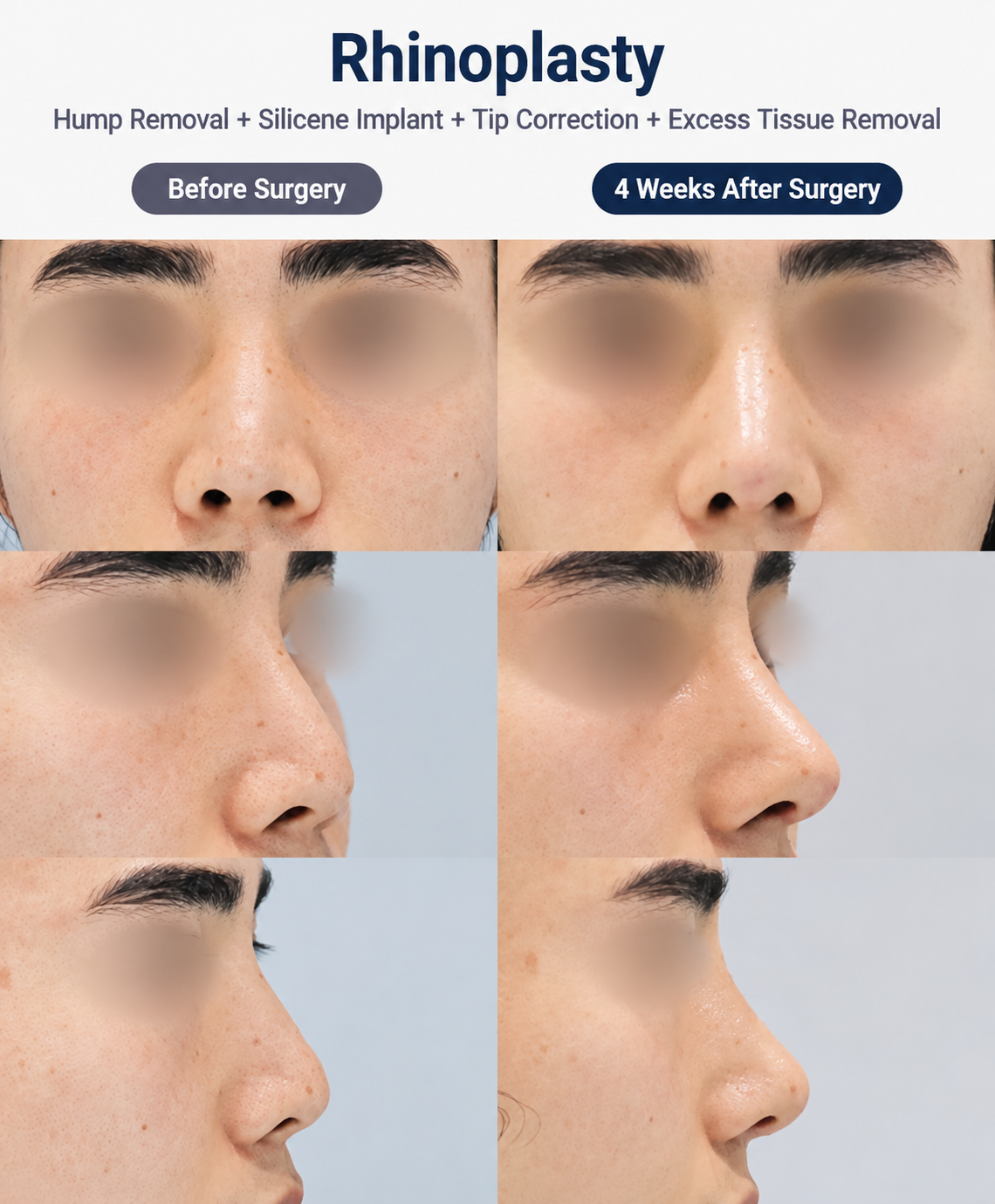
Breathing & function
Nasal Valve Collapse Treatment in Gangnam, Seoul
an airway that stays open.
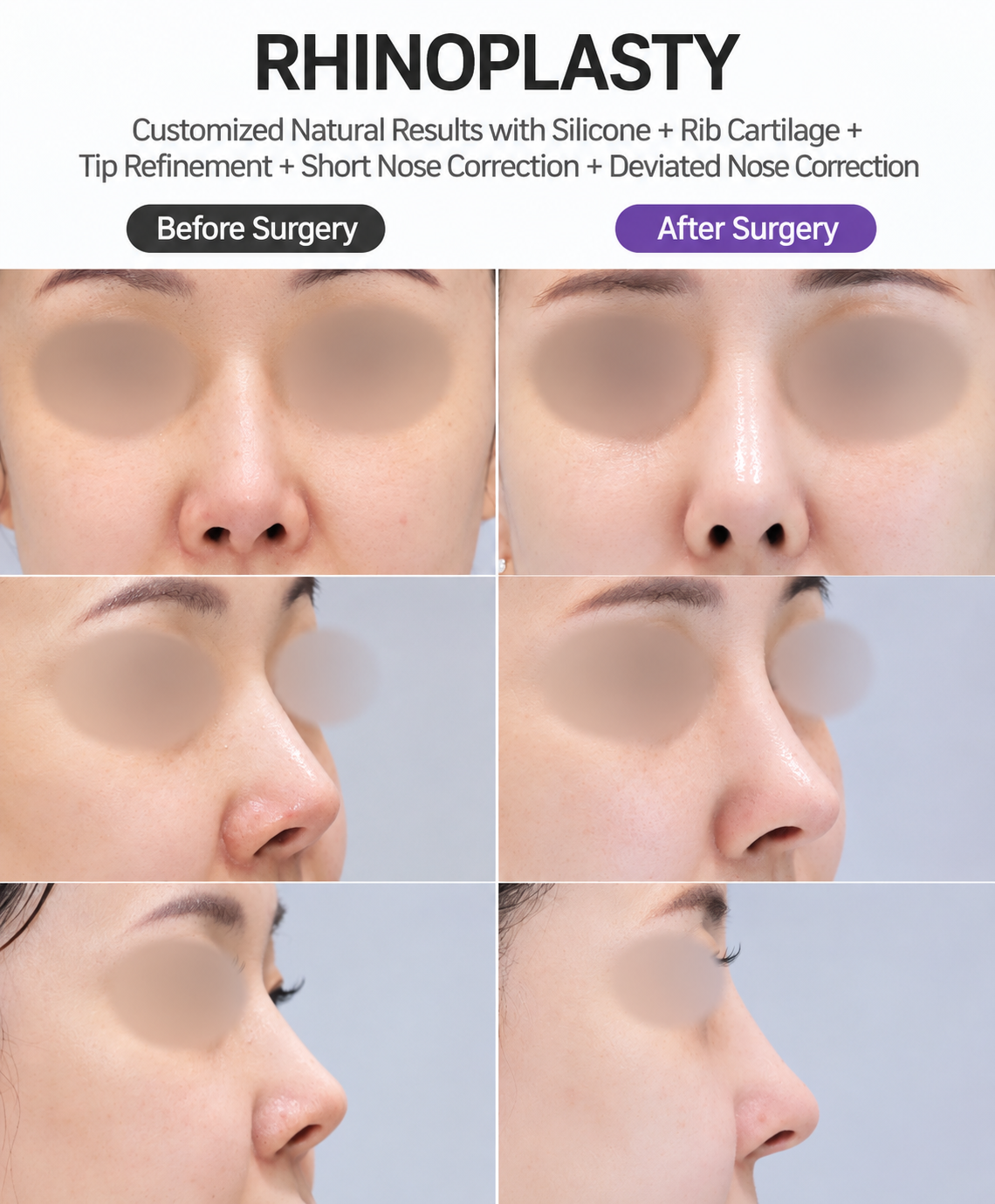
Nasal valve collapse is when the narrowest part of the airway caves in as you breathe in, making it feel blocked. At ONYX in Gangnam, Seoul, Dr. Yoo strengthens the valve with cartilage grafts so the airway stays open, often while improving the shape of the nose.

- 01 1:1 consultation with the operating surgeon
- 02 3D CT scan & virtual simulation before surgery
- 03 Structure-first design with your own cartilage
- 04 English-friendly support via WhatsApp
What is nasal valve collapse?
The nasal valves are the narrowest parts of the airway. Internal valve collapse occurs where the upper cartilages meet the septum; external valve collapse occurs at the nostril walls. Weak cartilage, ageing, injury or previous rhinoplasty can cause it.
Treatment uses cartilage grafts: spreader grafts for the internal valve, and batten or lateral crural grafts for the external valve, to keep the airway open during breathing.
| Surgery time | About 1–2.5 hours |
|---|---|
| Anaesthesia | General anaesthesia |
| Approach | Internal, or open if combined with rhinoplasty |
| Splints | Usually removed after about 7 days |
| Stay in Seoul | About 7–10 days |
| Breathing | Improves as swelling settles over weeks |
Signs you may relate to
- Your nostrils pull in when you breathe in
- Breathing improves when you pull your cheek outward
- Your nose feels blocked during exercise
- The middle of your nose looks pinched
- Breathing worsened after a rhinoplasty
Gently pulling the cheek outward and feeling easier breathing (the Cottle test) can suggest valve collapse, but a full examination is needed.

How valve collapse is treated
- STEP 01
Locate the collapse
Internal and external valves are examined during breathing.
- STEP 02
Harvest cartilage
Septal, ear or rib cartilage is prepared.
- STEP 03
Graft
Spreader, batten or rim grafts strengthen the weak area.
- STEP 04
Refine
Shape is kept natural while the airway is supported.
Valve surgery recovery
Typical timeline only. Healing varies with the procedure, skin thickness and materials used.
- Day 1–3 Congestion and mouth breathing while splints are in place.
- Day 7 Splints removed; airflow begins to open up.
- Week 2–4 Crusting clears with saline rinses.
- Month 1–3 Breathing keeps improving as internal swelling settles.
- Month 3–6 A stable, lasting result.
Nasal Valve Collapse in Seoul: your questions answered.
Will grafts make my nose wider?
Grafts may add slight width at the middle of the nose, but this is planned to look natural.
Can nasal strips help?
Strips can help temporarily and may suggest that surgery will work.
Is it common after rhinoplasty?
It can occur when too much cartilage was removed; it is a common revision reason.
Will the improvement last?
Cartilage grafts provide long-term support.
Can it be combined with cosmetic changes?
Yes, valve repair is often part of rhinoplasty.
Often considered together
Plan your nasal valve consultation in Gangnam, Seoul.
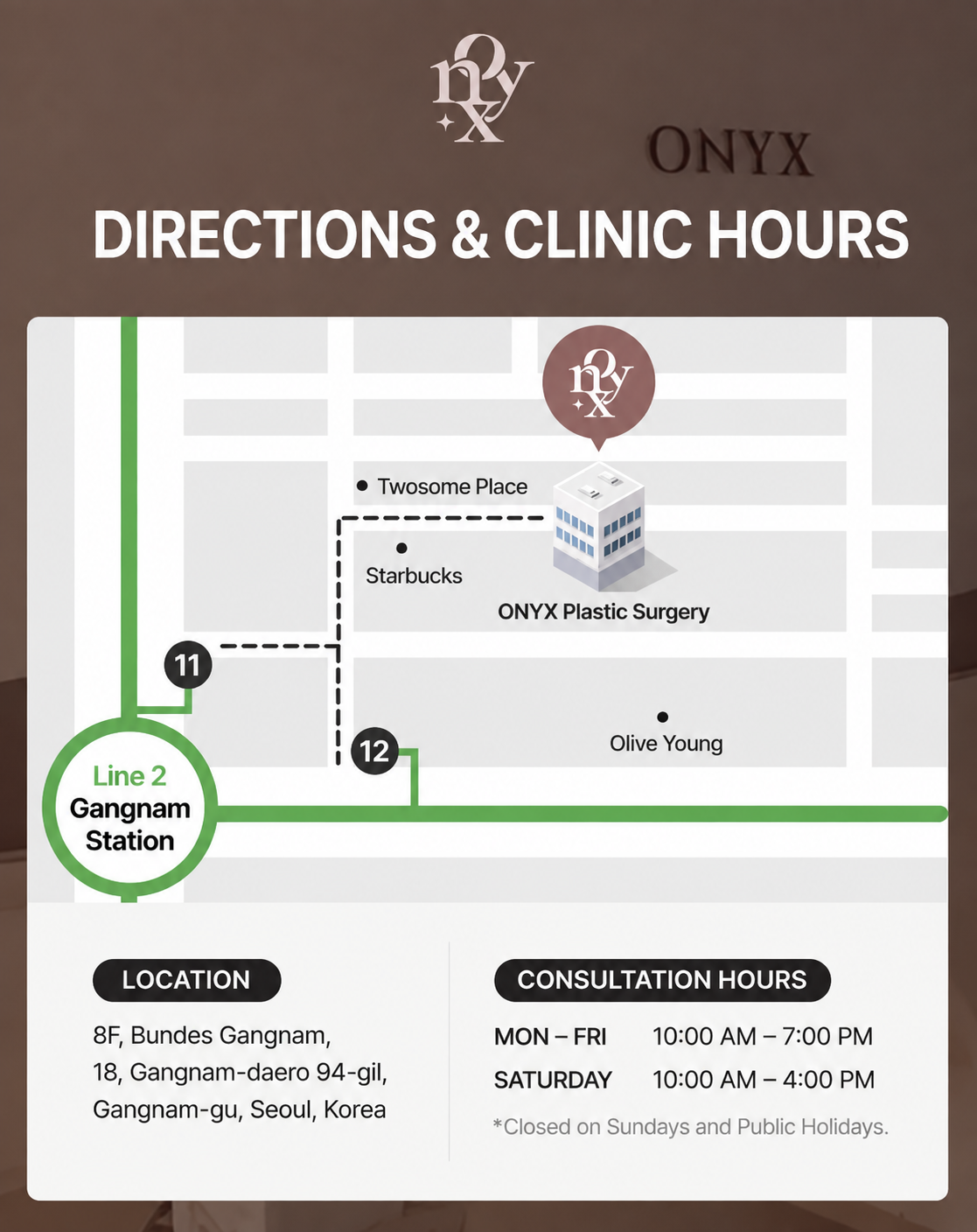
Address
8F, 18 Gangnam-daero 94-gil
Gangnam-gu, Seoul, South Korea
Getting here
Near Gangnam Station
Line 2 · Shinbundang Line
Hours (KST)
Mon–Fri 10:00–19:00
Sat 10:00–16:00
Closed Sundays & public holidays
Contact