Rhinoplasty materials explained
Material-Based Rhinoplasty in Gangnam, Seoul
ear, rib, septum or implant?
What your new nose is built with matters as much as its shape. At ONYX in Gangnam, Seoul, Dr. Yoo chooses between your own septal, ear and rib cartilage and a custom implant for each part of the nose, with a strong preference for your own tissue where it counts most: the tip.

- 01 1:1 consultation with the operating surgeon
- 02 3D CT scan & virtual simulation before surgery
- 03 Structure-first design with your own cartilage
- 04 English-friendly support via WhatsApp
What materials are used in rhinoplasty?
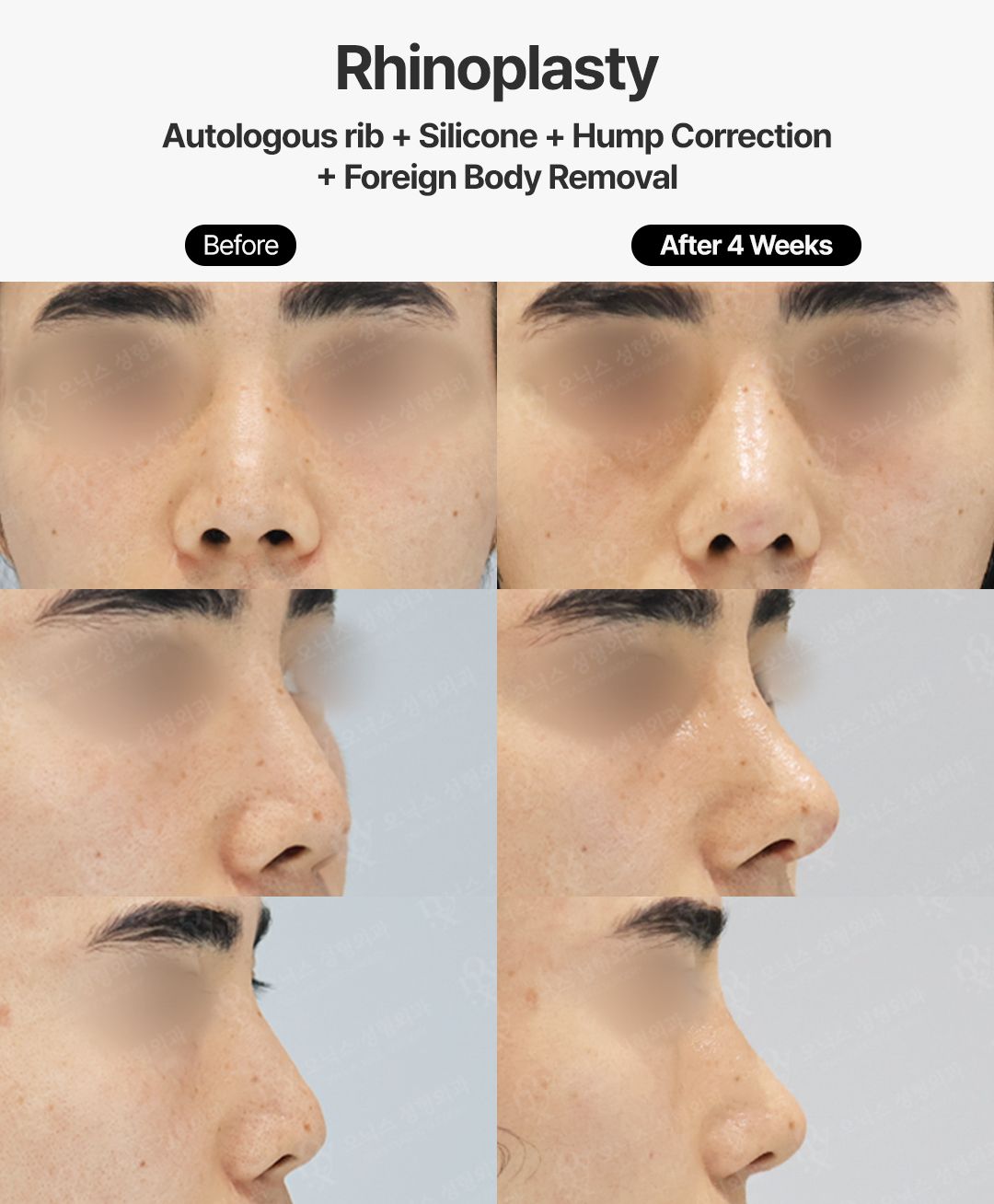
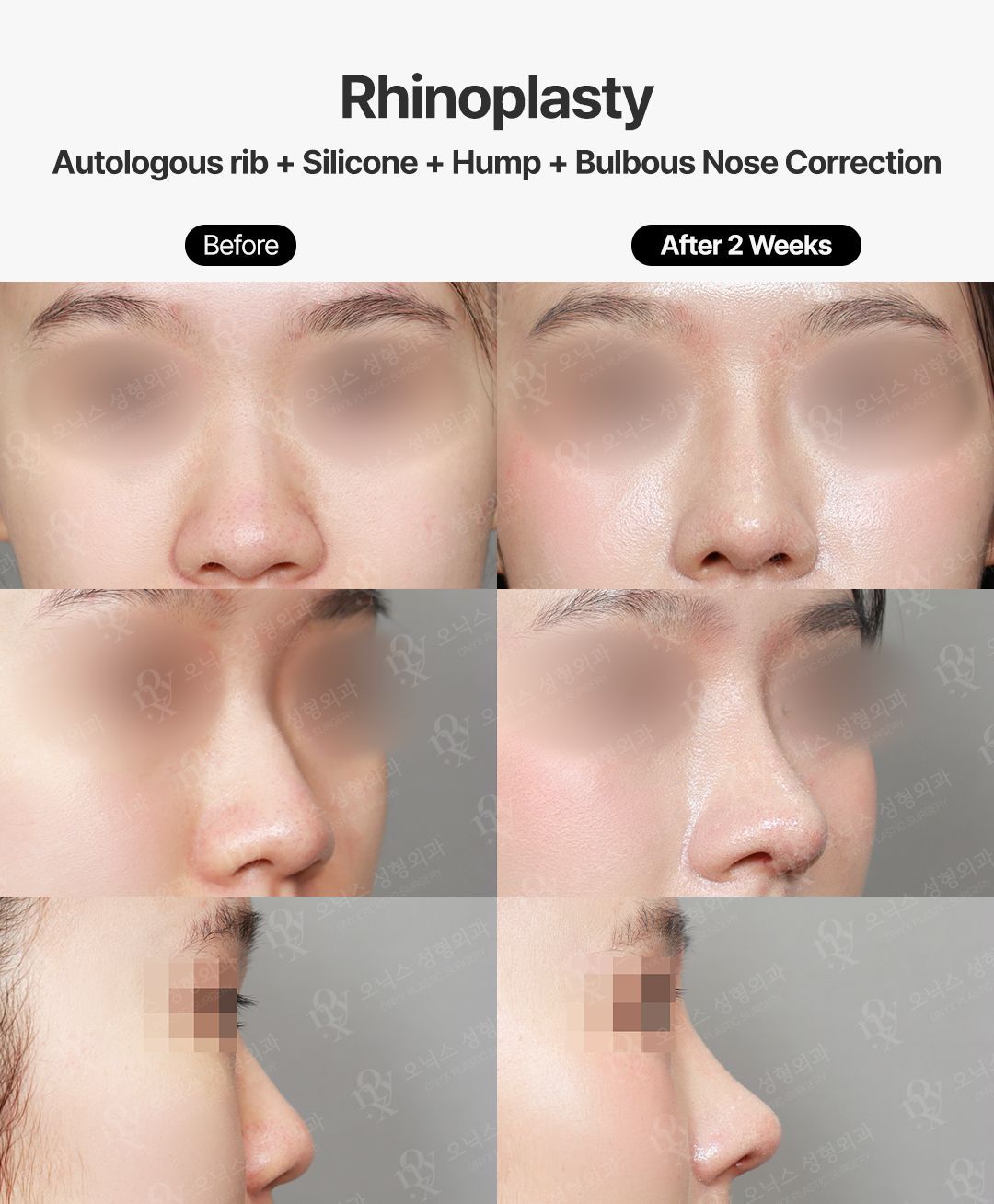
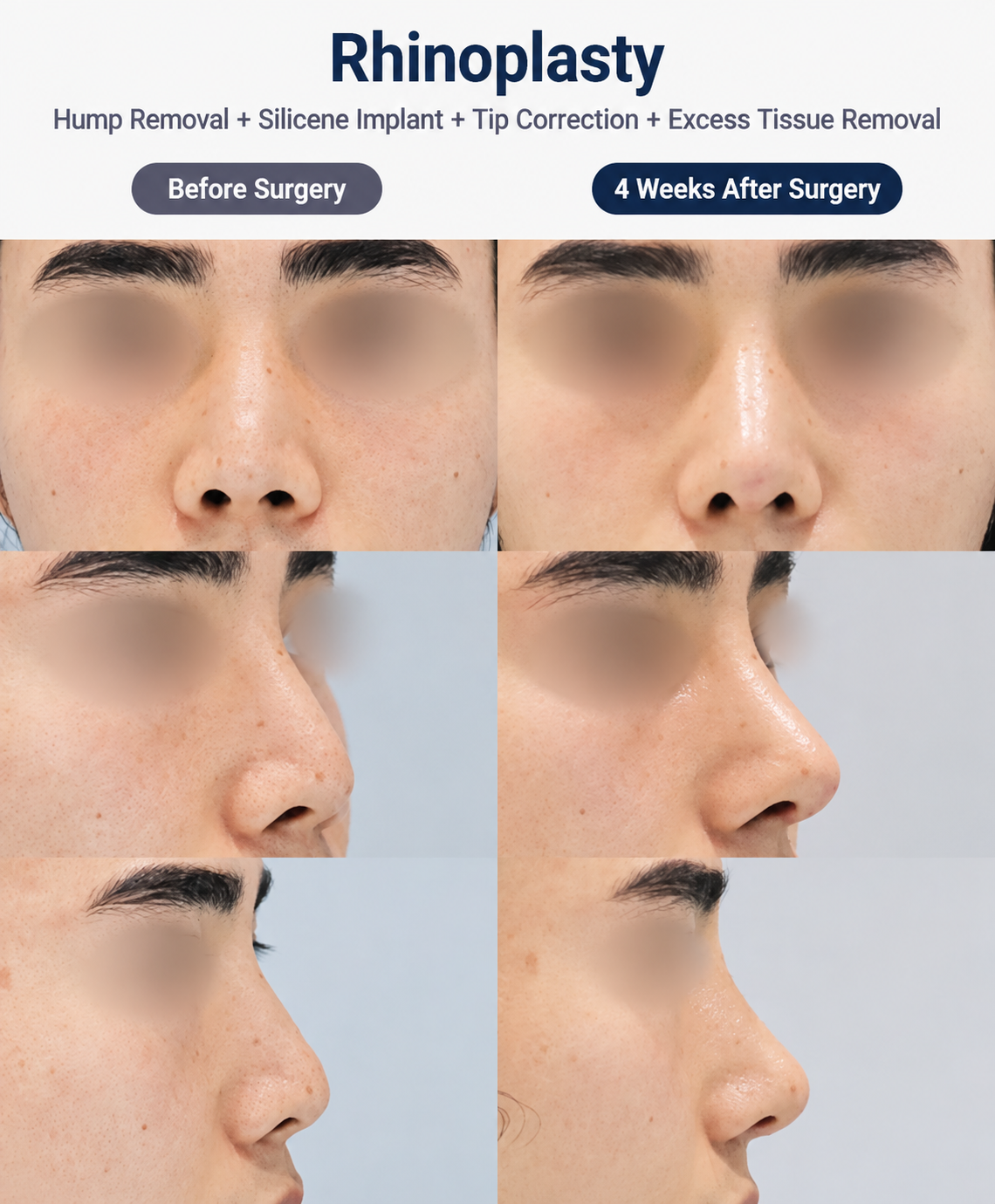
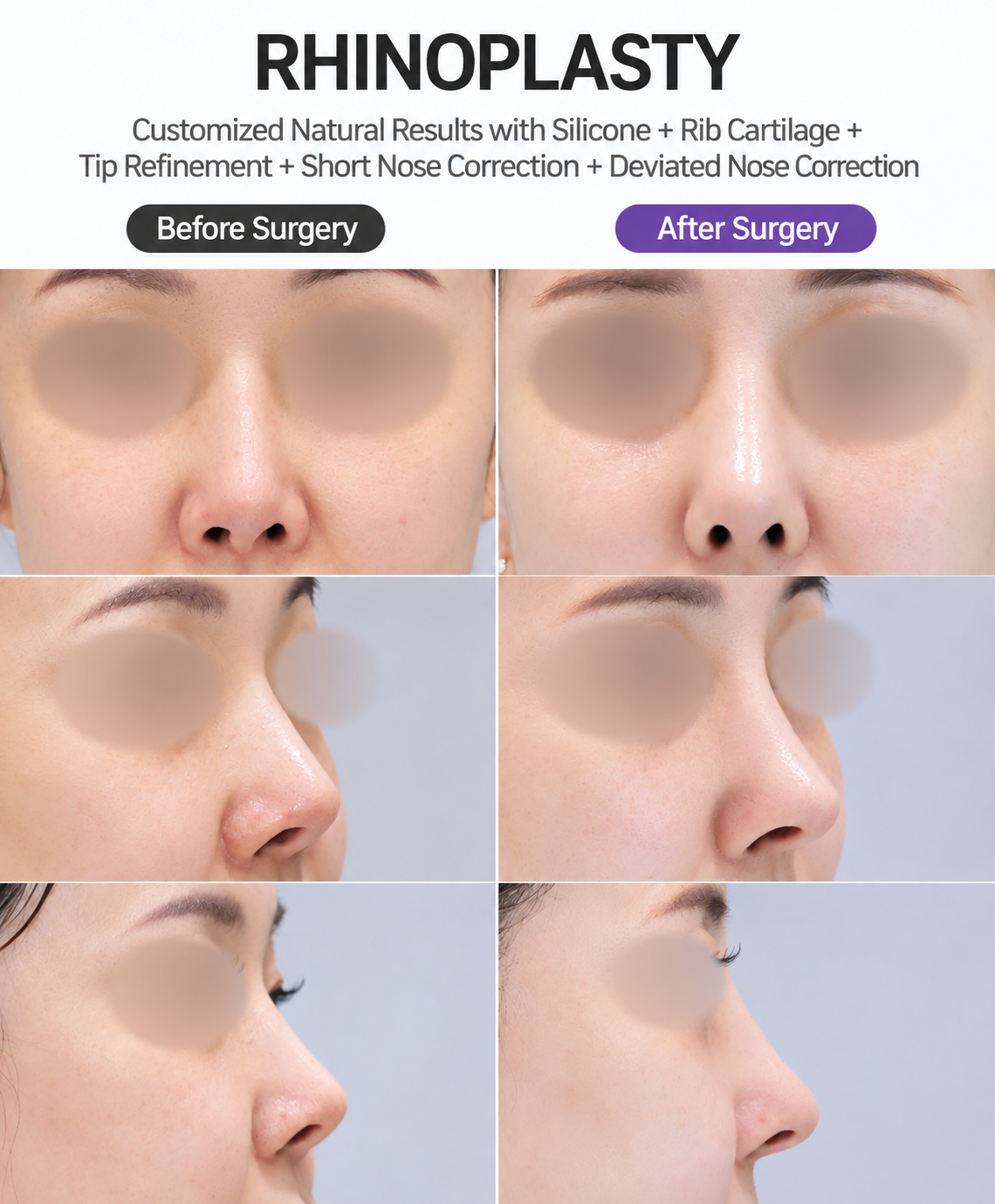
Rhinoplasty uses autologous (your own) cartilage from the septum, ear or rib, and sometimes a synthetic implant such as silicone for the bridge. Each has strengths: septal cartilage is straight and strong, ear cartilage is soft and curved, and rib cartilage is the most abundant.
Ear cartilage rhinoplasty uses cartilage taken from behind the ear, leaving a hidden scar. It is ideal for softening and shaping the tip, and is often used in revision when septal cartilage is no longer available.
| Septal cartilage | First choice for tip support |
|---|---|
| Ear cartilage | Soft tip grafts; hidden scar behind the ear |
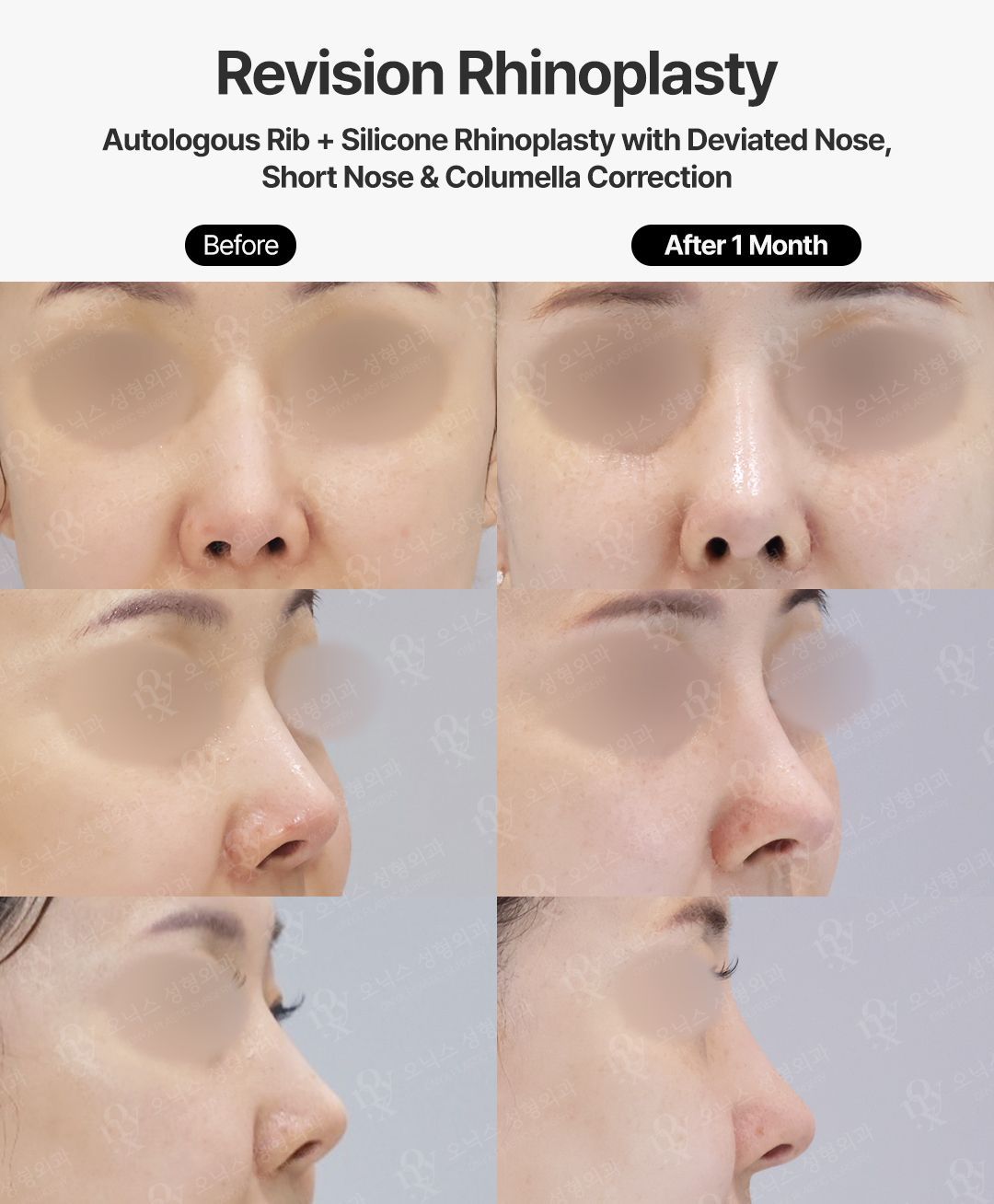
| Rib cartilage | Abundant; revision and lengthening |
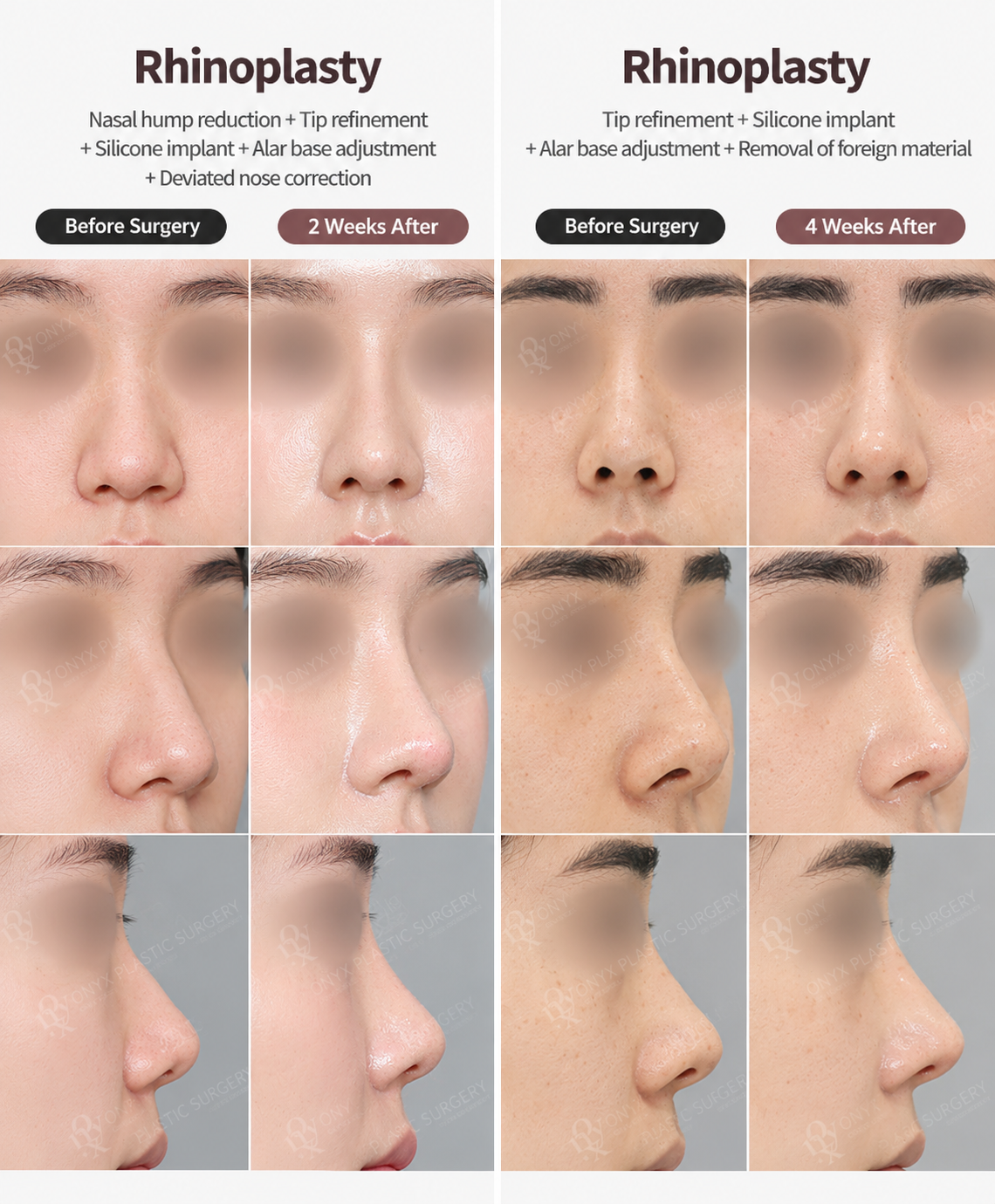
| Silicone implant | Reliable bridge height |
| Combination | Silicone bridge + cartilage tip is common |
| Decided by | 3D CT and consultation |
Choose by material
Autologous Cartilage
Natural feel and long-term stability.
Read the guide → Strong supportRib Cartilage Rhinoplasty
For revision, lengthening and major support.
Read the guide → Bridge heightSilicone Implant Rhinoplasty
Custom-carved implant for the bridge.
Read the guide → No foreign materialNo-Implant Rhinoplasty
Shape achieved with your own tissue only.
Read the guide → Natural feelNatural Cartilage Nose Job
A softer, more natural-feeling result.
Read the guide → ApproachOpen Rhinoplasty
Precise placement of cartilage grafts.
Read the guide →Rhinoplasty materials compared
| Typical use | Strengths | Consider | |
|---|---|---|---|
| Septal cartilage | Tip support, extension grafts | Straight, strong, same incision | Limited amount; may be used up after surgery |
| Ear cartilage | Tip shaping, soft grafts, revision | Soft, curved, hidden scar | Less suited to strong support or height |
| Rib cartilage | Revision, lengthening, bridge | Most abundant and strong | Small chest incision; can warp if not prepared well |
| Silicone implant | Bridge height | Predictable height, removable | Can show or shift in thin skin |
Material-Based Rhinoplasty in Seoul: your questions answered.
What is ear cartilage rhinoplasty?
Rhinoplasty that uses cartilage taken from behind the ear, mainly to soften, shape or support the tip. The donor scar is hidden in the ear crease.
Does taking ear cartilage change the shape of my ear?
When harvested correctly, the ear keeps its normal shape; only a small piece from the bowl of the ear is used.
Which material is best?
There is no single best material. ONYX prefers your own cartilage for the tip and decides on the bridge material based on height needed and skin thickness.
Is rib cartilage painful?
The chest donor site is usually sore for a few days and manageable with medication.
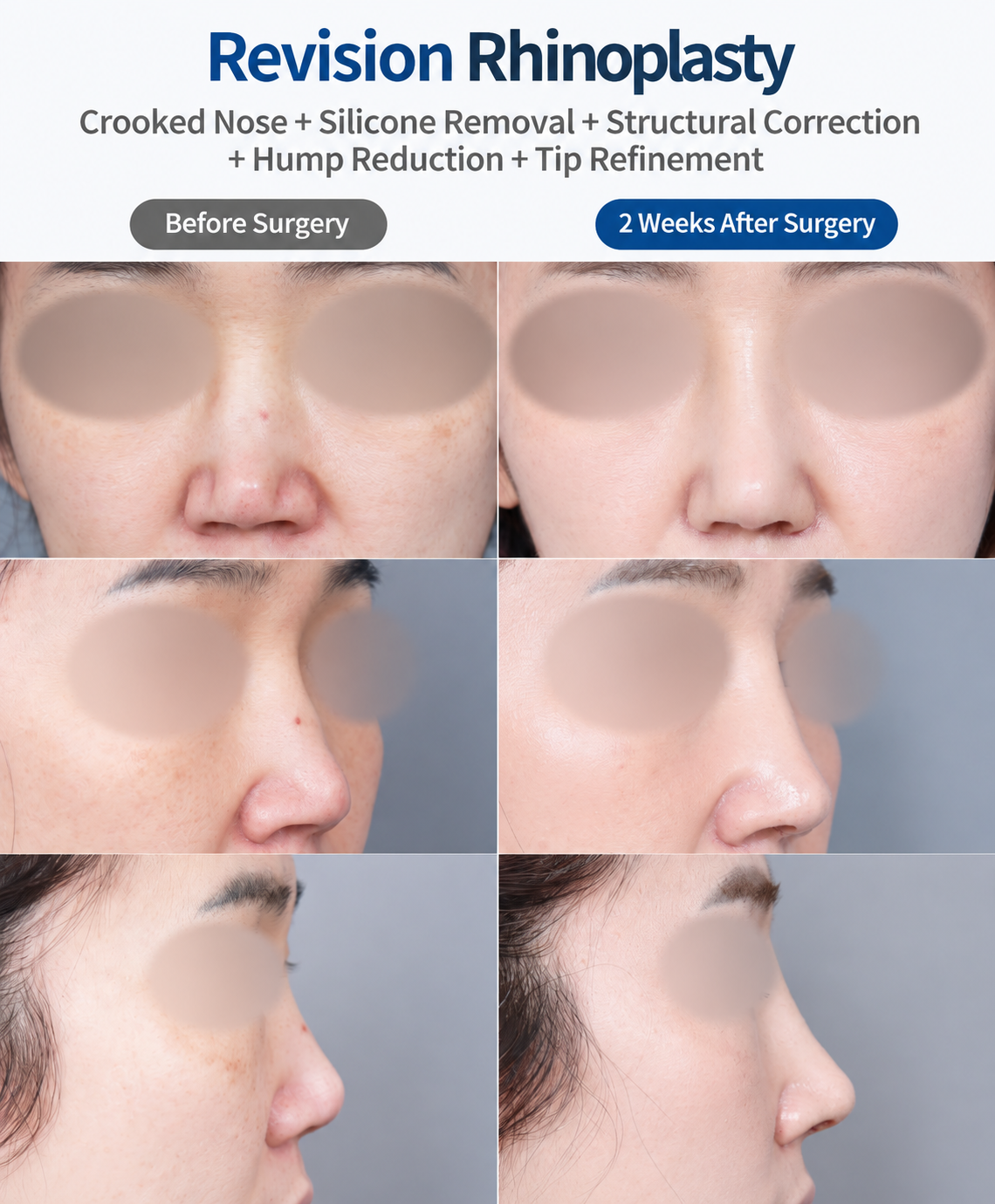
Can implants be replaced with cartilage later?
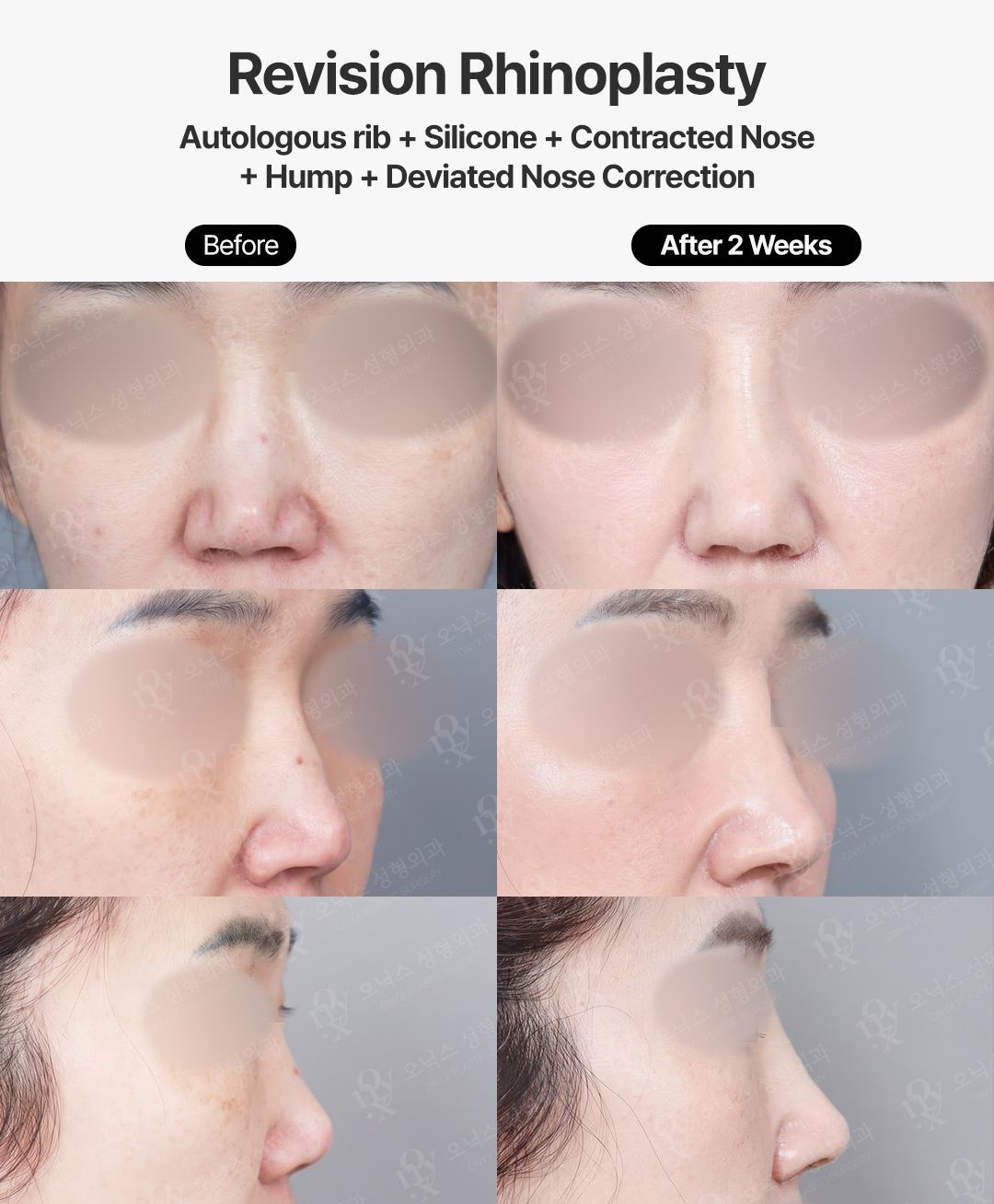
Yes, this is a common revision when an implant becomes visible or uncomfortable.
Plan your rhinoplasty consultation in Gangnam, Seoul.
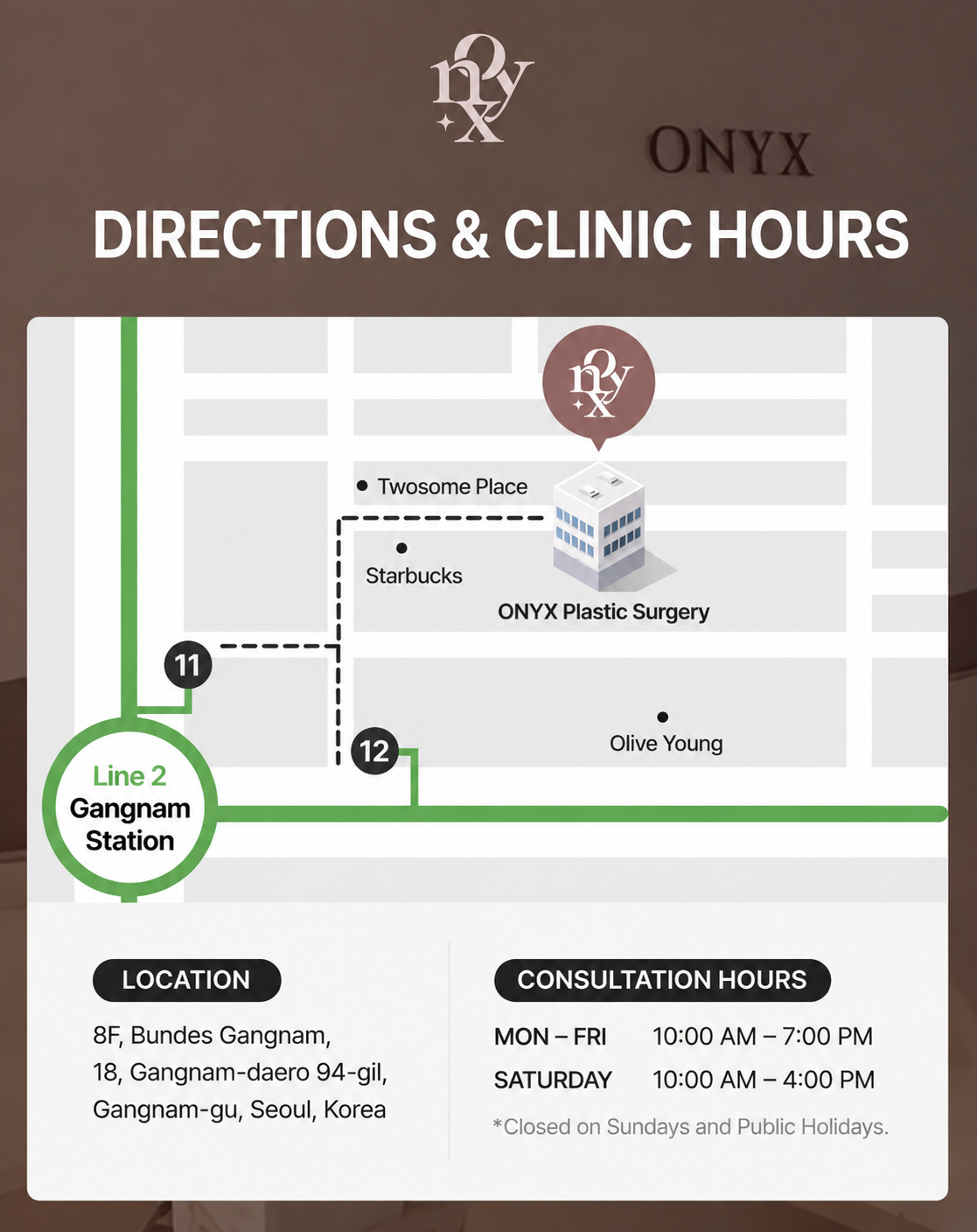
Address
8F, 18 Gangnam-daero 94-gil
Gangnam-gu, Seoul, South Korea
Getting here
Near Gangnam Station
Line 2 · Shinbundang Line
Hours (KST)
Mon–Fri 10:00–19:00
Sat 10:00–16:00
Closed Sundays & public holidays
Contact