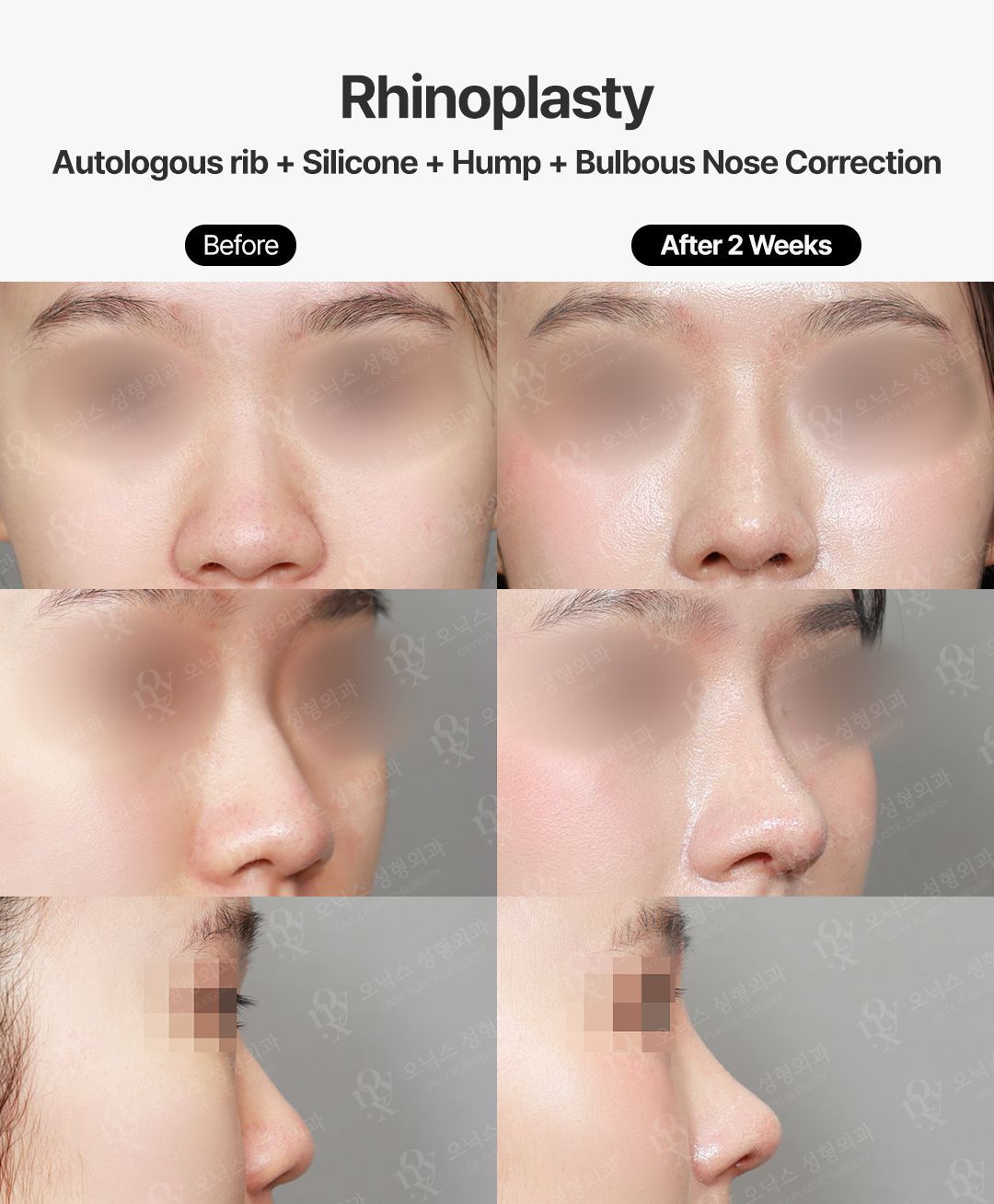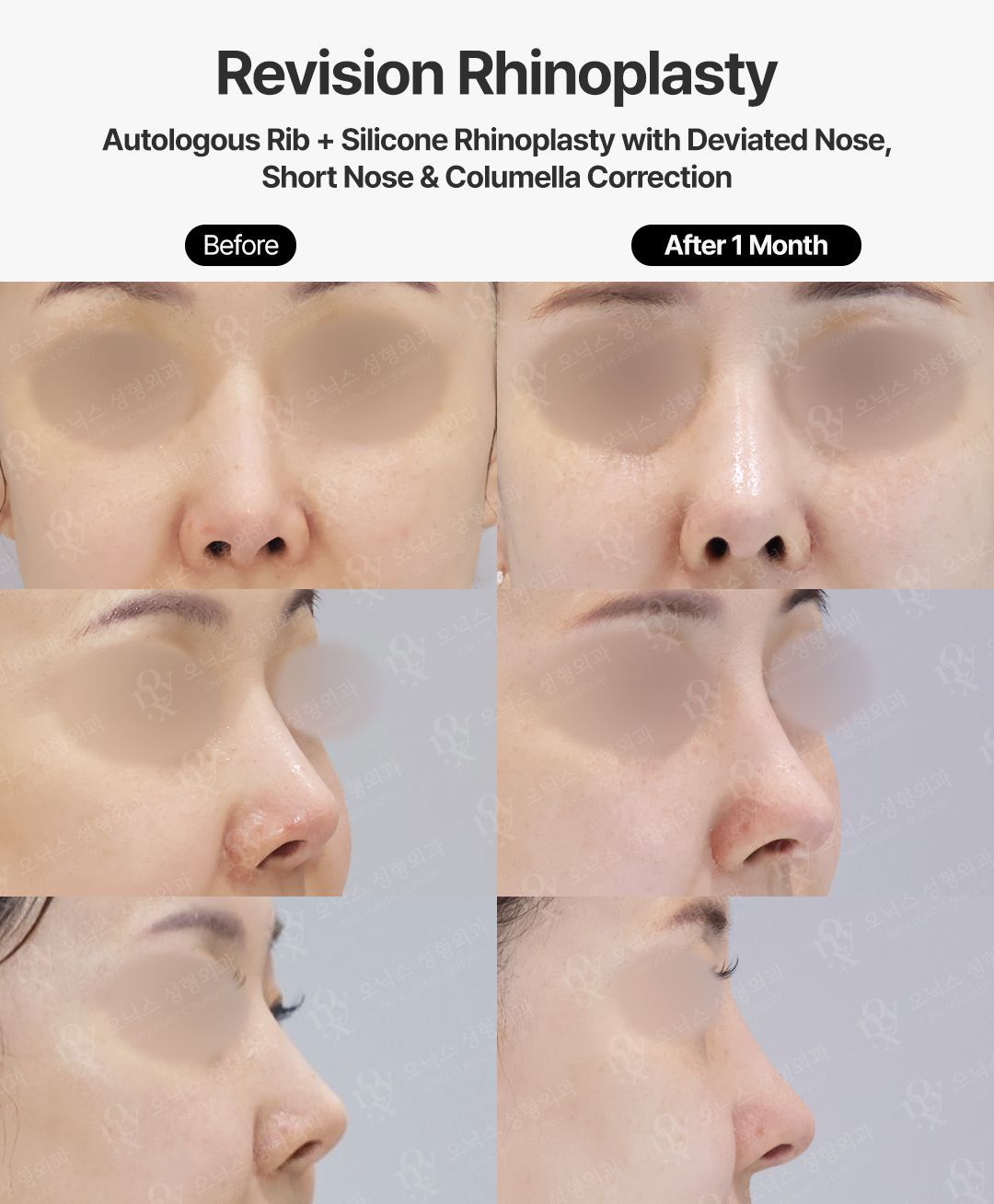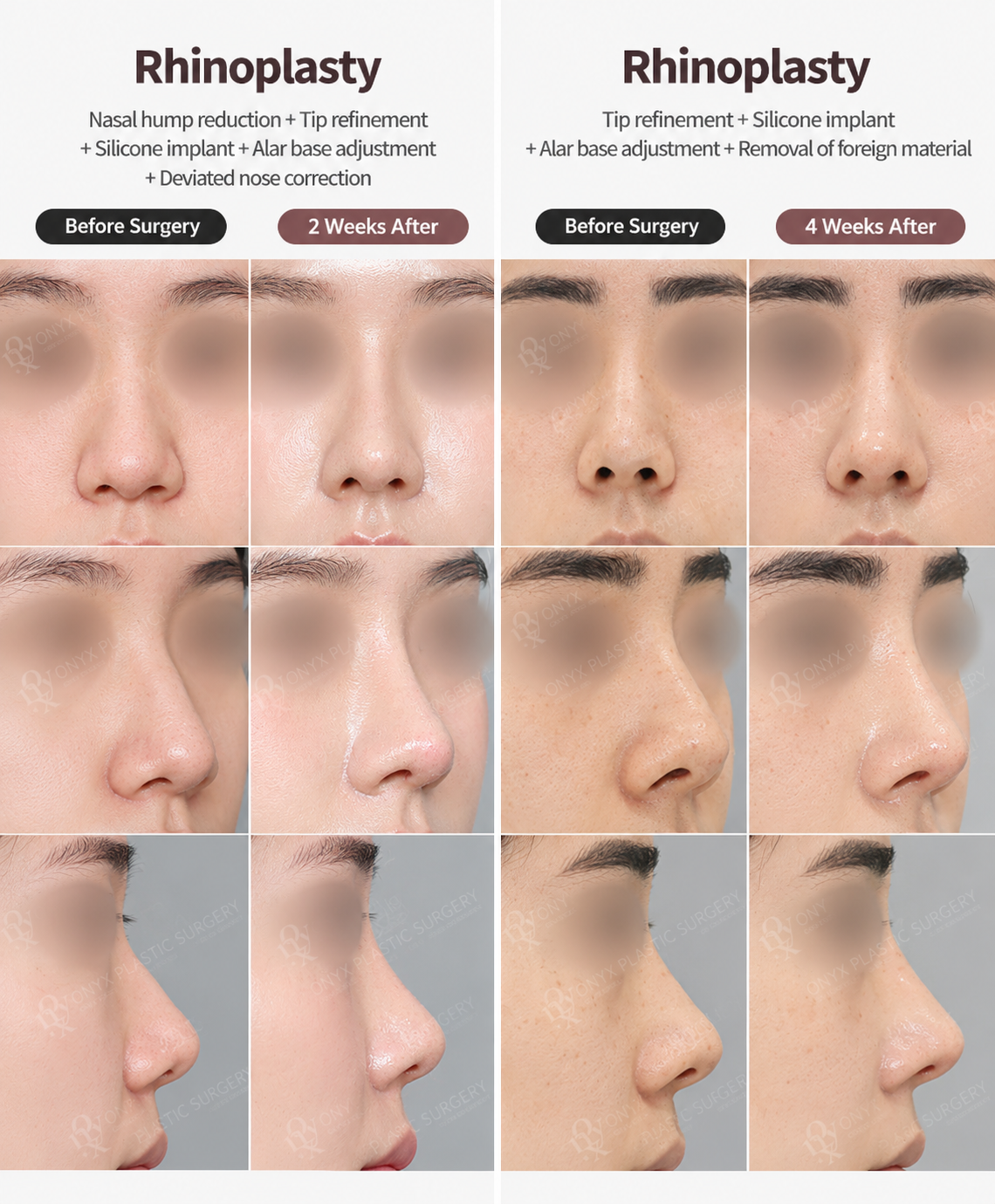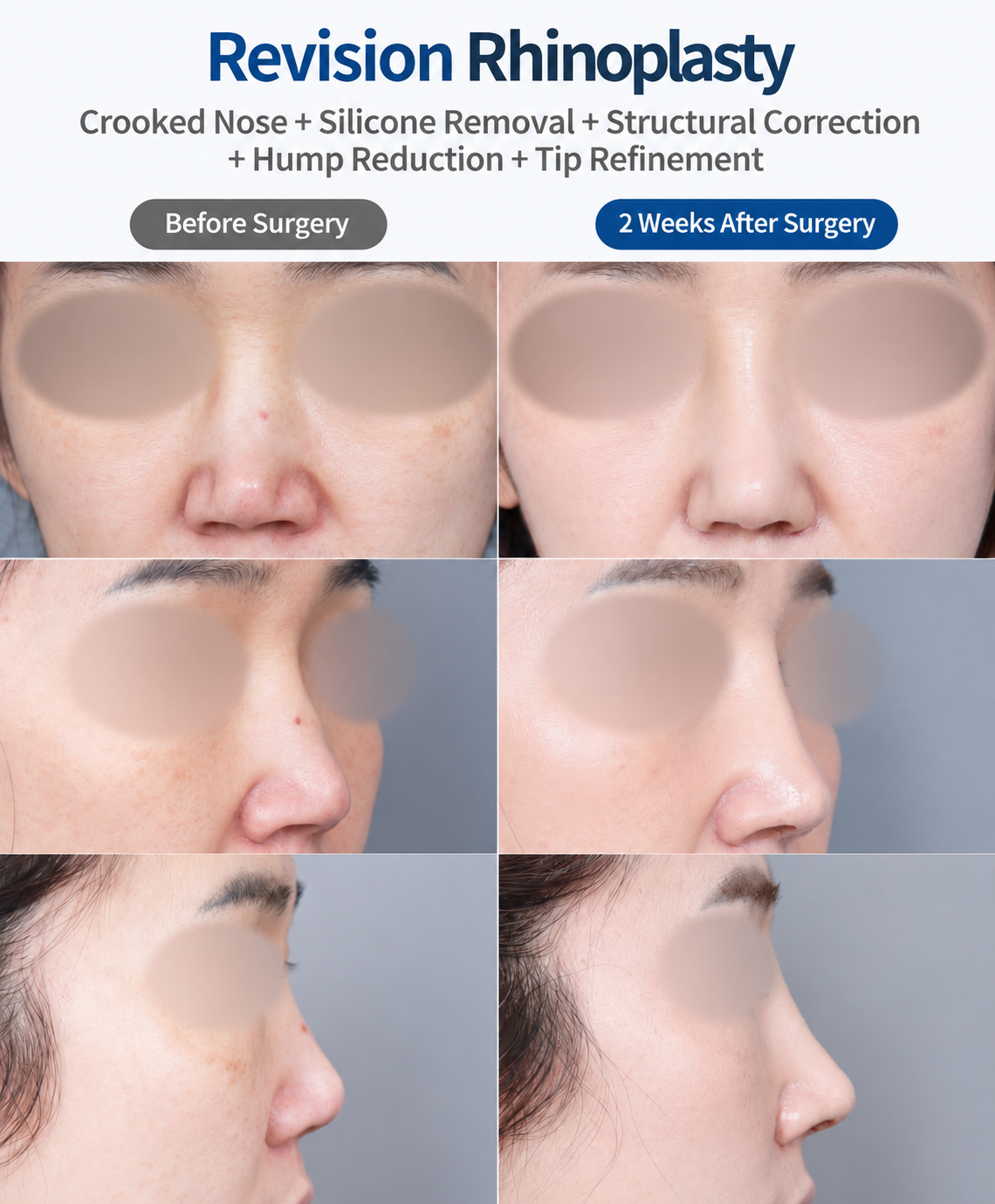
Breathing & function
Breathing Problems After Rhinoplasty, Gangnam, Seoul
the airway, rebuilt.
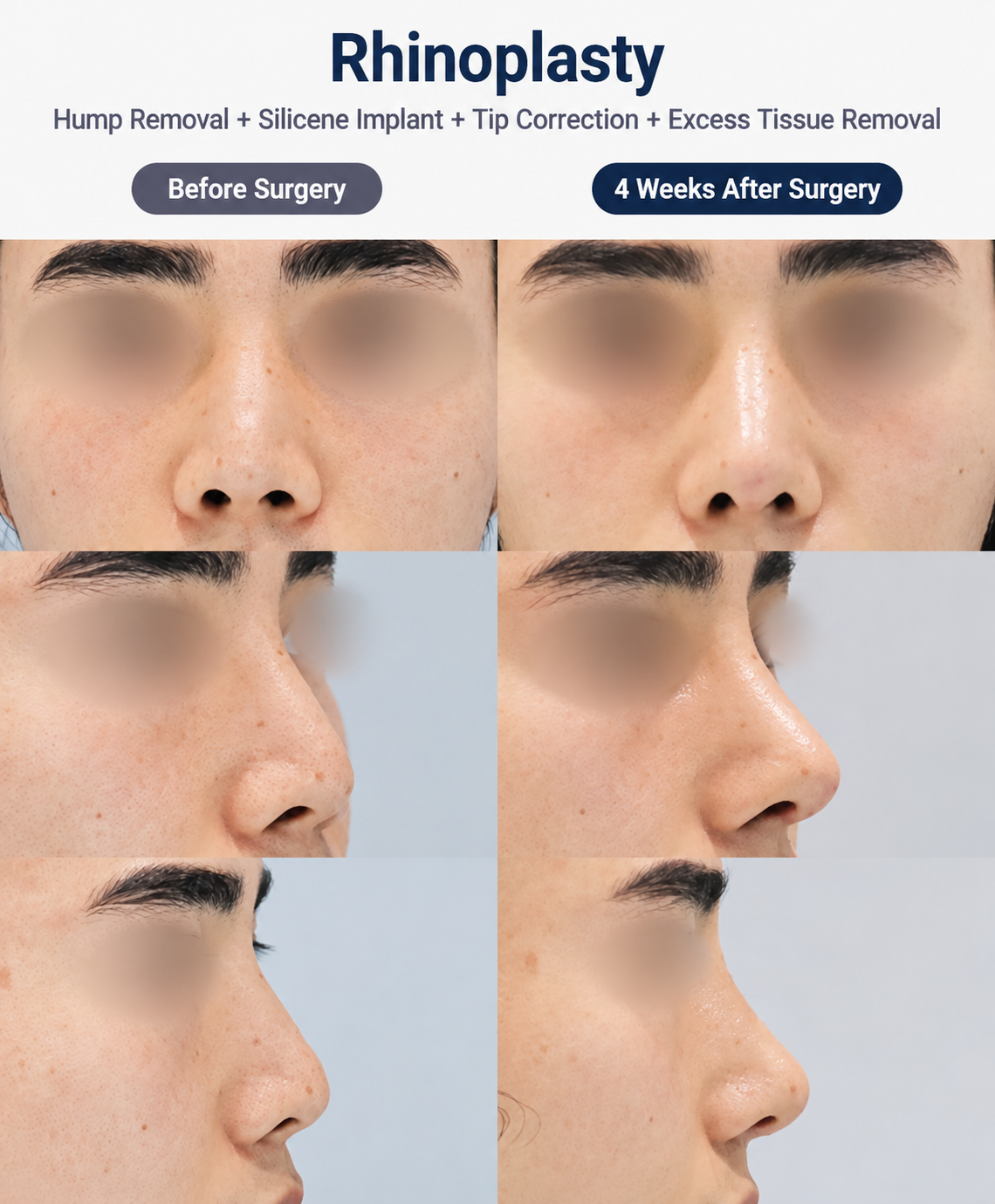
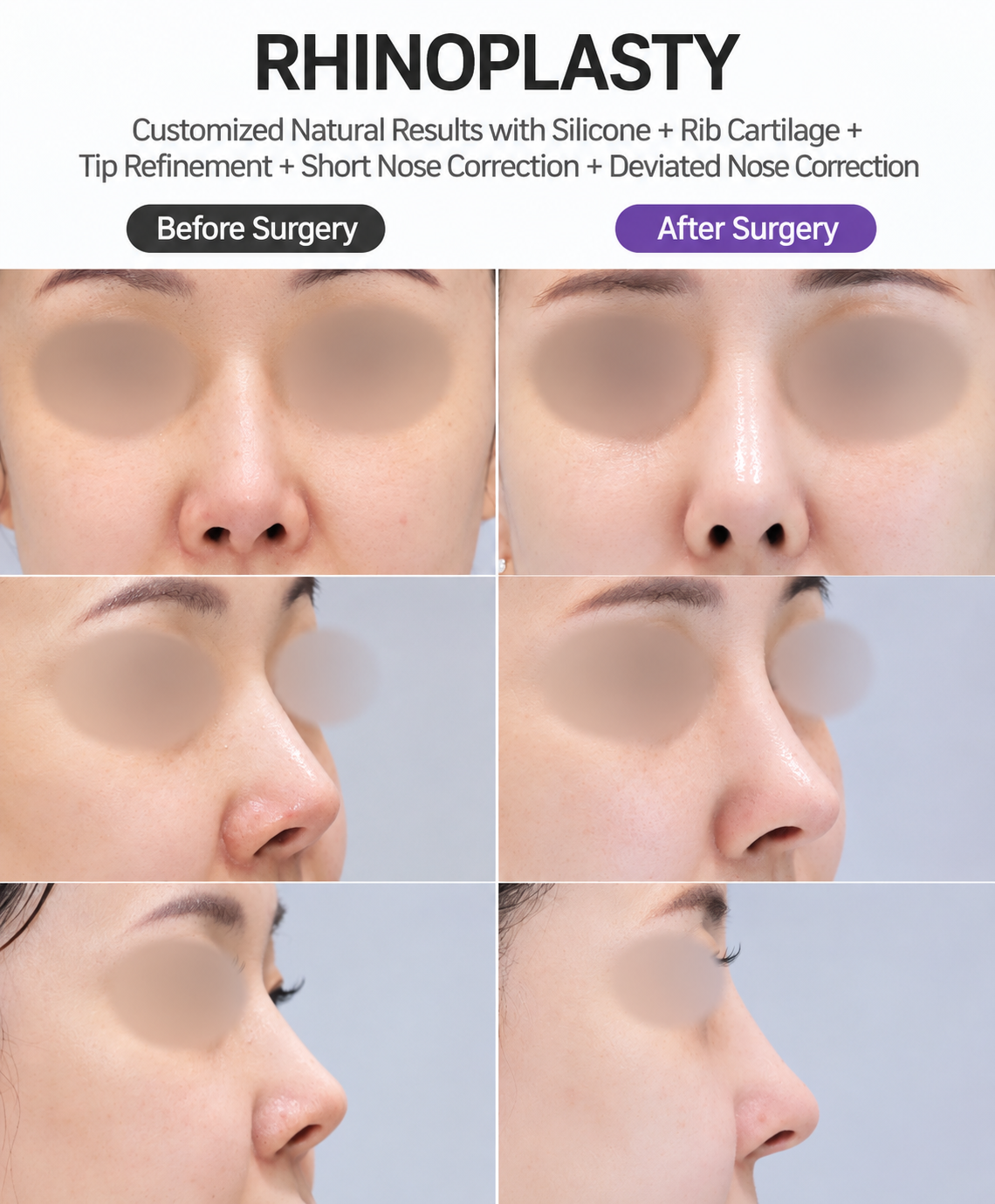
Some patients find their breathing worse after a previous rhinoplasty, often because support was removed or the septum shifted. At ONYX in Gangnam, Seoul, Dr. Yoo identifies the cause and restores the airway while preserving or improving the shape of the nose.
- 01 1:1 consultation with the operating surgeon
- 02 3D CT scan & virtual simulation before surgery
- 03 Structure-first design with your own cartilage
- 04 English-friendly support via WhatsApp
Why can rhinoplasty make breathing worse?
After rhinoplasty, breathing can be affected by internal or external valve collapse from over-resected cartilage, a septum that was not corrected or has shifted, scar tissue, or narrowing of the bones.
Functional revision restores support with spreader, batten or rim grafts, corrects the septum and releases scar, often using rib cartilage when septal cartilage was used before.
| Surgery time | About 3–4 hours |
|---|---|
| Anaesthesia | General anaesthesia |
| Approach | Usually open |
| Grafts | Septal, ear or rib cartilage |
| Stay in Seoul | About 7–10 days, sometimes longer |
| Final result | About 12 months |
Signs you may relate to
- Breathing got worse after your rhinoplasty
- Your nostrils collapse when you breathe in
- One side stays blocked more than a year after surgery
- The middle of your nose looks pinched
- You rely on nasal strips or sprays
Blockage in the first months after surgery is often swelling. Persistent problems after about a year should be assessed.
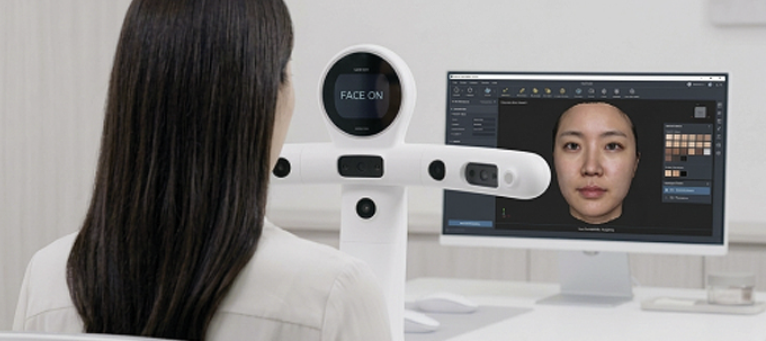
How post-rhinoplasty breathing is restored
- STEP 01
Diagnose
Valves, septum, turbinates and scar are assessed.
- STEP 02
Rebuild valves
Spreader, batten or rim grafts reopen the airway.
- STEP 03
Correct the septum
Any remaining deviation is fixed.
- STEP 04
Keep the shape
The nose shape is preserved or improved at the same time.
Functional revision recovery
Typical timeline only. Healing varies with the procedure, skin thickness and materials used.
- Day 1–3 Swelling and discomfort, controlled with medication; the chest site is sore if rib cartilage was used.
- Day 7 Splint and stitches removed and the wound checked.
- Week 2–4 Bruising fades; swelling is still clearly present.
- Month 3–6 Scar tissue softens and the new shape becomes clearer.
- Month 12 The final result of revision surgery settles.
Breathing Problems After Rhinoplasty in Seoul: your questions answered.
Is it normal to breathe poorly after rhinoplasty?
Temporary blockage from swelling is normal; persistent problems after about a year may be structural.
Can breathing be fixed without changing my nose?
Often yes, though grafts can subtly change the middle of the nose.
Is rib cartilage needed?
Sometimes, if septal cartilage was used in the first surgery.
How soon will breathing improve?
Many patients notice improvement once splints are removed and swelling settles.
Can I send records first?
Yes, ONYX reviews photos and records on WhatsApp before your visit.
Plan your functional revision consultation in Gangnam, Seoul.
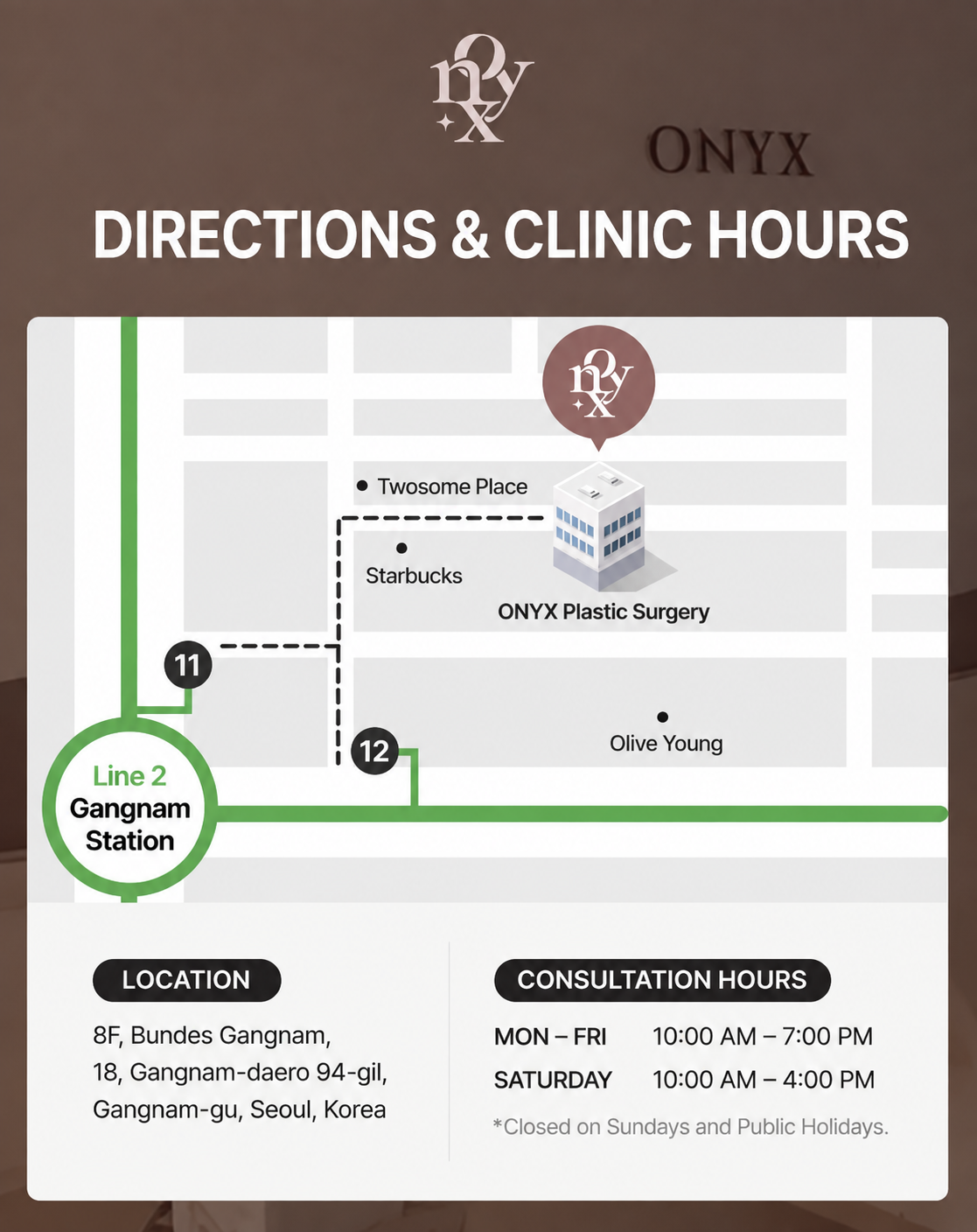
Address
8F, 18 Gangnam-daero 94-gil
Gangnam-gu, Seoul, South Korea
Getting here
Near Gangnam Station
Line 2 · Shinbundang Line
Hours (KST)
Mon–Fri 10:00–19:00
Sat 10:00–16:00
Closed Sundays & public holidays
Contact