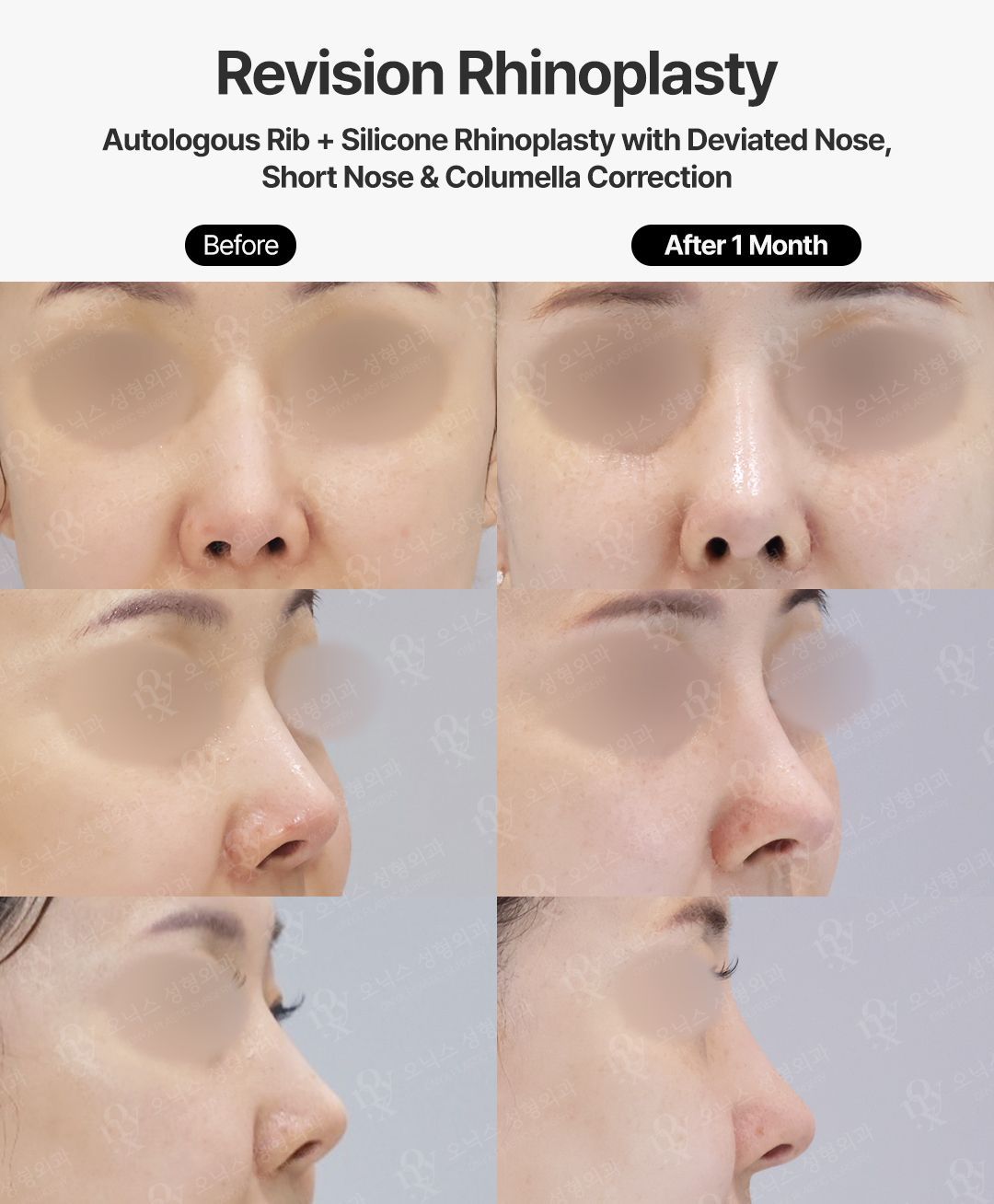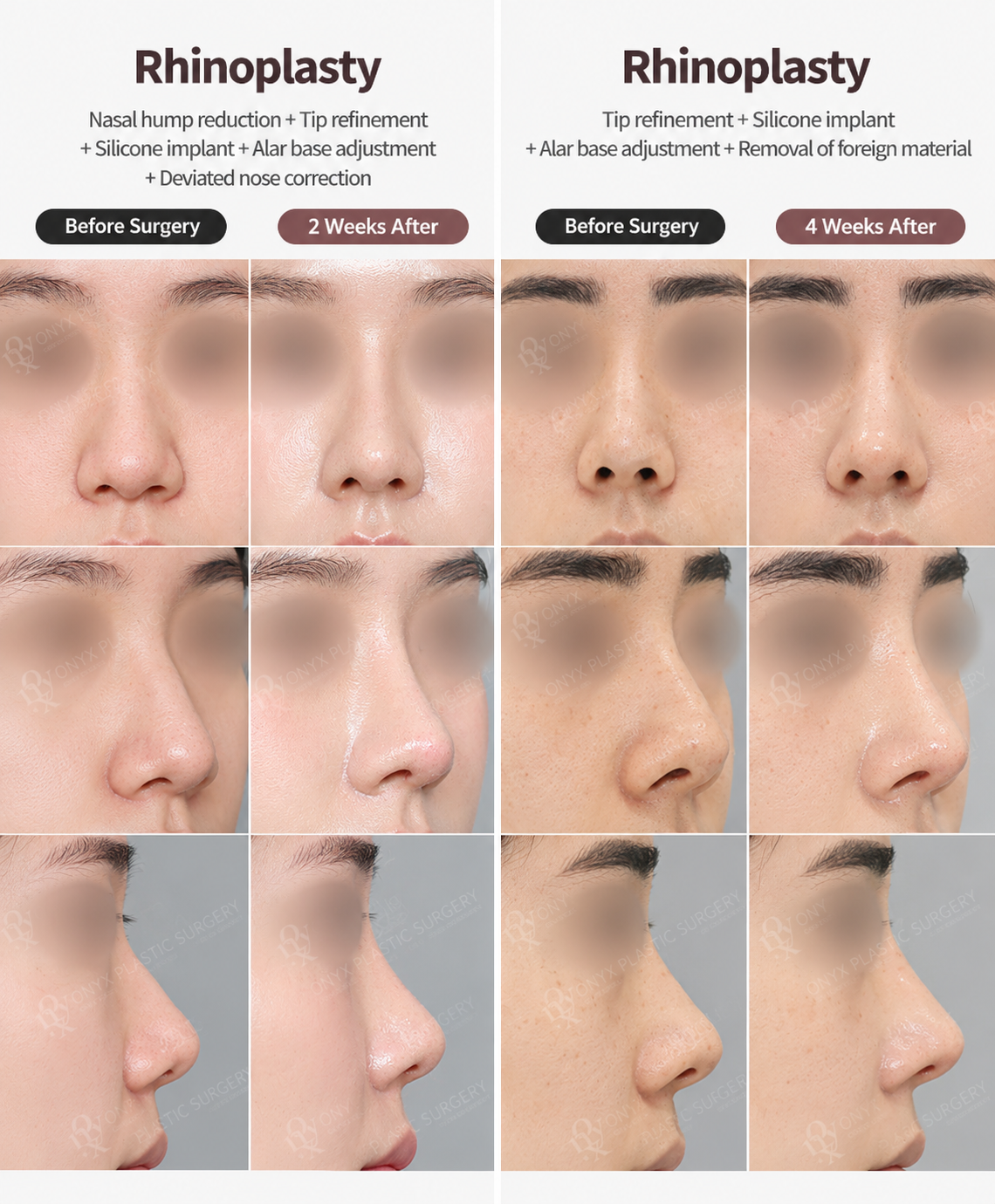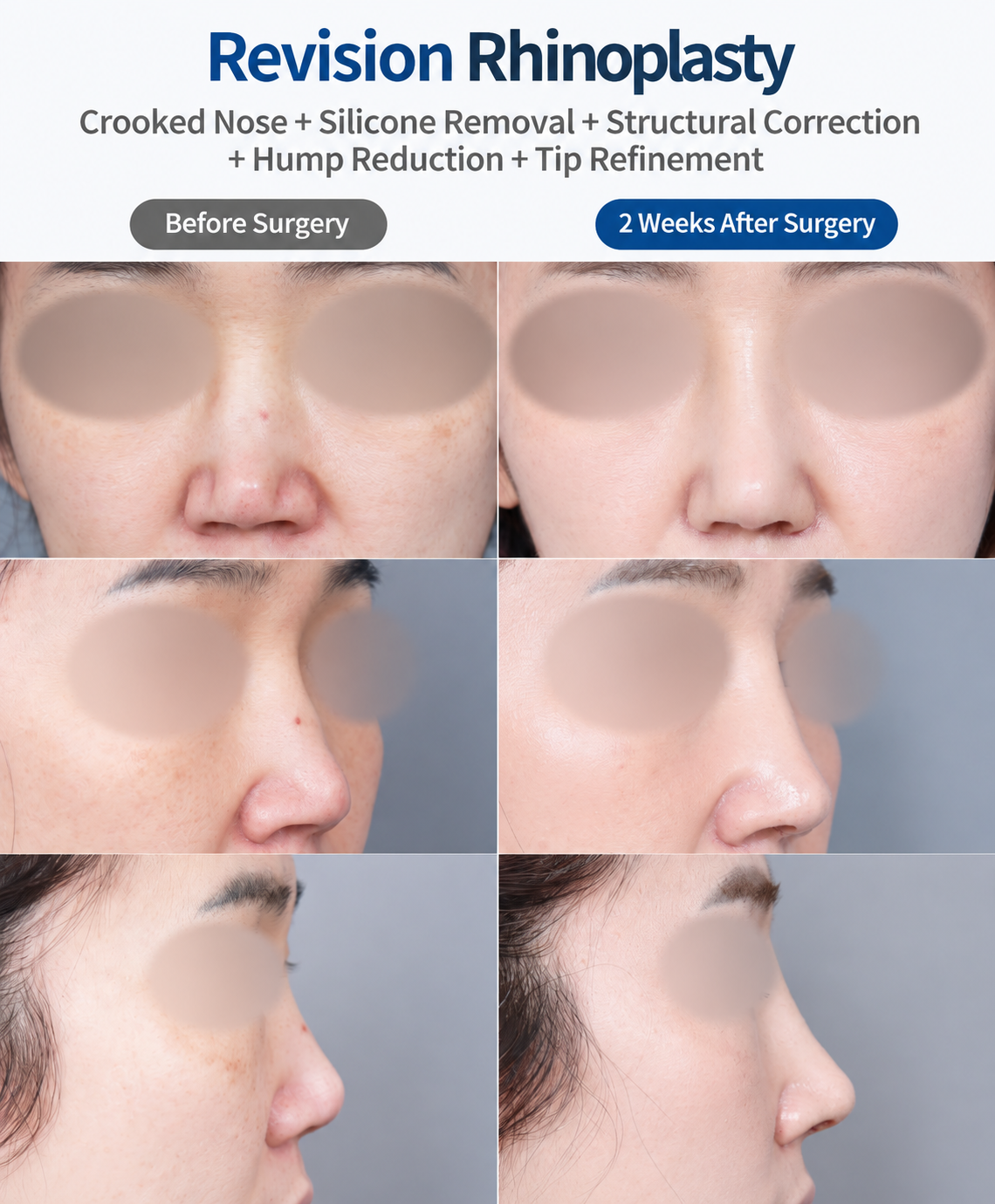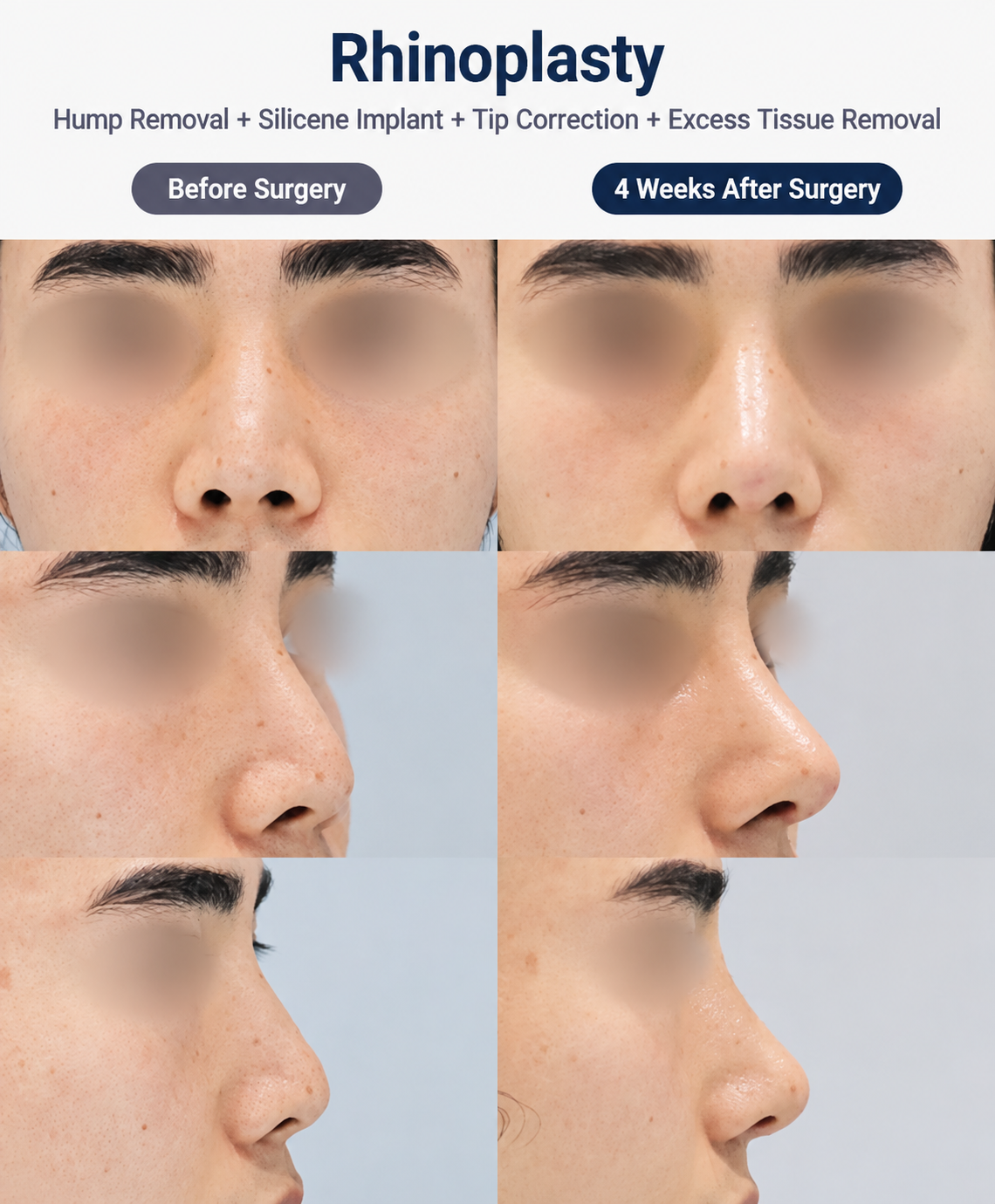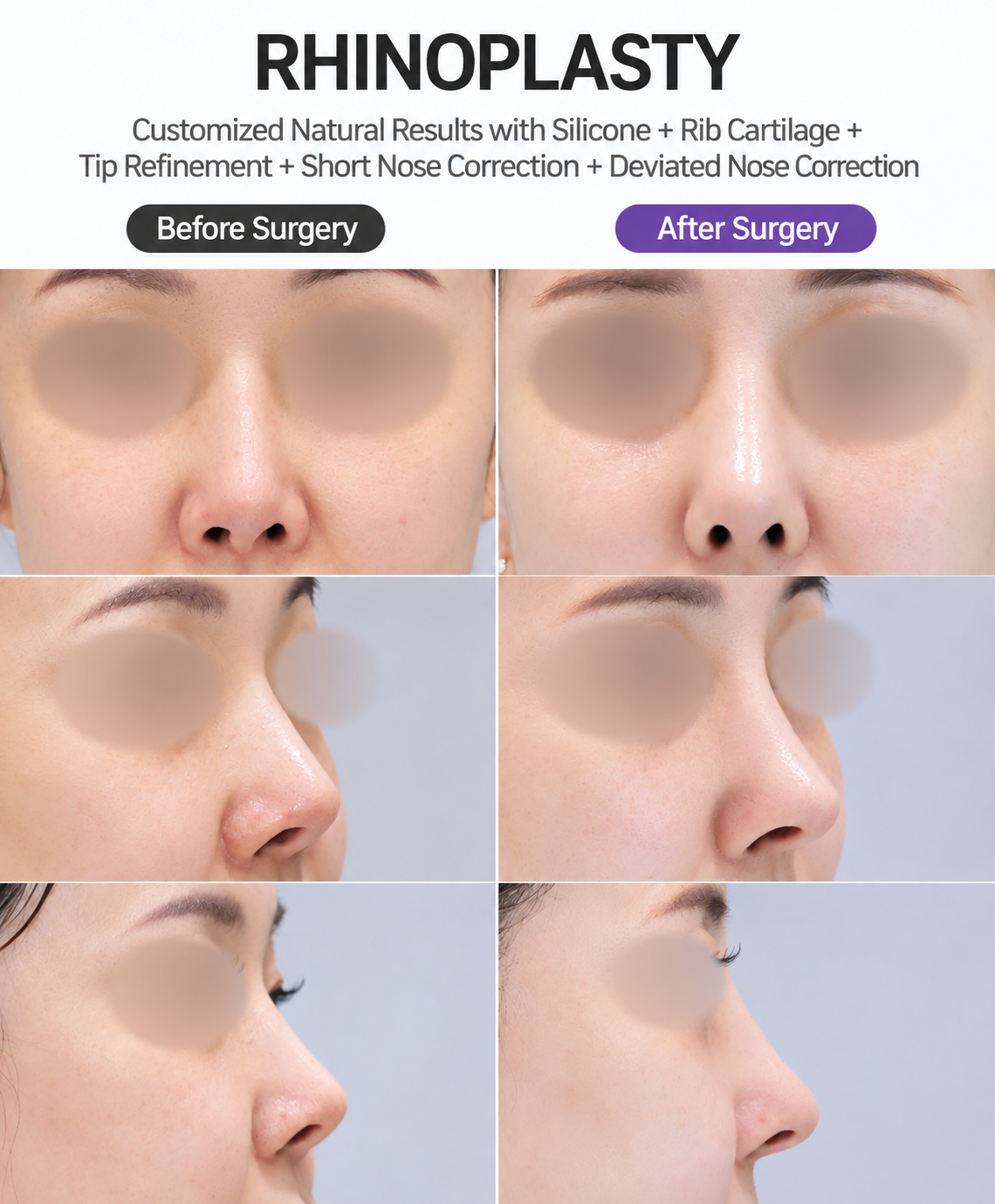
Implant Exposure and How It’s Fixed
Implant exposure is one of the most serious complications that can occur after implant-based rhinoplasty. It happens when the nasal implant becomes visible through the skin or breaks through it entirely, often requiring urgent revision surgery.
While uncommon, implant exposure most often occurs after over-augmentation, poor tissue support, or long-term implant-related complications. Korea is widely known for treating implant exposure due to extensive experience with implant revision and structural reconstruction.
What Is Implant Exposure?
Implant exposure occurs when the skin and soft tissue over the nasal implant become too thin or compromised to safely cover it.
This may present as:
- Visible implant outline under the skin
- Skin thinning or whitening over the nose
- Redness, tenderness, or ulceration
- Implant partially protruding through the skin
- Open wound or drainage
Once exposure begins, it will not heal on its own and requires medical intervention.
Why Implant Exposure Happens
1. Over-Aggressive Augmentation
Excessively high implants place constant pressure on the skin, leading to:
- Reduced blood flow
- Skin thinning
- Gradual tissue breakdown
This is the most common cause of implant exposure.
2. Inadequate Tip Support
When the nasal tip lacks cartilage support:
- Implant pressure shifts forward
- Skin over the tip weakens
- Exposure risk increases
Implants should never be used to support the tip alone.
3. Infection or Chronic Inflammation
Even low-grade infections can:
- Damage soft tissue
- Weaken skin integrity
- Accelerate exposure
In some cases, infection may be subtle or delayed.
4. Multiple Previous Rhinoplasties
Repeated surgery increases:
- Scar tissue
- Poor blood supply
- Reduced tissue resilience
Revision cases carry a higher exposure risk.
5. Thin Skin Anatomy
Patients with naturally thin nasal skin are more vulnerable, especially when implants are used aggressively.
Early Warning Signs You Should Not Ignore
🚩 Persistent redness over the implant
🚩 Shiny, tight, or whitening skin
🚩 Increasing pain or tenderness
🚩 Skin breakdown or scabbing
🚩 Implant edge becoming visible
Early detection can prevent full exposure and reduce reconstruction complexity.
Can Implant Exposure Be Fixed?
Yes—but implant exposure cannot be managed conservatively. Once exposure risk is present, surgical correction is required.
Delaying treatment increases:
- Infection risk
- Tissue loss
- Scarring
- Complexity of reconstruction
How Implant Exposure Is Fixed in Korea
1. Immediate Implant Removal
The exposed or threatening implant must be fully removed. Attempting to “save” an exposed implant often leads to repeat failure.
2. Infection Control and Tissue Rest
If infection is present:
- Antibiotics are administered
- In some cases, delayed reconstruction is recommended
- Skin healing is prioritized before rebuilding
3. Scar Tissue Release and Assessment
Surgeons carefully evaluate:
- Tissue thickness
- Blood supply
- Degree of damage
This determines reconstruction timing and method.
4. Structural Reconstruction With Cartilage
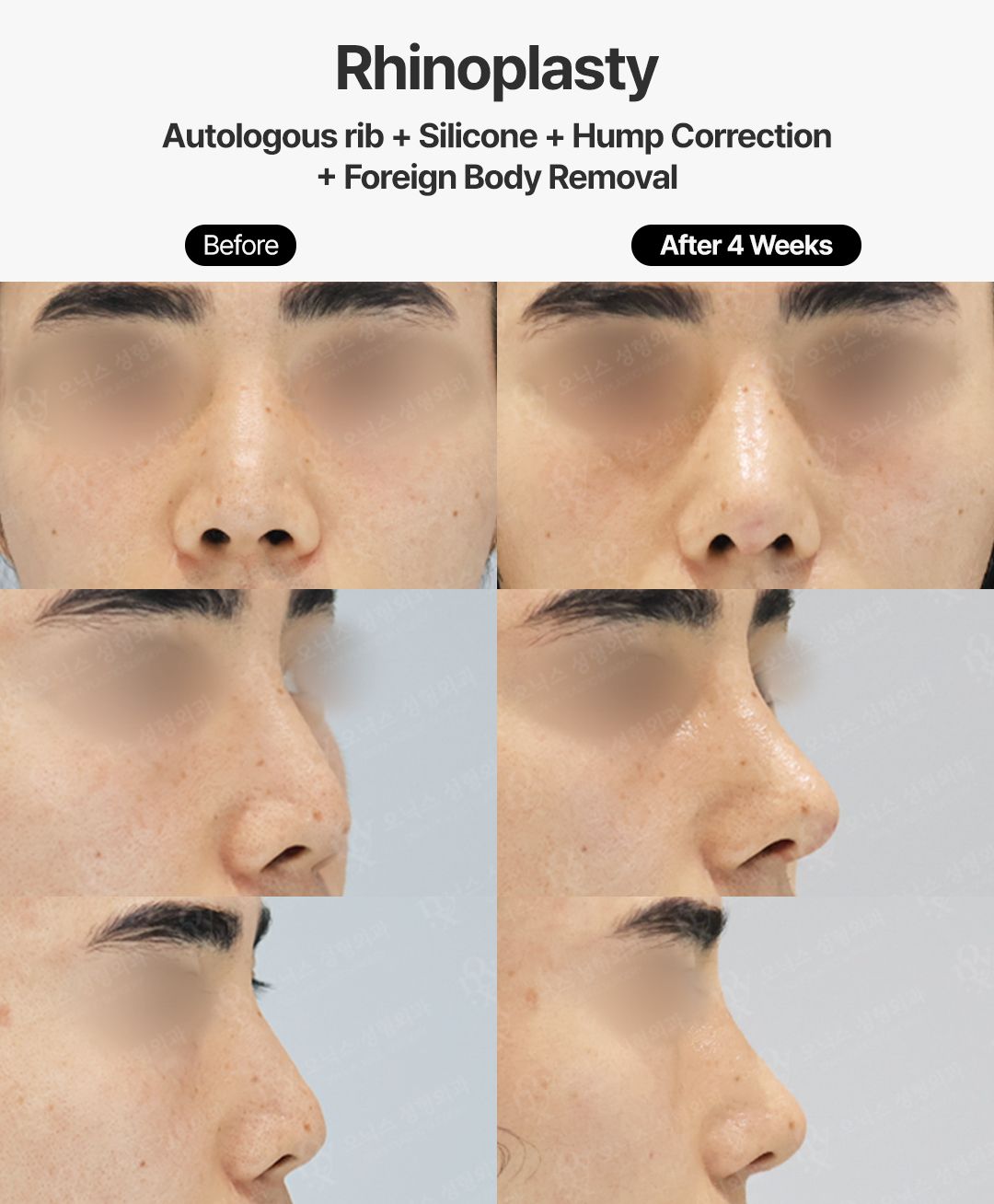
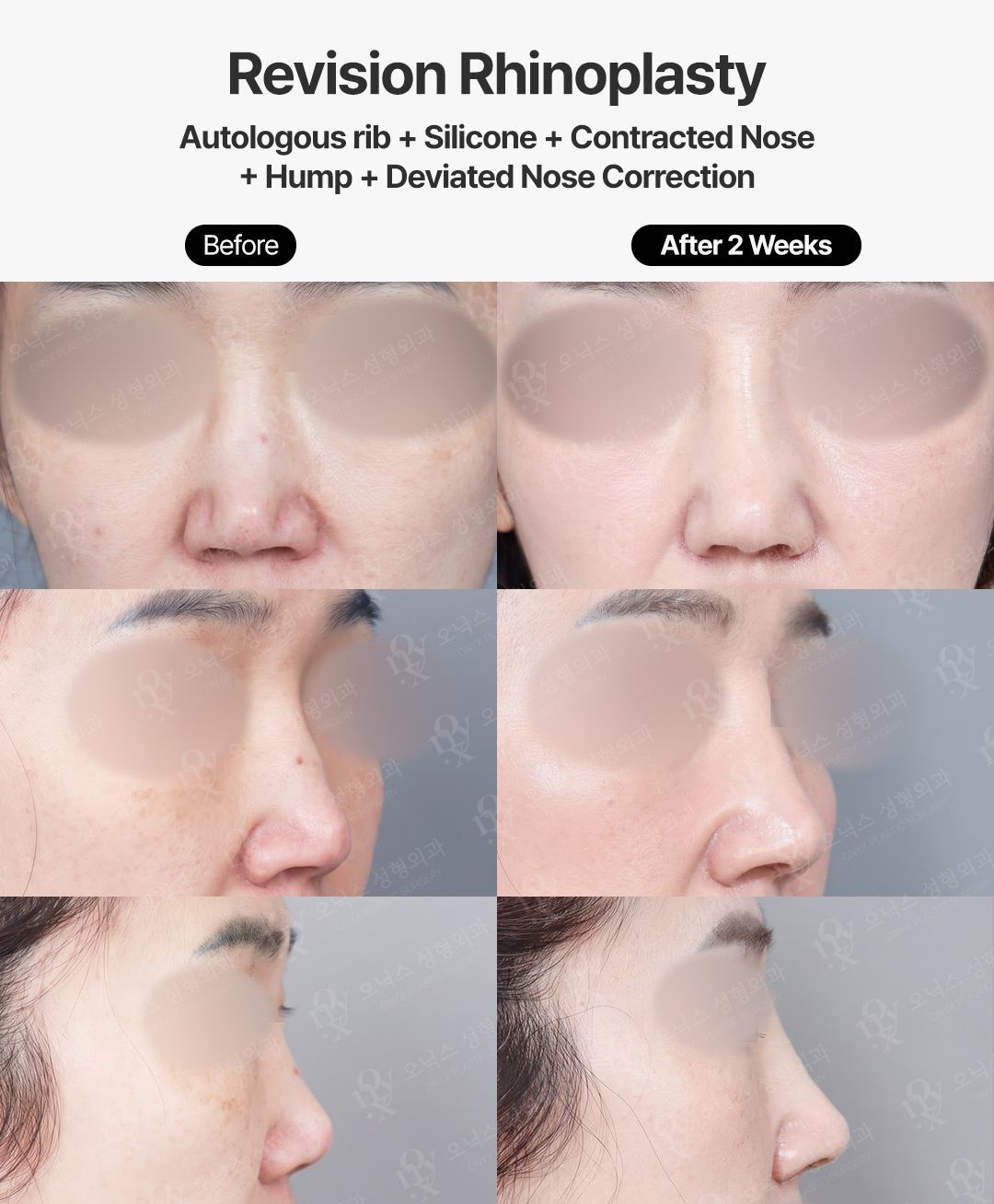
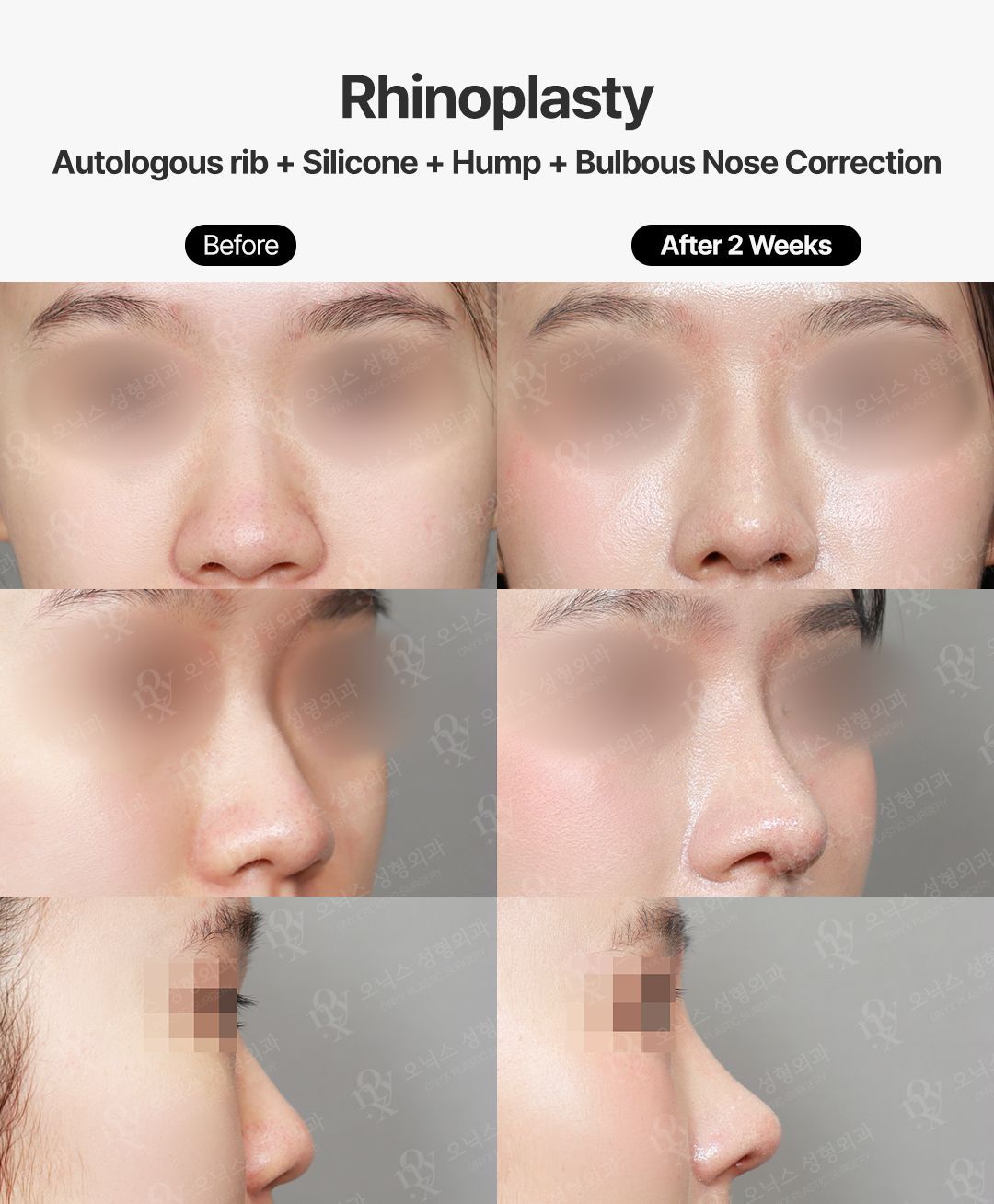
Correction almost always involves autologous cartilage:
- Rib cartilage (most common for severe cases)
- Septal or ear cartilage (milder cases)
Cartilage is used to:
- Restore nasal height safely
- Rebuild tip support
- Reduce pressure on the skin
- Prevent repeat exposure
Implants are usually avoided in exposed cases.
5. Soft Tissue Protection
Techniques may include:
- Fascia grafts
- Soft tissue padding
- Conservative reshaping
The goal is to protect fragile skin long-term.
Why Korea Is Known for Fixing Implant Exposure
Korea has extensive experience with:
- Implant-based rhinoplasty complications
- Contracture and exposure cases
- Rib cartilage structural reconstruction
- High-complexity revision surgery
Korean surgeons focus on long-term stability, not quick cosmetic fixes.
Recovery After Implant Exposure Correction
Recovery is usually longer than primary rhinoplasty.
Typical expectations:
- Significant swelling initially
- Gradual softening over 6–12 months
- Final shape stabilizes slowly
- Scars and tissue quality improve with time
Patience is essential for optimal results.
Can Implant Exposure Be Prevented?
In many cases, yes.
Prevention includes:
- Conservative implant height
- Strong cartilage tip support
- Proper implant placement plane
- Avoiding implant-only rhinoplasty
- Choosing an experienced surgeon
Most exposure cases result from poor surgical planning, not bad luck.
Final Thoughts
Implant exposure is a serious but treatable rhinoplasty complication. Successful correction requires:
- Prompt implant removal
- Infection control
- Structural cartilage-based reconstruction
- Conservative aesthetic goals
Korea’s expertise in implant revision and complex rhinoplasty makes it a leading destination for treating implant exposure safely and effectively.
If you notice warning signs after implant rhinoplasty,
early evaluation is critical—waiting can significantly worsen the outcome.