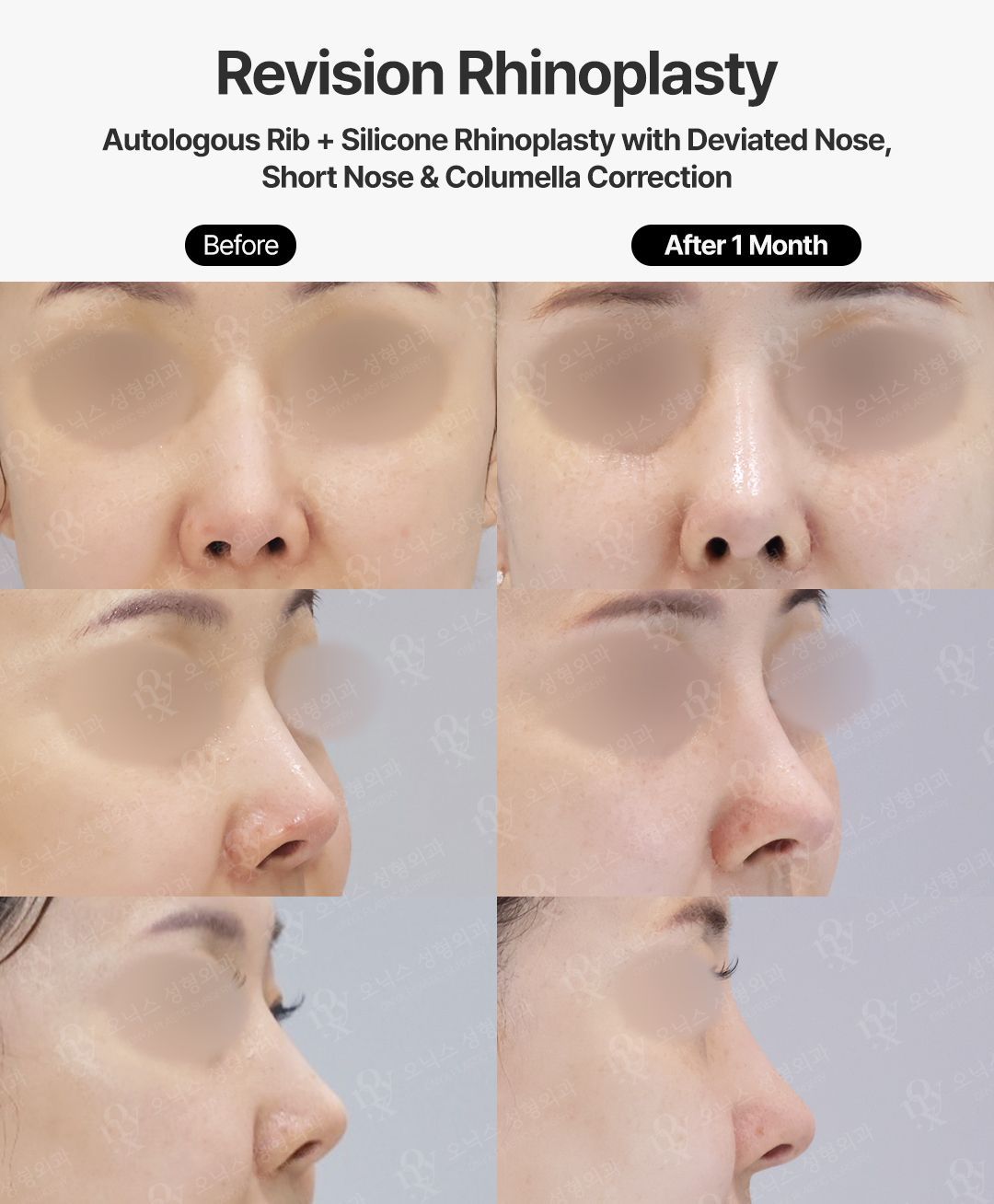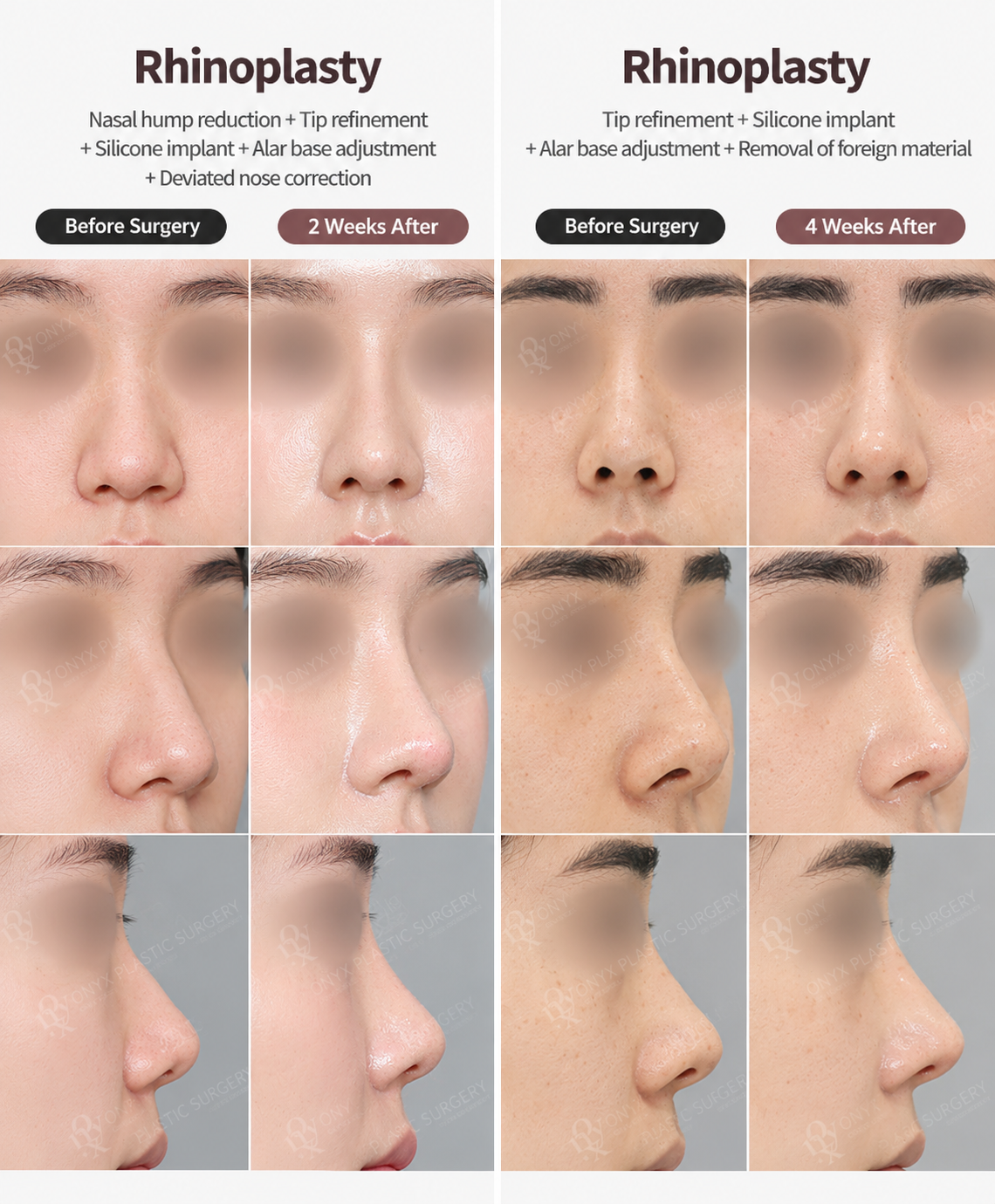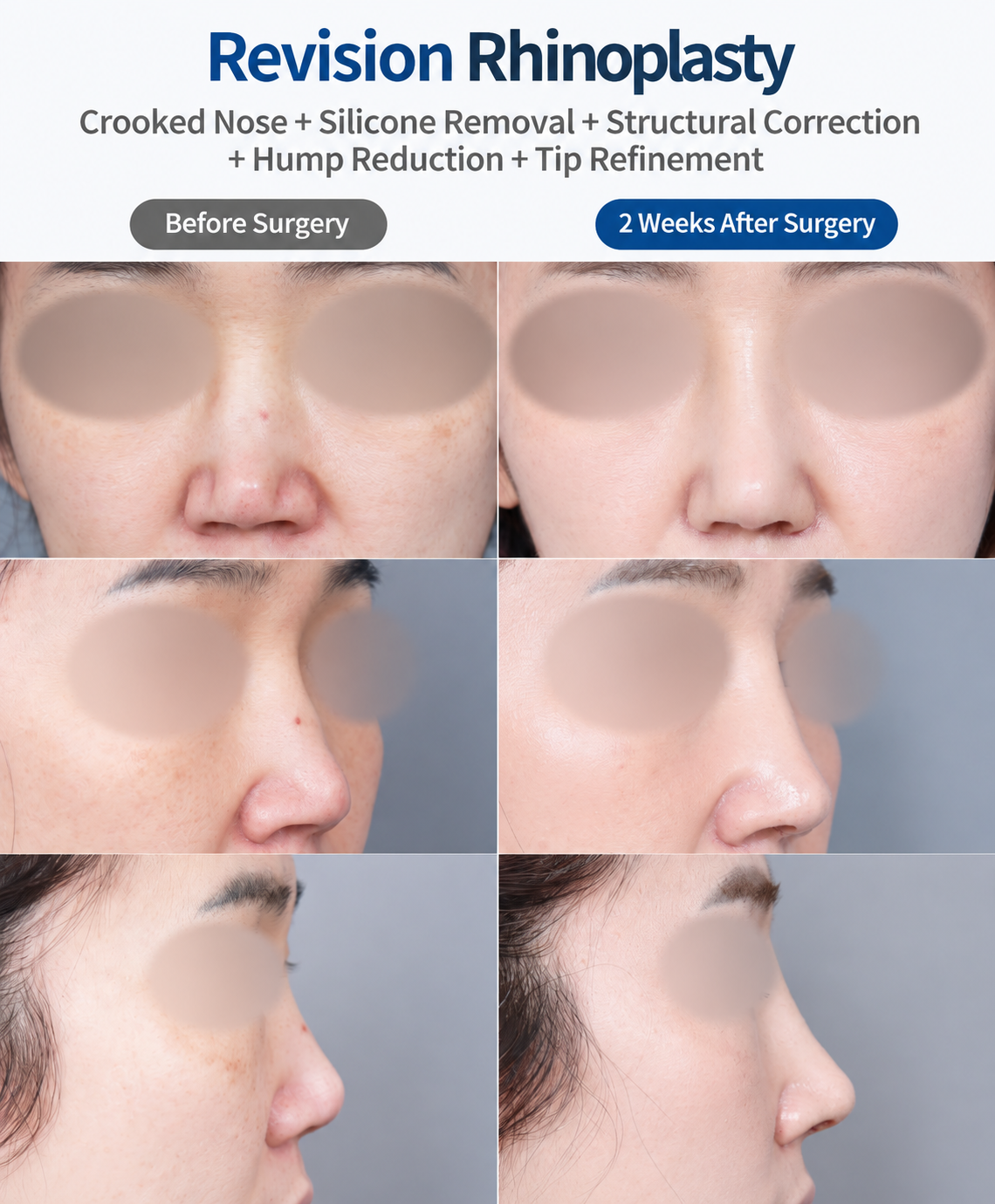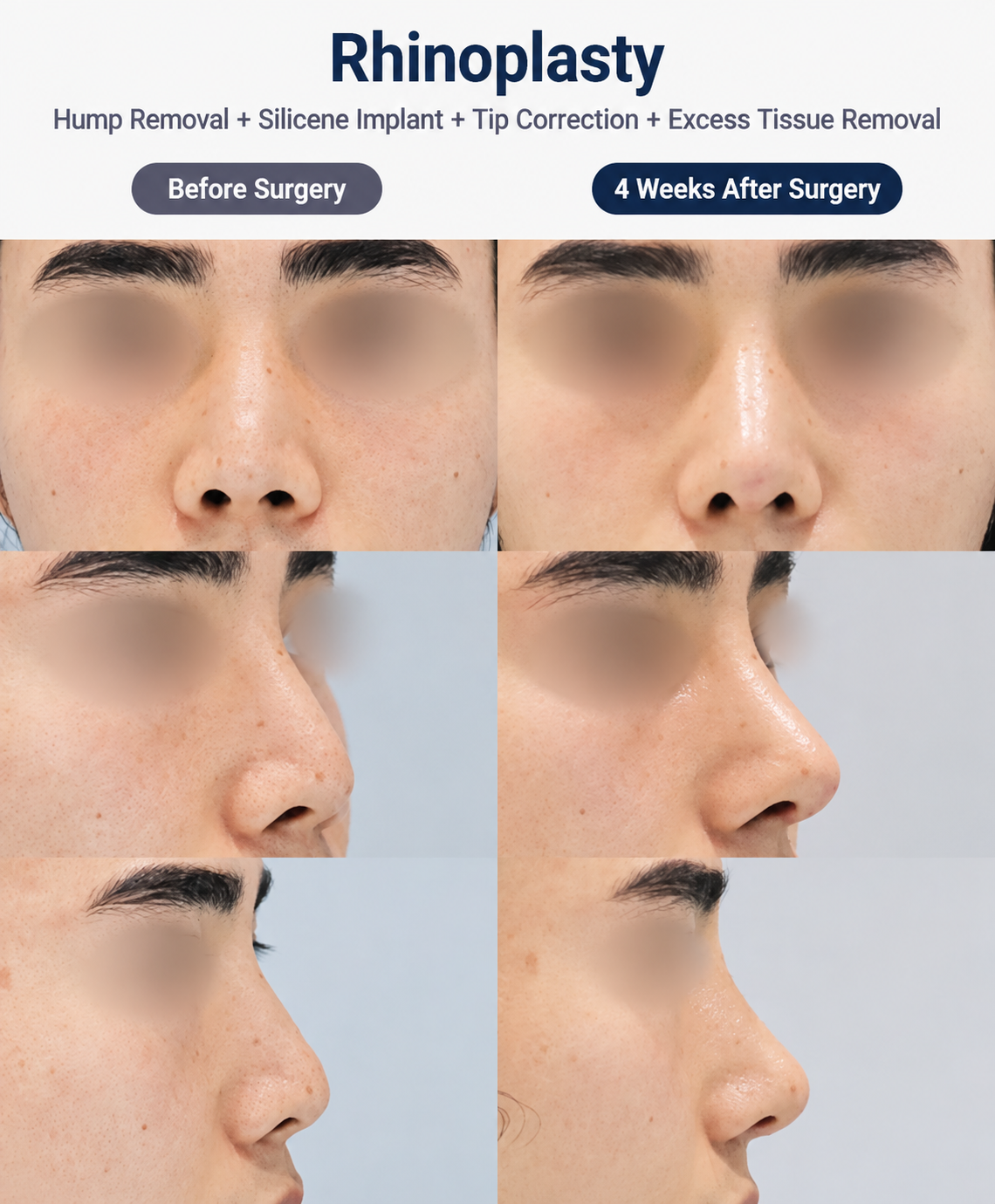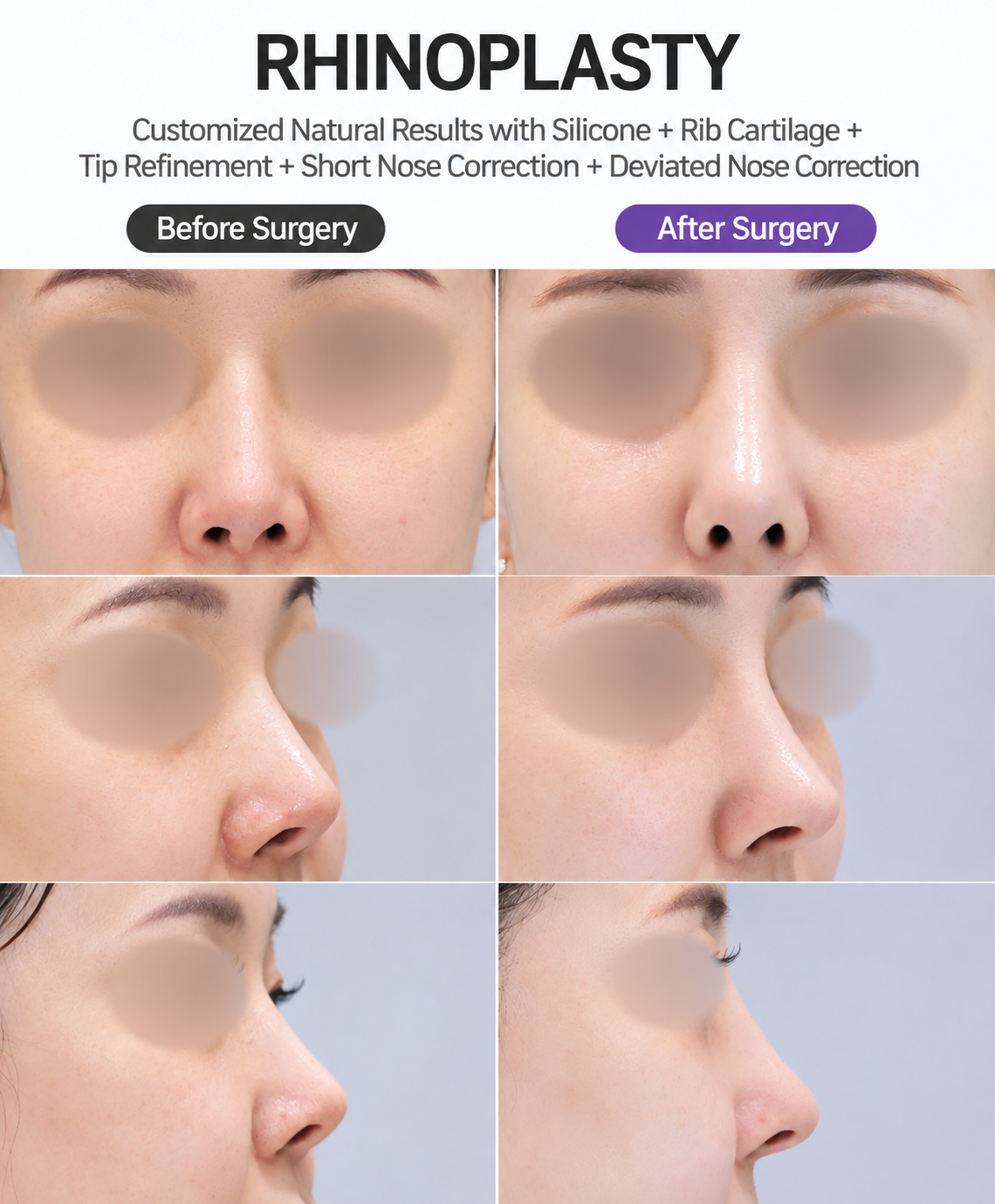
Silicone Implants vs Gore-Tex in Korea
Korea is one of the few countries where implant-based rhinoplasty is widely practiced with long-term experience. Two materials are most commonly used for nasal bridge augmentation: silicone implants and Gore-Tex (ePTFE).
While both can produce natural results when properly selected and placed, they behave very differently in the body. Understanding these differences is critical for choosing the right option—and avoiding future complications or revision surgery.
Why Implants Are Commonly Used in Korea
Many patients seeking rhinoplasty in Korea have:
- Low or flat nasal bridges
- Thicker skin
- Limited septal cartilage
Implants allow surgeons to:
- Create predictable bridge height
- Minimize donor-site surgery
- Shorten operating time
Modern Korean rhinoplasty uses implants conservatively, often combined with cartilage for tip support.
Silicone Implants in Korea
What Silicone Is
Medical-grade silicone is a solid, smooth implant that sits on top of the nasal bone to raise the bridge.
Advantages
- Predictable shape and height
- Easy to insert and remove
- Lower tissue adhesion (simpler revision if needed)
- Long history of use in Korea
Considerations
- Does not integrate with surrounding tissue
- Can shift if poorly placed
- Edge visibility possible in thin skin
- Infection usually requires full removal
Silicone works best when:
- Used in moderate height
- Placed precisely in the correct anatomical plane
- Combined with strong tip support
Gore-Tex (ePTFE) in Korea
What Gore-Tex Is
Gore-Tex is a microporous material that allows soft tissue to grow into it, creating partial integration with the body.
Advantages
- Softer, more natural feel
- Less edge visibility in thin skin
- Lower risk of migration once stabilized
- Blends well with surrounding tissue
Considerations
- More difficult to remove during revision
- Higher surgical skill required
- Infection can be more complex to manage
- Swelling may last slightly longer
Gore-Tex is often chosen for:
- Thin skin noses
- Patients prioritizing soft contours
- Revision rhinoplasty (select cases)
Silicone vs Gore-Tex: Key Differences
Tissue Integration
- Silicone: No integration
- Gore-Tex: Partial integration
Feel
- Silicone: Firm
- Gore-Tex: Softer, more natural
Revision Ease
- Silicone: Easier to remove
- Gore-Tex: More complex removal
Migration Risk
- Silicone: Higher if poorly placed
- Gore-Tex: Lower once integrated
Best Skin Type
- Silicone: Thick to medium skin
- Gore-Tex: Thin to medium skin
Which Is Safer?
Neither material is inherently “unsafe.” Safety depends on:
- Surgeon experience
- Proper patient selection
- Conservative implant height
- Clean surgical technique
In Korea, complications are more often related to over-augmentation or poor indication, not the material itself.
Implant + Cartilage: The Korean Standard
Modern Korean rhinoplasty rarely relies on implants alone.
A common approach:
- Implant (silicone or Gore-Tex) for bridge
- Autologous cartilage (ear/septum/rib) for tip support
This reduces:
- Tip pressure on the implant
- Long-term drooping
- Artificial appearance
Who Is a Better Candidate for Silicone?
You may be better suited for silicone implants if you:
- Have thick skin
- Want predictable bridge height
- Prefer easier revision options
- Need primary (first-time) augmentation
Who Is a Better Candidate for Gore-Tex?
You may be better suited for Gore-Tex if you:
- Have thin skin
- Want a softer, blended contour
- Are undergoing revision rhinoplasty
- Accept more complex future revision if needed
Common Mistakes to Avoid
🚩 Choosing implant type based on trend, not anatomy
🚩 Over-height augmentation
🚩 Using implants to define the tip
🚩 Ignoring long-term revision implications
These are frequent causes of dissatisfaction and revision surgery.
Why Korea Is Known for Implant Rhinoplasty
Korea’s reputation comes from:
- Decades of implant experience
- Conservative aesthetic philosophy
- Strong revision surgery expertise
- Clear understanding of implant limitations
Rather than extreme height, Korean surgeons aim for natural integration with the face.
Final Thoughts
Silicone implants and Gore-Tex each have strengths and limitations. The “better” choice depends on skin thickness, anatomy, surgical goals, and revision tolerance, not brand preference.
In Korea, the best results come from:
- Conservative implant design
- Proper material selection
- Strong cartilage support
- An experienced surgeon who plans for long-term outcomes
Choosing the right material is less important than choosing the
right surgical strategy.