Low Bridge Nose Surgery Explained
Low Bridge Nose Surgery Explained
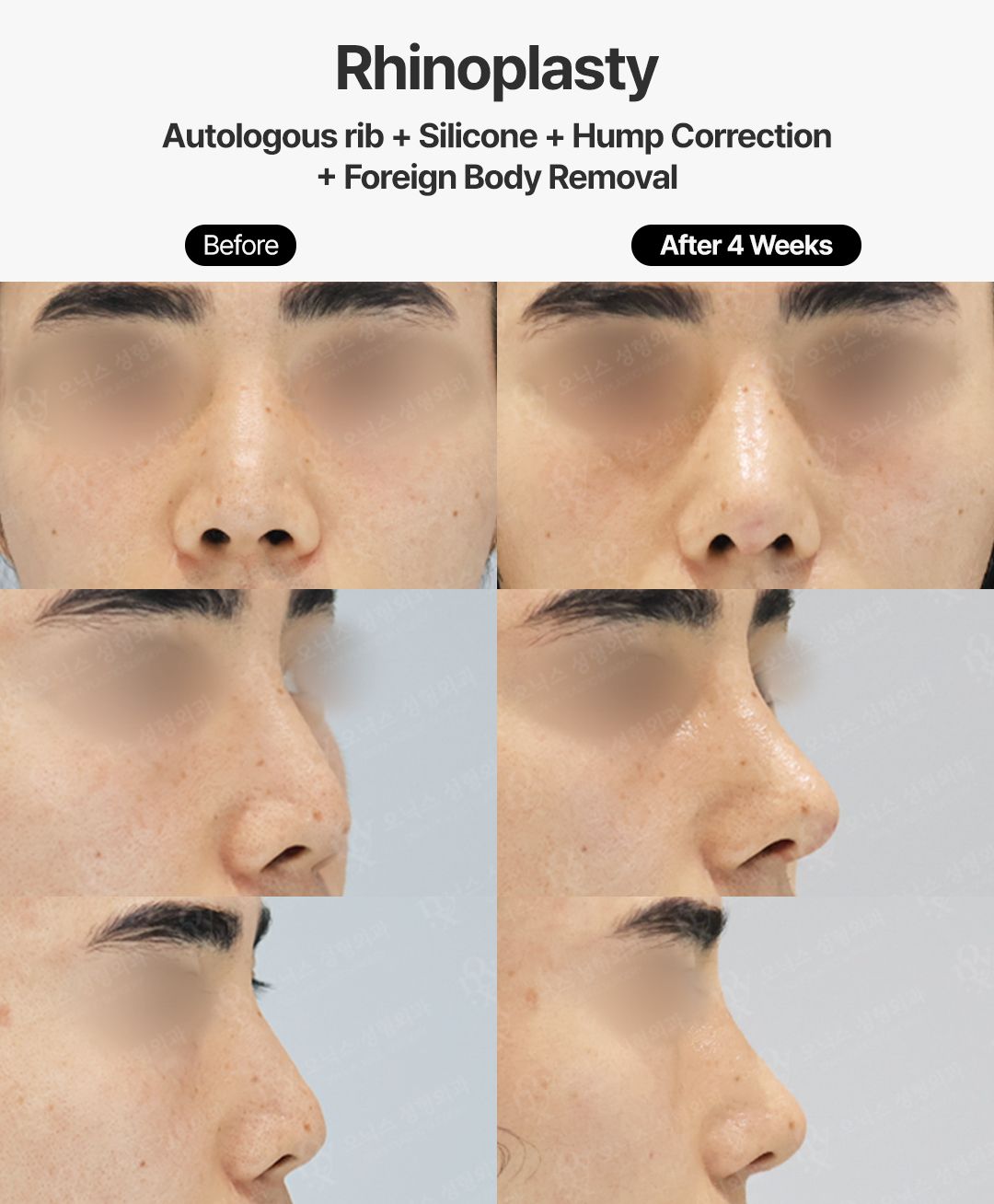
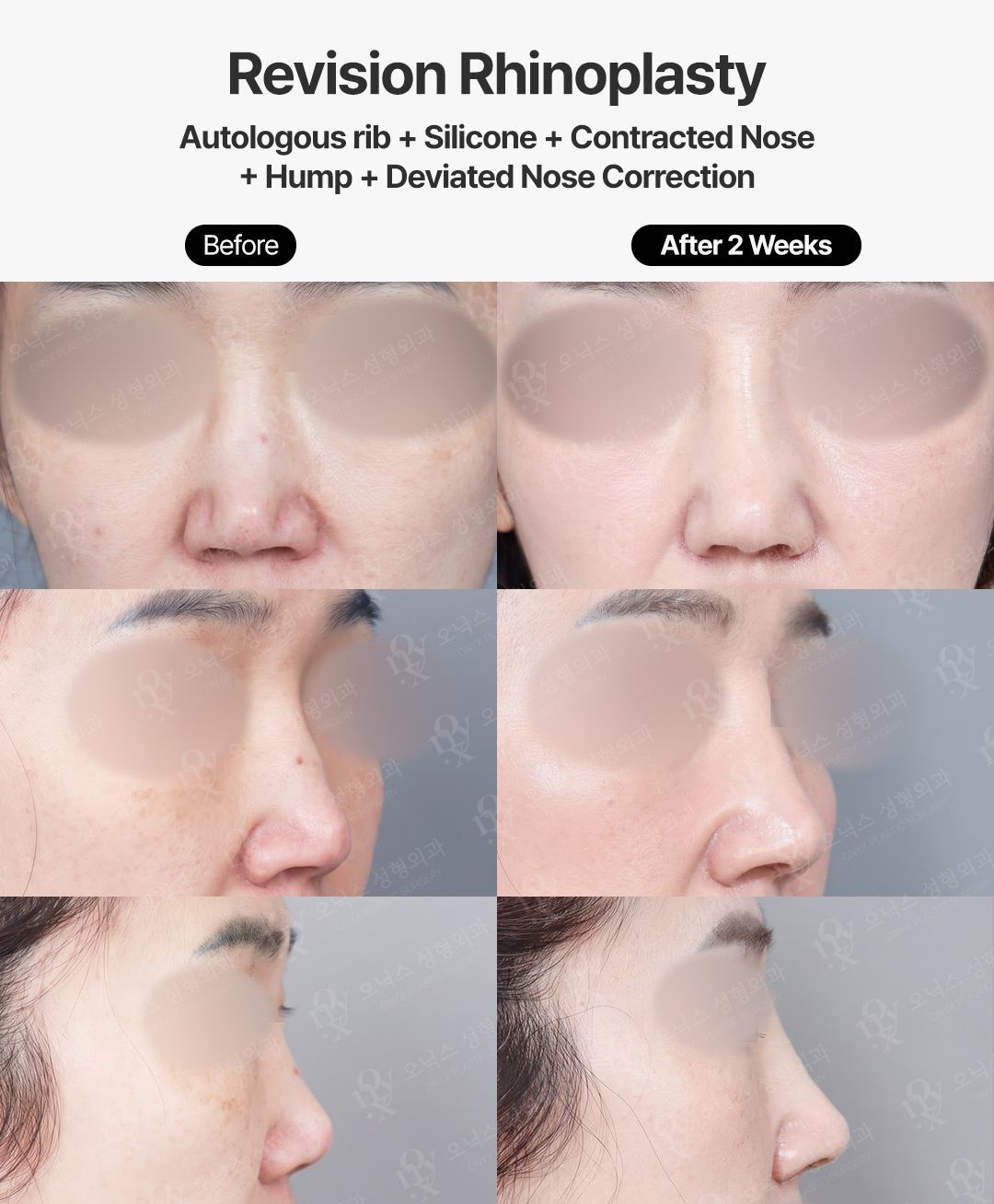
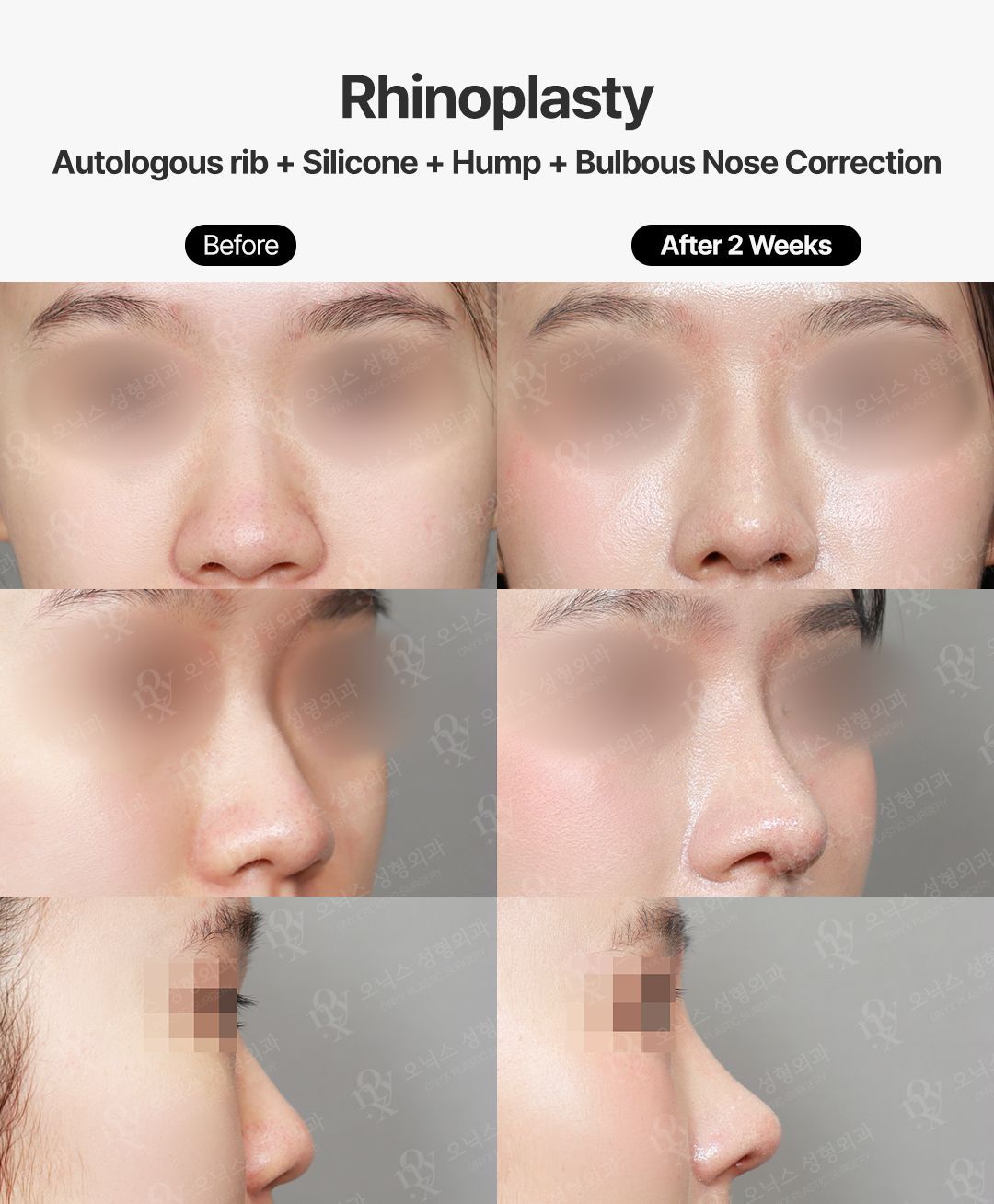
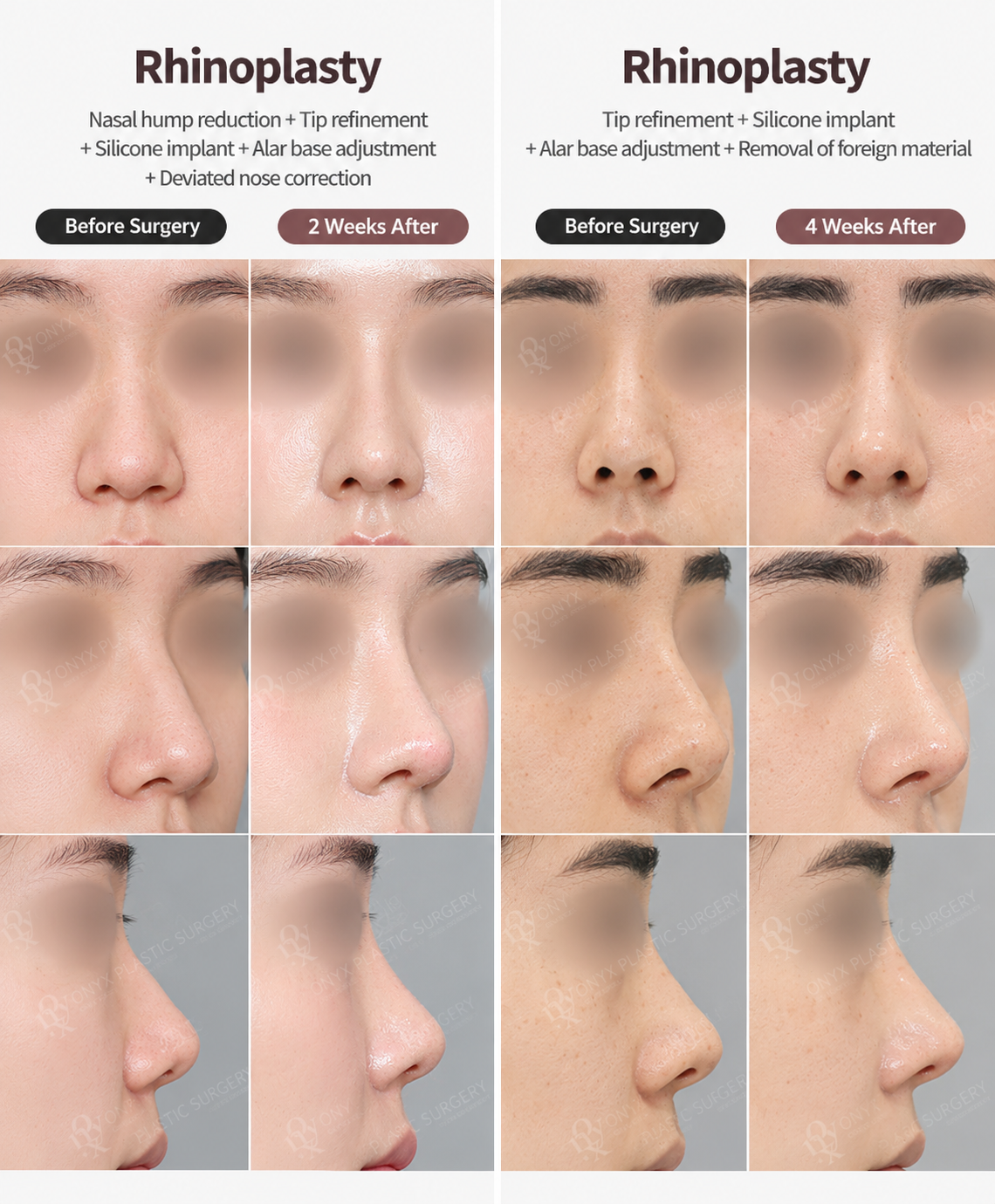
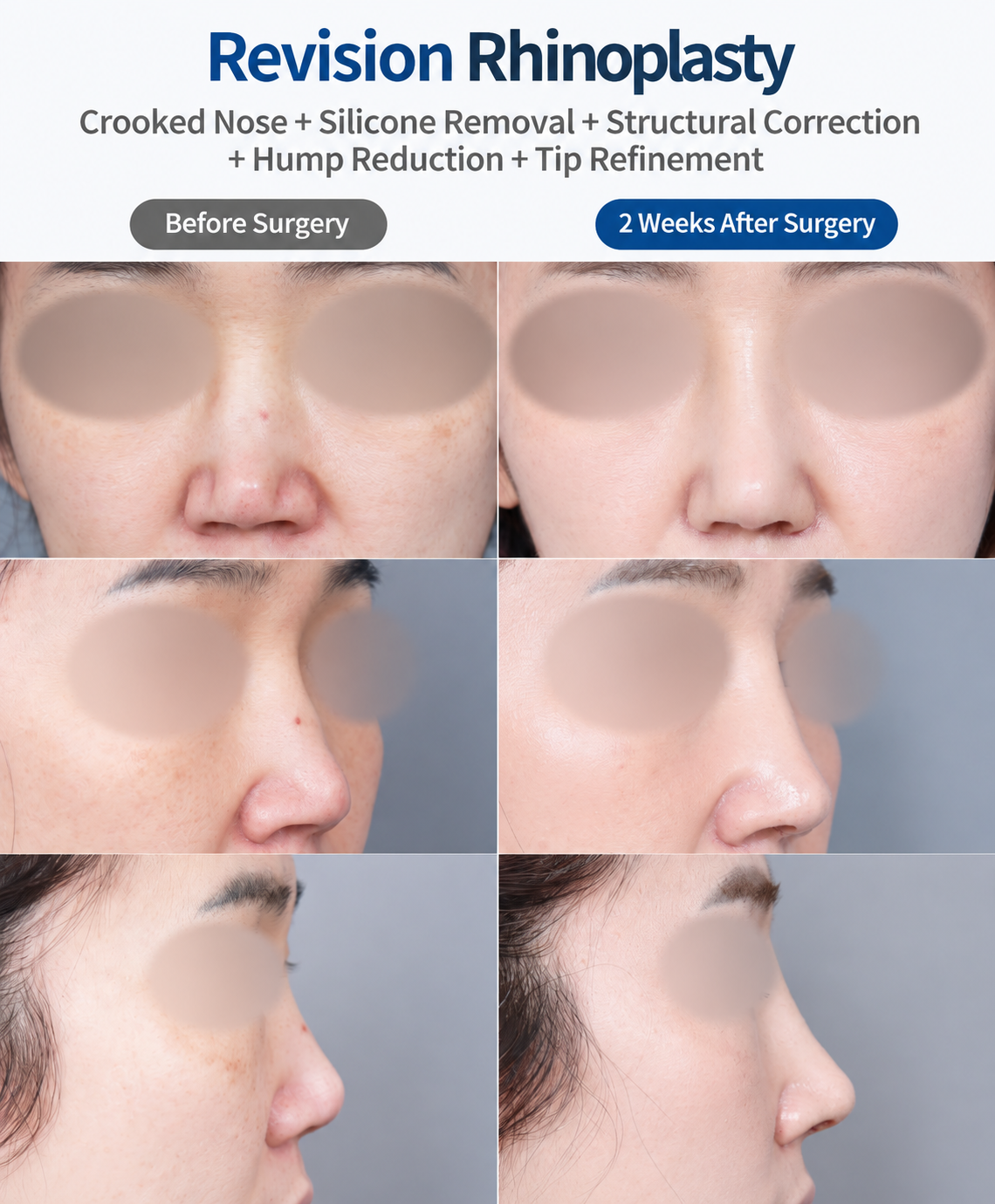
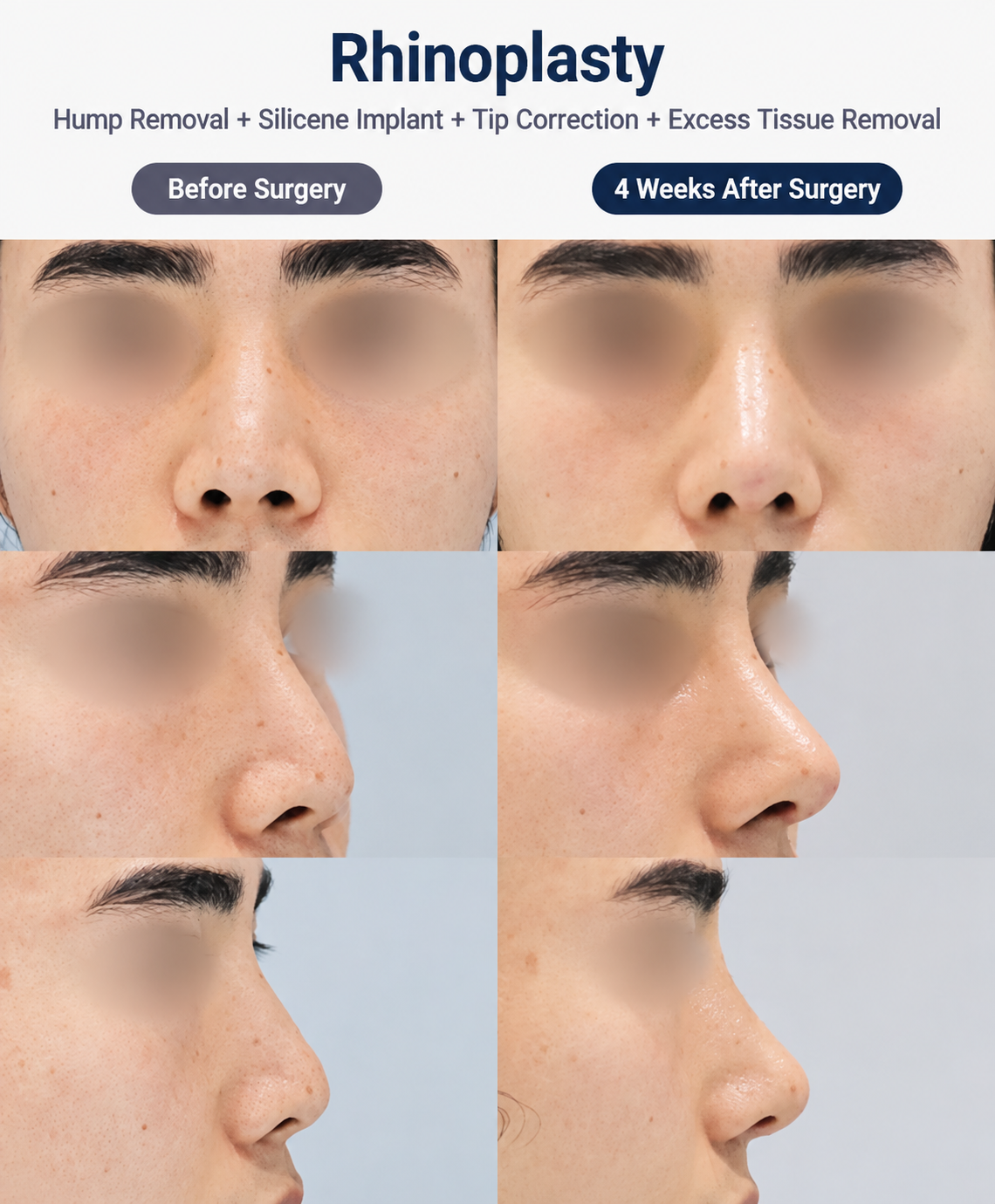
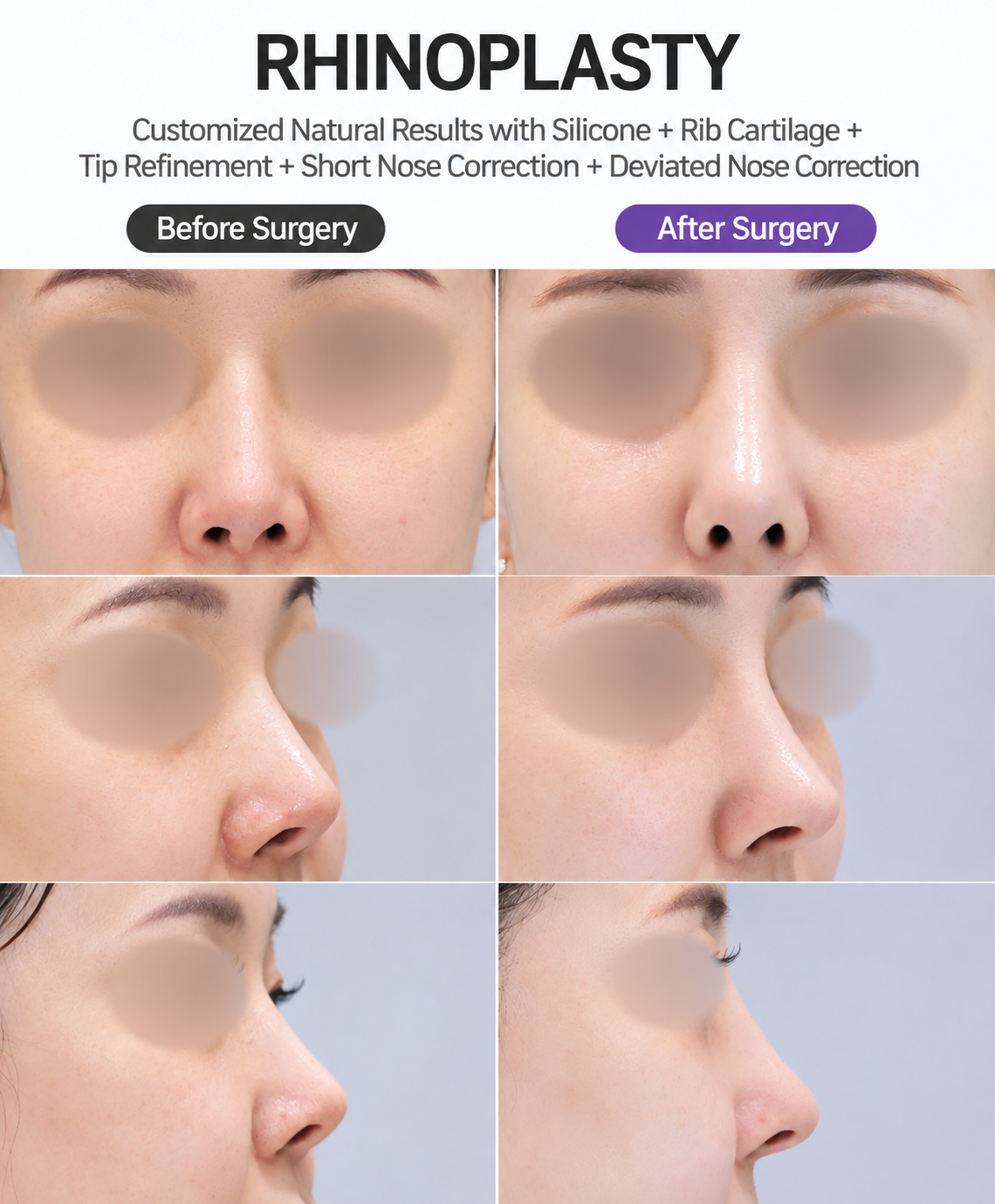
A low bridge nose is one of the most common reasons patients seek rhinoplasty in Korea. Also known as nasal bridge augmentation, low bridge nose surgery focuses on increasing nasal height and definition while maintaining natural facial harmony.
Korean rhinoplasty is especially well known for treating low bridge noses because of long-standing experience with Asian and mixed-ethnicity nasal anatomy.
What Is a Low Bridge Nose?
A low bridge nose refers to a nasal structure where the nasal dorsum (bridge) sits relatively flat or low compared to the rest of the face.
Common characteristics include:
- Flat or minimal nasal height
- Less definition between the eyes
- A softer or less prominent profile
- Often combined with a round or under-projected nasal tip
A low bridge is not a flaw—it is a normal anatomical variation—but some patients seek augmentation for balance and definition.
Goals of Low Bridge Nose Surgery
Low bridge rhinoplasty does not aim for an overly high or sharp nose. The main goals are:
- Creating gentle height and definition
- Improving facial balance
- Enhancing the side profile subtly
- Maintaining a natural, non-operated look
In Korea, surgeons prioritize proportion over maximum height.
Surgical Options for Low Bridge Nose Correction
1. Implant-Based Augmentation
Synthetic implants are commonly used in Korea for bridge augmentation.
Common materials:
- Silicone
- Gore-Tex (expanded PTFE)
Advantages:
- Predictable shape and height
- Shorter surgery time
- No additional donor site
Considerations:
- Requires precise placement
- Best for moderate augmentation
- Must be used conservatively to avoid visibility or long-term issues
Modern Korean techniques emphasize low-profile, natural implant designs.
2. Cartilage-Based Augmentation
Autologous cartilage uses the patient’s own tissue.
Sources include:
- Septal cartilage (inside the nose)
- Ear cartilage
- Rib cartilage (for significant augmentation)
Advantages:
- Lower risk of implant-related complications
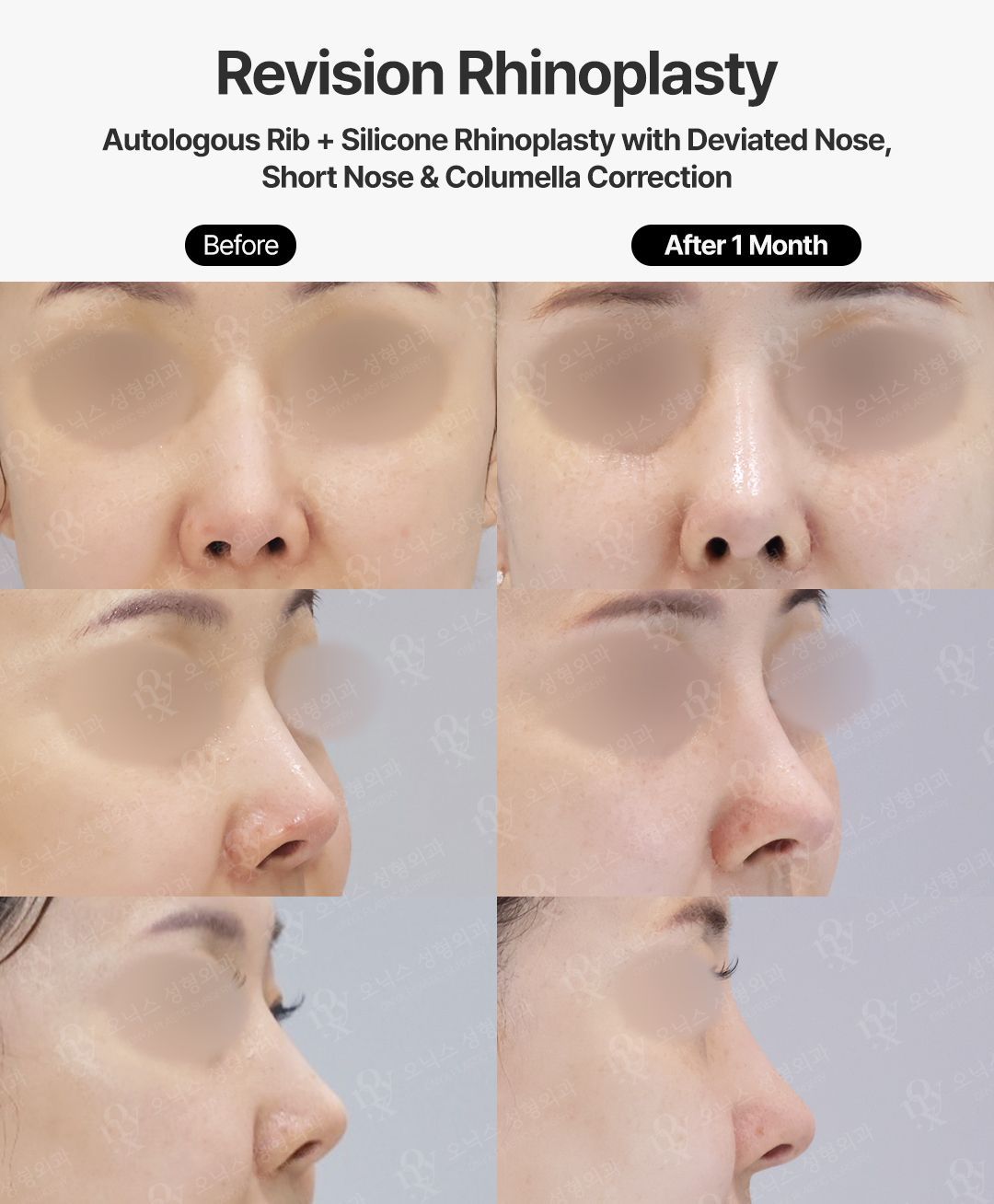
- Ideal for revision or complex cases
Considerations:
- Longer surgery
- Possible donor-site discomfort
- Rib cartilage reserved for select cases
Cartilage is often used to support the nasal tip, even when implants are used for the bridge.
3. Hybrid Technique (Most Common in Korea)
Many Korean surgeons use a combination approach:
- Implant for bridge height
- Cartilage grafts for tip support and refinement
This balances structure, safety, and natural aesthetics.
Tip Surgery Is Often Part of Low Bridge Correction
A low bridge is frequently accompanied by a weak or round nasal tip.
Tip refinement may include:
- Cartilage grafts to increase projection
- Structural support to prevent drooping
- Soft shaping to maintain natural movement
Without proper tip support, bridge augmentation alone can look unbalanced.
Who Is a Good Candidate?
Low bridge nose surgery may be suitable for patients who:
- Have a flat or low nasal bridge
- Want subtle, natural augmentation
- Prefer improved definition rather than dramatic change
- Have realistic expectations
It may not be ideal for patients seeking:
- Very high or sharp Western-style bridges
- Extremely dramatic transformation
A thorough anatomical evaluation is essential.
Recovery and Healing
Typical recovery includes:
- Nasal splint for 5–7 days
- Swelling for several weeks
- Gradual refinement over 2–3 months
Tip swelling may take longer to settle than bridge swelling.
Risks and Considerations
Potential risks include:
- Implant visibility or shifting (rare with proper technique)
- Prolonged swelling
- Asymmetry during healing
Choosing an experienced surgeon significantly reduces these risks.
Why Korea Is Known for Low Bridge Rhinoplasty
Korea’s reputation comes from:
- Extensive experience with low bridge anatomy
- Conservative implant use
- Advanced tip support techniques
- Strong expertise in revision cases
Rather than exaggeration, Korean rhinoplasty focuses on natural integration with the face.
Final Thoughts
Low bridge nose surgery is about balance, not height alone. When performed with proper planning, conservative augmentation, and strong structural support, it can enhance facial harmony while preserving natural appearance.
Korea’s refined approach to low bridge rhinoplasty makes it a leading destination for patients seeking subtle, well-balanced nasal enhancement.