Ethnic Rhinoplasty for Southeast Asian Patients
Ethnic Rhinoplasty for Southeast Asian Patients
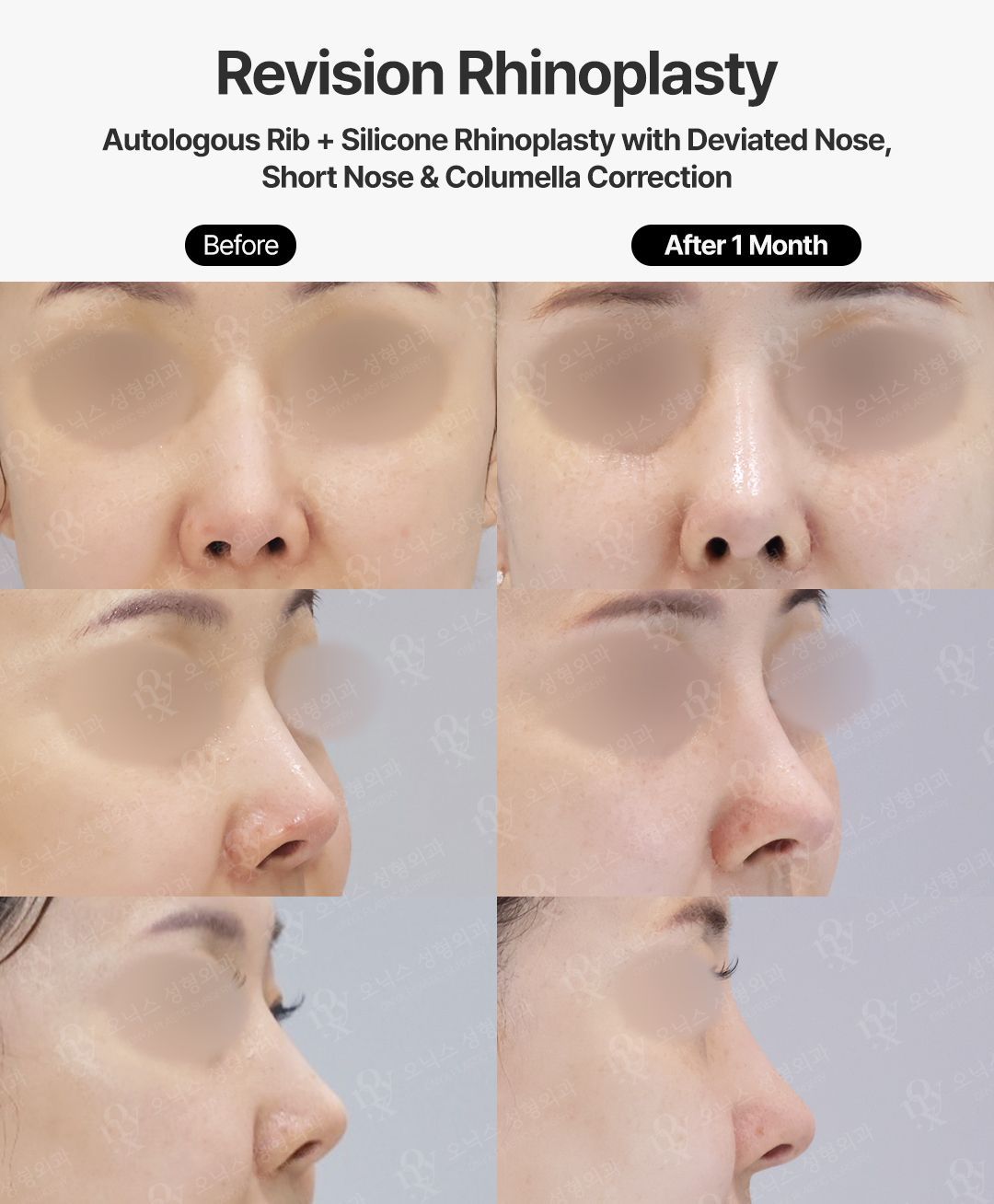
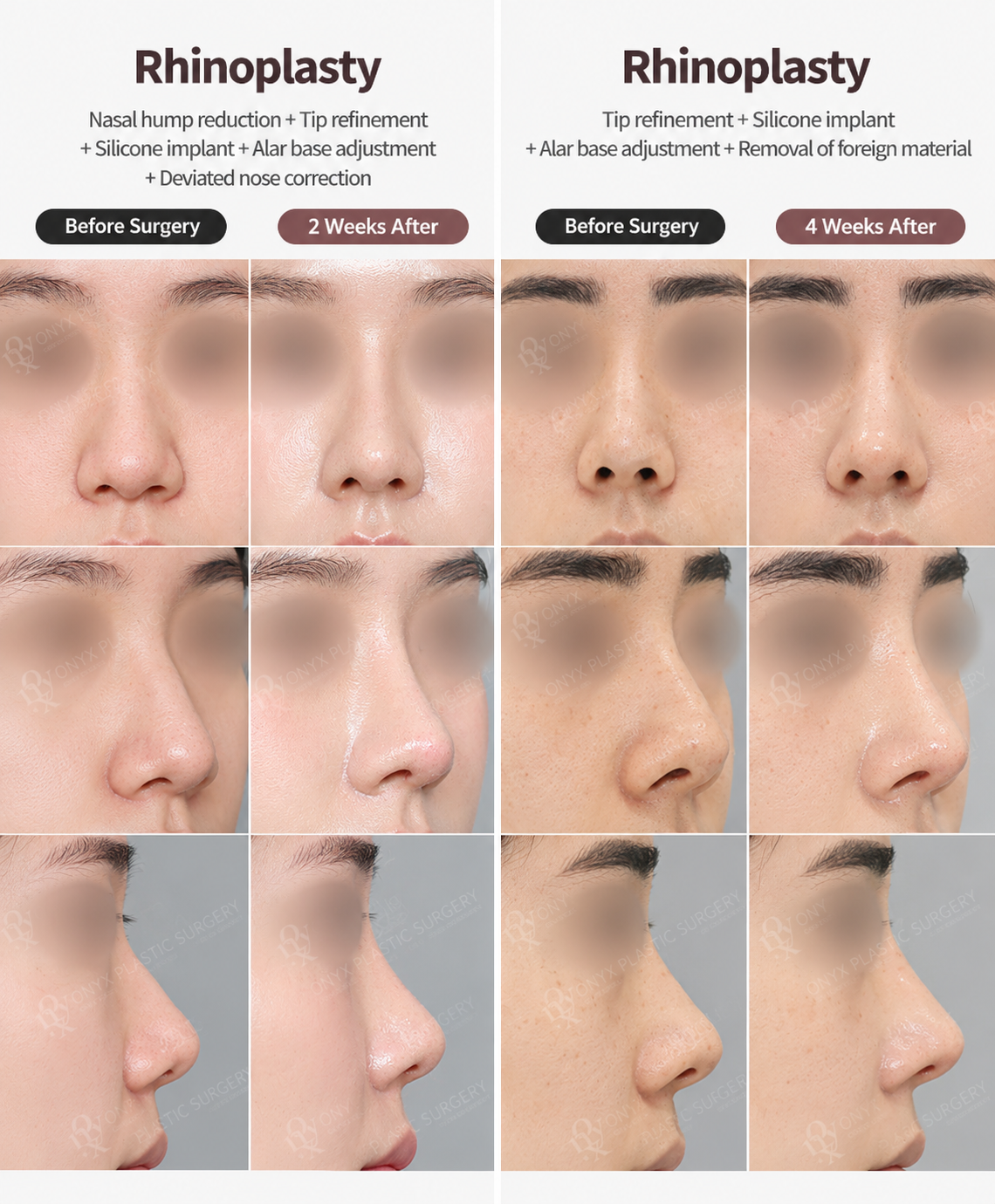
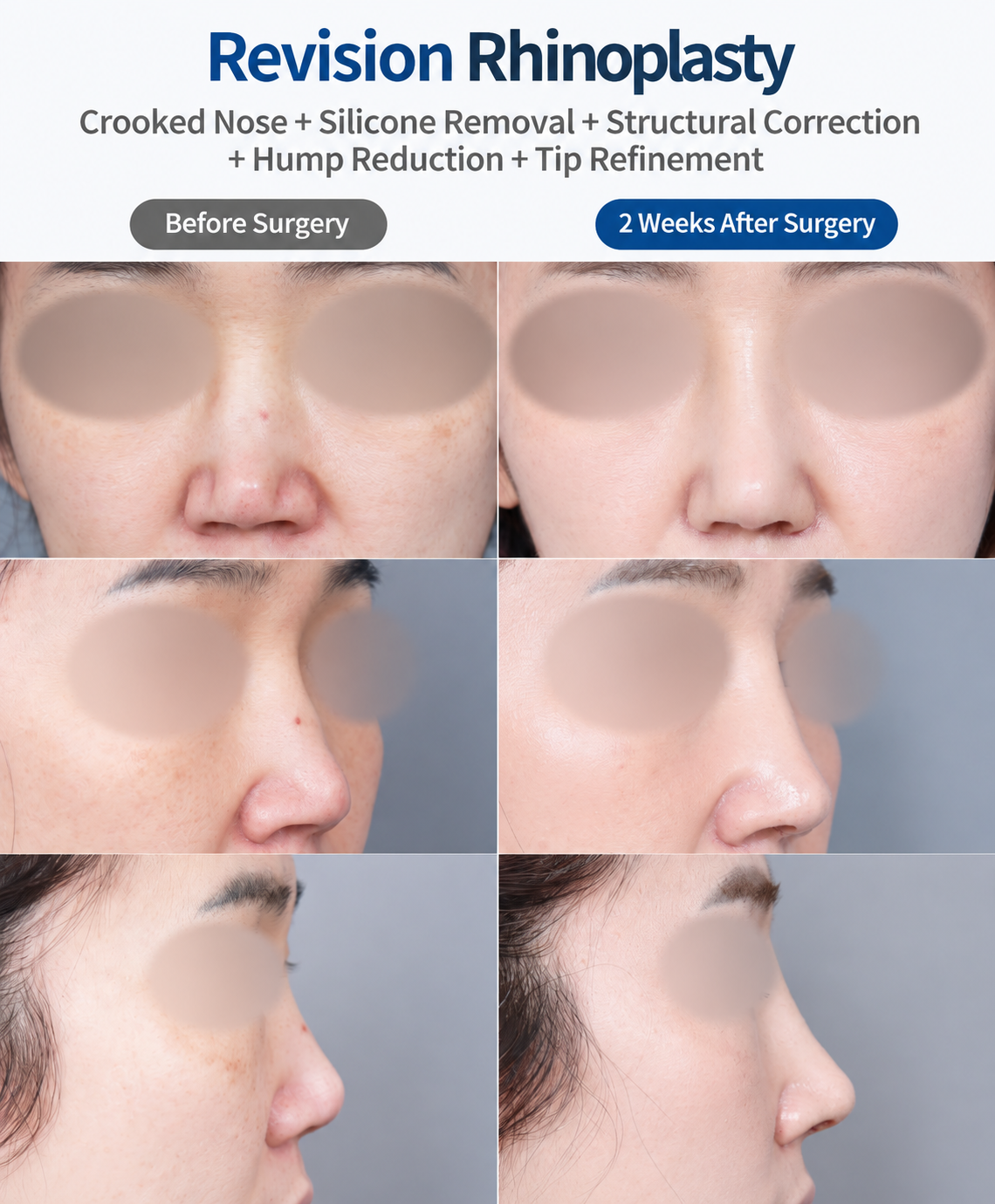
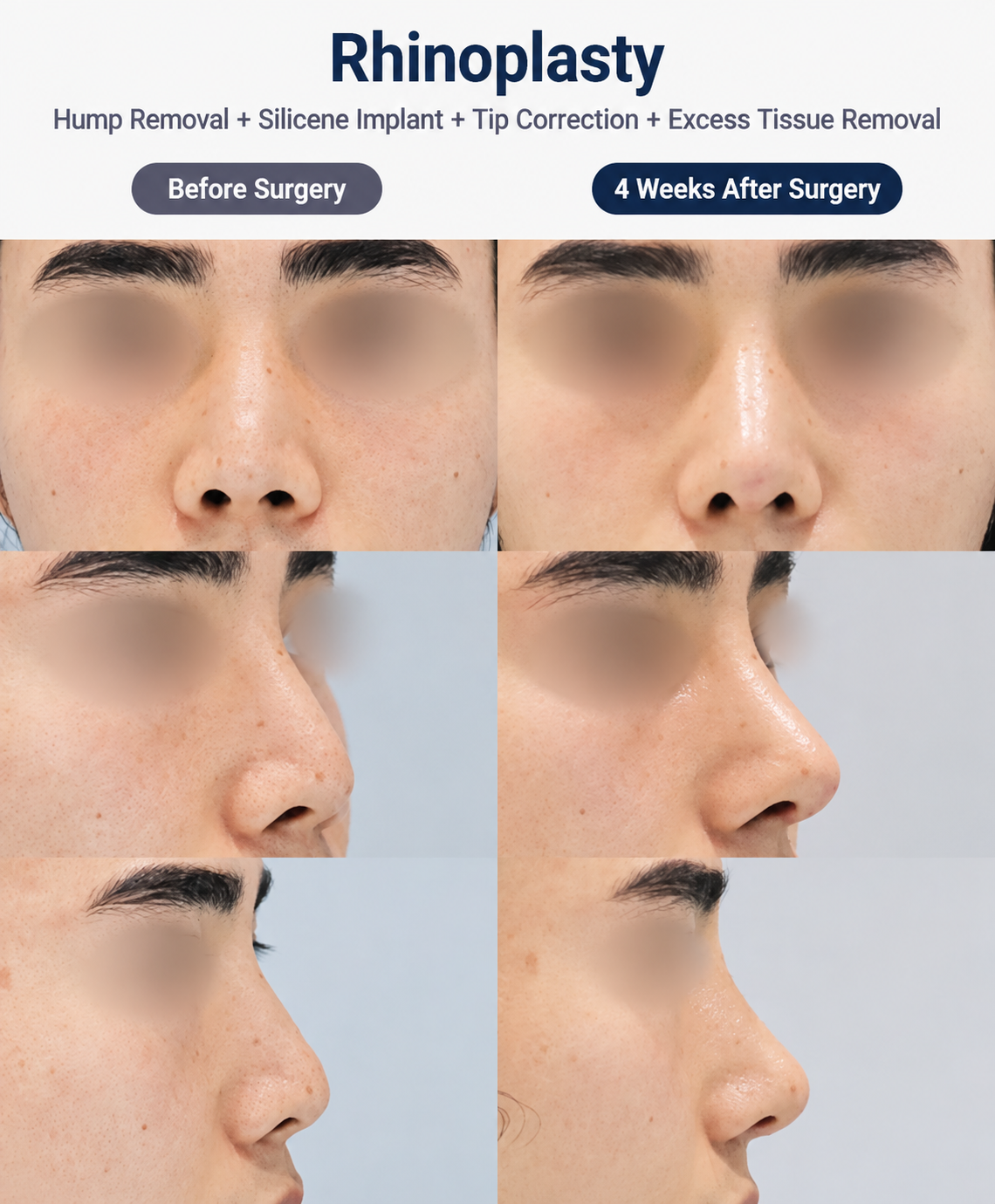
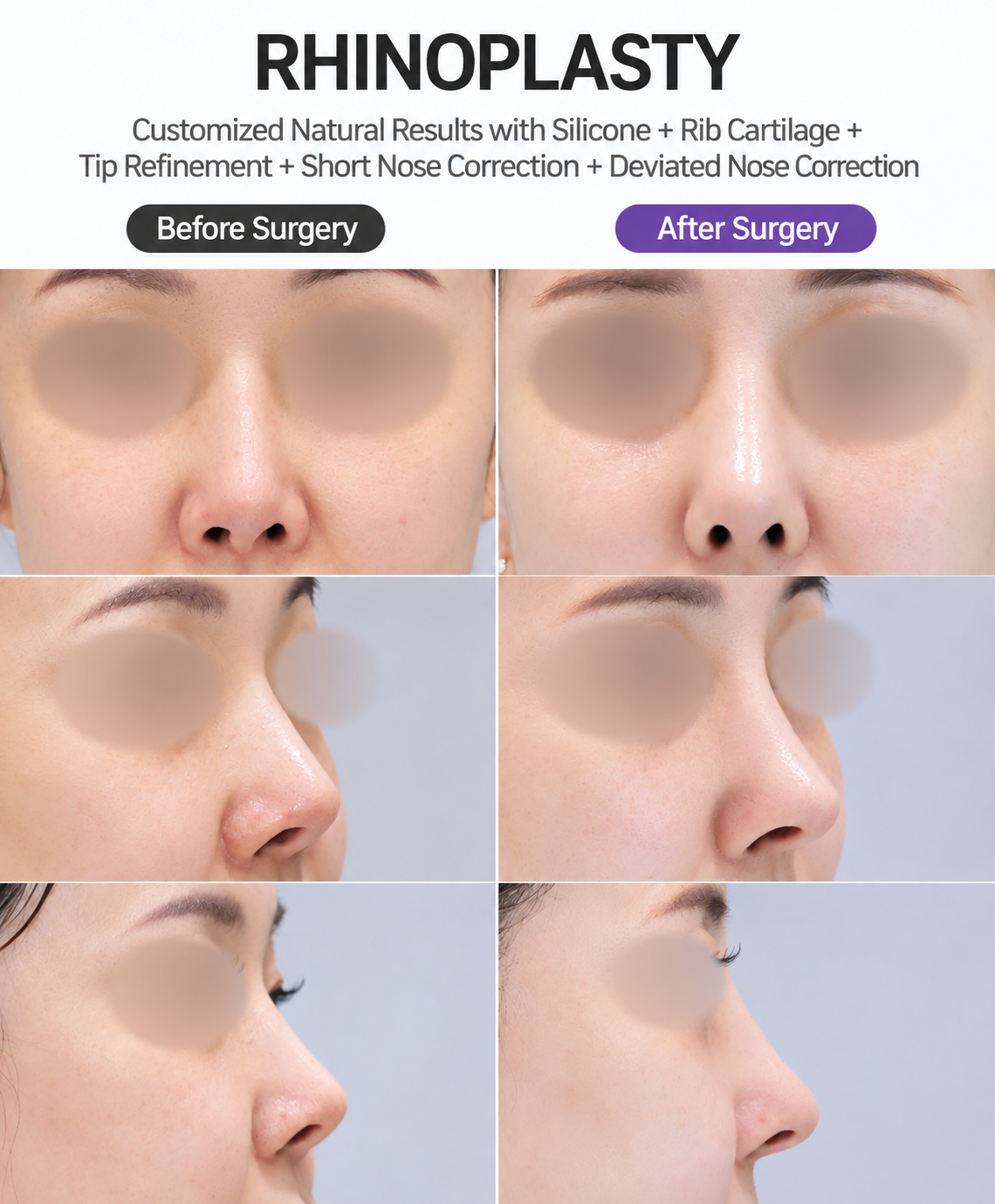
Ethnic rhinoplasty for Southeast Asian patients is a personalized surgical approach designed to enhance nasal structure while maintaining natural ethnic features and facial harmony. In Korea, this procedure is commonly tailored to address characteristics such as a lower nasal bridge, softer cartilage support, and thicker skin, while also improving nasal function and long-term structural stability.
What Is Ethnic Rhinoplasty?
Ethnic rhinoplasty focuses on individualized enhancement rather than standardized reshaping.
Common goals include:
- Natural bridge augmentation
- Tip refinement and support
- Improved facial balance
- Structural reinforcement
- Functional breathing improvement
- Preservation of ethnic identity
- Long-term stability
Each treatment plan is customized based on anatomy and patient goals.
Common Nasal Characteristics
Southeast Asian nasal anatomy often presents specific structural features.
These may include:
- Low or flat nasal bridge
- Softer cartilage framework
- Wider nasal base
- Less defined nasal tip
- Thicker skin in some cases
- Reduced tip projection
- Variable septal support
These factors are carefully assessed before surgery.
Common Surgical Goals
The aim is to create balanced enhancement while maintaining natural proportions.
Typical goals include:
- Bridge augmentation
- Tip projection and refinement
- Nasal narrowing (when appropriate)
- Improved symmetry
- Structural support enhancement
- Better facial balance
- Functional improvement
The approach is conservative and highly individualized.
Common Surgical Techniques
A combination of techniques is often used depending on the patient’s needs.
Possible methods include:
- Structural rhinoplasty
- Septoplasty (if required)
- Cartilage grafting
- Silicone or implant augmentation (in selected cases)
- Tip reshaping techniques
- Alar base adjustment (if indicated)
- Nasal valve support
The surgical plan is customized for each case.
Role of Cartilage and Implants
Both autologous cartilage and implants may be used depending on the treatment plan.
Common materials include:
- Septal cartilage
- Ear cartilage
- Rib cartilage
- Silicone implants
- Gore-Tex implants
These may be used for:
- Bridge enhancement
- Tip support
- Structural reinforcement
- Symmetry correction
- Long-term stability
- Contour refinement
Material choice depends on anatomy and goals.
Balancing Function and Aesthetics
Modern rhinoplasty focuses on improving both appearance and breathing function.
Key considerations include:
- Natural facial proportions
- Structural support strength
- Skin thickness and healing response
- Airway function
- Long-term stability
- Individual aesthetic preferences
- Avoidance of overcorrection
A balanced approach is essential for sustainable results.
Recovery Expectations
Recovery varies depending on surgical complexity and individual healing.
Patients may experience:
- Swelling (often more prolonged with thicker skin)
- Mild bruising
- Temporary congestion
- Gradual tip definition
- Progressive refinement over time
- Internal healing and stabilization
- Continued improvement for several months
Final outcomes develop gradually.
Questions to Ask During Consultation
Before surgery, consider discussing:
- How will my nasal structure be enhanced?
- Will implants or cartilage be used?
- How will my ethnic features be preserved?
- What results are realistically achievable?
- What is the expected recovery timeline?
- Are there functional improvements expected?
- What are the limitations of surgery?
Clear communication helps ensure realistic expectations.
Final Thoughts
Ethnic rhinoplasty for Southeast Asian patients in Korea is a highly individualized procedure focused on enhancing nasal structure while preserving natural identity. By combining careful augmentation, structural support, and functional improvement when needed, the goal is to achieve natural-looking, balanced, and long-lasting results that complement each patient’s unique facial features.