Ethnic Rhinoplasty for Middle Eastern Patients
Ethnic Rhinoplasty for Middle Eastern Patients
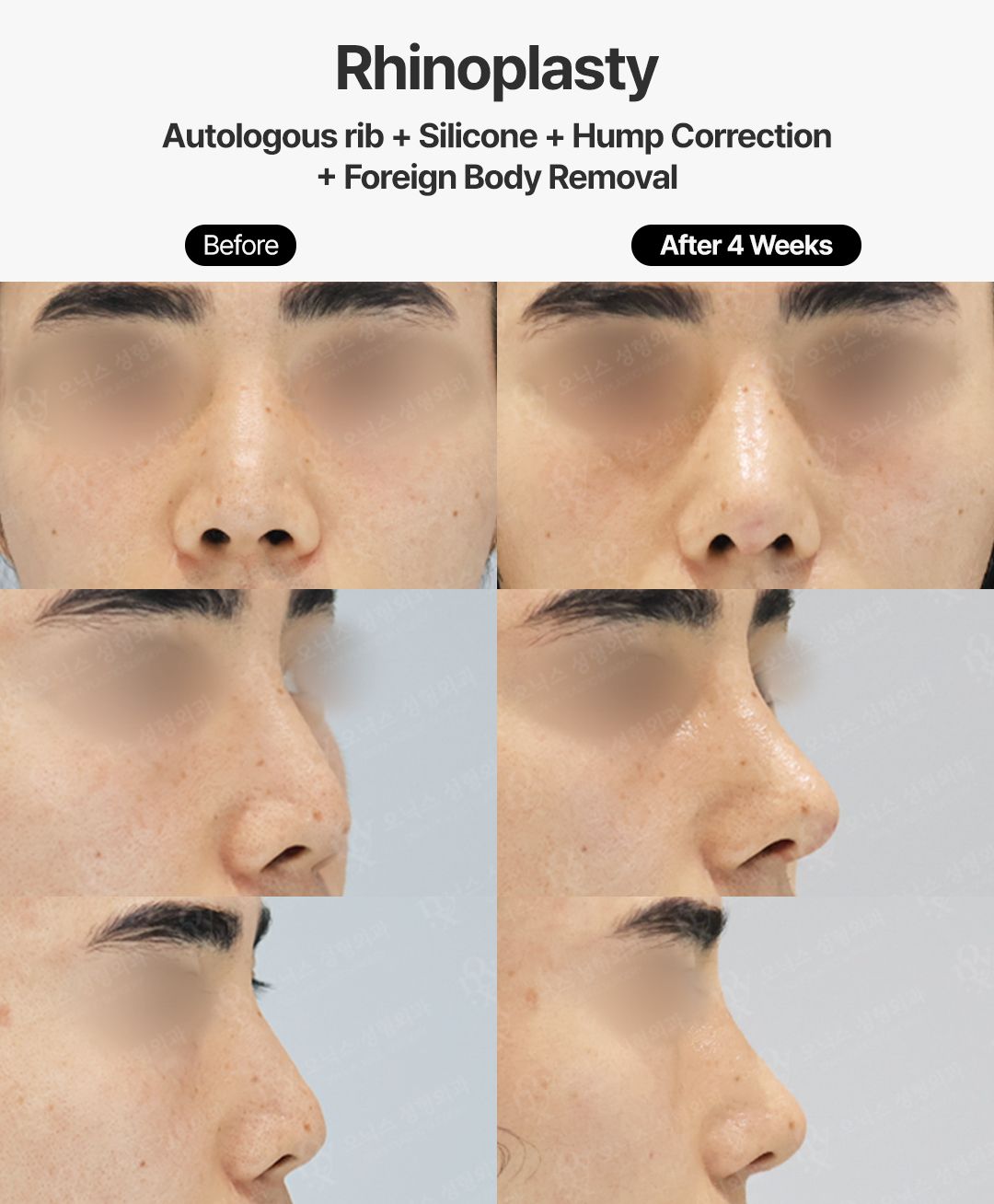
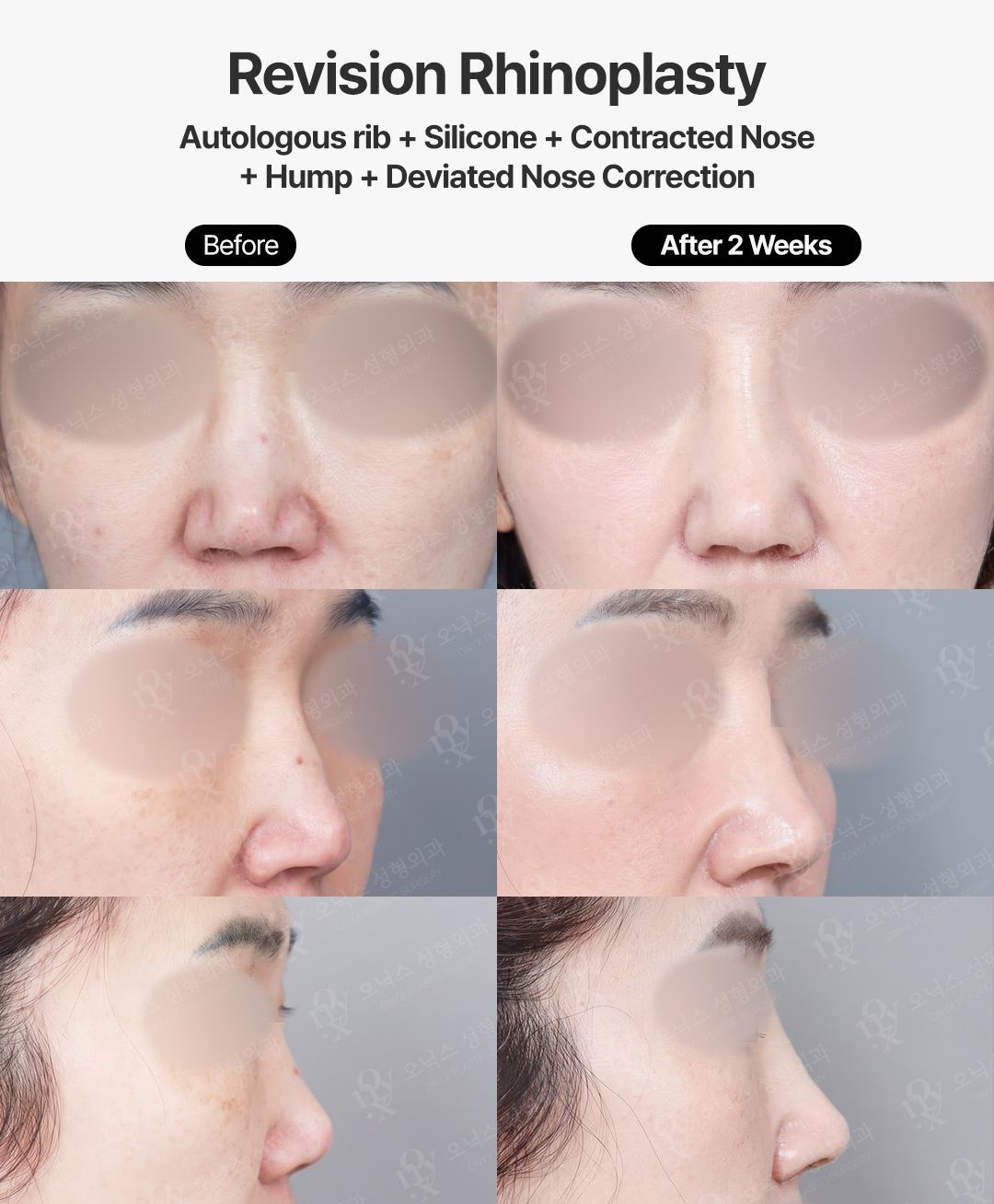
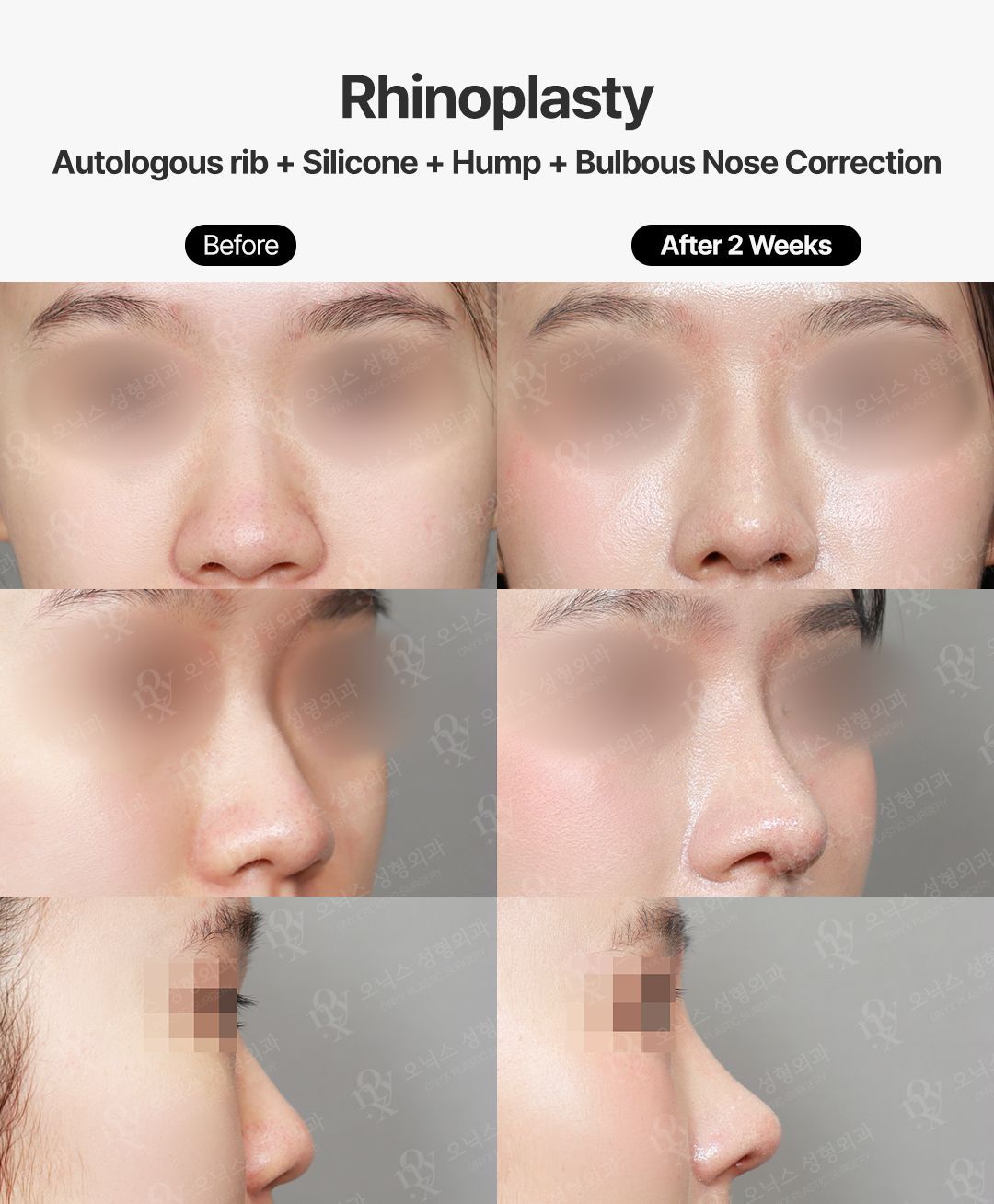
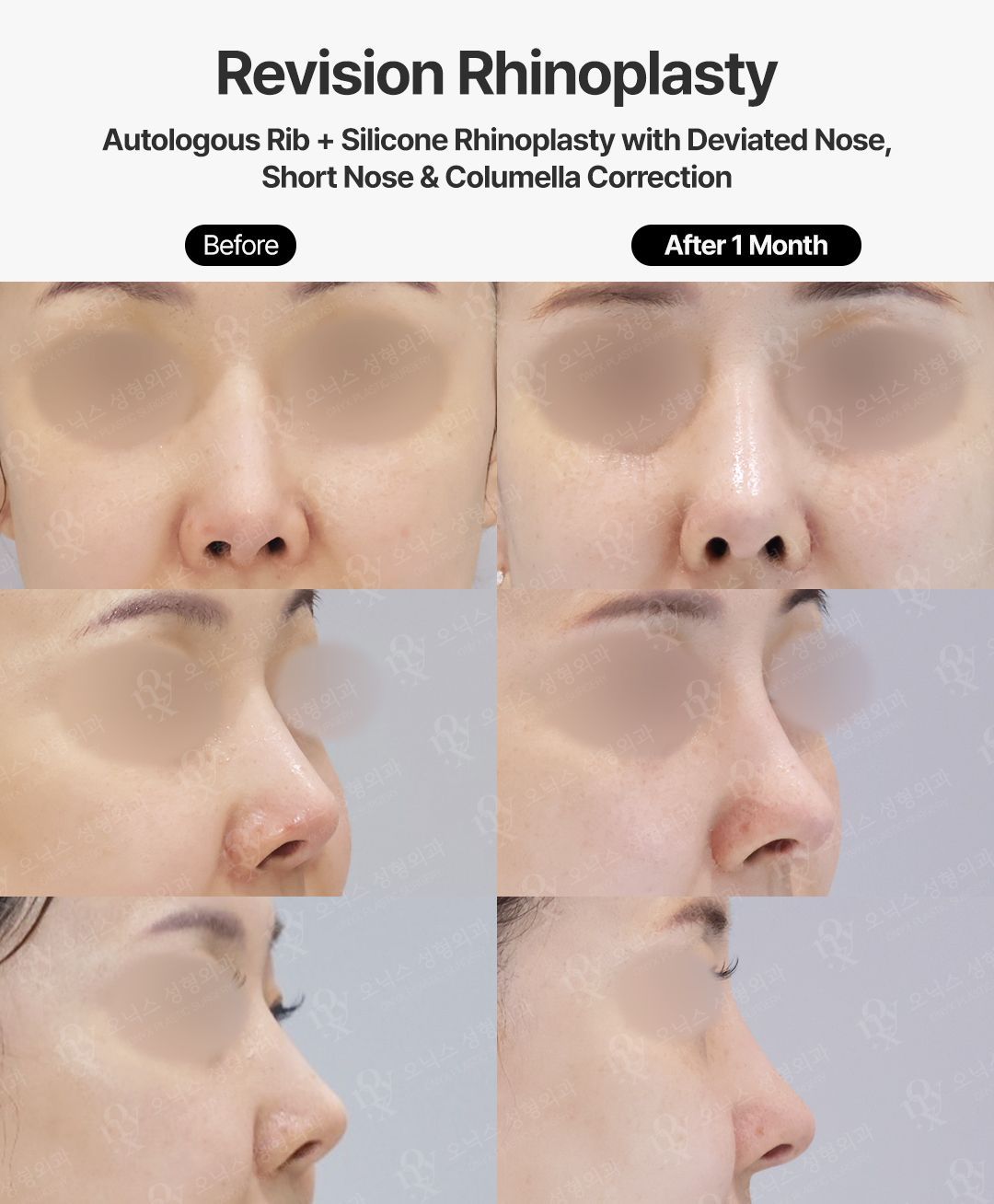
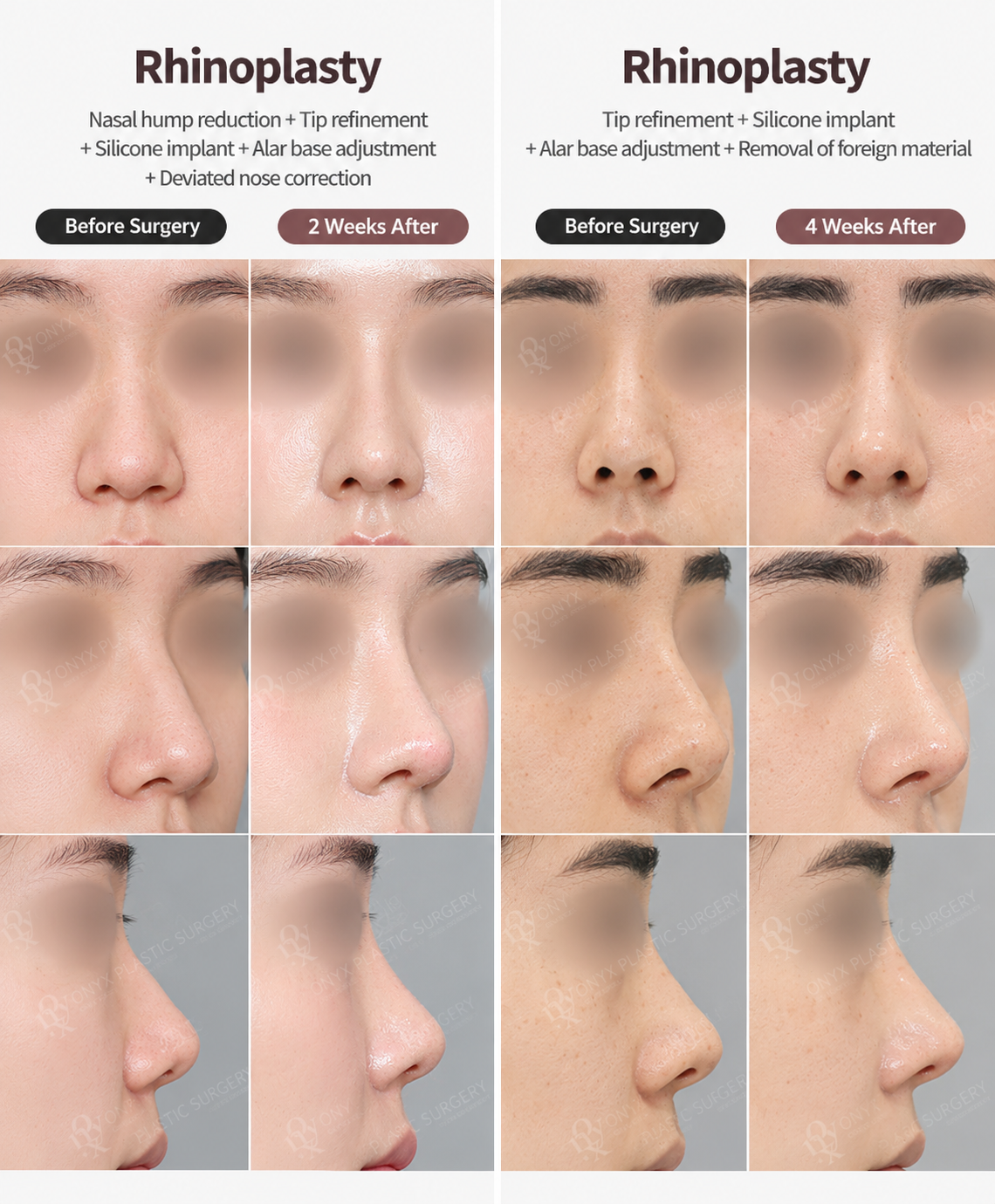
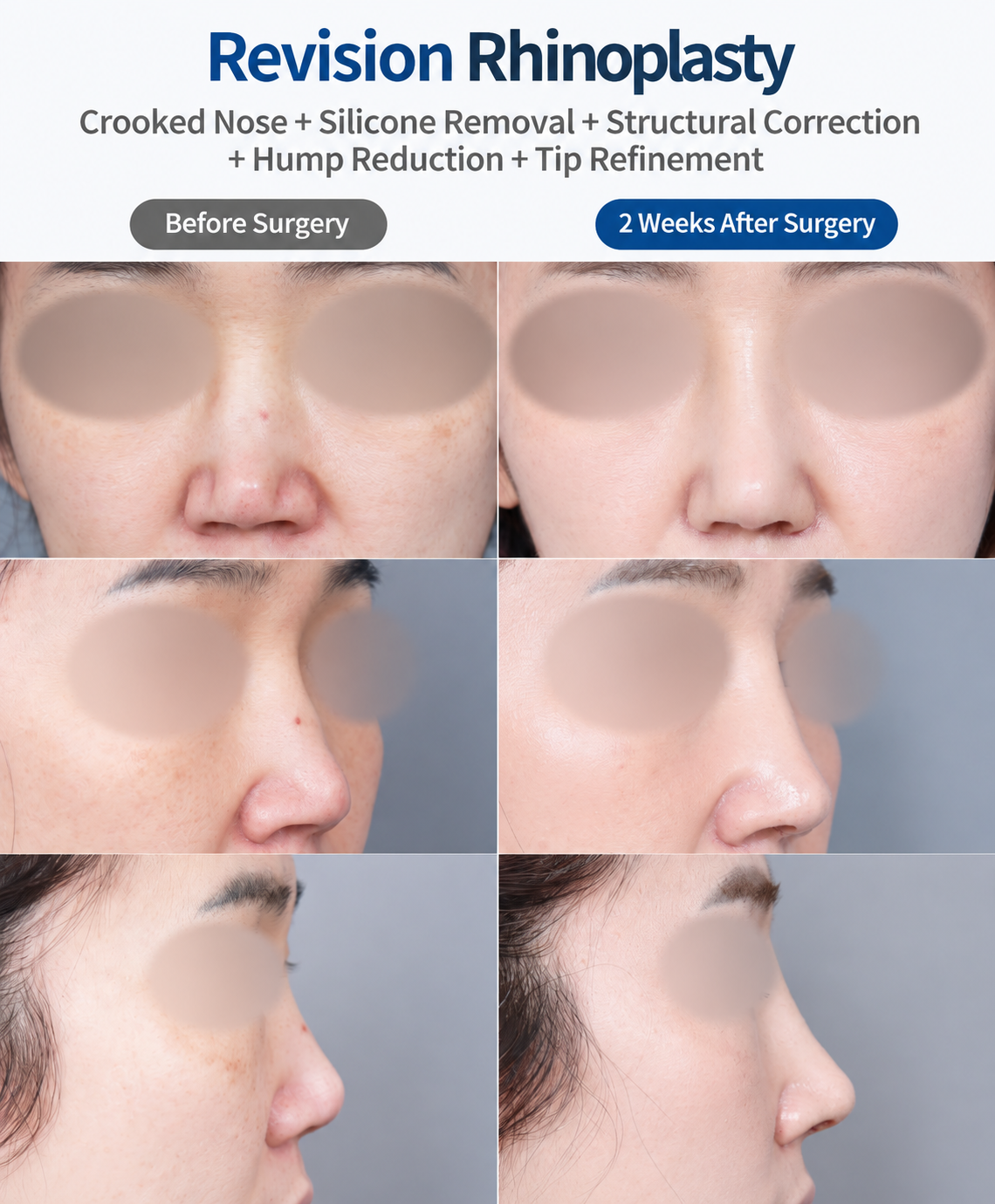
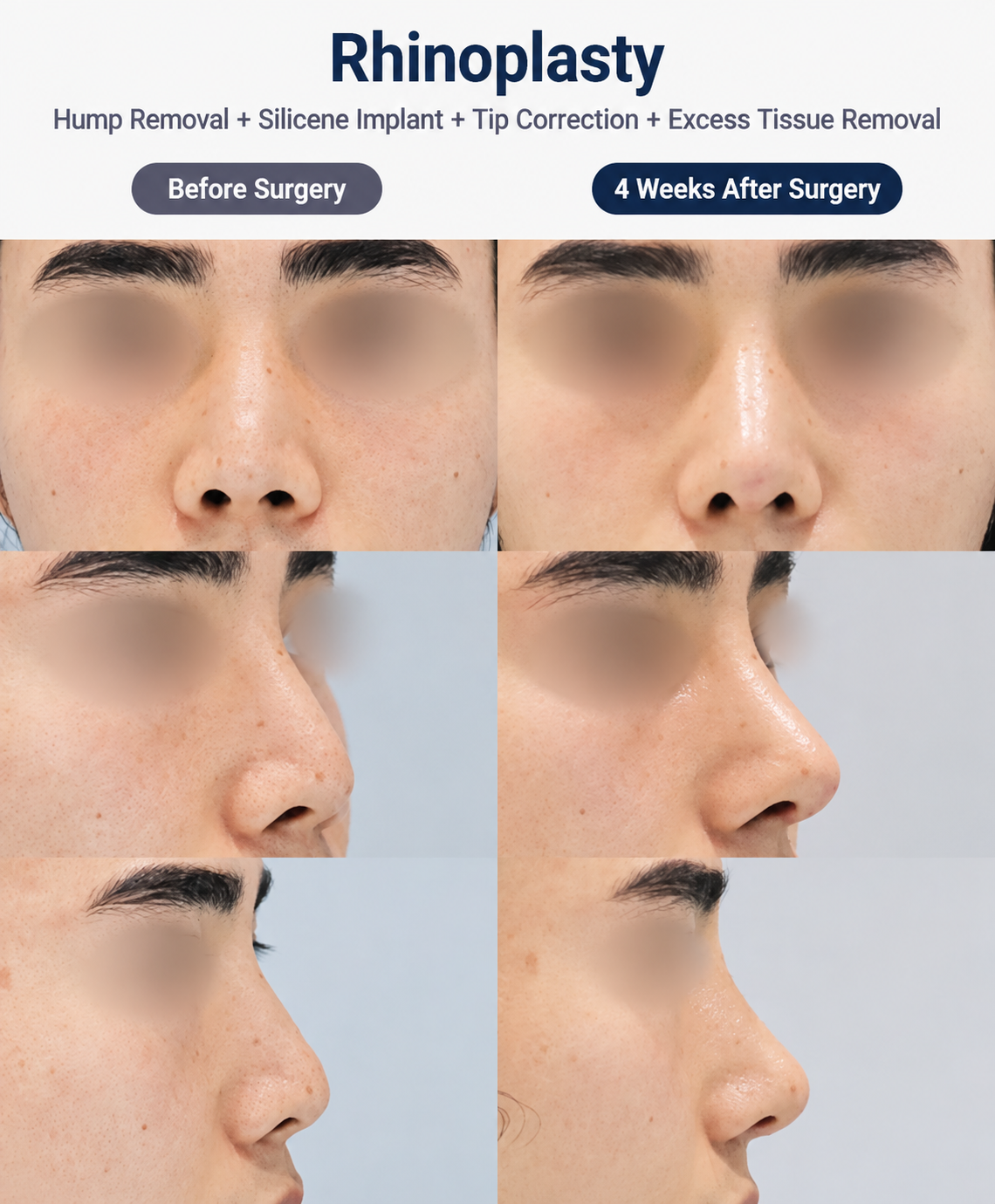
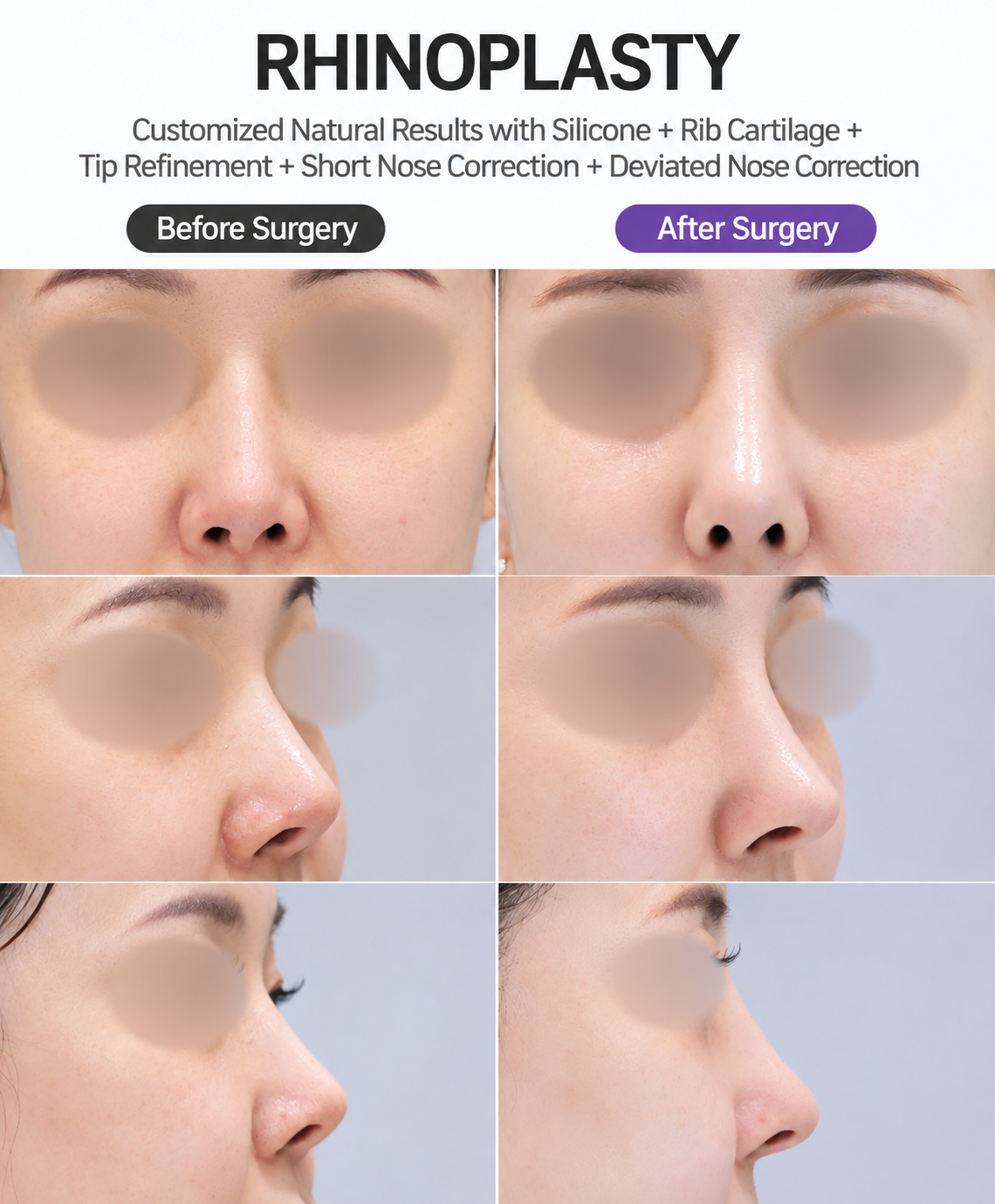
Ethnic rhinoplasty for Middle Eastern patients is a customized surgical approach that focuses on refining nasal shape while respecting natural ethnic features and maintaining facial harmony. In Korea, this procedure is often tailored to address structural characteristics such as a prominent nasal bridge, thicker skin, and a more defined nasal contour, while also improving breathing function when needed.
What Is Ethnic Rhinoplasty?
Ethnic rhinoplasty is not a standardized procedure. Instead, it is designed around individual anatomy and aesthetic balance.
Common goals include:
- Natural nasal refinement
- Preservation of ethnic identity
- Improved facial balance
- Structural enhancement
- Functional breathing improvement
- Tip and bridge reshaping
- Long-term stability
Each surgical plan is fully individualized.
Common Nasal Characteristics
Middle Eastern nasal anatomy often presents specific features that influence surgical planning.
These may include:
- Prominent dorsal hump
- Strong nasal bridge
- Thicker nasal skin
- Drooping or elongated tip
- Wide nasal structure in some cases
- Septal deviation
- Strong cartilage framework
Careful evaluation is essential before surgery.
Common Surgical Goals
The aim is to achieve balanced refinement rather than excessive alteration.
Typical goals include:
- Hump reduction or smoothing
- Tip refinement and rotation
- Bridge contour balancing
- Narrowing of nasal width when needed
- Improved symmetry
- Functional airway correction
- Harmonized facial profile
The goal is natural enhancement, not overcorrection.
Common Surgical Techniques
A combination of structural and aesthetic techniques may be used.
Possible methods include:
- Structural rhinoplasty
- Septoplasty if needed
- Cartilage grafting
- Tip refinement techniques
- Nasal hump reduction
- Nasal valve support
- Alar base modification (if indicated)
The surgical approach depends on individual anatomy.
Role of Cartilage Grafts
Cartilage is often used to support structure and maintain long-term results.
Common sources include:
- Septal cartilage
- Ear cartilage
- Rib cartilage
These grafts may help with:
- Tip support
- Structural reinforcement
- Symmetry correction
- Functional improvement
- Long-term durability
- Controlled reshaping
Graft selection depends on surgical complexity.
Balancing Function and Aesthetics
Modern rhinoplasty aims to improve both appearance and breathing function.
Key priorities include:
- Natural facial proportions
- Stable nasal structure
- Improved airflow
- Skin thickness considerations
- Long-term support
- Preservation of identity
- Avoidance of over-reduction
A balanced approach is essential for lasting results.
Recovery Expectations
Healing progresses gradually and varies by individual.
Patients may experience:
- Swelling (longer with thicker skin)
- Mild bruising
- Temporary nasal congestion
- Gradual tip definition
- Progressive refinement over months
- Ongoing structural settling
- Continued improvement over time
Final results take time to fully develop.
Questions to Ask During Consultation
Before surgery, patients may consider asking:
- How will my ethnic features be preserved?
- What changes are realistically possible?
- Will cartilage grafts be needed?
- How will thick skin affect results?
- What is the expected recovery timeline?
- What functional improvements are expected?
- What are the limitations of surgery?
Clear communication helps guide realistic planning.
Final Thoughts
Ethnic rhinoplasty for Middle Eastern patients in Korea is a highly individualized procedure that balances refinement with preservation of natural identity. By focusing on structural support, careful contouring, and functional improvement when needed, the goal is to achieve natural-looking, stable, and harmonious results that complement each patient’s unique facial features.