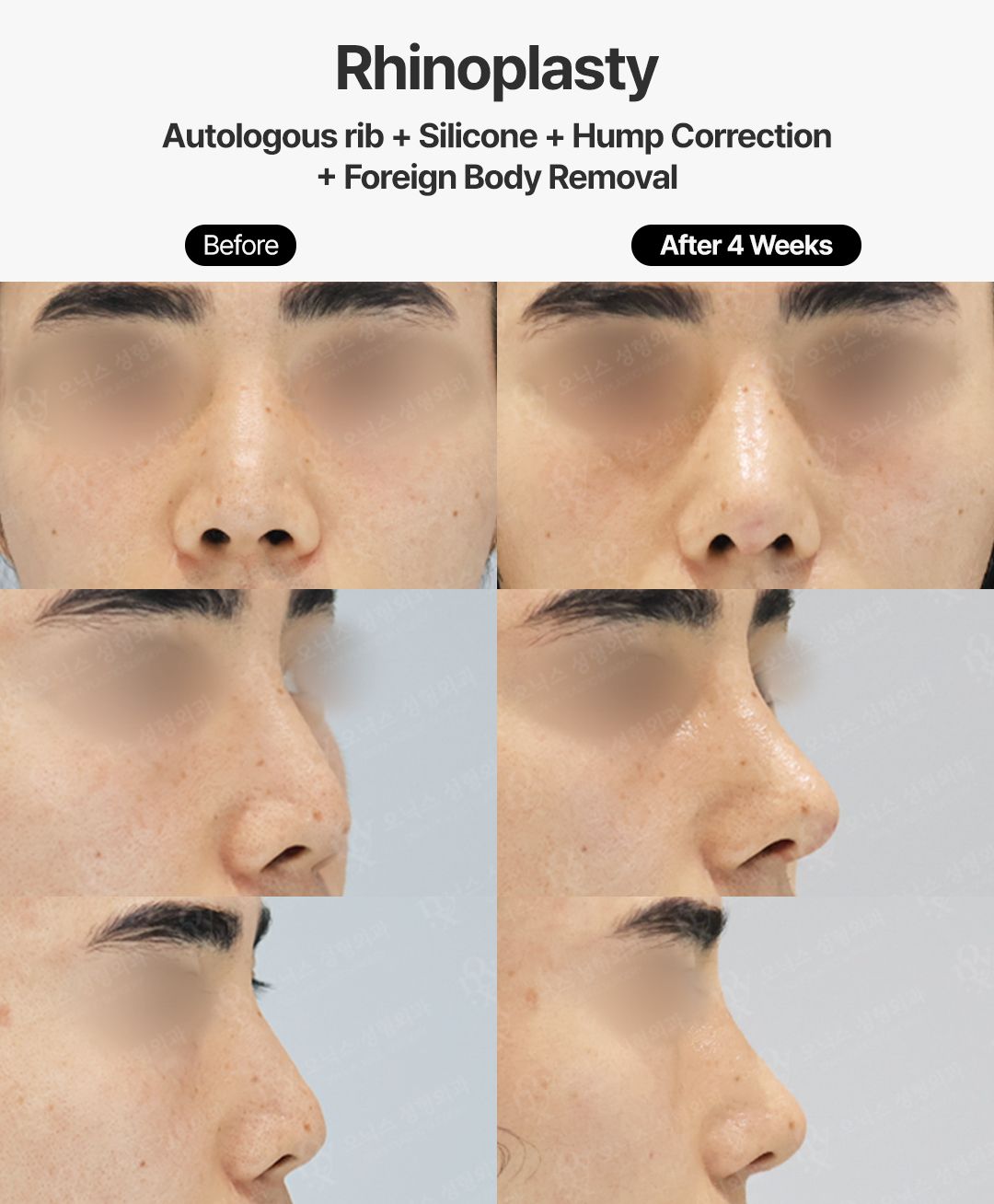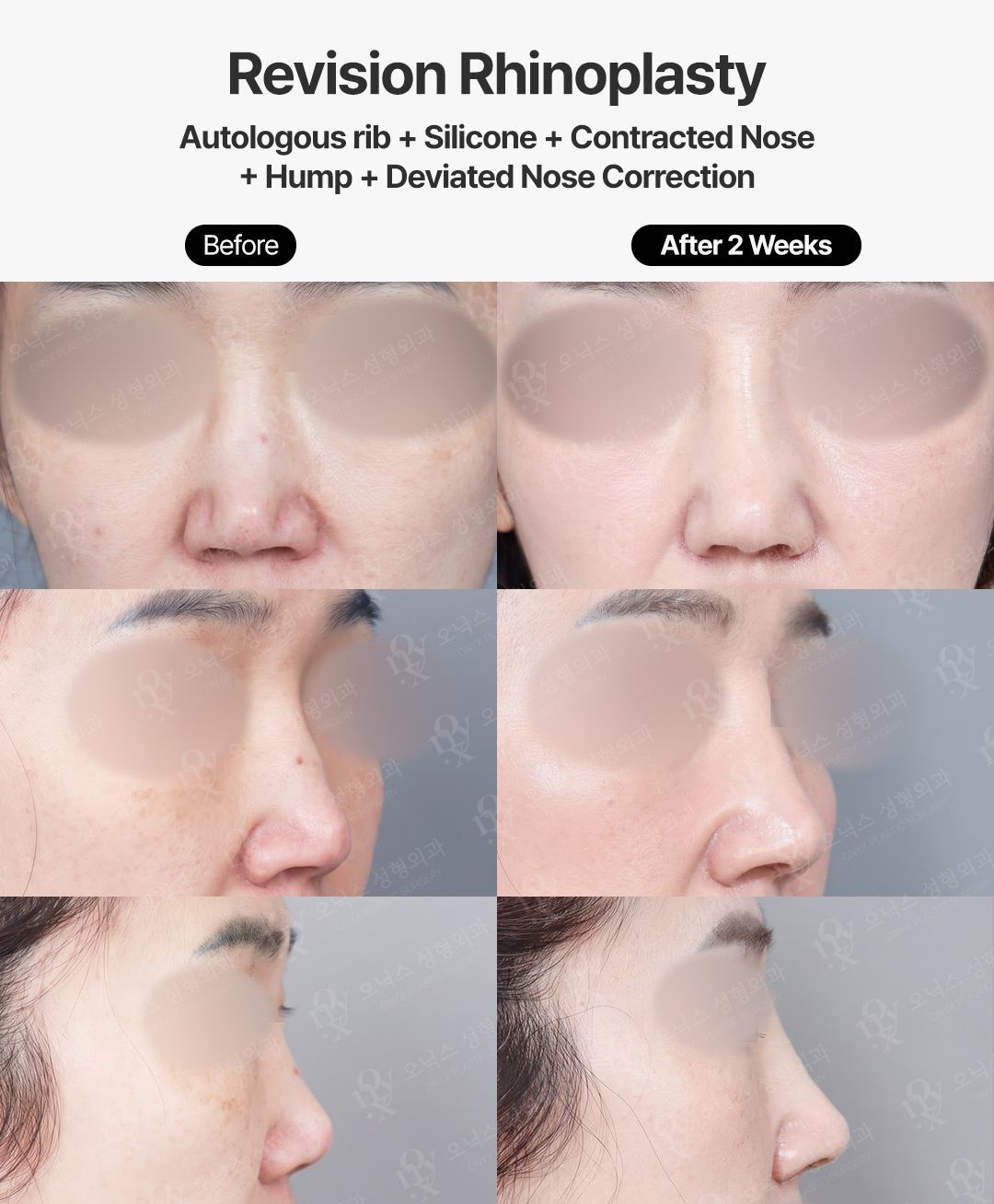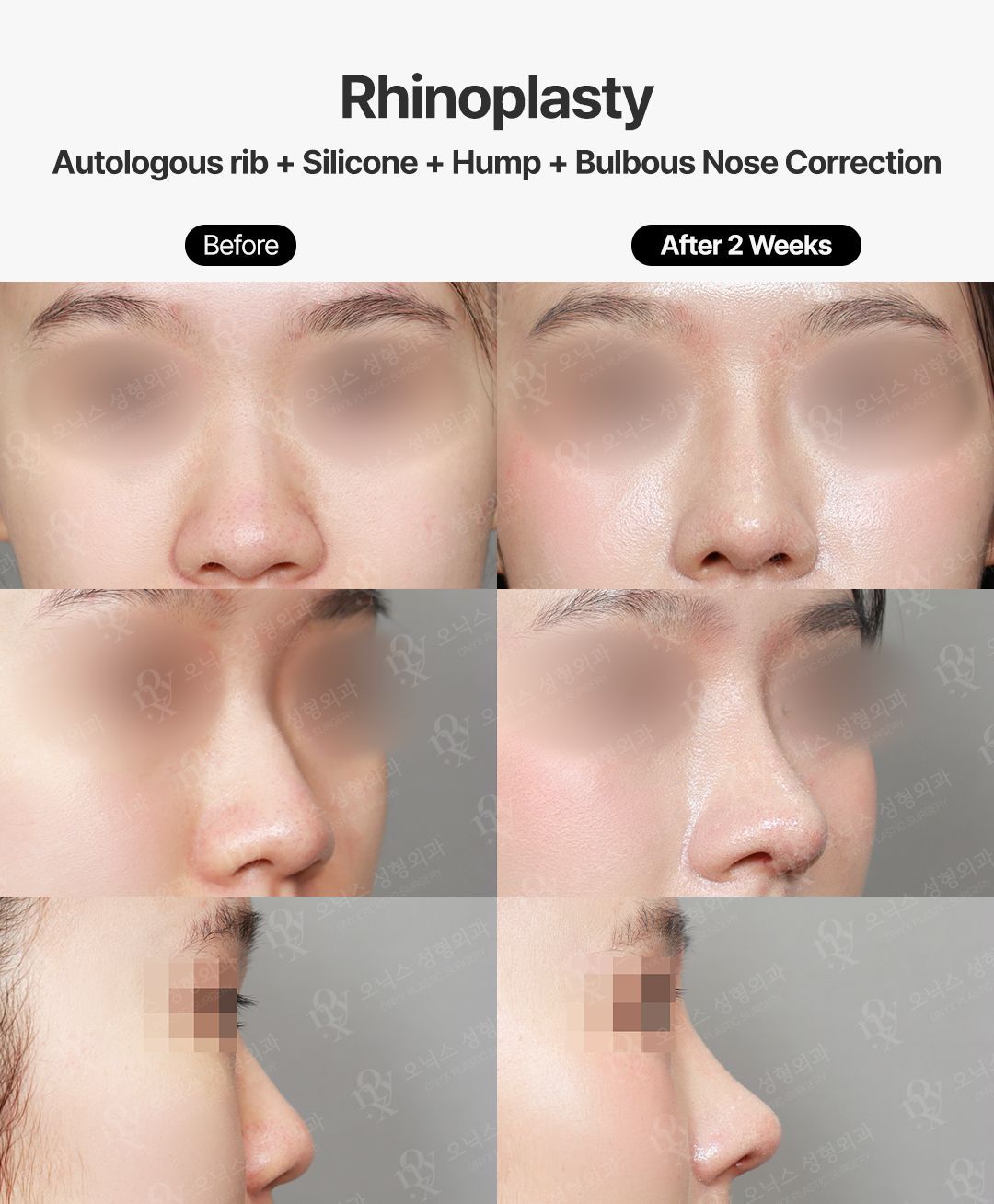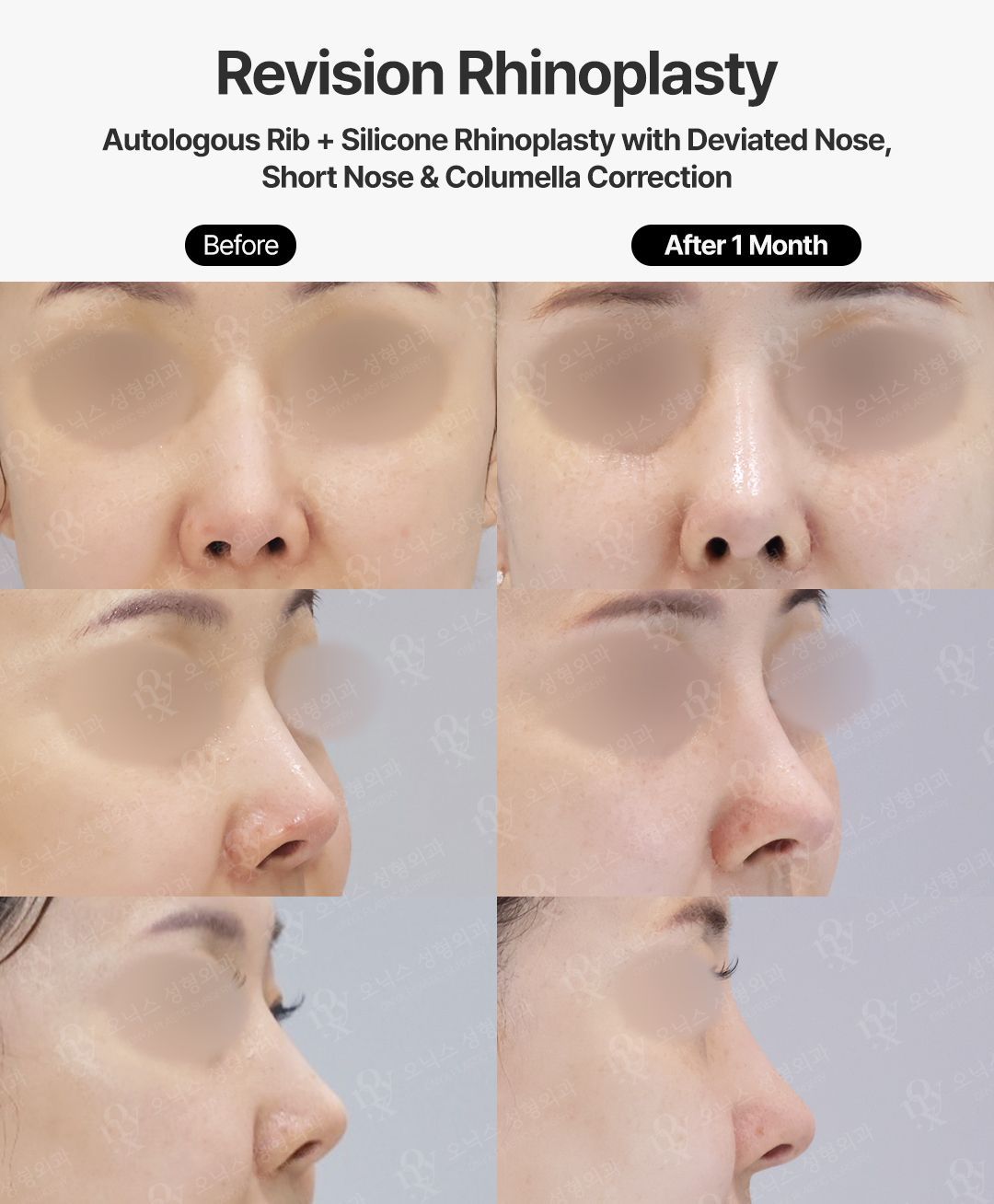
What Foreign Patients Should Know Before Surgery
What Foreign Patients Should Know Before Surgery
Foreign patients considering surgery abroad—especially rhinoplasty or functional nasal procedures in Korea—should understand the medical, logistical, and recovery-related factors involved. Proper preparation helps ensure safer treatment, smoother recovery, and more realistic expectations regarding results and timelines.
Understanding the Consultation Process
A detailed consultation is the foundation of any surgical plan.
Typically includes:
- Medical history review
- Facial and nasal assessment
- Breathing function evaluation
- Discussion of aesthetic goals
- Review of previous surgeries (if any)
- Surgical recommendations
- Risk and limitation explanation
Some clinics also offer online pre-consultations before travel.
Choosing the Right Surgeon and Clinic
Selecting a qualified and experienced surgeon is essential.
Important factors include:
- Specialization in rhinoplasty or facial surgery
- Experience with international patients
- Consistency of surgical results
- Communication quality
- Safety standards
- Revision surgery expertise
- Postoperative care system
Careful research is critical before making a decision.
Realistic Expectations
Understanding what surgery can and cannot achieve is important.
Patients should consider:
- Individual facial proportions
- Skin thickness and healing response
- Structural limitations
- Functional requirements
- Long-term stability
- Recovery timeline
- Natural aesthetic balance
The best outcomes come from realistic, personalized planning.
Medical Safety Considerations
Safety should always be the top priority.
Key points include:
- Preoperative health screening
- Allergy and medication disclosure
- Understanding anesthesia risks
- Infection prevention protocols
- Emergency preparedness
- Sterile surgical environment
- Follow-up care planning
A safe surgical environment is essential for good outcomes.
Travel and Timing Planning
Proper scheduling is important for international patients.
Considerations include:
- Duration of stay in Korea
- Pre-surgery consultation time
- Post-surgery recovery period
- Follow-up appointments
- Flight timing and restrictions
- Accommodation arrangements
- Support services availability
Rushing recovery can affect results.
Recovery Before Flying Home
Patients should allow enough healing time before long-distance travel.
Important factors include:
- Initial swelling phase
- Splint or stitch removal
- Breathing stability
- Pain control
- Surgeon clearance for travel
- Early complication monitoring
- Communication plan after return
Each case has a different recommended timeline.
Possible Risks and Complications
All surgeries carry potential risks.
These may include:
- Swelling or bruising
- Infection
- Asymmetry
- Scarring
- Breathing changes
- Need for revision surgery
- Healing variability
Understanding risks helps support informed decision-making.
Postoperative Care and Follow-Up
Recovery does not end after leaving the clinic.
Aftercare may include:
- Medication management
- Activity restrictions
- Follow-up visits in Korea
- Remote consultations
- Wound care instructions
- Monitoring healing progress
- Long-term check-ins
Clear aftercare planning is essential.
Financial and Practical Planning
Patients should consider the full cost of treatment.
This may include:
- Surgery fees
- Hospital or clinic charges
- Airfare and accommodation
- Medication costs
- Transportation
- Follow-up care
- Travel insurance
A complete budget helps avoid unexpected stress.
Questions to Ask Before Surgery
Before deciding, consider asking:
- How often do you treat international patients?
- What results can I realistically expect?
- What techniques will be used?
- What is the recovery timeline?
- How are complications handled?
- What happens after I return home?
- Will revision surgery be necessary in some cases?
Clear communication improves safety and outcomes.
Final Thoughts
Foreign patients considering surgery should approach the process with careful planning, realistic expectations, and a strong understanding of both medical and logistical factors. With proper preparation, qualified surgical care, and structured follow-up, patients can achieve safe procedures, smooth recovery, and long-term results that align with their goals.