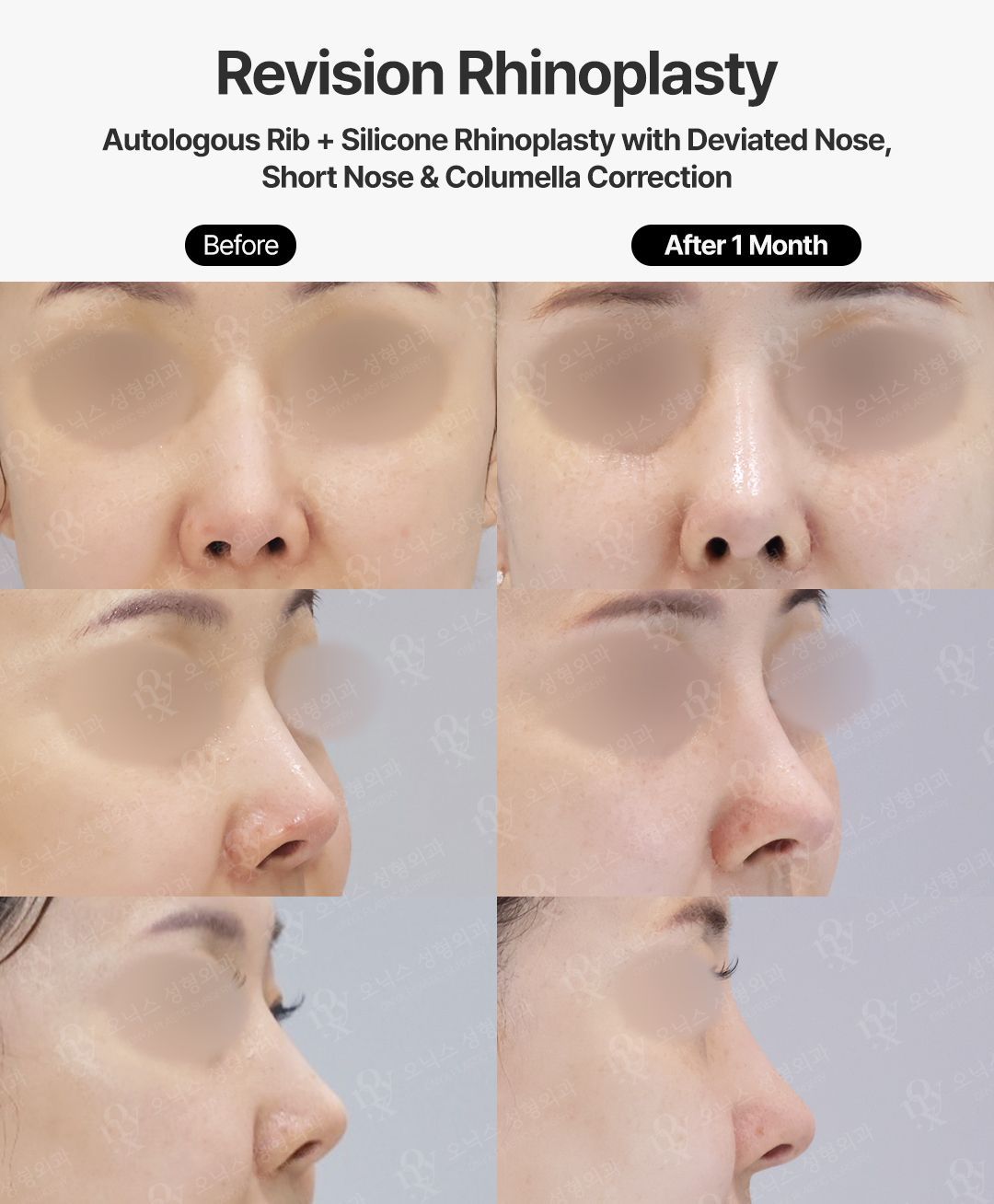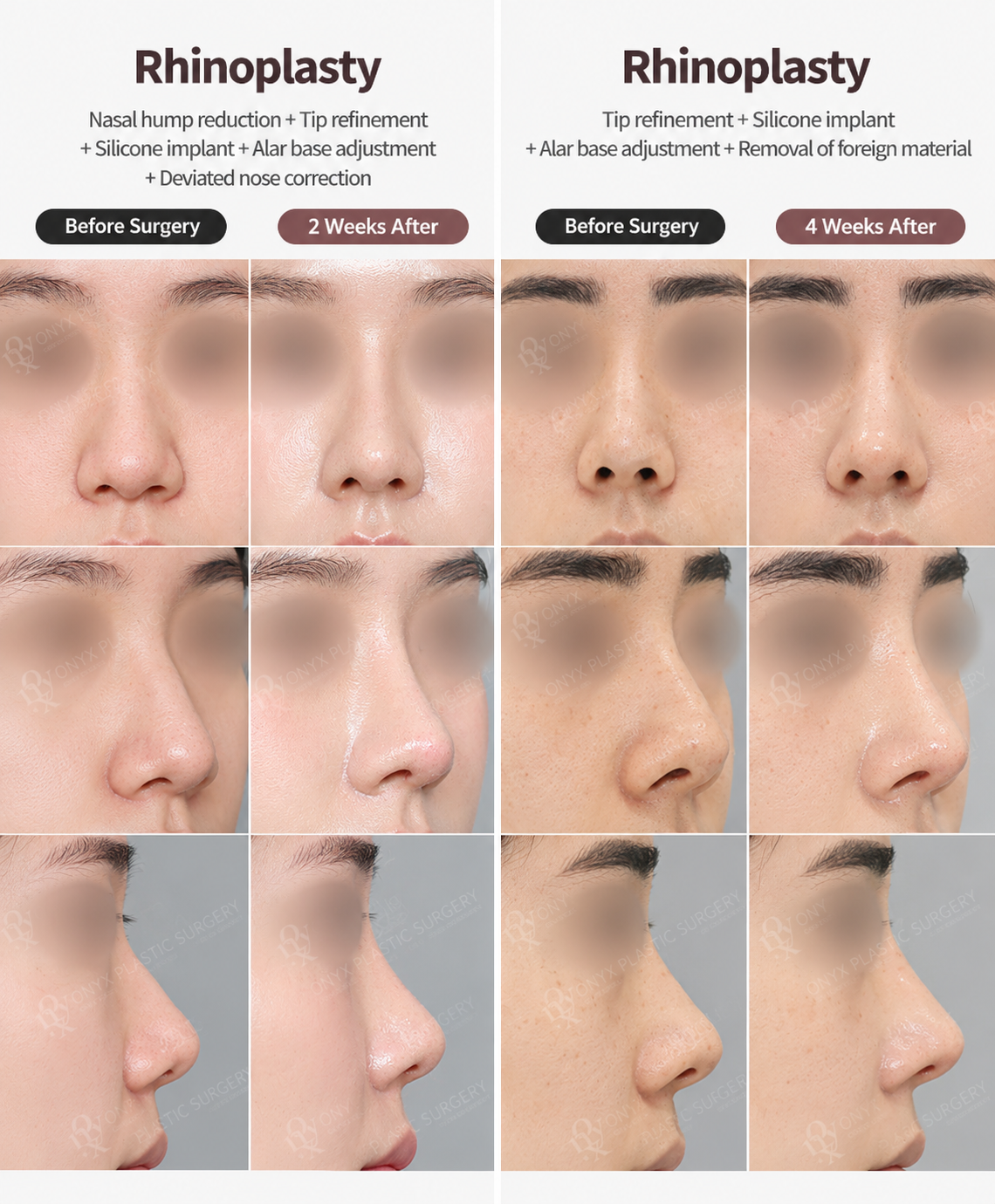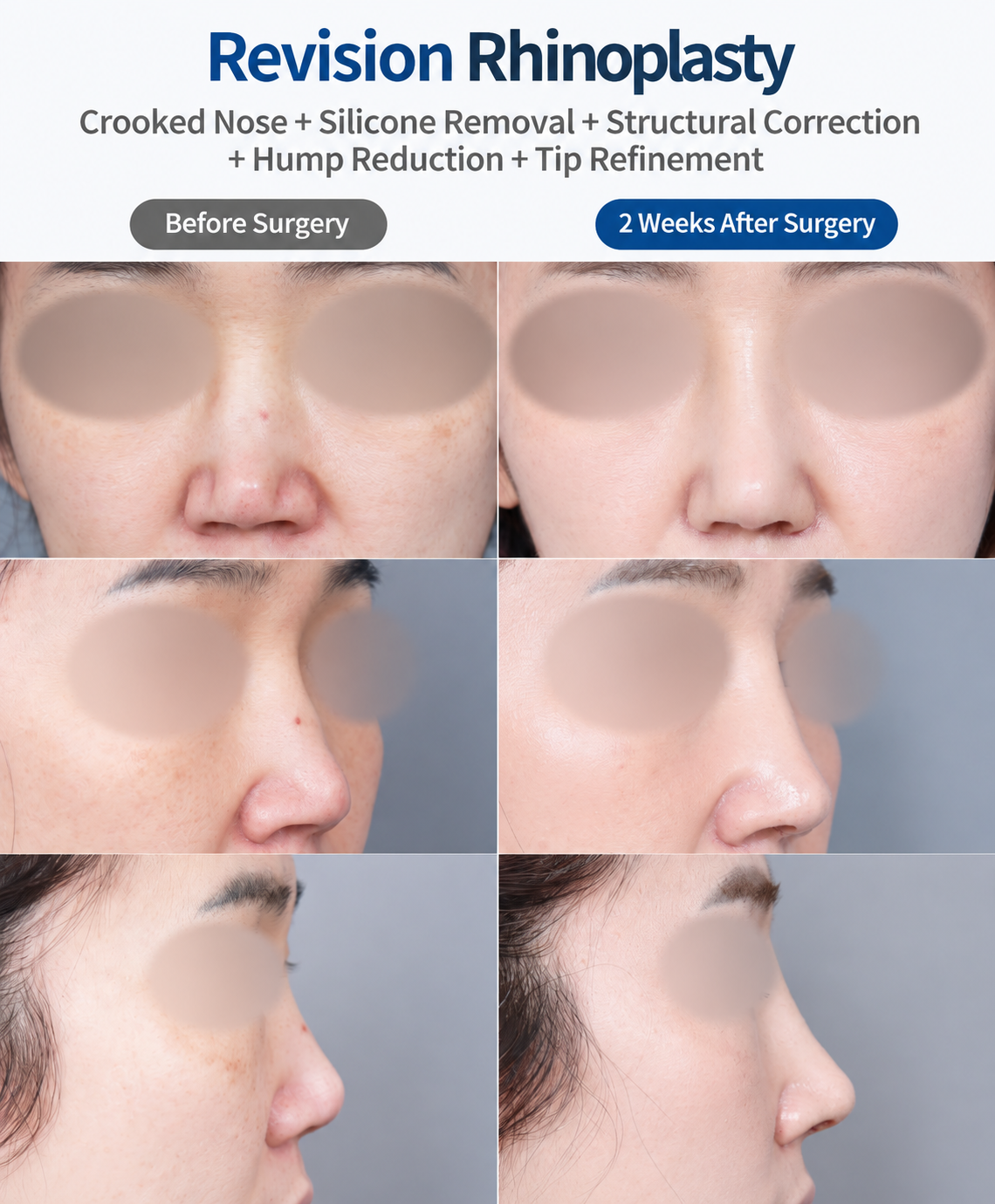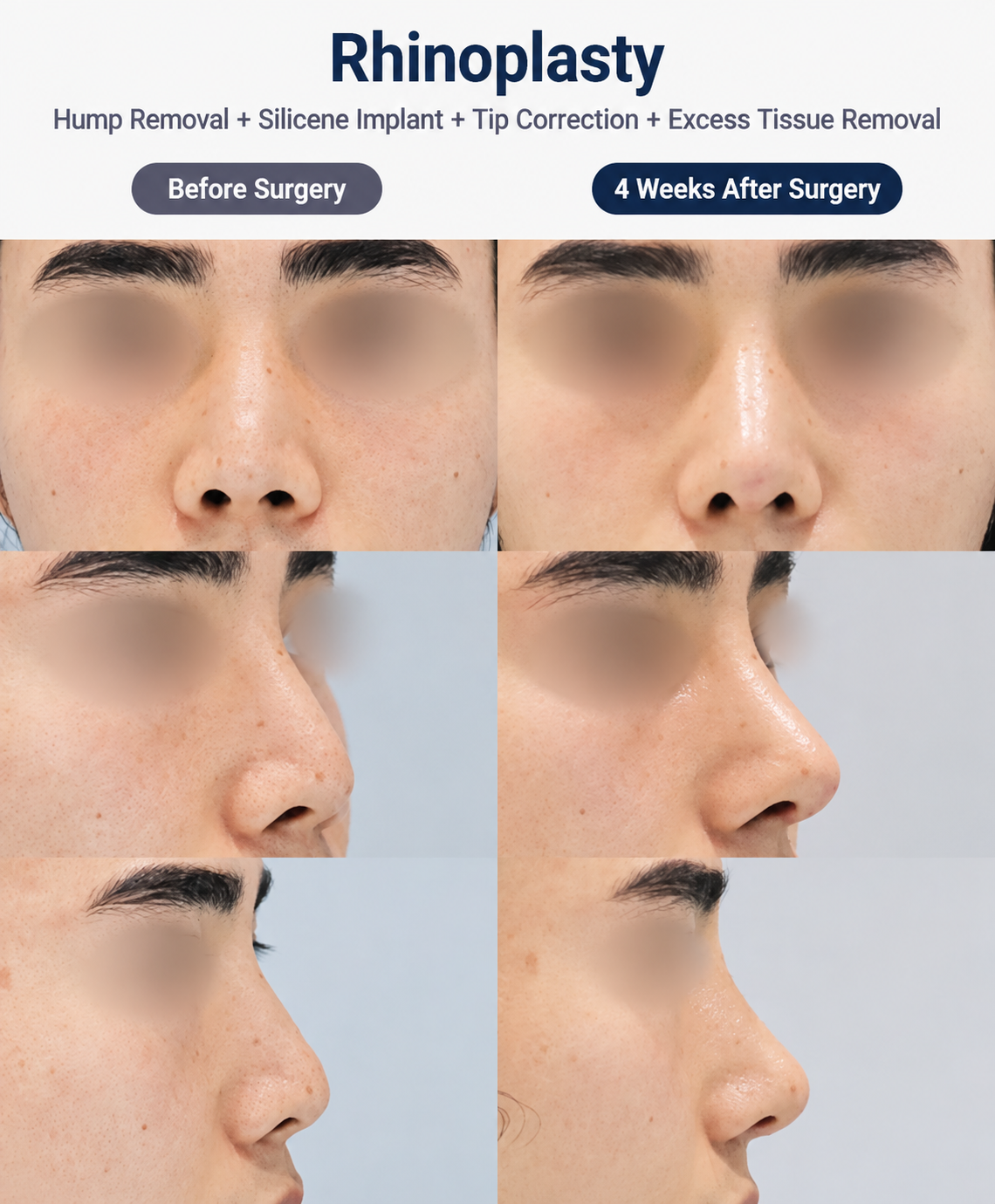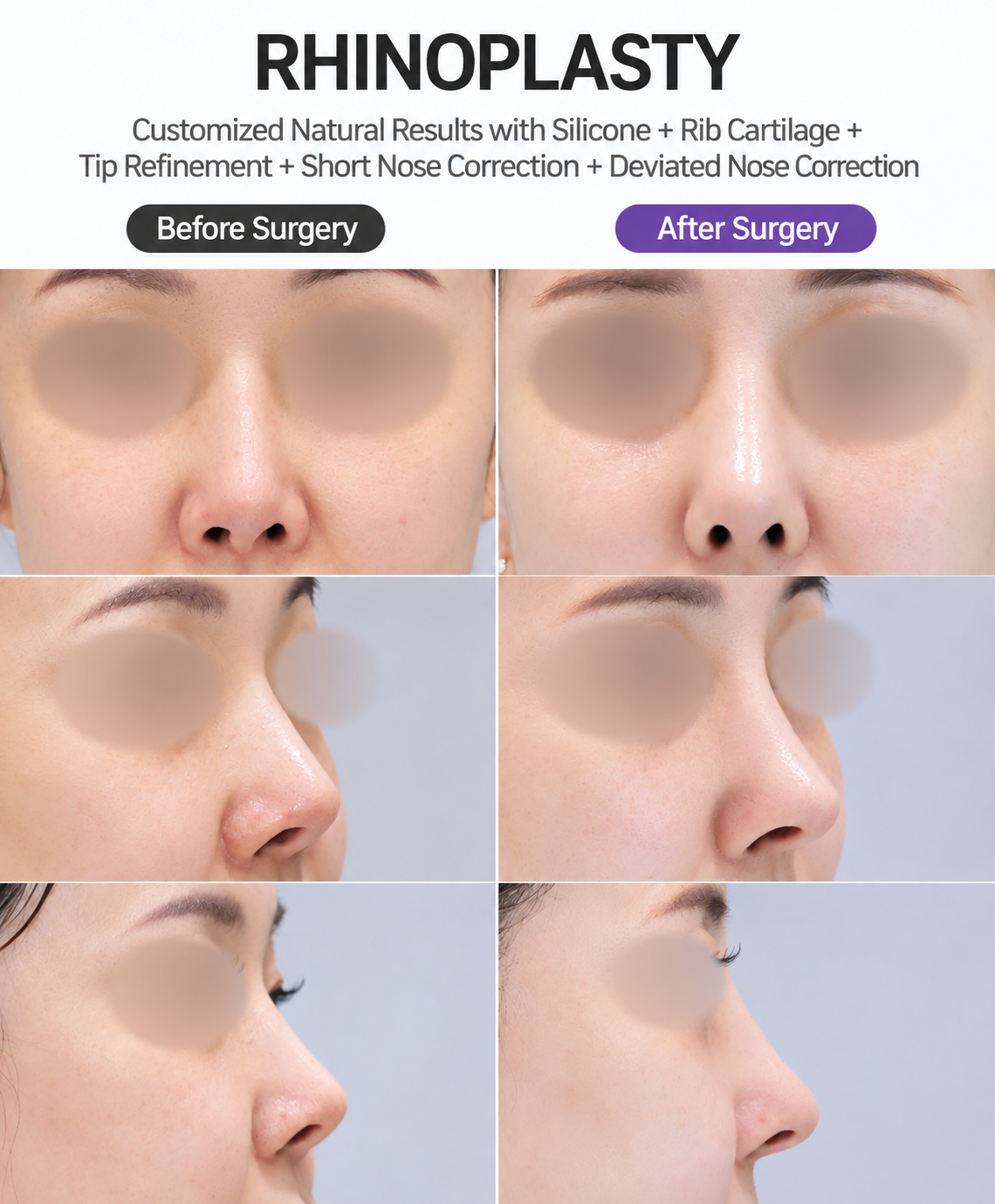
Ethnic Rhinoplasty for Caucasian Patients
Ethnic Rhinoplasty for Caucasian Patients
Ethnic rhinoplasty for Caucasian patients refers to a tailored surgical approach that respects individual nasal anatomy while enhancing both function and facial harmony. In Korea, this type of rhinoplasty is designed to refine rather than dramatically alter natural features, with careful attention to nasal proportions, structural balance, and long-term stability.
What Is Ethnic Rhinoplasty?
Ethnic rhinoplasty focuses on individualized nasal refinement based on unique anatomical characteristics rather than a one-size-fits-all aesthetic.
Common goals include:
- Natural refinement of nasal shape
- Improved facial balance
- Structural support enhancement
- Preservation of ethnic identity
- Functional breathing improvement
- Subtle contour adjustments
- Long-term stability
The approach varies depending on each patient’s anatomy and goals.
Common Characteristics in Caucasian Nasal Anatomy
Caucasian nasal features often present specific structural considerations.
These may include:
- Higher nasal bridge
- Narrow or defined nasal structure
- Prominent nasal dorsum
- Variable tip projection
- Septal deviation in some cases
- Thin to moderate skin thickness
- Strong aesthetic definition
Each case is assessed individually before planning surgery.
Common Surgical Goals
The surgical plan is designed to refine and balance facial proportions.
Typical goals include:
- Tip refinement
- Dorsal contour smoothing
- Nasal symmetry improvement
- Functional airway support
- Structural reinforcement
- Correction of deviations
- Balanced facial profile
The emphasis is on harmony rather than overcorrection.
Common Techniques Used
A combination of techniques may be used depending on the patient’s needs.
Possible methods include:
- Structural rhinoplasty
- Septoplasty (if needed)
- Cartilage grafting
- Tip reshaping techniques
- Nasal valve support
- Minimal bridge modification
- Functional reconstruction
The surgical plan is fully customized.
Role of Cartilage in Ethnic Rhinoplasty
Cartilage is often used to refine structure and maintain long-term support.
Common sources include:
- Septal cartilage
- Ear cartilage
- Rib cartilage
These may be used for:
- Tip support
- Structural reinforcement
- Subtle projection adjustment
- Symmetry correction
- Functional improvement
- Long-term stability
The choice depends on surgical complexity.
Balancing Aesthetics and Function
Modern ethnic rhinoplasty emphasizes both appearance and nasal function.
Key considerations include:
- Natural facial proportions
- Breathing efficiency
- Skin thickness and support
- Structural integrity
- Long-term healing stability
- Individual aesthetic preferences
- Avoiding overcorrection
The goal is a balanced and sustainable outcome.
Recovery Expectations
Recovery varies depending on surgical complexity and individual healing.
Patients may experience:
- Swelling
- Mild bruising
- Temporary congestion
- Nasal tenderness
- Gradual refinement of shape
- Progressive healing over months
- Ongoing improvement in contour and function
Final results develop gradually over time.
Questions to Ask During Consultation
Before surgery, it is helpful to discuss:
- What changes are recommended for my anatomy?
- Will cartilage grafts be necessary?
- How will my ethnic features be preserved?
- What functional improvements are expected?
- What is the recovery timeline?
- What are the limitations of surgery?
- How natural will the final result look?
A detailed consultation helps ensure realistic expectations.
Final Thoughts
Ethnic rhinoplasty for Caucasian patients in Korea focuses on personalized refinement that enhances nasal function and facial harmony while respecting natural anatomical characteristics. With careful planning, structural support techniques, and individualized surgical design, patients can achieve balanced, natural-looking, and long-lasting results tailored to their unique features.