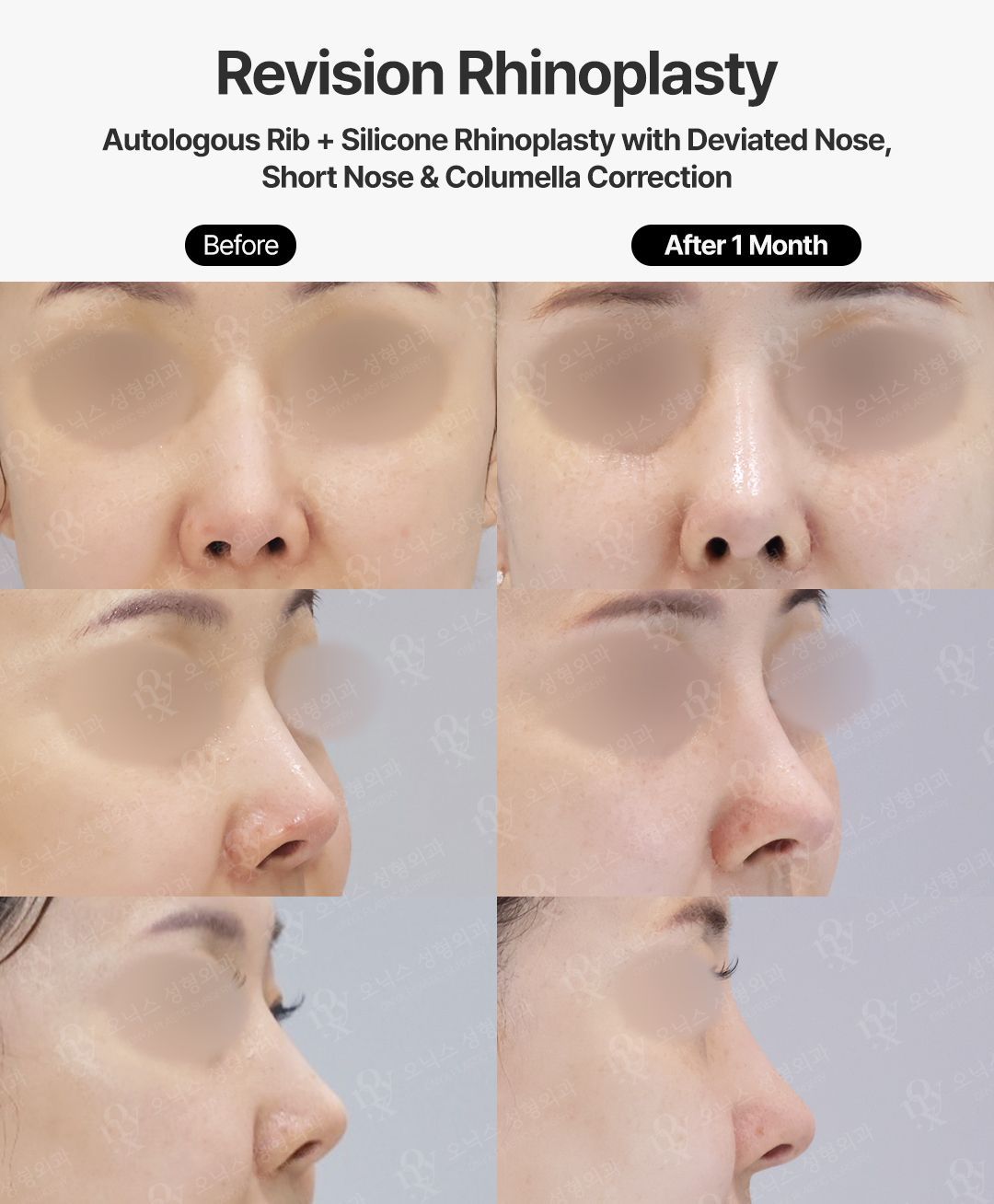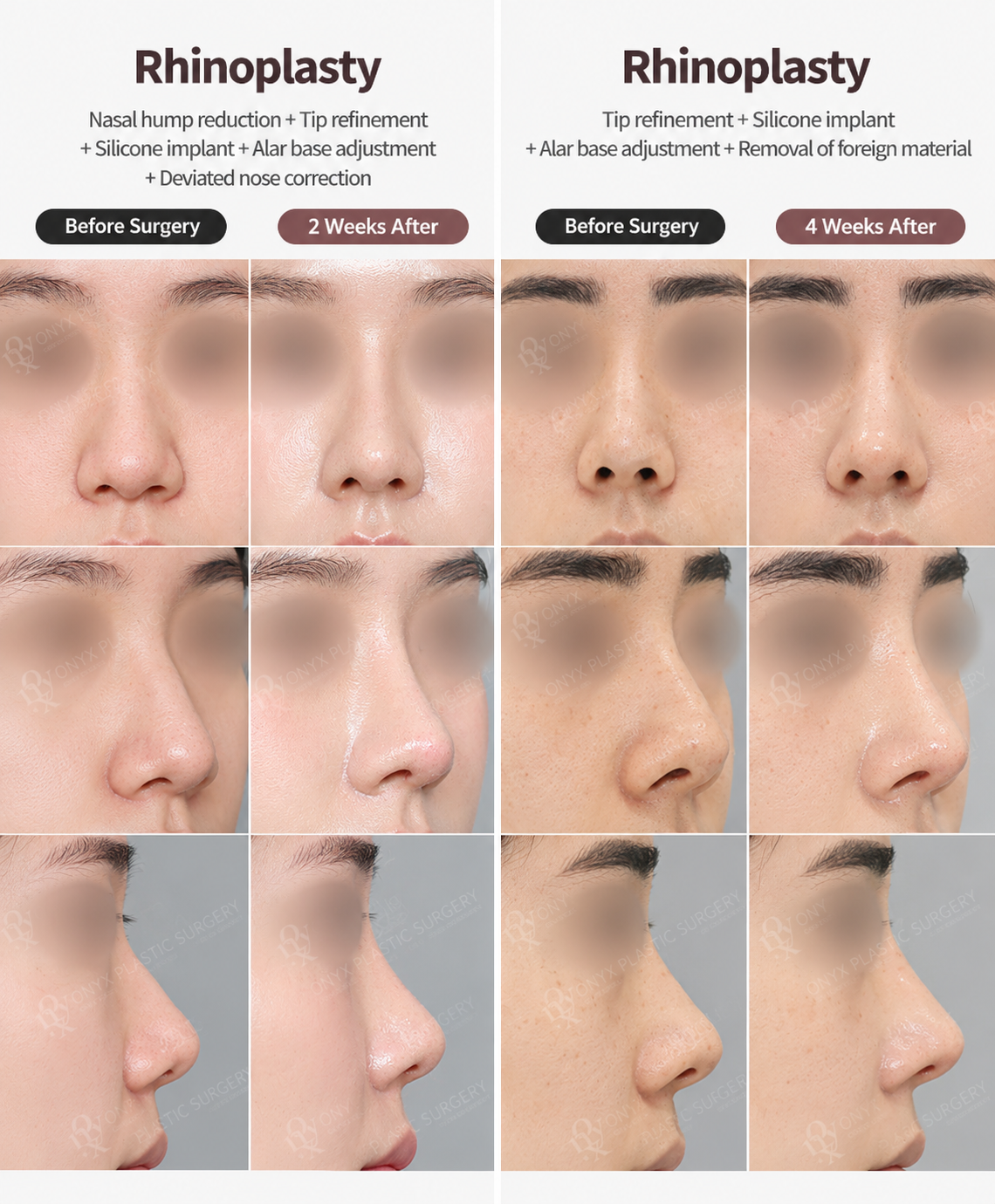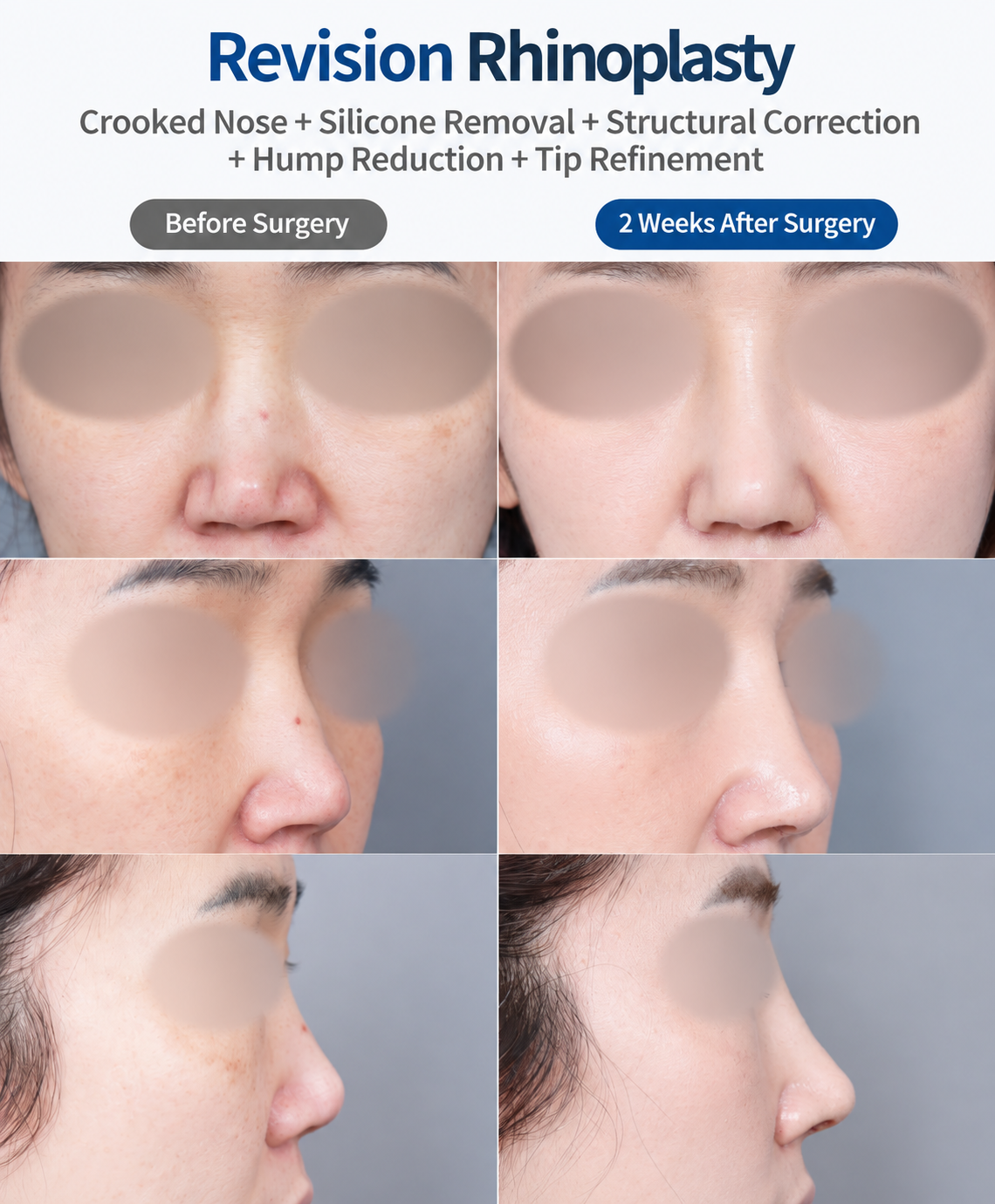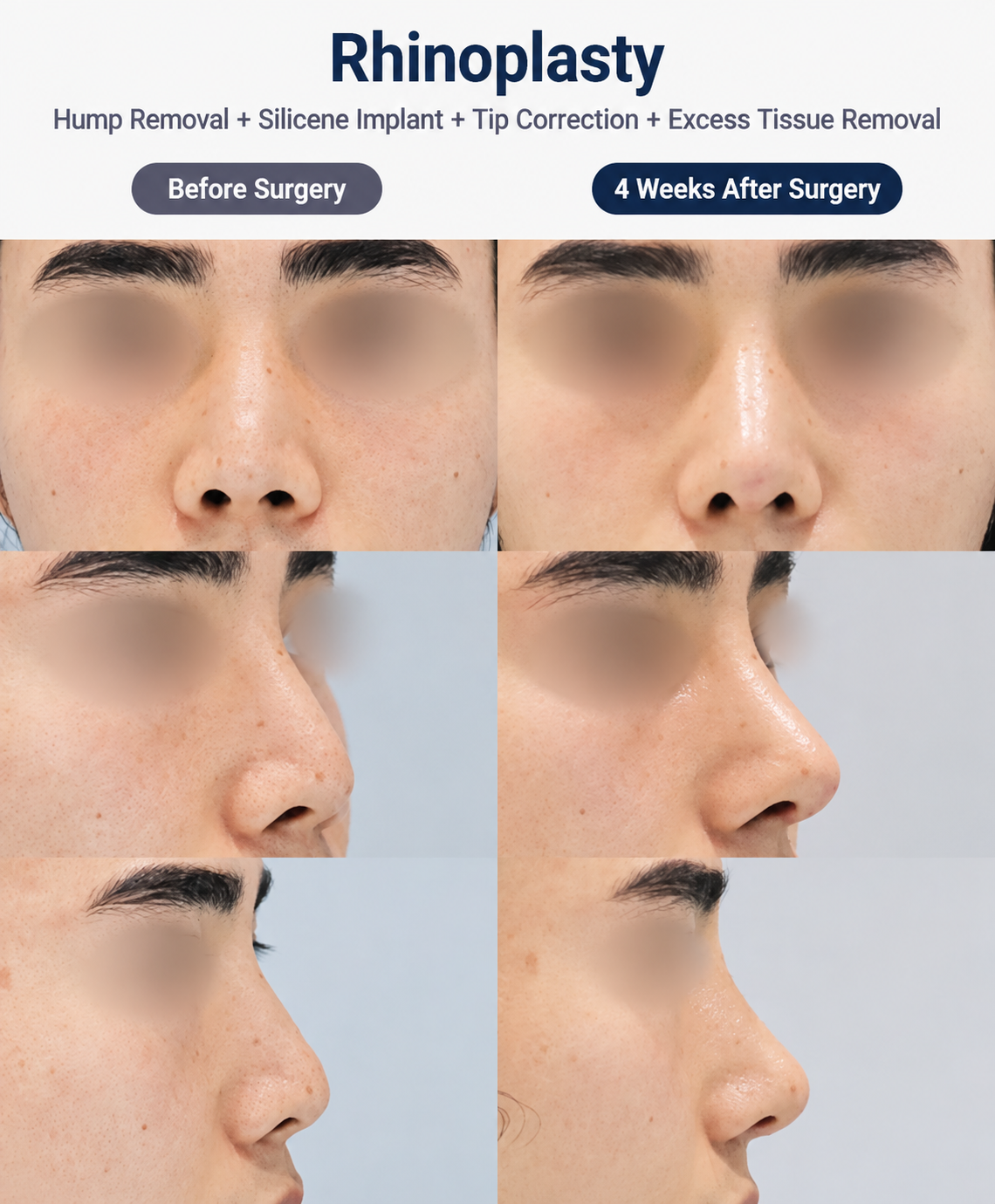
Breathing Improvements After Surgery
Breathing Improvements After Surgery
Many patients experience improved nasal breathing after functional rhinoplasty, septoplasty, or other procedures designed to correct structural problems within the nose. The degree of improvement depends on the underlying condition, the surgical technique used, and individual healing. While some changes may be noticeable within weeks, complete healing and final functional results often take several months.
How Surgery Can Improve Breathing
Procedures that correct structural abnormalities may help restore more efficient airflow.
Potential improvements include:
- Better nasal airflow
- Reduced obstruction
- Easier breathing through the nose
- Improved airway stability
- Better airflow during exercise
- More comfortable daily breathing
- Enhanced long-term nasal function
Results vary depending on the cause of the original problem.
Conditions Commonly Treated
Breathing improvements may be achieved by addressing structural issues such as:
- Deviated septum
- Nasal valve collapse
- Structural weakness
- Previous nasal trauma
- Congenital abnormalities
- Complications from prior surgery
- Internal airway narrowing
A thorough evaluation is necessary before treatment.
The First Few Days After Surgery
Temporary congestion is common immediately after surgery.
Patients may experience:
- Nasal blockage
- Swelling
- Mild discomfort
- Internal pressure
- Temporary mouth breathing
- Minor drainage
- Reduced airflow
This does not necessarily reflect the final outcome.
The First Few Weeks
As swelling gradually decreases, breathing often begins to improve.
Common experiences include:
- Better airflow
- Reduced congestion
- Improved comfort
- Decreasing swelling
- Easier daily activities
- Progressive healing
- Follow-up evaluations
Healing progresses at different rates for different patients.
Long-Term Functional Recovery
Internal tissues continue to heal well beyond the initial recovery period.
Over time, patients may notice:
- Stable nasal airflow
- Improved exercise tolerance
- Better sleep quality
- More comfortable breathing
- Long-term structural support
- Continued tissue remodeling
- Ongoing refinement of results
Final healing may take several months or longer.
Factors That Influence Results
Breathing improvements can be affected by multiple factors.
These include:
- Severity of the original condition
- Surgical technique
- Healing response
- Cartilage support
- Previous nasal surgery
- Postoperative care
- Presence of allergies or inflammation
Each patient's recovery is unique.
Supporting Your Recovery
Following postoperative instructions can help support healing.
Common recommendations include:
- Keep follow-up appointments
- Follow medication instructions
- Stay hydrated
- Avoid smoking
- Protect the nose from injury
- Limit strenuous activities during recovery
- Follow your surgeon's guidance on returning to normal routines
Always follow advice specific to your procedure.
Final Thoughts
Breathing improvements after nasal surgery are often gradual rather than immediate. As swelling subsides and tissues heal, many patients experience easier airflow, greater comfort, and better overall nasal function. Individual results depend on the underlying condition, the procedure performed, and the healing process, making personalized evaluation and proper postoperative care essential for the best long-term outcome.