Signs You Need Functional Rhinoplasty
Signs You Need Functional Rhinoplasty
Functional rhinoplasty is performed to improve the structure and function of the nose, particularly when anatomical problems interfere with normal breathing. While not everyone with nasal congestion or breathing difficulties requires surgery, certain persistent symptoms may indicate that a structural evaluation is appropriate. A thorough examination by a qualified specialist is necessary to determine the underlying cause and the most suitable treatment.
Persistent Difficulty Breathing Through Your Nose
One of the most common signs is ongoing nasal obstruction that does not improve with routine treatment.
Possible symptoms include:
- Constant nasal blockage
- Difficulty breathing through one or both nostrils
- Mouth breathing
- Reduced airflow
- Chronic congestion
- Difficulty during exercise
- Feeling that the nose is always "blocked"
Structural problems may be contributing to these symptoms.
A Deviated Septum or Nasal Valve Collapse
Internal structural abnormalities can significantly affect airflow.
Common conditions include:
- Deviated septum
- Internal nasal valve collapse
- External nasal valve weakness
- Structural instability
- Congenital abnormalities
- Previous nasal injury
- Scar tissue from prior surgery
These issues often require more than medication alone.
Breathing Problems After Nasal Trauma
An injury to the nose can alter both appearance and function.
Possible signs include:
- Persistent obstruction
- Crooked nasal structure
- Difficulty exercising
- Uneven airflow
- Collapse during deep breathing
- Chronic discomfort
- Noticeable structural changes
Medical evaluation is recommended after significant trauma.
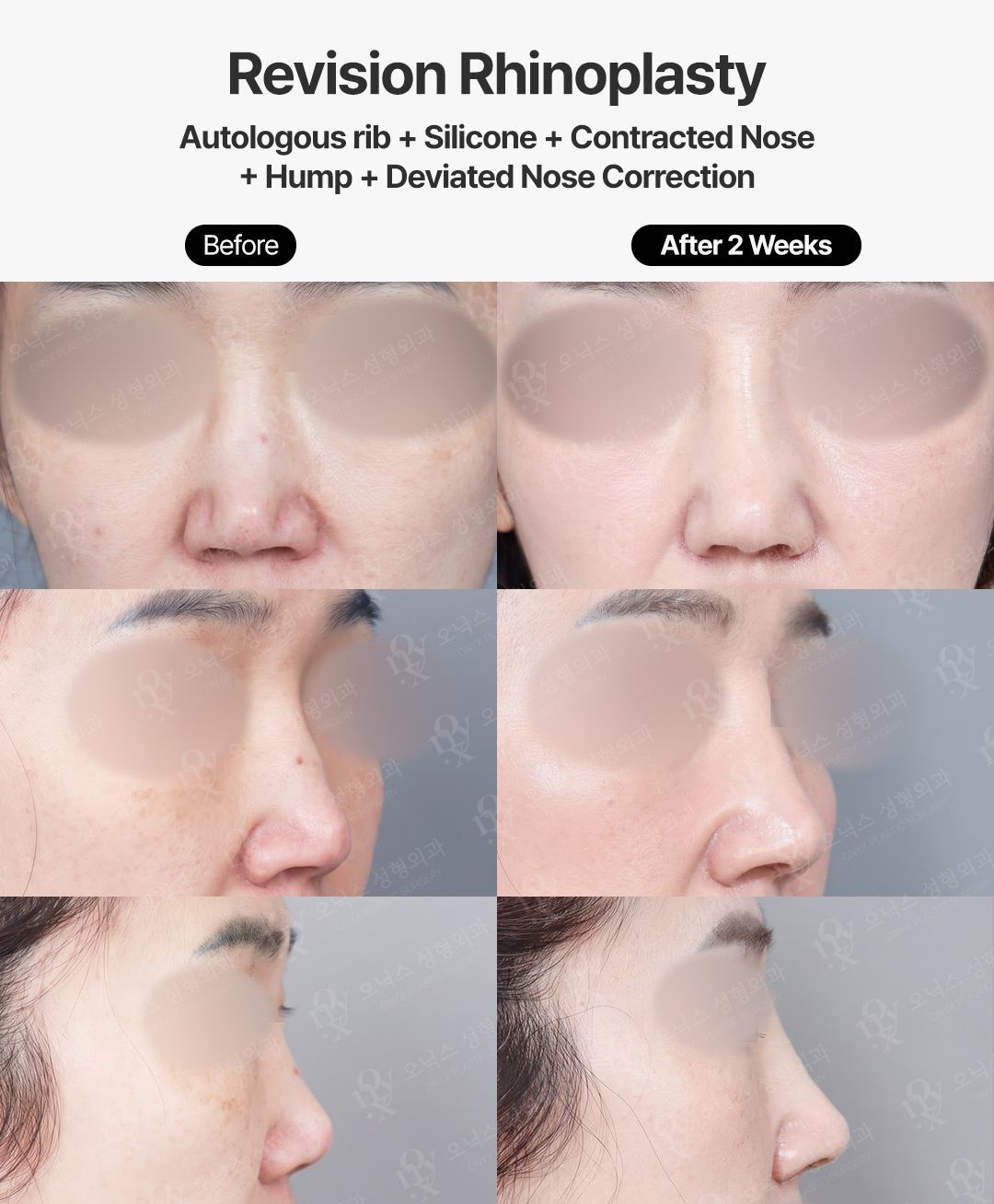
Ongoing Problems After Previous Rhinoplasty
Some patients develop functional issues following earlier nasal surgery.
Potential concerns include:
- Reduced airflow
- Nasal valve collapse
- Structural weakness
- Tip instability
- Scar-related obstruction
- Persistent congestion
- Difficulty breathing
Revision functional rhinoplasty may be considered in appropriate cases.
Symptoms That Do Not Improve With Medical Treatment
Not all breathing problems are caused by structural abnormalities, but persistent symptoms despite appropriate treatment may require further evaluation.
Examples include:
- Chronic congestion despite medication
- Persistent obstruction after allergy treatment
- Ongoing breathing difficulty
- Recurrent nasal blockage
- Limited improvement with nasal sprays
- Long-term symptoms
- Reduced quality of life
Additional assessment can help identify structural causes.
Exercise-Related Breathing Difficulties
Some individuals notice symptoms mainly during physical activity.
Possible signs include:
- Difficulty breathing through the nose while exercising
- Reduced airflow during running
- Nasal collapse with deep inhalation
- Chronic mouth breathing during sports
- Decreased exercise comfort
- Persistent obstruction during activity
- Breathing limitations despite good fitness
Structural correction may be beneficial for selected patients.
Common Functional Procedures
Depending on the diagnosis, treatment may include:
- Septoplasty
- Nasal valve repair
- Structural rhinoplasty
- Turbinate reduction
- Cartilage grafting
- Airway reconstruction
- Functional revision surgery
The procedure is tailored to the patient's specific anatomy and symptoms.
Questions to Ask During Your Consultation
Before deciding on surgery, consider discussing:
- What is causing my breathing difficulty?
- Is the problem structural or inflammatory?
- Would functional rhinoplasty improve my symptoms?
- Are non-surgical treatments still appropriate?
- Will cartilage grafts be needed?
- What recovery timeline should I expect?
- What results are realistically achievable?
A comprehensive consultation can help determine the most appropriate treatment plan.
Final Thoughts
Signs that you may need functional rhinoplasty include persistent nasal obstruction, structural abnormalities such as a deviated septum or nasal valve collapse, breathing problems after trauma or previous surgery, and symptoms that do not improve with medical treatment. An individualized evaluation is essential to determine whether functional rhinoplasty or another treatment option is the best approach for restoring healthy nasal airflow and long-term comfort.