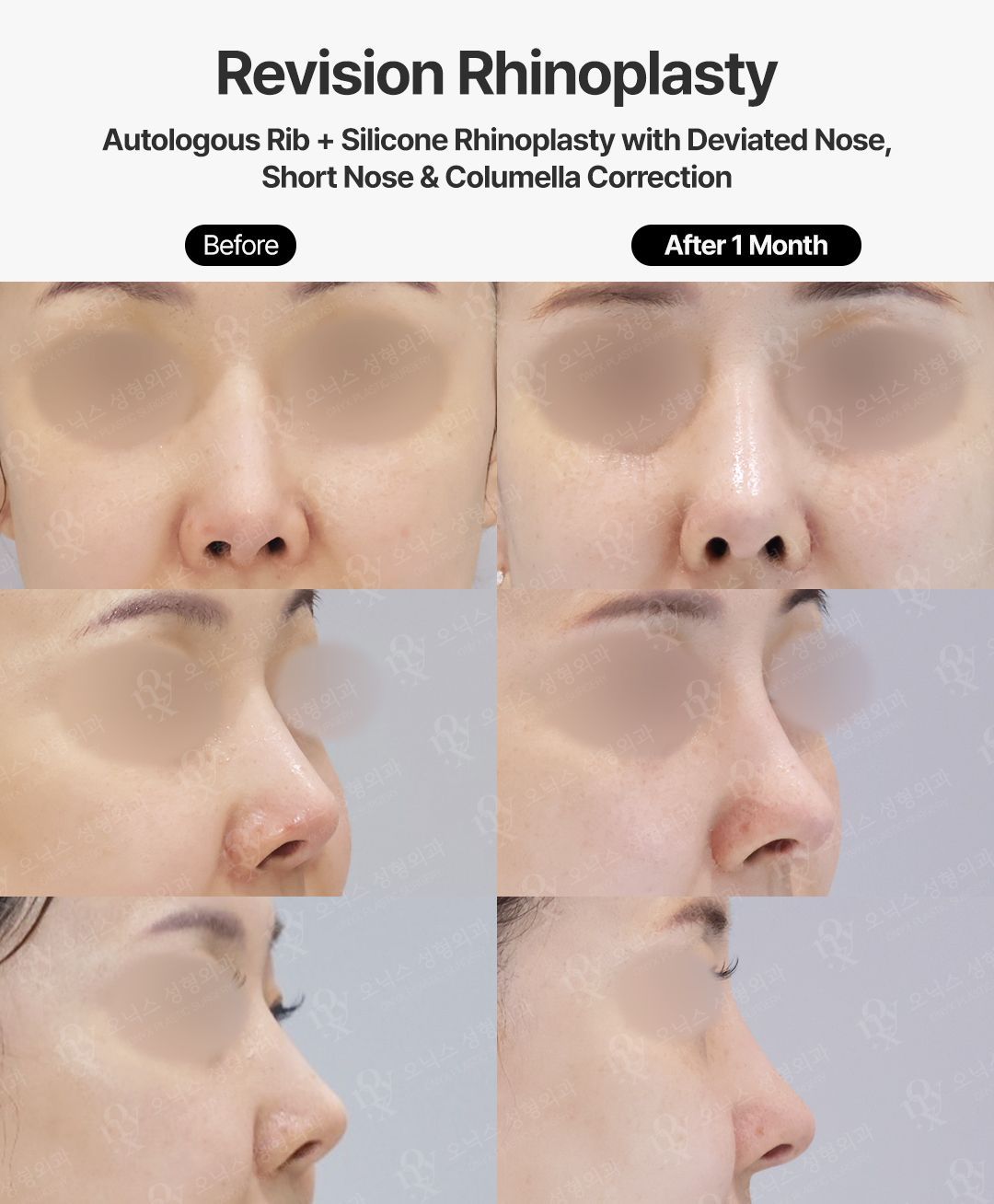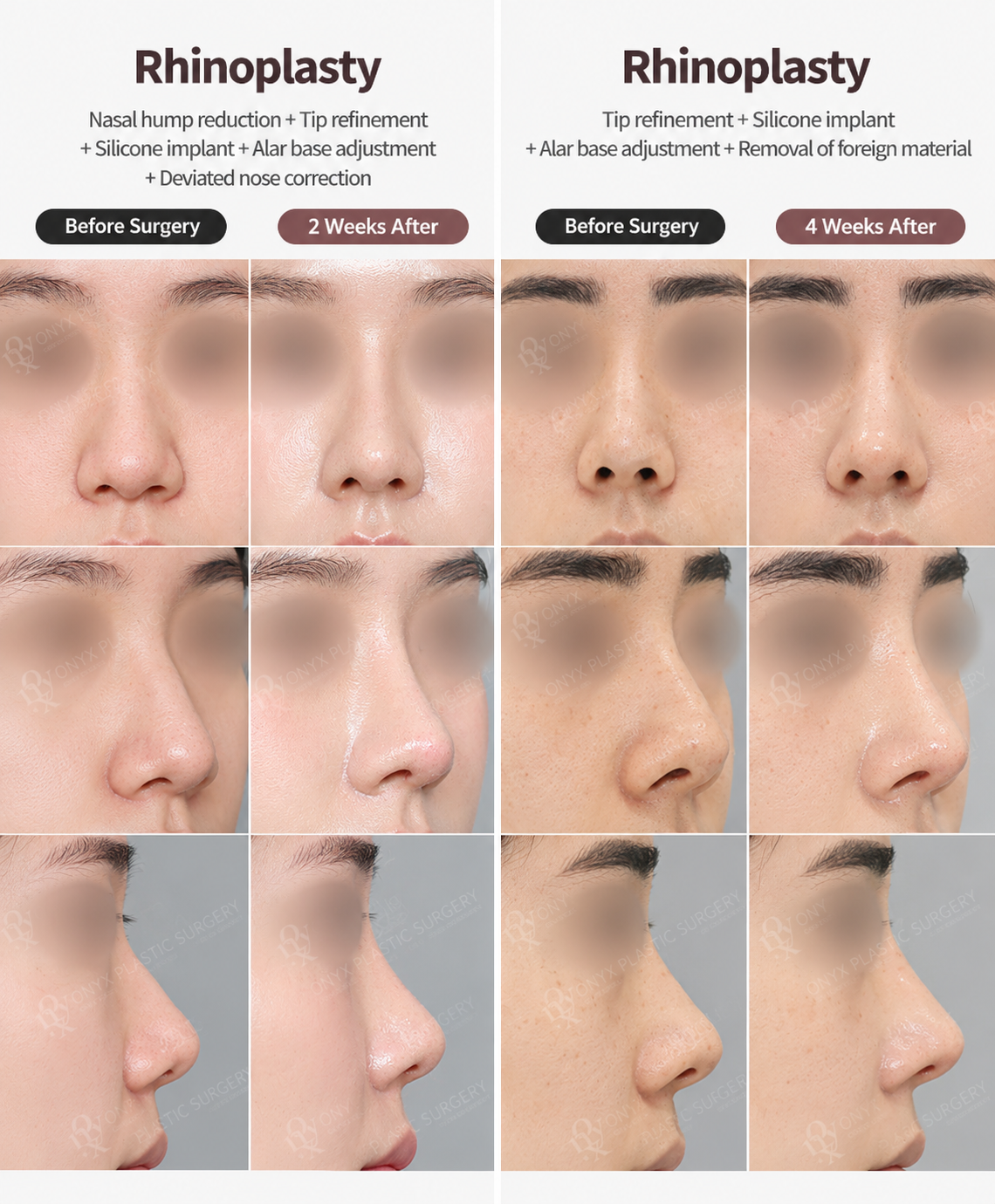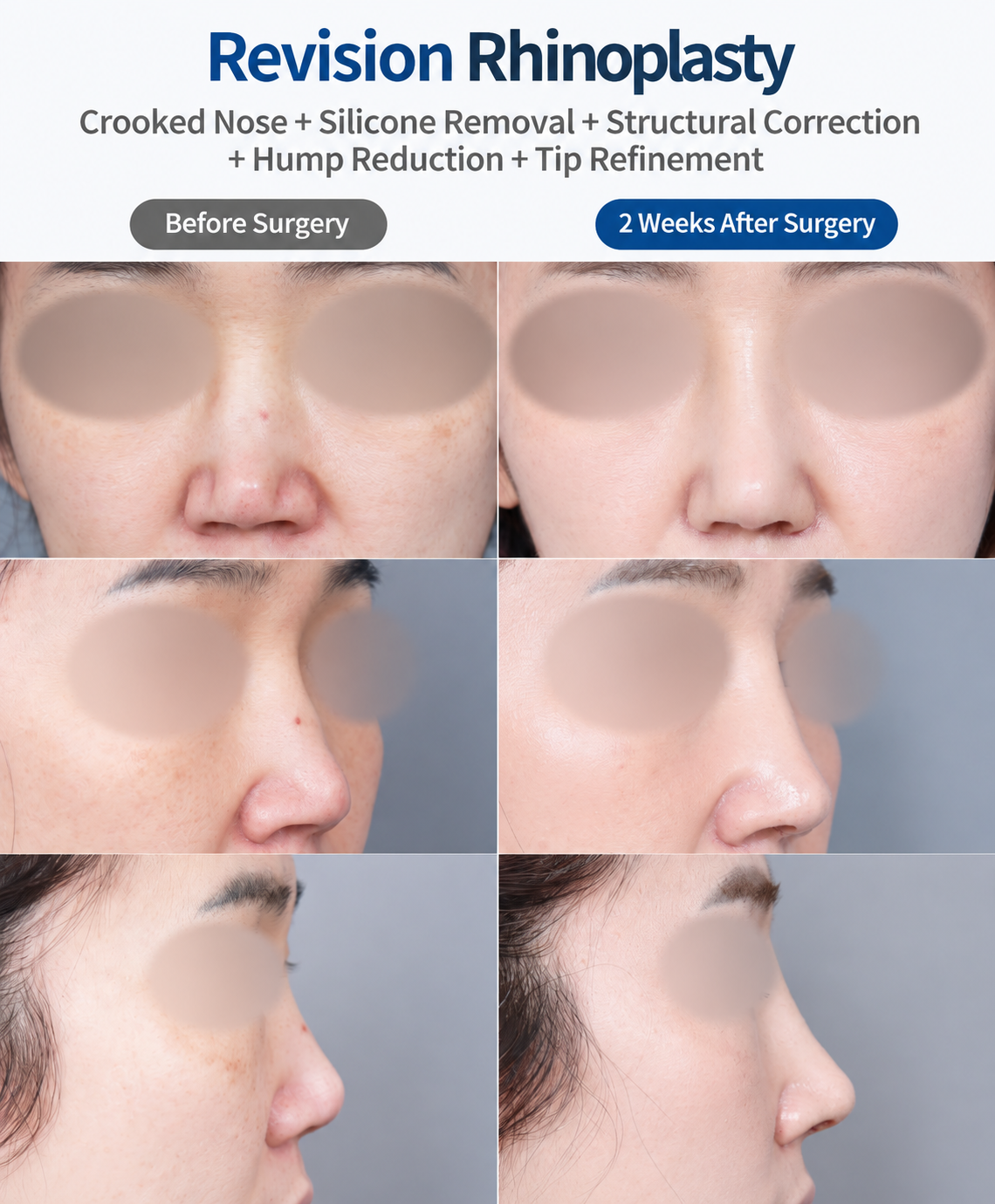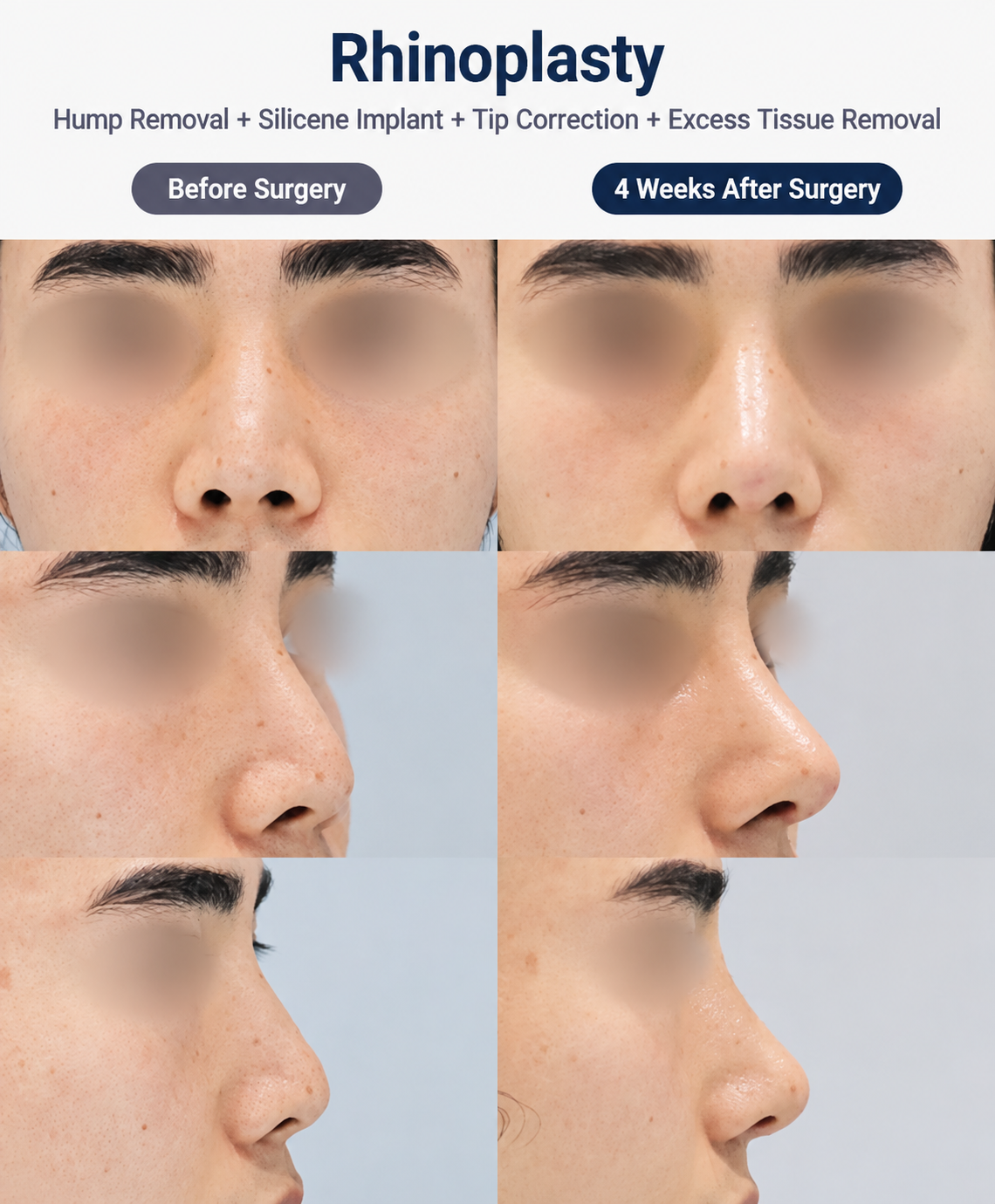
Thick Skin Rhinoplasty in Korea
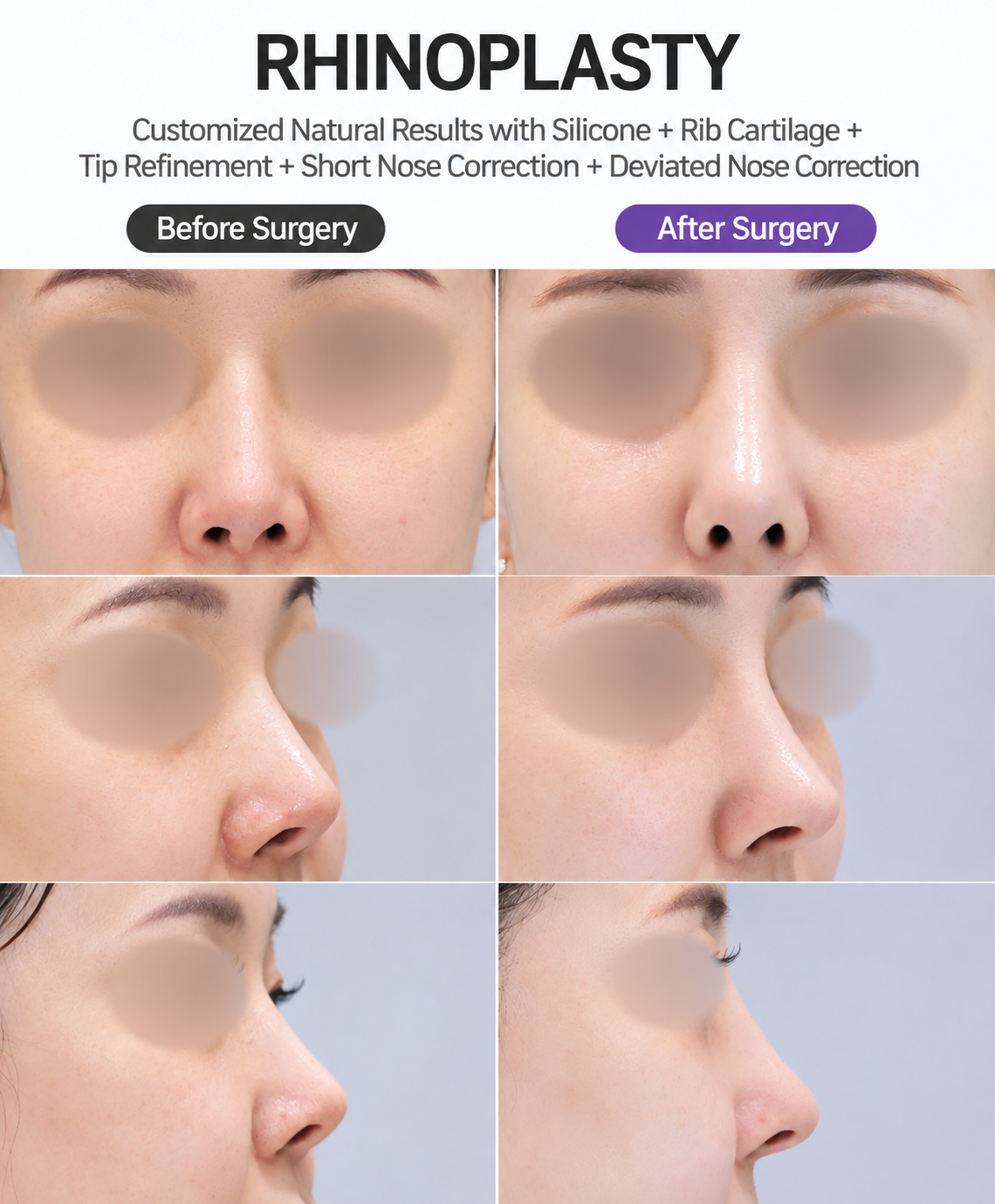
Thick skin rhinoplasty is one of the most technically demanding types of nose surgery. Patients with thick nasal skin often worry that rhinoplasty results will look blunt, undefined, or swollen for too long. Korea is widely recognized for its expertise in thick skin rhinoplasty, thanks to refined structural techniques and realistic aesthetic planning.
Understanding how thick skin affects rhinoplasty—and how Korean surgeons approach it—is essential for setting proper expectations.
What Is Thick Skin Rhinoplasty?
Thick skin rhinoplasty refers to nose surgery performed on patients with:
- Thick sebaceous skin
- Heavy soft tissue envelope
- Less skin shrinkage after surgery
This skin type is commonly seen in:
- Asian noses
- Some Middle Eastern, Hispanic, and mixed-ethnicity noses
- Noses with round or bulbous tips
Thick skin limits how sharply nasal structures can show through, making structural support far more important than surface shaping.
Why Thick Skin Is More Challenging
Thick nasal skin presents several challenges:
- Reduced definition, especially at the tip
- Slower swelling reduction
- Higher risk of long-term puffiness
- Less visible cartilage detail
Because of this, aggressive shaving or over-reduction does not produce better results and can actually worsen outcomes.
How Korean Surgeons Approach Thick Skin Rhinoplasty
1. Structural Tip Support Is the Priority
Rather than thinning the skin excessively, Korean surgeons focus on:
- Strengthening the nasal framework
- Using cartilage grafts to create a stable, defined base
- Supporting tip projection to resist skin weight
A strong structure allows the skin to drape more cleanly over time.
2. Conservative Skin and Soft Tissue Management
Over-thinning thick skin can cause:
- Poor healing
- Irregularities
- Compromised blood supply
Korean techniques emphasize preserving skin health, not forcing sharp definition.
3. Strategic Cartilage Grafting
Common cartilage sources include:
- Septal cartilage (preferred when available)
- Ear cartilage (for tip refinement)
- Rib cartilage (for major support or revision cases)
Cartilage grafts help:
- Increase tip projection
- Improve nasal length
- Prevent long-term drooping
4. Implant Use With Caution
In Korea, implants may be used for:
- Bridge augmentation in thick skin noses
- Creating smooth dorsal lines
However:
- Implants alone do not define the tip
- They must be combined with strong cartilage support
Conservative implant height is key to avoiding unnatural results.
What Thick Skin Rhinoplasty Can and Cannot Do
What It Can Do
- Improve nasal height and balance
- Enhance overall shape and proportion
- Create a cleaner, more structured tip
- Achieve natural-looking refinement
What It Cannot Do
- Create extremely sharp or pinched tips
- Produce dramatic definition through skin alone
- Eliminate all swelling quickly
Realistic expectations are essential.
Recovery Timeline for Thick Skin Rhinoplasty
Patients with thick skin often experience:
- Longer-lasting swelling, especially at the tip
- Gradual refinement over 6–12 months
- Subtle improvements continuing beyond 1 year
Early results may look less defined than final outcomes.
Who Is a Good Candidate?
Thick skin rhinoplasty may be suitable for patients who:
- Understand anatomical limitations
- Prefer natural improvement over dramatic change
- Are patient with long-term healing
- Value structural stability
It may not suit patients seeking:
- Sharp Western-style tips
- Immediate definition
- Extreme profile changes
Why Korea Is Known for Thick Skin Rhinoplasty
Korea’s reputation comes from:
- High volume of thick-skin cases
- Advanced structural rhinoplasty techniques
- Conservative aesthetic philosophy
- Strong revision surgery expertise
Rather than chasing sharpness, Korean surgeons aim for durable, harmonious results that age well.
Common Mistakes to Avoid
🚩 Choosing a surgeon who promises “sharp definition”
🚩 Over-reduction of cartilage
🚩 Ignoring long-term swelling patterns
🚩 Expecting thin-skin outcomes
These are common causes of revision rhinoplasty.
Final Thoughts
Thick skin rhinoplasty in Korea focuses on structure, balance, and patience. While thick skin limits how sharp results can be, expert surgical planning can still achieve meaningful, natural-looking improvement.
With realistic expectations and an experienced surgeon, thick skin rhinoplasty can produce stable, well-balanced results that improve gradually and age naturally.