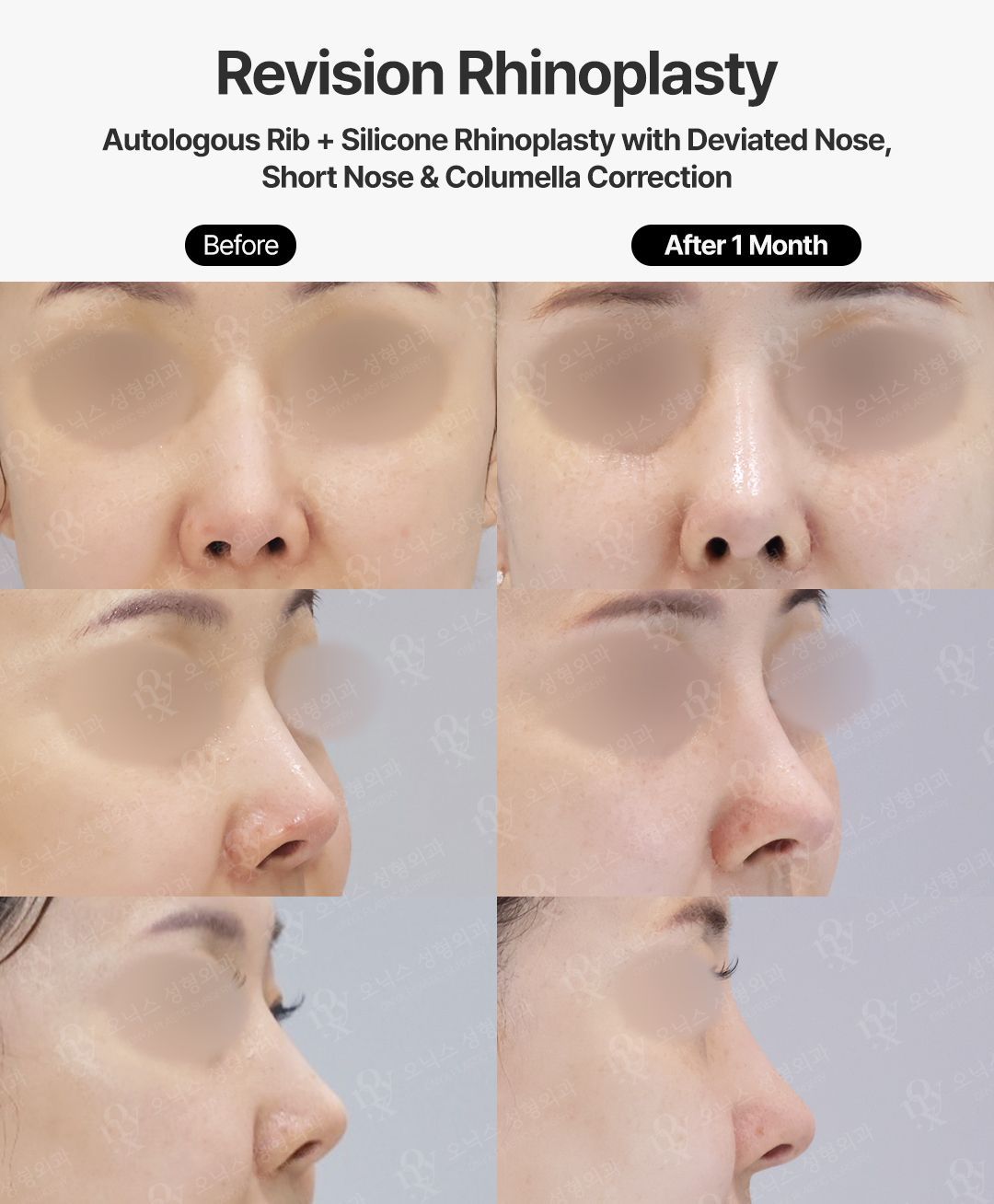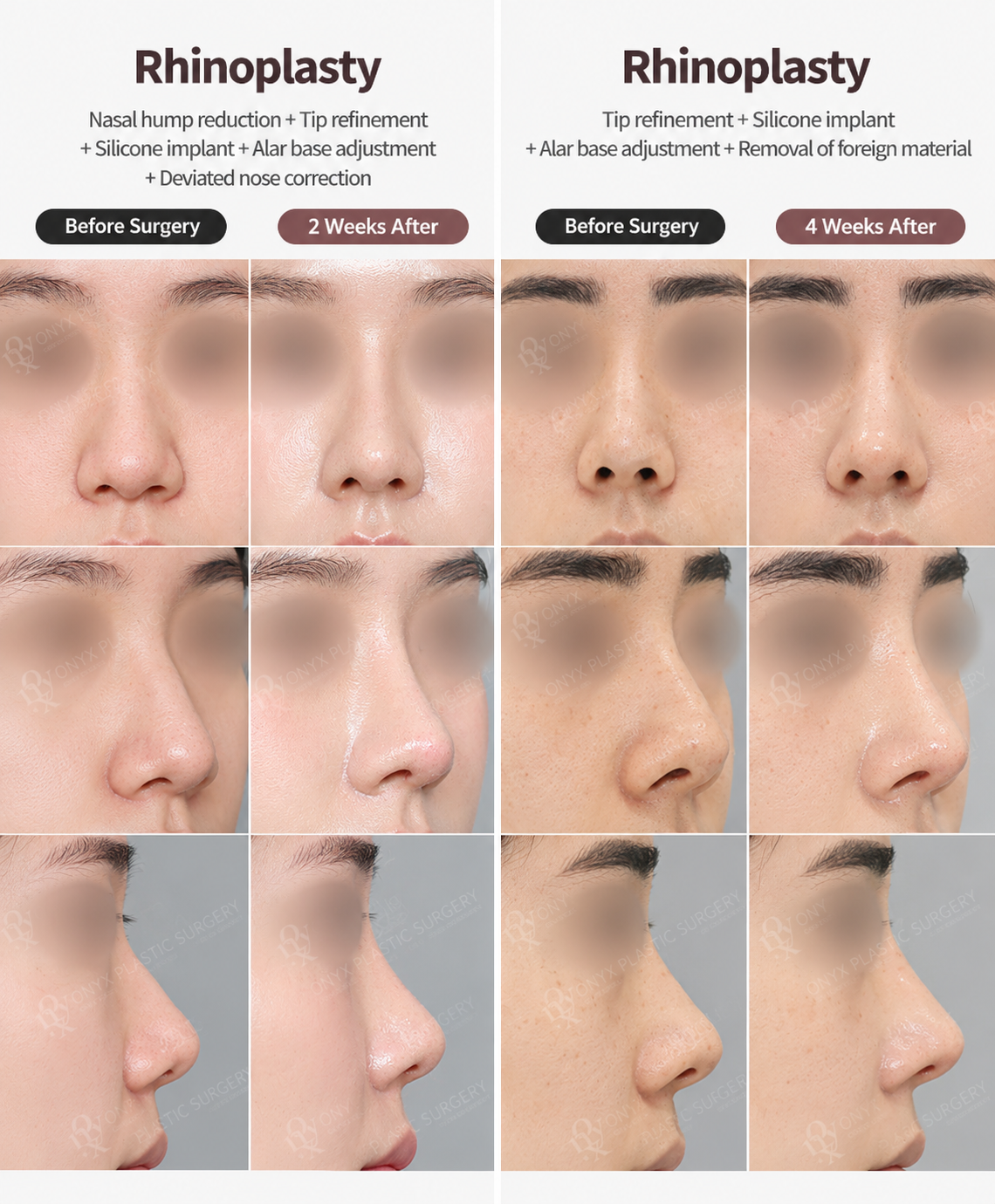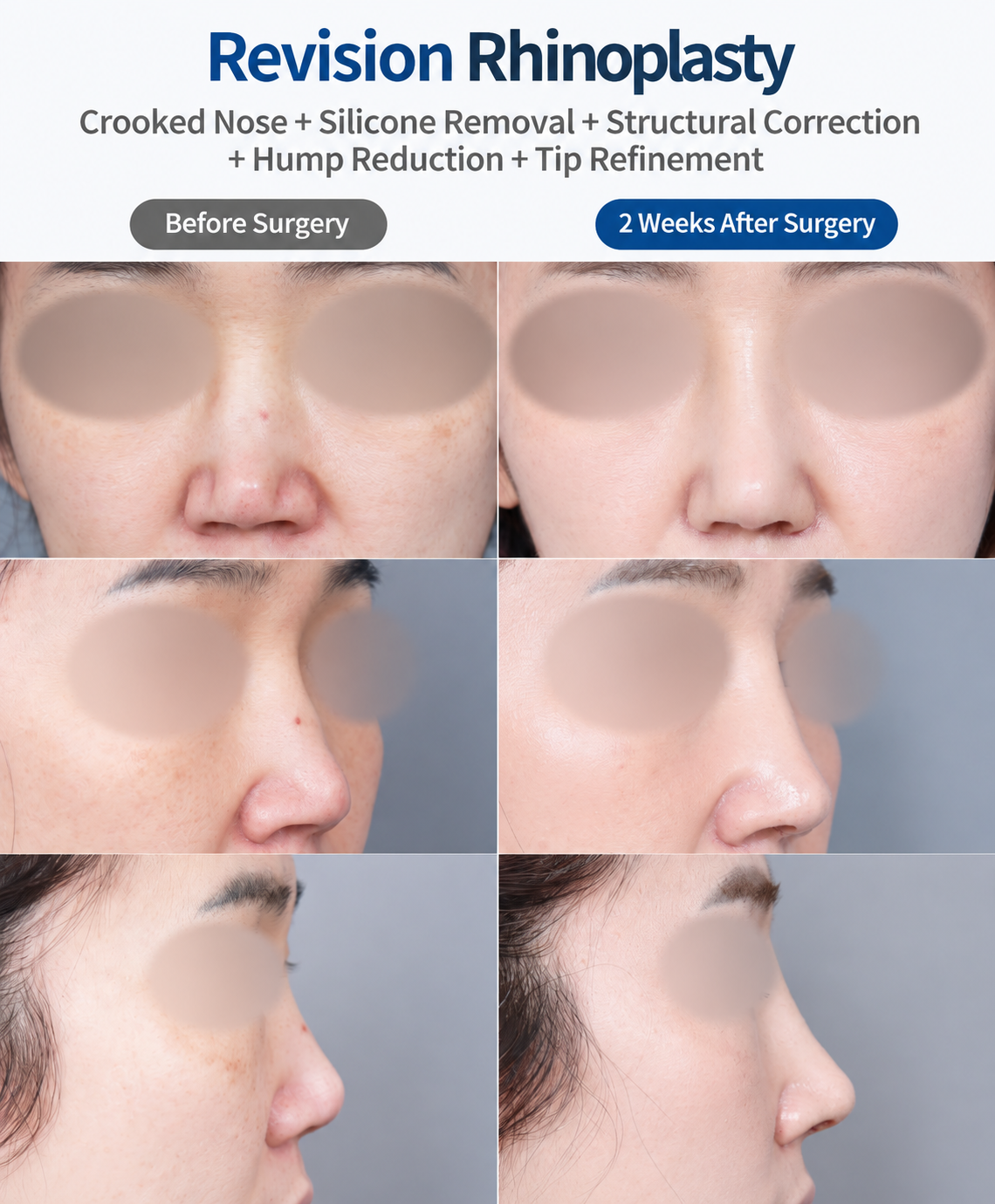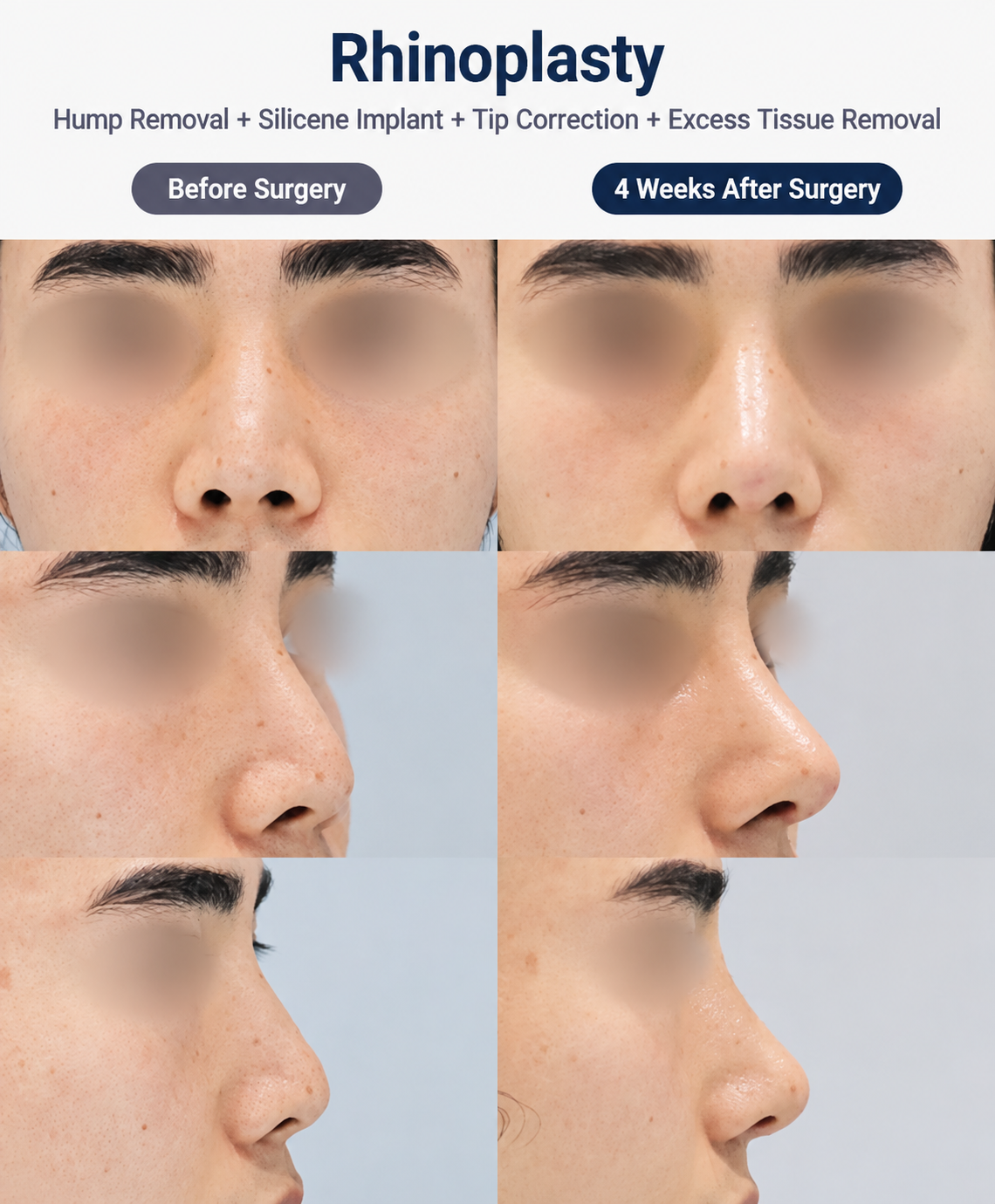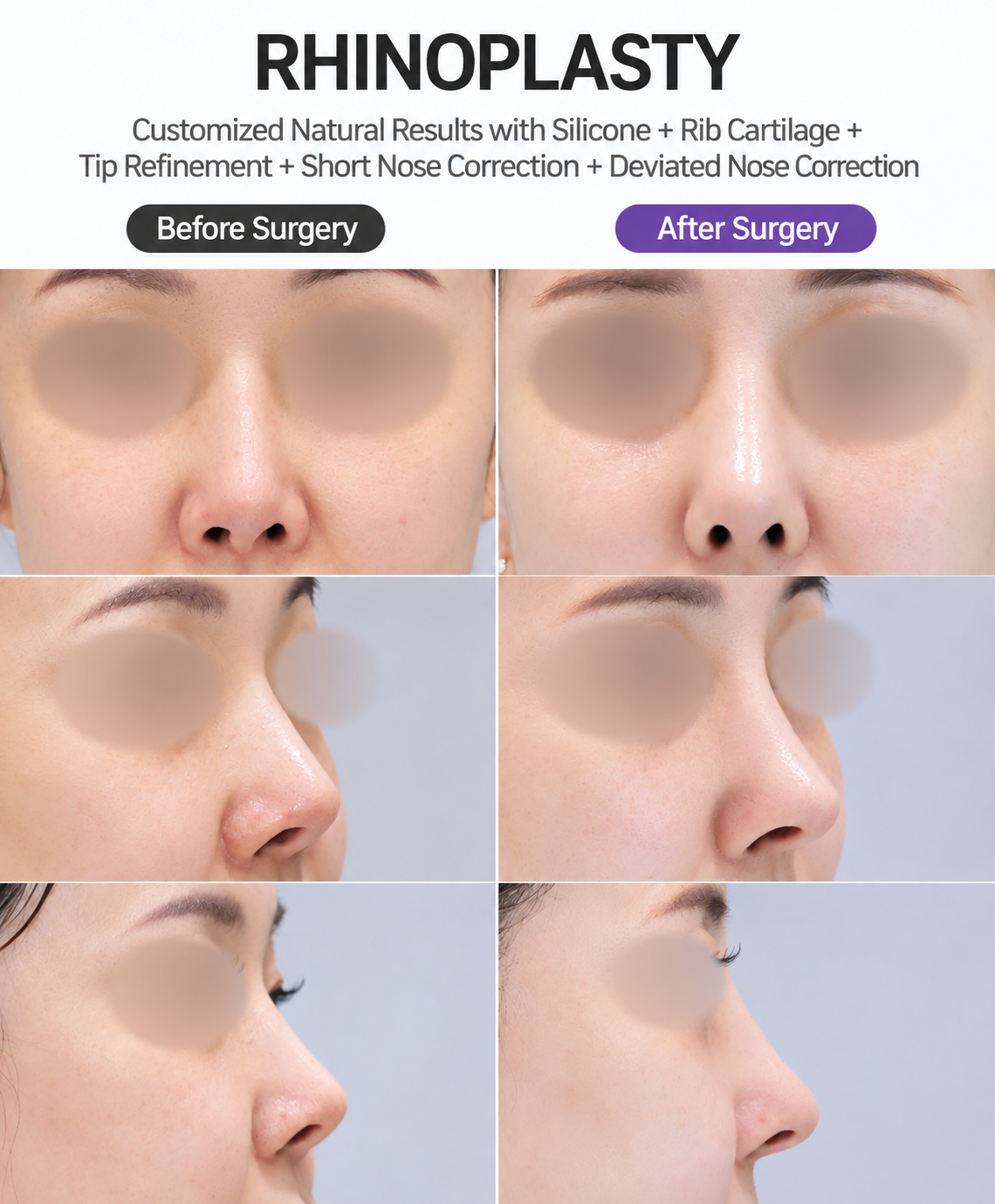
Male Nose Tip Surgery in Korea
Male nose tip surgery focuses on refining the shape, projection, and definition of the nasal tip without feminizing the face. In Korea, surgeons take a distinctly different approach to male rhinoplasty compared to female cases, prioritizing structural strength, balance, and subtle refinement.
This makes Korea a popular destination for men seeking natural-looking nose tip improvement rather than dramatic cosmetic change.
How Male Nose Tip Surgery Is Different
Male nasal anatomy and aesthetic goals differ significantly from female rhinoplasty.
Key differences include:
- Thicker skin and stronger soft tissue
- Wider, less pointed nasal tips
- Preference for straight or slightly strong profiles
- Avoidance of overly sharp or upturned tips
Korean surgeons are trained to refine the nose tip while preserving masculine facial character.
Common Concerns Addressed in Male Nose Tip Surgery
Men typically seek correction for:
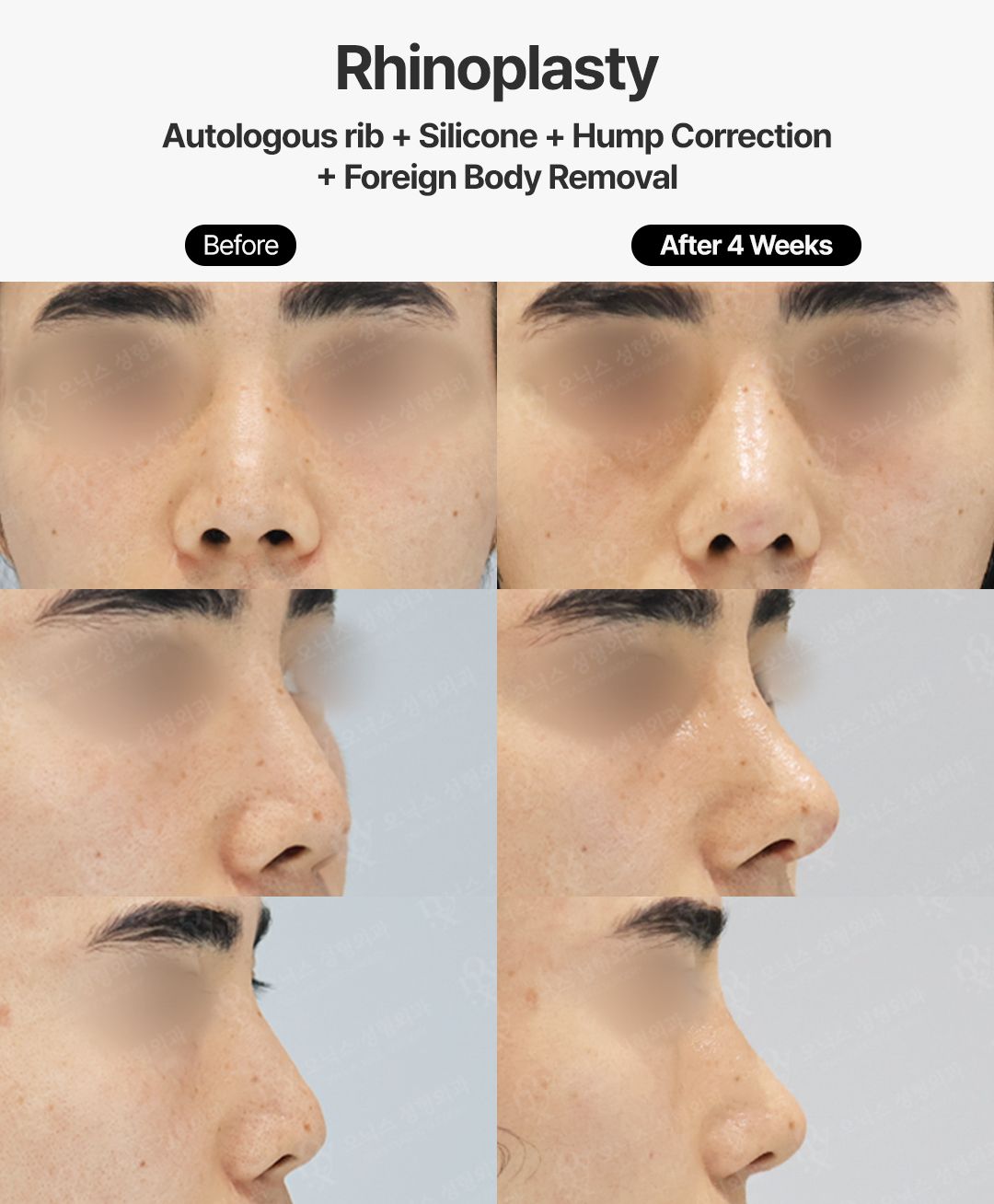
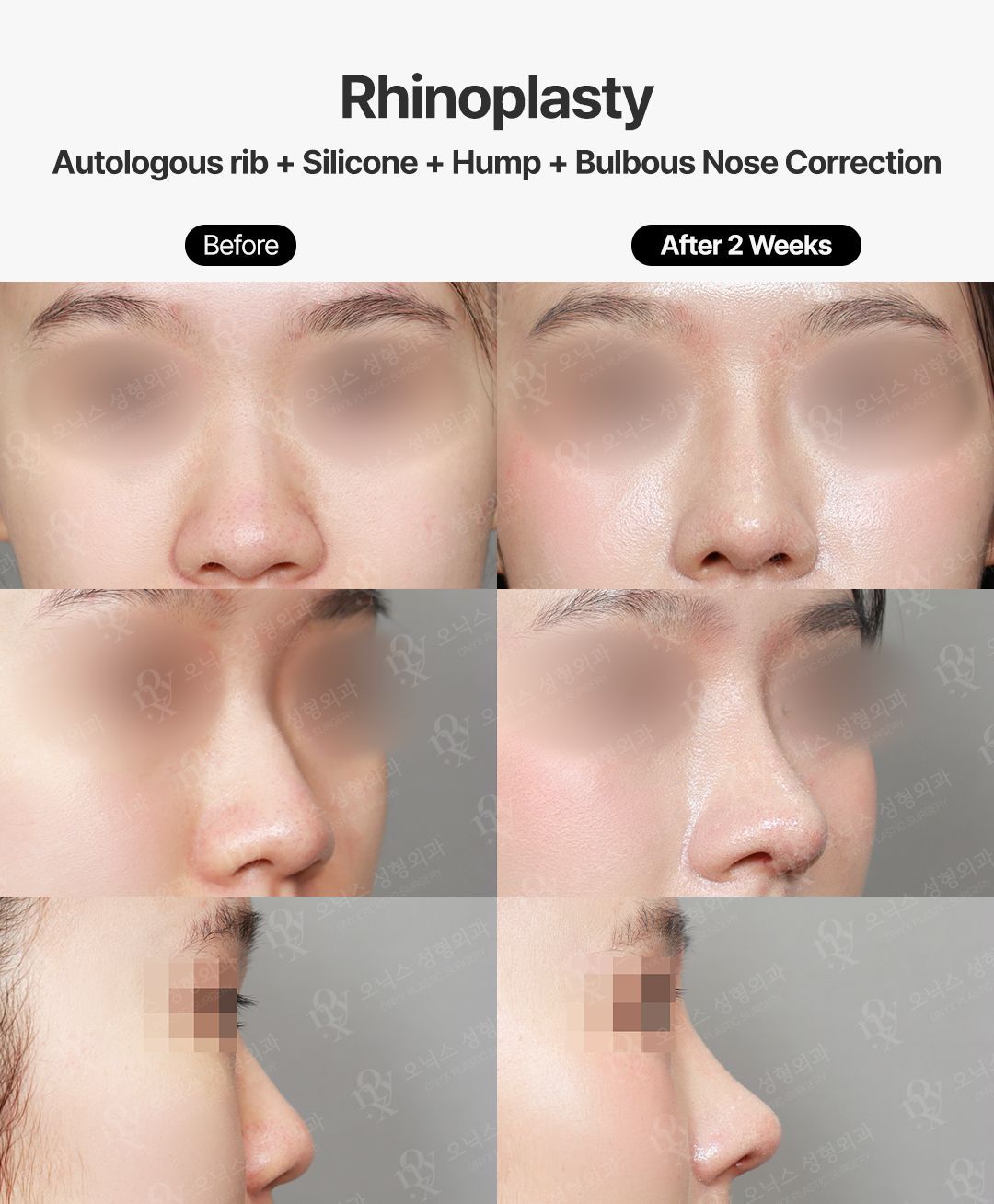
- Bulbous or round nasal tip
- Drooping tip when smiling
- Weak or under-projected tip
- Asymmetry or poor definition
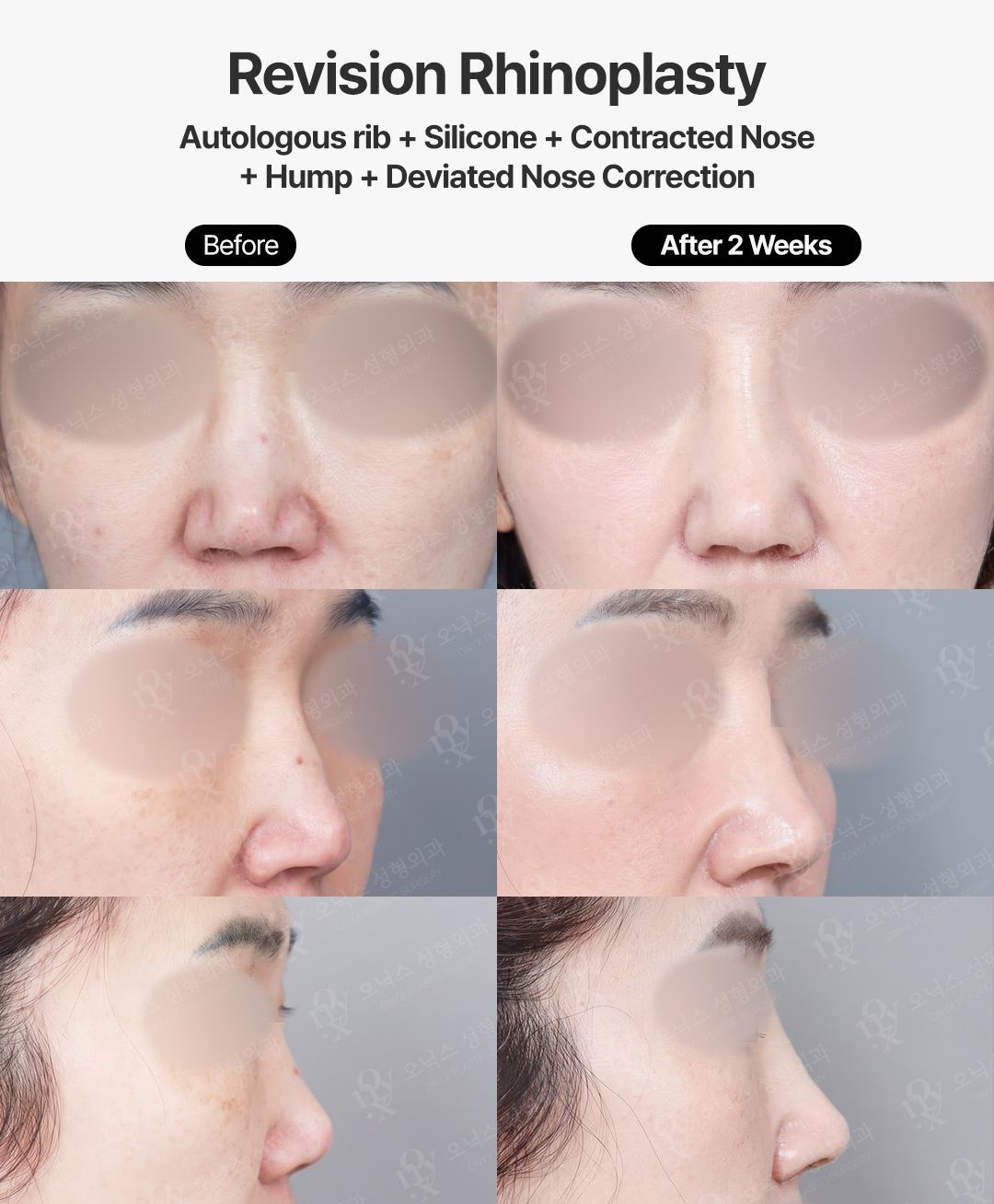
- Tip imbalance after previous rhinoplasty
The goal is improvement—not transformation.
Techniques Used in Male Nose Tip Surgery in Korea
1. Structural Tip Support (Core Technique)
Korean surgeons focus heavily on structural rhinoplasty, reinforcing the tip from the inside rather than aggressively reshaping the surface.
This includes:
- Cartilage grafts to strengthen projection
- Stable support to resist thick skin weight
- Long-term shape retention
This approach is especially important for male patients with thicker skin.
2. Conservative Tip Refinement
Rather than creating a narrow or pointed tip, surgeons aim for:
- Clean but strong definition
- Slightly rounded masculine contours
- Natural movement during facial expression
Over-refinement is intentionally avoided.
3. Septal, Ear, or Rib Cartilage Grafting
Depending on anatomy, cartilage may be taken from:
- Septum (preferred when available)
- Ear (for subtle shaping)
- Rib (for strong support or revision cases)
Rib cartilage is more common in male patients due to the need for stronger support.
4. Tip Rotation Control
Excessive tip rotation can feminize the face.
Korean male rhinoplasty typically:
- Maintains a lower tip rotation angle
- Preserves straight or slightly strong nasal lines
- Avoids “cute” or upturned appearances
This is a key distinction from female rhinoplasty.
Implant Use and the Male Nose Tip
If bridge augmentation is needed:
- Implants are used conservatively
- Tip support is always reinforced with cartilage
- The bridge-to-tip transition is kept smooth and strong
Implants alone are not used to define the tip.
Who Is a Good Candidate?
Male nose tip surgery may be suitable for men who:
- Want subtle refinement, not dramatic change
- Have thick skin or a bulbous tip
- Want to correct drooping or weak projection
- Prefer a natural, masculine appearance
It may not be ideal for those seeking:
- Sharp or narrow “designer” tips
- High rotation or delicate contours
Clear communication of goals is essential.
Recovery and Healing for Male Patients
Male patients often experience:
- More prolonged tip swelling due to thicker skin
- Gradual refinement over 6–12 months
- Stable long-term results when properly supported
Early swelling does not reflect the final outcome.
Why Korea Is Popular for Male Nose Tip Surgery
Korea stands out because of:
- Extensive experience with thick-skin noses
- Strong structural rhinoplasty techniques
- Conservative aesthetic philosophy
- High volume of male and revision cases
Rather than following trends, Korean surgeons emphasize durability and facial harmony.
Common Mistakes to Avoid
🚩 Choosing a surgeon who applies female rhinoplasty standards
🚩 Over-narrowing the tip
🚩 Excessive rotation
🚩 Expecting instant definition despite thick skin
These are common causes of dissatisfaction in male rhinoplasty.
Final Thoughts
Male nose tip surgery in Korea is about strength, balance, and subtle refinement. By prioritizing internal support and conservative shaping, Korean surgeons help male patients achieve natural improvements without compromising masculinity.
For men seeking long-term, understated enhancement rather than obvious cosmetic change, Korea offers a thoughtful and technically advanced approach to nose tip surgery.