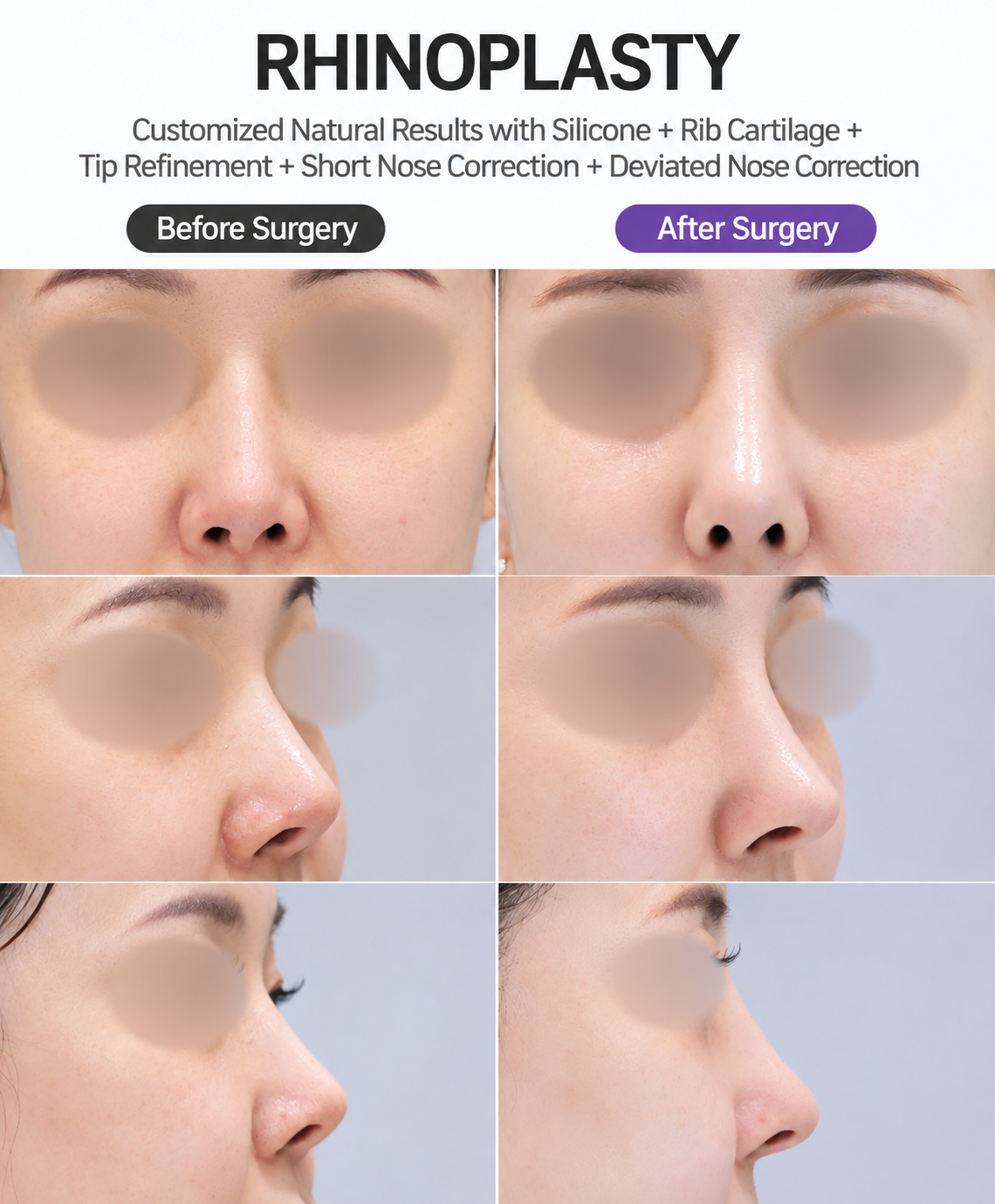
Thick vs Thin Skin Rhinoplasty
Thick vs Thin Skin Rhinoplasty
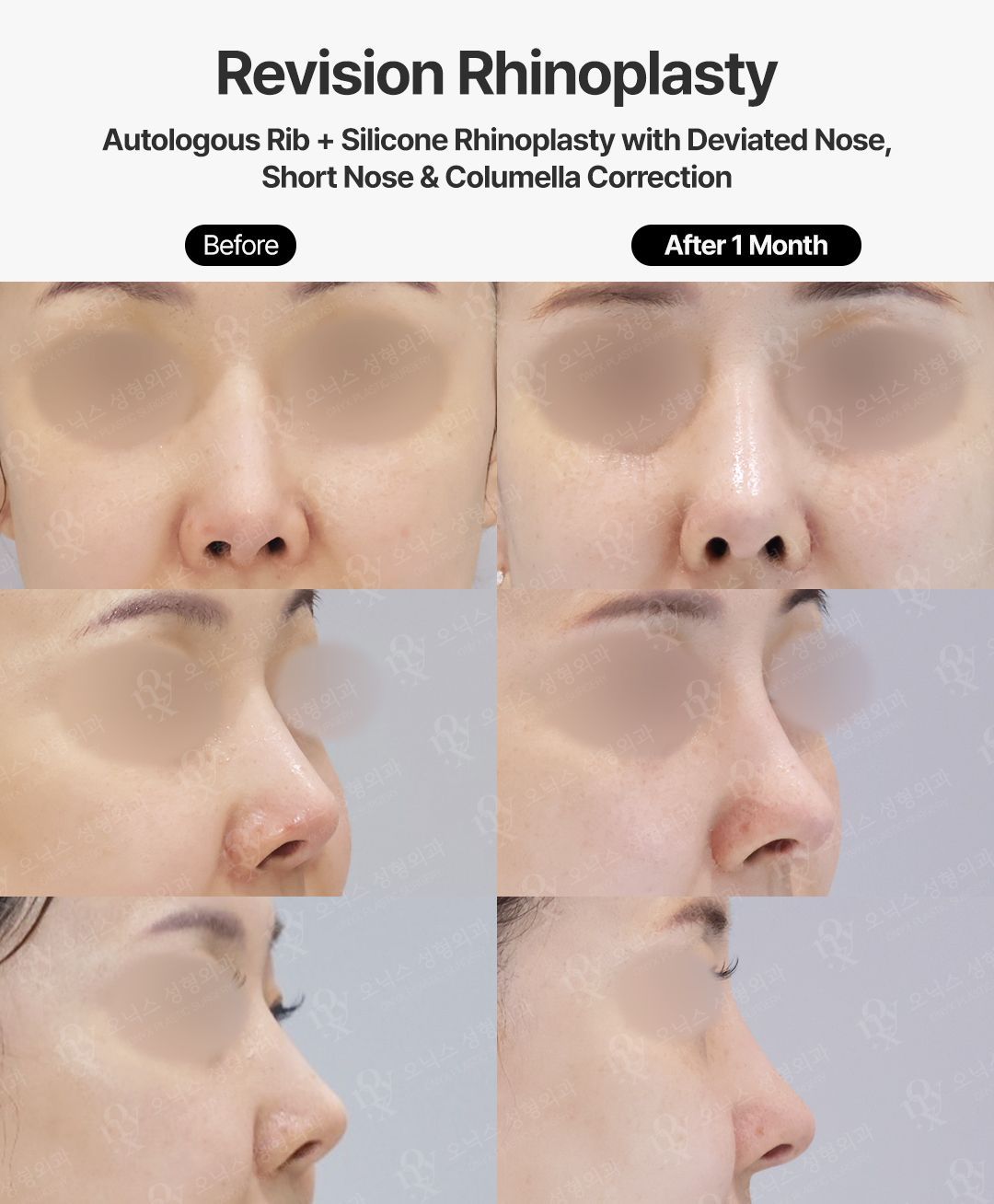
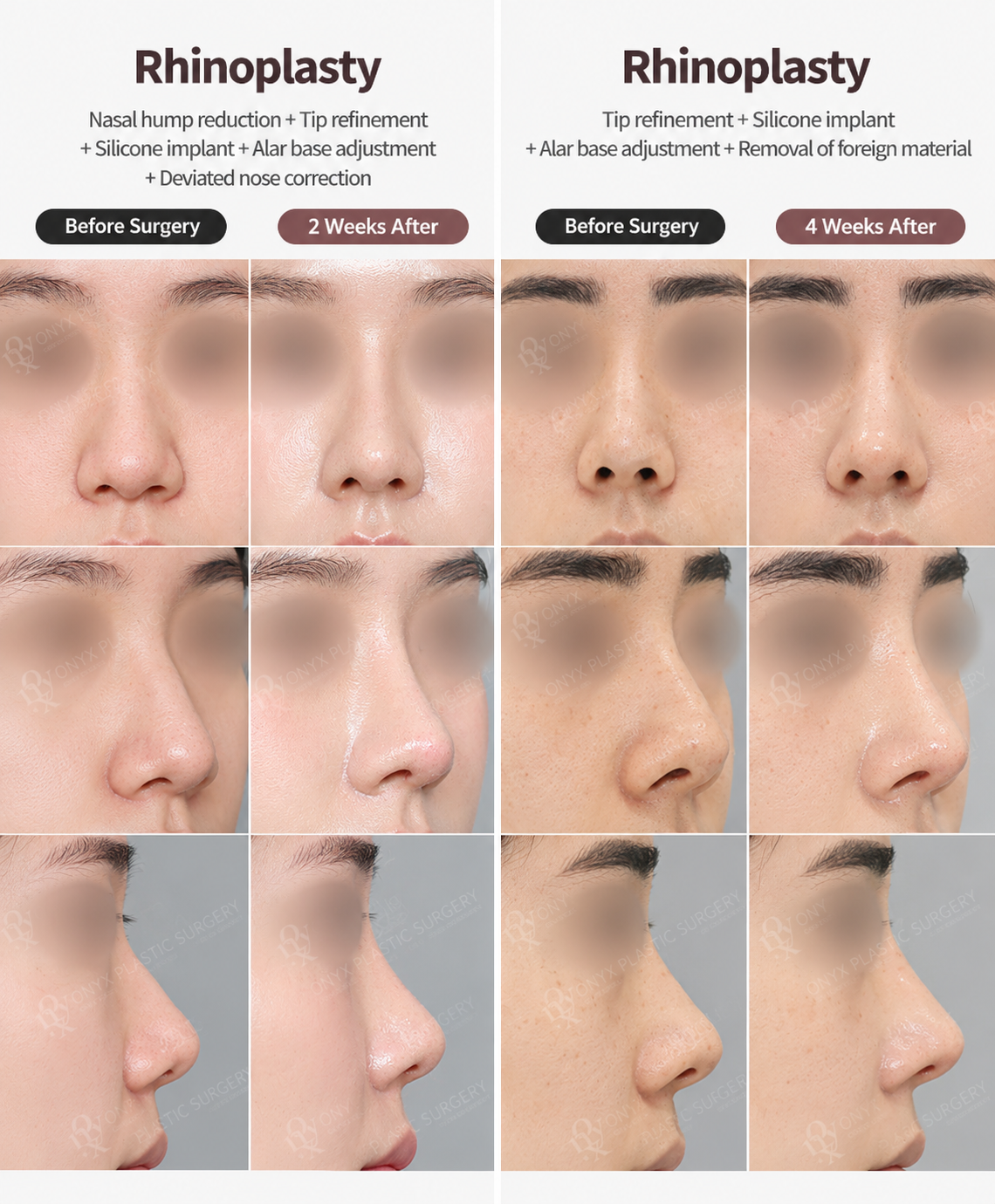
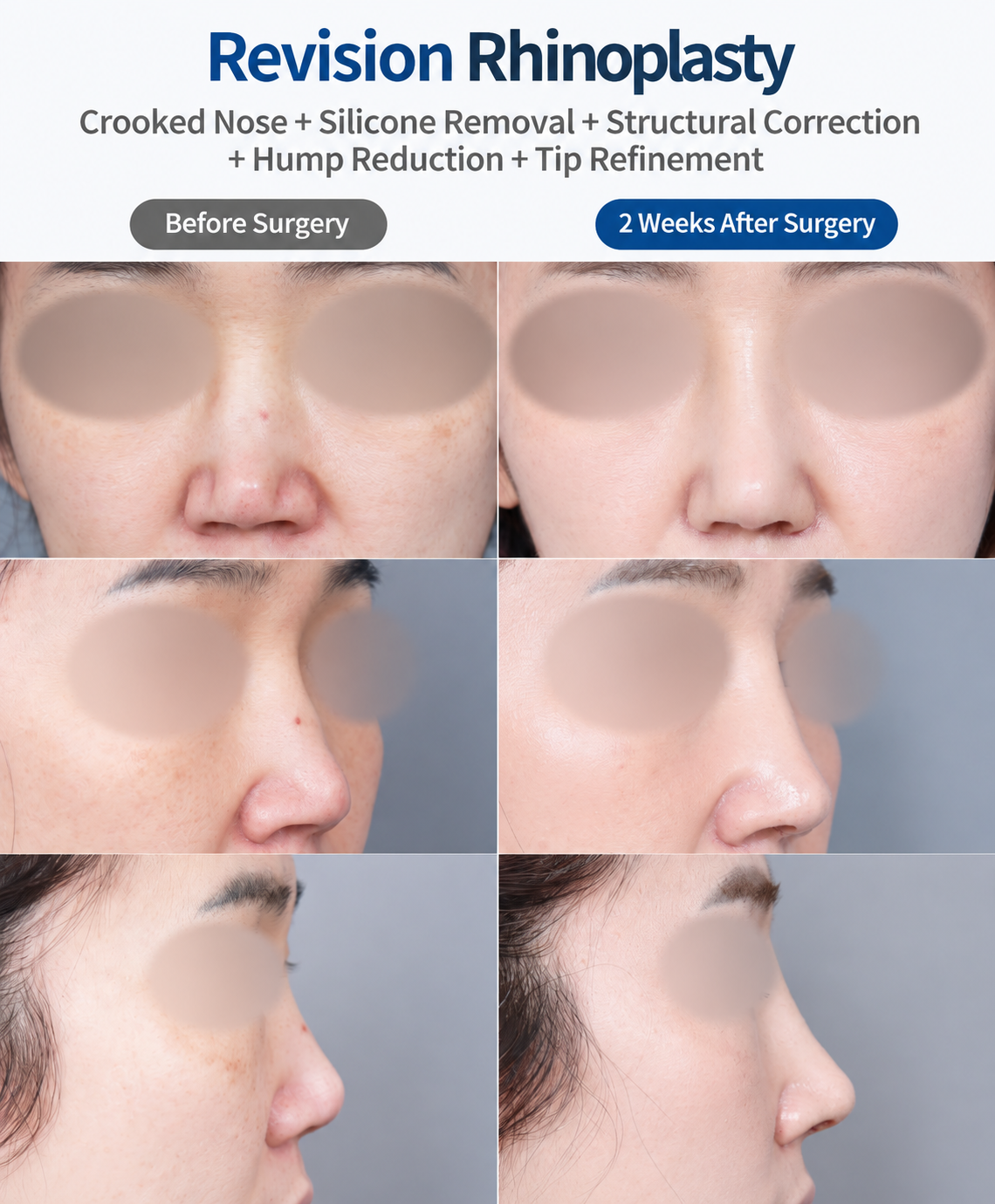
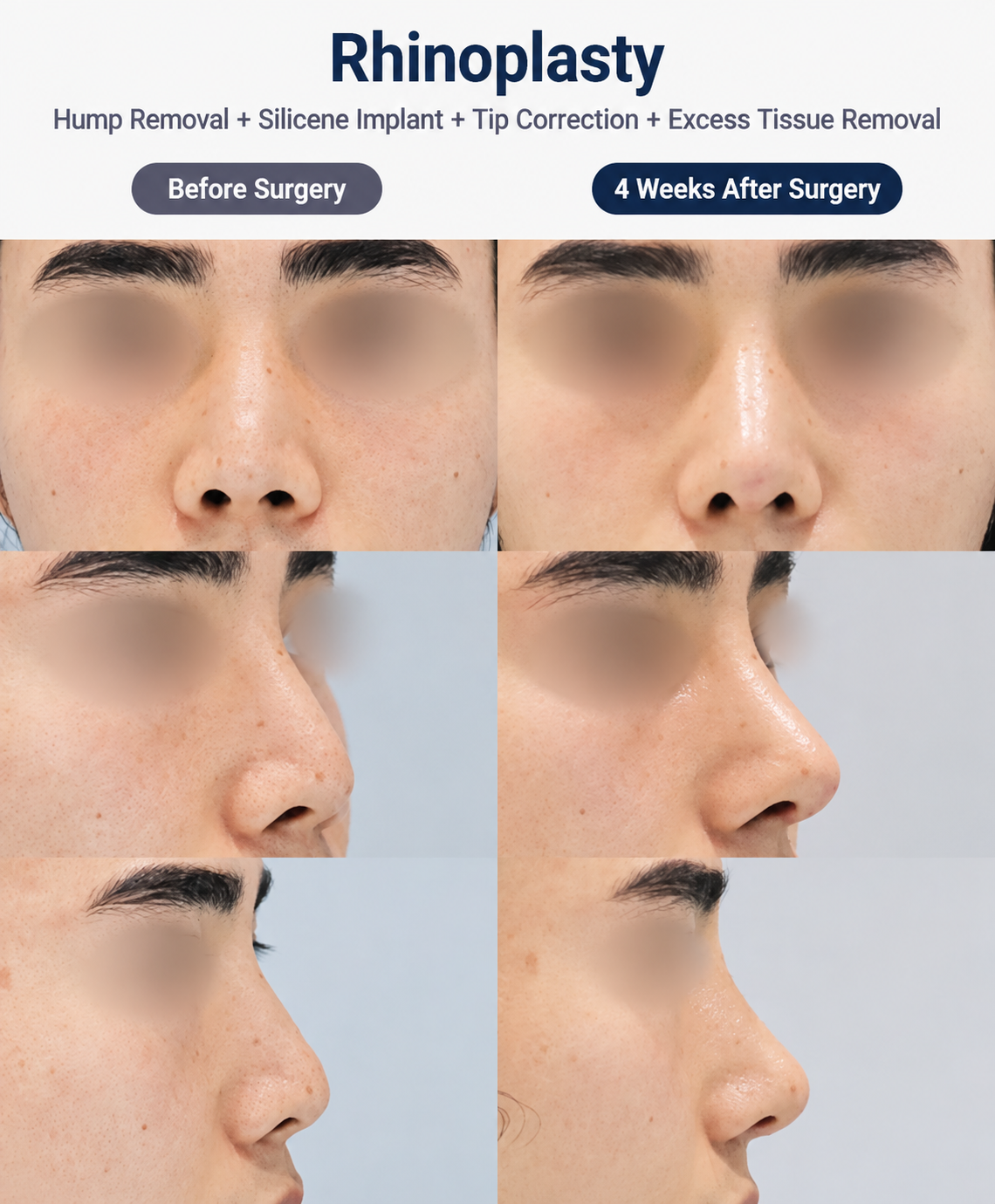
Skin thickness is one of the most important factors influencing rhinoplasty results. Patients with thick skin and thin skin experience very different surgical challenges, techniques, and healing patterns. Understanding these differences helps set realistic expectations and explains why the same surgical approach does not work for every nose.
Why Skin Thickness Matters in Rhinoplasty
The nasal skin acts as a covering over the underlying cartilage and bone. Its thickness determines:
- How clearly nasal structure shows through
- How sharply details appear
- How swelling resolves
- How results evolve over time
Rhinoplasty success depends on matching the surgical strategy to the patient’s skin type.
Thick Skin Rhinoplasty
Characteristics of Thick Nasal Skin
- Dense, sebaceous skin
- Heavier soft tissue envelope
- Less skin shrinkage after surgery
- Common in Asian, Middle Eastern, Hispanic, and some male patients
Main Challenges
- Reduced tip definition
- Longer-lasting swelling
- Structural changes are less visible
- Over-reduction can lead to drooping or blunt appearance
Surgical Approach
For thick skin, surgeons prioritize structure over surface shaping:
- Strong cartilage framework
- Tip projection support using cartilage grafts
- Conservative reduction (not aggressive thinning)
- Sometimes combined with bridge augmentation
The goal is to build a shape strong enough to support the skin long-term.
Results to Expect
- Softer, more natural contours
- Gradual improvement over time
- Final definition may take 6–12 months or longer
- Subtle refinement rather than sharp angles
Thin Skin Rhinoplasty
Characteristics of Thin Nasal Skin
- Delicate, tight skin
- Minimal soft tissue padding
- Structural details show easily
- Common in many Caucasian noses
Main Challenges
- Irregularities show easily
- Over-reduction becomes visible
- Graft edges may be noticeable
- Higher risk of contour asymmetry
Surgical Approach
Thin skin requires precision and restraint:
- Smooth, even cartilage shaping
- Minimal over-reduction
- Camouflage grafts to soften edges
- Avoidance of sharp transitions
Surgeons must balance definition with smoothness.
Results to Expect
- Faster swelling resolution
- Early visibility of final shape
- Sharper definition possible
- Small imperfections may remain visible
Thick vs Thin Skin: Key Differences at a Glance
Definition Visibility
- Thick skin: Softer, less sharp
- Thin skin: Sharper, more defined
Swelling Duration
- Thick skin: Longer
- Thin skin: Shorter
Surgical Priority
- Thick skin: Structural support
- Thin skin: Surface smoothness
Revision Risk
- Thick skin: Under-projection or drooping
- Thin skin: Irregularities or over-reduction
Which Skin Type Is “Better” for Rhinoplasty?
Neither skin type is better—they are simply different.
- Thick skin offers forgiveness against minor irregularities but limits sharp definition.
- Thin skin allows crisp detail but exposes surgical imperfections.
Successful rhinoplasty depends on:
- Accurate skin assessment
- Proper technique selection
- Realistic aesthetic goals
Common Mistakes in Both Skin Types
🚩 Expecting thin-skin sharpness with thick skin
🚩 Over-reducing cartilage in thin skin
🚩 Using the same surgical plan for all noses
🚩 Ignoring long-term aging effects
These mistakes are frequent causes of revision rhinoplasty.
Why Korea Is Known for Managing Both Well
Korean rhinoplasty is respected for:
- Extensive experience with thick-skin noses
- Strong structural techniques
- Conservative aesthetic philosophy
- Advanced revision expertise
This makes Korea particularly attractive for patients with thick skin or complex anatomy, while still offering refined results for thin-skin cases.
Final Thoughts
Thick vs thin skin rhinoplasty is not about better or worse—it’s about choosing the right strategy. Skin thickness determines how the nose heals, how results appear, and how long refinement takes.
The best outcomes come from:
- Honest consultation
- Anatomy-based planning
- Patience with healing
When expectations match anatomy, rhinoplasty results look natural, stable, and satisfying—regardless of skin type.