What Makes Korean Nose Surgery Different
What Makes Korean Nose Surgery Different?
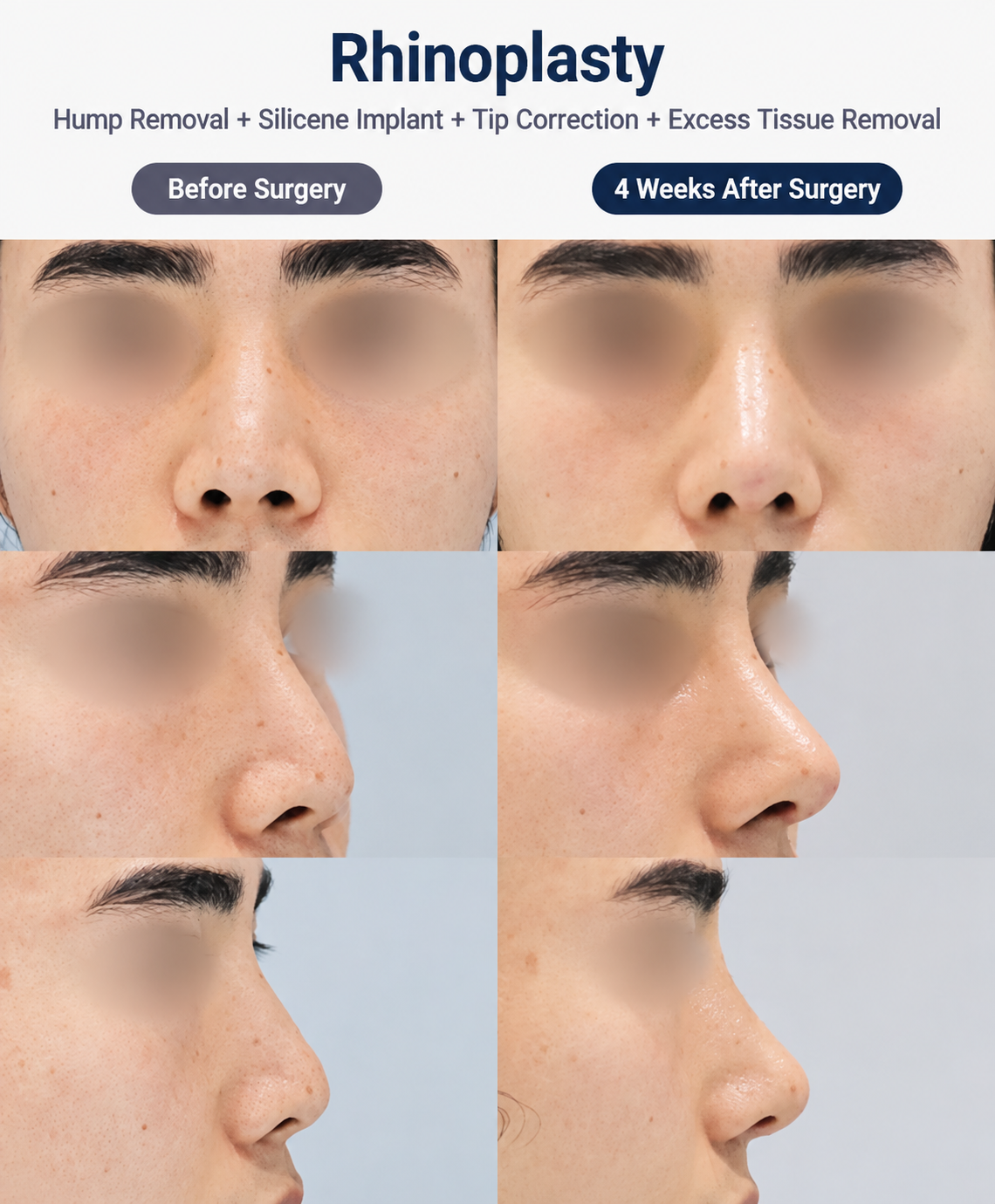
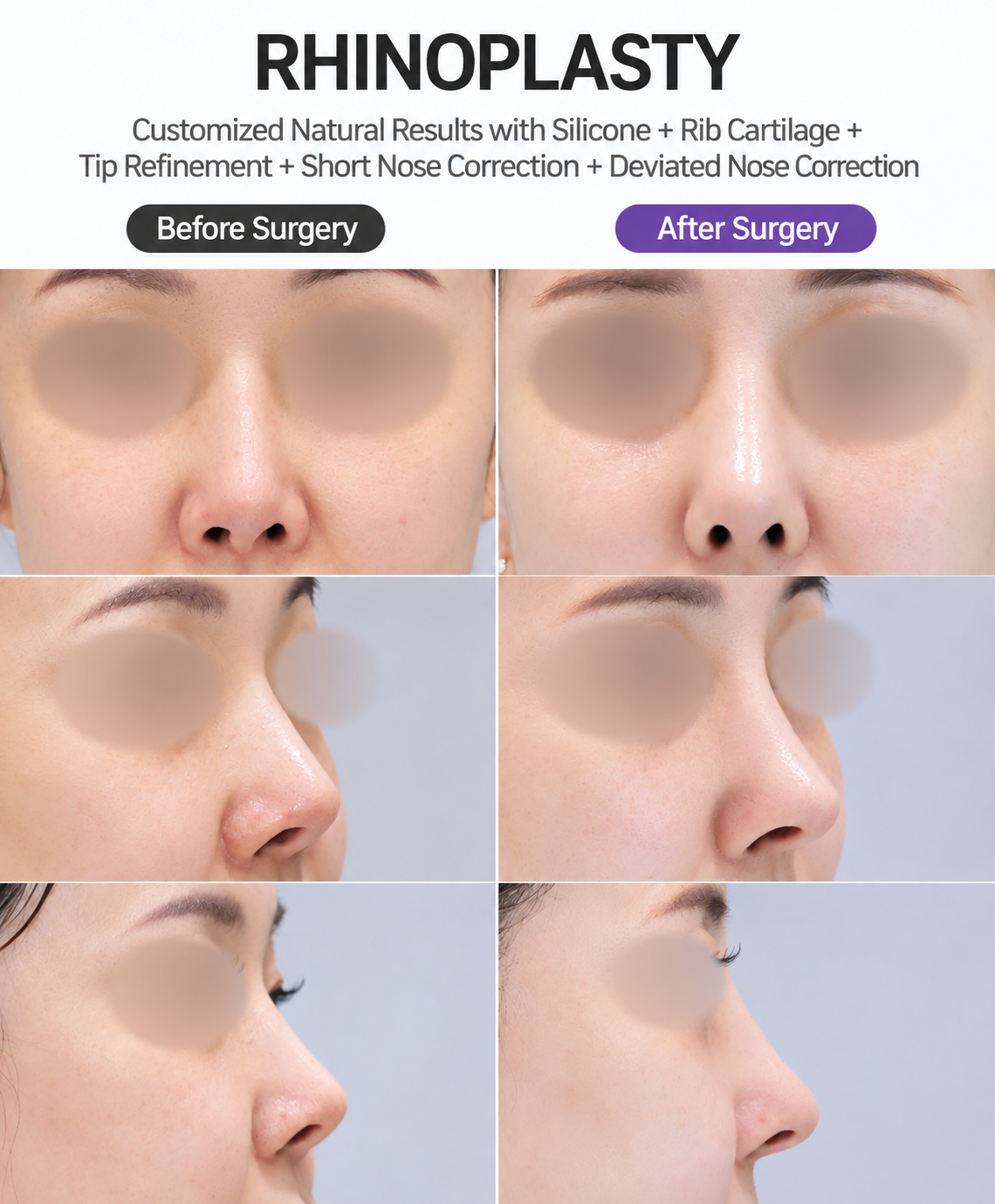
Korean nose surgery, often referred to as Korean rhinoplasty, is globally recognized for its natural results, refined techniques, and harmony-focused design. While rhinoplasty is performed worldwide, Korea has developed a distinct approach shaped by anatomy, aesthetics, and decades of high surgical volume.
Understanding what sets Korean nose surgery apart helps patients decide whether it aligns with their goals and expectations.
1. Emphasis on Facial Harmony Over Dramatic Change
One of the defining characteristics of Korean rhinoplasty is its focus on overall facial balance, not just the nose alone.
Korean surgeons typically aim for:
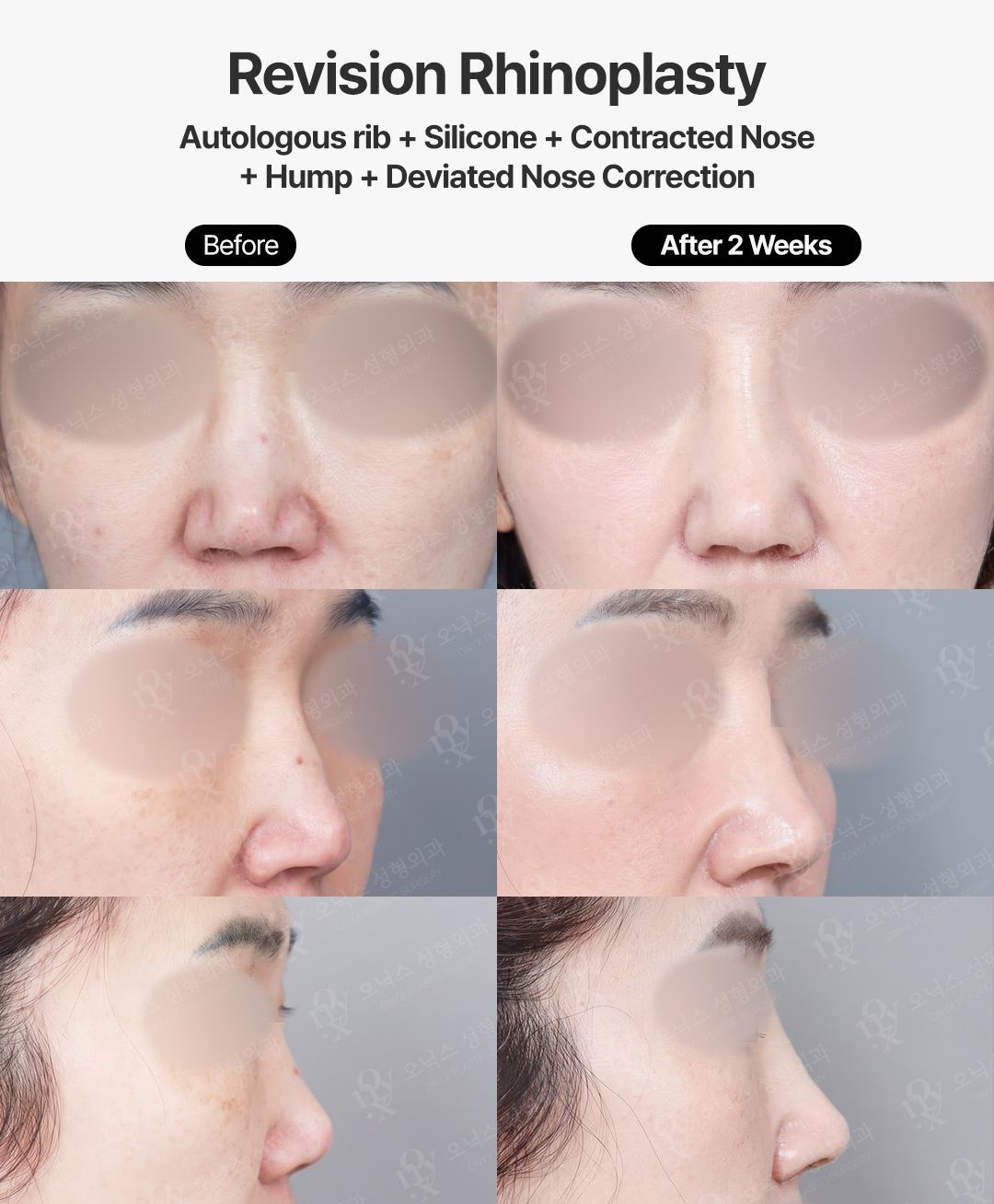
- A nose that blends naturally with the eyes, lips, and face shape
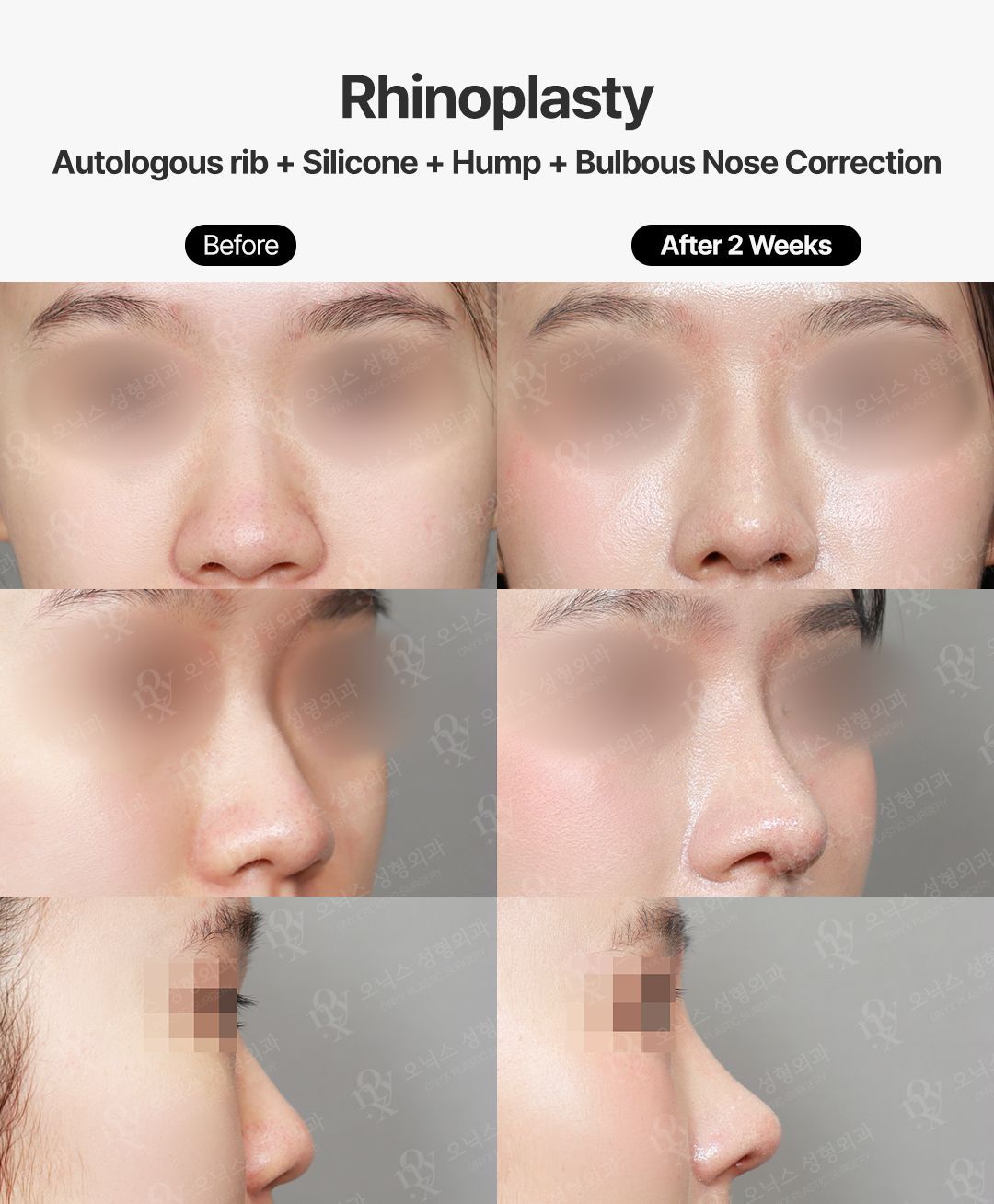
- Subtle bridge height and smooth dorsal lines
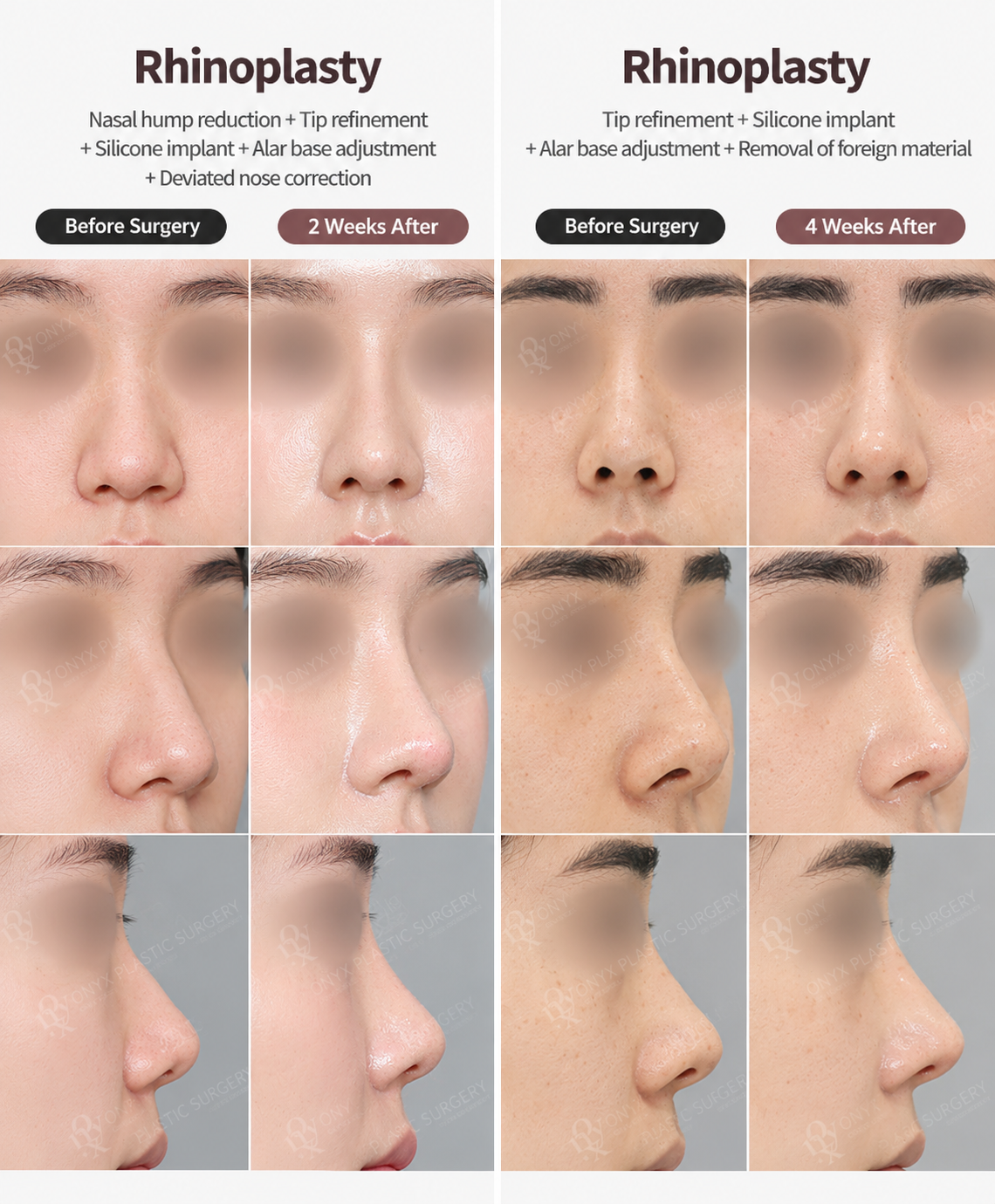
- Refined changes that do not look surgically obvious
Rather than creating a bold or highly projected nose, the goal is a result that looks naturally suited to the face.
2. Specialized Experience With Low-Bridge and Asian Nose Anatomy
Many patients seeking surgery in Korea have:
- Low or flat nasal bridges
- Thicker skin
- Weaker cartilage support
- Wider or less projected nasal tips
Korean surgeons are highly experienced in addressing these anatomical features through:
- Augmentation rhinoplasty
- Structural tip support techniques
- Careful cartilage grafting
This specialized expertise is a key reason patients from around the world travel to Korea.
3. Conservative Use of Implants and Structural Support
Korean rhinoplasty is known for the controlled and conservative use of implants, combined with autologous (patient’s own) cartilage.
Common practices include:
- Using silicone or Gore-Tex implants for bridge augmentation when appropriate
- Reinforcing the nasal tip with ear, septal, or rib cartilage
- Prioritizing stability to reduce long-term complications
Modern Korean techniques emphasize natural contours and long-term safety, not excessive height.
4. Strong Focus on Tip Refinement
Nasal tip surgery is a major strength of Korean rhinoplasty.
Surgeons focus on:
- Creating a soft, rounded, or gently defined tip
- Improving projection without stiffness
- Maintaining natural movement and expression
Rather than sharp or overly pointed tips, Korean results tend to favor balanced, elegant refinement.
5. High Volume Leads to Refined Techniques
Korea’s cosmetic surgery industry has an exceptionally high volume of rhinoplasty cases. This leads to:
- Highly standardized surgical protocols
- Greater experience with complex and revision cases
- Continuous refinement of techniques
High surgical volume allows surgeons to better predict outcomes and manage variations in healing.
6. Detailed Pre-Operative Analysis and Planning
Korean rhinoplasty consultations are typically measurement-driven and anatomy-focused.
Surgeons often evaluate:
- Nasal angles and proportions
- Facial symmetry
- Skin thickness and cartilage strength
- Relationship between nose, eyes, and chin
This detailed planning supports realistic outcomes and reduces revision risk.
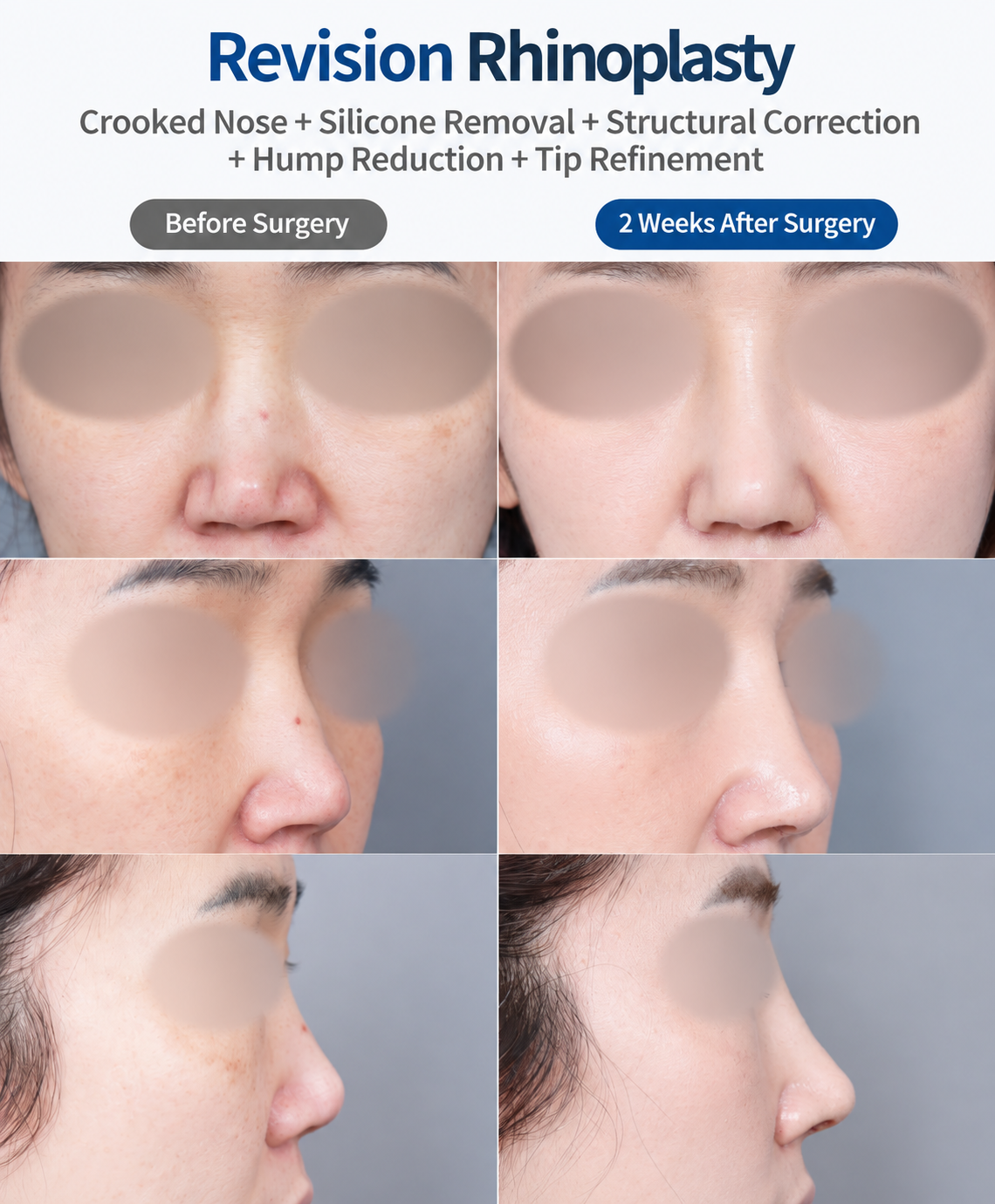
7. Strong Reputation for Revision Rhinoplasty
Korea is particularly well-known for revision nose surgery, especially for:
- Failed implant rhinoplasty
- Over-projected or unnatural noses
- Tip collapse or asymmetry
Revision cases require advanced technical skill, and Korean surgeons frequently handle complex corrections.
8. Conservative Aesthetic Philosophy
Unlike some regions where dramatic transformation is popular, Korean rhinoplasty generally avoids:
- Excessively high bridges
- Sharp, rigid profiles
- Over-narrowing
Instead, surgeons aim for noses that will age naturally and remain harmonious over time.
9. Efficient Care for International Patients
Korean clinics are experienced with medical tourism and often provide:
- Structured consultation-to-surgery timelines
- Organized post-operative care
- Clear recovery guidance for travelers
This makes Korea especially attractive for short-term visitors seeking high-quality care.
Final Thoughts
What makes Korean nose surgery different is not just technique—it’s philosophy. Korean rhinoplasty prioritizes facial harmony, subtle refinement, and long-term balance over dramatic change. Combined with specialized experience in augmentation and revision cases, this approach has earned Korea a global reputation for refined, natural-looking results.
For patients seeking a nose that looks
naturally suited to their face rather than surgically obvious, Korean rhinoplasty offers a distinct and thoughtful option.