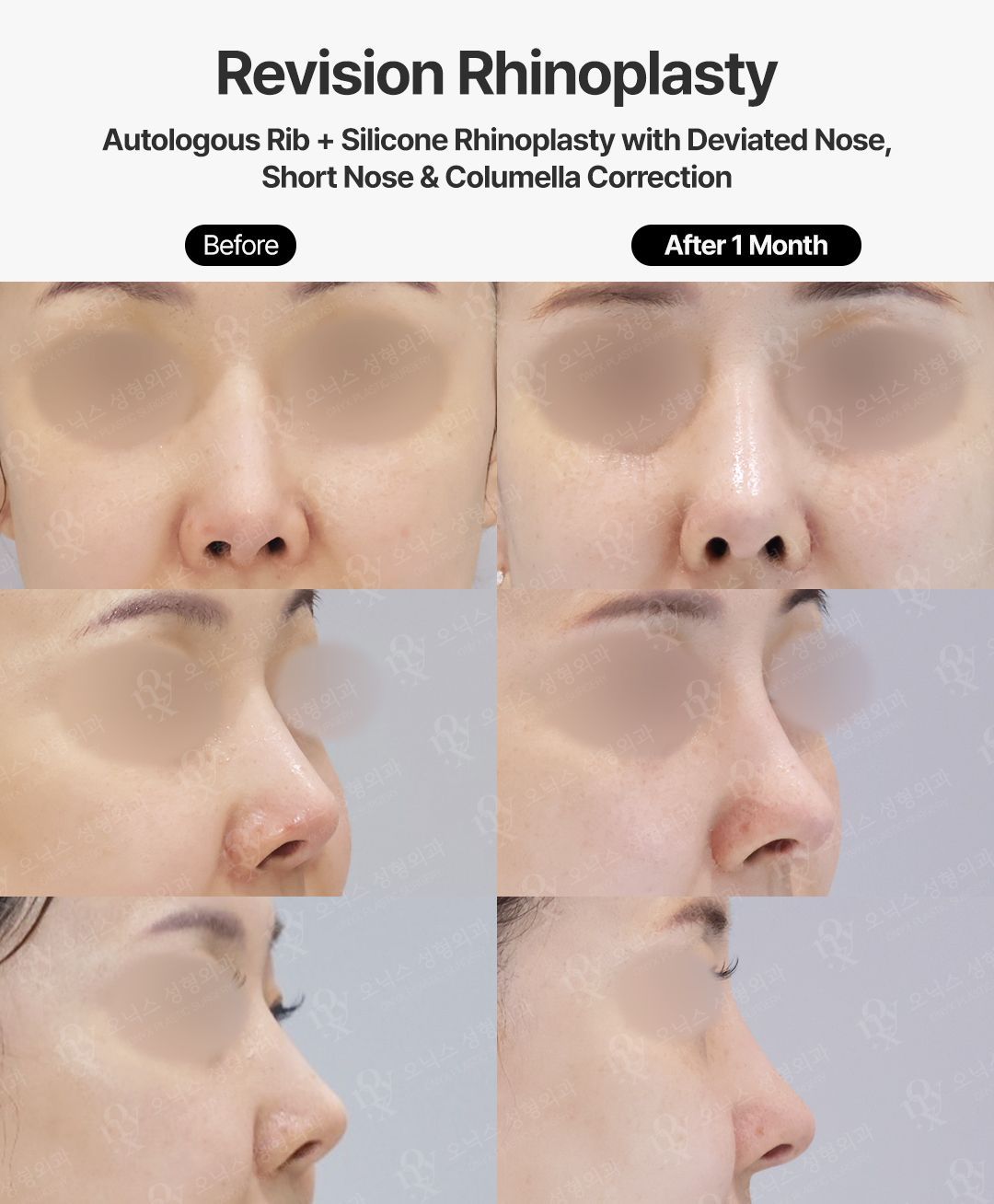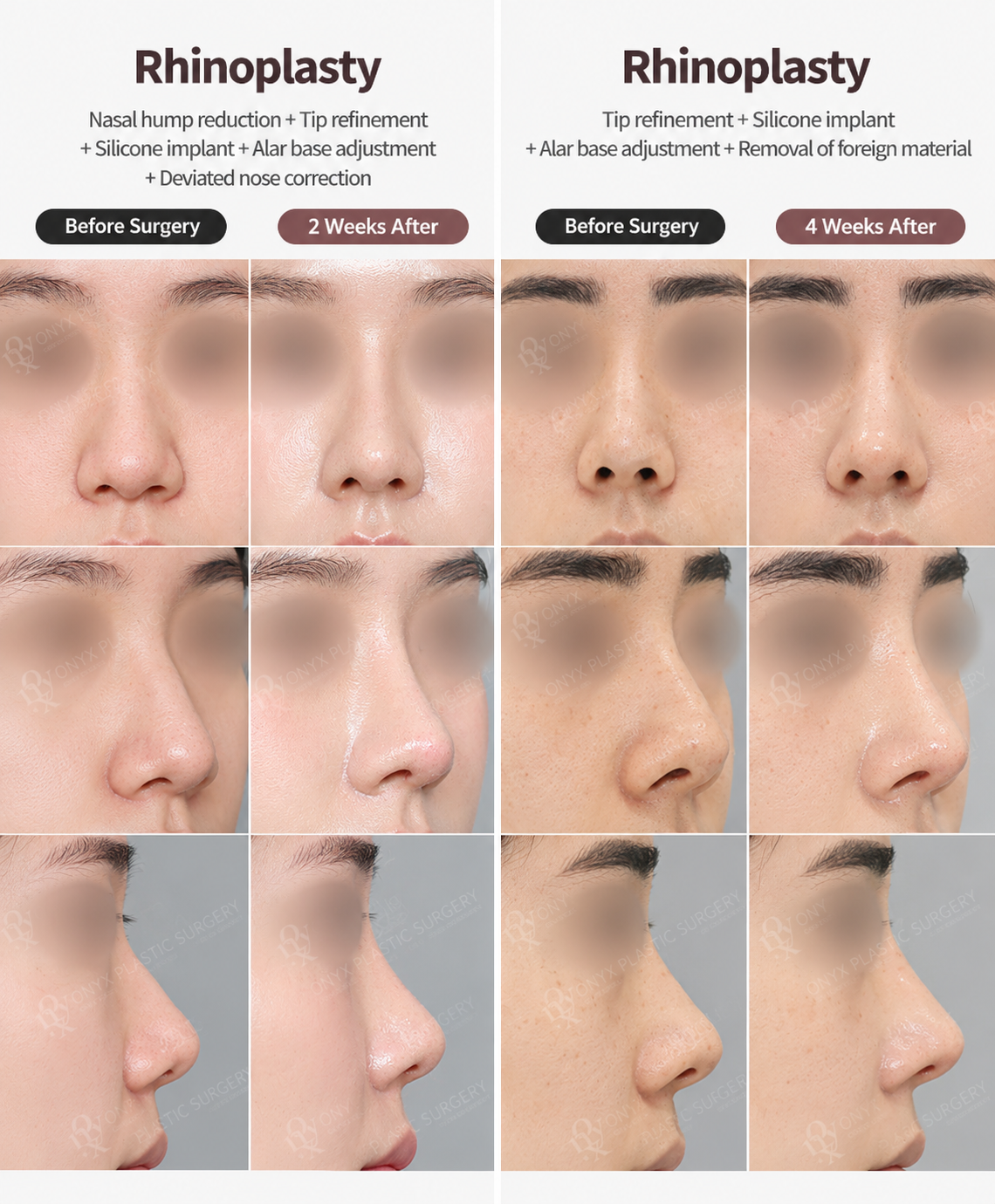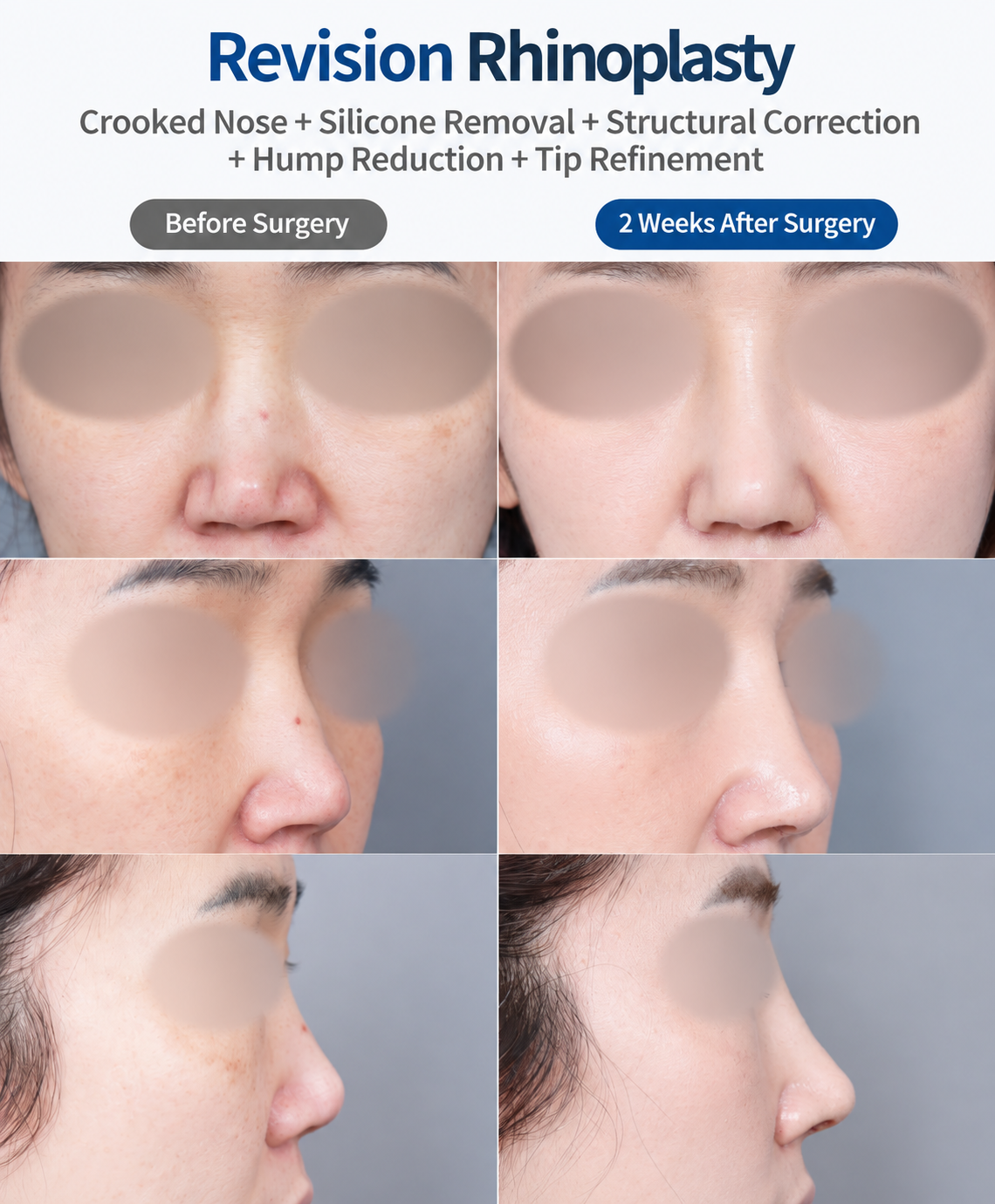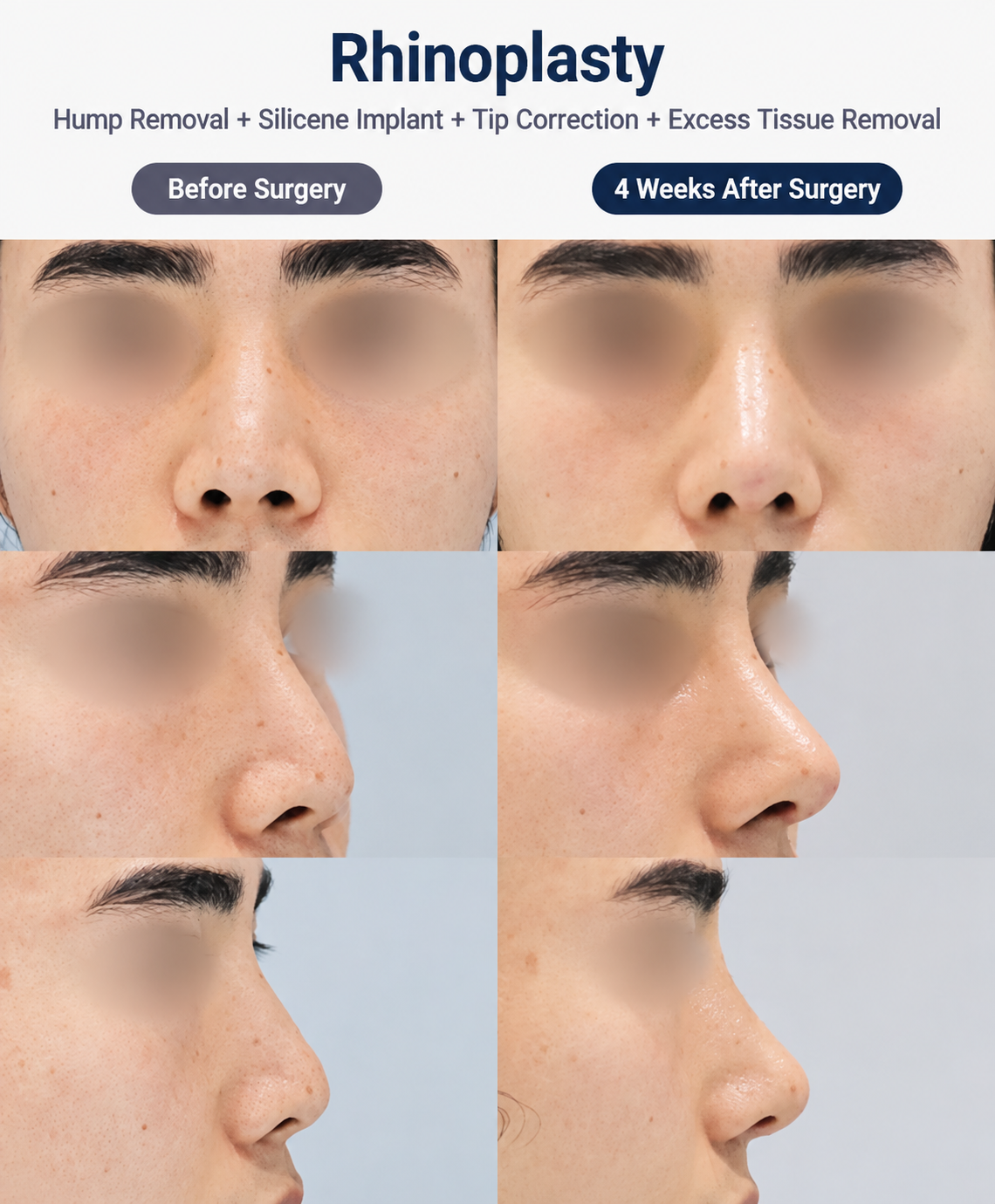
Korea vs US vs Turkey Rhinoplasty: Key Differences
Korea vs US vs Turkey Rhinoplasty: Key Differences
Korea, the United States, and Turkey are three of the most popular destinations for rhinoplasty worldwide. While all three offer high-quality nose surgery, they differ significantly in surgical philosophy, aesthetic goals, techniques, cost structure, and patient experience.
Understanding these differences helps patients choose the country that best matches their anatomy, expectations, and priorities.
1. Surgical Philosophy and Aesthetic Style
Korea
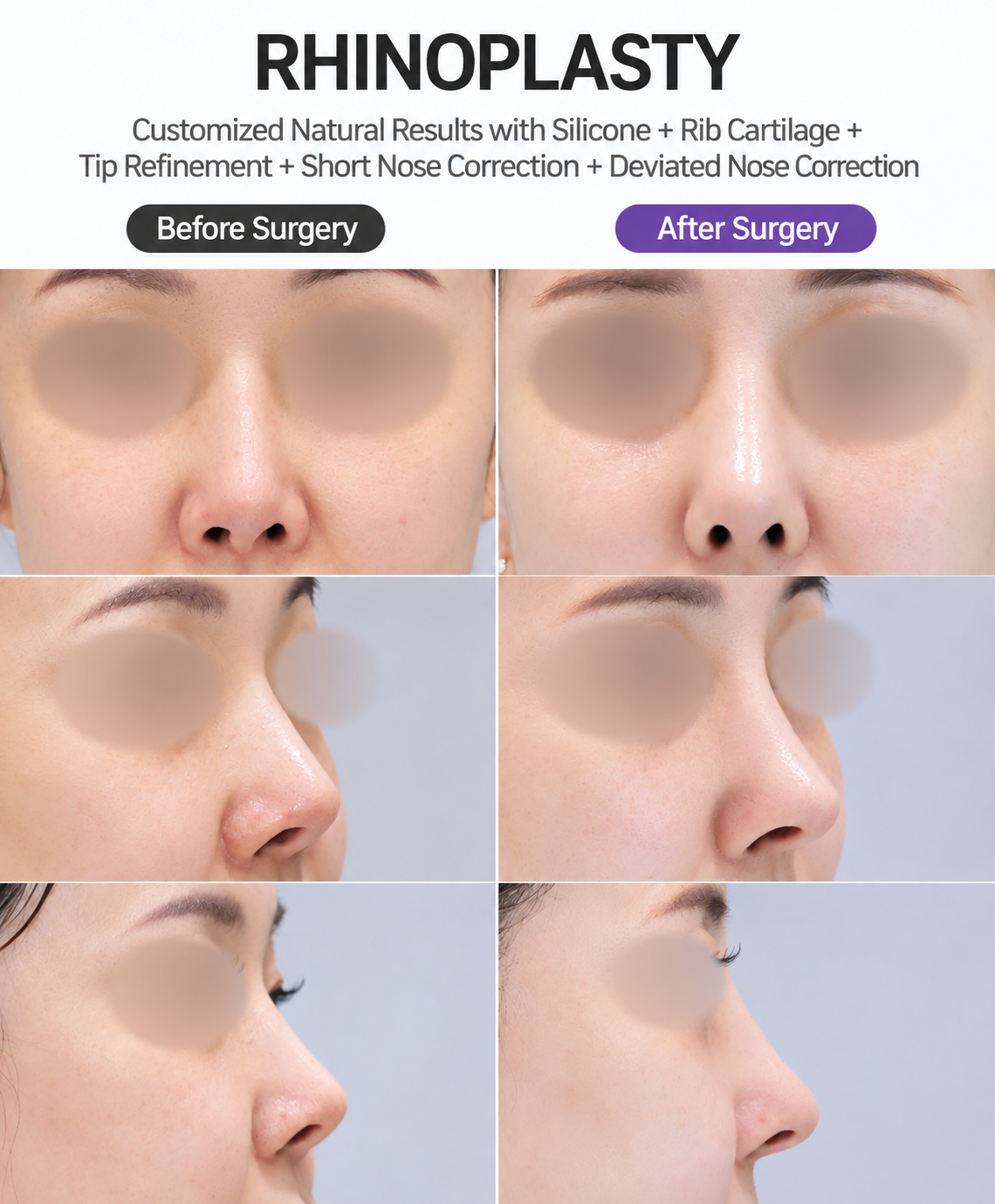
Korean rhinoplasty focuses on facial harmony and subtle refinement rather than dramatic transformation.
Key characteristics:
- Natural, soft results
- Emphasis on balance with eyes, lips, and face shape
- Conservative projection and bridge height
- Strong focus on Asian and mixed-ethnicity noses
Korean surgeons aim for noses that do not look “operated on.”
United States
US rhinoplasty often prioritizes structural stability and long-term function.
Key characteristics:
- Strong emphasis on nasal airflow and breathing
- Conservative reduction to avoid collapse
- Individualized approach based on ethnicity and facial structure
Aesthetic style varies widely depending on the surgeon, from natural to more defined results.
Turkey
Turkey is known for bold aesthetic rhinoplasty, especially for dramatic profile changes.
Key characteristics:
- High nasal bridges
- Sharp dorsal lines
- Defined, sculpted tips
- Strong visual before-and-after contrast
This style is particularly popular with patients seeking noticeable transformation.
2. Common Techniques Used
Korea
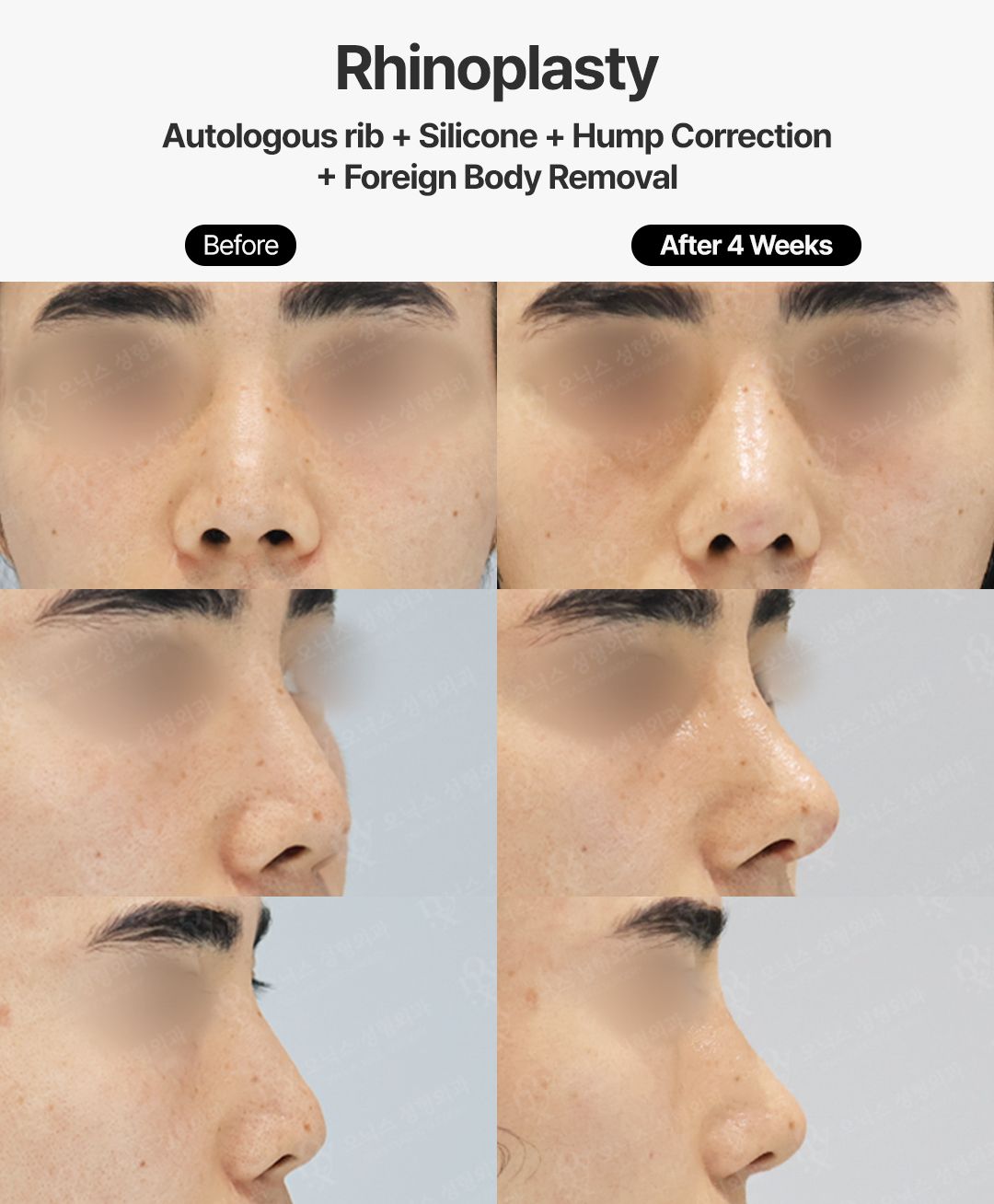
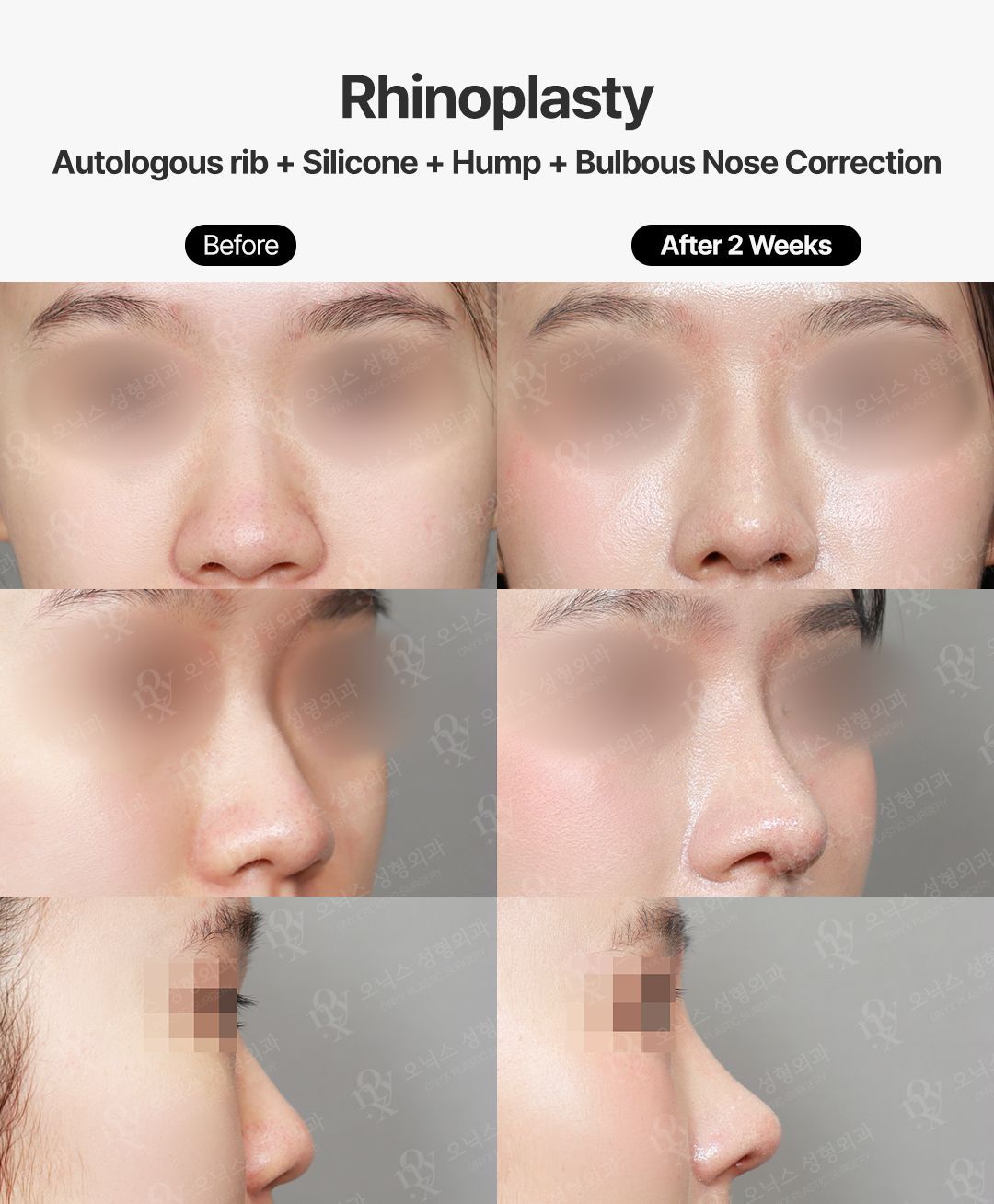
- Implant-based augmentation (silicone or Gore-Tex, used conservatively)
- Autologous cartilage (ear, septum, rib) for tip support
- Complex tip refinement techniques
- Revision-focused expertise
Korea excels in augmentation and revision rhinoplasty.
United States
- Autologous cartilage-based rhinoplasty
- Septoplasty often combined with cosmetic rhinoplasty
- Structural rhinoplasty techniques
- Minimal use of implants
US surgeons generally avoid synthetic implants.
Turkey
- Cartilage grafting (septum or rib)
- Aggressive dorsal hump reduction
- Osteotomy-heavy techniques
- Strong tip projection methods
Turkey is known for profile-focused rhinoplasty.
3. Ideal Patient Profiles
Korea Is Often Best For:
- Asian or low-bridge noses
- Patients wanting subtle, natural results
- Revision rhinoplasty cases
- Patients prioritizing facial harmony
United States Is Often Best For:
- Patients with breathing issues
- Complex functional + cosmetic cases
- Patients wanting conservative, long-term stability
- Those preferring local post-op follow-up
Turkey Is Often Best For:
- Patients wanting dramatic profile change
- High nasal bridge and sharp definition
- Social-media-style rhinoplasty results
- Budget-conscious international patients
4. Cost Comparison (General Ranges)
Prices vary by clinic, surgeon, and complexity. Below are approximate averages.
- Korea: USD $4,000–$9,000
- United States: USD $8,000–$15,000+
- Turkey: USD $2,500–$5,000
Lower cost does not always mean lower quality—but it may affect consultation time, follow-up, and revision policies.
5. Recovery and Aftercare Differences
Korea
- Highly structured post-op care
- Frequent follow-up visits
- Emphasis on swelling management
- Clinics experienced with short-stay international patients
United States
- Longer local recovery recommended
- Fewer but spaced-out follow-ups
- Strong focus on breathing outcomes
Turkey
- Shorter recommended stay
- Limited long-term follow-up for international patients
- Patients often manage later recovery independently
6. Revision Rhinoplasty Expertise
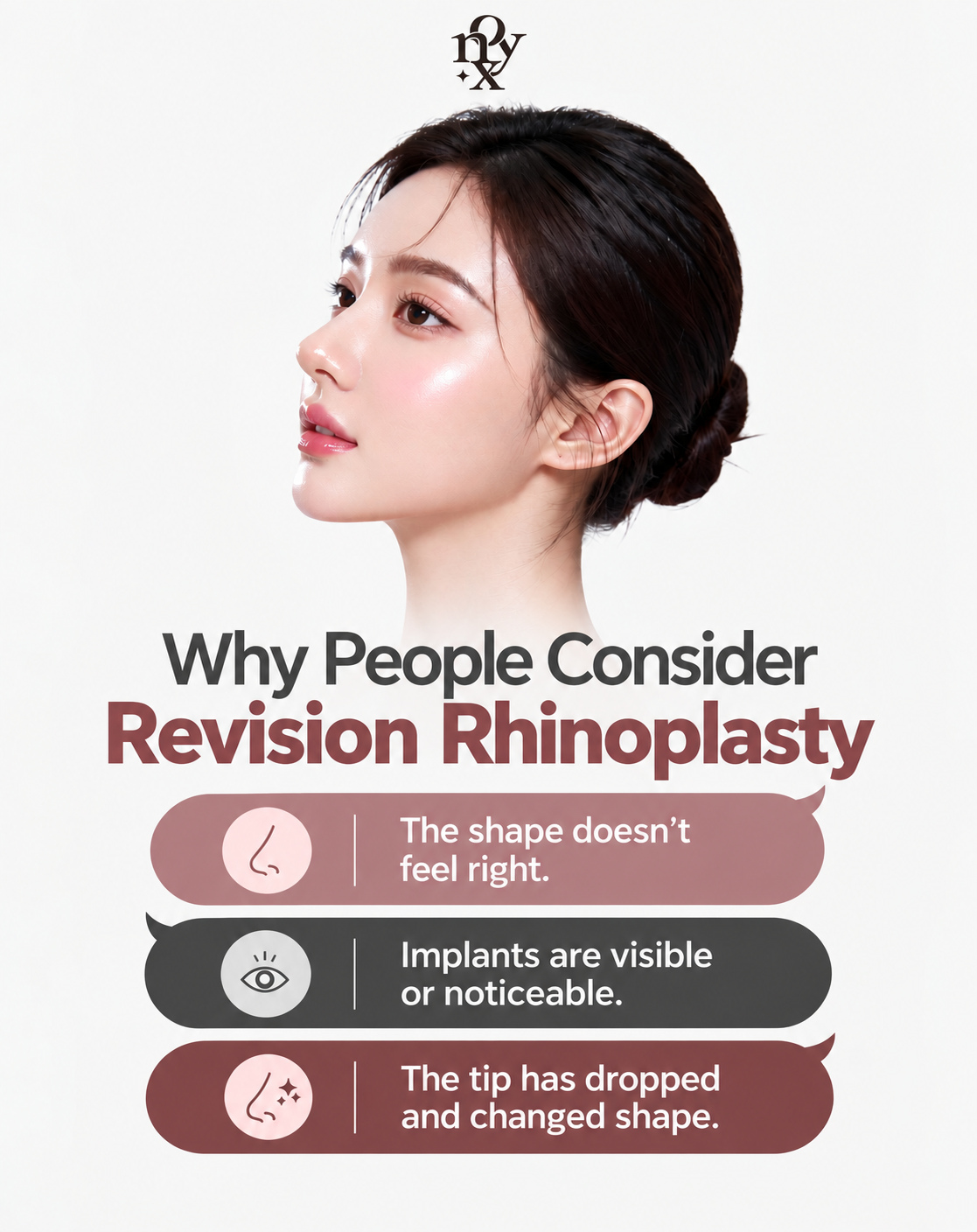
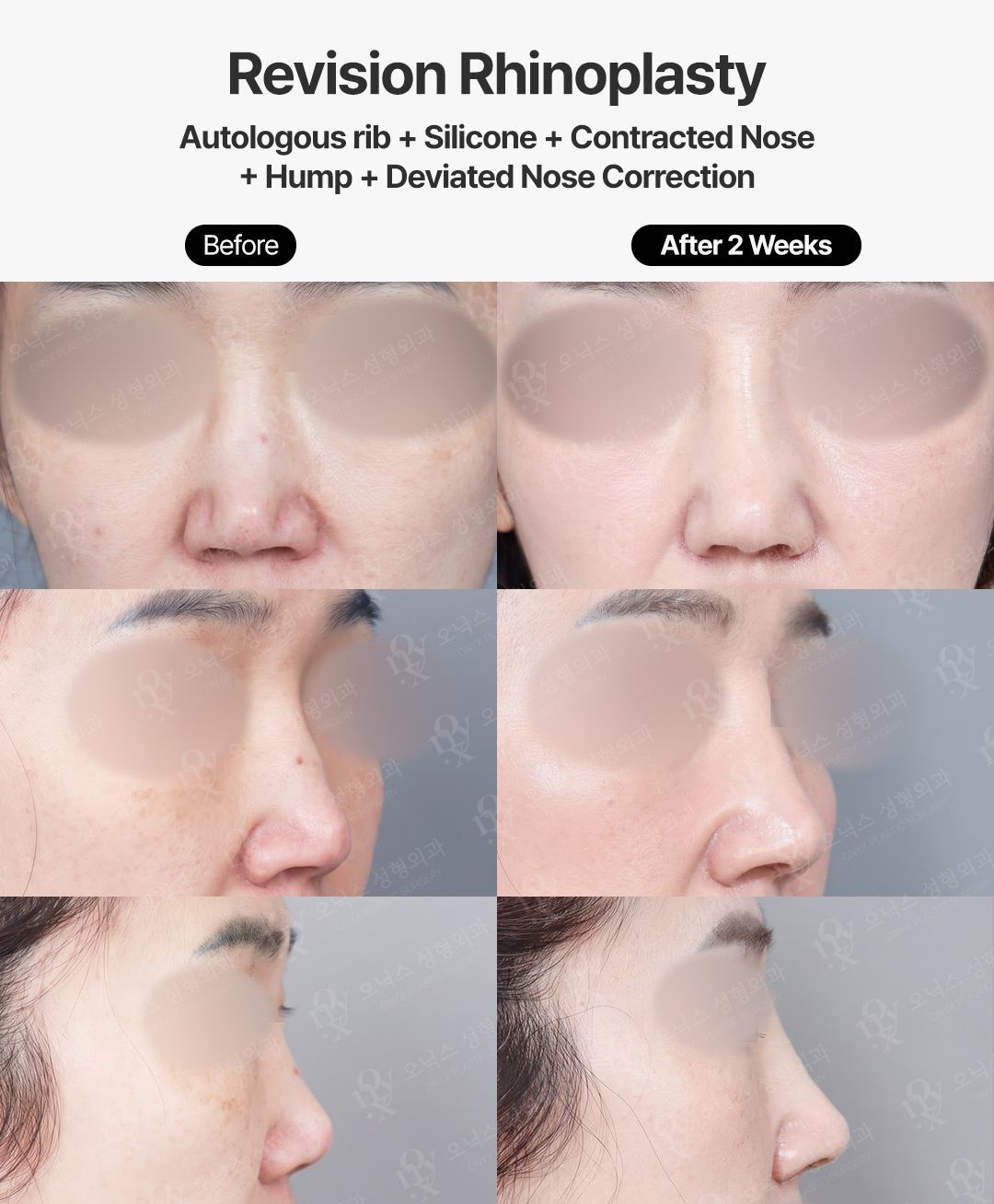
- Korea: Strong reputation for revision rhinoplasty, especially after failed implants or over-projection
- US: Excellent for functional revisions and structural correction
- Turkey: Revision cases are performed, but many patients travel elsewhere for complex revisions
Revision rhinoplasty requires a different skill set than primary surgery.
7. Communication and Consultation Style
Korea
- Very anatomy- and measurement-driven
- Conservative promises
- May require patients to adjust expectations
United States
- Detailed, education-focused consultations
- Extensive discussion of risks and function
Turkey
- Aesthetic-driven consultations
- Strong emphasis on visual transformation
Final Comparison Summary
- Choose Korea if you want subtle, natural, harmony-focused rhinoplasty or need revision surgery.
- Choose the US if breathing function, structural stability, and long-term outcomes are your top priorities.
- Choose Turkey if you want a bold, dramatic nose transformation at a lower cost and accept aesthetic-forward results.
Final Thoughts
There is no single “best country” for rhinoplasty—only the best match for your anatomy, goals, and expectations. Understanding the differences in style, technique, and philosophy between Korea, the US, and Turkey helps patients make informed, realistic decisions and avoid disappointment.
Choosing an experienced surgeon whose approach aligns with your desired outcome is far more important than choosing a destination alone.