How Much Does Rhinoplasty Cost in Korea?
How Much Does Rhinoplasty Cost in Korea?
South Korea is one of the world's leading destinations for rhinoplasty, attracting both local and international patients seeking natural-looking and customized results. The cost of rhinoplasty in Korea varies depending on the complexity of the procedure, the surgical technique used, the surgeon's experience, and whether revision work or cartilage grafting is required. While price is an important consideration, patients should also evaluate safety, communication, and long-term satisfaction.
Average Rhinoplasty Cost in Korea
Typical price ranges can vary significantly based on the procedure.
- Simple non-implant rhinoplasty: 2,000,000–4,000,000 KRW
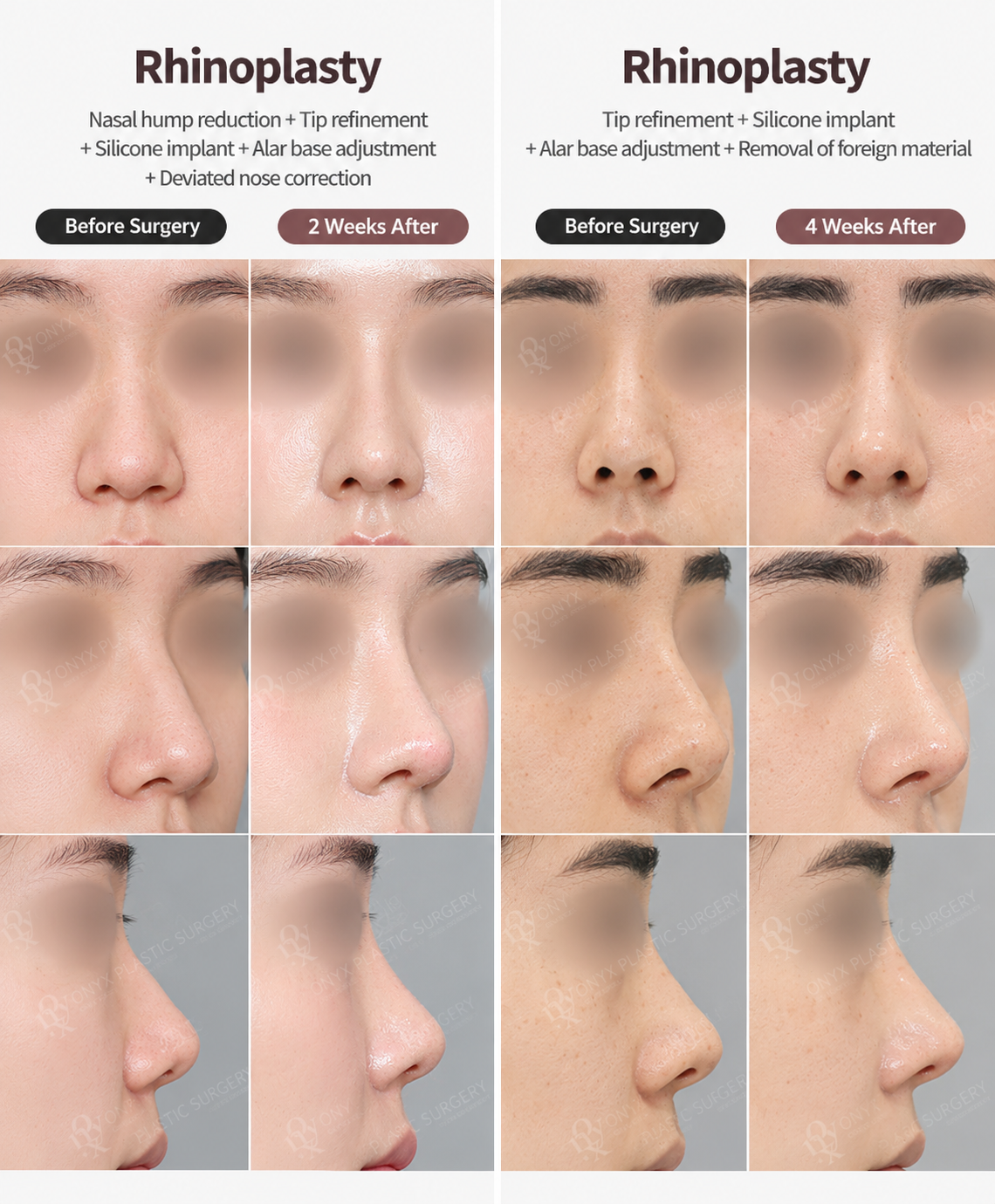
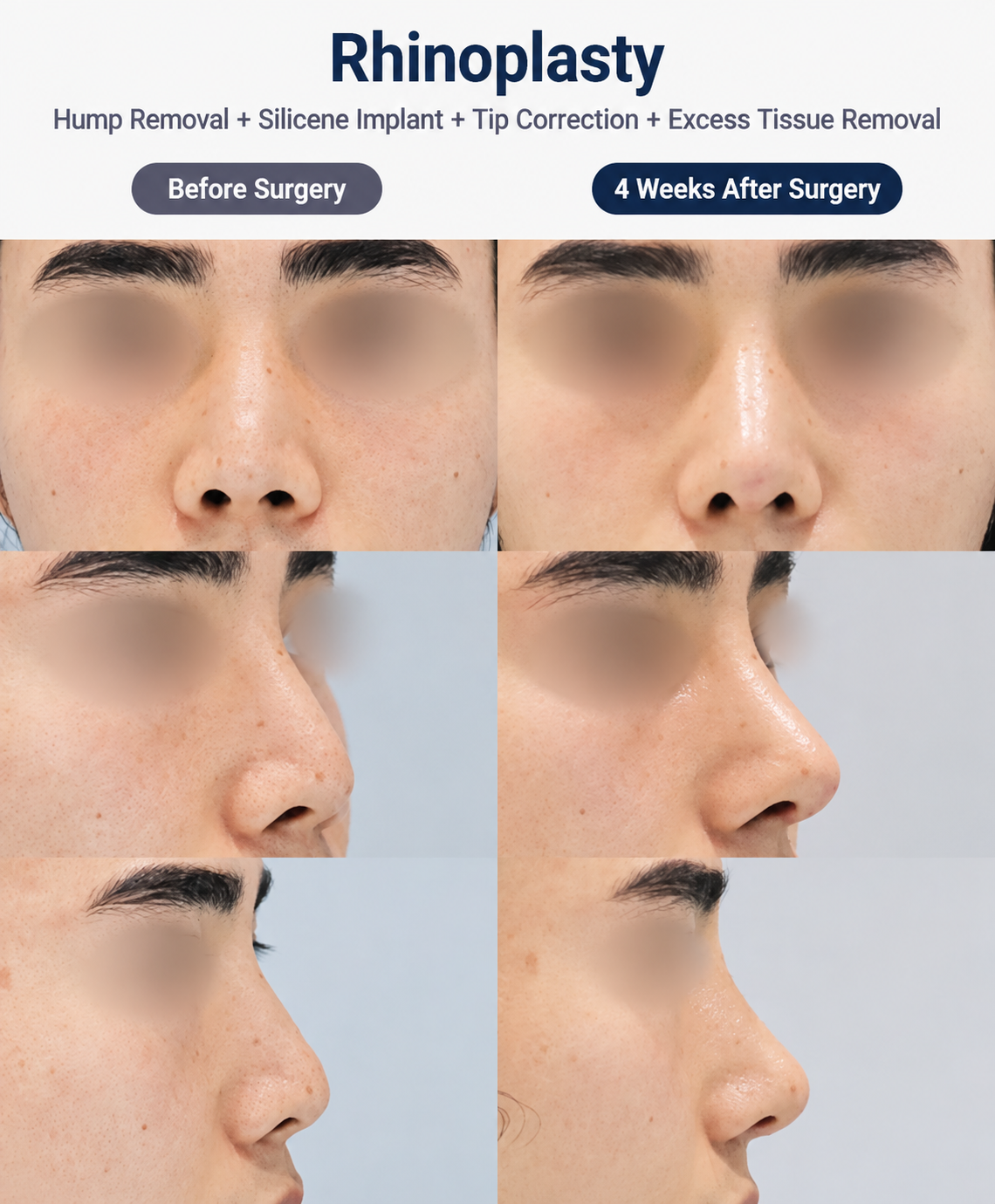
- Silicone implant rhinoplasty: 3,000,000–6,000,000 KRW
- Cartilage rhinoplasty: 4,000,000–8,000,000 KRW
- Functional and cosmetic rhinoplasty: 5,000,000–10,000,000 KRW
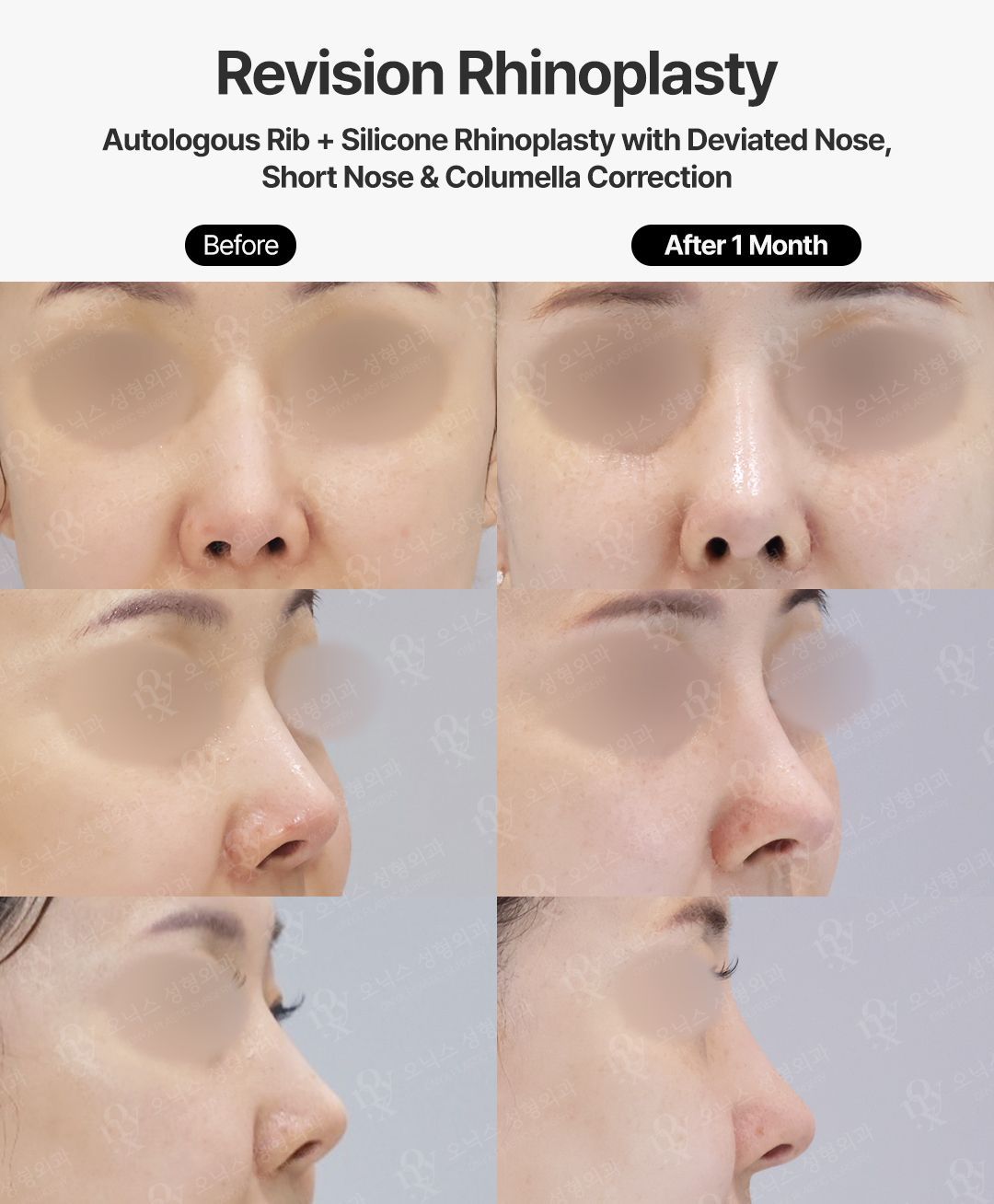
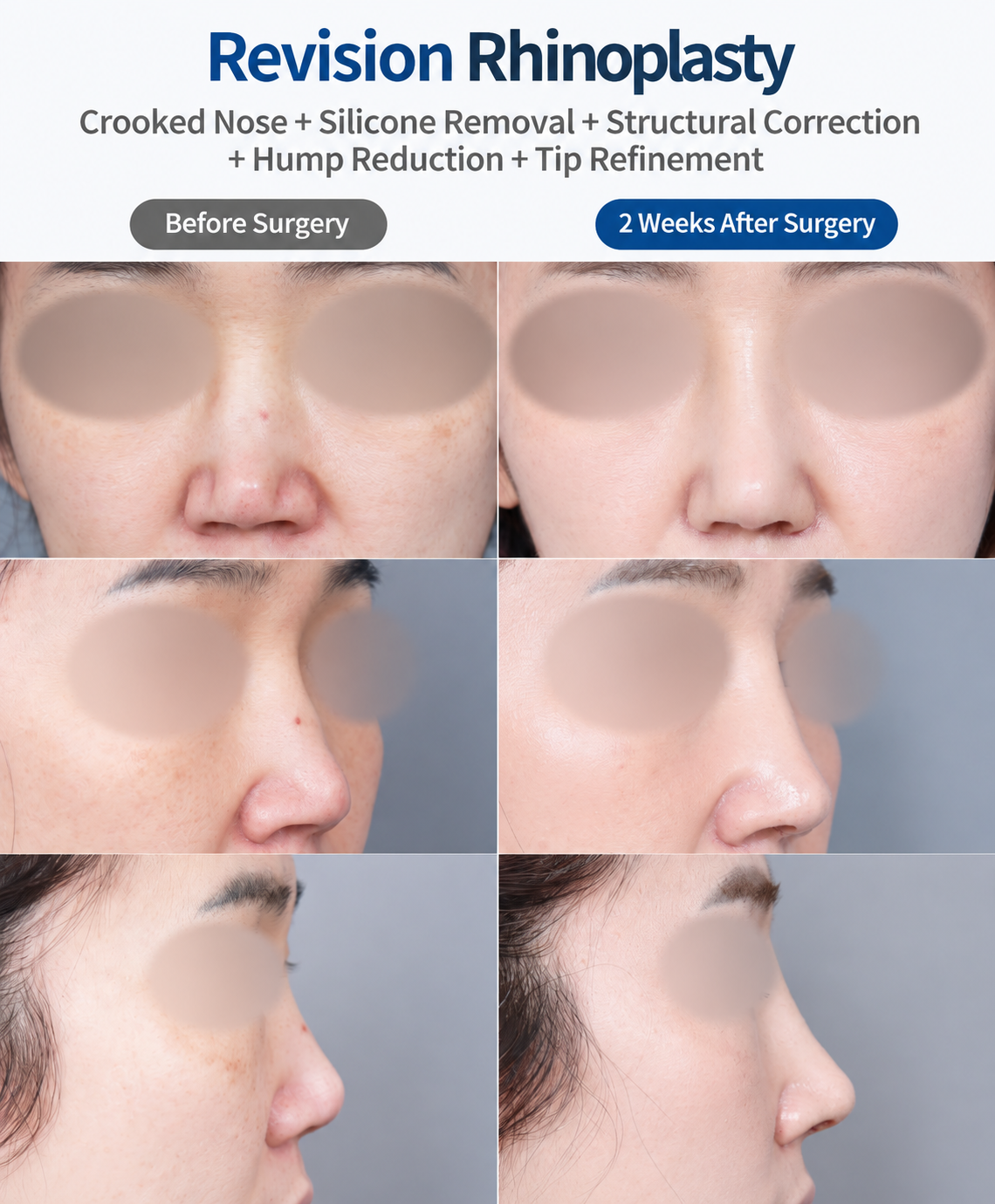
- Revision rhinoplasty: 6,000,000–15,000,000 KRW or more
Some premium cases involving multiple grafts or highly complex reconstruction may exceed these ranges.
What Affects the Cost of Rhinoplasty?
Several factors influence the final price of surgery.
- Type of rhinoplasty procedure
- Primary or revision surgery
- Use of silicone implants or autologous cartilage
- Complexity of nasal tip correction
- Functional breathing correction
- Surgeon's experience and reputation
- Hospital facilities and anesthesia fees
- Postoperative care and follow-up services
The total estimate often reflects more than just the surgical procedure itself.
Primary Rhinoplasty vs Revision Rhinoplasty Costs
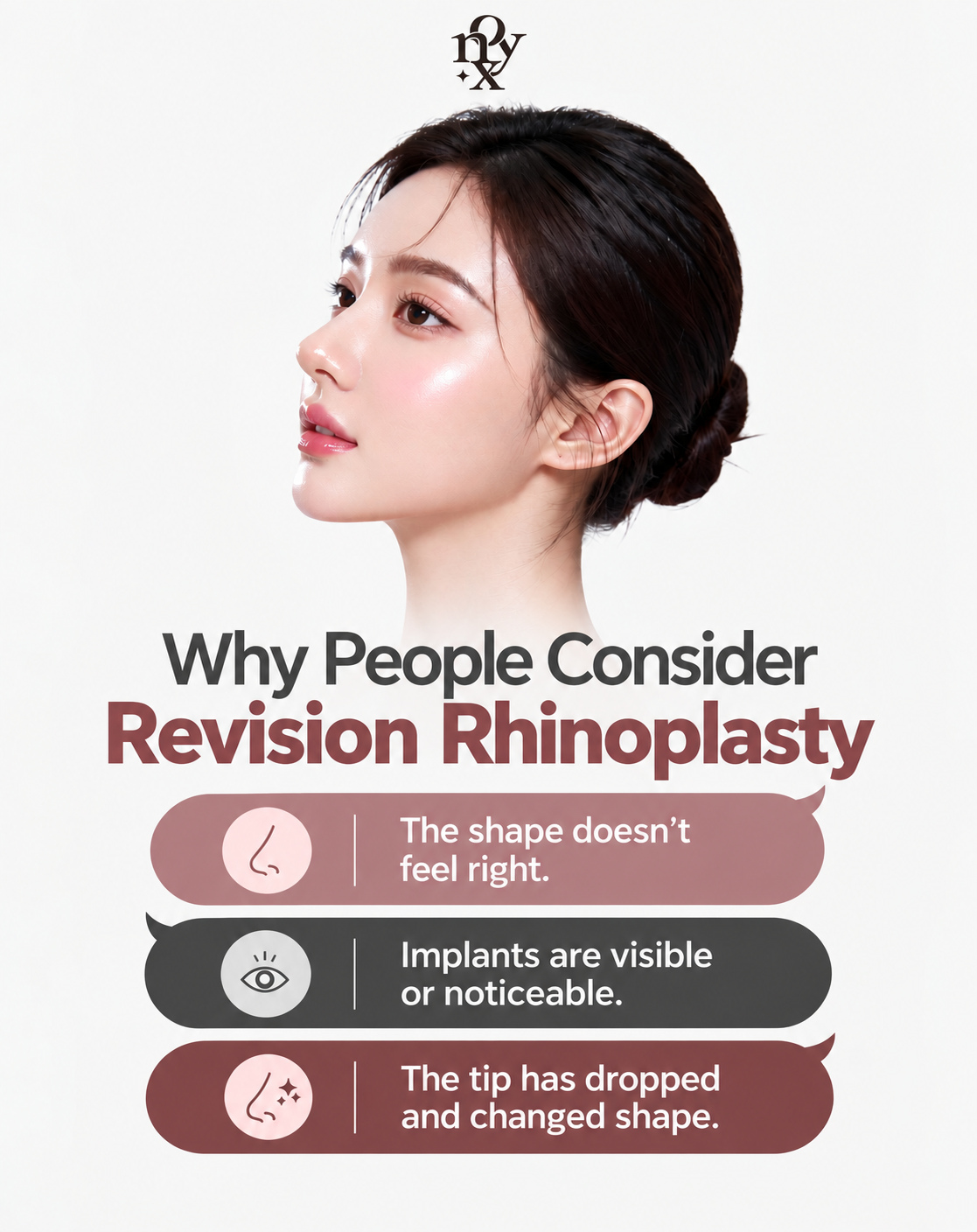
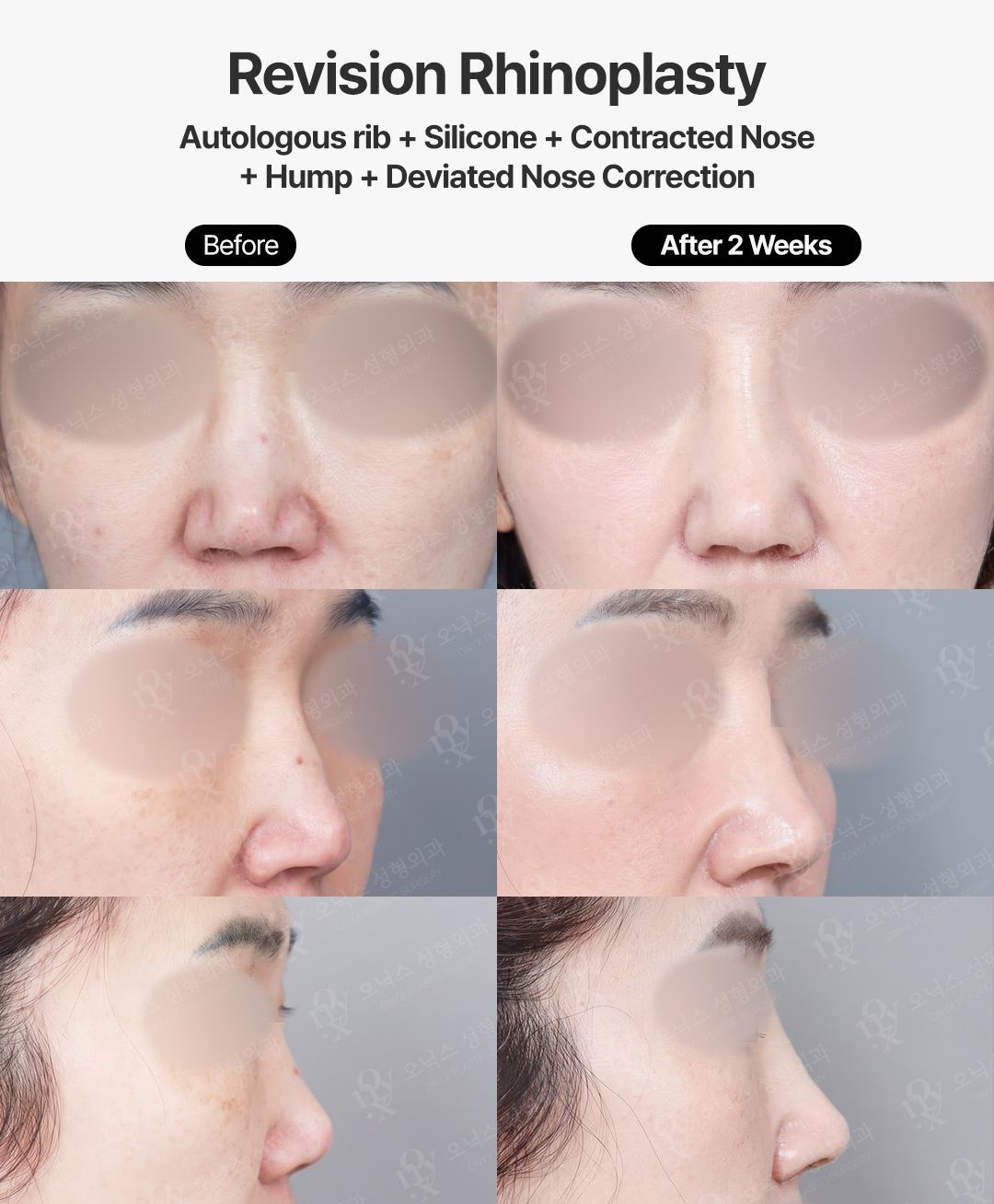
Revision rhinoplasty generally costs substantially more than primary surgery because it is technically more demanding and often involves scar tissue, structural reconstruction, or replacement of previous implants.
Primary rhinoplasty usually has a more predictable surgical plan, while revision cases frequently require additional cartilage harvesting and individualized reconstruction techniques, resulting in higher costs and longer operating times.
Cartilage Grafts and Their Impact on Pricing
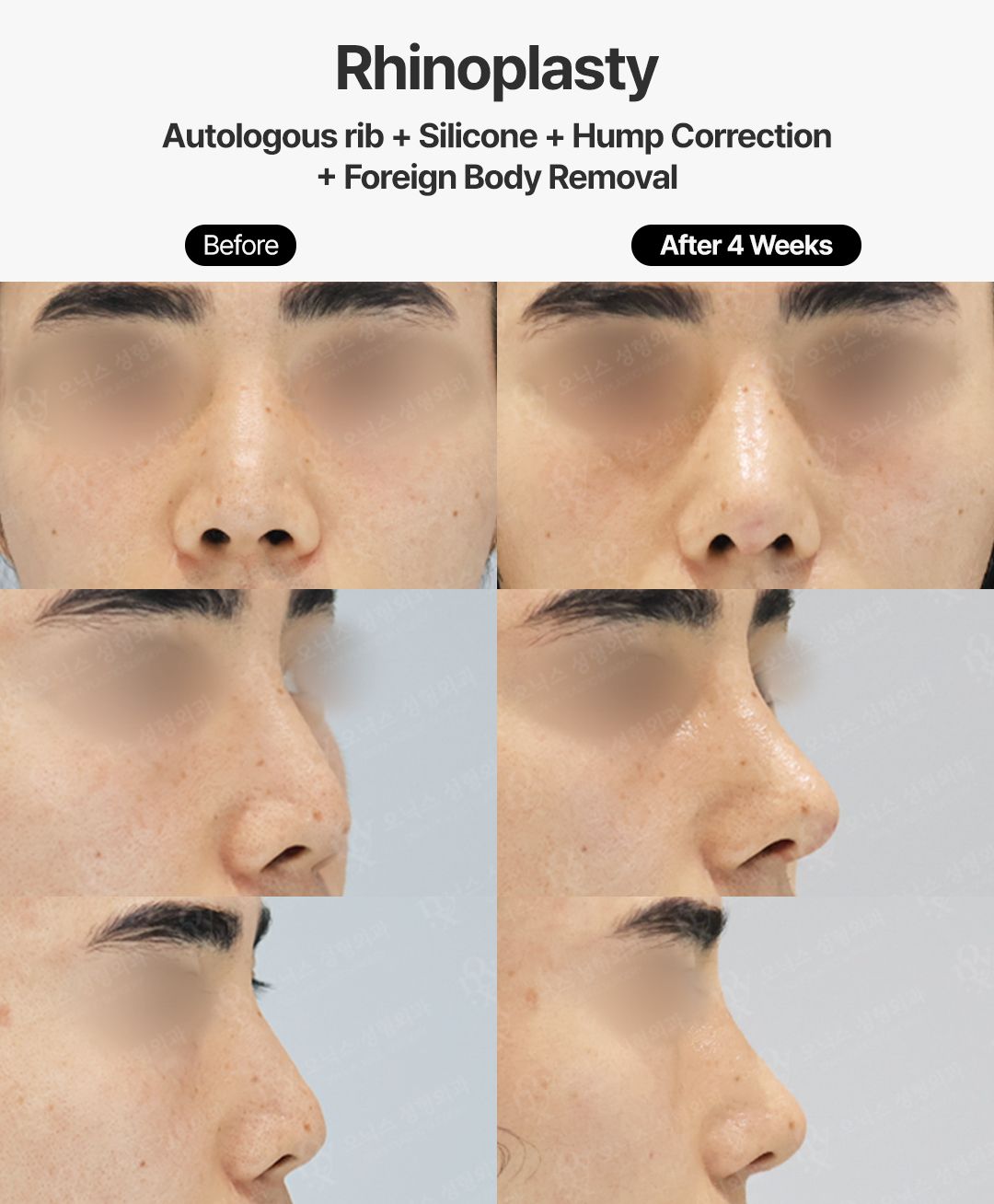
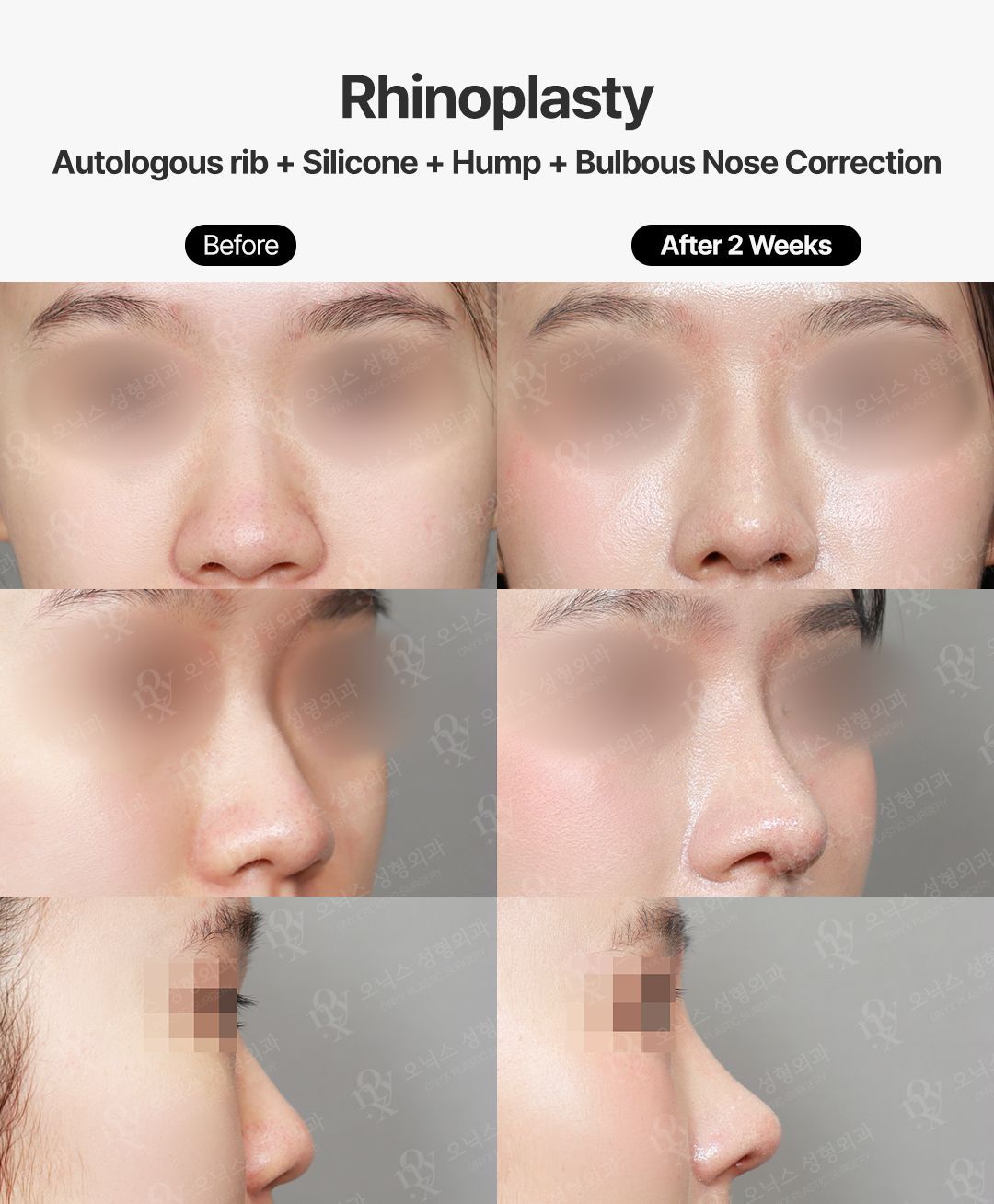
Many rhinoplasty procedures in Korea use cartilage to create more stable and natural-looking results.
Common cartilage sources include:
- Septal cartilage
- Ear cartilage
- Rib cartilage
Cases requiring rib cartilage harvesting typically involve additional surgical time and complexity, making them more expensive than procedures using septal or ear cartilage alone.
What Is Usually Included in the Price?
Package details vary between clinics, but pricing may include:
- Initial consultation
- Surgeon evaluation
- Medical testing
- Operating room fees
- General anesthesia or sedation
- Surgical procedure
- Basic medications
- Follow-up appointments
- Initial postoperative care
International patient packages may also include translation assistance or recovery management, although these services differ by provider.
Additional Costs International Patients Should Consider
Travel-related expenses can significantly affect the overall budget.
Potential additional costs include:
- Airfare
- Accommodation
- Transportation
- Meals
- Travel insurance
- Extra hotel nights for recovery
- Prescription medications
- Additional follow-up visits if required
Planning for these expenses helps avoid unexpected financial surprises.
Does Higher Cost Mean Better Results?
Not necessarily. While highly experienced surgeons and advanced facilities may charge higher fees, the most expensive option is not automatically the best choice.
Patients should evaluate:
- Surgeon qualifications
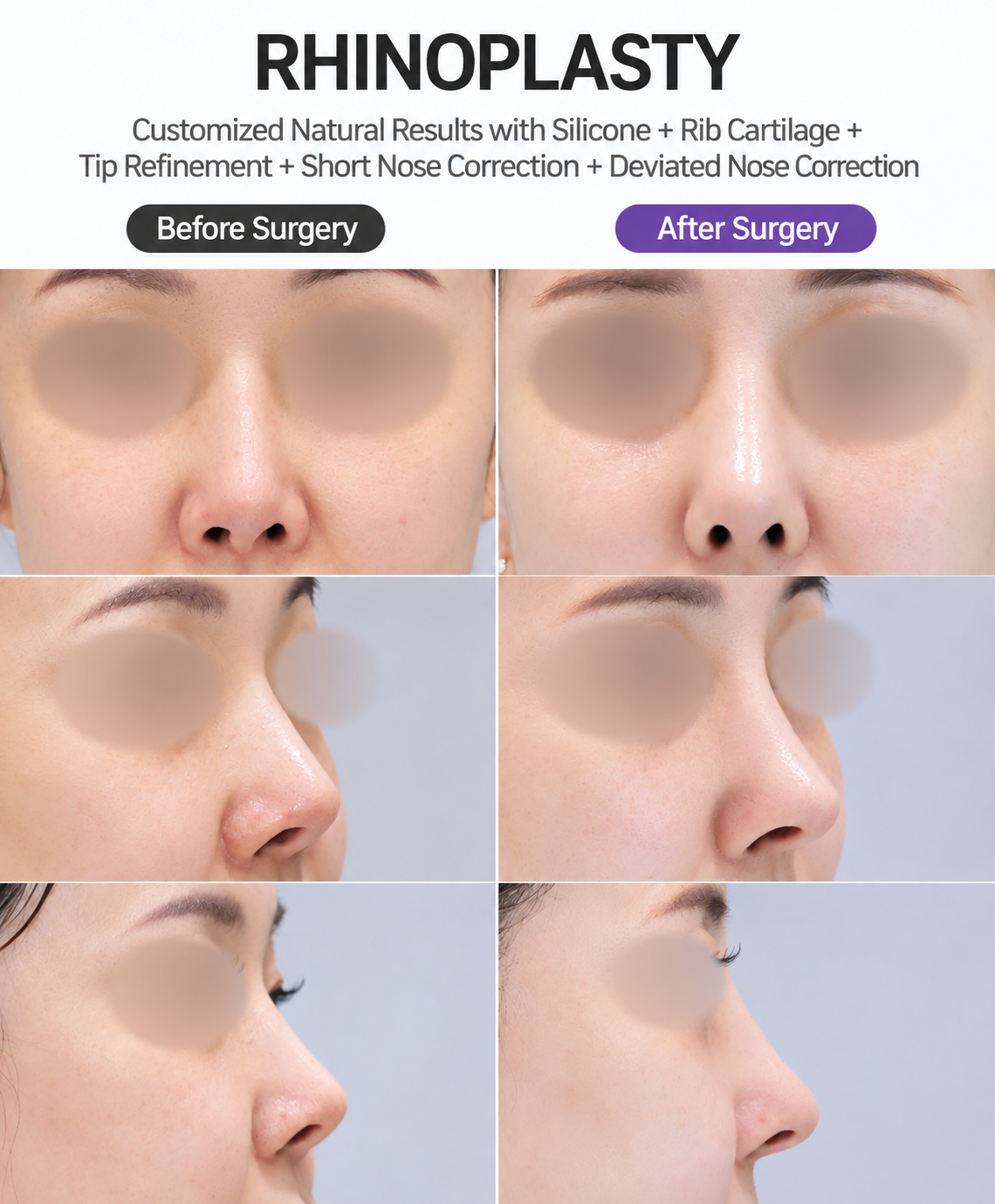
- Before-and-after consistency
- Safety standards
- Communication quality
- Personalized surgical planning
- Postoperative support
- Realistic expectations discussed during consultation
Choosing based solely on price may not lead to the best long-term outcome.
Tips for Budgeting Your Rhinoplasty in Korea
When comparing clinics, ask for a complete breakdown of costs rather than focusing only on the advertised base price.
Useful questions include:
- Are anesthesia fees included?
- Are follow-up visits included?
- Are medications included?
- Is revision coverage available?
- Are translation services included?
- Are there additional charges for cartilage grafts?
- What happens if recovery requires a longer stay?
A transparent quotation makes comparisons much easier.
Final Thoughts
The cost of rhinoplasty in Korea can range from relatively affordable procedures to highly complex reconstructive surgeries with significantly higher prices. Understanding what influences pricing and what services are included allows patients to make better-informed decisions. Focusing on surgical expertise, safety, personalized planning, and long-term results often provides greater value than choosing the lowest available price.