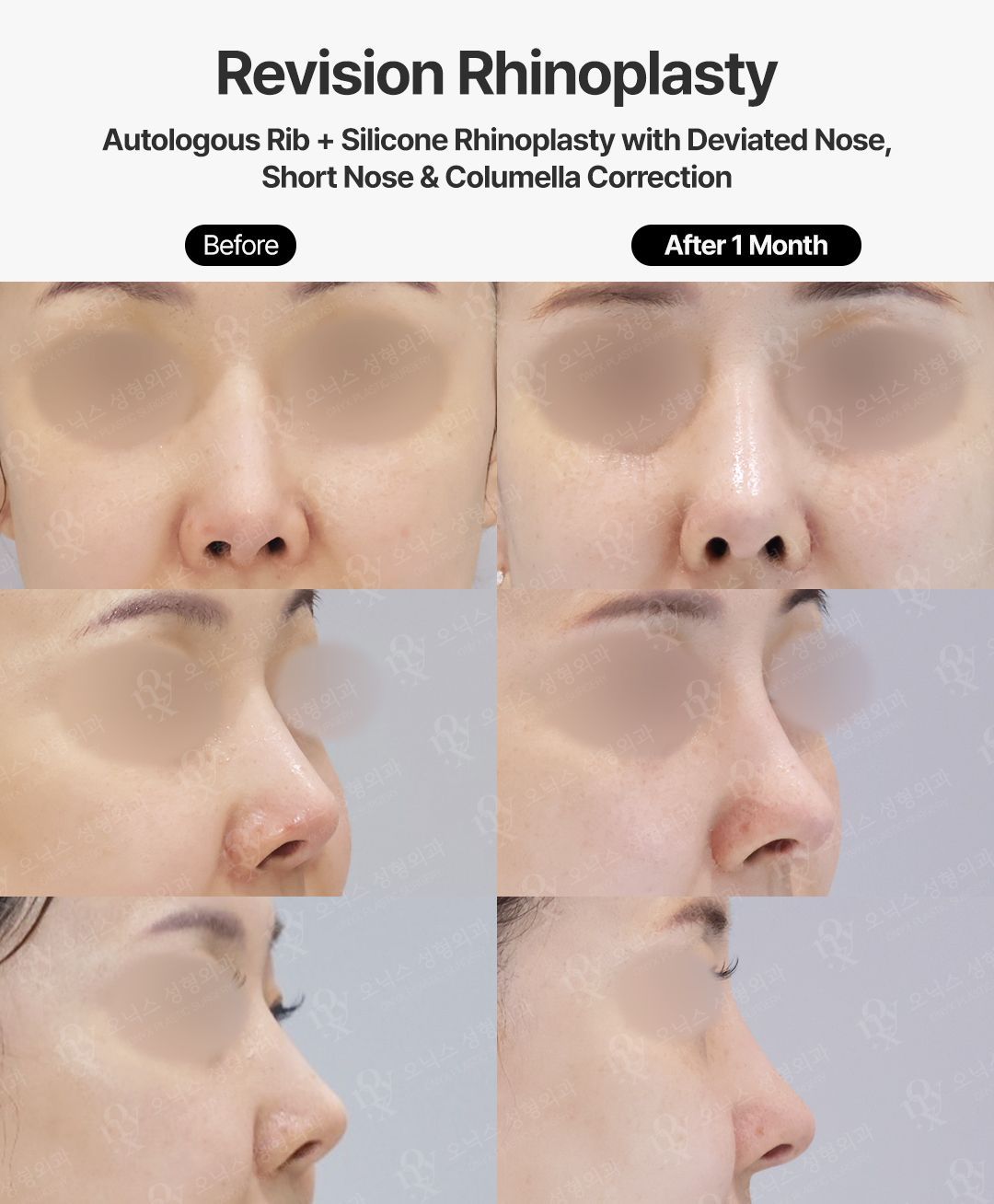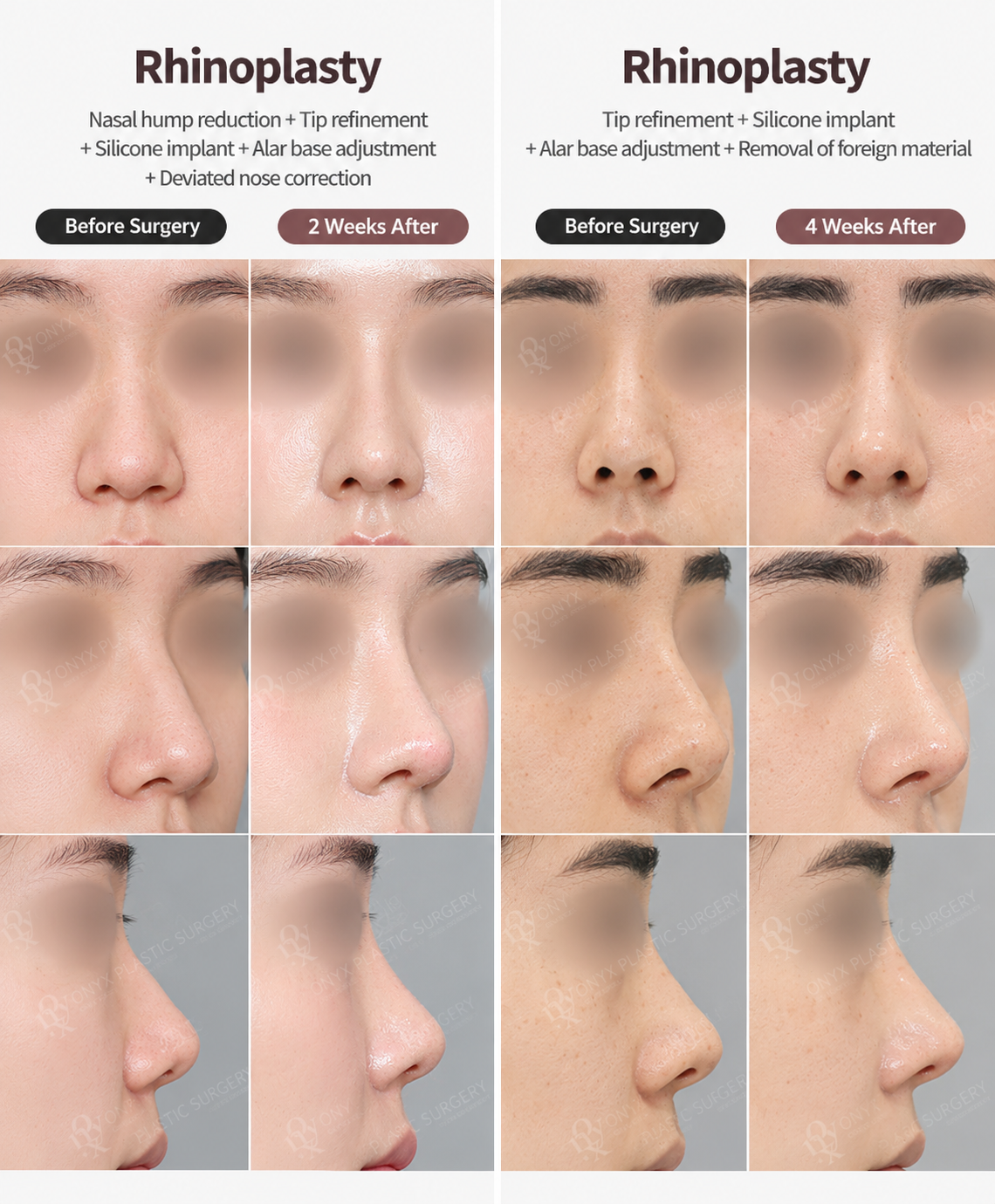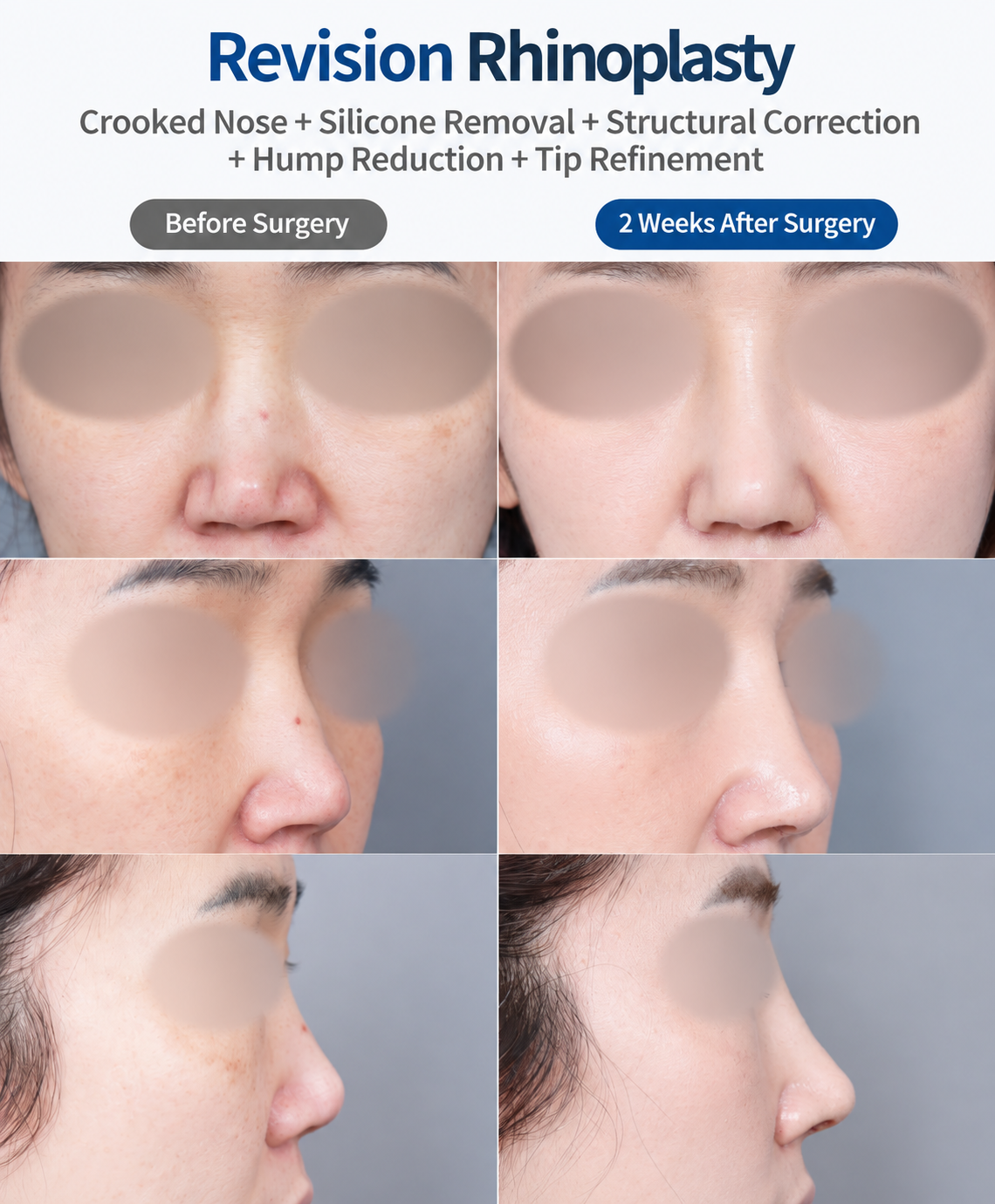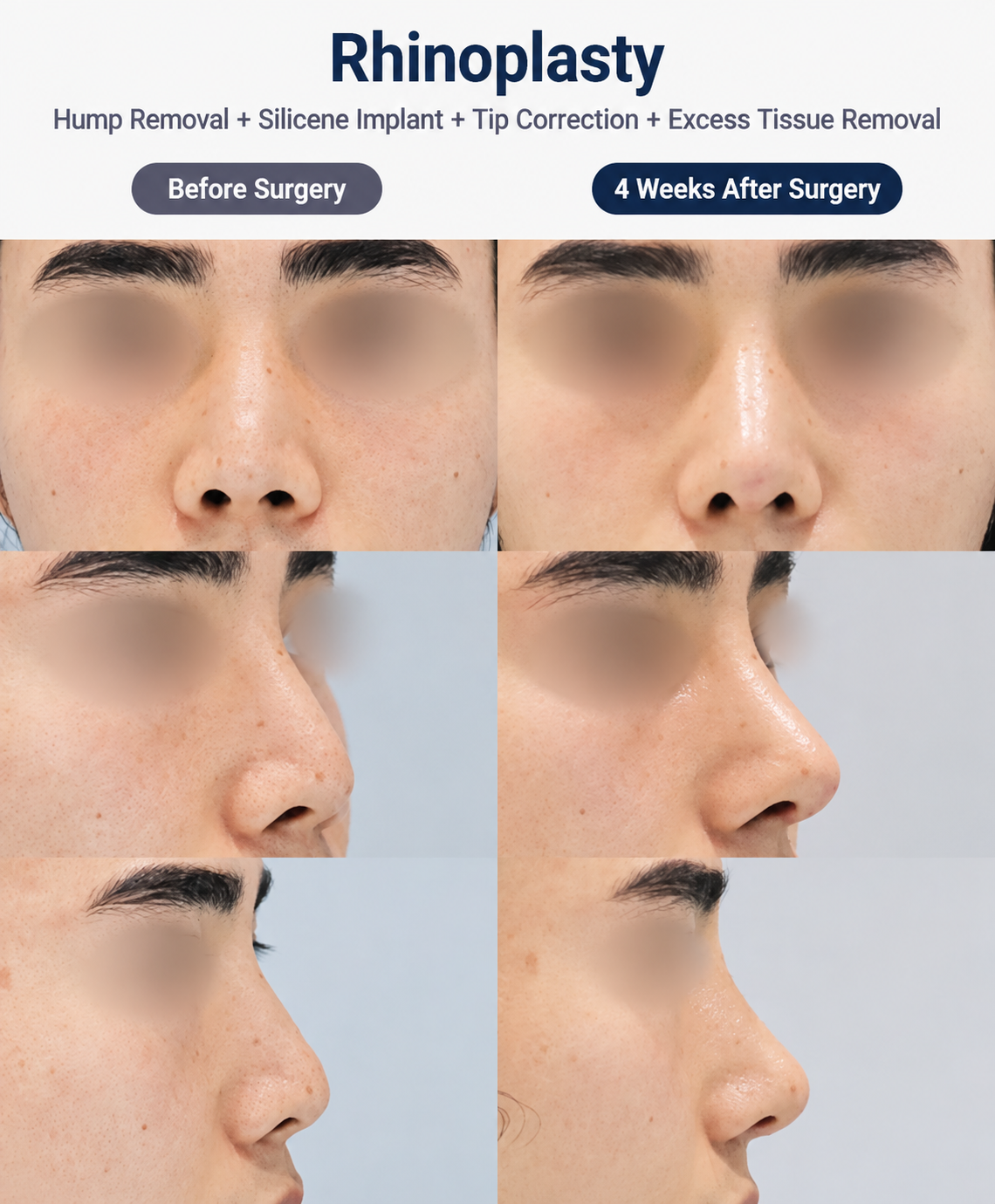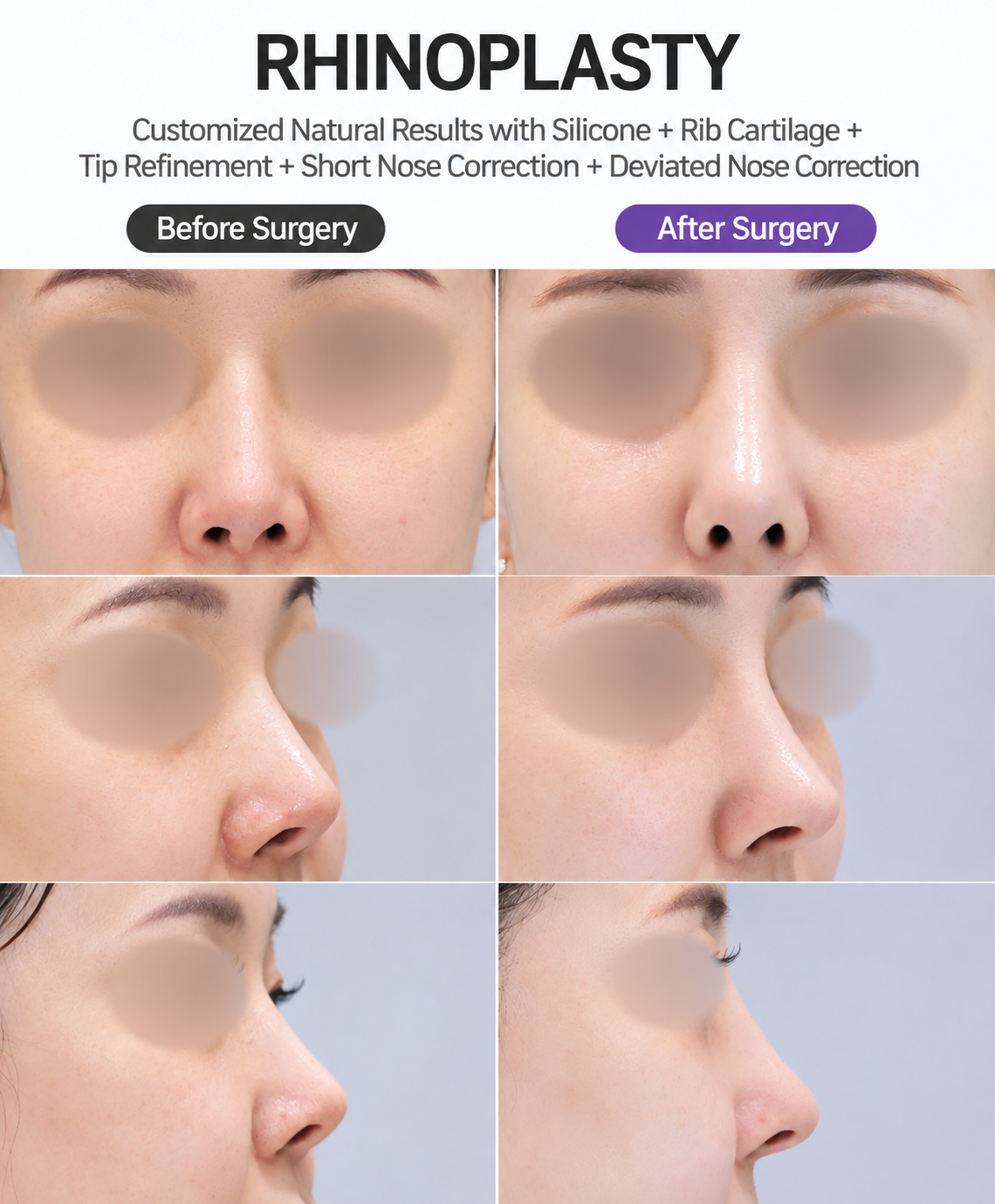
Choosing the Right Material for Your Nose
One of the most important decisions in rhinoplasty—especially in augmentation cases—is choosing the right material to shape and support the nose. The material used affects not only appearance, but also feel, stability, long-term safety, and revision risk.
In Korea, surgeons commonly choose between silicone implants, Gore-Tex (ePTFE), and autologous cartilage. Each option has clear advantages and limitations, and the “best” choice depends on anatomy—not preference or trend.
Why Material Choice Matters in Rhinoplasty
The material used in nose surgery influences:
- Bridge height and shape
- Tip support and projection
- Long-term stability
- Risk of infection or shifting
- Ease of revision if needed
A material that works well for one patient may be inappropriate for another.
Option 1: Silicone Implants
What Silicone Is
Medical-grade silicone is a solid implant commonly used for nasal bridge augmentation, particularly in Korea.
Advantages
- Predictable height and shape
- Shorter surgery time
- No donor-site scar
- Easier to remove or revise
Limitations
- Does not integrate with tissue
- Can shift if poorly placed
- Edges may be visible in thin skin
- Not suitable for defining the nasal tip
Best Suited For
- Thick to medium skin
- Primary (first-time) rhinoplasty
- Patients wanting moderate, natural augmentation
- Those who prefer easier future revision
Option 2: Gore-Tex (ePTFE)
What Gore-Tex Is
Gore-Tex is a soft, microporous material that allows partial tissue integration, creating a more blended contour.
Advantages
- Softer, more natural feel
- Less edge visibility in thin skin
- Lower migration risk once stabilized
Limitations
- More difficult to remove in revision
- Requires high surgical precision
- Infection management can be more complex
Best Suited For
- Thin to medium skin
- Patients prioritizing softness and blending
- Select revision rhinoplasty cases
Option 3: Autologous Cartilage (Your Own Tissue)
Common Sources
- Septal cartilage (inside the nose)
- Ear cartilage
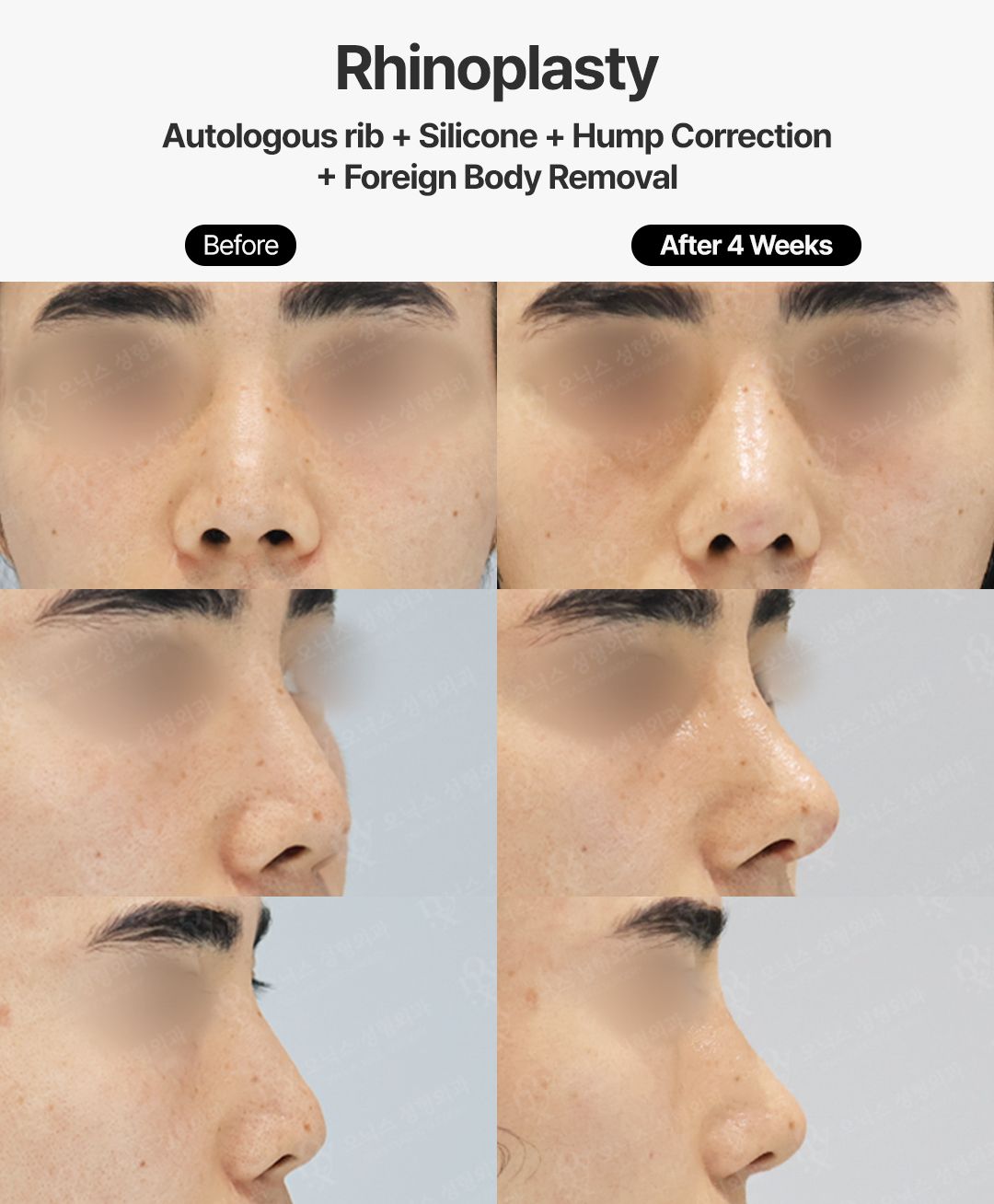
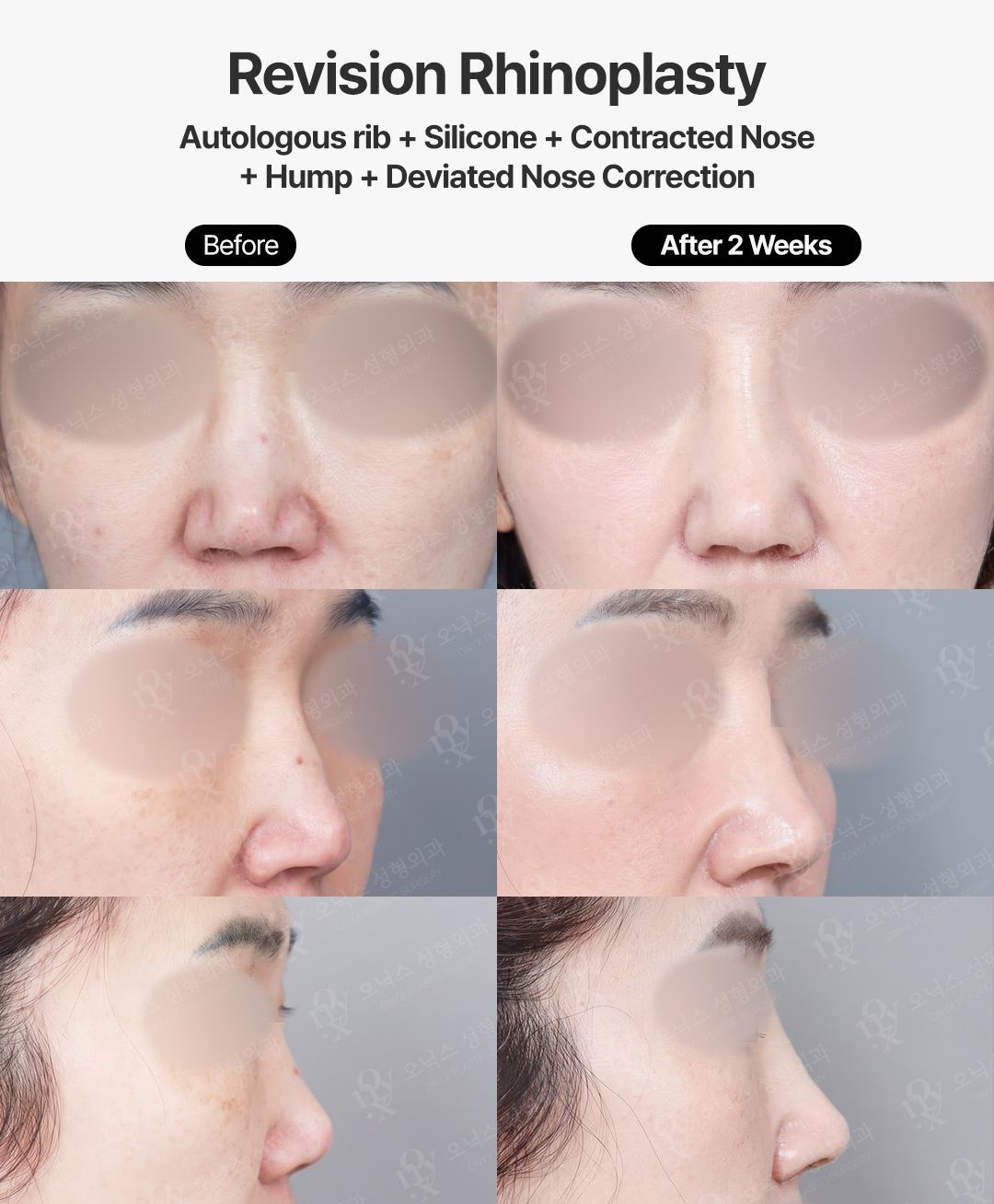
- Rib cartilage (for major support or revisions)
Advantages
- No foreign material
- Excellent for tip support and structure
- Lower long-term implant-related risks
Limitations
- Longer surgery
- Donor-site discomfort or scarring
- Rib cartilage reserved for specific cases
Best Suited For
- Tip refinement and projection
- Structural rhinoplasty
- Revision surgery
- Patients avoiding implants
The Korean Standard: Combination (Hybrid) Approach
In modern Korean rhinoplasty, surgeons often use a hybrid strategy:
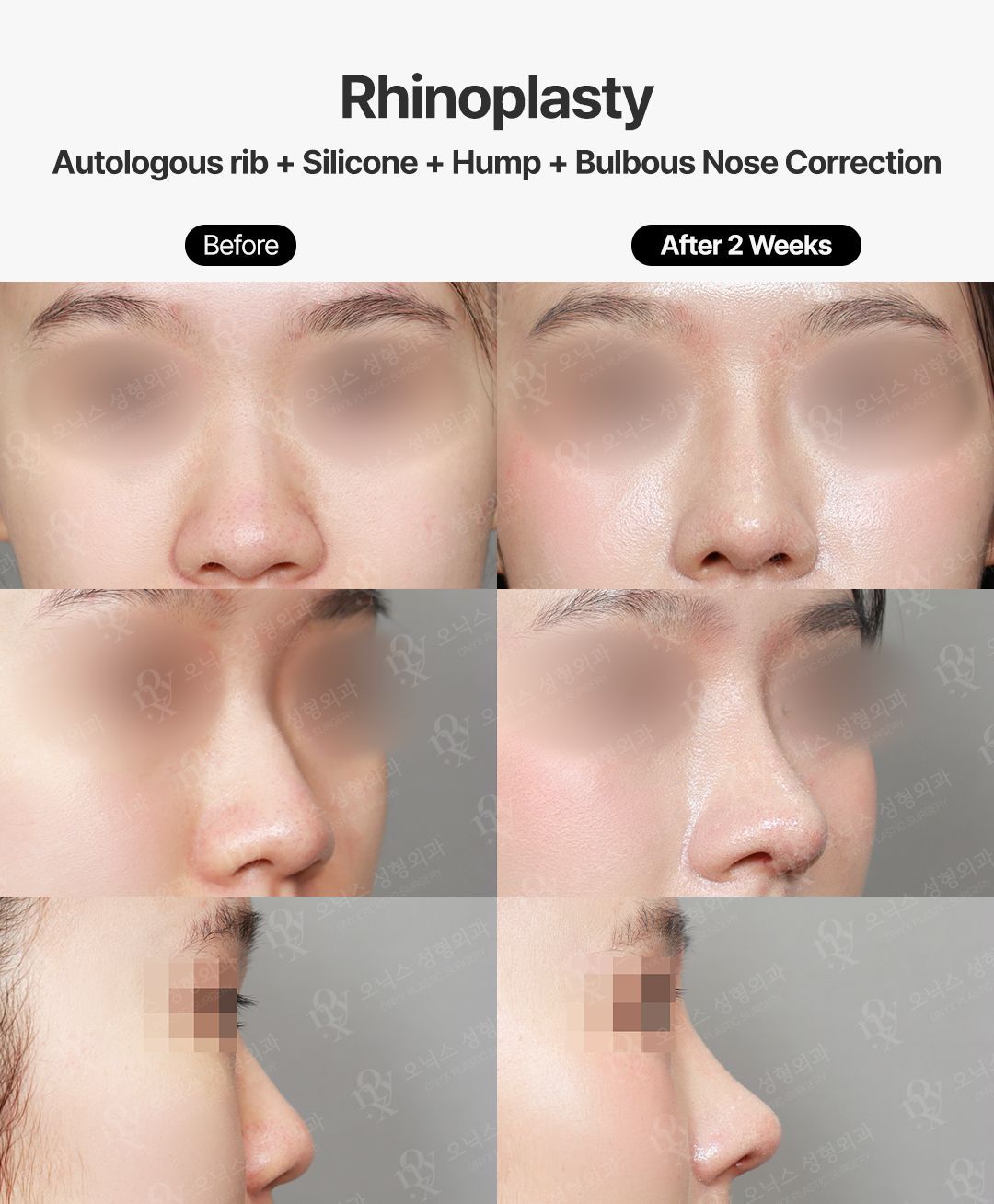
- Implant (silicone or Gore-Tex) for bridge height
- Cartilage grafts for tip support and definition
This approach:
- Reduces pressure on the implant
- Improves long-term stability
- Maintains natural movement and shape
Pure implant-only rhinoplasty is now less common in experienced clinics.
How Surgeons Decide Which Material Is Right
During consultation, surgeons evaluate:
- Skin thickness
- Nasal bridge height
- Cartilage strength
- Tip projection needs
- Revision history
- Aesthetic goals
- Willingness to accept future revision complexity
The decision should always be anatomy-driven, not marketing-driven.
Common Mistakes to Avoid
🚩 Choosing material based on trend or influencer advice
🚩 Over-augmenting the bridge regardless of material
🚩 Using implants to define the nasal tip
🚩 Ignoring long-term revision implications
These are frequent causes of dissatisfaction and revision surgery.
There Is No “Best” Material—Only the Best Match
- Silicone is not “bad”
- Gore-Tex is not “superior”
- Cartilage is not always enough
Each material has a role when used appropriately and conservatively.
Final Thoughts
Choosing the right material for your nose is a critical part of successful rhinoplasty. The safest and most natural results come from proper material selection, conservative design, and strong structural planning—not from chasing trends or extreme height.
An experienced surgeon will explain why a certain material is recommended for your specific anatomy, and how it will affect both short- and long-term outcomes.
The right choice is the one that supports
balance, safety, and longevity.