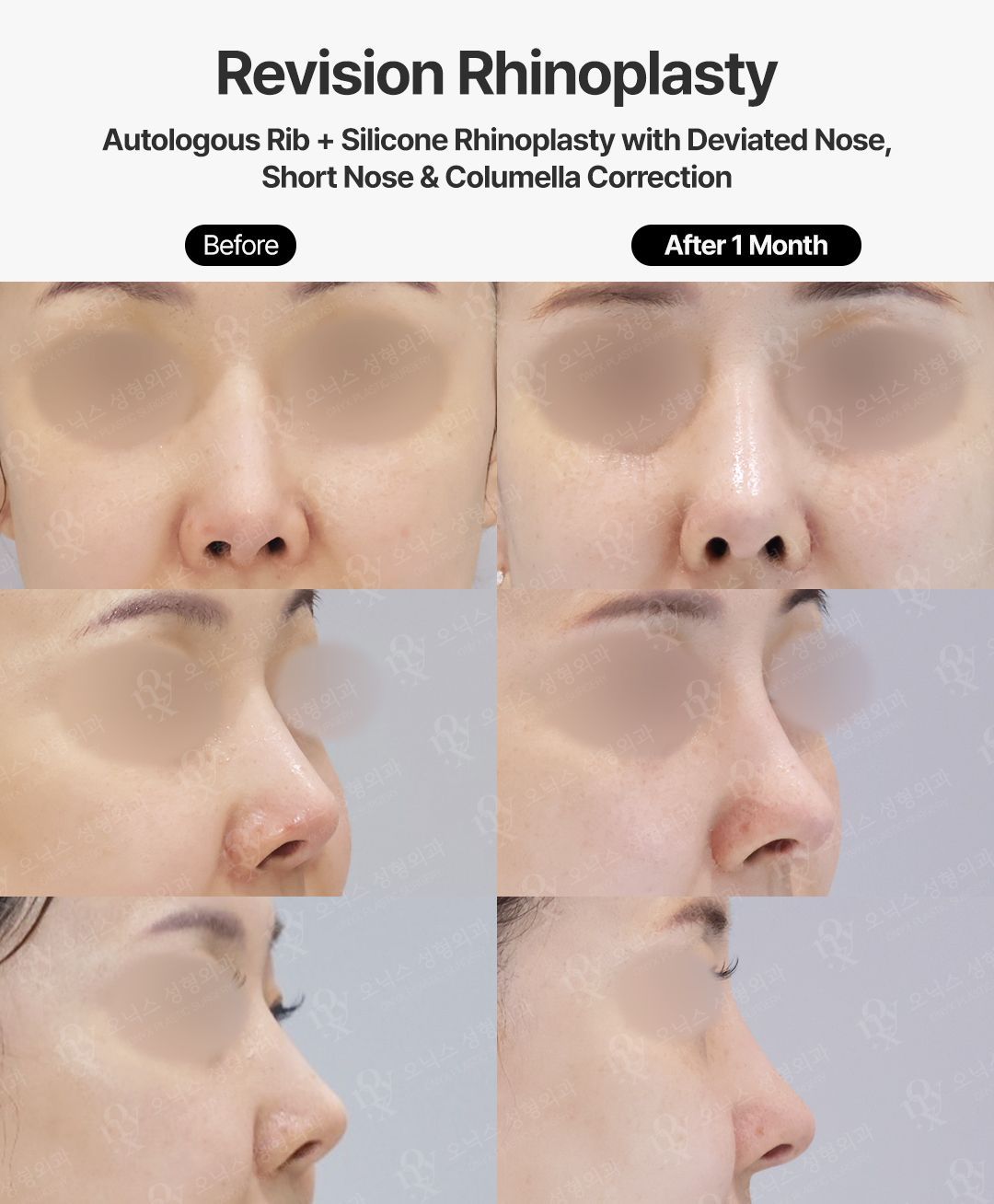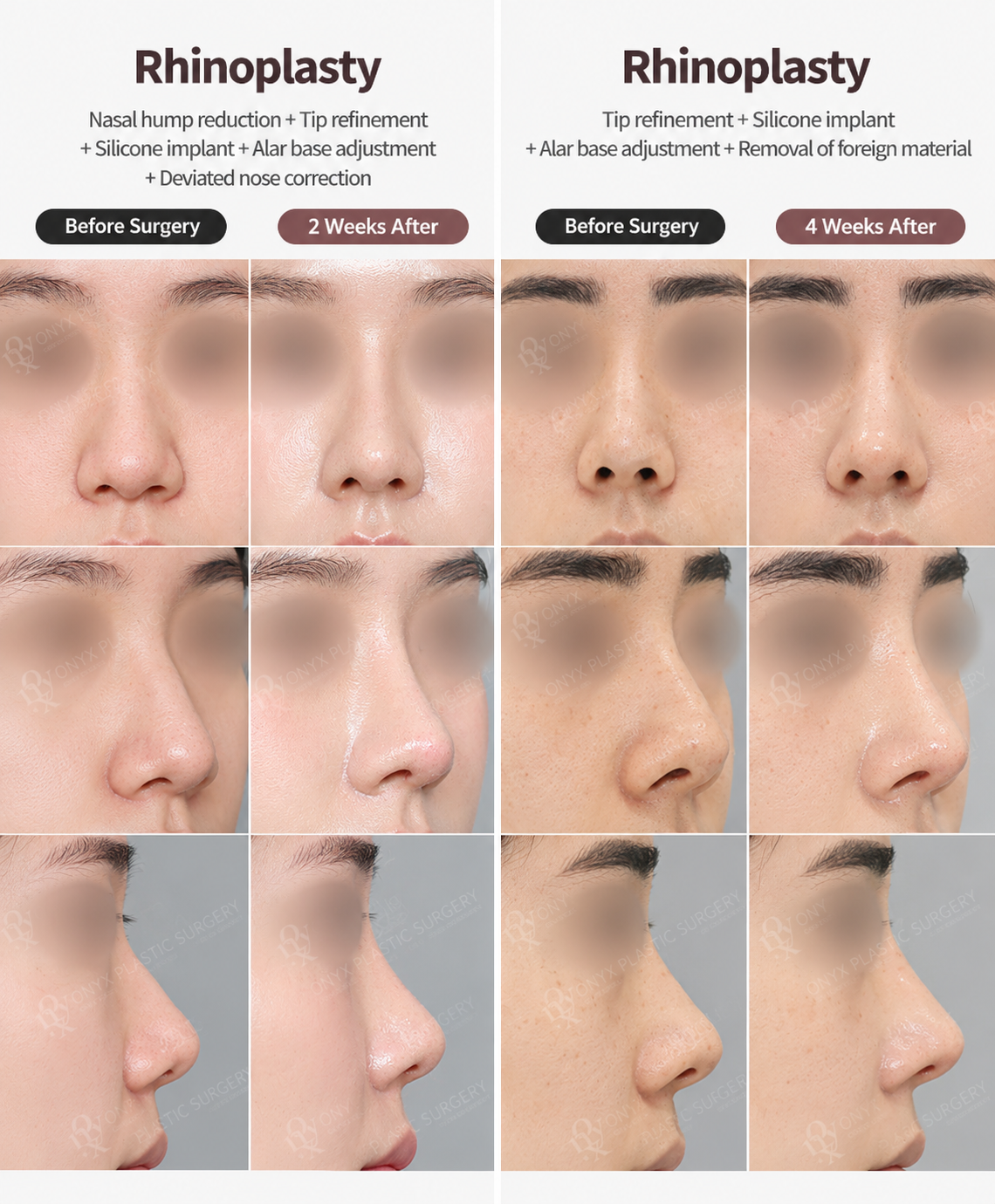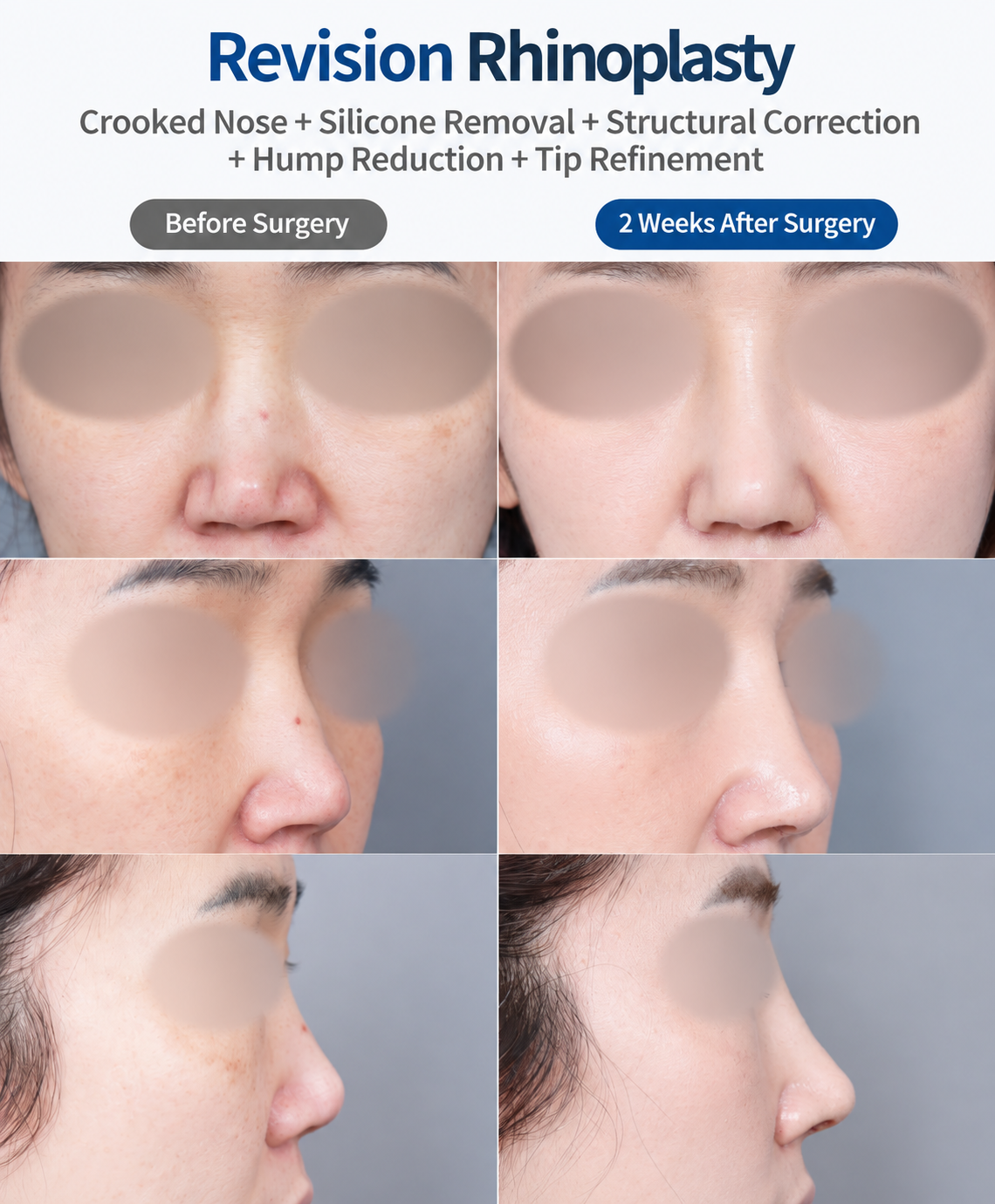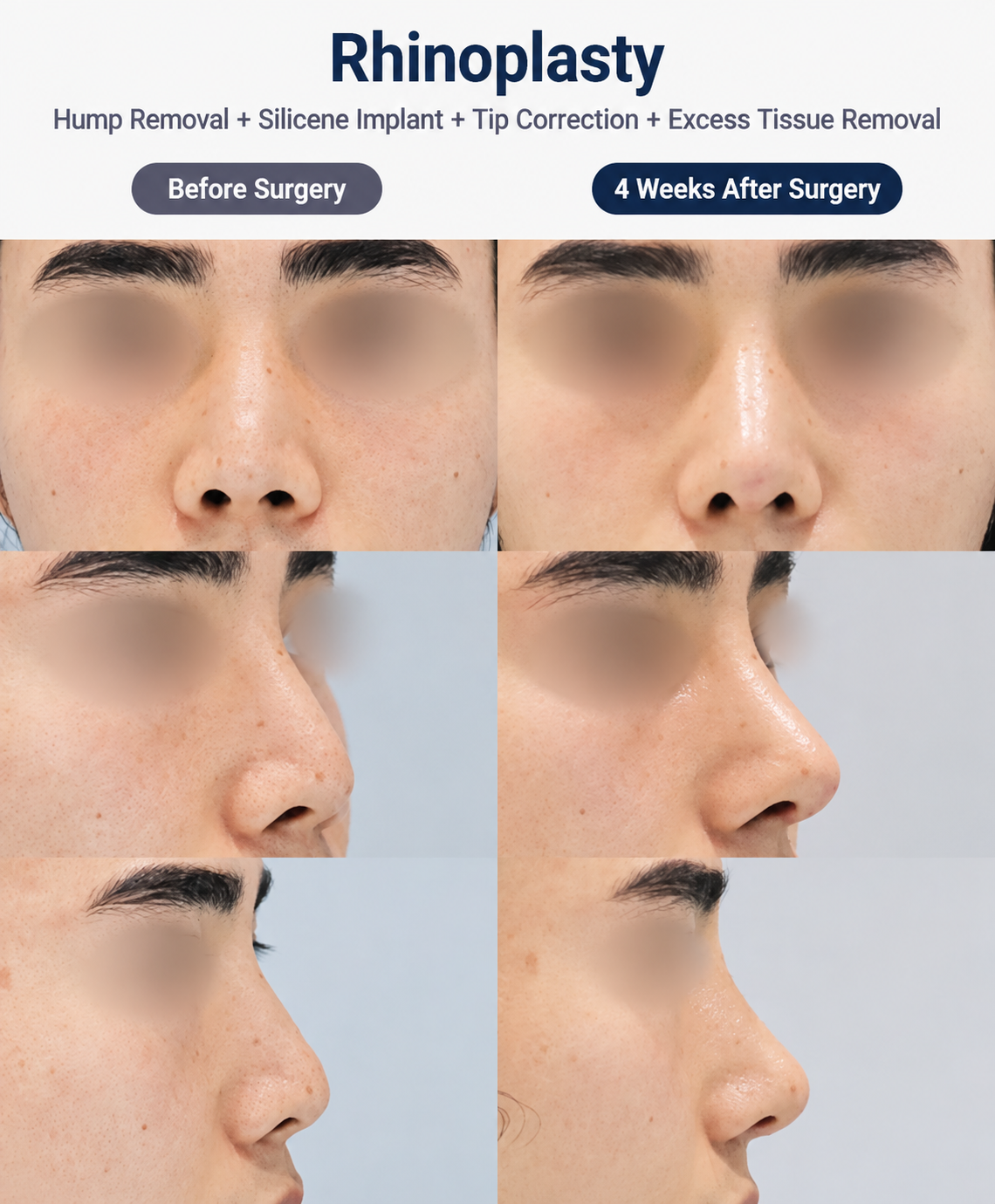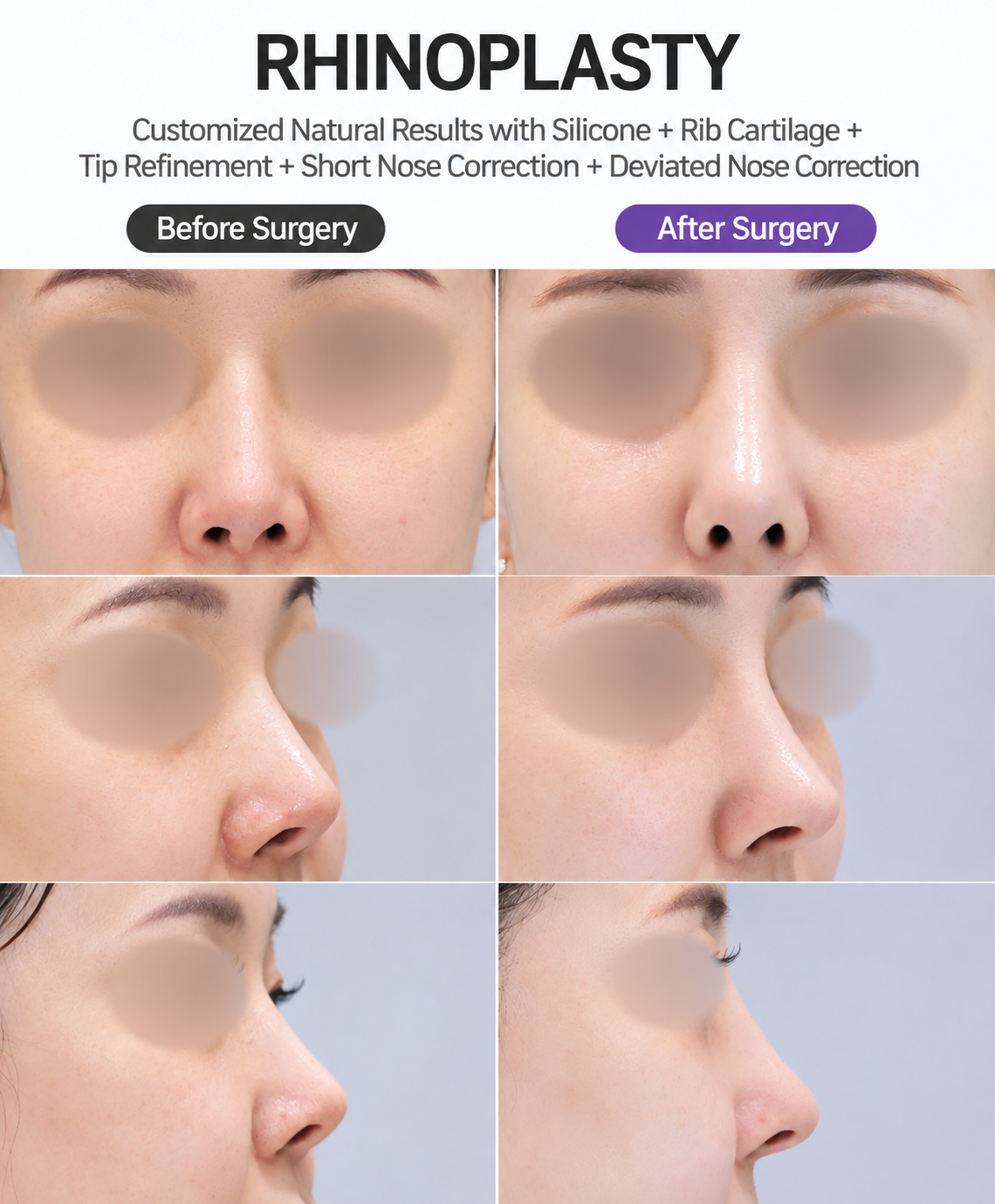
Implant vs cartilage rhinoplasty guide
When planning rhinoplasty—especially for nasal bridge augmentation—one of the most important decisions is whether to use an implant or your own cartilage. Both approaches are widely used in Korea and globally, but they serve different anatomical needs and aesthetic goals.
There is no universally “better” option. The right choice depends on skin thickness, nose structure, revision history, and long-term expectations.
What Is Implant Rhinoplasty?
Implant rhinoplasty uses a synthetic material to raise or shape the nasal bridge. In Korea, the most common implant materials are:
- Silicone
- Gore-Tex (ePTFE)
Implants are placed on top of the nasal bone to create height and definition.
Pros of Implant Rhinoplasty
- Predictable bridge height and shape
- Shorter surgery time
- No donor-site scar or pain
- Widely used with decades of experience (especially in Korea)
- Easier revision or removal if needed (especially silicone)
Cons of Implant Rhinoplasty
- Foreign material in the body
- Not suitable for defining the nasal tip
- Risk of shifting or visibility if over-augmented
- Infection usually requires removal
Implants must be used conservatively and precisely to remain safe long term.
Best Candidates for Implant Rhinoplasty
Implant rhinoplasty may be appropriate if you:
- Have a low or flat nasal bridge
- Have thick to medium skin
- Are undergoing primary (first-time) rhinoplasty
- Want moderate, natural augmentation
- Prefer shorter surgery and easier revision options
What Is Cartilage Rhinoplasty?
Cartilage rhinoplasty uses your own tissue to build and support the nose. Common cartilage sources include:
- Septal cartilage (inside the nose)
- Ear cartilage
- Rib cartilage (for major support or revision cases)
Cartilage is most commonly used for nasal tip surgery and structural support.
Pros of Cartilage Rhinoplasty
- No synthetic material
- Excellent for tip projection and definition
- Strong long-term structural stability
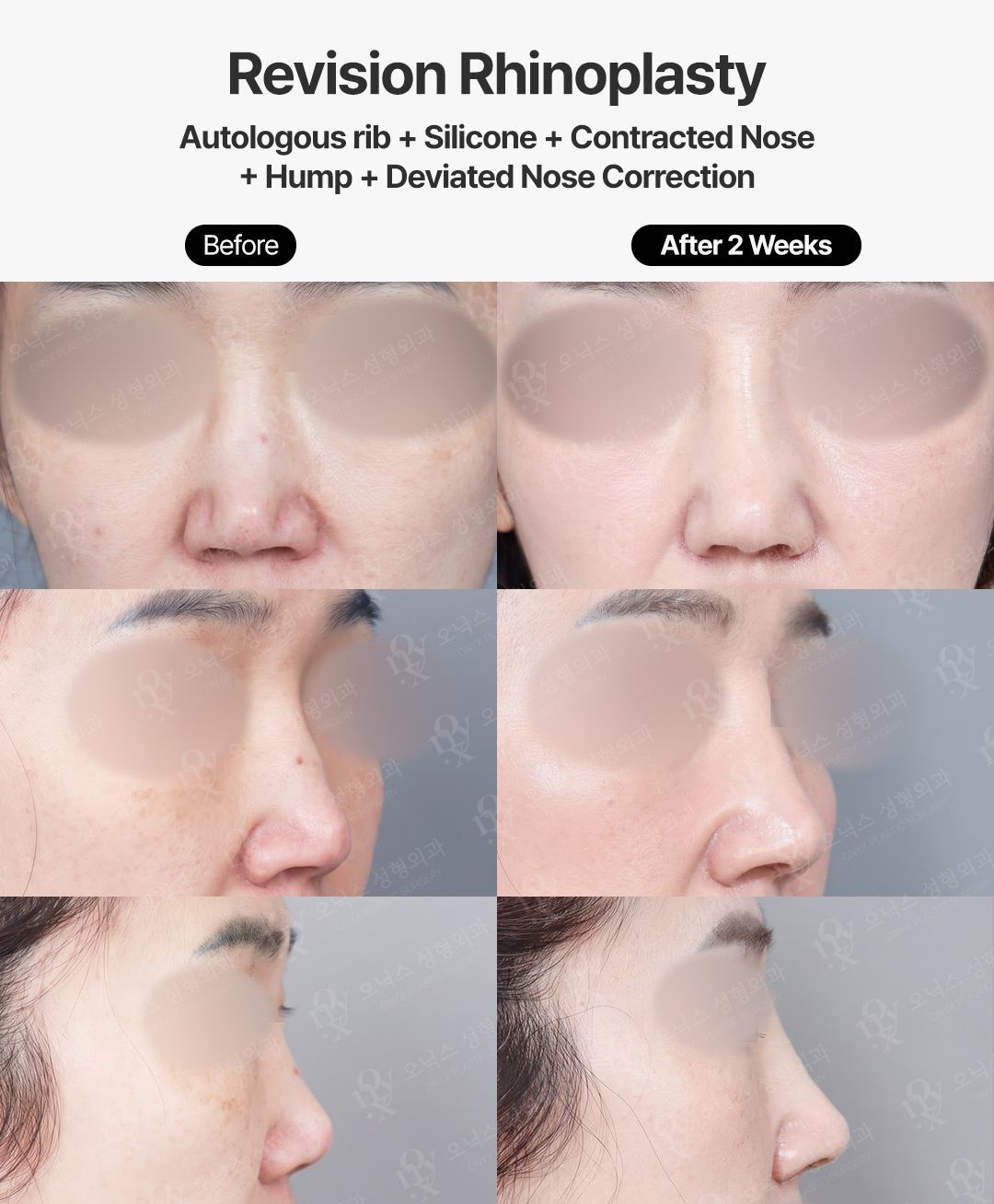
- Preferred for revision and complex cases
- Lower risk of implant-related complications
Cons of Cartilage Rhinoplasty
- Longer surgery time
- Donor-site discomfort or scarring
- Limited amount of septal cartilage
- Rib cartilage involves a chest incision
Cartilage requires advanced technique to avoid warping or asymmetry.
Best Candidates for Cartilage Rhinoplasty
Cartilage rhinoplasty is often recommended if you:
- Need tip refinement or projection
- Have thin skin where implants may show
- Are undergoing revision rhinoplasty
- Want to avoid foreign materials
- Need strong long-term structural support
Implant vs Cartilage: Key Differences
Material Source
- Implant: Synthetic (silicone, Gore-Tex)
- Cartilage: Your own tissue
Best Use
- Implant: Nasal bridge augmentation
- Cartilage: Tip support and structure
Surgery Time
- Implant: Shorter
- Cartilage: Longer
Revision Ease
- Implant: Easier (especially silicone)
- Cartilage: More complex but stable
Long-Term Feel
- Implant: Firm
- Cartilage: Natural
The Korean Standard: Hybrid Rhinoplasty
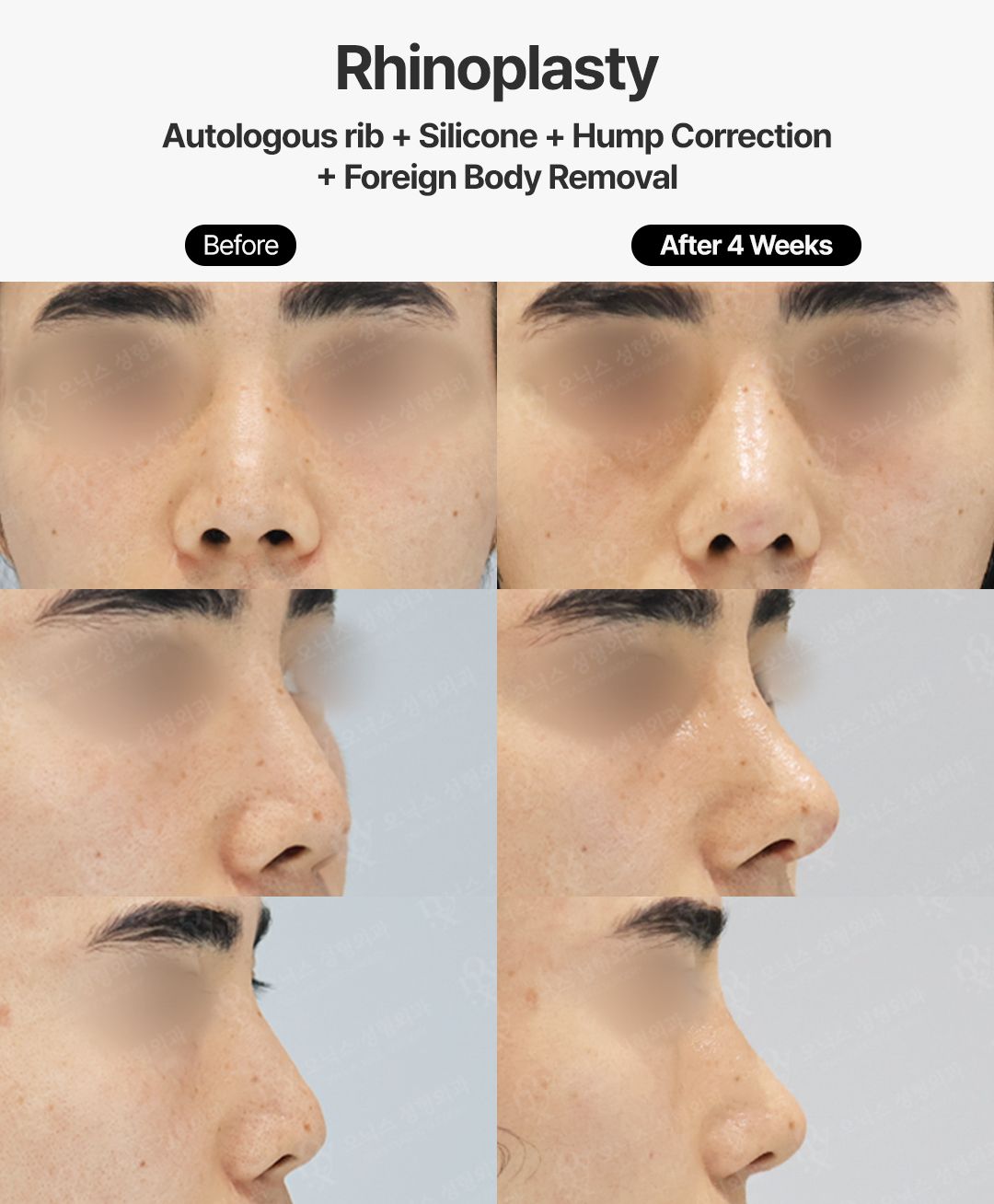
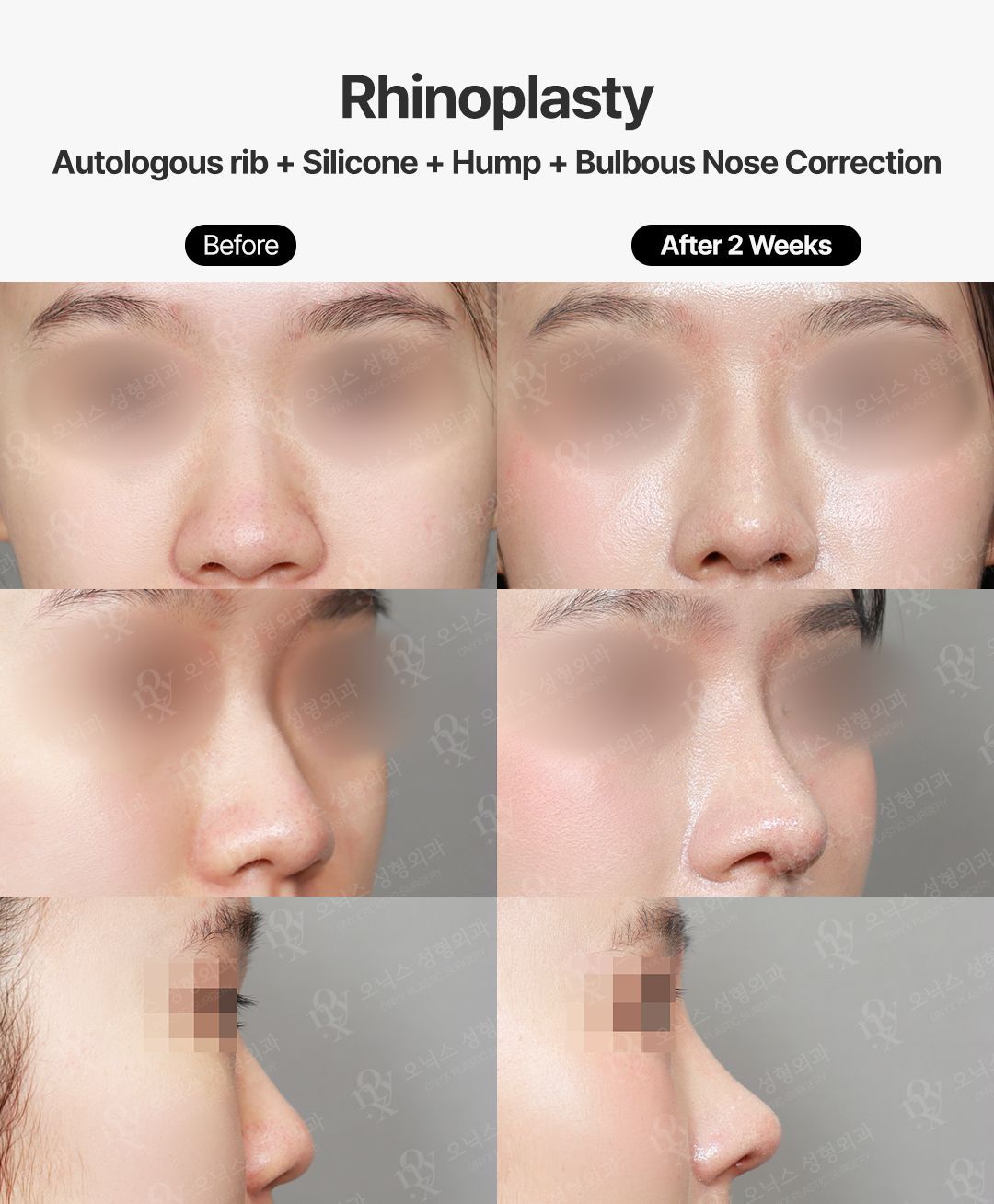
In modern Korean rhinoplasty, the most common approach is hybrid rhinoplasty, which combines both materials:
- Implant → for smooth, predictable bridge height
- Cartilage → for tip support, projection, and stability
This approach:
- Reduces pressure on the implant
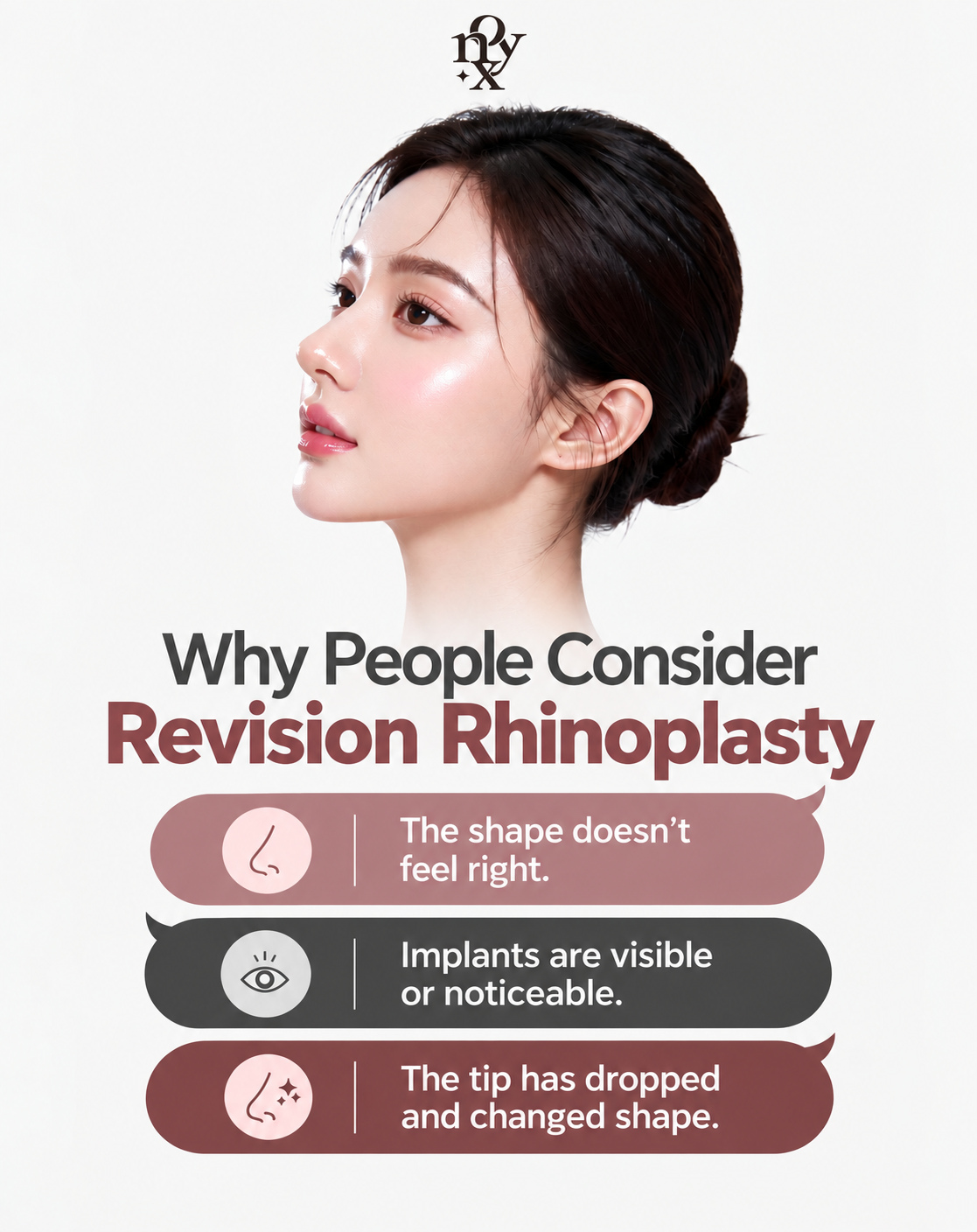
- Prevents tip drooping
- Creates a more natural result
- Improves long-term safety
Pure implant-only rhinoplasty is less common in experienced clinics today.
Which Option Is Safer?
Neither implants nor cartilage are inherently unsafe.
Safety depends on:
- Proper patient selection
- Conservative design (avoiding excessive height)
- Precise surgical technique
- Surgeon experience
Most complications come from over-augmentation or poor indication, not the material itself.
Common Mistakes to Avoid
🚩 Choosing based on trend or influencer advice
🚩 Using implants to shape the nasal tip
🚩 Over-raising the bridge
🚩 Ignoring long-term revision implications
These are the most common causes of dissatisfaction and revision surgery.
How Surgeons Decide During Consultation
A proper consultation evaluates:
- Skin thickness
- Nasal bridge height
- Cartilage strength
- Tip support needs
- Revision history
- Desired aesthetic (subtle vs dramatic)
The final material choice should always be anatomy-driven, not marketing-driven.
Final Thoughts
Implant vs cartilage rhinoplasty is not about choosing one “better” method—it’s about choosing the right tool for your anatomy and goals.
- Implants excel at predictable bridge augmentation
- Cartilage excels at structural support and tip refinement
- The best results often come from using both together
A skilled surgeon will explain why a certain approach is recommended for you and how it affects both short- and long-term outcomes.
Balanced planning, conservative design, and realistic expectations are the true foundations of successful rhinoplasty.