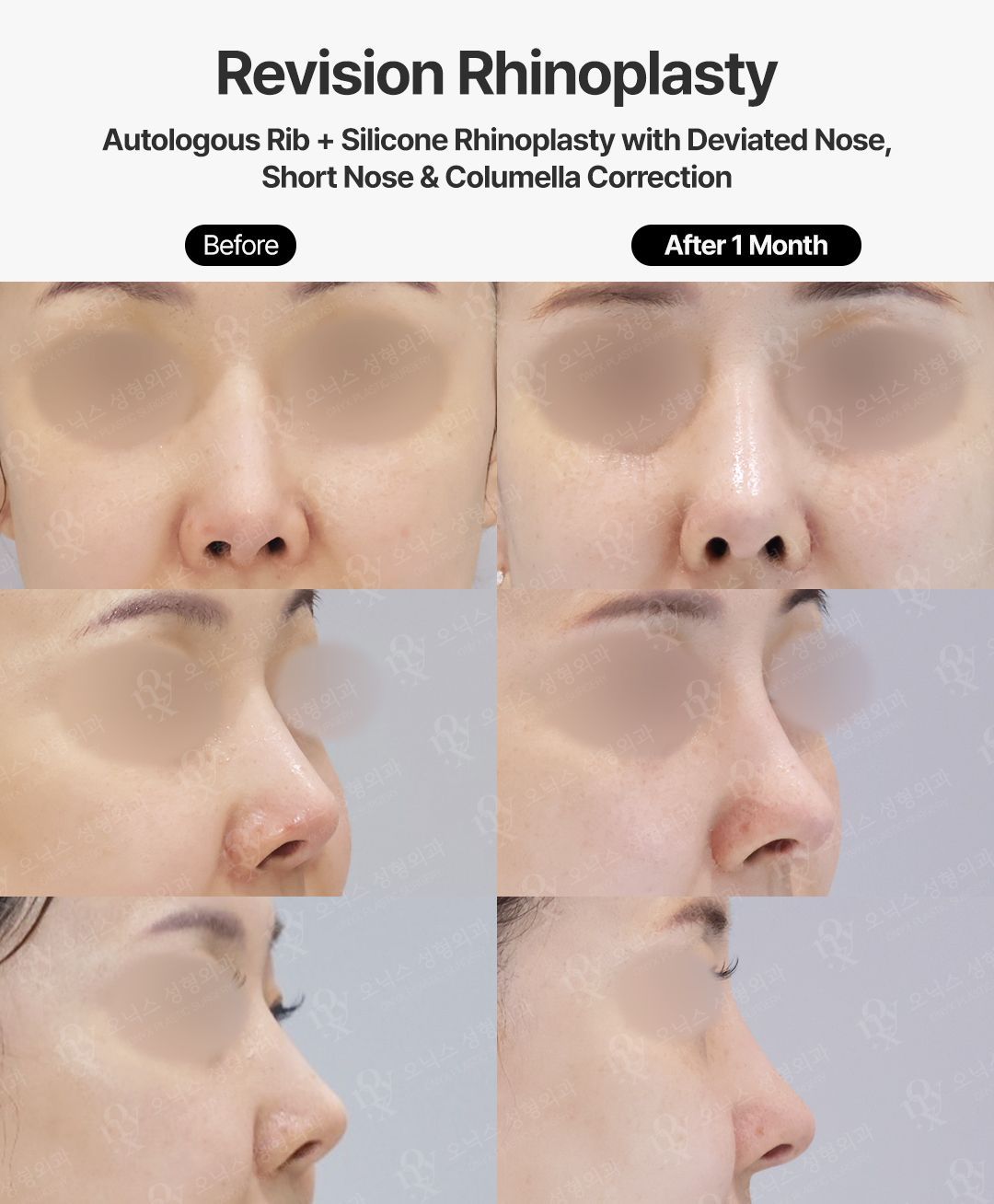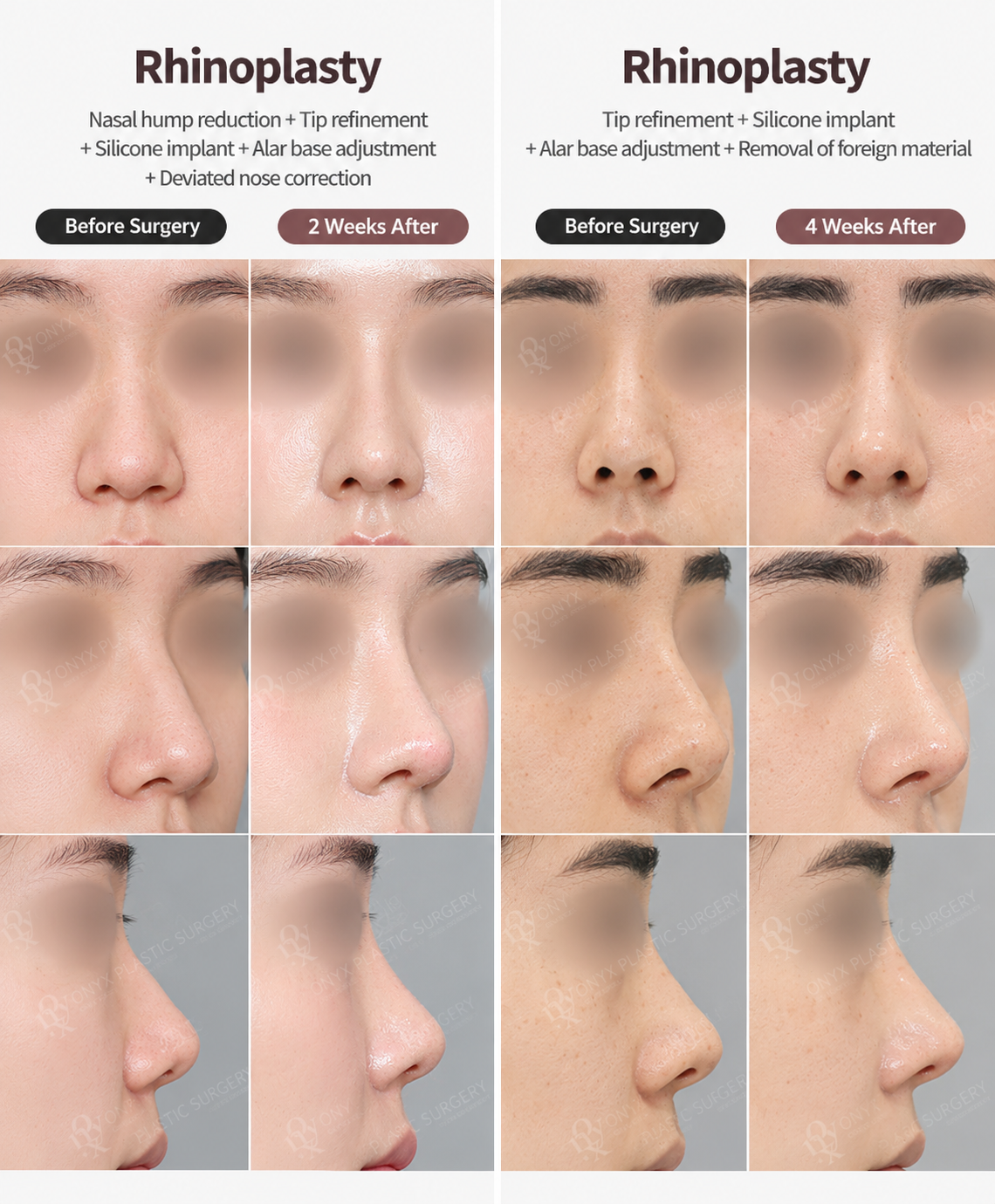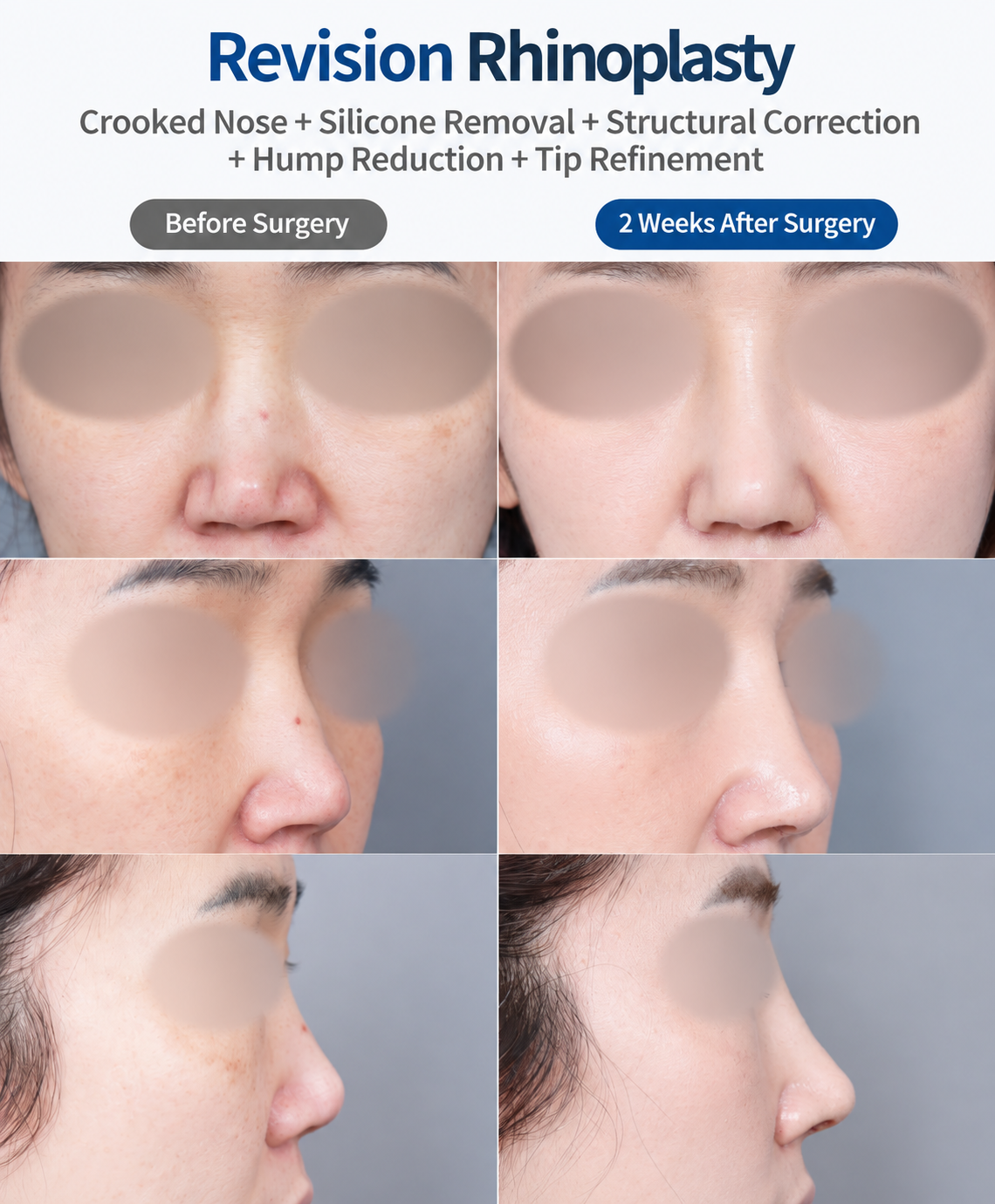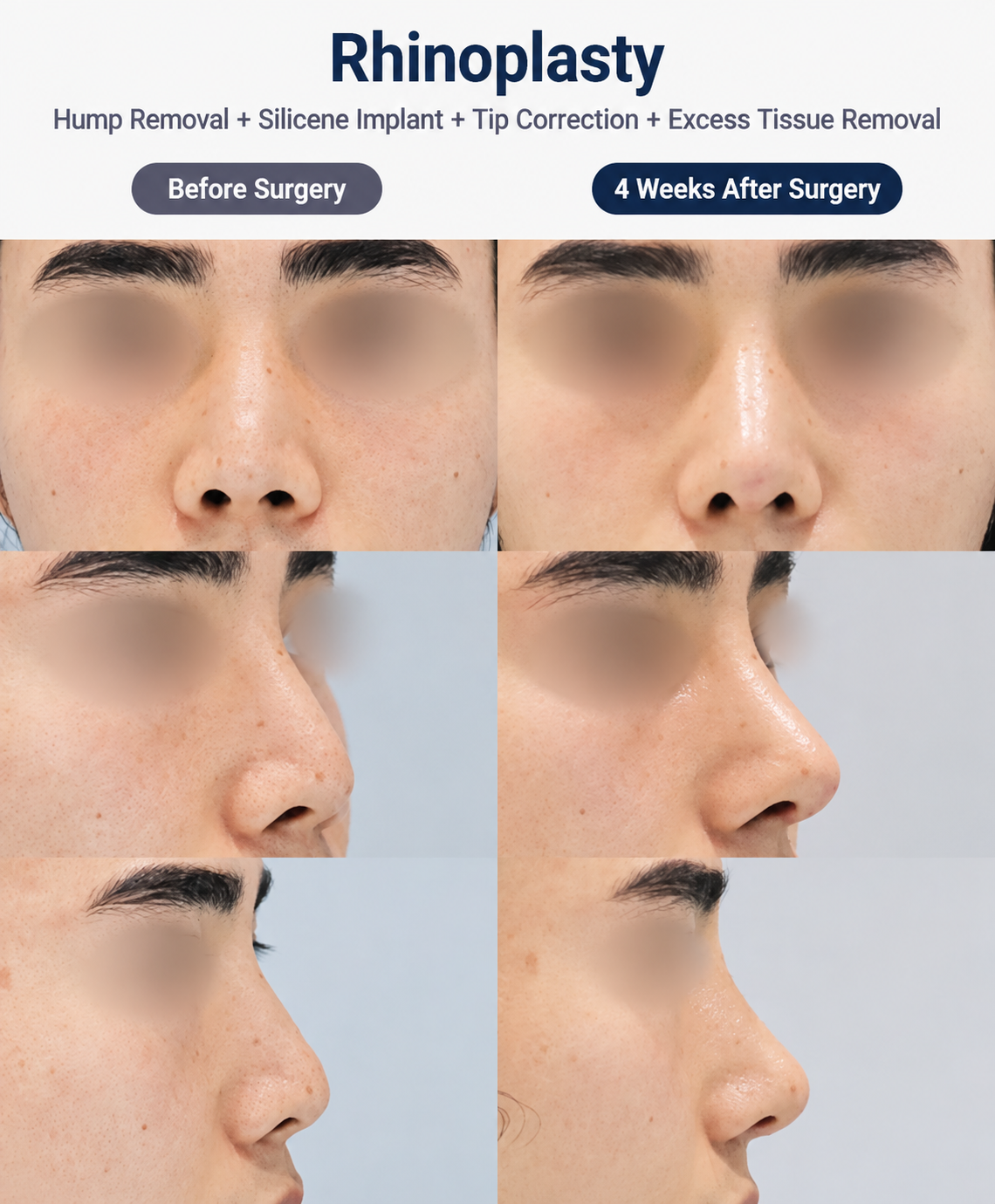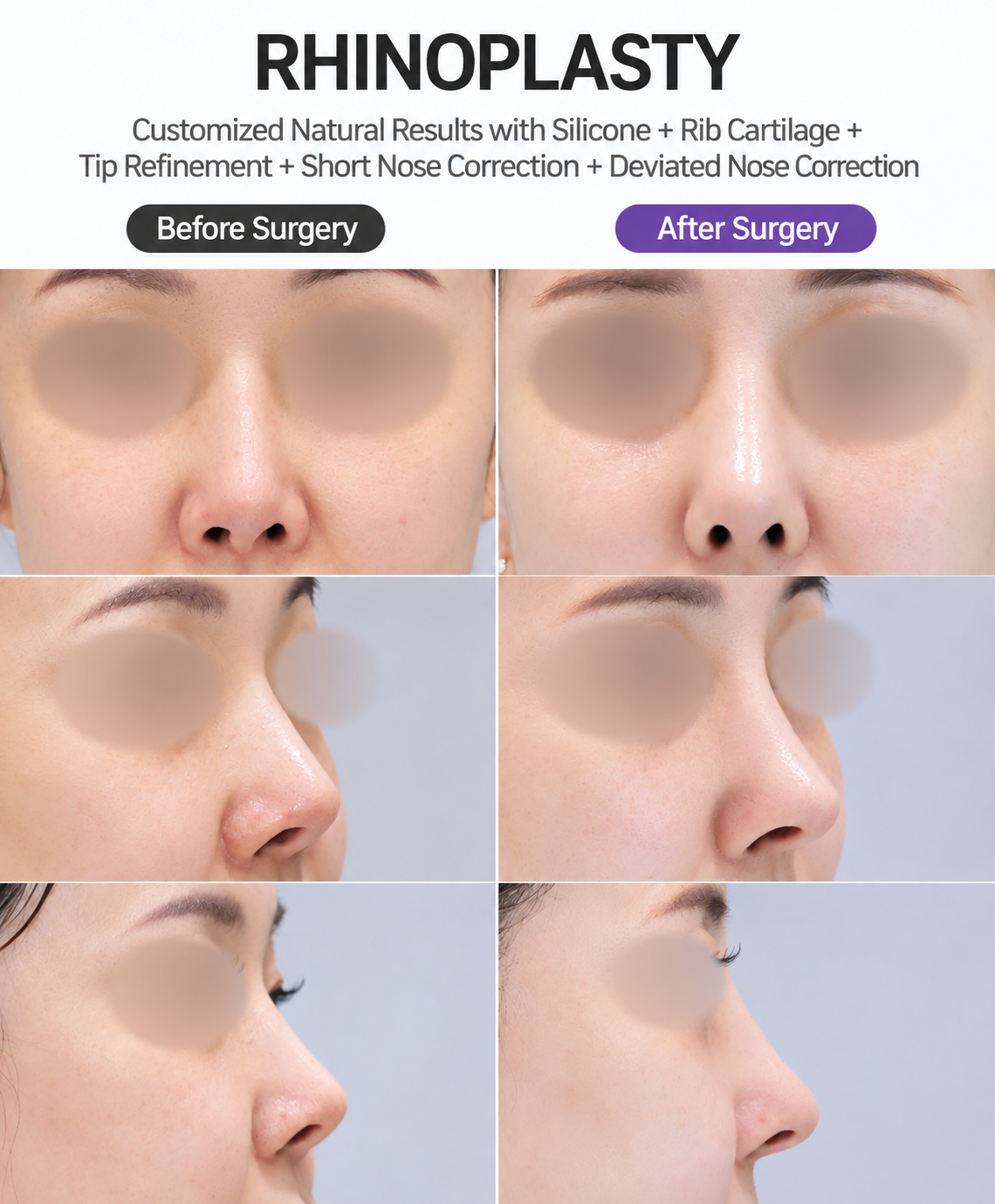
Rib cartilage rhinoplasty explained
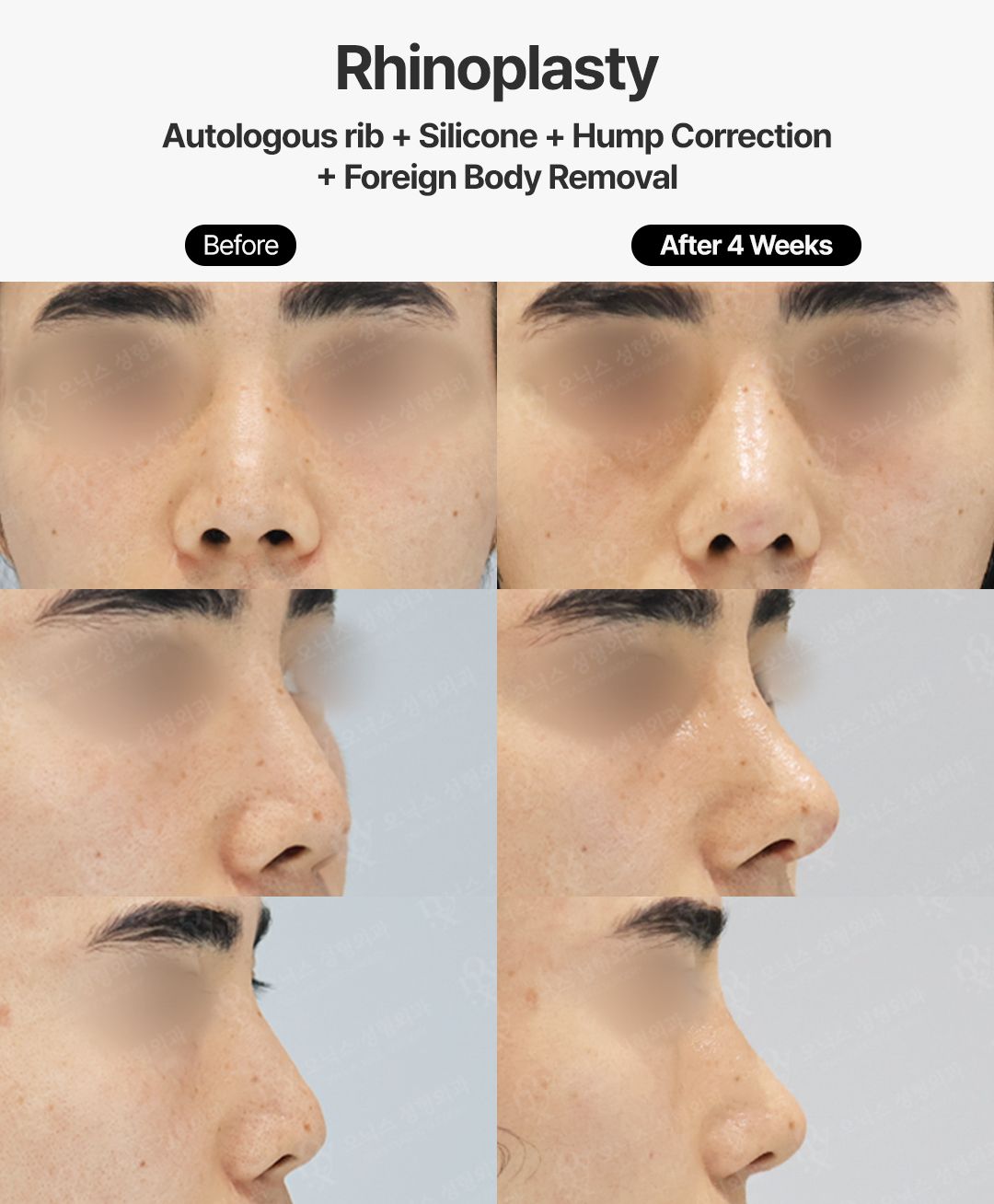
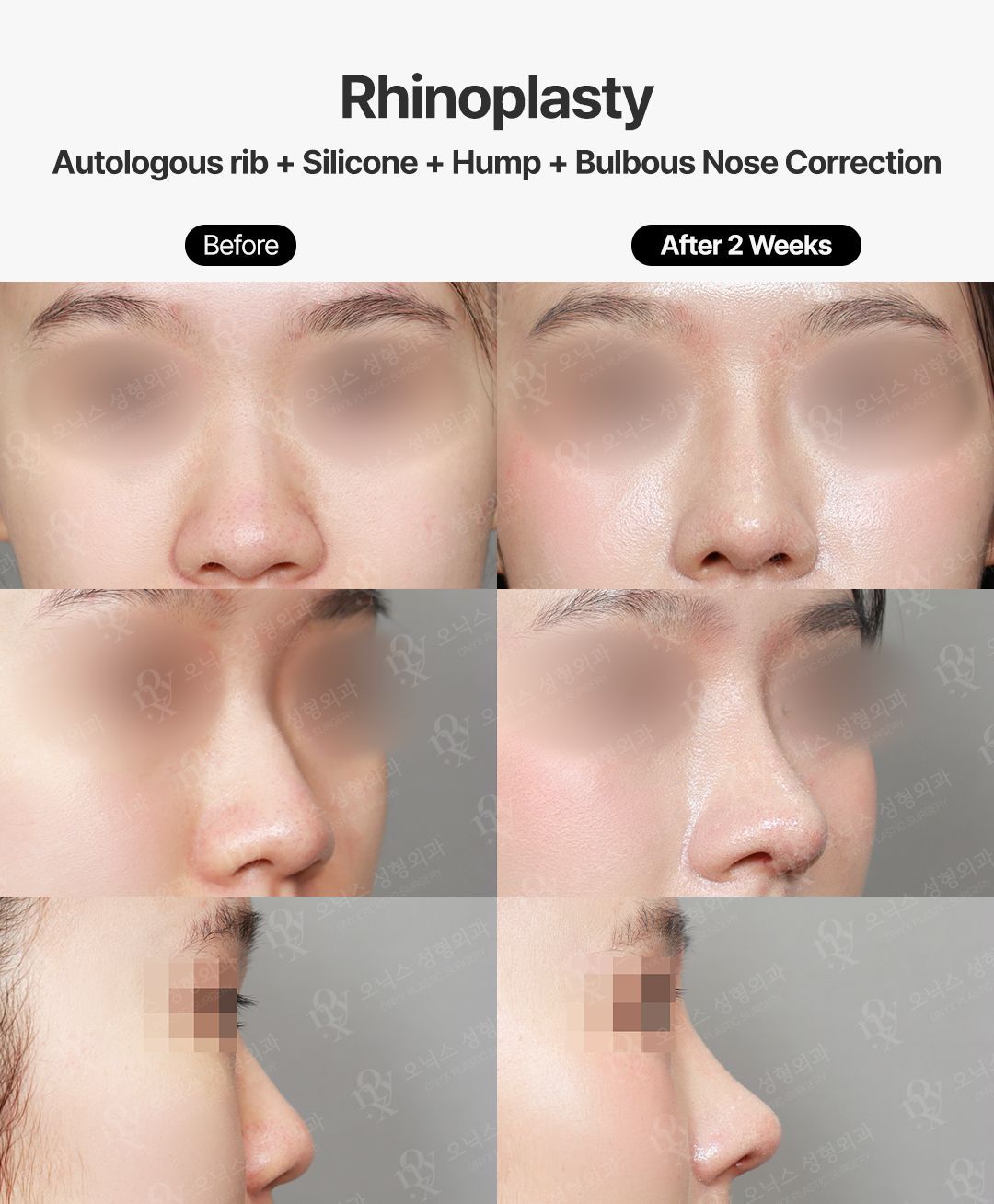
Rib cartilage rhinoplasty is a structural nose surgery technique that uses cartilage harvested from the patient’s rib to rebuild and support the nose. It is most commonly used in revision rhinoplasty, severe deformities, or cases where strong, long-lasting support is required.
Korea is widely known for rib cartilage rhinoplasty due to high revision case volume and advanced structural techniques.
What Is Rib Cartilage Rhinoplasty?
Rib cartilage rhinoplasty uses autologous cartilage (your own tissue) taken from the rib cage to:
- Rebuild nasal framework
- Restore nasal length and projection
- Provide strong tip and bridge support
- Correct deformities from previous surgeries
Unlike implants, rib cartilage becomes a living part of the nose, offering durability and long-term stability.
When Is Rib Cartilage Necessary?
Rib cartilage is usually recommended when other cartilage sources are insufficient.
Common Indications
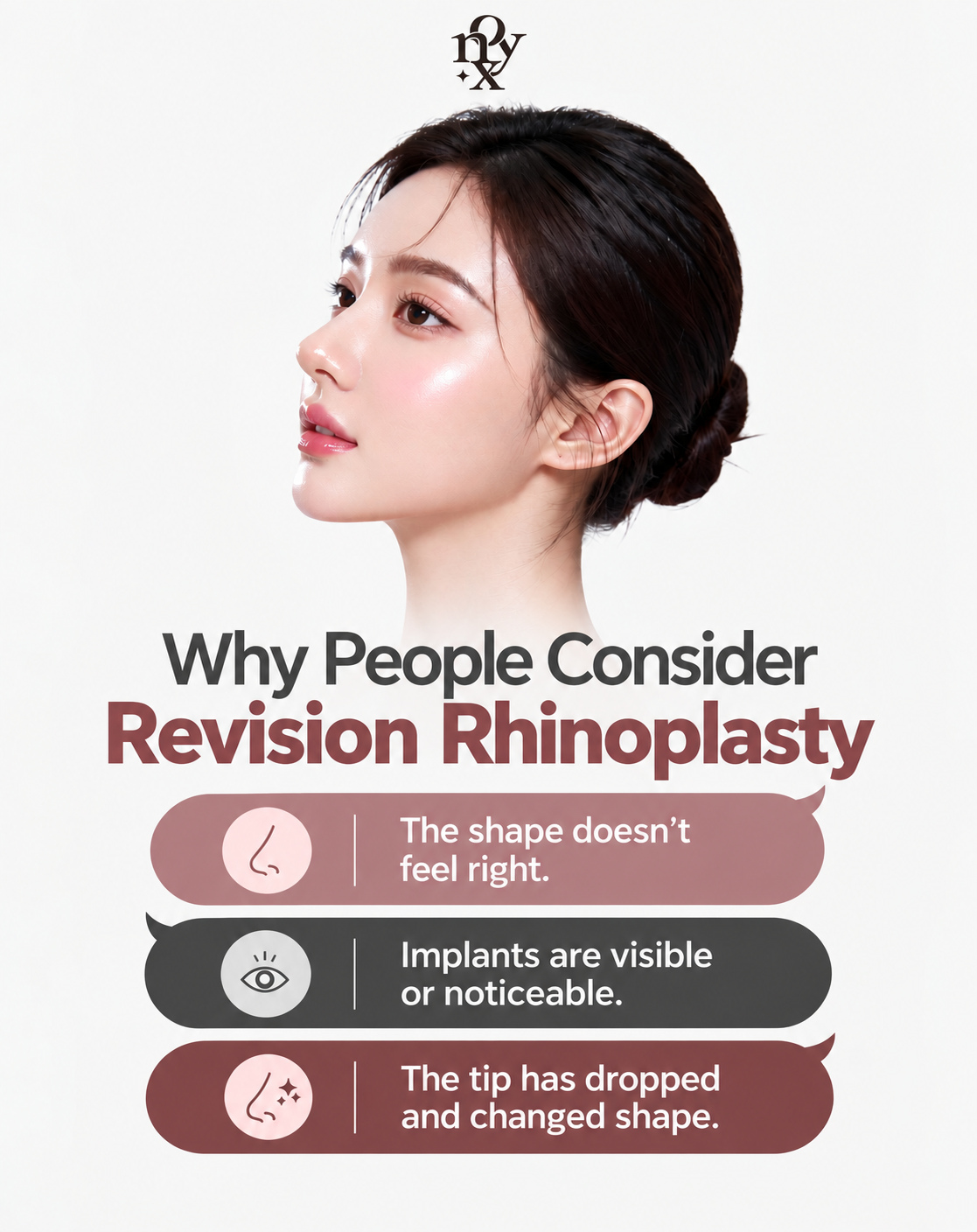
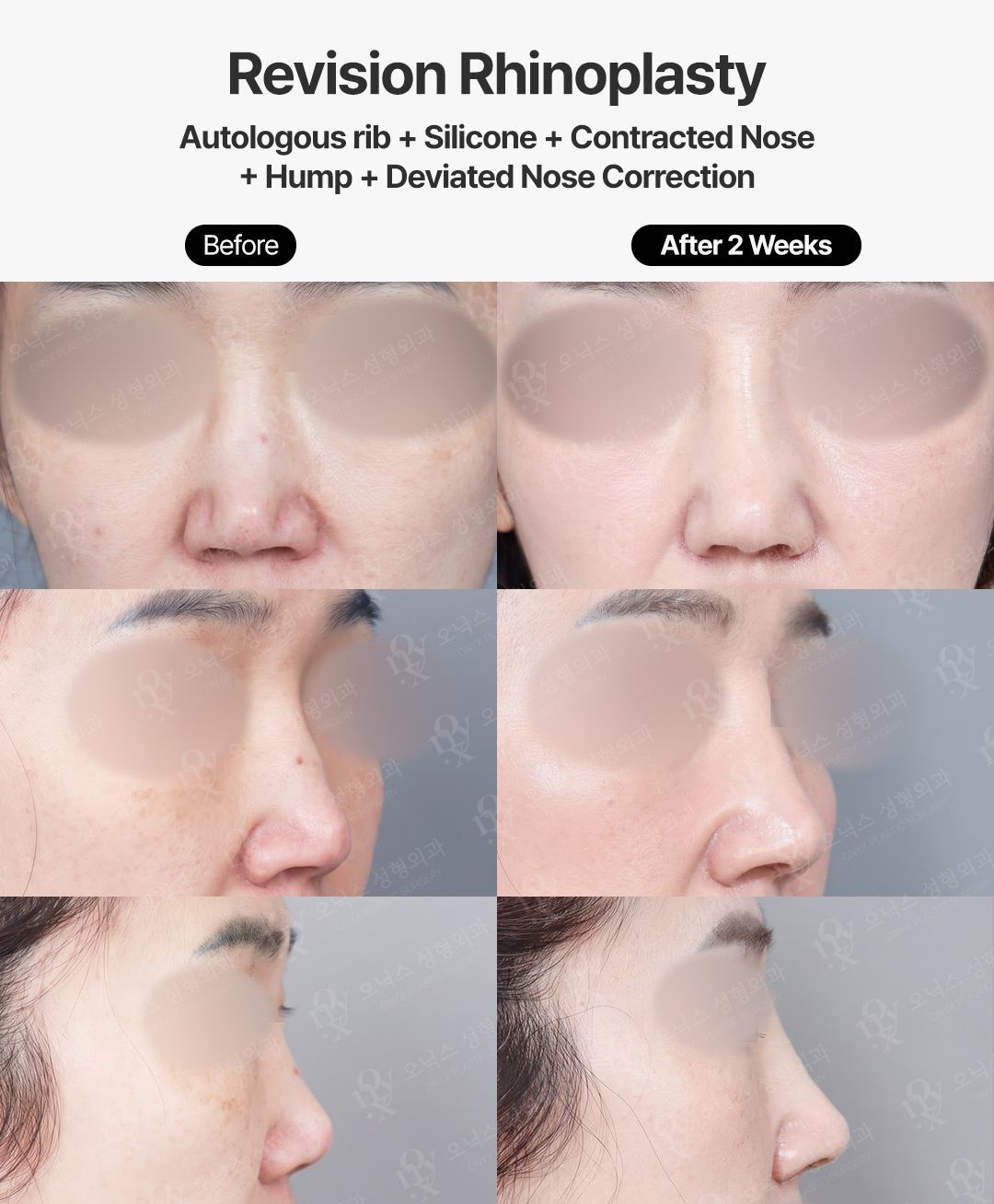
- Revision rhinoplasty after implants or failed surgery
- Contracture nose or short nose deformity
- Severe structural weakness
- Implant exposure or infection history
- Thin skin with high structural demand
- Multiple previous surgeries with depleted septal cartilage
In primary rhinoplasty, rib cartilage is less common but may be used in select complex cases.
Why Rib Cartilage Is Different From Other Cartilage
Compared to Septal Cartilage
- Septal cartilage is limited in quantity
- Rib cartilage provides large volume and strength
Compared to Ear Cartilage
- Ear cartilage is softer and curved
- Rib cartilage is strong, straight, and load-bearing
This makes rib cartilage ideal for major reconstruction, not just refinement.
How Rib Cartilage Rhinoplasty Is Performed
1. Cartilage Harvest
- A small incision is made along the chest crease
- A section of rib cartilage is carefully removed
- The chest wall is preserved for safety and function
The incision is typically 3–4 cm and fades over time.
2. Cartilage Preparation
- The cartilage is shaped and reinforced
- Anti-warping techniques are applied
- Multiple grafts may be created for different nasal areas
Proper carving is essential to prevent bending or asymmetry.
3. Nasal Reconstruction
Rib cartilage may be used to:
- Lengthen the nose
- Rebuild the nasal bridge
- Strengthen the tip (extension grafts)
- Correct collapse or deviation
The nose is rebuilt from the inside out, focusing on structure first.
Benefits of Rib Cartilage Rhinoplasty
- Strongest available structural support
- No synthetic implant
- Lower long-term risk of infection
- Ideal for severe or complex cases
- Durable, long-lasting results
For many revision patients, rib cartilage is the only reliable option.
Risks and Considerations
Nasal-Related
- Swelling lasts longer than primary rhinoplasty
- Tip stiffness during early healing
- Results take longer to fully refine
Rib Harvest-Related
- Temporary chest discomfort
- Small scar (usually well-hidden)
- Very rare risk of chest wall complications
With experienced surgeons, serious complications are uncommon.
Recovery Timeline
First 1–2 weeks
- Nasal splint in place
- Chest soreness manageable with medication
1–3 months
- Swelling gradually decreases
- Tip may feel firm or tight
6–12 months
- Final shape stabilizes
- Cartilage integrates fully
- Nose softens and looks more natural
Rib cartilage cases require patience—early appearance does not reflect final results.
Common Myths About Rib Cartilage Rhinoplasty
❌ “Rib surgery is dangerous”
→ Safe when properly performed by experienced surgeons
❌ “The scar is large and visible”
→ Usually small and hidden in natural creases
❌ “Rib cartilage always warps”
→ Modern carving and reinforcement techniques minimize warping risk
Why Korea Is Known for Rib Cartilage Rhinoplasty
Korea’s expertise comes from:
- High volume of complex revision cases
- Advanced anti-warping cartilage techniques
- Conservative aesthetic philosophy
- Strong focus on long-term stability
Many patients worldwide seek Korean surgeons specifically for rib cartilage reconstruction.
Who Is a Good Candidate?
You may be a good candidate if you:
- Need major nasal reconstruction
- Have had multiple prior rhinoplasties
- Cannot use implants again
- Want long-term structural stability
- Understand longer recovery timelines
Final Thoughts
Rib cartilage rhinoplasty is not a first-choice option for simple cases, but it is often the best and safest solution for complex or revision nose surgery. When performed by an experienced surgeon, it offers unmatched strength, durability, and correction potential.
For patients with severe deformities or failed prior rhinoplasty, rib cartilage reconstruction can restore both structure and confidence—with results designed to last.