Nose Fillers vs Surgical Rhinoplasty
Patients looking to improve the appearance of their nose often choose between non-surgical nose fillers and surgical rhinoplasty. While both can enhance nasal shape, they differ significantly in what they can fix, how long results last, and overall risk profile.
Understanding these differences is essential for making a safe and realistic decision.
What Are Nose Fillers?
Nose fillers (also called liquid rhinoplasty) use injectable fillers—most commonly hyaluronic acid—to reshape the nose without surgery.
What Nose Fillers Can Do
- Smooth small bridge depressions
- Improve minor asymmetry
- Create the appearance of a higher bridge
- Camouflage small humps
What Nose Fillers Cannot Do
- Reduce nose size
- Narrow the nose
- Correct structural problems
- Fix breathing issues
- Permanently change nose shape
Fillers work by adding volume, not removing or reshaping tissue.
What Is Surgical Rhinoplasty?
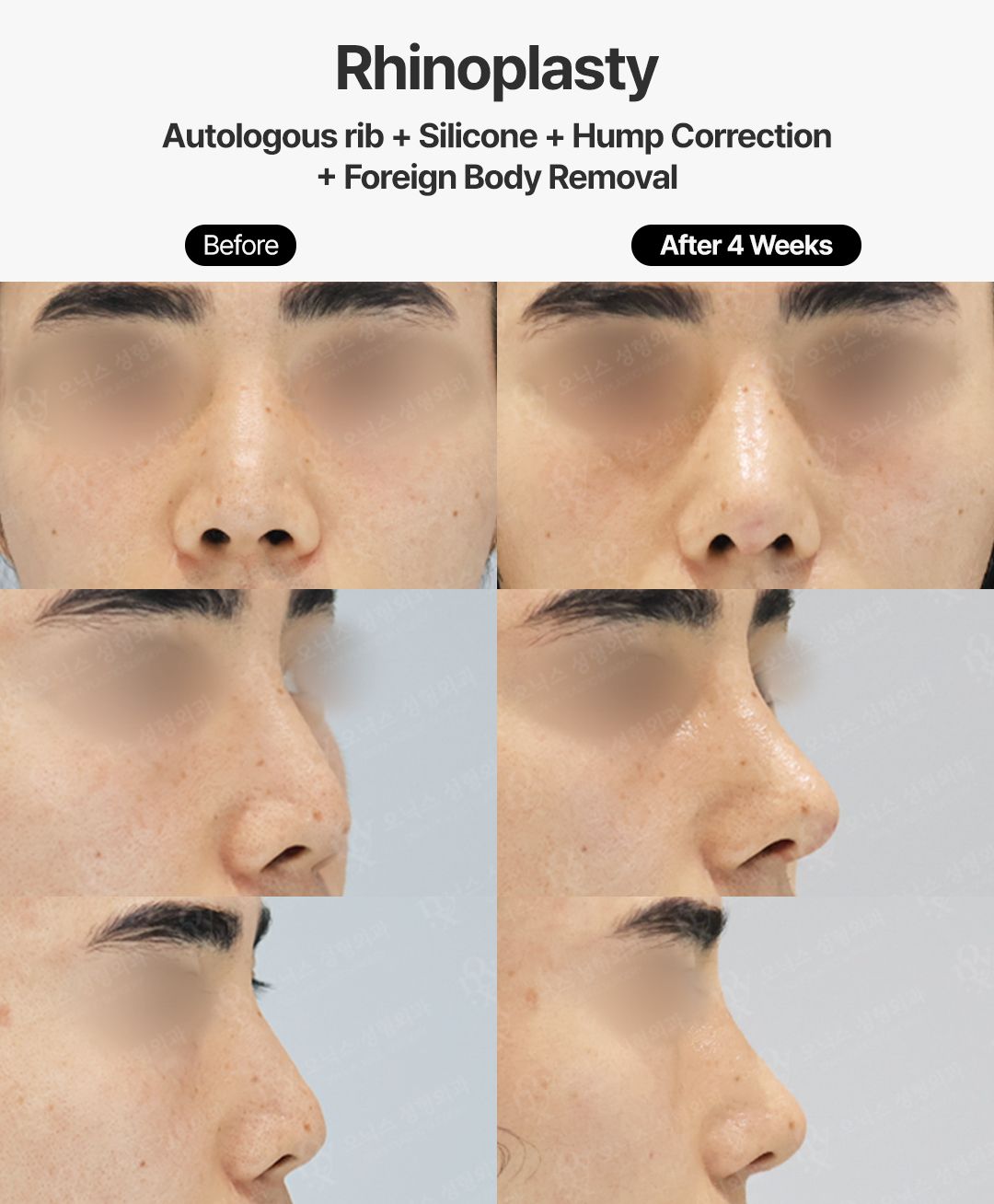
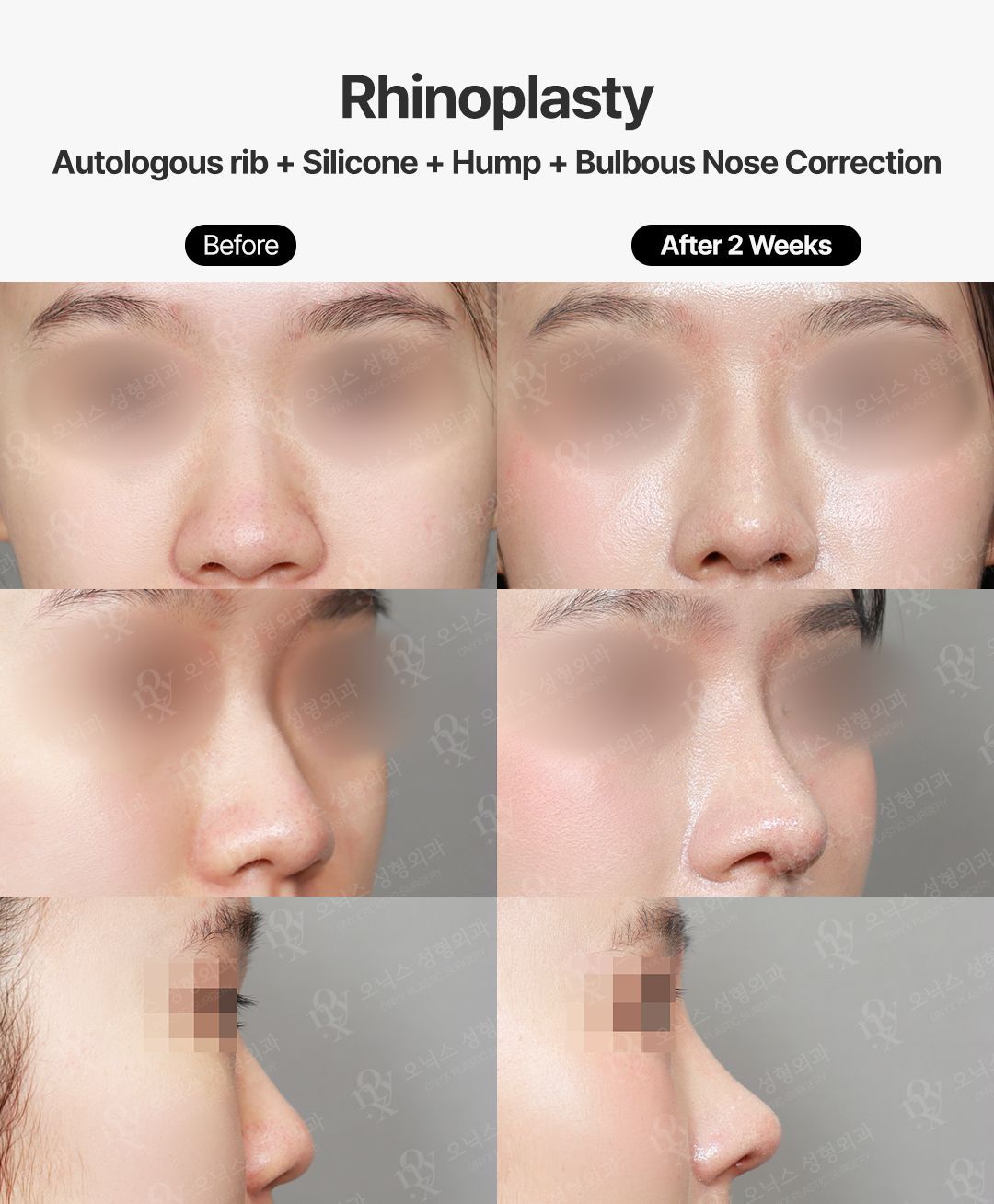
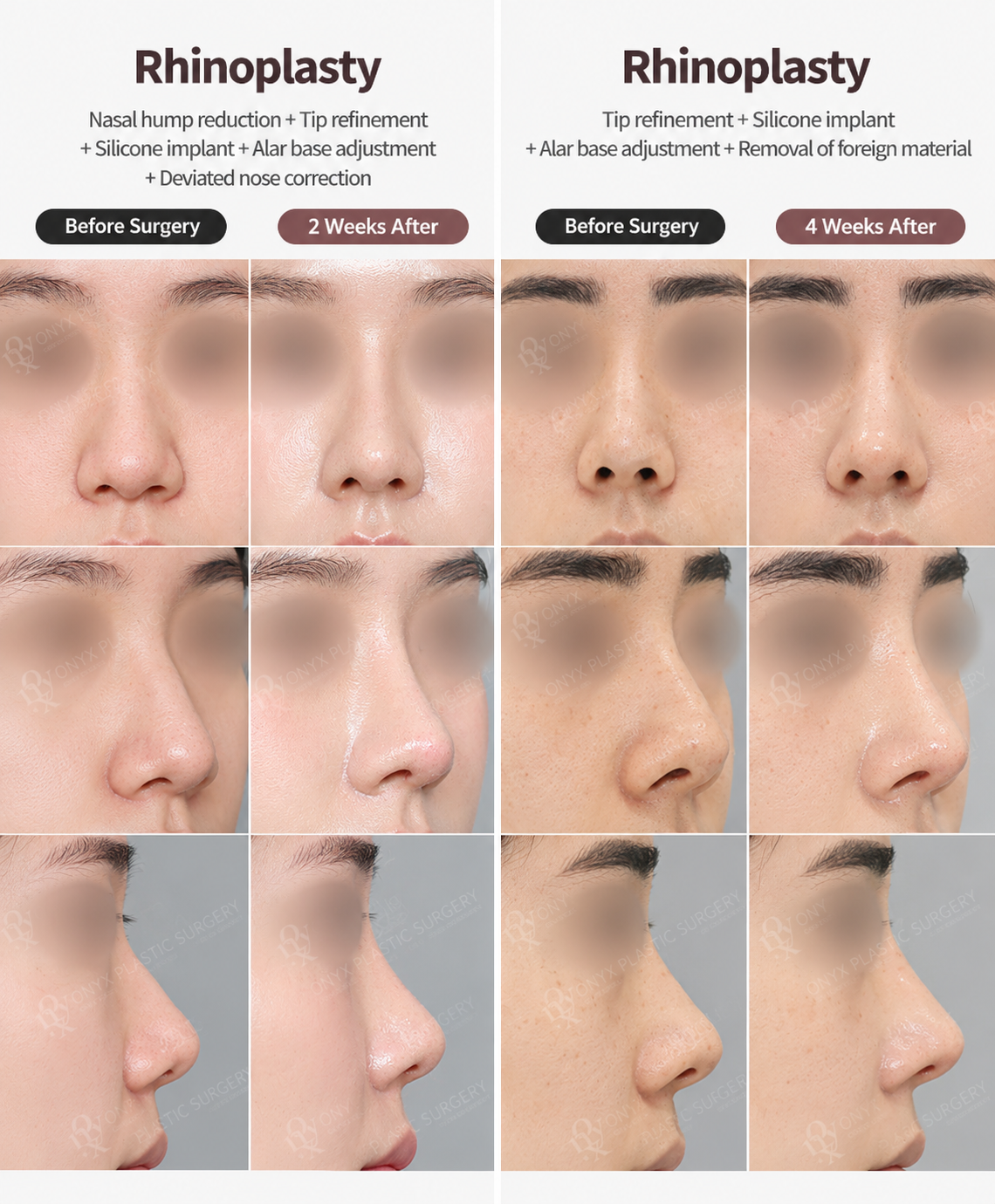
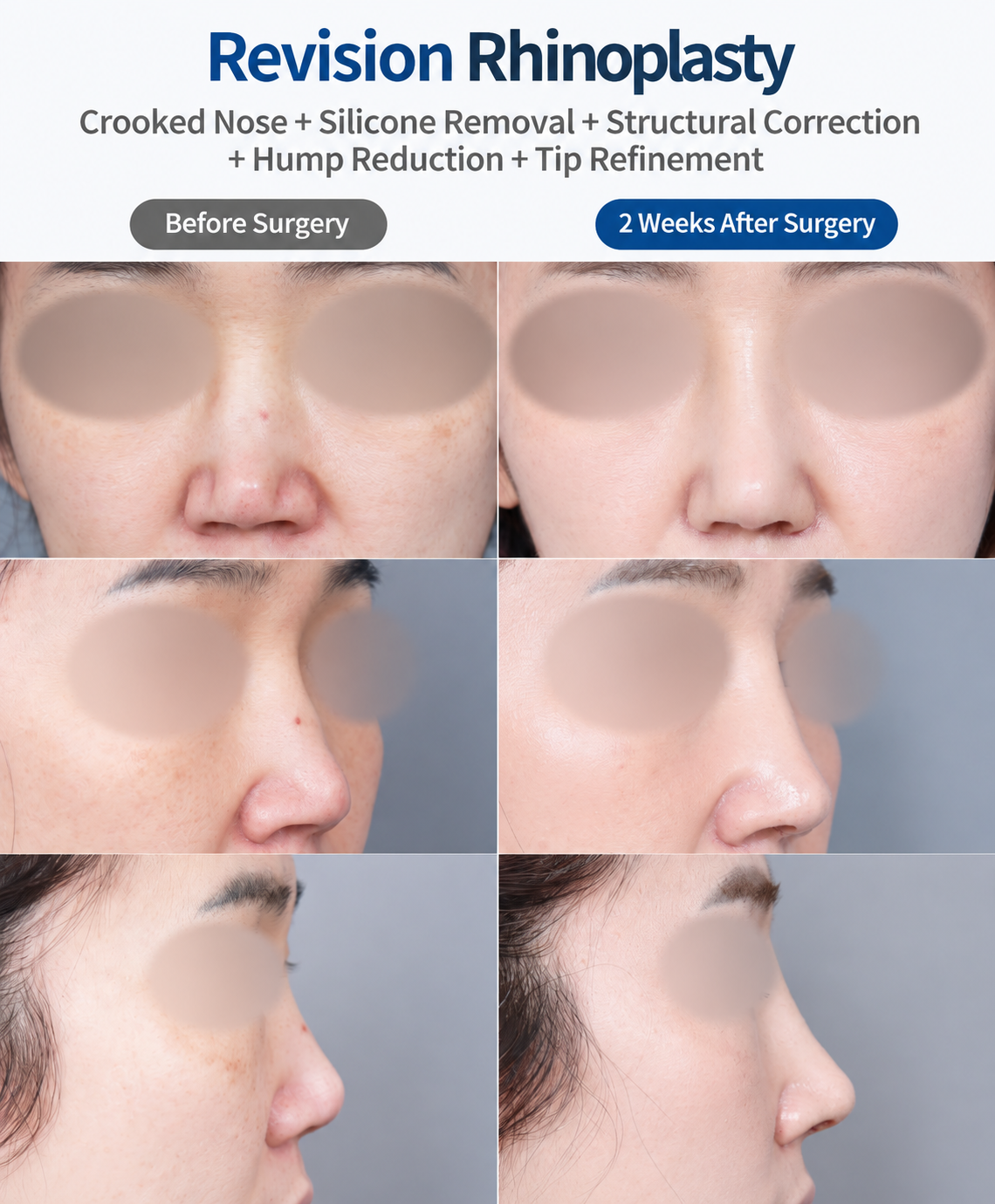
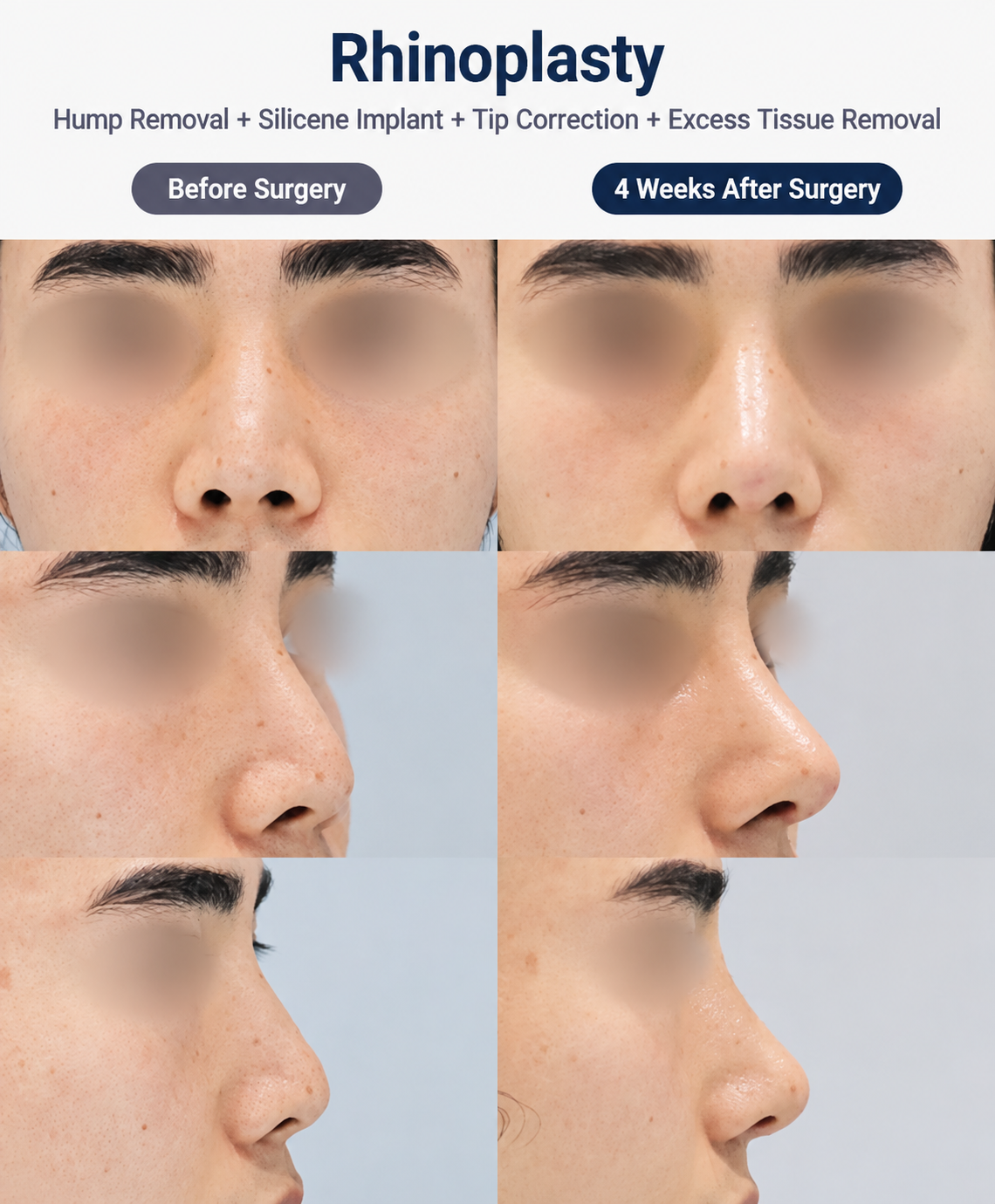
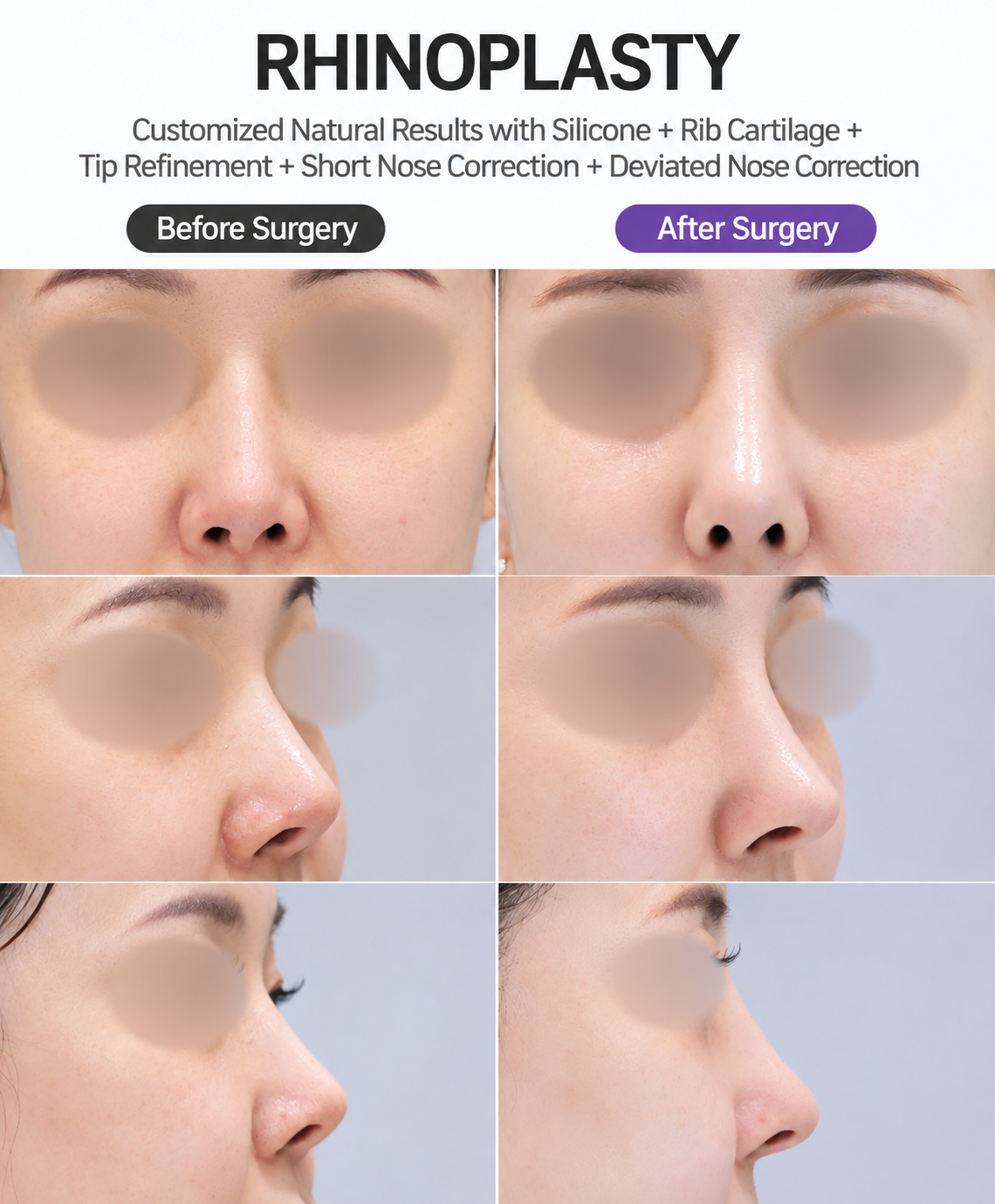
Surgical rhinoplasty permanently reshapes the nose by modifying bone, cartilage, and soft tissue.
What Surgical Rhinoplasty Can Do
- Reduce or increase nose size
- Narrow the bridge or tip
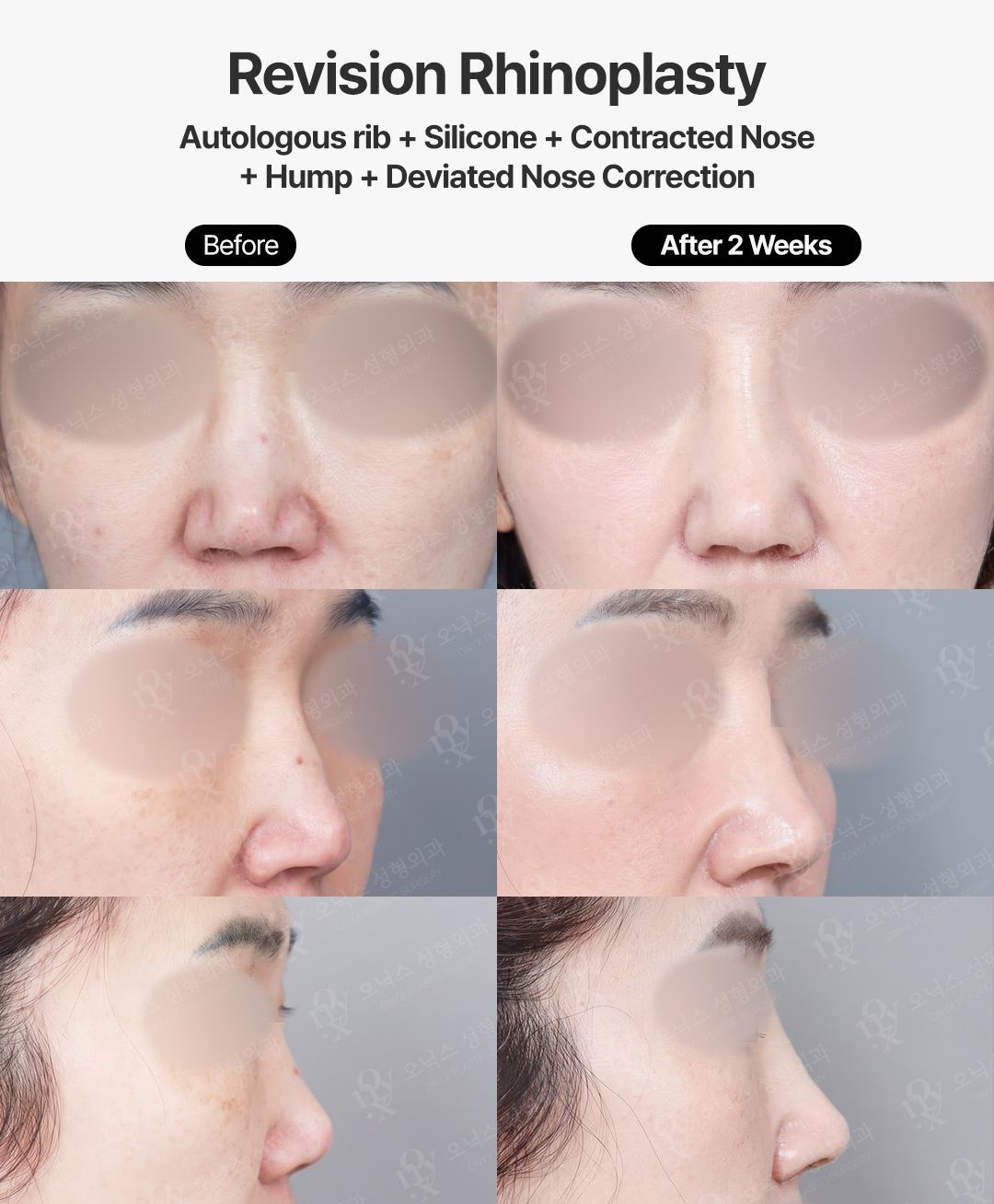
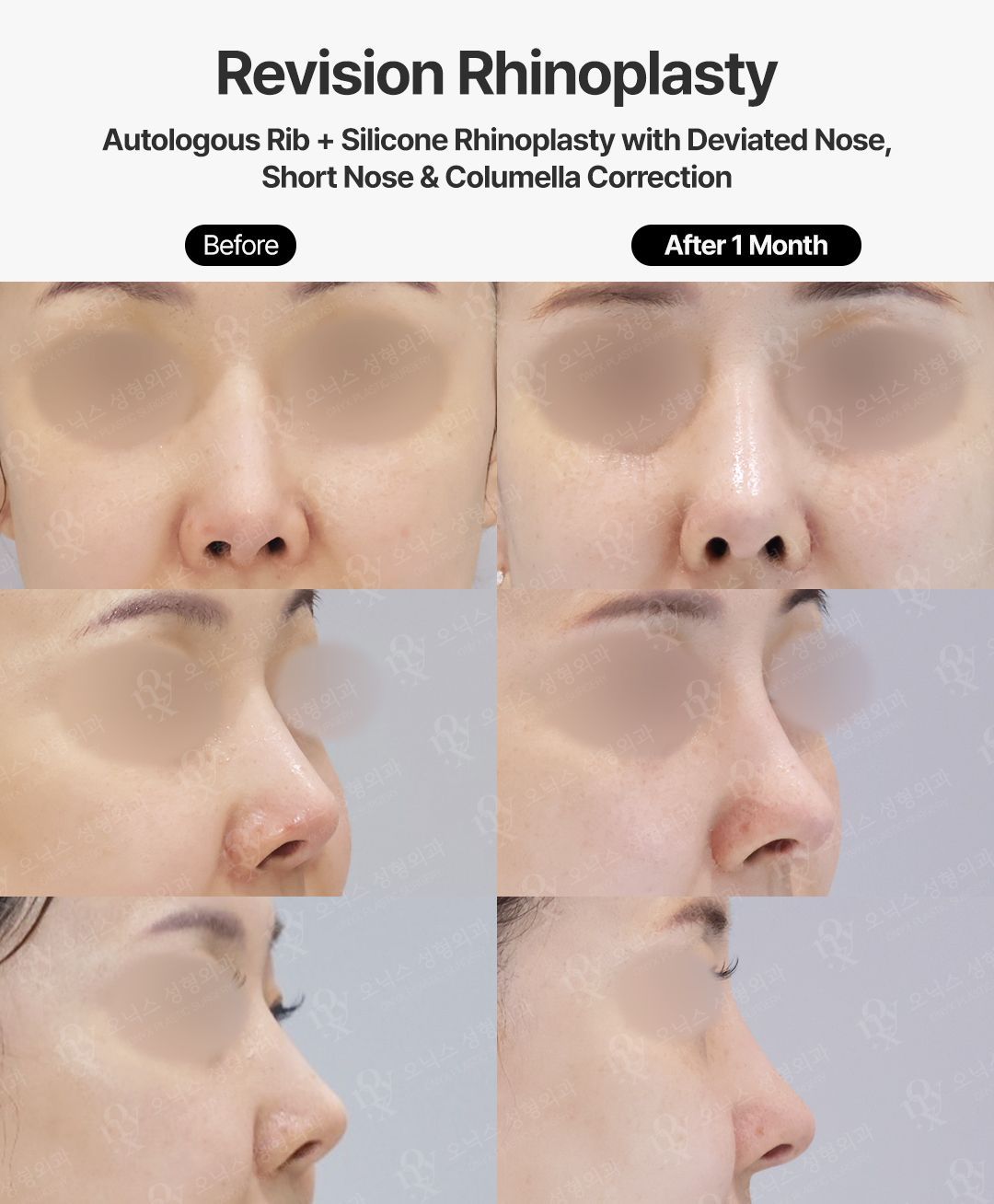
- Correct crooked or deviated noses
- Improve breathing (septoplasty)
- Fix deformities and revision cases
- Create long-term, stable results
Surgery addresses the root structure, not just surface appearance.
Nose Fillers vs Rhinoplasty: Key Differences
Type of Correction
- Fillers: Camouflage and volume addition
- Surgery: Structural reshaping
Longevity
- Fillers: Temporary (6–18 months)
- Surgery: Permanent
Downtime
- Fillers: Minimal (same day recovery)
- Surgery: 1–2 weeks initial recovery, months of refinement
Risk Profile
- Fillers: Rare but serious vascular risks
- Surgery: Surgical risks, but predictable when well planned
Cost Over Time
- Fillers: Lower upfront, higher long-term cost
- Surgery: Higher upfront, one-time investment
Safety Considerations (Very Important)
Nose Fillers Risks
The nose is a high-risk injection area.
Potential complications include:
- Vascular occlusion
- Skin necrosis
- Vision loss (rare but serious)
This is why nose fillers should only be performed by highly experienced medical professionals, and even then, cautiously.
Surgical Rhinoplasty Risks
Surgical risks include:
- Swelling and bruising
- Infection (rare)
- Asymmetry during healing
- Need for revision in some cases
With proper planning and an experienced surgeon, outcomes are generally predictable and stable.
Which Option Is Better for You?
Nose Fillers May Be Suitable If You:
- Want a temporary preview
- Have very mild cosmetic concerns
- Are not ready for surgery
- Accept maintenance treatments
Surgical Rhinoplasty Is Better If You:
- Want permanent results
- Need size reduction or structural change
- Have breathing issues
- Are considering revision correction
- Want long-term cost efficiency
Why Many Surgeons Are Cautious With Nose Fillers
In Korea and other advanced rhinoplasty centers, many surgeons:
- Use nose fillers sparingly
- Prefer surgery for structural issues
- Avoid fillers in patients who will later need rhinoplasty
Repeated fillers can cause scar tissue, making future surgery more complex.
Can Nose Fillers Replace Surgery?
No. Nose fillers and rhinoplasty serve different purposes.
Fillers are best viewed as:
- Temporary camouflage
- Minor aesthetic enhancement
Rhinoplasty is the definitive solution for:
- Structural correction
- Functional improvement
- Long-term change
Final Thoughts
Nose fillers and surgical rhinoplasty are not interchangeable. Fillers offer convenience and minimal downtime but are temporary and limited in scope. Surgical rhinoplasty provides permanent, comprehensive correction but requires recovery and careful planning.
The safest and most satisfying outcomes come from:
- Accurate diagnosis
- Realistic expectations
- Choosing the right treatment for your anatomy
A professional consultation is essential to determine which option aligns best with your goals and long-term plans.