Contracted Nose Correction with Rib Cartilage in Korea | Short-Nose Reconstruction Guide
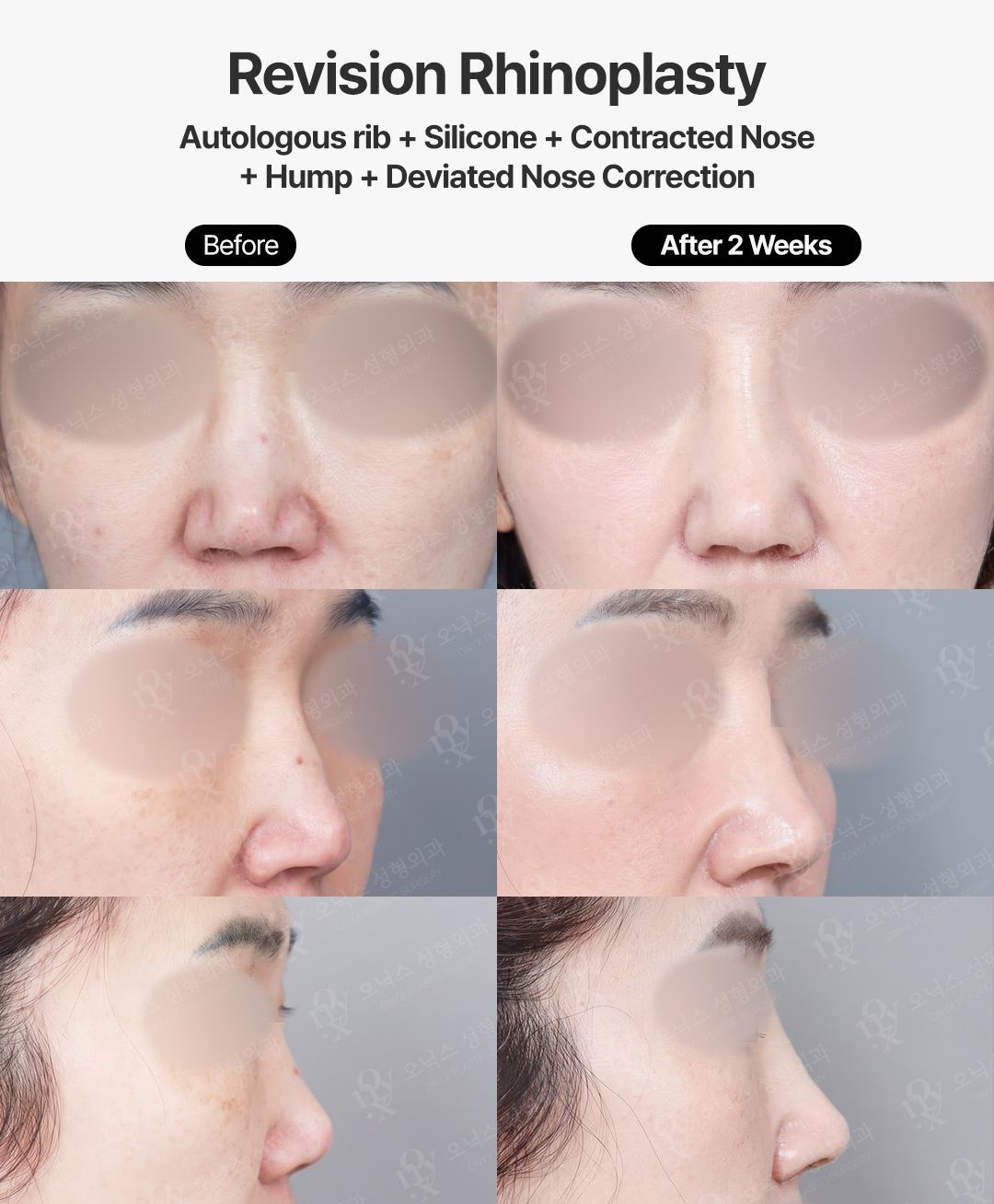
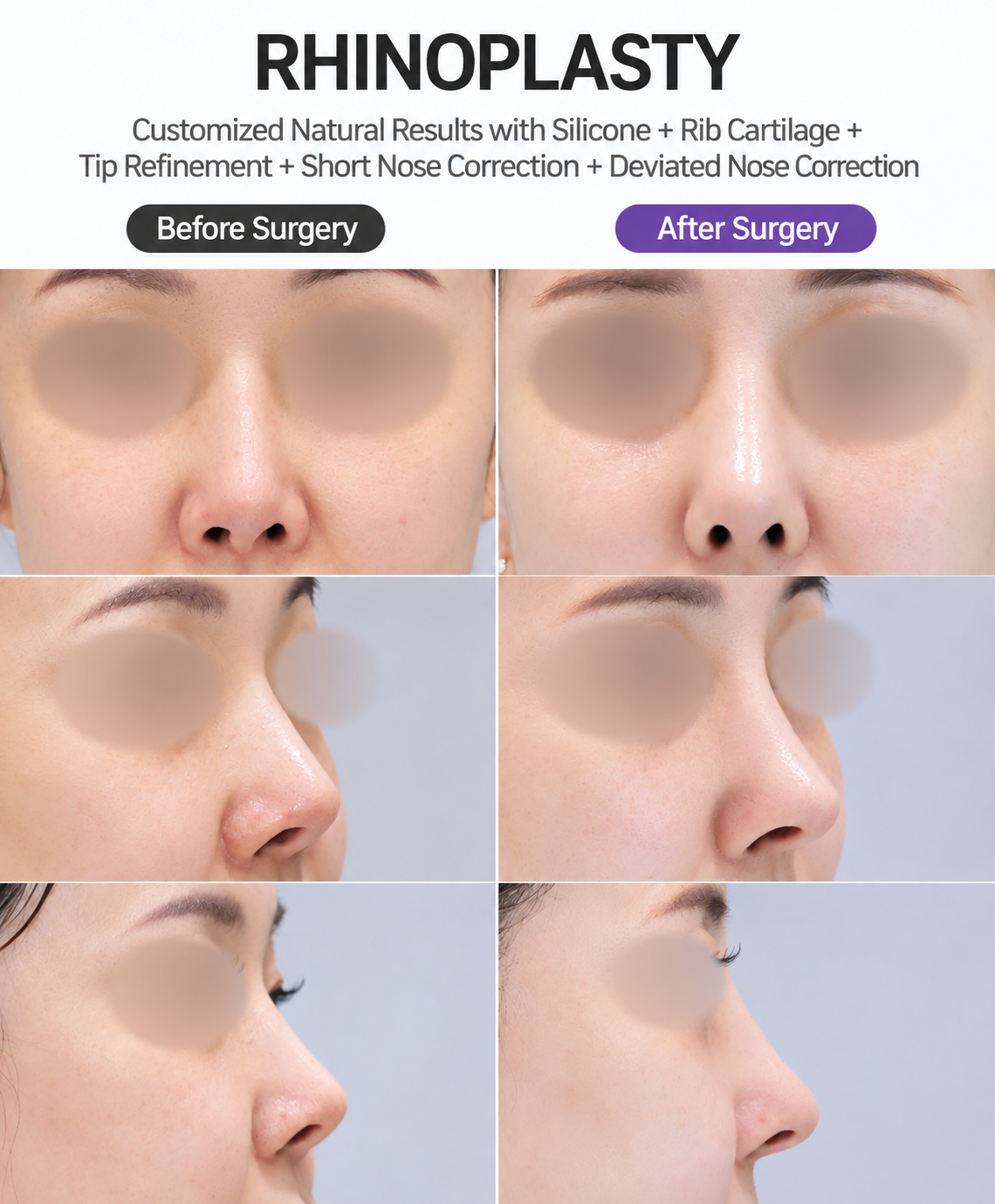
A contracted nose — also known as a short nose or retracted nose — is one of the most difficult rhinoplasty complications to correct. It usually appears after over-aggressive previous surgery, implant complications, infection, or excessive cartilage removal.
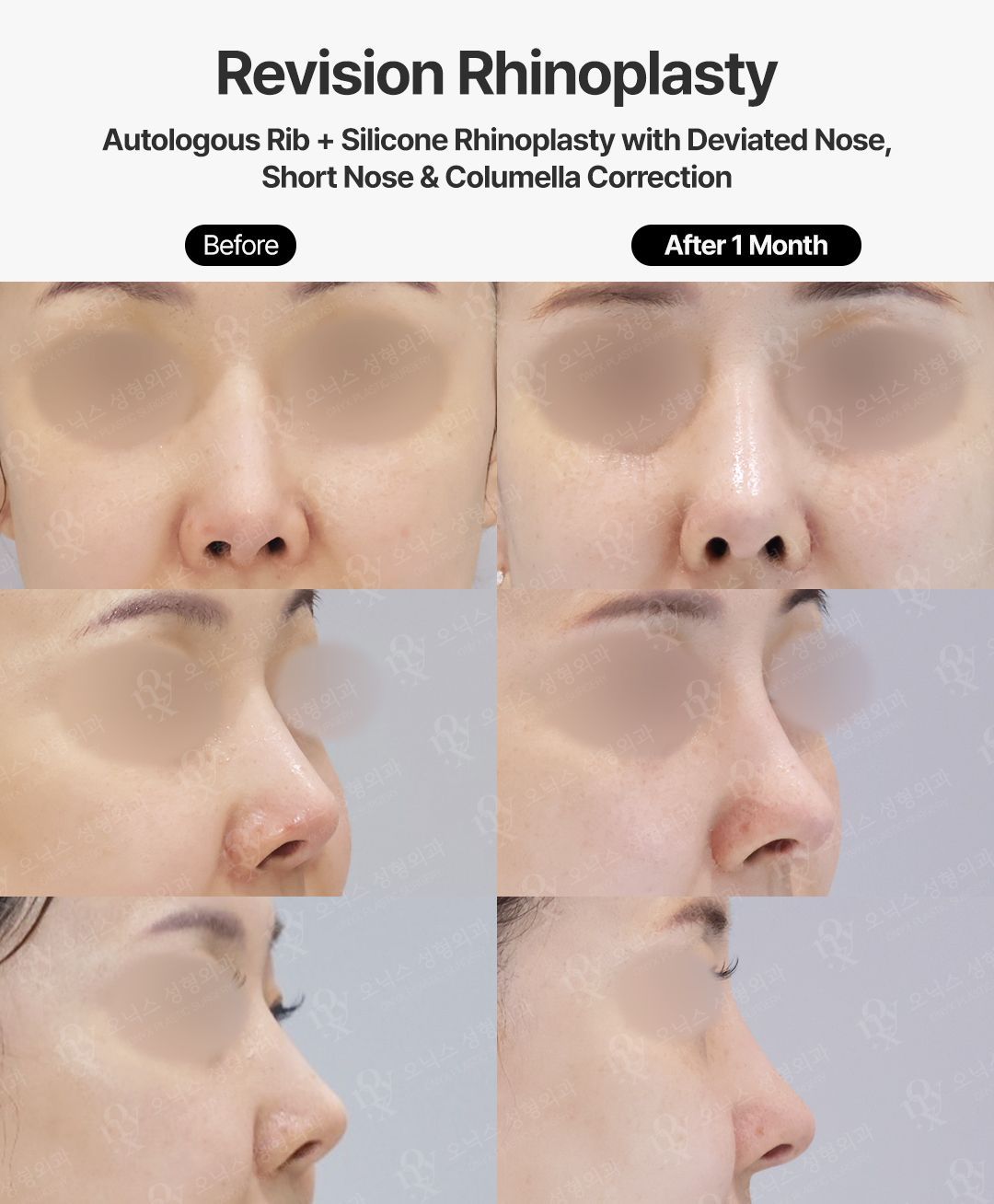
The nose becomes shortened, overly rotated, stiff, and often displays excessive nostril show. In severe cases, the skin feels tight, and breathing becomes difficult.
Korea is considered one of the leading destinations for contracted nose correction, especially using rib cartilage, which provides the strong structural rebuilding needed for long-term, natural results.
What Is a Contracted Nose?
A contracted nose occurs when internal support structures are weakened or removed, causing the nose to shorten and rotate upward.
Common Signs
- Short, overly lifted nasal tip
- Excessive nostril exposure
- Stiff or immobile tip
- Pinched or narrowed bridge
- Skin tightness
- Difficulty breathing
- Collapsed nasal valves
- Visible or palpable implant edges (if previous implant was used)
This condition typically develops after:
- Over-resection during rhinoplasty
- Implant infection
- Multiple previous surgeries
- Trauma
- Scar tissue or contracture
Correcting it requires adding structure, not removing anything further.
Why Rib Cartilage Is Essential for Contracted Nose Repair
Contracted noses need large amounts of strong cartilage to rebuild the internal framework and restore proper length and angle. Rib cartilage is the only material that provides:
✔ Abundant volume
✔ Strong mechanical support
✔ Ability to resist contracture
✔ Long-term stability
✔ Reliable shaping for tip and columella reconstruction
Septal or ear cartilage is often insufficient because contracted noses require reconstruction, not refinement.
How Contracted Nose Correction Is Performed in Korea
Korean surgeons specialize in advanced structural reconstruction. The surgery typically involves multiple steps:
1. Removing Old Implants or Scar Tissue
Any previous silicone, Gore-Tex, or scar tissue causing tension must be removed carefully to free the skin and soft tissue.
2. Harvesting Rib Cartilage
A small incision is made near the chest or breast line.
Modern techniques minimize pain and prevent chest deformity.
3. Rebuilding the Nasal Framework
This is the most critical step. Surgeons use rib cartilage to:
a. Lengthen the Nose
A septal extension graft or L-strut reconstruction creates a stable foundation that restores natural length.
b. Lower the Tip Rotation
Strong cartilage grafts reposition the tip downward into a more balanced angle.
c. Support the Columella
Columellar strut grafts add vertical support and prevent the nose from rotating upward again.
4. Restoring the Bridge (If Needed)
If the bridge is irregular, collapsed, or narrowed, rib cartilage or a soft implant can be used to rebuild it.
5. Alar Rim Restoration
Contracture often causes retracted alar rims. Rib cartilage grafts help:
- Lower the nostril rims
- Reduce nostril exposure
- Smooth the curve of the nostrils
6. Ensuring Functional Breathing
Because contracted noses often disrupt airflow, surgeons address:
- Internal valve collapse
- Septal deviation
- Narrowed airway
- Weak side walls
Breathing is improved along with appearance.
What Results You Can Expect
After rib cartilage reconstruction, patients usually see:
- A longer, more natural nose profile
- Reduced nostril show
- A softer, more flexible nasal tip
- Better overall symmetry
- Strong structural stability
- Improved breathing
- Prevention of re-contracture
The final shape continues to refine for 6–12 months as swelling resolves.
Why Korea Is the Best for Contracted Nose Correction
✔ World-leading expertise in rib cartilage rhinoplasty
✔ High volume of revision + complex cases
✔ Natural results that match Asian facial balance
✔ Focus on airway function and structural integrity
✔ Advanced techniques to prevent warping of rib cartilage
✔ Detailed aftercare for swelling and recovery
Korean surgeons combine aesthetic sensitivity with advanced reconstructive techniques, giving patients long-lasting improvements even after severe complications.
Recovery Timeline
Week 1
- Splint removal
- Bruising and swelling peak
Weeks 2–4
- Nose shape becomes more visible
- Breathing starts improving
3–6 Months
- Tip softens
- Final length and angle settle
6–12 Months
- Structural grafts fully stabilize
- Final contour achieved
Because this is a major reconstructive procedure, healing takes longer than primary rhinoplasty.
Is Rib Cartilage the Only Option?
For mild cases, septal or ear cartilage may be used, but moderate to severe contracted noses almost always require rib cartilage for predictable, lasting results.
Synthetic implants are generally avoided because contracted noses need strong, living support, not fillers or temporary corrections.
Final Thoughts
Contracted nose correction is one of the most challenging types of rhinoplasty — and one of the most transformative when performed properly. Rib cartilage provides the strength, stability, and flexibility needed to rebuild the nose and restore a natural, harmonious appearance.
Korea remains one of the top destinations for this procedure thanks to surgeons who specialize in complex structural cases and revision rhinoplasty.
If your goal is to fix a short, upturned, or deformed nose with long-lasting results, rib cartilage reconstruction offers the most reliable solution.