Ear Cartilage vs Rib Cartilage: Which Is Better?
Cartilage grafts are one of the most important parts of structural rhinoplasty — especially in Korea, where natural, stable, long-lasting results are a priority. When building the nasal tip, strengthening support, correcting deviations, or performing revision rhinoplasty, surgeons often choose between ear cartilage and rib cartilage.
Both materials have clear advantages, and the “better” option depends entirely on your nose type, goals, and whether you’ve had previous surgery.
Here’s a simple guide comparing ear cartilage vs rib cartilage and how Korean surgeons decide which is best for each patient.
Why Cartilage Grafts Are Needed in Rhinoplasty
Cartilage grafts help:
- Support the nasal tip
- Lengthen the nose
- Strengthen weak structures
- Straighten crooked noses
- Build projection
- Correct overly short or upturned noses
- Provide long-term stability
- Repair damage from previous surgery
Korean rhinoplasty heavily relies on grafting because it creates natural, stable shapes that don’t collapse over time.
Ear Cartilage (Conchal Cartilage)
Ear cartilage is taken from the inner curve of the ear, leaving no visible deformity.
Best Uses
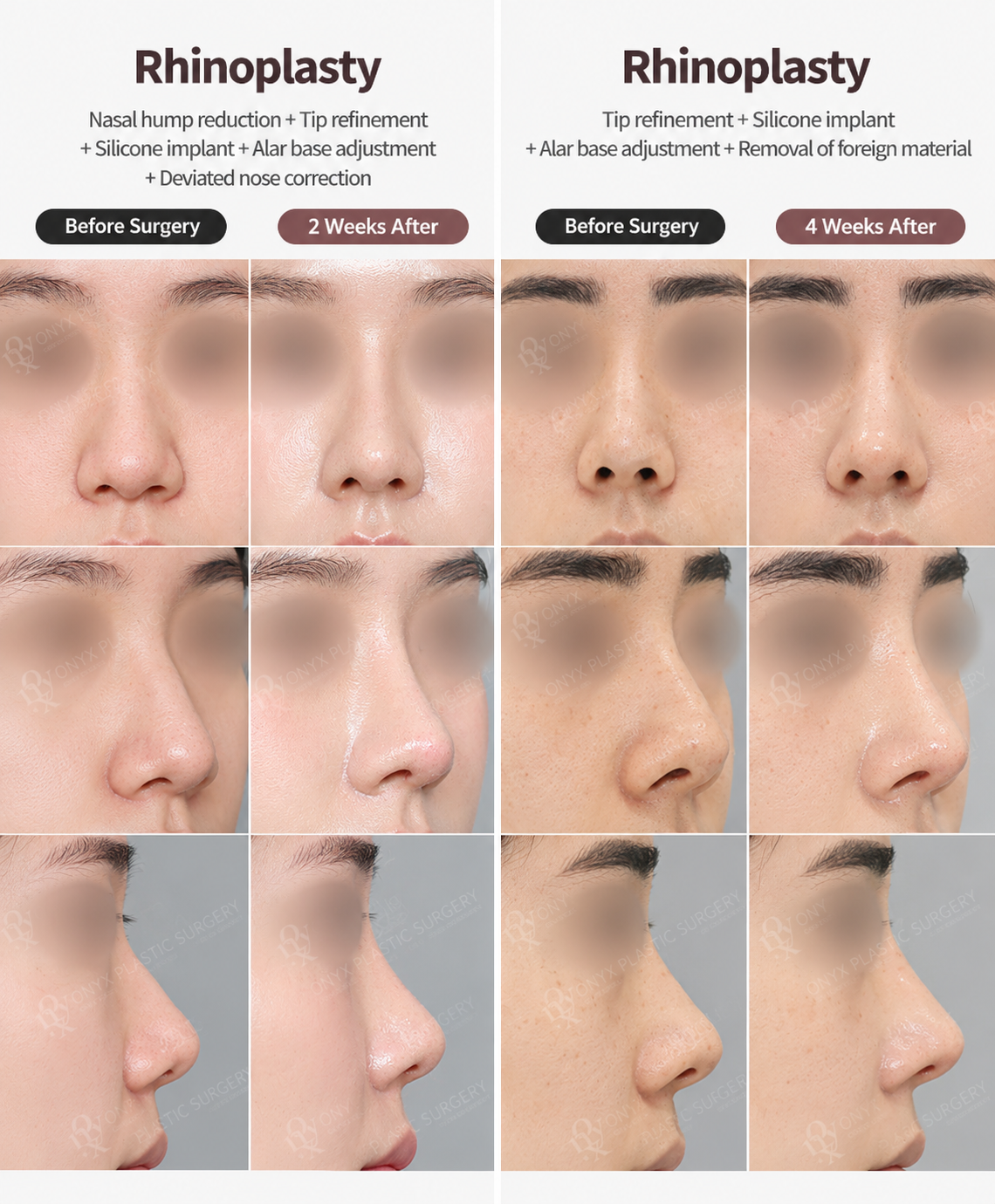
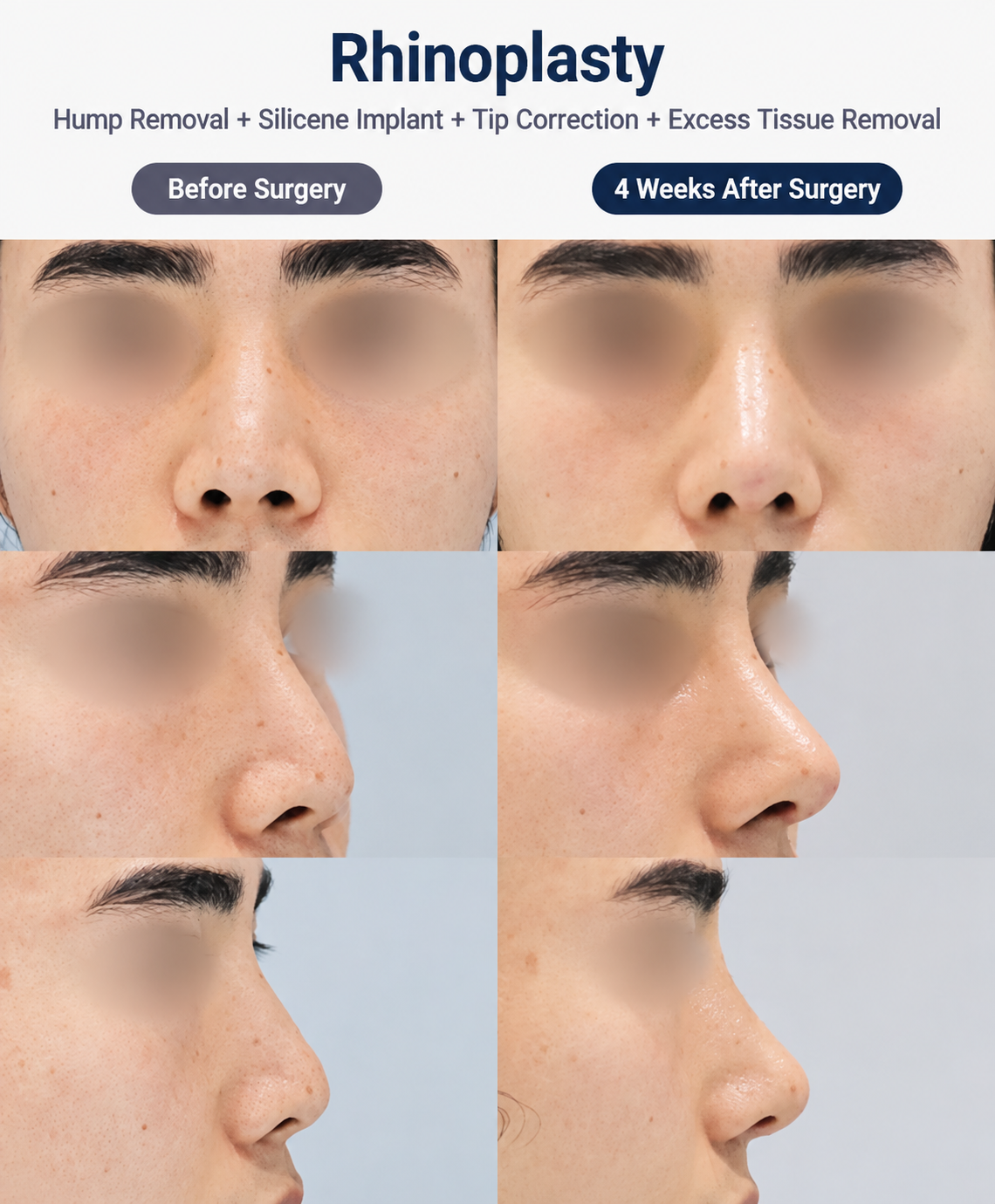
- Tip refinement
- Small structural support
- Minor nostril correction
- Soft, curved shaping
- Subtle adjustments
- Primary (first-time) rhinoplasty
Advantages
- Natural softness, ideal for delicate tip shaping
- Flexible and easy to sculpt
- Minimal donor-site discomfort
- Hidden incision behind the ear
- Great for subtle, natural results
Limitations
- Not strong enough for major structural work
- Limited quantity
- Cannot reliably lengthen a short or upturned nose
- Less effective in severe deviation or revision cases
Ear cartilage is perfect when you want fine polishing, not major reconstruction.
Rib Cartilage (Costal Cartilage)
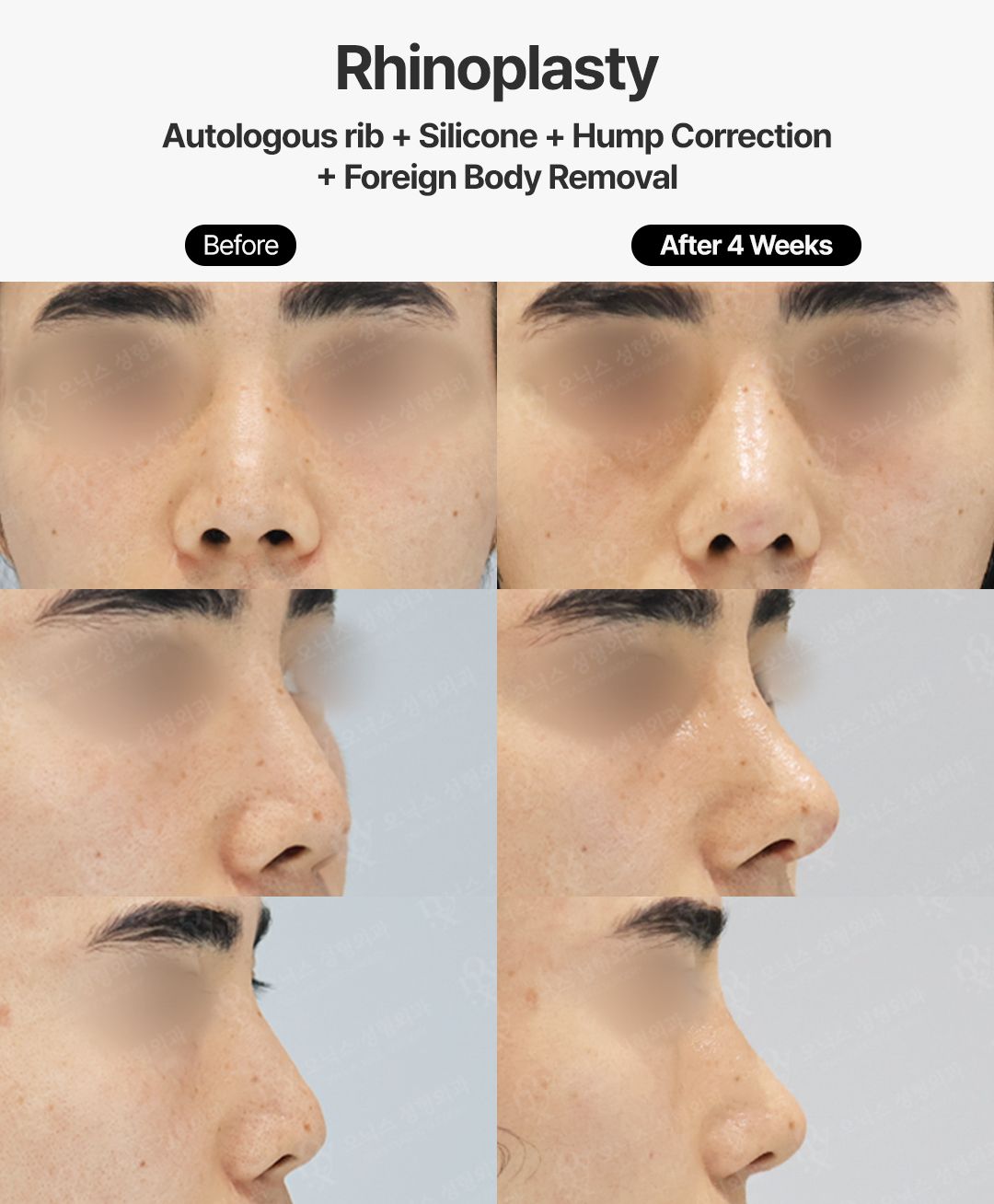
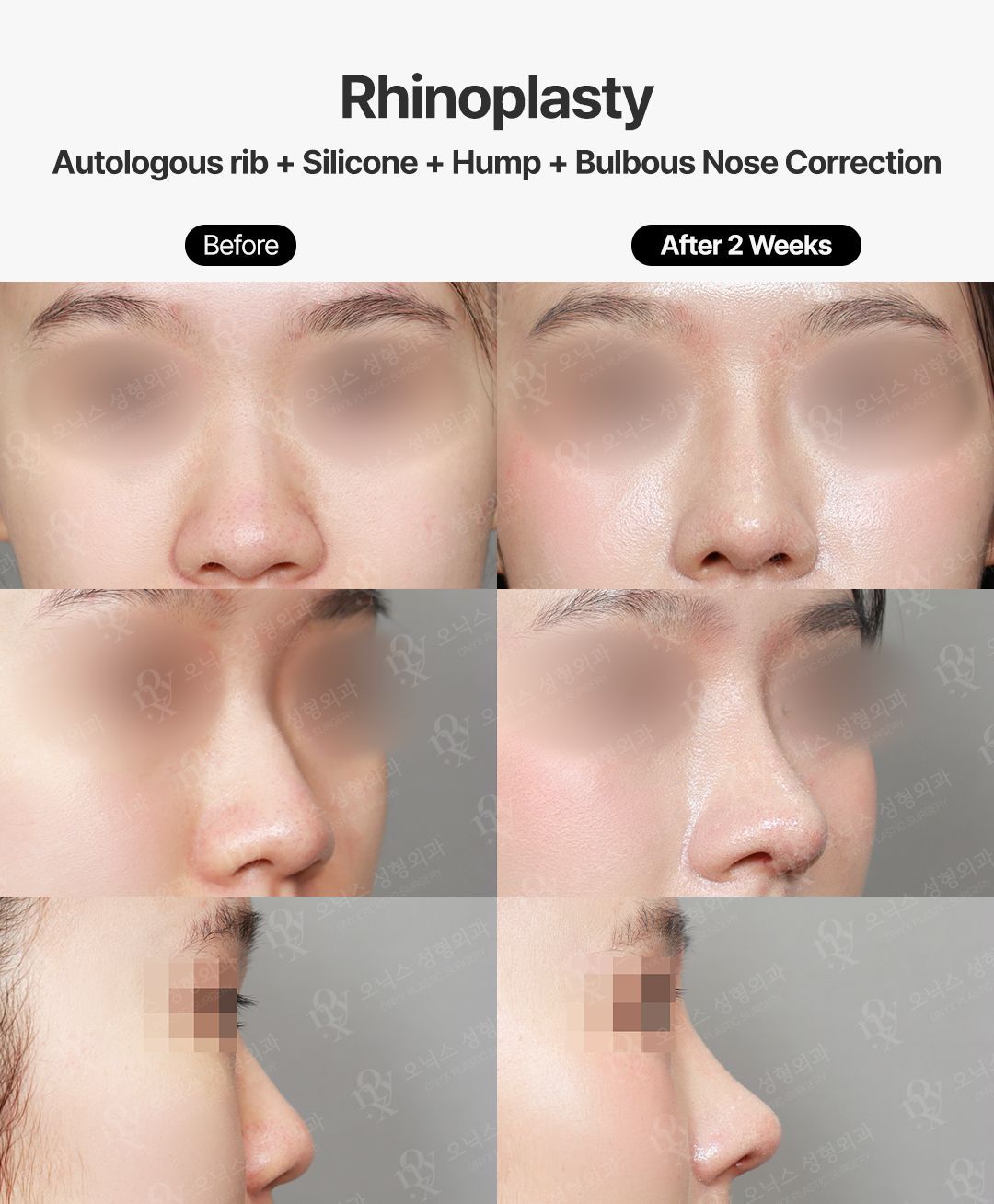
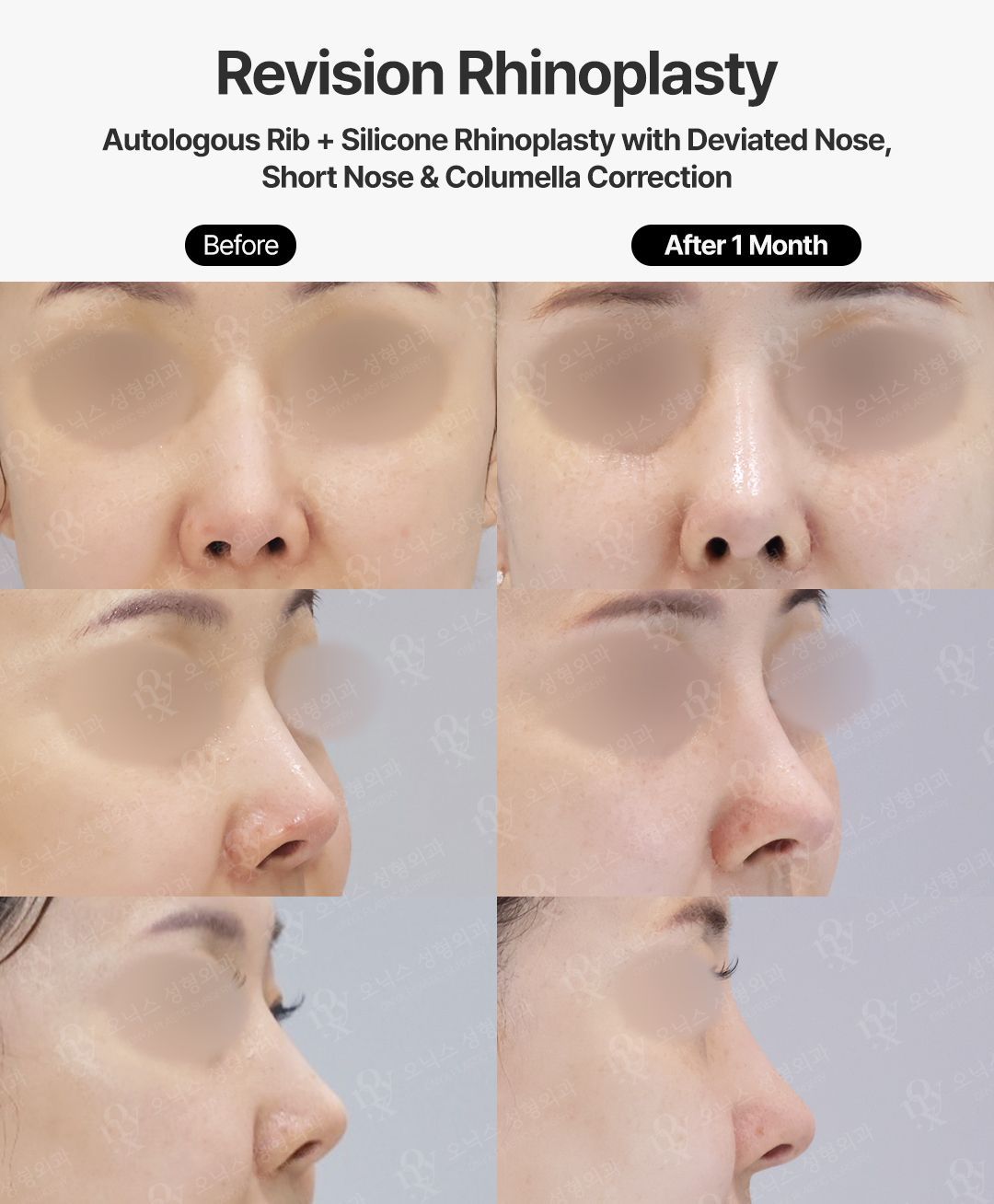
Rib cartilage is harvested from the patient’s own rib (usually the 6th or 7th rib). It offers strong, abundant material.
Best Uses
- Severe deviation correction
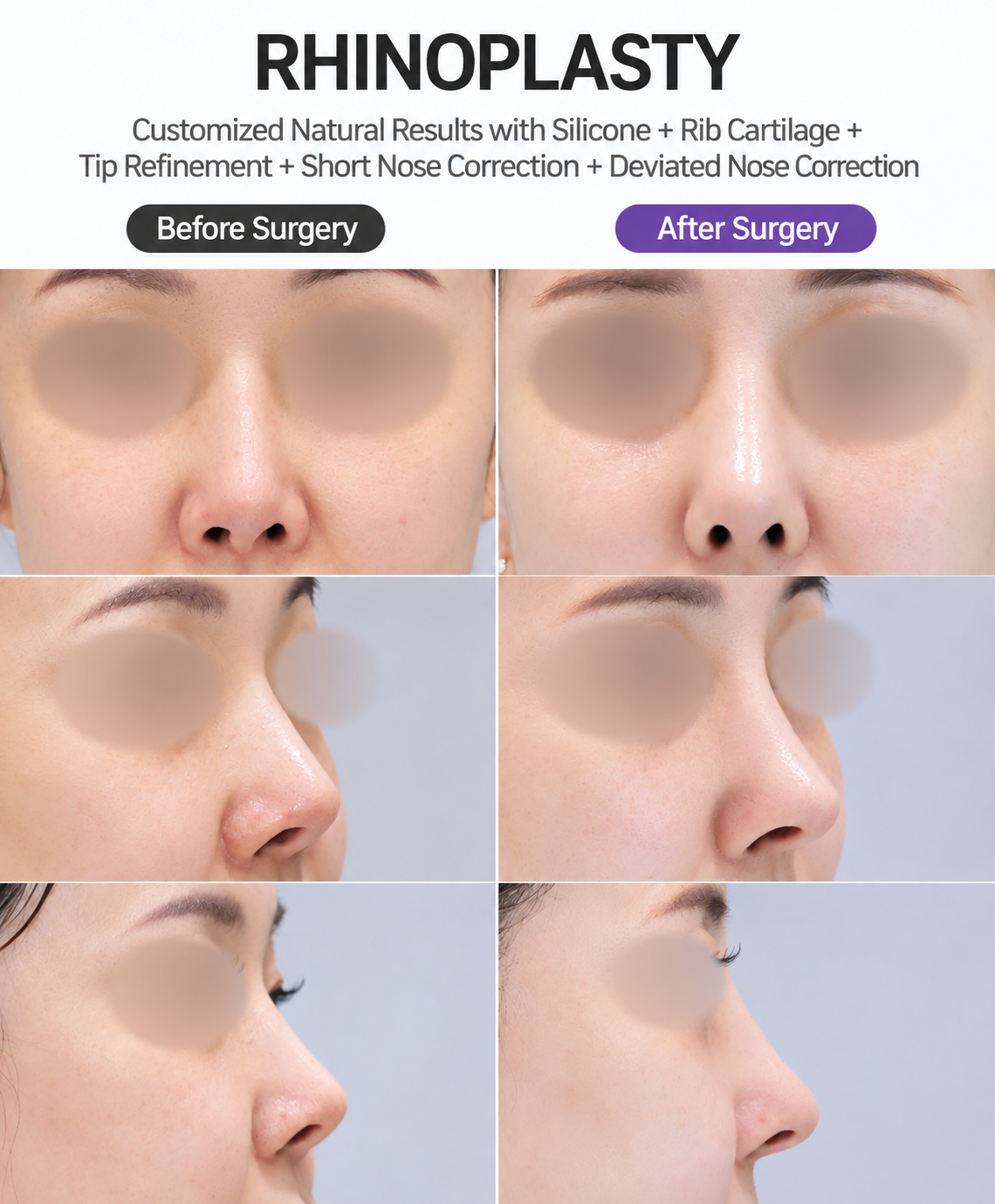
- Short nose / upturned nose correction
- Major tip projection
- Bridge reconstruction
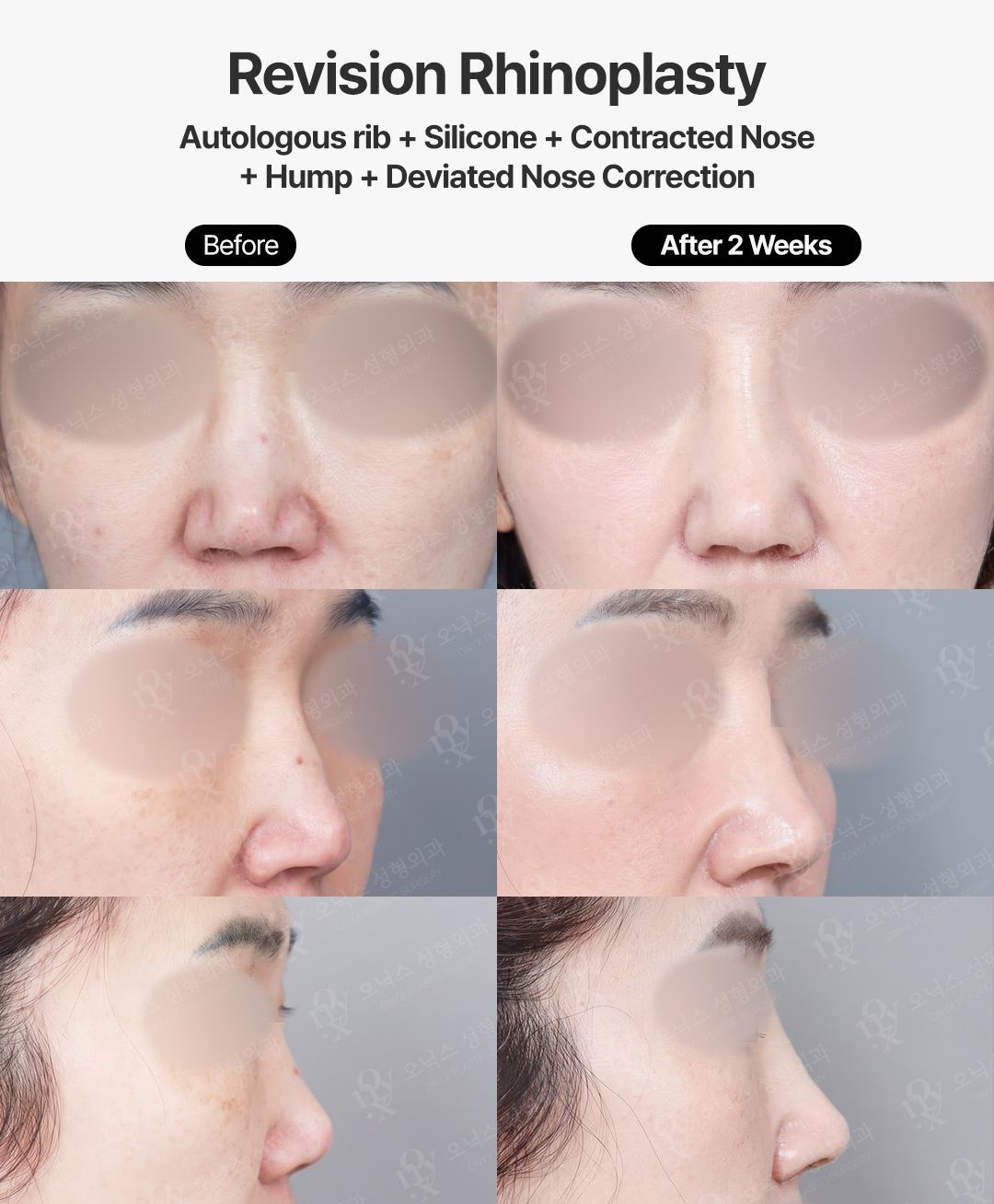
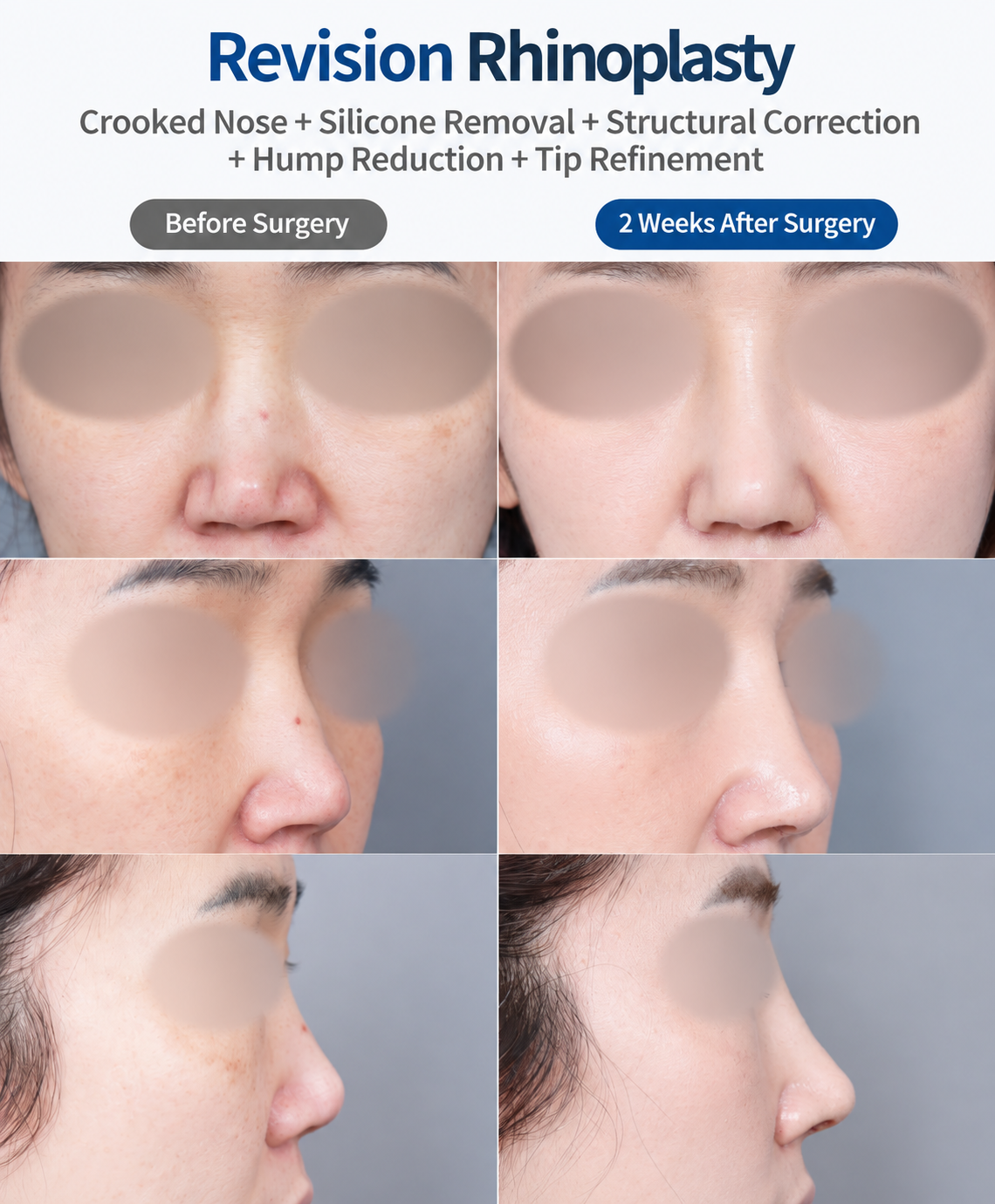
- Complex revision rhinoplasty
- Trauma reconstruction
Advantages
- Large quantity available
- Strong, durable structural support
- Best choice for major reshaping
- Resistant to collapse
- Long-lasting stability
- Ideal for challenging or revision cases
Limitations
- Slightly more discomfort at the donor site
- Must be carved carefully to avoid warping
- Considered overkill for minor refinements
Rib cartilage is essential when the nose needs true rebuilding.
Ear Cartilage vs Rib Cartilage: Which Is Better?
The answer depends on what your nose needs.
✔ Choose Ear Cartilage if:
- You only need tip refinement
- Your goals are subtle and natural
- This is your first rhinoplasty
- You don’t need major tip projection
- You want minimal donor-site healing
- Your nose already has enough structural support
Ear cartilage = soft, minimal, delicate shaping.
✔ Choose Rib Cartilage if:
- Your nose is short or upturned
- You want strong tip projection
- You need length + structural reinforcement
- Your septum is weak or already used
- You have thick skin and need forceful support
- You previously had a failed rhinoplasty
- Your nose is significantly crooked
Rib cartilage = true architectural rebuilding.
What Korean Surgeons Commonly Recommend
Korea is famous for structural rhinoplasty, and the vast majority of difficult or revision cases use rib cartilage because it provides:
- Strong support
- Long-term stability
- Natural shaping after healing
For first-time rhinoplasty patients wanting a mild enhancement, ear cartilage is often enough.
But for short nose, upturned nose, revision rhinoplasty, saddle nose, deviation, or major projection, rib cartilage is considered the gold standard.
Pain, Scarring, and Recovery: What to Expect
Ear Cartilage Harvest
- Mild discomfort
- Hidden scar behind the ear
- Heals quickly
- No change in ear shape
Rib Cartilage Harvest
- Slight soreness in chest area for 1–2 weeks
- Small incision below the breast or rib line
- Usually very well hidden
- Normal breathing and movement within days
Most Korean clinics specialize in minimally invasive rib harvest, reducing pain and scarring dramatically.
Longevity and Stability
Ear cartilage lasts well for small refinements.
Rib cartilage lasts the longest for major structural changes.
If your nose requires strong internal support, rib cartilage ensures the shape stays stable for many years.
Final Thoughts
Both ear cartilage and rib cartilage are excellent graft materials — but they serve very different purposes.
- Ear cartilage is ideal for subtle tip shaping and first-time surgeries with minimal structural work.
- Rib cartilage is the top choice for major reconstruction, revision cases, or noses that need significant length, projection, or stability.
Korean surgeons carefully evaluate your anatomy and goals before choosing the safest, most effective graft material.