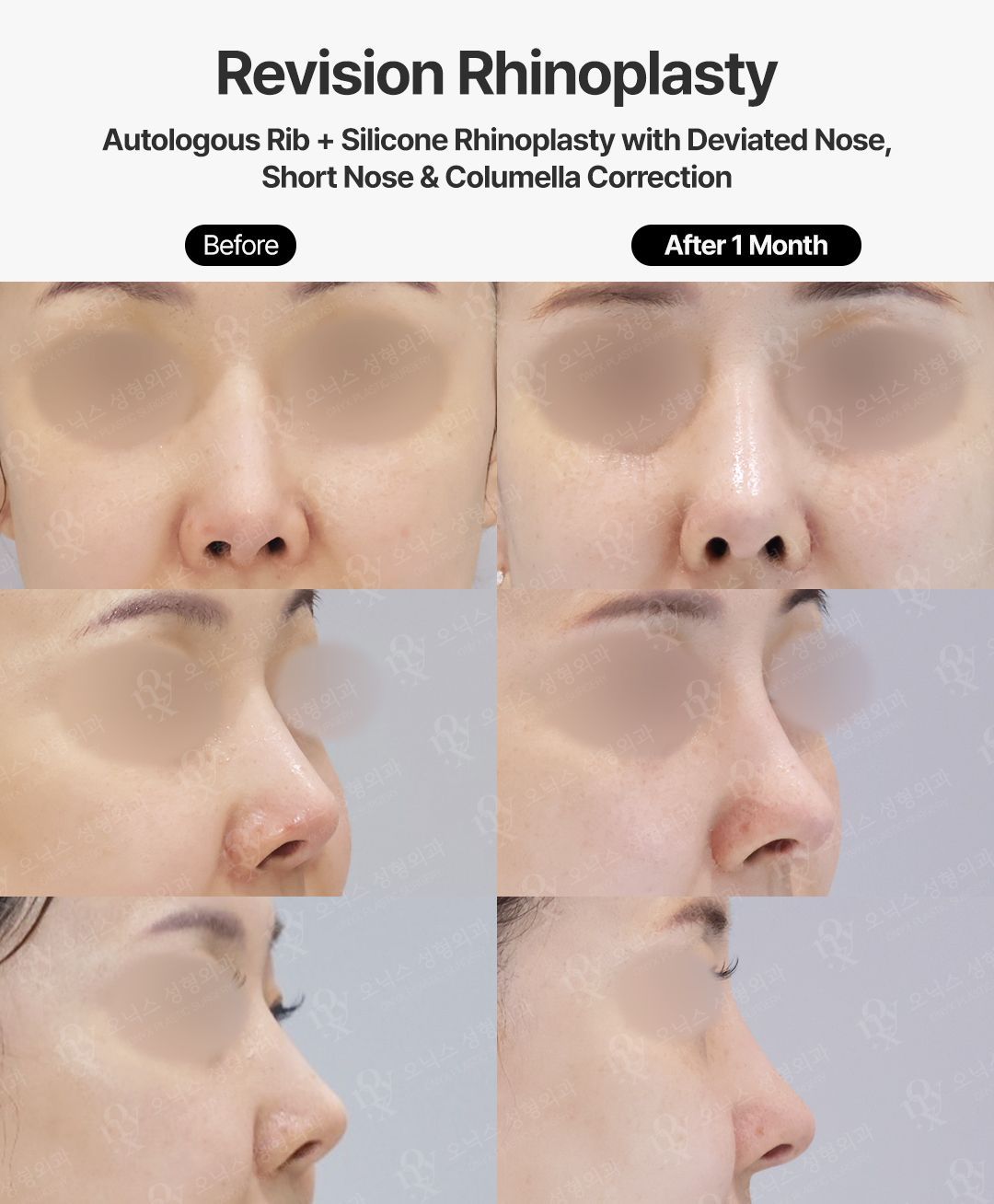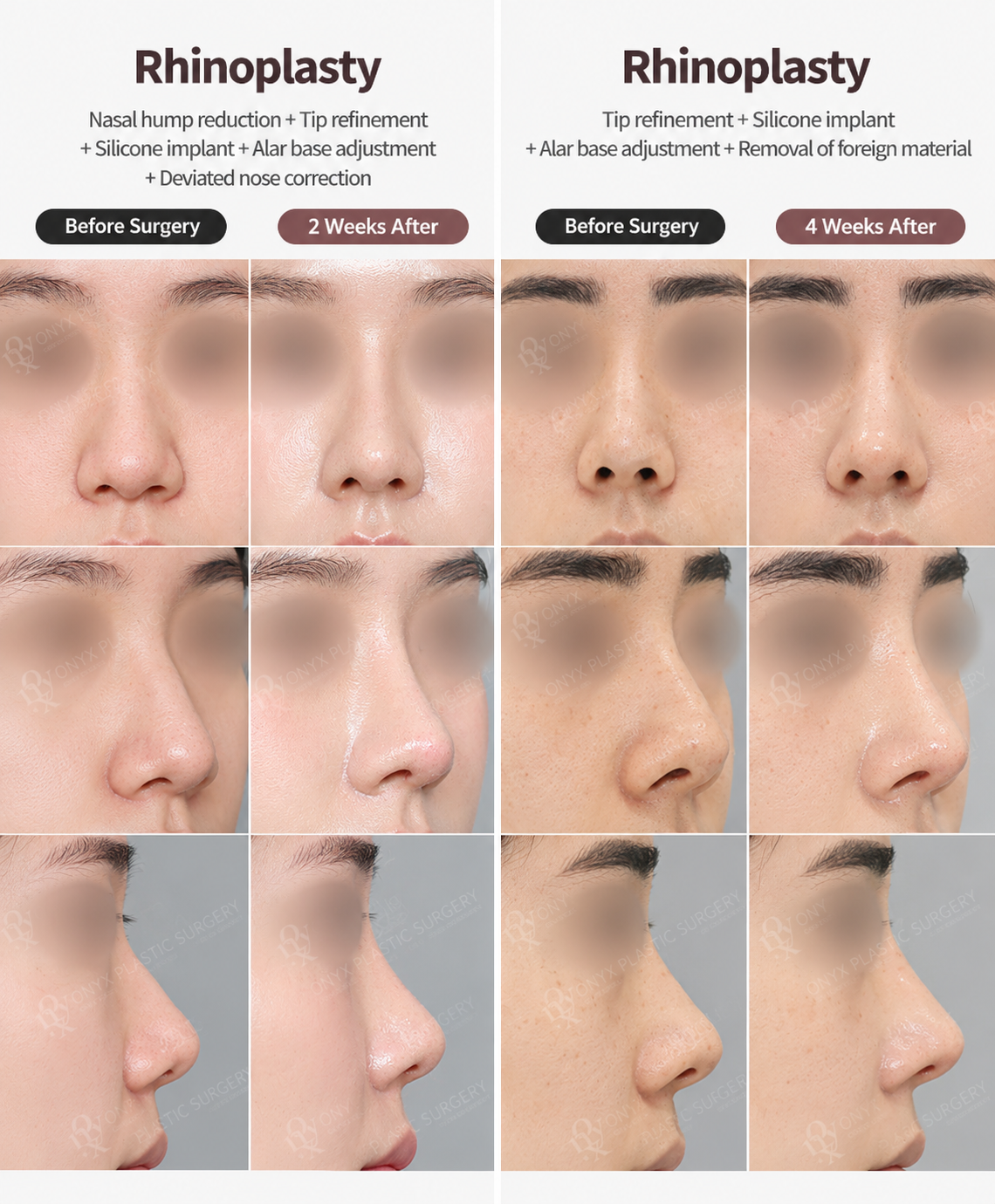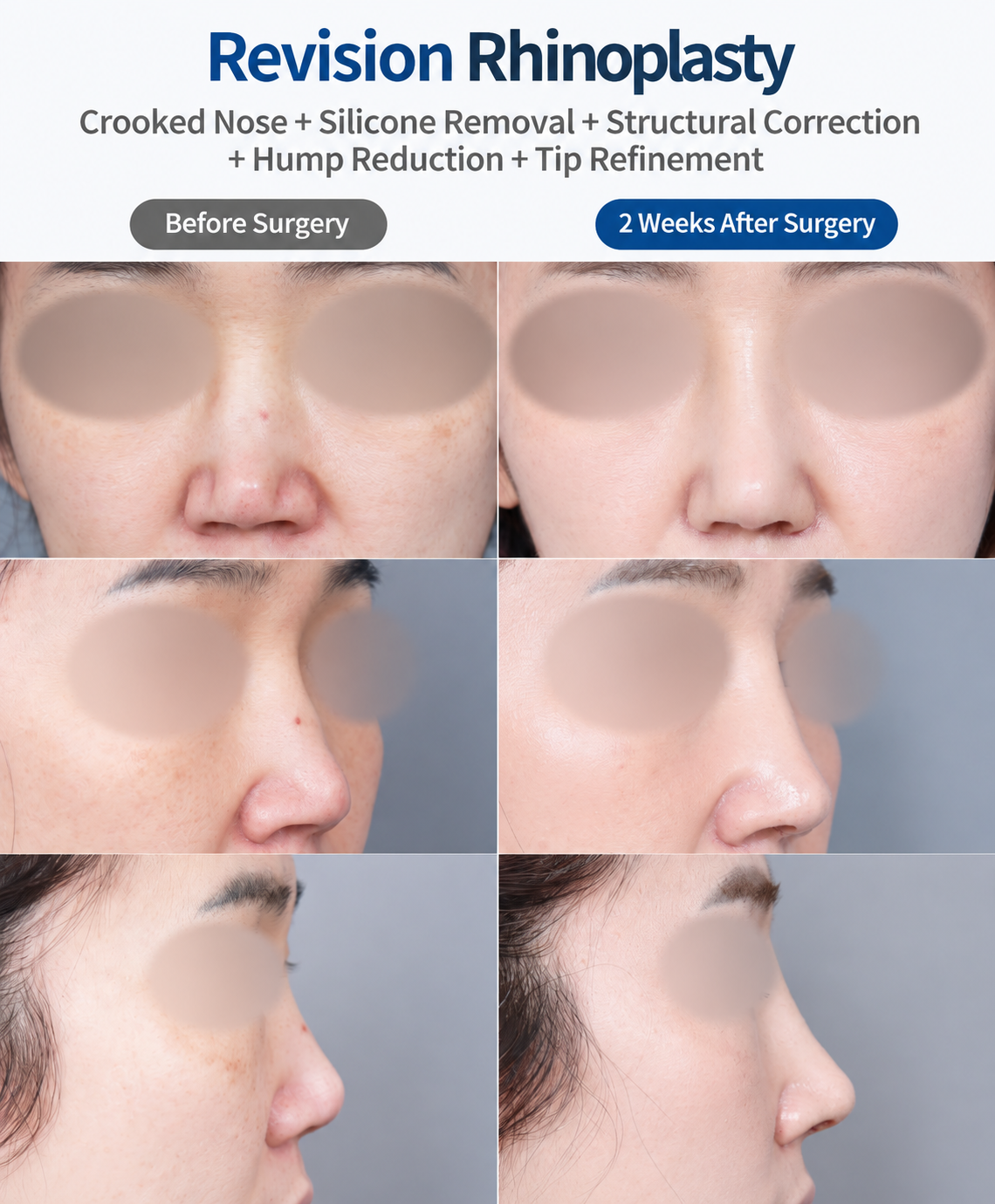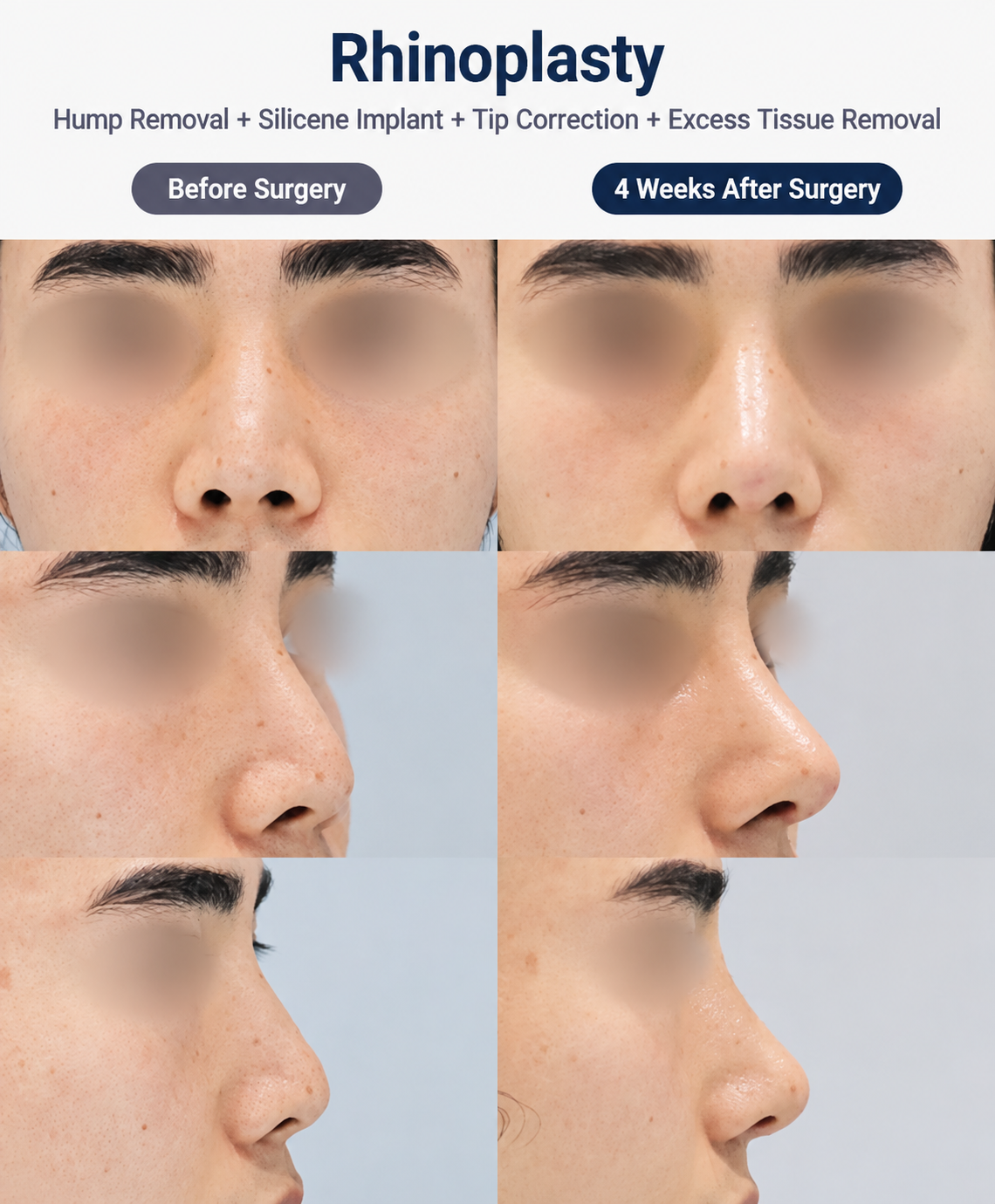
Upturned Nose Correction in Korea
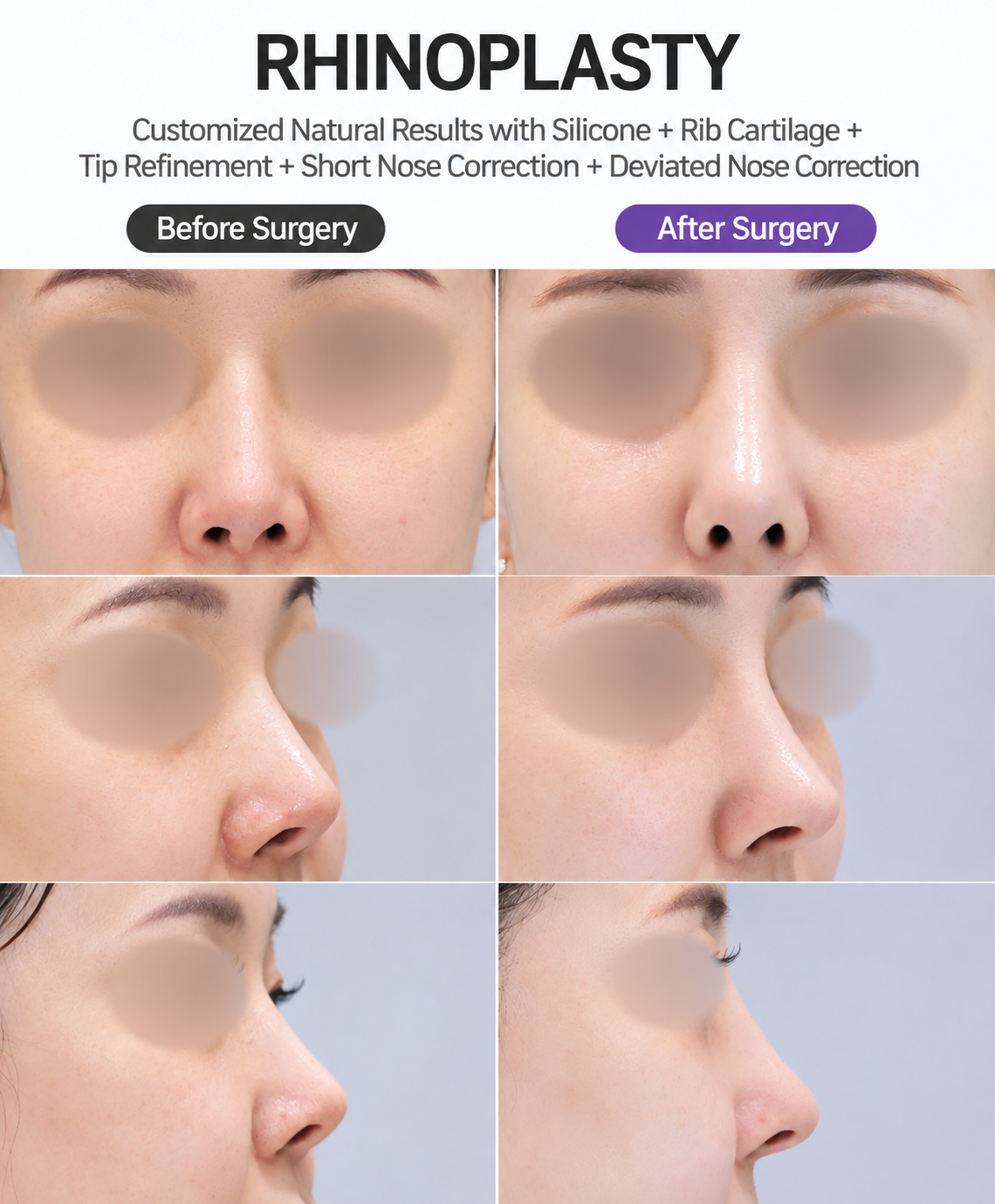
An upturned nose — sometimes called a short nose or piggy nose — exposes too much nostril and creates a lifted, shortened nasal tip. While some people have this naturally, others develop an upturned appearance after trauma or overly aggressive rhinoplasty.
Korea is internationally recognized for short-nose and upturned-nose correction, offering advanced structural techniques that lengthen the nose, lower the tip, and restore natural proportions. This delicate surgery requires precision, strong cartilage support, and aesthetic understanding — something Korean rhinoplasty specialists are highly experienced in.
This beginner-friendly guide explains why upturned noses occur, how Korean surgeons correct them, and what results you can expect.
Why Noses Become Upturned
Upturned noses can be caused by:
- Genetics (natural short nose shape)
- Over-rotation or over-resection from previous rhinoplasty
- Trauma causing cartilage shortening
- Weak tip cartilage that curls upward
- Excessive nostril show
- Collapse or retraction of the columella
Correcting an upturned nose requires lengthening and support reconstruction, not just aesthetic reshaping.
How Korea Corrects an Upturned Nose
Korean surgeons specialize in structural rhinoplasty, which focuses on rebuilding the nose from the inside out. Upturned nose correction typically involves several key steps.
1. Lengthening the Nose Tip
Surgeons lower and extend the nasal tip using structural grafts. These grafts act like internal scaffolding to create:
- Increased length
- Lower tip rotation
- Better nostril coverage
- A natural alar–columella relationship
Common grafts:
- Septal cartilage (preferred when available)
- Ear cartilage
- Rib cartilage (best for severe cases or revision)
2. Columella Reconstruction
If the central support column is short or unstable, surgeons rebuild the columella using:
- Columellar strut grafts
- Extended spreader grafts
- Septal extension grafts
This gives the nose a stable, natural downward angle.
3. Bridge Augmentation (If Needed)
Many upturned noses also have a low bridge. Raising the bridge with cartilage or implant helps the overall length look proportional and reduces nostril show.
Korea frequently uses:
- Soft silicone implants
- Gore-Tex
- Autologous cartilage (for natural or revision cases)
4. Alar Rim Repositioning
If the nostrils are highly visible or retracted, surgeons may lower the alar rims to reduce nostril exposure and smooth the nostril contour.
This step is delicate and requires experienced hands for natural symmetry.
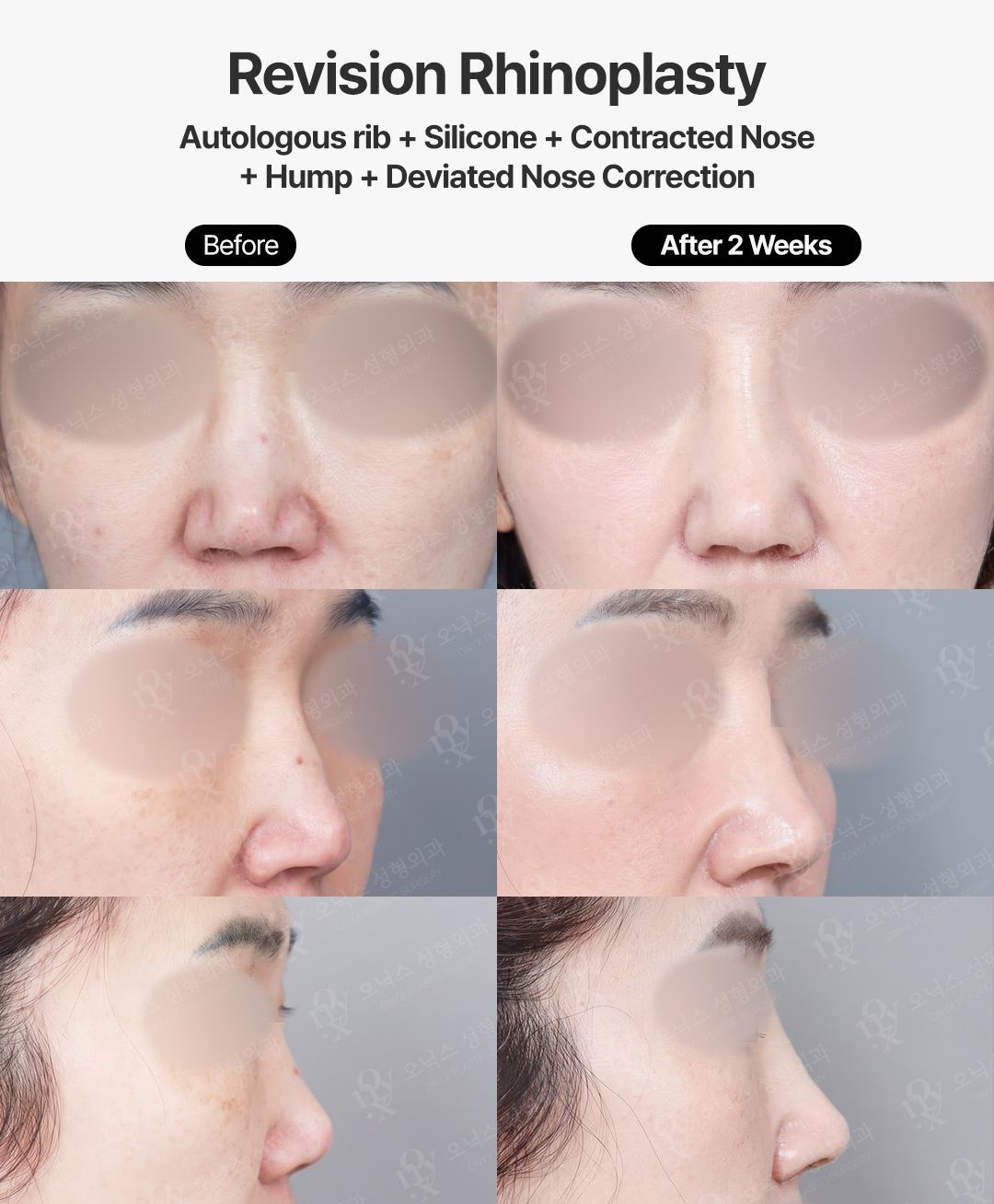
5. Correcting Over-Rotation From Prior Surgery
If the upturn was caused by a previous rhinoplasty, surgeons may need to:
- Reverse structural damage
- Replace over-resected cartilage
- Add rib cartilage for strong support
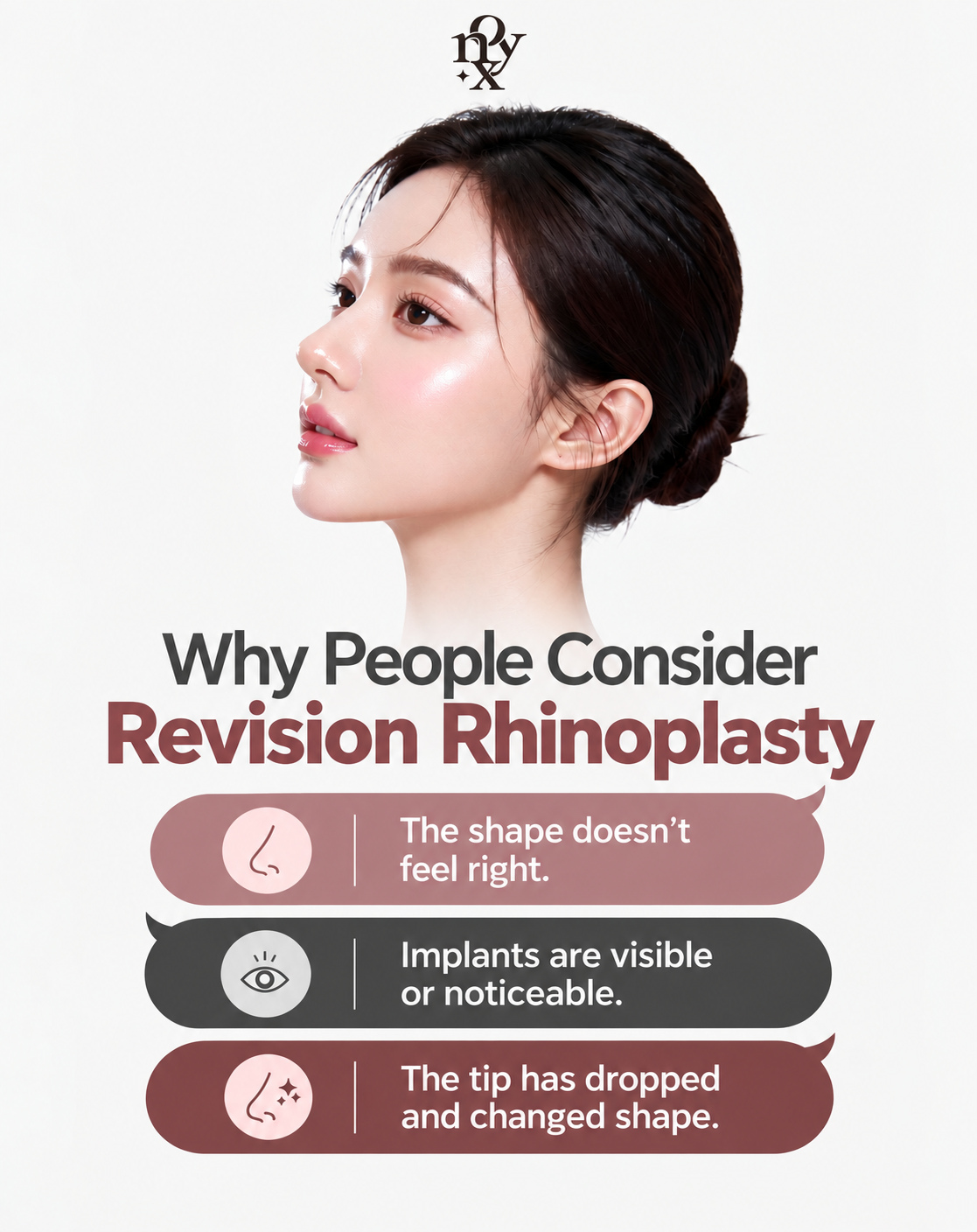
Korea is one of the top destinations worldwide for revision short-nose correction.
Why Upturned Nose Correction Is Complex
Upturned noses require adding structure, not removing it. Strong, stable cartilage support is essential to prevent:
- Re-upturning
- Collapse
- Asymmetry
- Weak tip definition
That’s why Korea’s structural approach produces long-term, natural results.
Who Is a Good Candidate?
You may benefit from upturned nose correction if you have:
- Excess nostril show
- A short, lifted nasal tip
- Flat or small nose shape
- Visible columella retraction
- Over-rotated nose from prior surgery
- A “piggy nose” appearance
- Nose that looks too short from profile view
Both primary and revision cases can be treated.
Results You Can Expect After Correction
Most patients see:
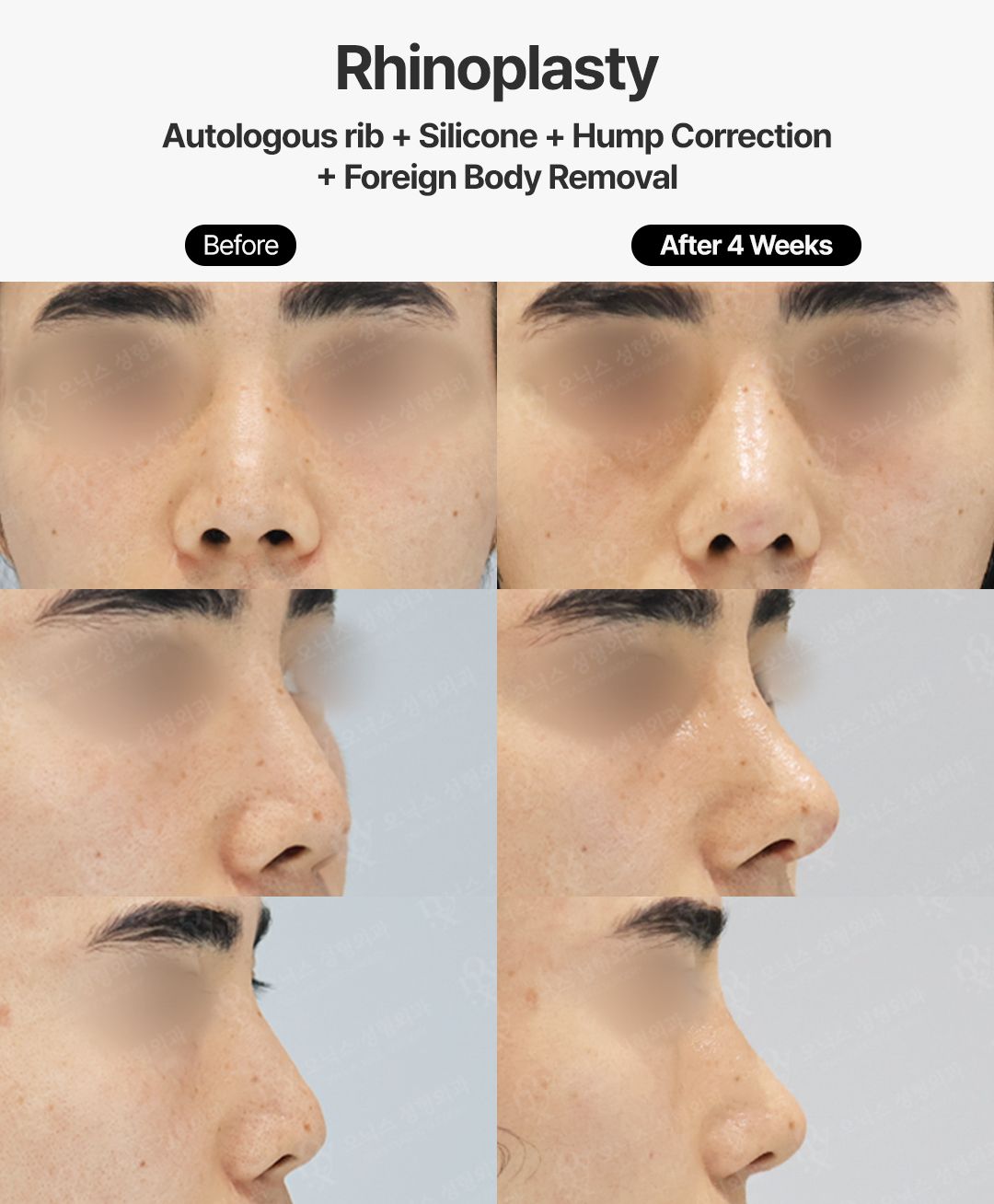
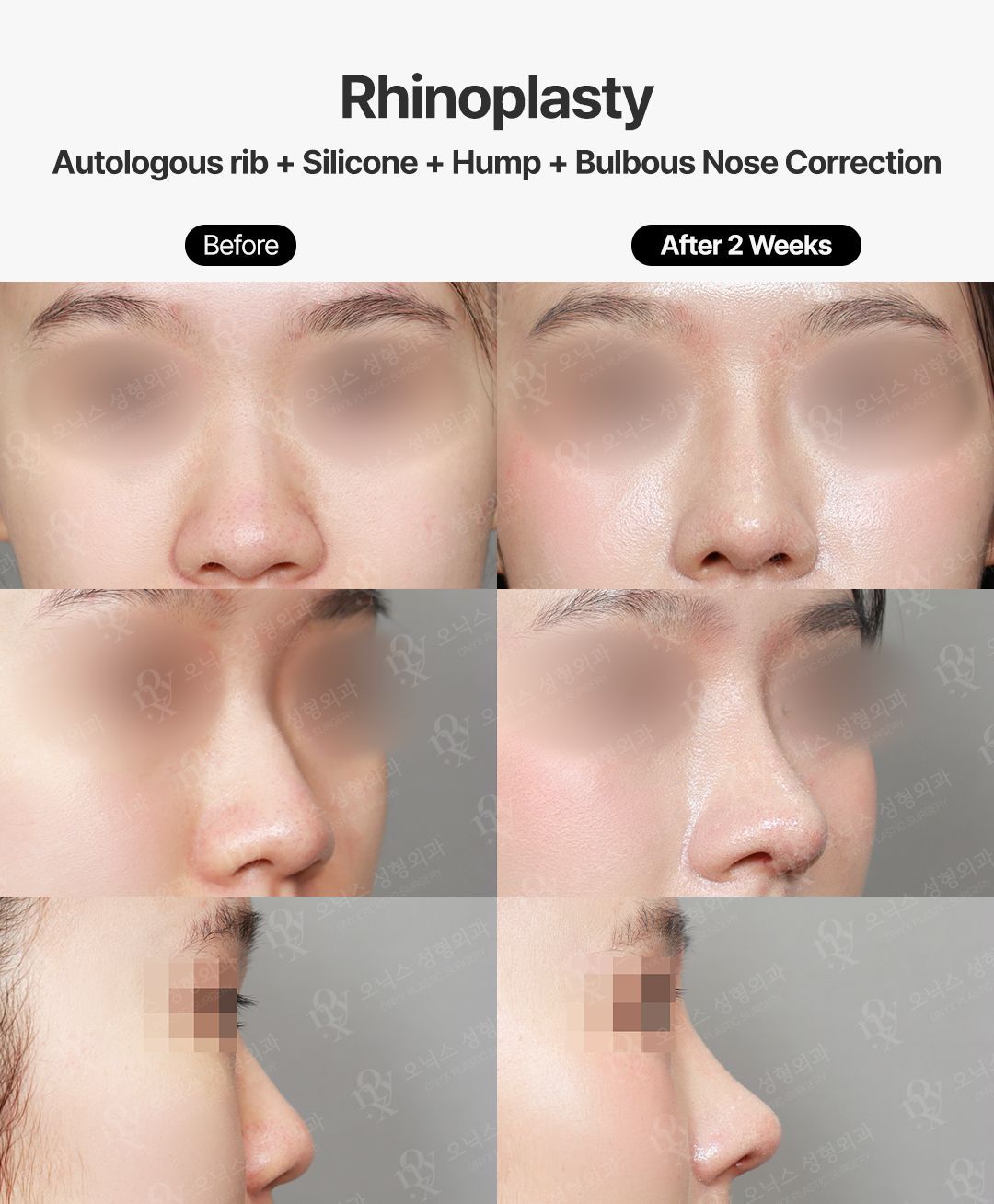
- A longer, more elegant nasal profile
- Reduced nostril visibility
- A lowered, natural-positioned tip
- Improved facial balance
- Smoother front-view symmetry
- Strong internal support structure
The outcome is subtle and harmonious, not artificial or over-lengthened.
Recovery Timeline
Week 1
- Splint removed
- Swelling peak begins to decline
Weeks 2–4
- Nasal length and tip shape become clearer
3–6 Months
- Final refinement visible
- Tip softens and rotates naturally
1 Year
- Full stabilization of grafts and cartilage support
Because upturned nose correction involves structural grafting, patience is key for final results.
Why Korea Is the Best Destination for Short-Nose Correction
✔ Leading global expertise in structural grafting
✔ High success rates for revision short-nose cases
✔ Surgeons skilled in natural Asian facial harmony
✔ Advanced techniques for alar rim lowering and tip lengthening
✔ Strong postoperative treatment systems
Korean surgeons perform large volumes of short-nose and upturned-nose corrections, making outcomes highly refined and stable.
Final Thoughts
Correcting an upturned nose is one of the most technically complex rhinoplasty procedures — but also one of the most transformative when done correctly. Korea’s structural, cartilage-based methods create natural length, smooth contours, and long-lasting nasal support.
If you want a nose that looks more balanced, refined, and proportional from every angle, upturned nose correction in Korea offers some of the most advanced solutions available today.