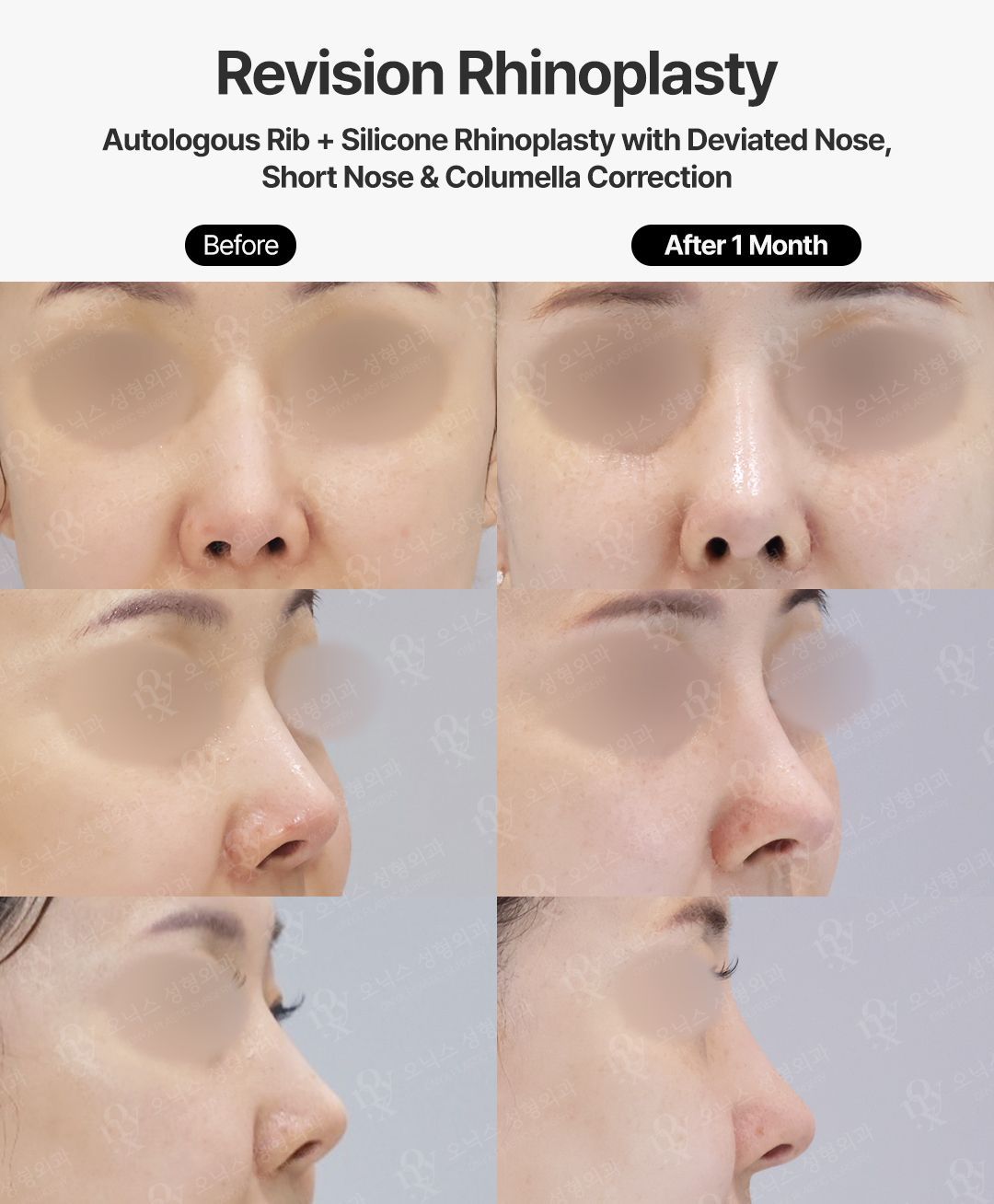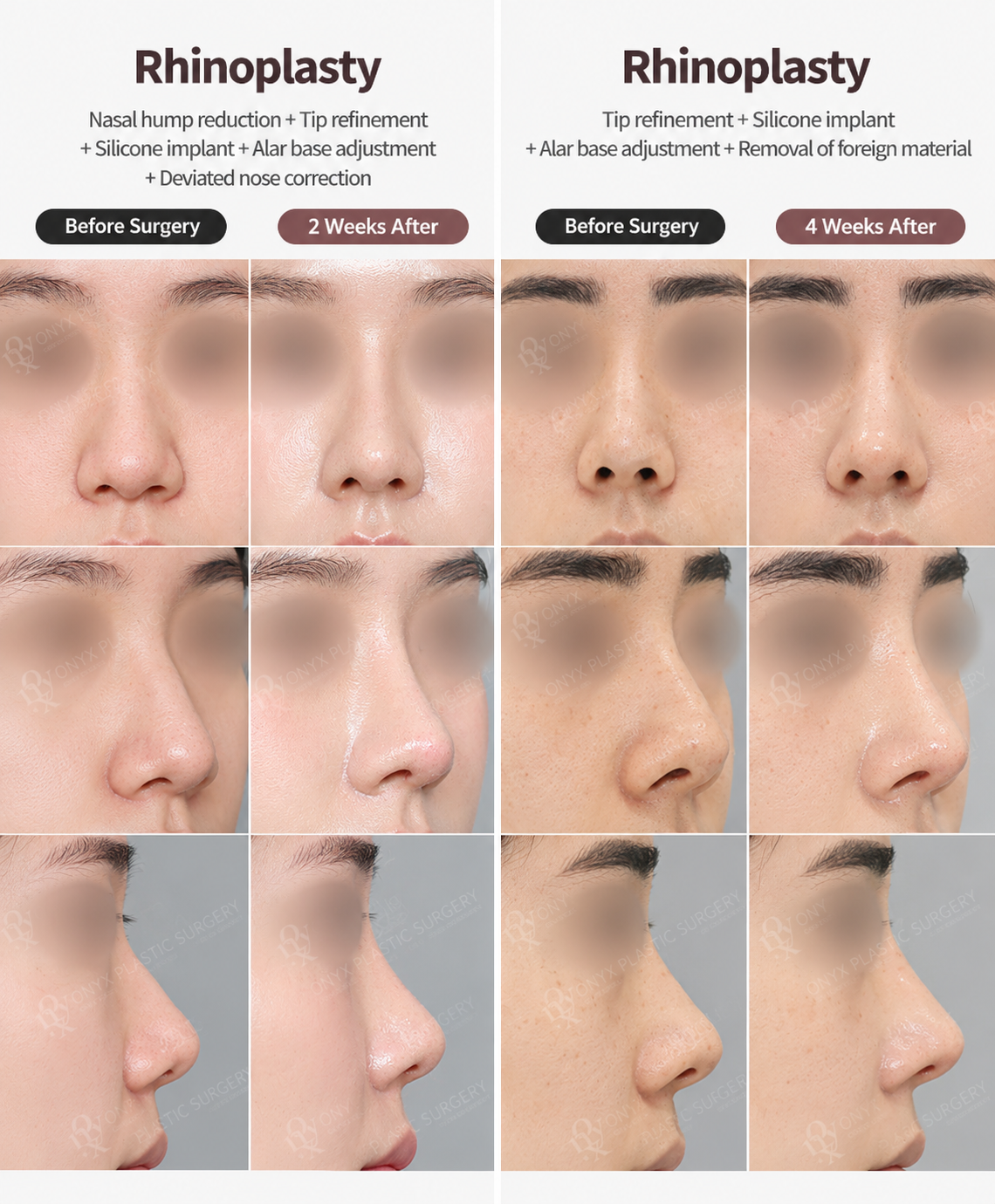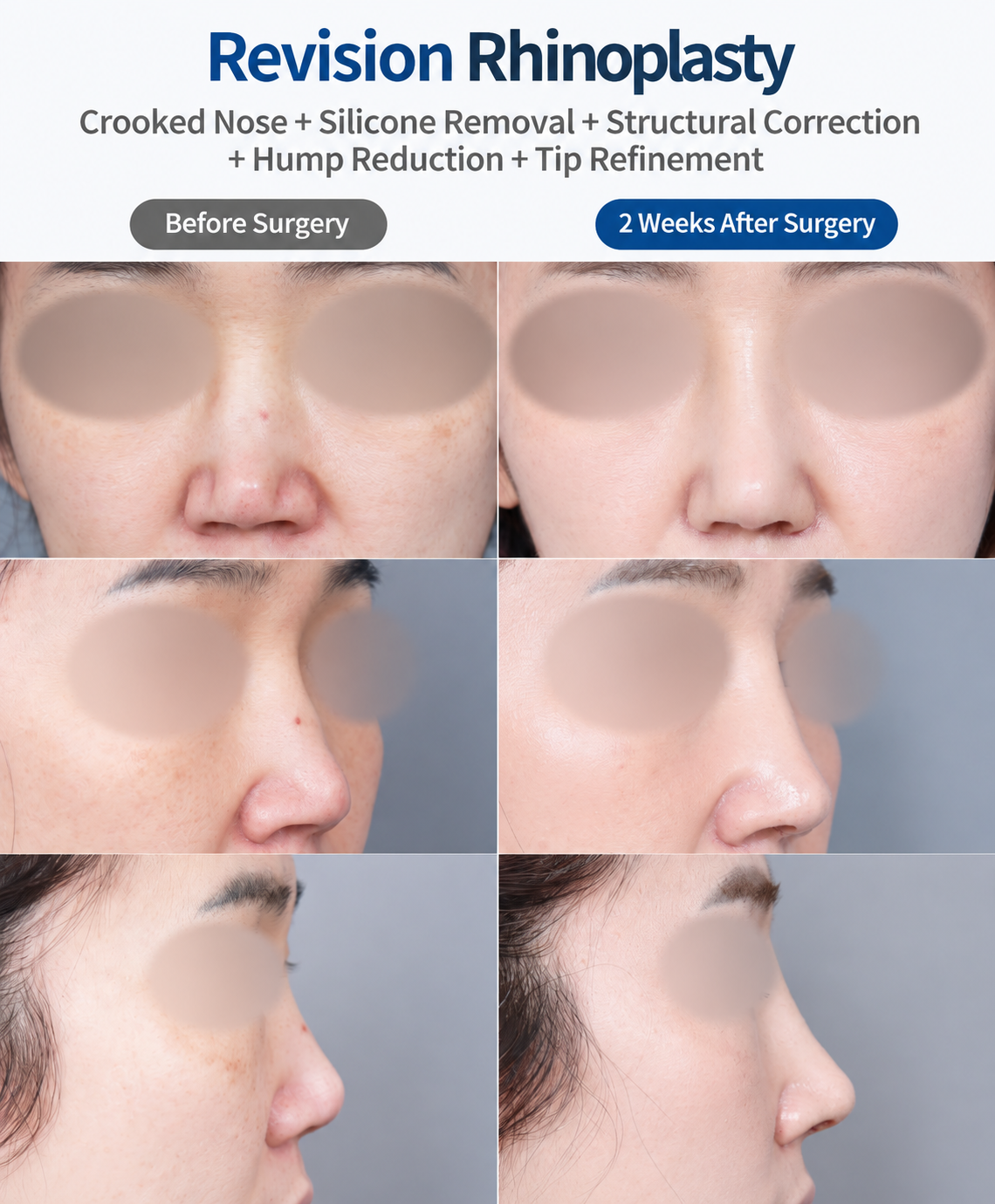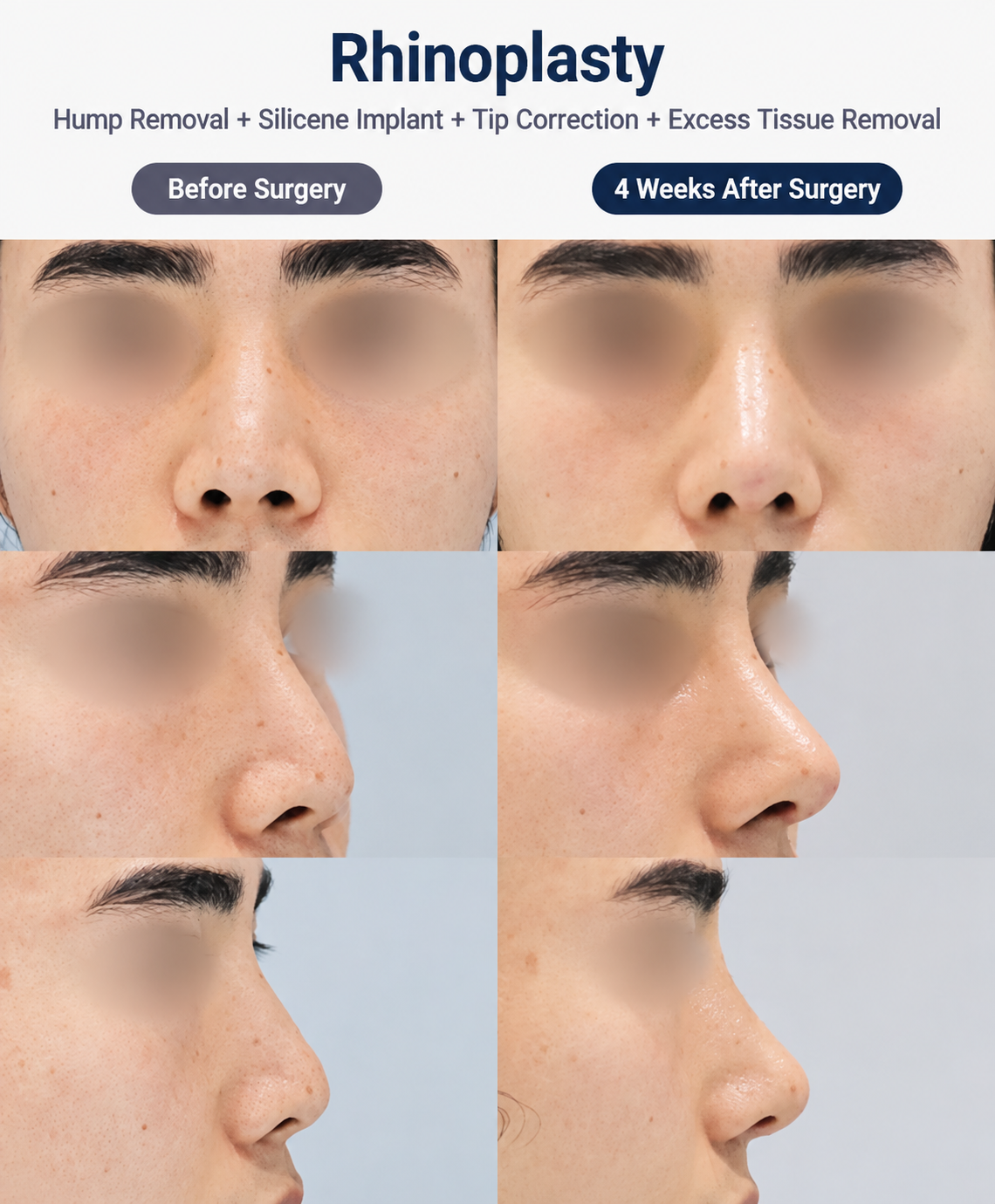
Deviated Septum and Functional Rhinoplasty Korea
A deviated septum is one of the most common causes of chronic nasal obstruction, snoring, and difficulty breathing. Many people live with symptoms for years without realizing the issue can be corrected — often in a single procedure that also improves the external shape of the nose.
Korea is a global leader in functional rhinoplasty, a specialized approach that treats breathing problems while creating a naturally balanced nose. This combined functional + aesthetic method is known as septorhinoplasty, and it has become one of the most requested procedures for international patients.
Here’s a complete guide to how deviated septum correction works in Korea and what makes Korean techniques so effective.
What Is a Deviated Septum?
The septum is the thin wall of cartilage and bone inside the nose that divides the left and right airways.
When it’s crooked or shifted to one side, it can block airflow.
Common Symptoms
- Difficulty breathing through one or both nostrils
- Chronic congestion
- Snoring or mouth breathing
- Sleep disturbances
- Headaches or facial pressure
- Nose constantly “feels blocked”
- Reduced airflow during exercise
A deviated septum can be present from birth or caused by trauma, past surgery, or uneven cartilage growth.
What Is Functional Rhinoplasty?
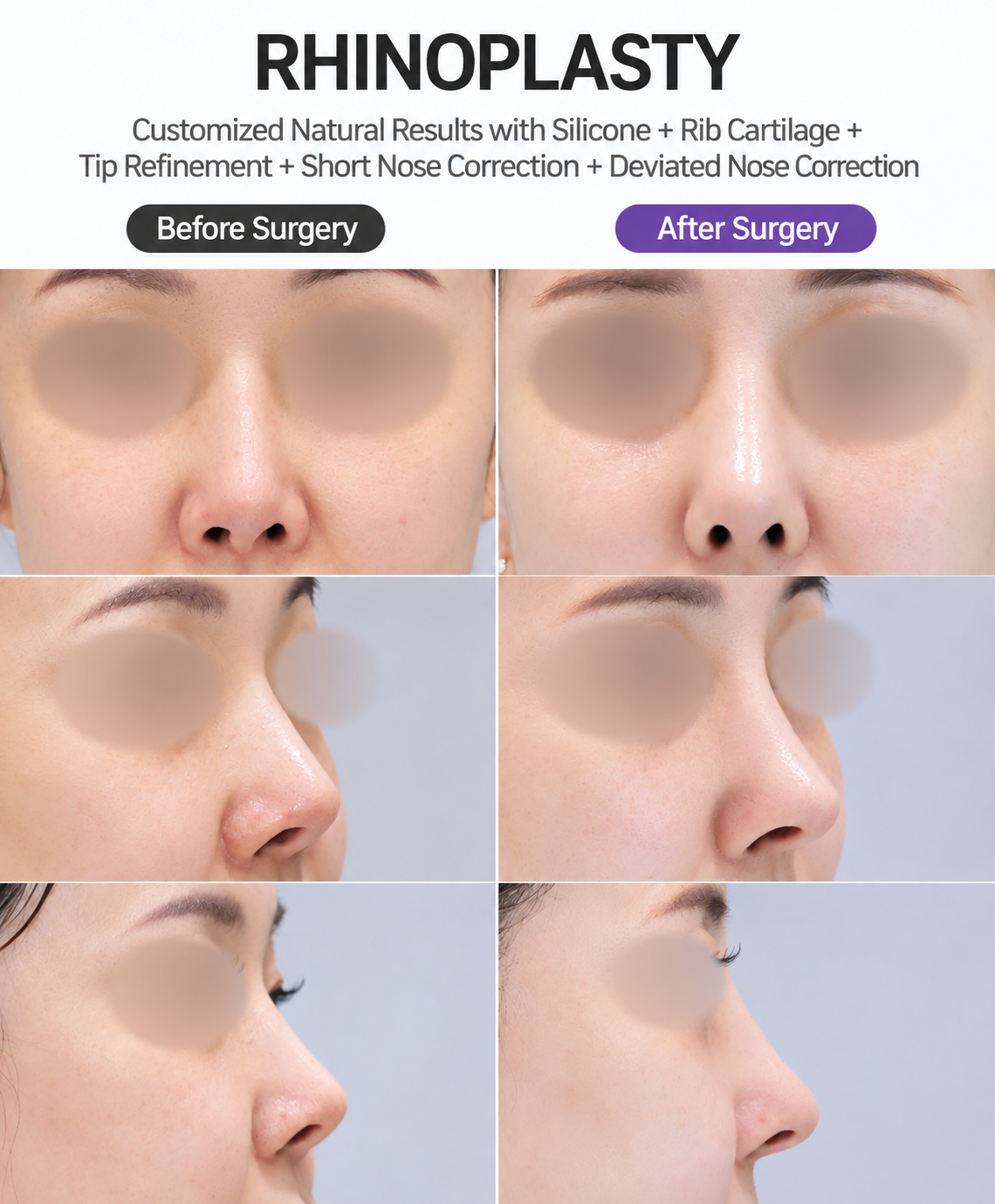
Functional rhinoplasty improves airway function, often combined with cosmetic refinement for balanced aesthetics. In Korea, most deviated septum patients undergo septoplasty + rhinoplasty together.
Goals of Functional Rhinoplasty
- Restore normal airflow
- Straighten the septum
- Strengthen internal nasal valves
- Correct external crookedness if present
- Improve both function and appearance
Korean surgeons specialize in techniques that maintain long-term nasal stability while achieving natural looks.
How Korea Corrects a Deviated Septum
Korean functional rhinoplasty is detailed, structural, and long-lasting. Most procedures involve the following steps:
1. Septoplasty (Internal Correction)
- Removes or reshapes deviated cartilage
- Straightens internal bone
- Opens blocked airways
This dramatically improves breathing.
2. Cartilage Grafting for Structural Support
Straightening alone isn’t enough if the nose is weak. Korean surgeons reinforce the nasal structure using:
- Septal cartilage
- Ear cartilage
- Rib cartilage (for severe deviations or revisions)
This prevents future collapse or re-deviation.
3. Spreader Grafts for Airway Expansion
Placed between cartilage layers to:
- Widen the internal nasal valve
- Improve airflow
- Straighten the dorsal bridge
This is especially important for patients with long-term airway obstruction.
4. External Nose Straightening (If Needed)
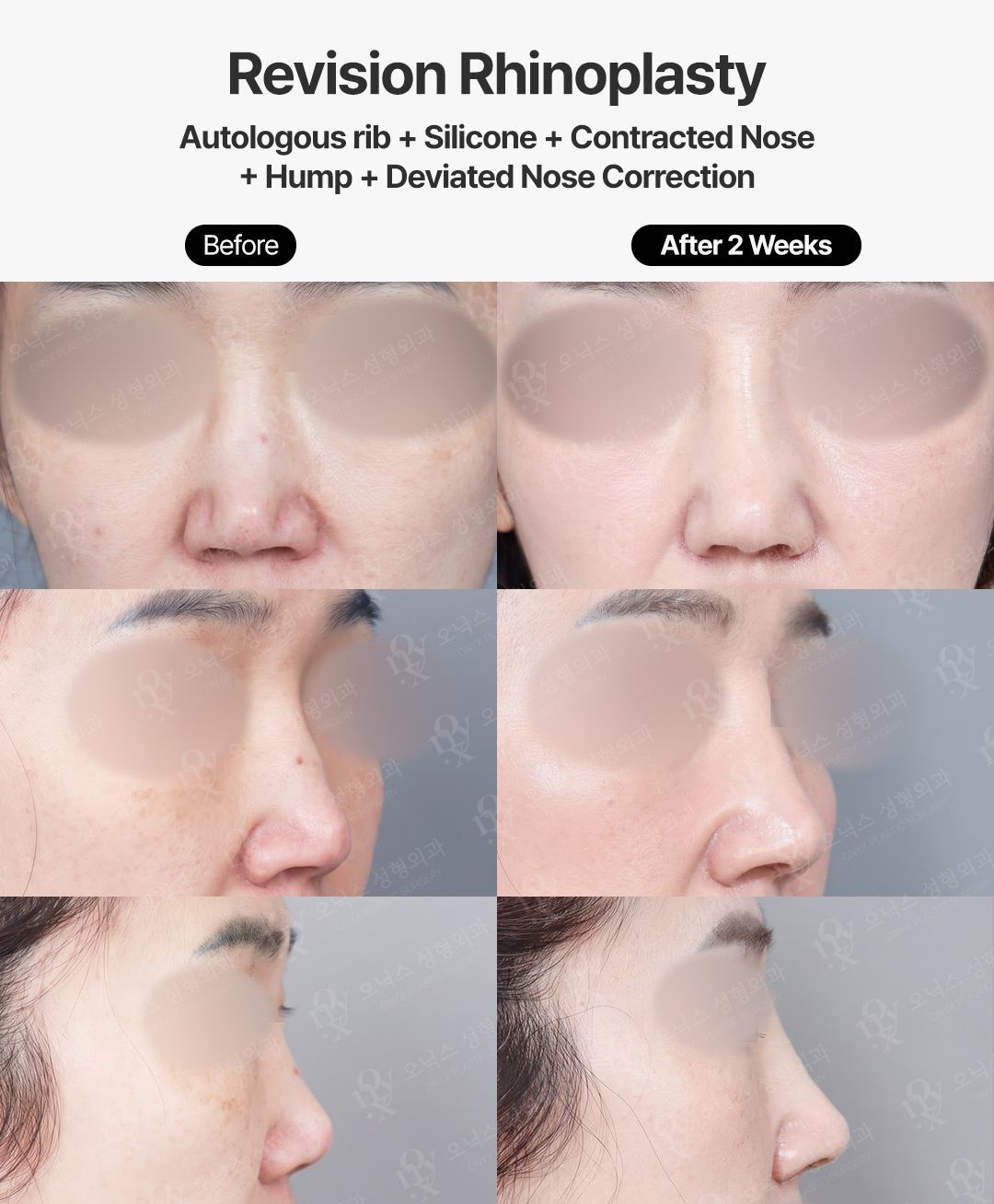
If the nose visibly leans to one side, surgeons correct:
- Bone alignment
- Cartilage symmetry
- Tip deviation
This provides a straighter, more balanced appearance.
5. Functional + Aesthetic Refinement
Many patients choose to combine breathing correction with:
- Bridge augmentation
- Tip reshaping
- Nostril narrowing
- Dorsal smoothing
Korea excels at blending form and function naturally.
Who Should Consider Functional Rhinoplasty in Korea?
You may benefit from deviated septum surgery if you have:
- Difficulty breathing through your nose
- Crooked nose appearance
- Snoring or sleep disruptions
- Recurrent sinus pressure
- History of nasal injury
- A nose that collapses inward with breathing
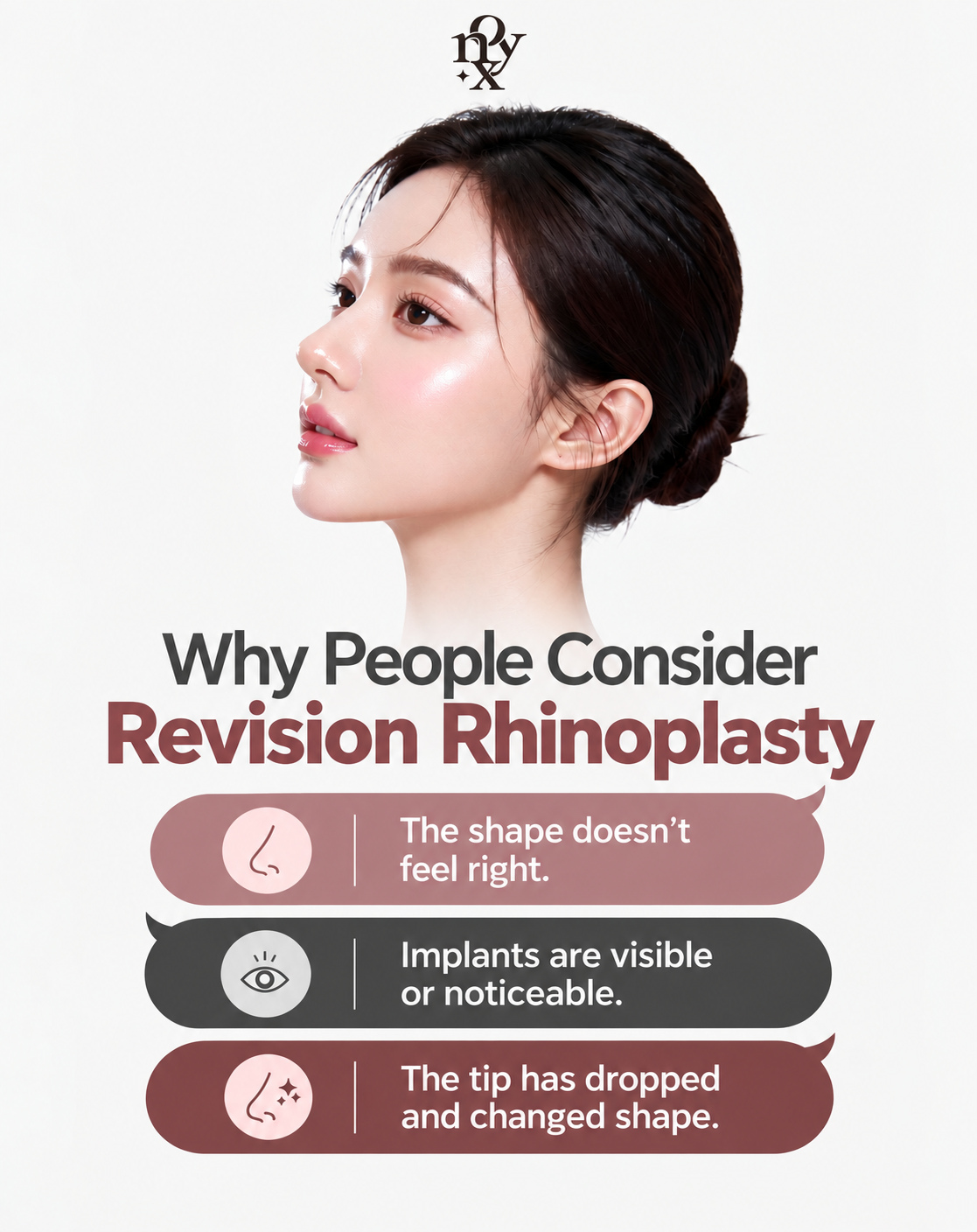
- A previous rhinoplasty that led to obstruction
If both function and appearance need improvement, Korean surgeons strongly recommend combined septorhinoplasty.
Why Korea Is a Global Leader in Functional Rhinoplasty
✔ Dual Expertise (ENT + Plastic Surgery)
Many Korean rhinoplasty surgeons have specialized training in airway anatomy AND cosmetic shaping.
✔ Structural, Long-Lasting Techniques
Korea focuses on cartilage reinforcement and stable framework building.
✔ Natural Aesthetic Philosophy
Breathing improvement is combined with subtle, harmony-focused shaping.
✔ Excellent Outcomes for Asian Nose Types
Functional correction often strengthens weak cartilage structures common in Asian anatomy.
✔ Advanced Revision Expertise
Korea is a top destination for patients with failed rhinoplasty or unresolved breathing issues.
Recovery Timeline
Week 1
- Splint removal
- Congestion slowly improves
Weeks 2–4
- Breathing becomes noticeably better
- Swelling decreases
Months 3–6
- Nose straightens and stabilizes
- Airway reaches optimal function
1 Year
- Final cosmetic and breathing results are fully visible
Most patients resume normal daily activities within 7–10 days.
Results You Can Expect
After functional rhinoplasty in Korea, patients typically experience:
- Clearer, stronger airflow
- Reduced snoring
- Better sleep quality
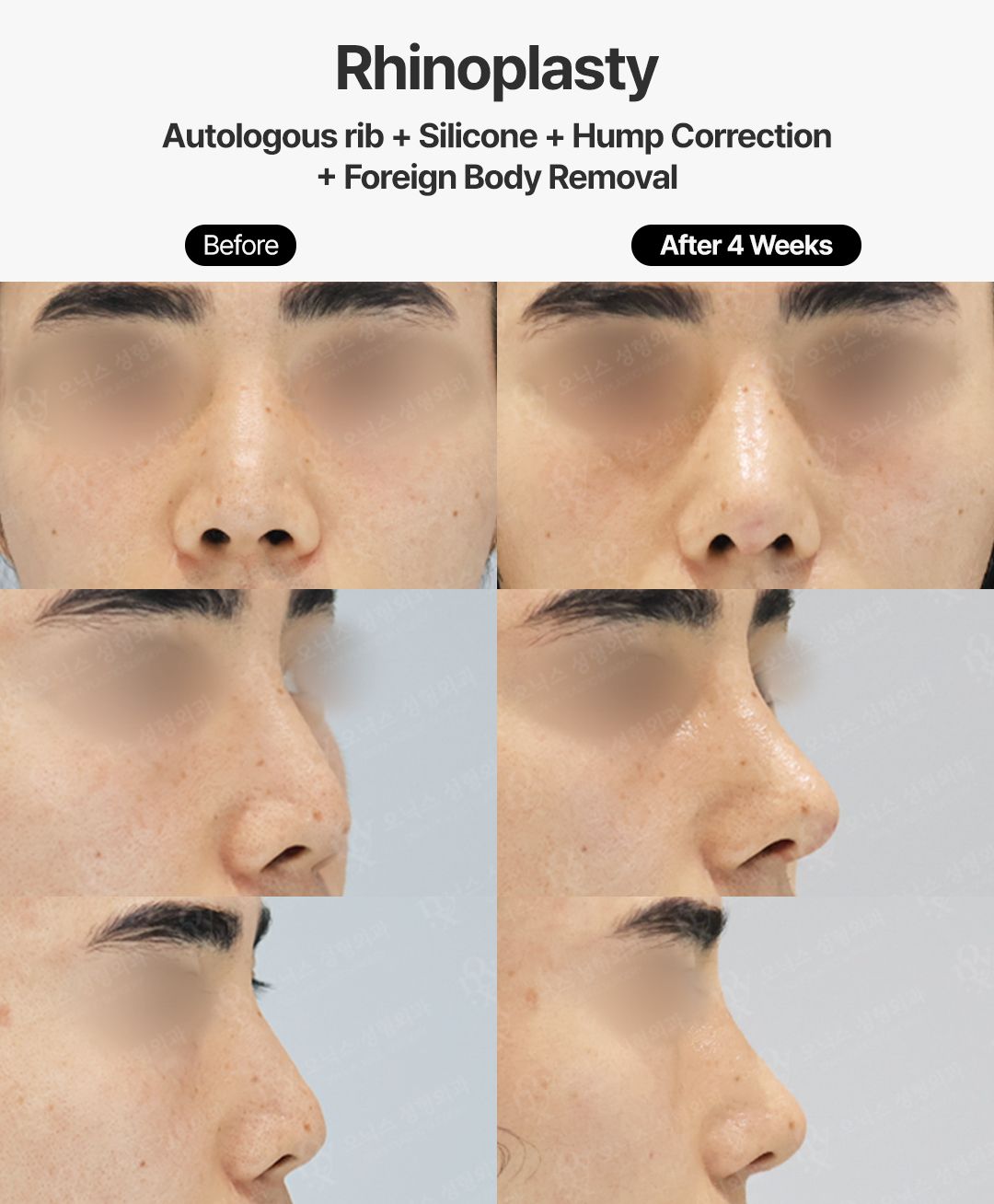
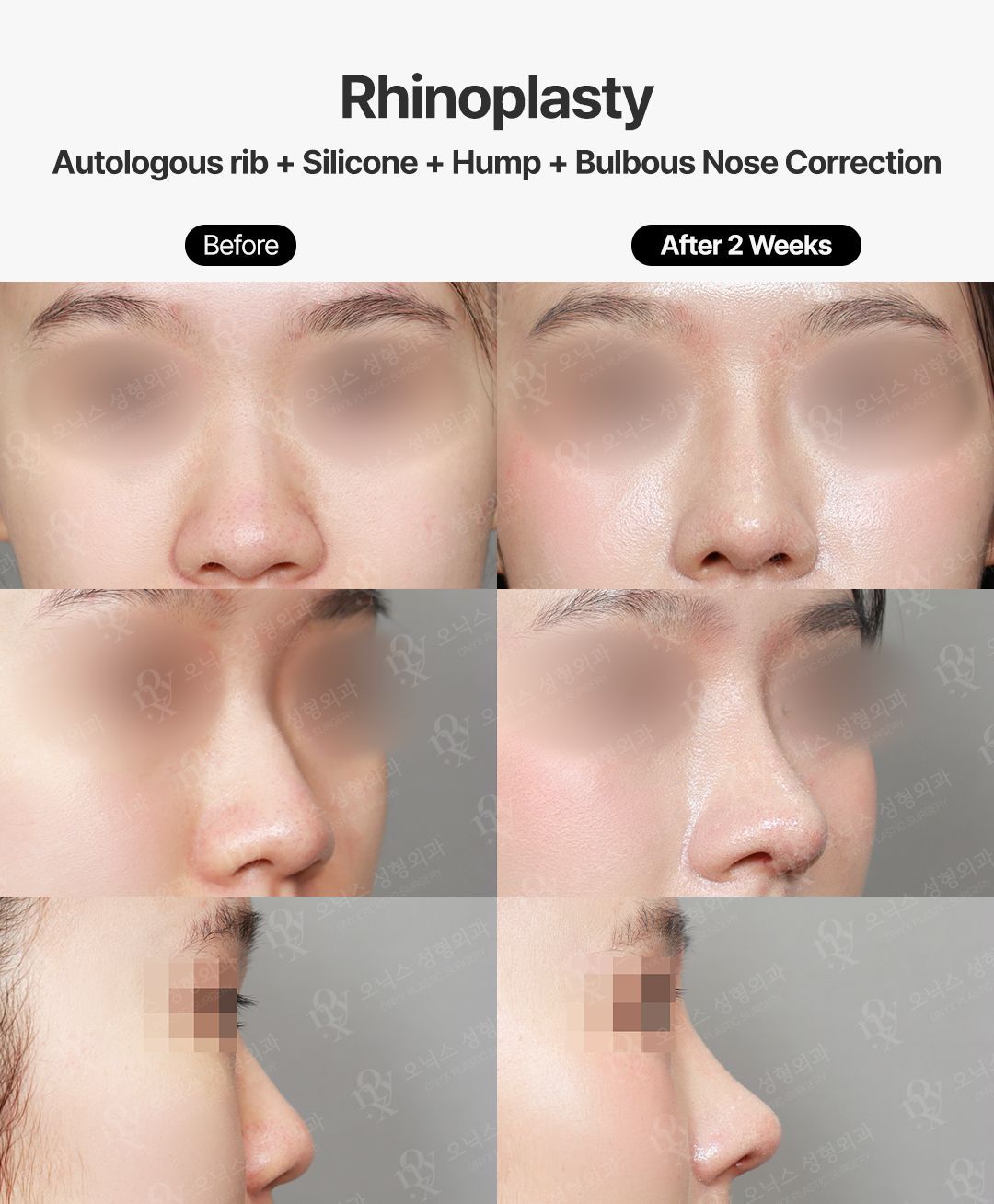
- A straighter, more balanced nose
- Improved nasal valve support
- Natural-looking facial harmony
- Long-term structural stability
Most patients report a significant improvement in daily comfort and confidence.
Final Thoughts
A deviated septum affects both health and appearance. Functional rhinoplasty in Korea offers a comprehensive solution — correcting internal blockage while refining the nose cosmetically. With advanced surgical methods and a strong focus on natural proportion, Korea remains one of the best destinations for long-lasting septal correction and balanced rhinoplasty results.