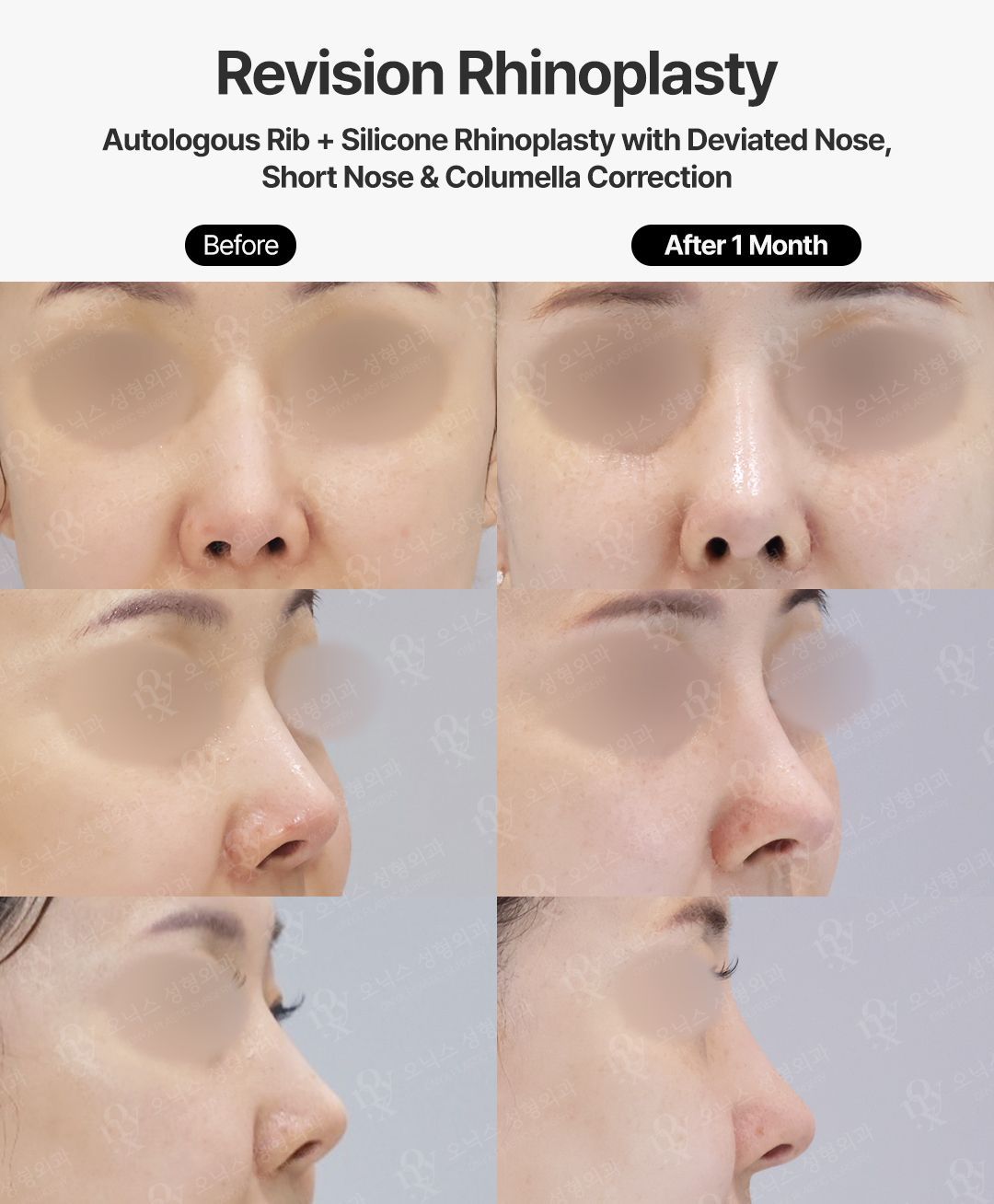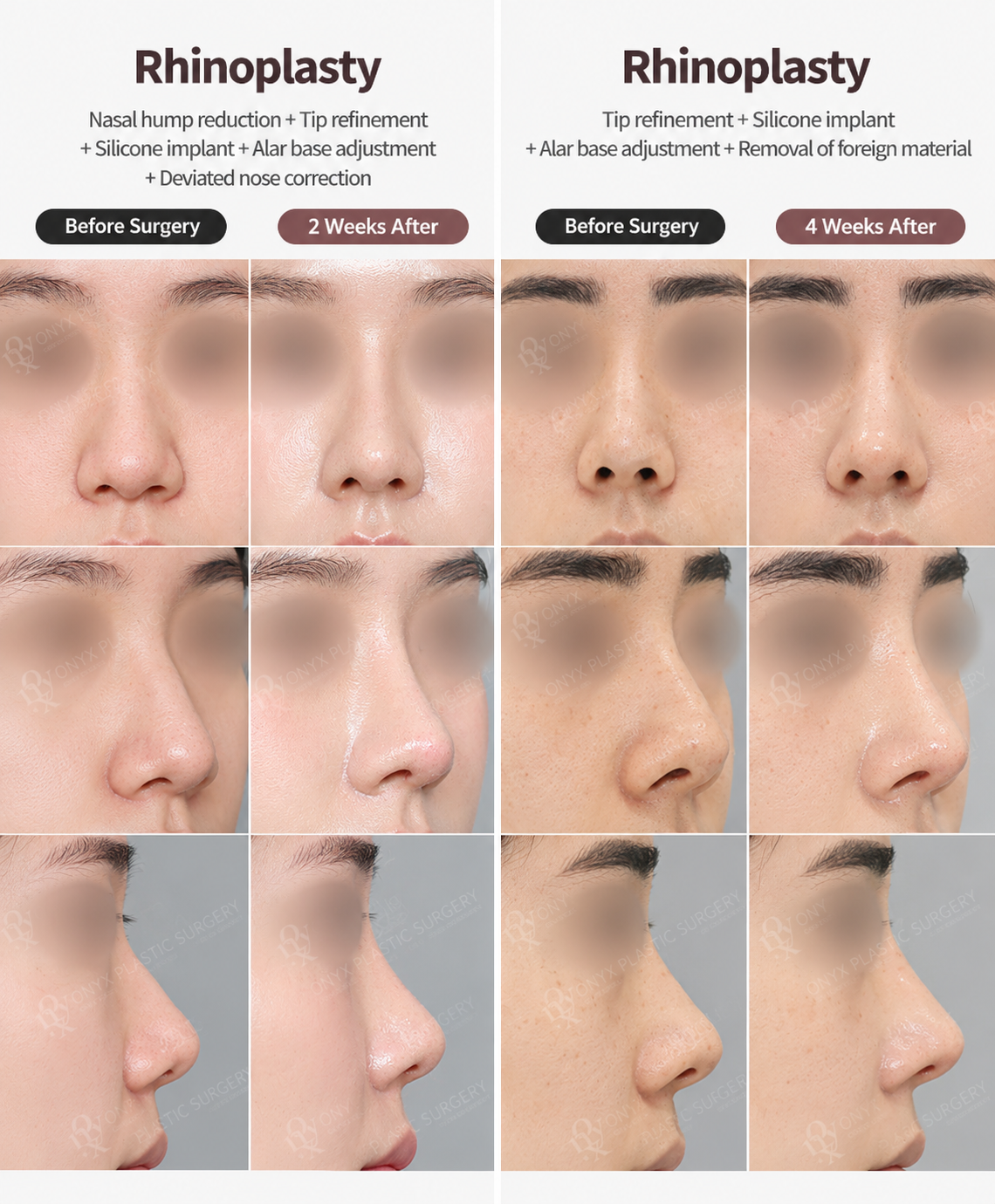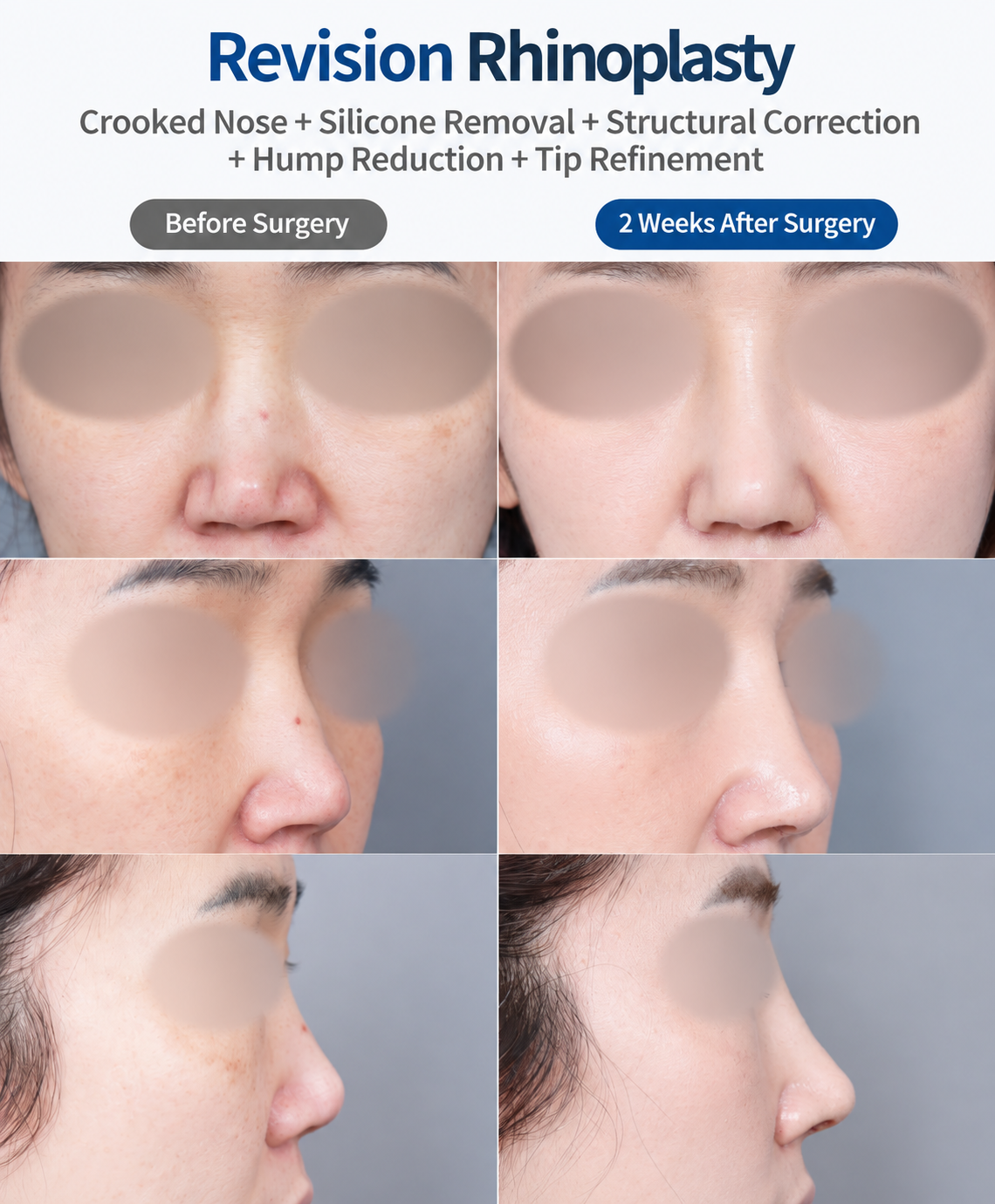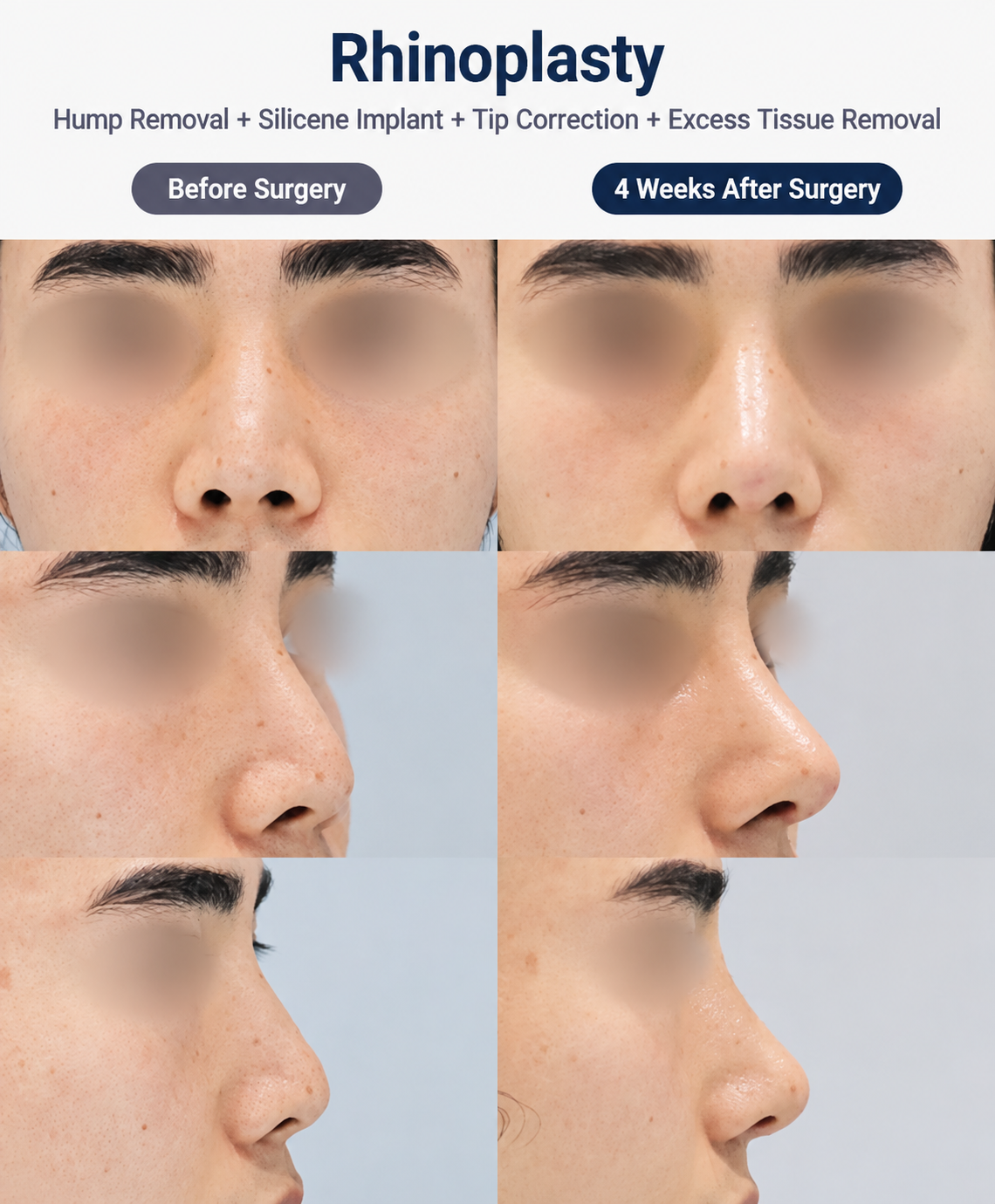
Crooked Nose Correction in Korea
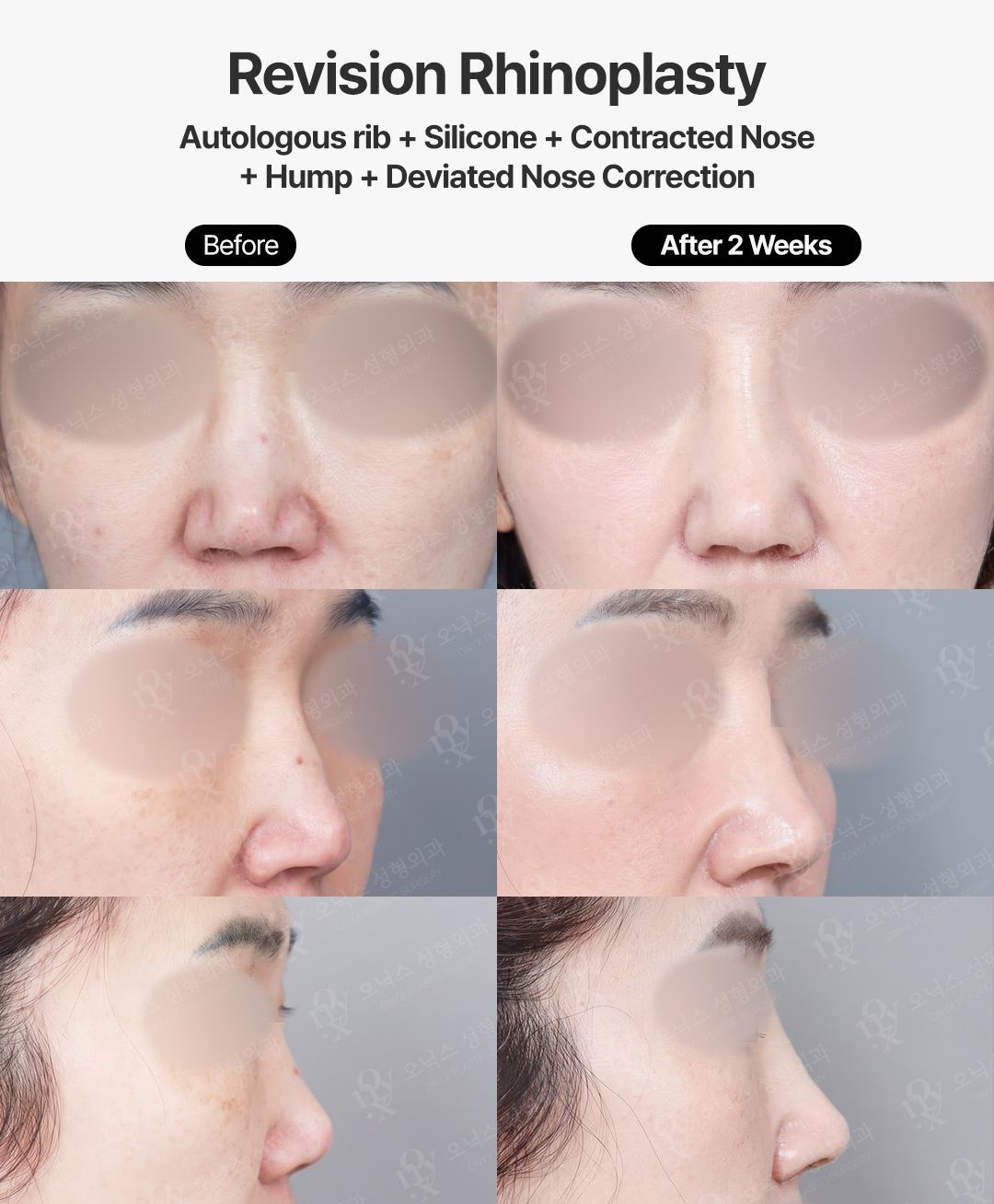
A crooked or deviated nose can affect both appearance and breathing. Whether caused by genetics, previous injury, or a failed rhinoplasty, a crooked nose often requires precise structural correction — not just cosmetic adjustments.
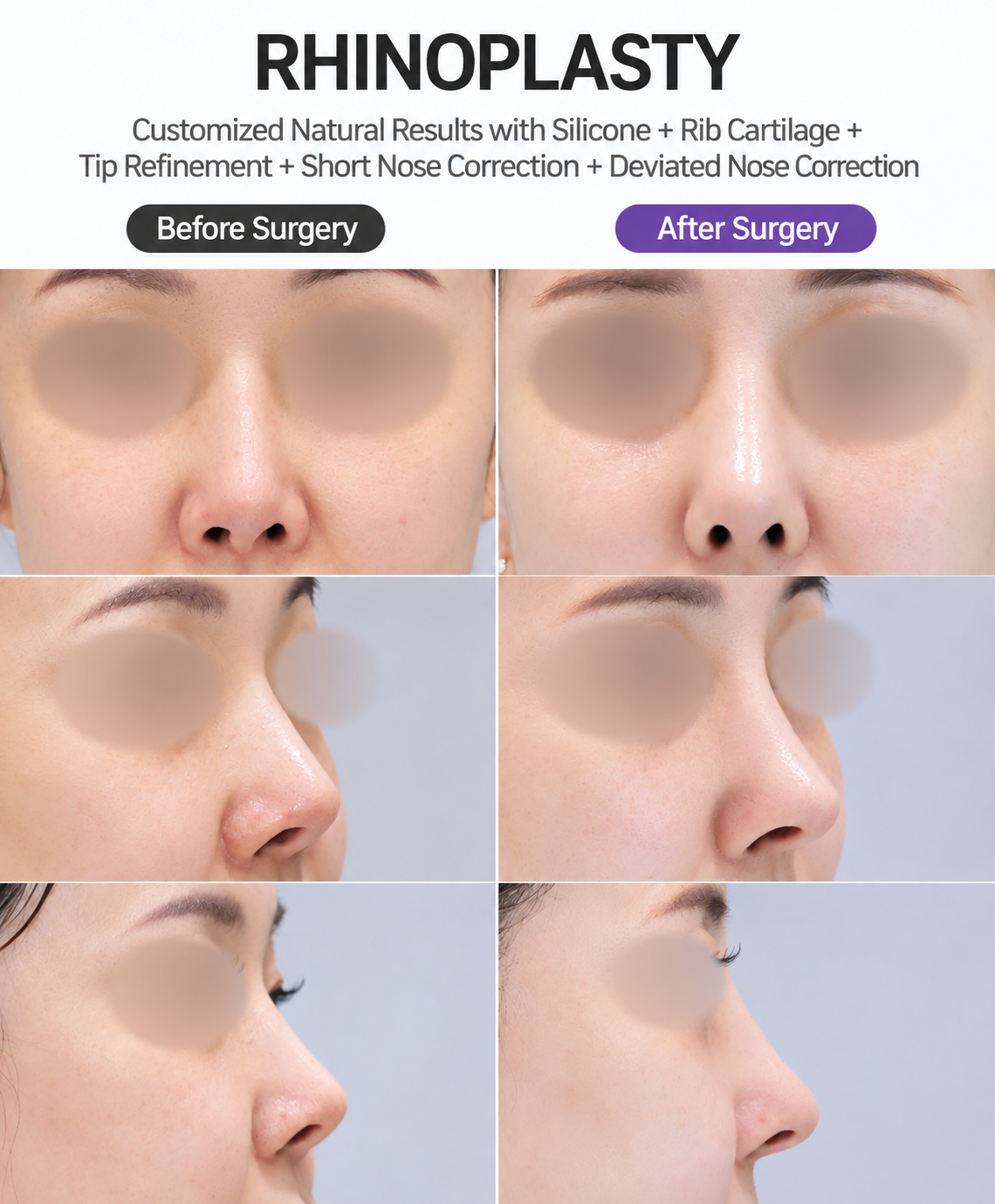
Korea is known for advanced crooked nose surgeries that combine functional repair with aesthetic refinement, offering natural, symmetrical, and stable results.
This guide explains the causes of crooked noses, how Korean surgeons fix them, and what results you can expect.
Why Noses Become Crooked
A crooked nose happens when internal and external structures shift out of alignment. Common causes include:
- Deviated septum
- Trauma or previous injury
- Asymmetric cartilage growth
- Prior rhinoplasty complications
- Weak nasal framework
- Congenital deformities
Because crooked noses usually involve both bone and cartilage, they require advanced structural correction — something Korean specialists excel at.
Types of Crooked Noses Korea Treats Most Often
C-shaped deviation
Nose bends gently to one side.
S-shaped deviation
Bridge curves in two directions, often more complex.
High dorsal deviation
Upper nasal bones are misaligned (common after trauma).
Cartilaginous deviation
Lower two-thirds of the nose is off-center.
Septal deviation + external crookedness
Both inside and outside the nose are misaligned, causing breathing issues.
How Korean Surgeons Correct a Crooked Nose
Crooked nose correction in Korea typically involves septorhinoplasty, which repairs both structural and aesthetic components.
1. Septal Realignment (Septoplasty)
The septum is repositioned or reconstructed to restore central alignment and improve airflow.
2. Osteotomy (Bone Repositioning)
Small, controlled bone cuts are made to reposition the nasal bones back to the midline.
3. Cartilage Grafting for Support
Surgeons may use:
- Septal cartilage
- Ear cartilage
- Rib cartilage (for severe cases)
These grafts strengthen and straighten the nose so it stays aligned long-term.
4. Spreader Grafts
Placed along the dorsum to:
- Straighten the bridge
- Improve internal breathing valve
- Prevent future collapse or deviation
5. Tip Correction
If the tip is also crooked, surgeons adjust:
- Alar cartilage symmetry
- Projection
- Rotation
- Tip support structure
6. Functional Breathing Restoration
Crooked noses often cause:
- Nasal obstruction
- Mouth breathing
- Snoring
Korean surgeons correct internal function at the same time as external reshaping.
Why Korea Is a Top Destination for Crooked Nose Correction
✔ Specialization in Difficult Cases
Korean surgeons routinely correct trauma noses, S-shaped deviations, and revision cases.
✔ Strong Structural Techniques
Cartilage reinforcement ensures long-lasting, stable results.
✔ Natural Aesthetic Philosophy
The goal is harmony — not an artificial, overdone look.
✔ Advanced Septorhinoplasty Training
Many Korean surgeons specialize in both ENT and plastic surgery, blending function + aesthetics.
✔ Higher Success Rate for Revision Corrections
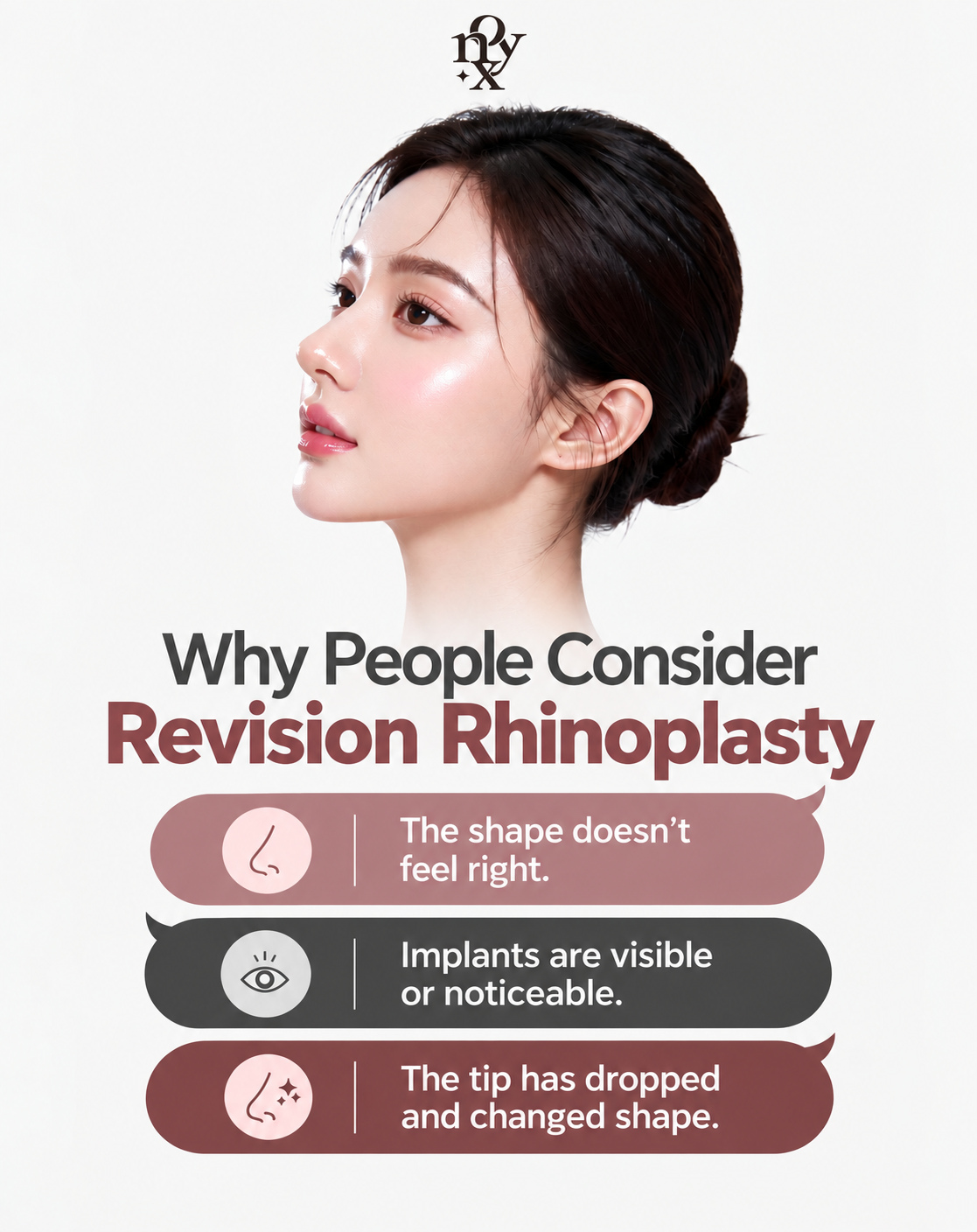
Crooked noses often require revision-level expertise, which Korea is known for.
Results You Can Expect
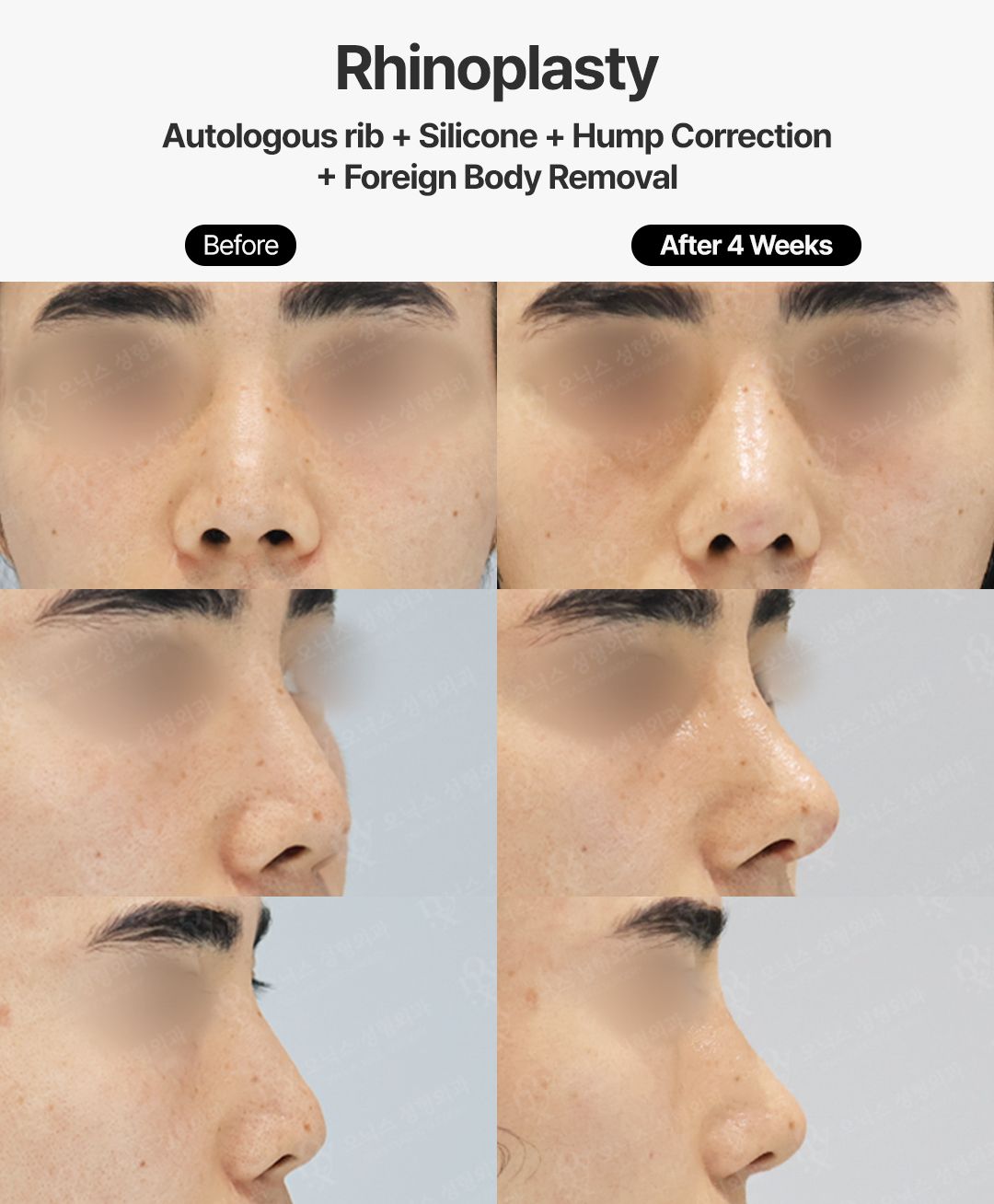
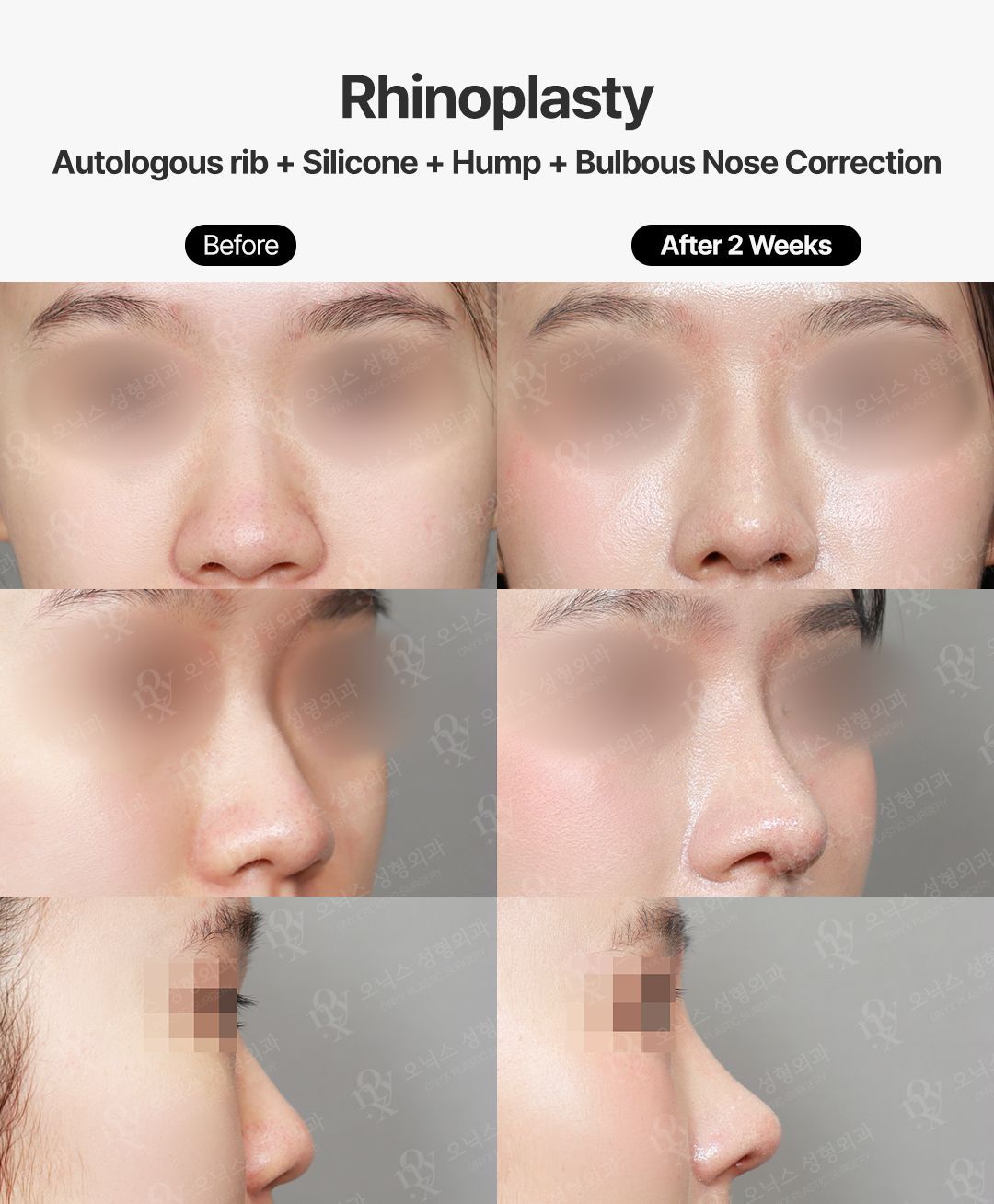
After crooked nose correction, most patients see:
- A straighter, more symmetrical nose
- Improved profile and front-view balance
- Better breathing through both nostrils
- A stronger, more stable nasal structure
- Natural-looking tip and bridge refinement
Complex deviations may require rib cartilage, but the result is typically long-lasting.
Recovery Timeline
Week 1
- Splint removed
- Swelling and bruising start to fade
Weeks 2–4
- Nose looks significantly straighter
- Breathing improves
3–6 Months
- Tip definition increases
- Bridge smooths further
6–12 Months
- Final shape becomes stable
- Internal straightening fully settles
Is Revision Surgery Needed?
If the crooked nose resulted from:
- Previous rhinoplasty
- Trauma
- Over-resection
- Weak cartilage support
Then revision surgery may be required. Korea has a strong track record in revision rhinoplasty using structural grafting.
Final Thoughts
Correcting a crooked nose requires more than simple reshaping — it demands structural repair, cartilage support, and internal functional correction. Korea is one of the best destinations for crooked nose surgery because surgeons excel in combining aesthetics with airway improvement.
If you want a
straighter, more harmonious, and better-functioning nose, Korean septorhinoplasty offers one of the highest success rates worldwide.