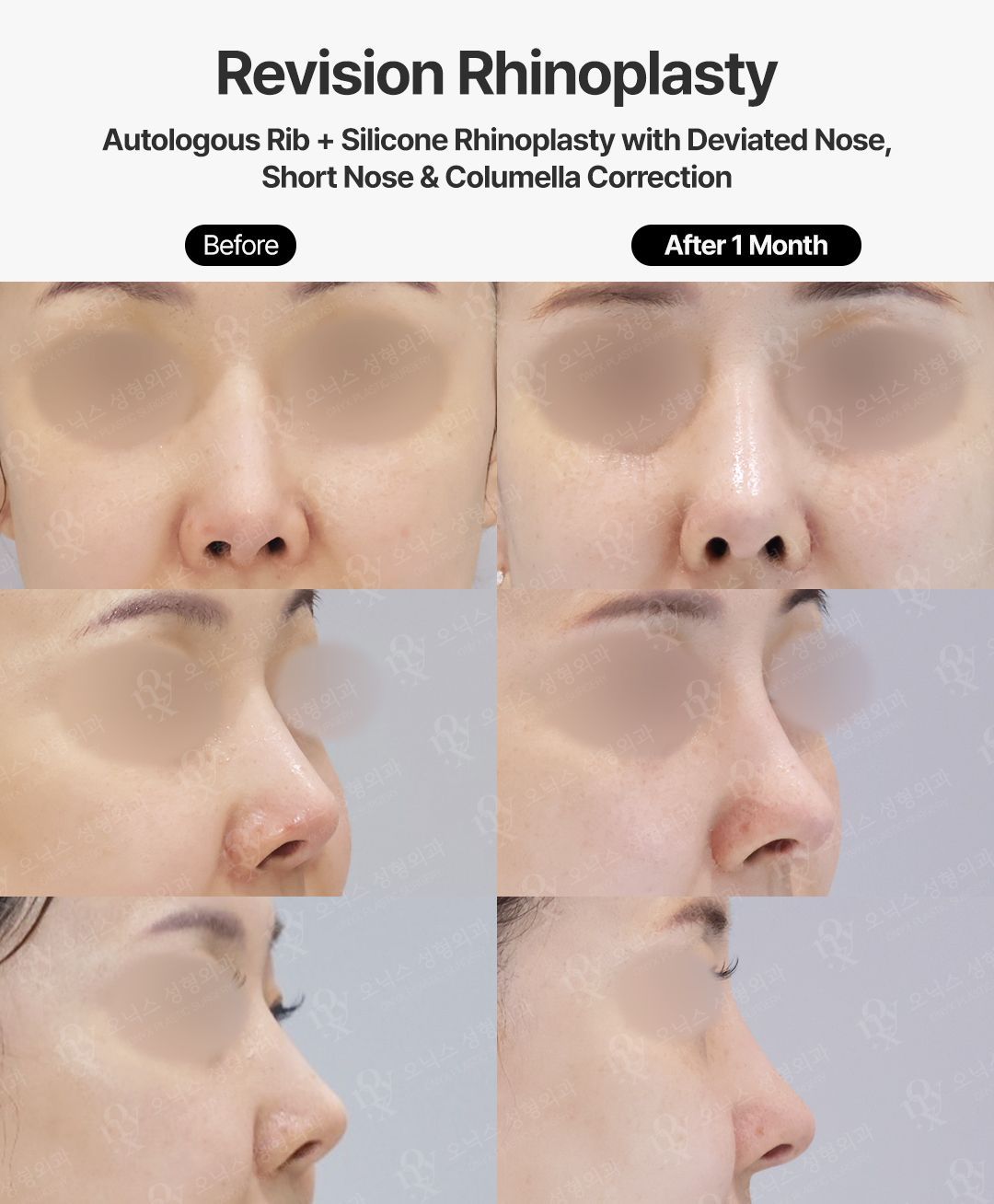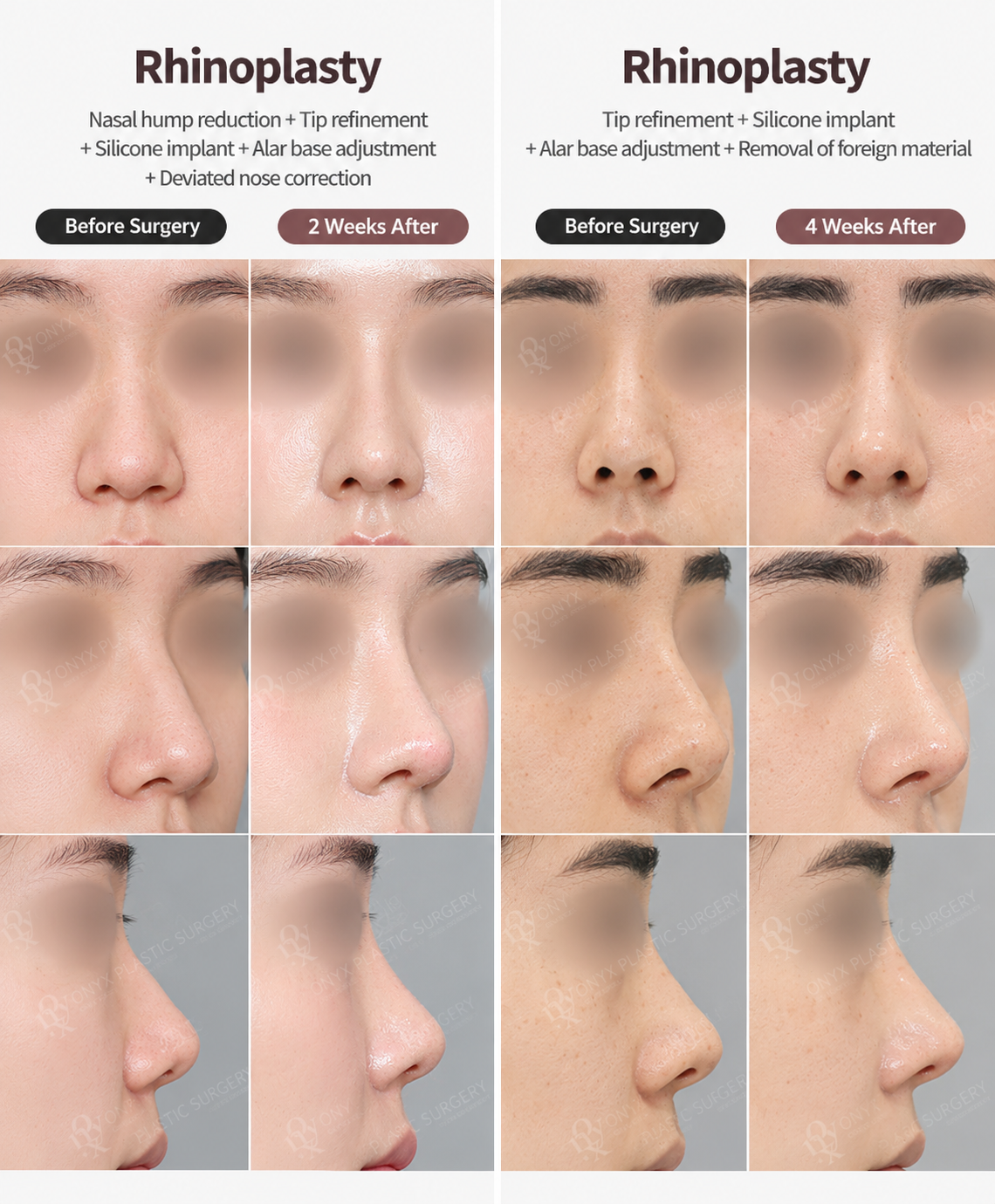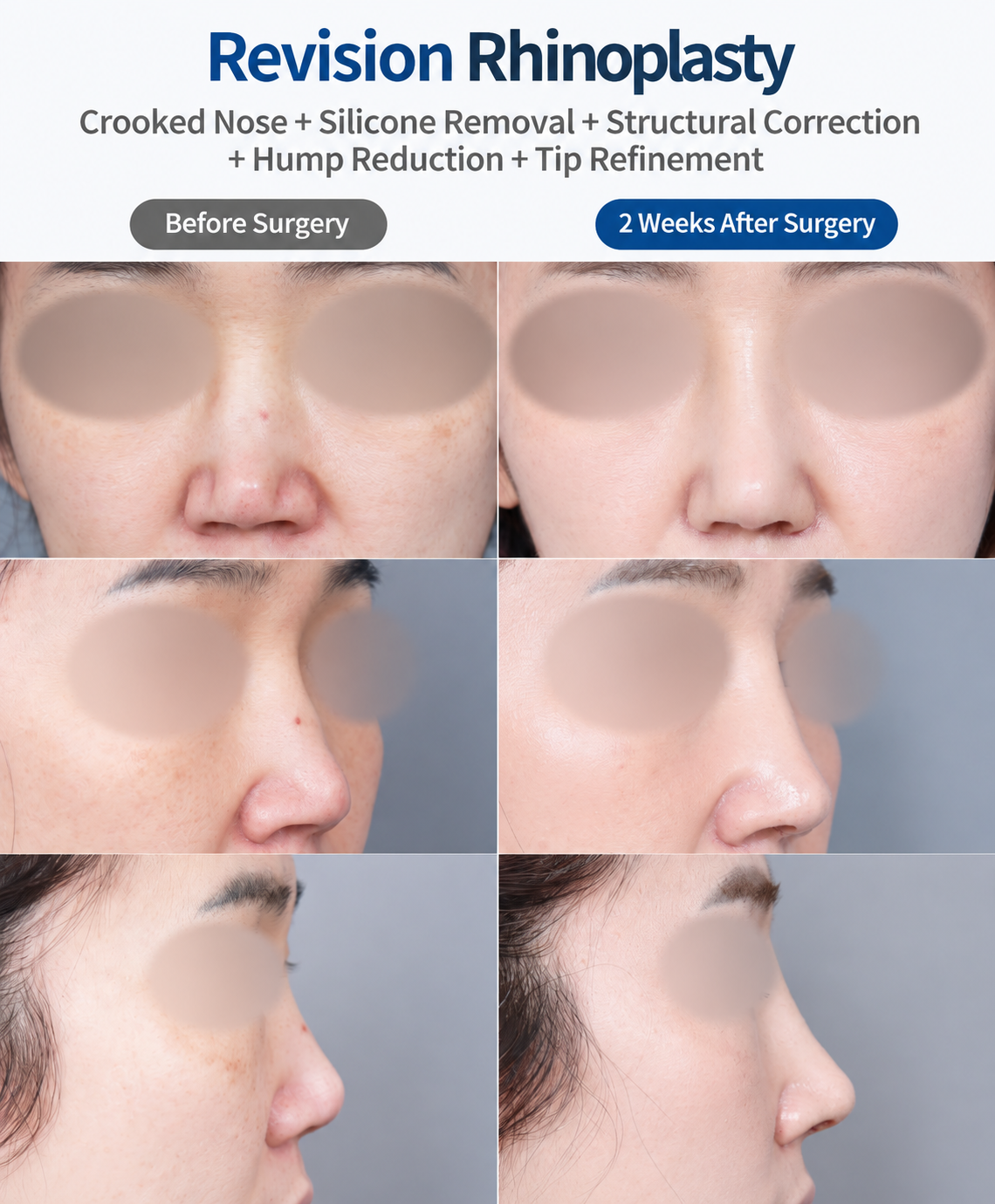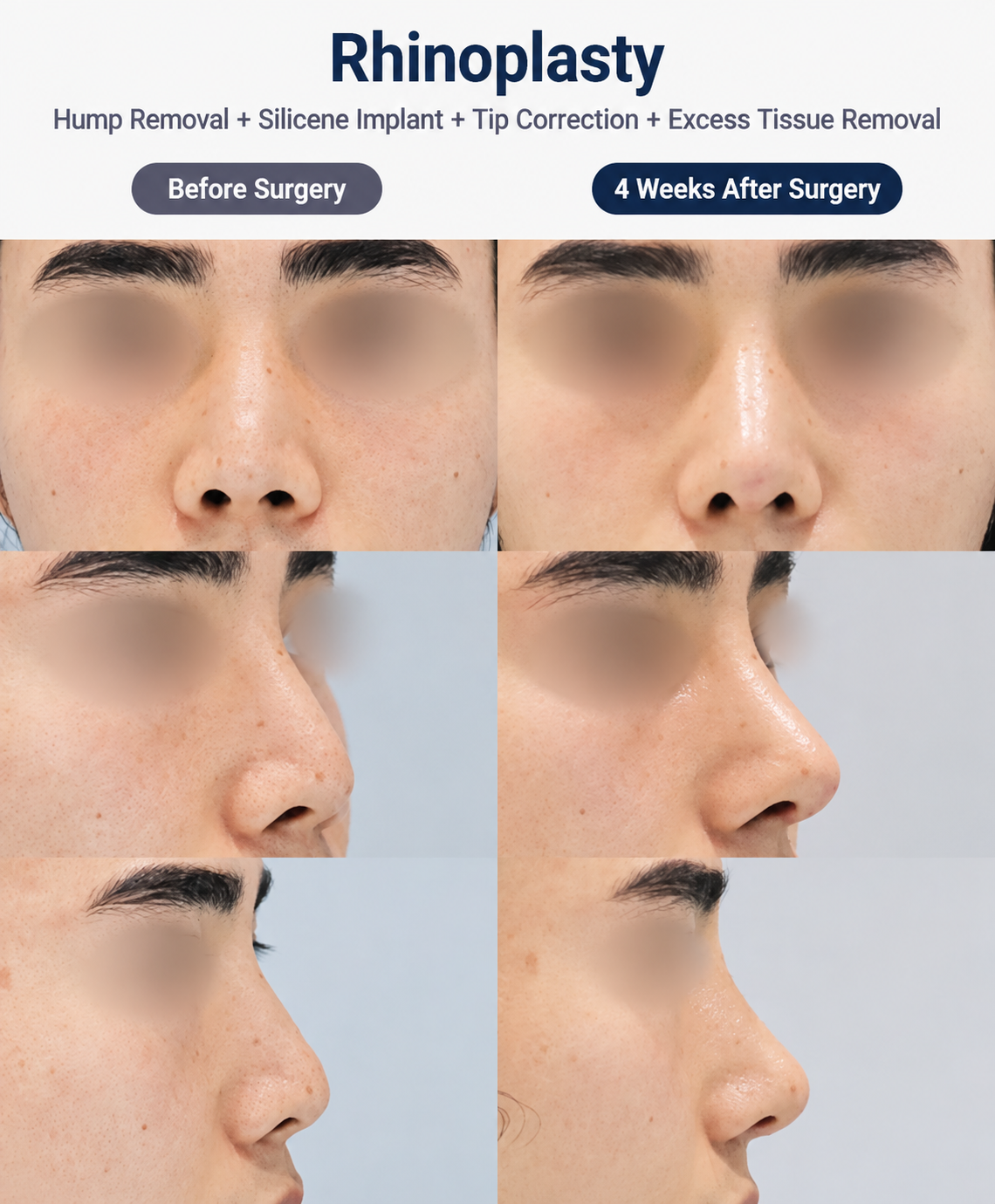
Septoplasty + Rhinoplasty: Fixing Function and Aesthetics
Many people struggle with both breathing problems and cosmetic concerns about their nose. A deviated septum can cause congestion, snoring, headaches, and difficulty breathing — while the external shape of the nose may not match the patient’s aesthetic goals.
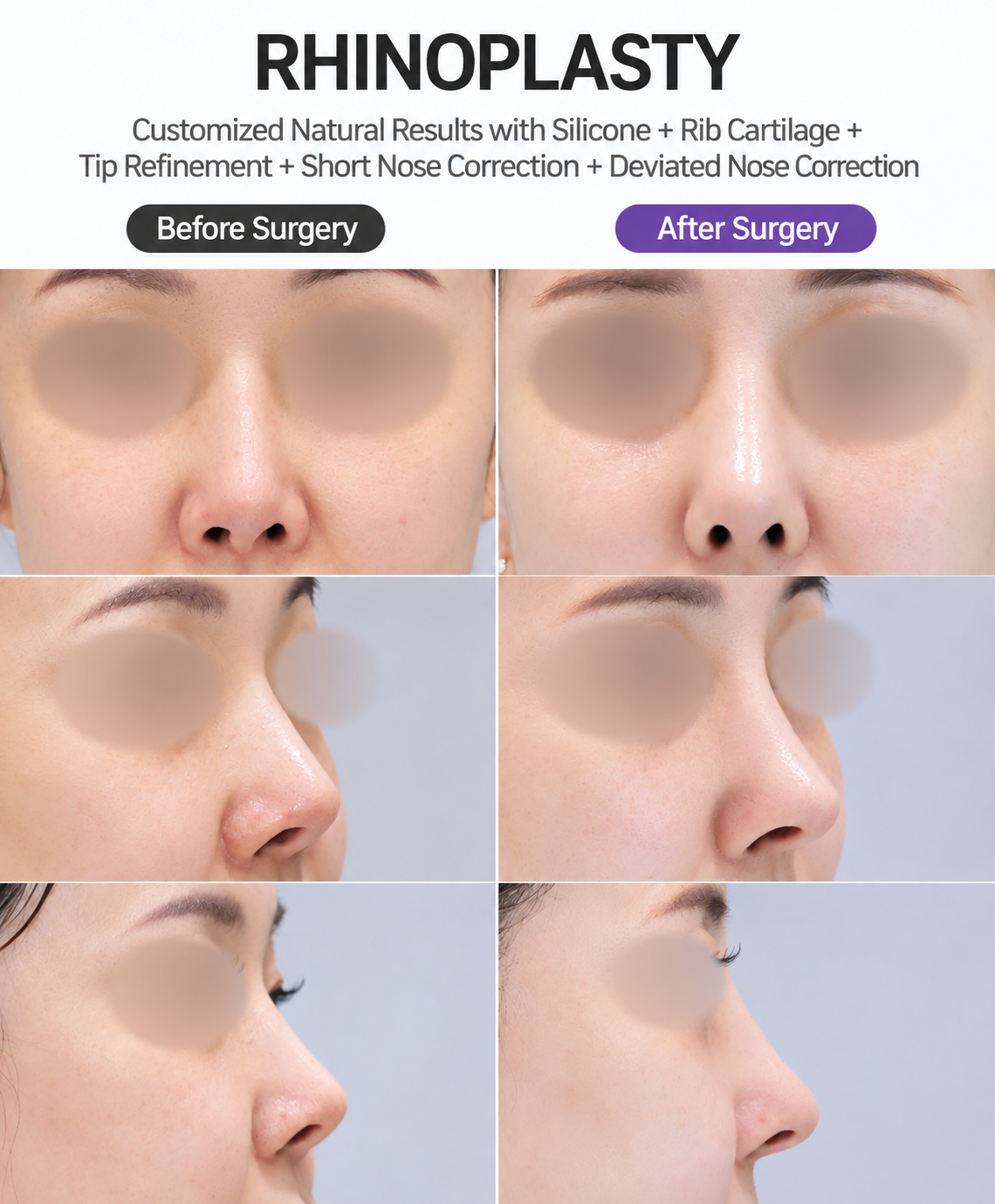
This is why septoplasty + rhinoplasty (often called septorhinoplasty) has become one of the most effective combined procedures in Korea. It corrects nasal function and improves appearance at the same time, giving patients a healthier, more harmonious nose.
Here’s a complete beginner-friendly guide on how the combination works, who needs it, and why Korean surgeons are known for exceptional results.
What Is Septoplasty?
Septoplasty is a functional procedure that corrects a deviated septum — the cartilage and bone that divide the nose internally.
What Septoplasty Fixes
- Blocked nasal airflow
- Chronic congestion
- Snoring or mouth breathing
- Frequent sinus infections
- Obstruction during exercise
- Asymmetry caused by internal deviation
Septoplasty does not change the external shape of the nose by itself, which is why patients often combine it with rhinoplasty.
What Is Rhinoplasty?
Rhinoplasty reshapes the outer structure of the nose. It can be aesthetic, functional, or both.
Common Rhinoplasty Goals
- Higher or straighter bridge
- Refined or lifted tip
- Narrower nostrils
- Better facial balance
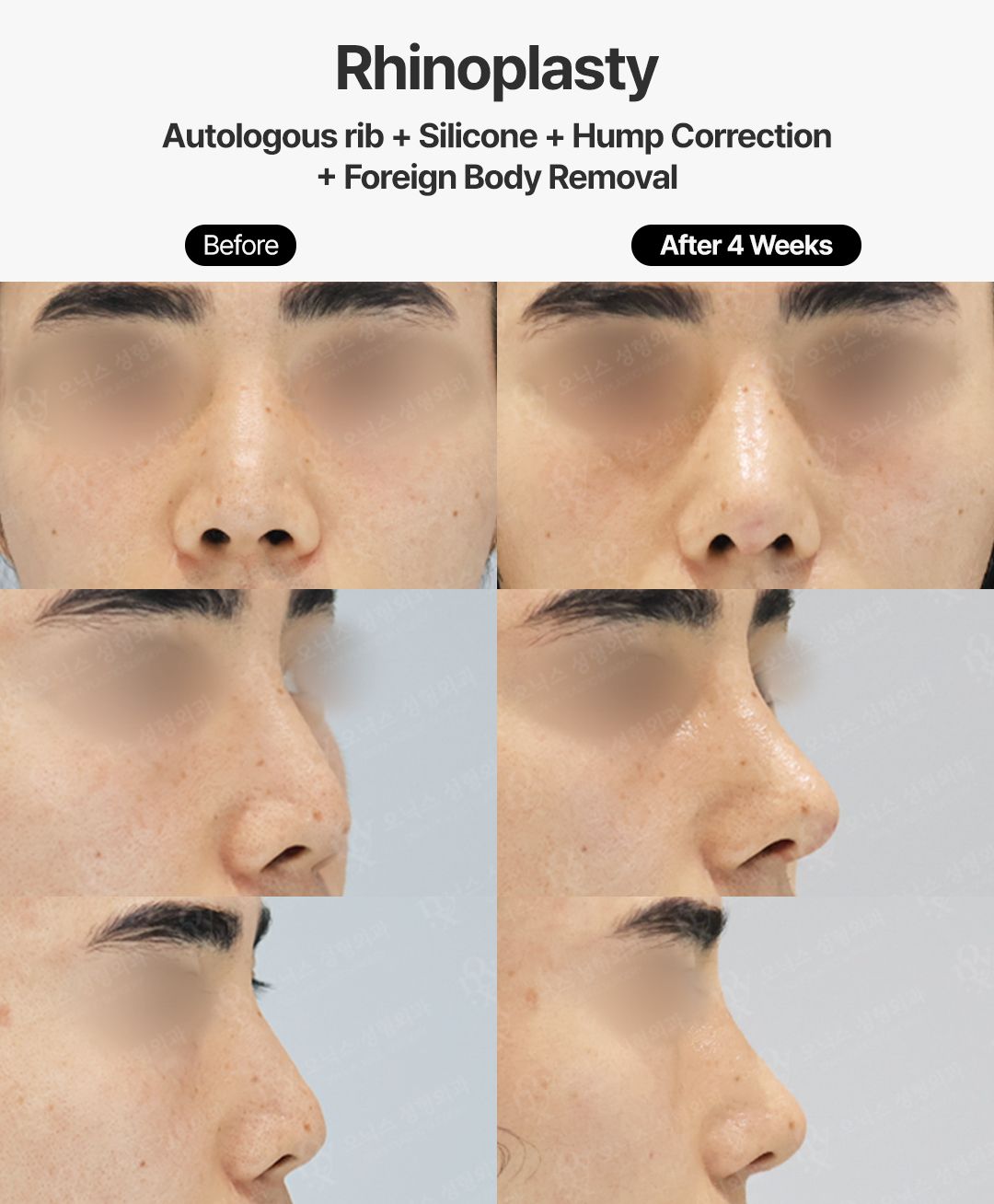
- Correction of humps or crooked shape
- Improved symmetry
Why Combine Septoplasty + Rhinoplasty?
Many patients choose the combined procedure because:
1. One Surgery = One Recovery
Instead of two separate procedures, patients undergo a single operation and a single healing period.
2. Better Structural Stability
Straightening the septum gives the surgeon stronger internal support for shaping the nose.
3. Natural, Long-Lasting Results
A well-aligned internal structure helps maintain tip projection, bridge height, and nasal symmetry over time.
4. Improves Breathing and Appearance Together
Patients enjoy:
- Better airflow
- Reduced congestion
- A nose that looks balanced and harmonious
5. Cost-Effective
Combining procedures is often more affordable than doing them separately, especially in Korea.
How the Procedure Works (Simplified)
Step 1: Correcting the Septum
The surgeon removes or reshapes deviated cartilage and bone to open the airway.
Step 2: Preserving Useful Cartilage
Straightened septal cartilage is often used as graft material for:
- Tip support
- Bridge enhancement
- Nose straightening
Step 3: Sculpting the External Nose
Depending on the patient’s goals, the surgeon may:
- Refine the tip
- Build or straighten the bridge
- Reduce nostril width
- Align the nose with facial proportions
Step 4: Ensuring Functional Balance
Before closing, the surgeon checks airflow and internal support to guarantee long-term breathing improvement.
Who Needs Septoplasty + Rhinoplasty?
This combined procedure is ideal for people who have:
- A deviated septum
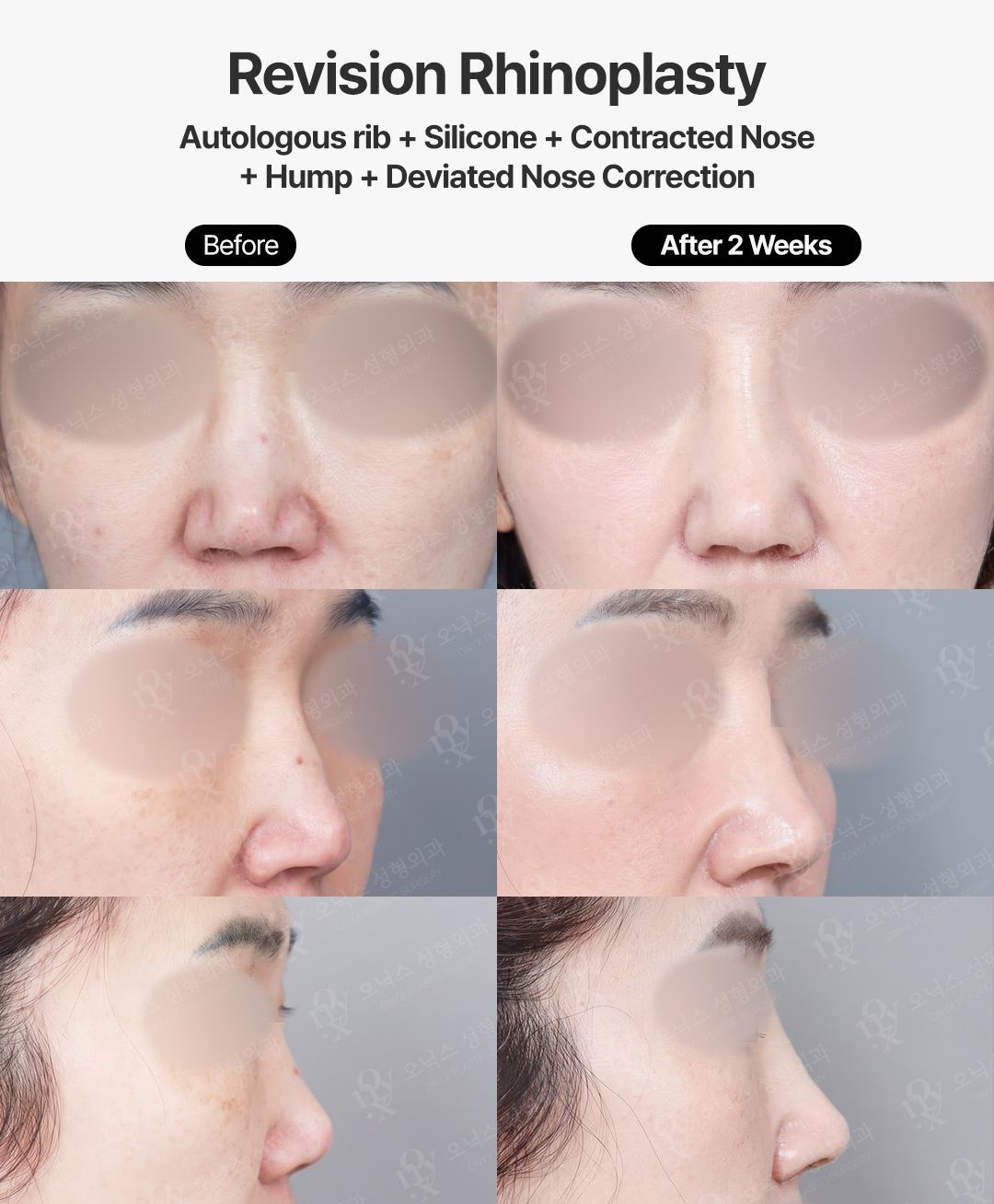
- Crooked nose
- Nasal obstruction
- Snoring or mouth breathing
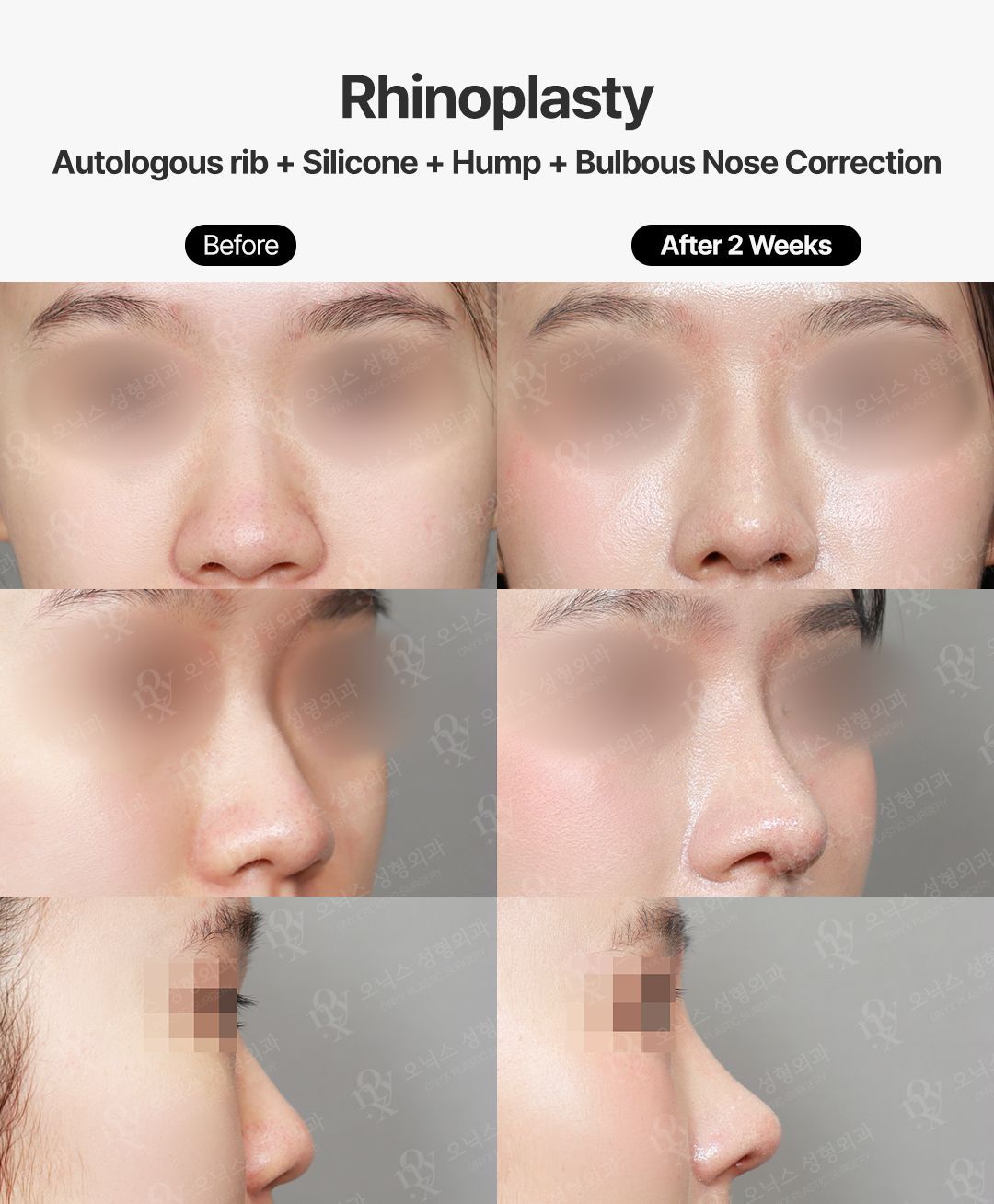
- Aesthetic concerns (flat bridge, bulbous tip, wide nostrils)
- Trauma-related deformities
- Difficulty breathing during sleep or exercise
If both function and appearance are affected, septorhinoplasty is usually recommended over separate surgeries.
Benefits of Septorhinoplasty in Korea
Korea is known for detailed structural work, natural results, and advanced internal techniques.
✔ Improved Breathing Capacity
Korean surgeons prioritize functional correction, not just aesthetics.
✔ Strong Cartilage Framework
Septal cartilage grafting creates durable, long-lasting shape.
✔ Natural Aesthetic Balance
The nose is shaped to match the patient’s facial proportions, ethnic features, and skin thickness.
✔ Less Swelling & Faster Healing
Korean clinics emphasize minimal trauma and efficient aftercare.
✔ Better Results for Asian Nose Types
Structural support techniques help with:
- Low bridges
- Weak tips
- Thick skin
- Short noses
Recovery Timeline
Week 1
- Nasal splint removed
- Congestion gradually improves
- Bruising subsides
Week 2–3
- Noticeable improvements in both appearance and breathing
1–3 Months
- Tip definition improves
- Airway continues to clear
6–12 Months
- Final nose shape fully visible
- Septum stabilizes
Most patients feel comfortable being social after 10–14 days.
Common Questions
“Will this help my breathing immediately?”
Yes, many patients notice improved airflow within 1–2 weeks.
“Can septoplasty change my nose shape?”
Not by itself — external cosmetic reshaping requires rhinoplasty.
“Is the combined procedure safe?”
When performed by an experienced surgeon, it is considered highly safe and structurally beneficial.
“Does insurance cover the septoplasty part?”
In some countries, functional correction may be partially covered. (This varies.)
Final Thoughts
Septoplasty + rhinoplasty gives patients the best of both worlds: a nose that looks better AND works better. By correcting internal blockage and reshaping the external structure in one surgery, Korean surgeons create stable, natural, and long-lasting results tailored to each individual.
For anyone experiencing both breathing issues and aesthetic concerns, septorhinoplasty is often the most efficient and effective solution.