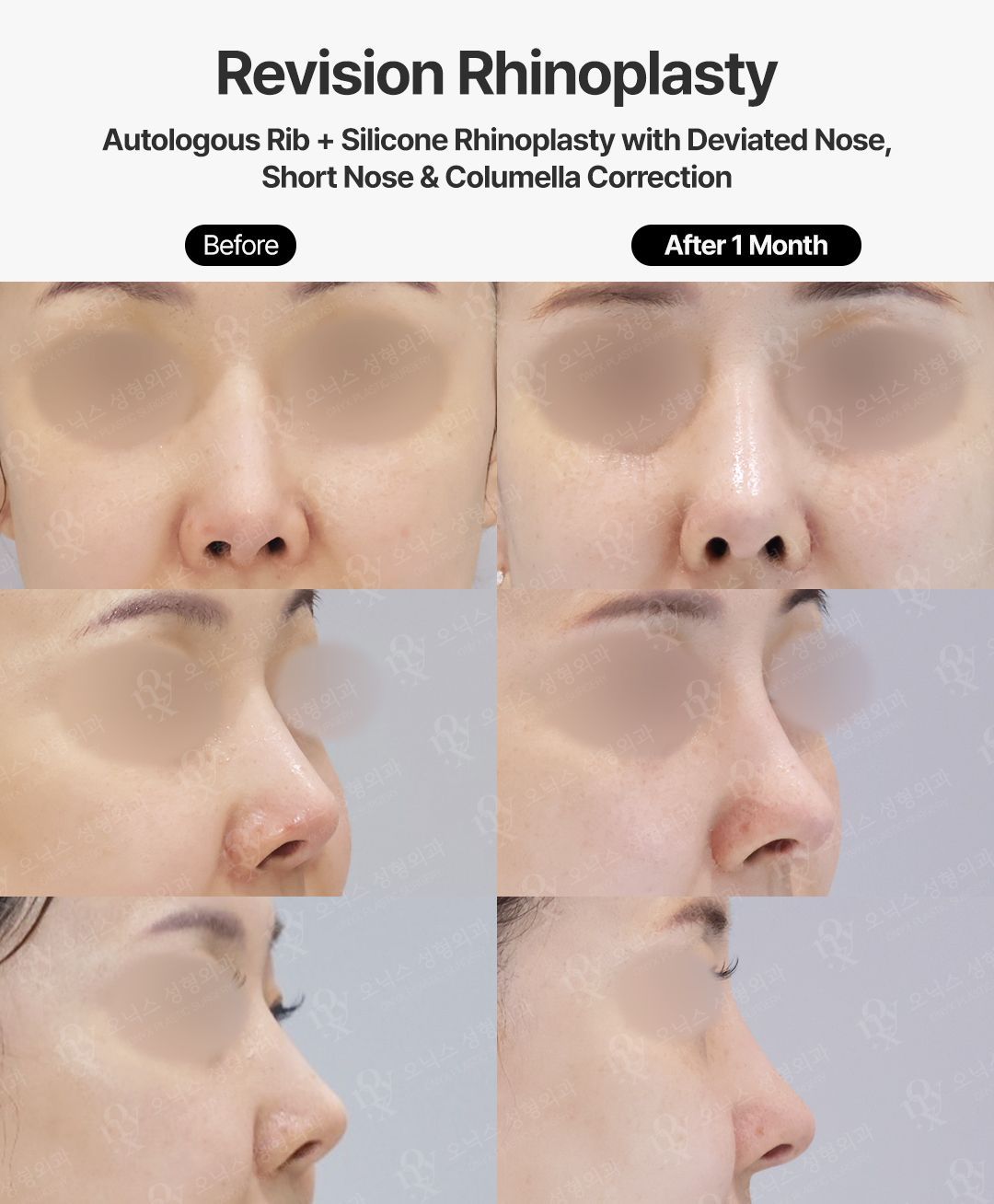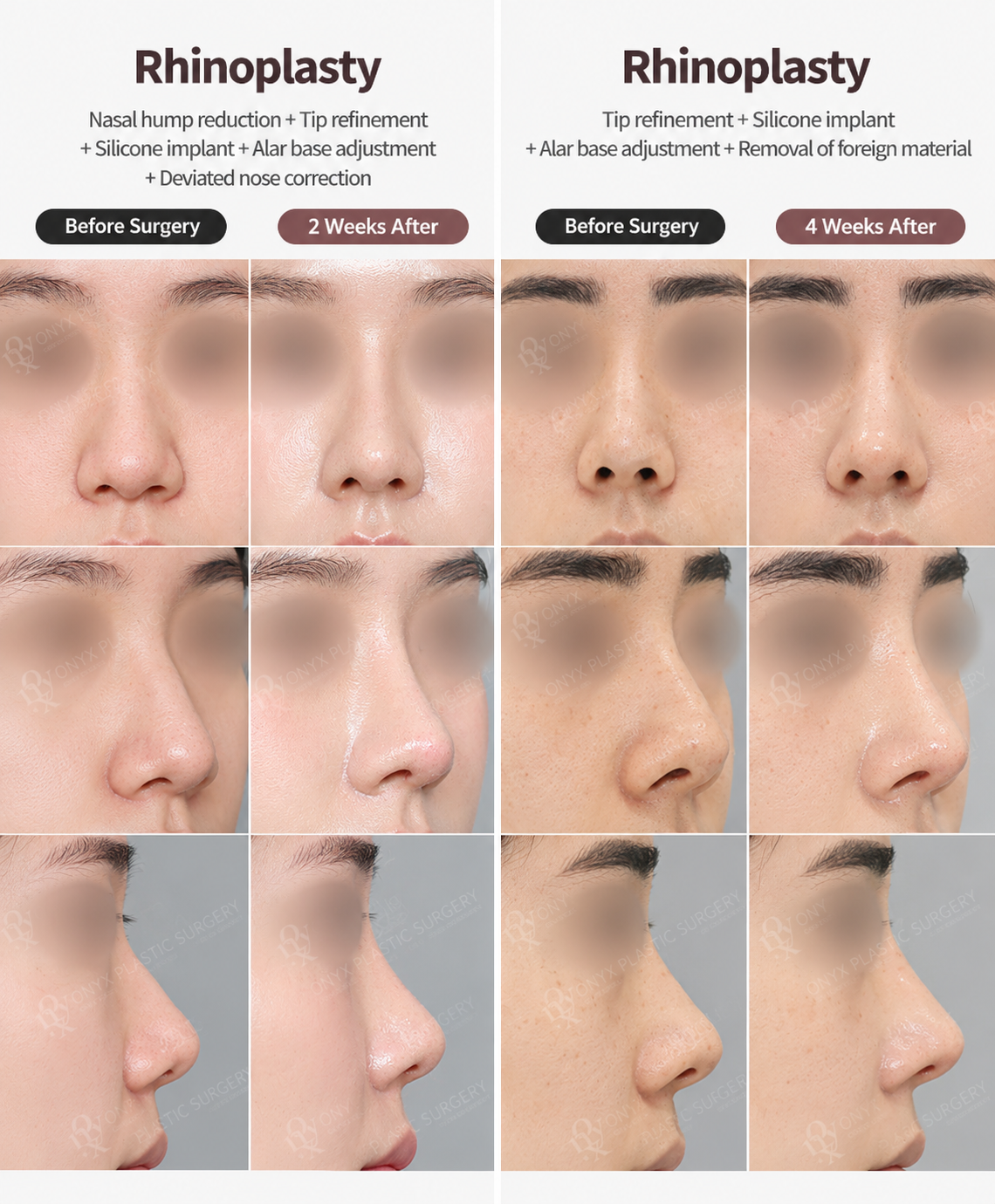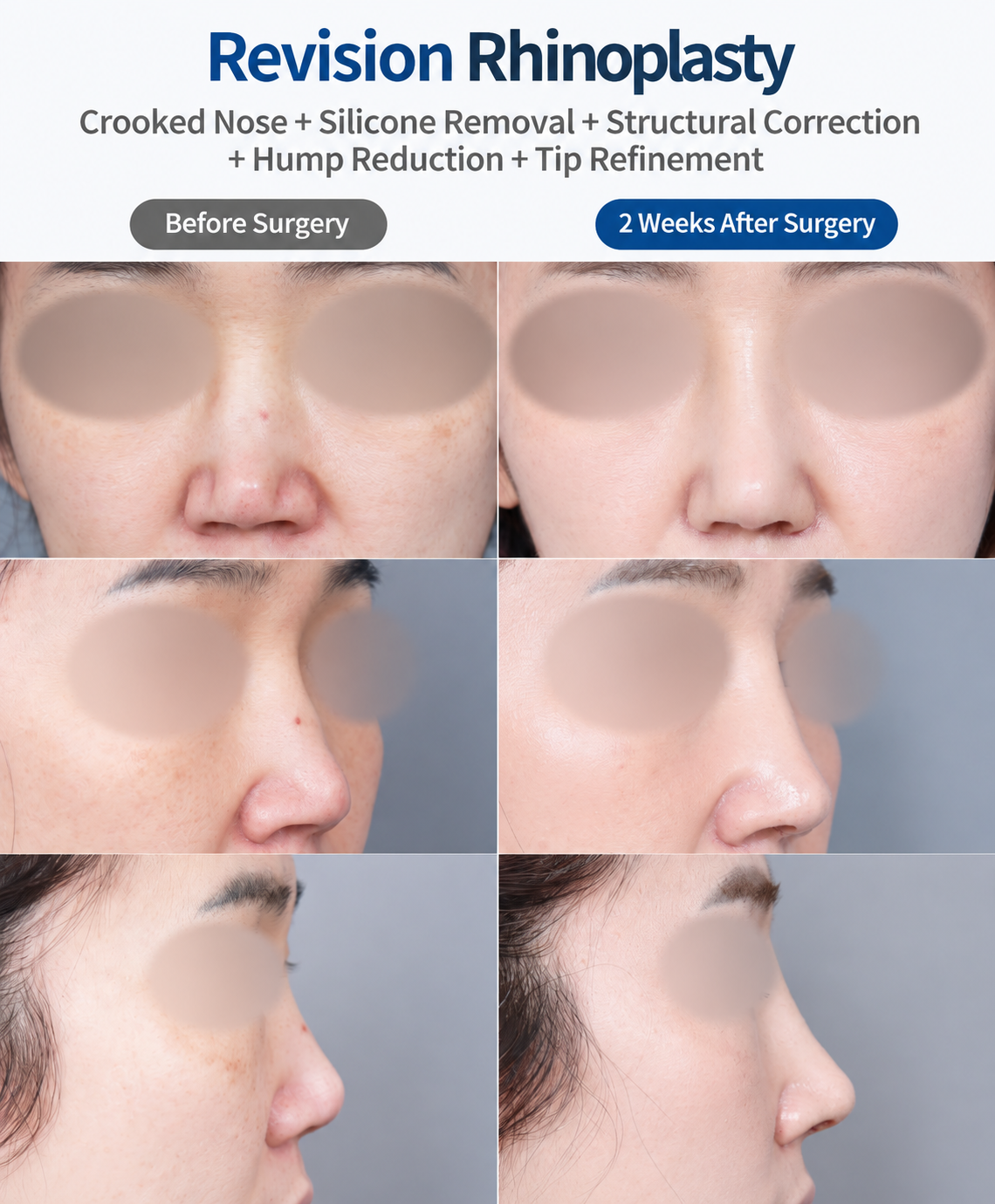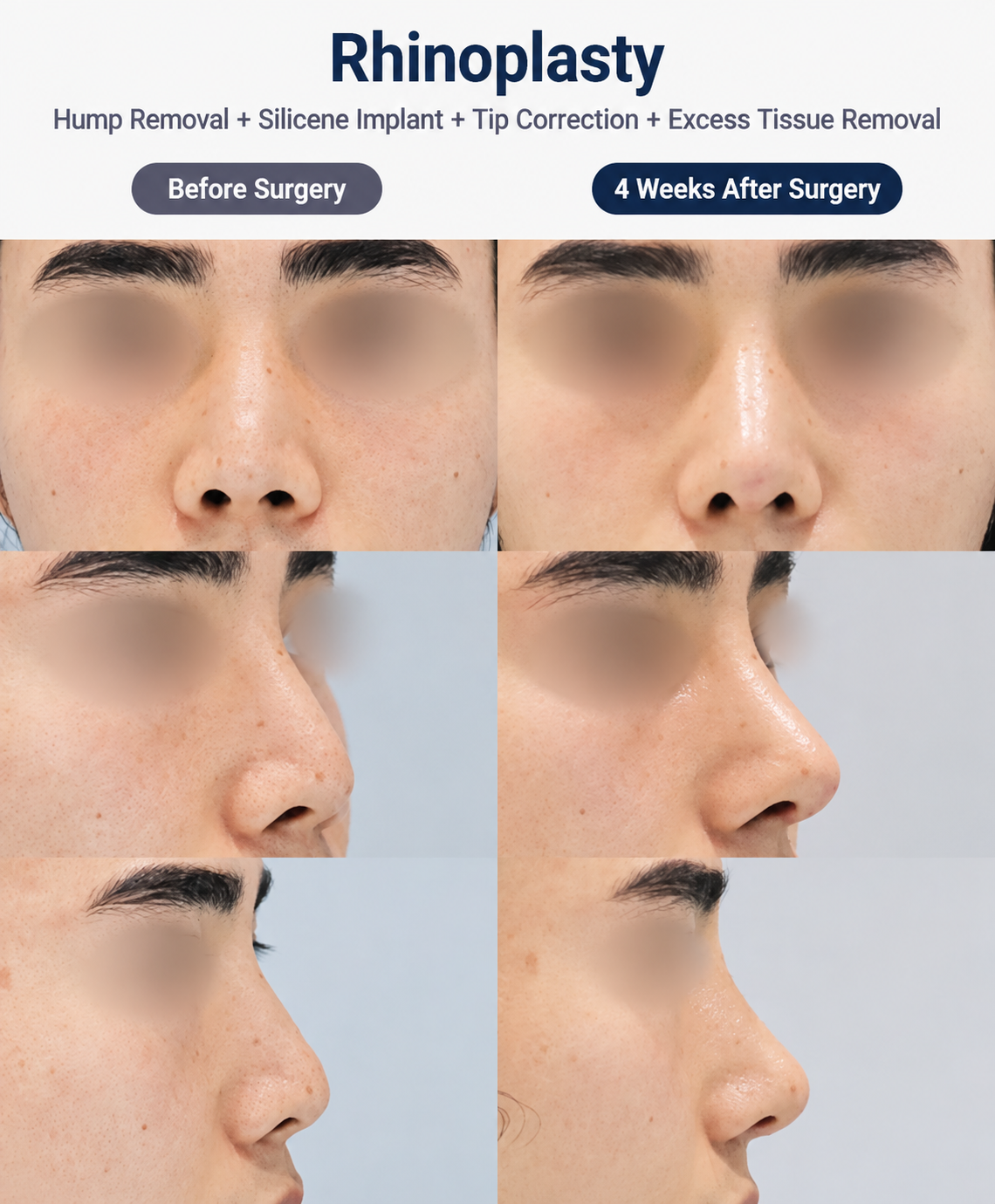
Rhinoplasty Prices in Korea vs U.S. and Japan
Rhinoplasty costs vary dramatically depending on where you have the surgery. Technique, surgeon experience, cartilage grafting needs, anesthesia, and aftercare all play major roles — but geography is one of the biggest price differences.
Here’s a simple, beginner-friendly comparison of rhinoplasty pricing in Korea, the United States, and Japan, and why so many patients travel to Seoul for nose surgery.
Rhinoplasty Prices in South Korea
Korea is known for highly skilled surgeons, advanced techniques, and competitive pricing due to the country’s large cosmetic surgery market.
Typical Price Range
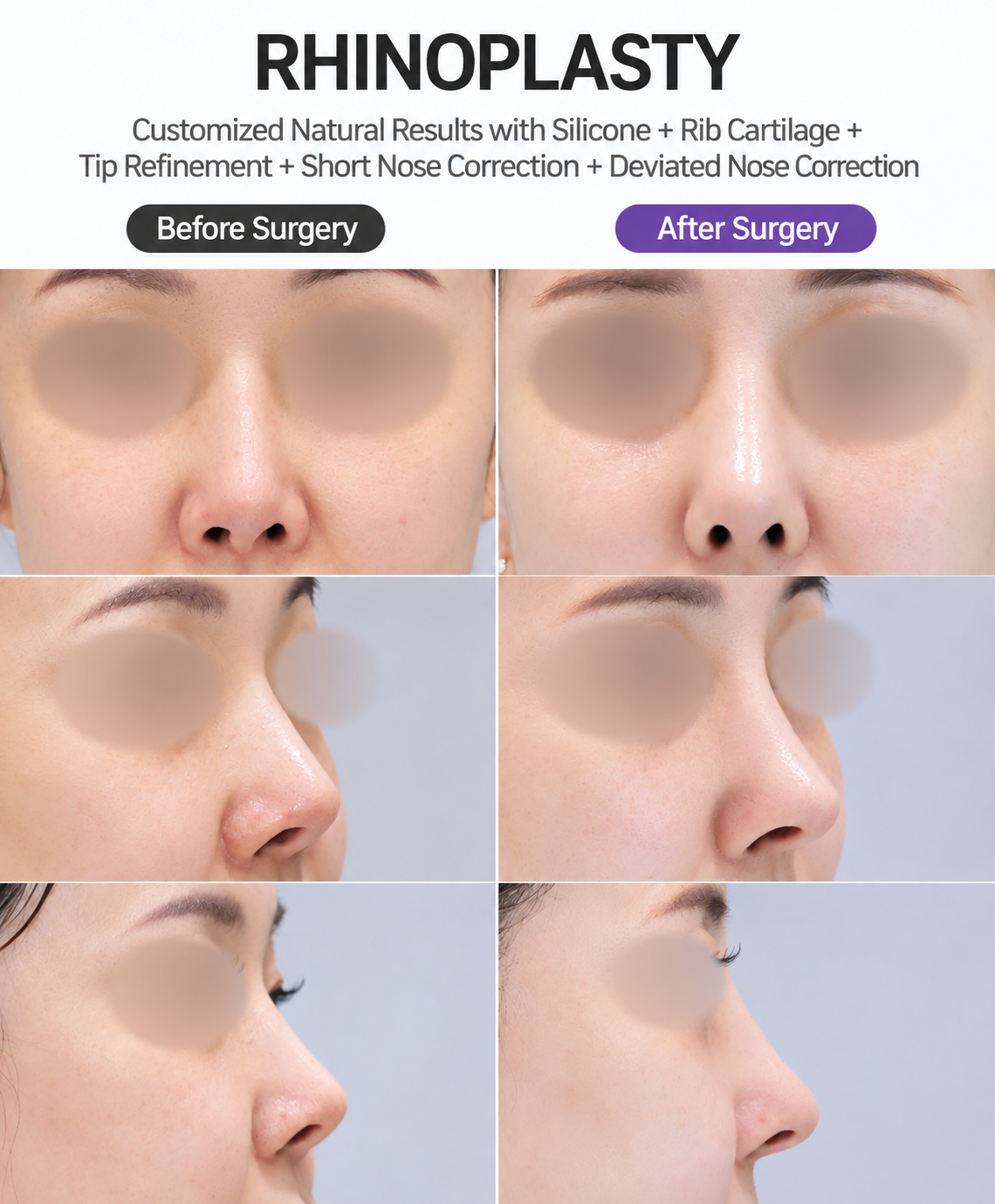
Most rhinoplasty procedures fall between $3,000–$7,500 USD for primary aesthetic rhinoplasty.
More Complex Cases
When rib cartilage is required, or when performing major structural or revision work, prices can increase to around $8,000–$12,000 USD depending on complexity.
Why Korea Is More Affordable
- High surgical volume and competition
- Surgeons who specialize exclusively in rhinoplasty
- Package-style pricing that includes anesthesia, follow-ups, and aftercare
- Efficient medical tourism system
You get advanced results with natural aesthetics at a lower price than many Western countries.
Rhinoplasty Prices in the United States
The U.S. generally has the highest rhinoplasty costs due to higher surgeon fees, facility fees, and anesthesia costs.
Typical Price Range
A single, primary rhinoplasty usually costs $9,000–$20,000+ USD, depending on:
- Geographic location
- Surgeon reputation
- Whether structural grafts or breathing correction are added
Why Prices Are Higher in the U.S.
- Higher operational and insurance costs
- Separate fees for surgeon, facility, and anesthesia
- Fewer clinics offering package pricing
- Longer consultation wait times
For a full structural rhinoplasty or revision, total costs can easily exceed $20,000–$30,000 USD.
Rhinoplasty Prices in Japan
Japan’s pricing sits between Korea and the U.S., though often closer to U.S. levels for structural procedures.
Typical Price Range
Most rhinoplasties cost $10,000–$20,000 USD depending on clinic and technique.
Why Japan Is More Expensive Than Korea
- Smaller cosmetic surgery market
- Less competition
- Higher clinic operating costs
- Focus on detail-oriented, conservative surgical approaches
Japan is known for meticulous technique, but the pricing reflects a higher cost of living and overhead.
Why Korea Offers the Best Value
Patients who travel to Korea often say they receive:
- Better customization
- More natural-looking results
- Higher surgical volume and expertise
- Lower overall costs
- Faster, more organized care
Because Korea has such a large rhinoplasty market, surgeons develop deep specialization — especially for Asian nose types, revision cases, and rib cartilage reconstruction.
What Affects Rhinoplasty Pricing in Any Country
Regardless of location, your final cost depends on:
- Whether tip work is needed
- Whether bridge augmentation is required
- Alar reduction (optional, separate cost in some clinics)
- Use of septal or ear cartilage
- Use of rib cartilage (higher cost)
- Functional breathing corrections
- Revision vs primary surgery
- Surgeon’s level of experience
The more structural support needed, the higher the price.
Which Country Should You Choose?
Choose Korea If You Want:
- Natural, aesthetic yet defined results
- Strong structural support techniques
- Competitive pricing
- Comprehensive aftercare
- Surgeons experienced in revision rhinoplasty
Choose the U.S. If You Want:
- Local convenience
- Ability to stay close to home for follow-ups
- Access to celebrity-level surgeons (higher price range)
Choose Japan If You Want:
- Conservative, subtle outcomes
- Extremely meticulous technique
- A quiet, private medical experience
Final Thoughts
Korea is widely considered the best balance of quality, safety, natural results, and price. A rhinoplasty that may cost over $15,000–$25,000 in the U.S. often costs half of that in Seoul — with equal or better expertise.
For patients seeking a high-quality aesthetic transformation without overspending, Korea remains one of the most popular rhinoplasty destinations in the world.