Open vs Closed Rhinoplasty in Korea: Which Is Better?
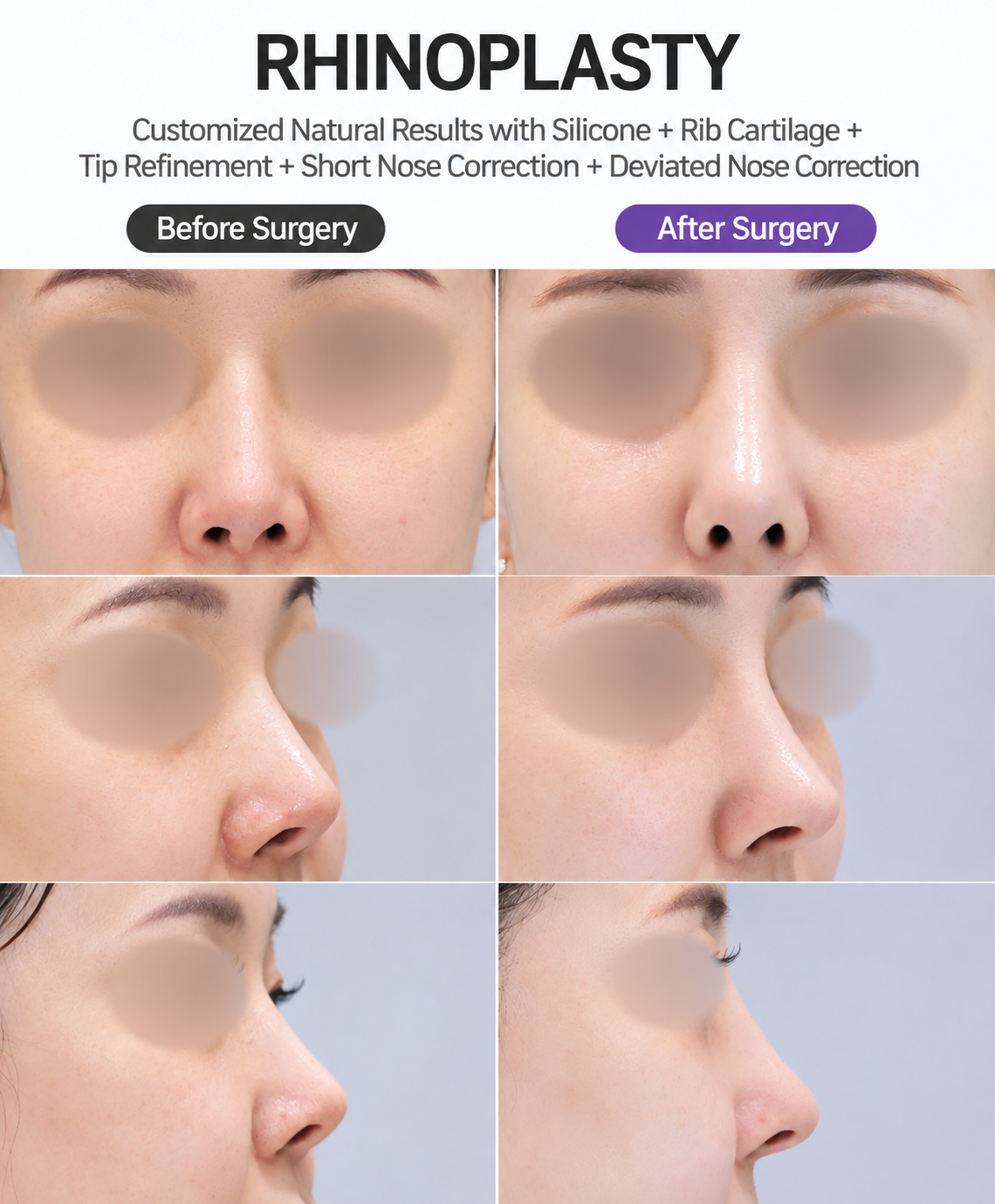
If you're researching rhinoplasty in Korea, one of the first decisions you’ll encounter is whether to choose open or closed rhinoplasty. Both techniques are widely used in Korean plastic surgery, but they are designed for different goals, nose types, and levels of complexity.
This beginner-friendly guide breaks down the differences between open and closed rhinoplasty in Korea — including which option may be better for you.
Why Korean Rhinoplasty Is Unique
Korea is known for structural techniques, natural shaping, and high-precision cartilage work. Surgeons choose the rhinoplasty method—not based on trend—but based on:
- Nose structure
- Skin thickness
- Internal support needs
- Breathing function
- Aesthetic goals
Both open and closed approaches can create beautiful results when matched correctly to the patient.
What Is Open Rhinoplasty?
Open rhinoplasty uses a small incision across the columella (the thin area between the nostrils) and hidden incisions inside the nose. This allows the surgeon to lift the nasal skin and access the entire nasal framework.
Advantages of Open Rhinoplasty
- Best visibility for precision work
- Ideal for detailed tip reshaping
- Allows major structural changes
- Better for asymmetric noses
- Suitable for thick skin patients
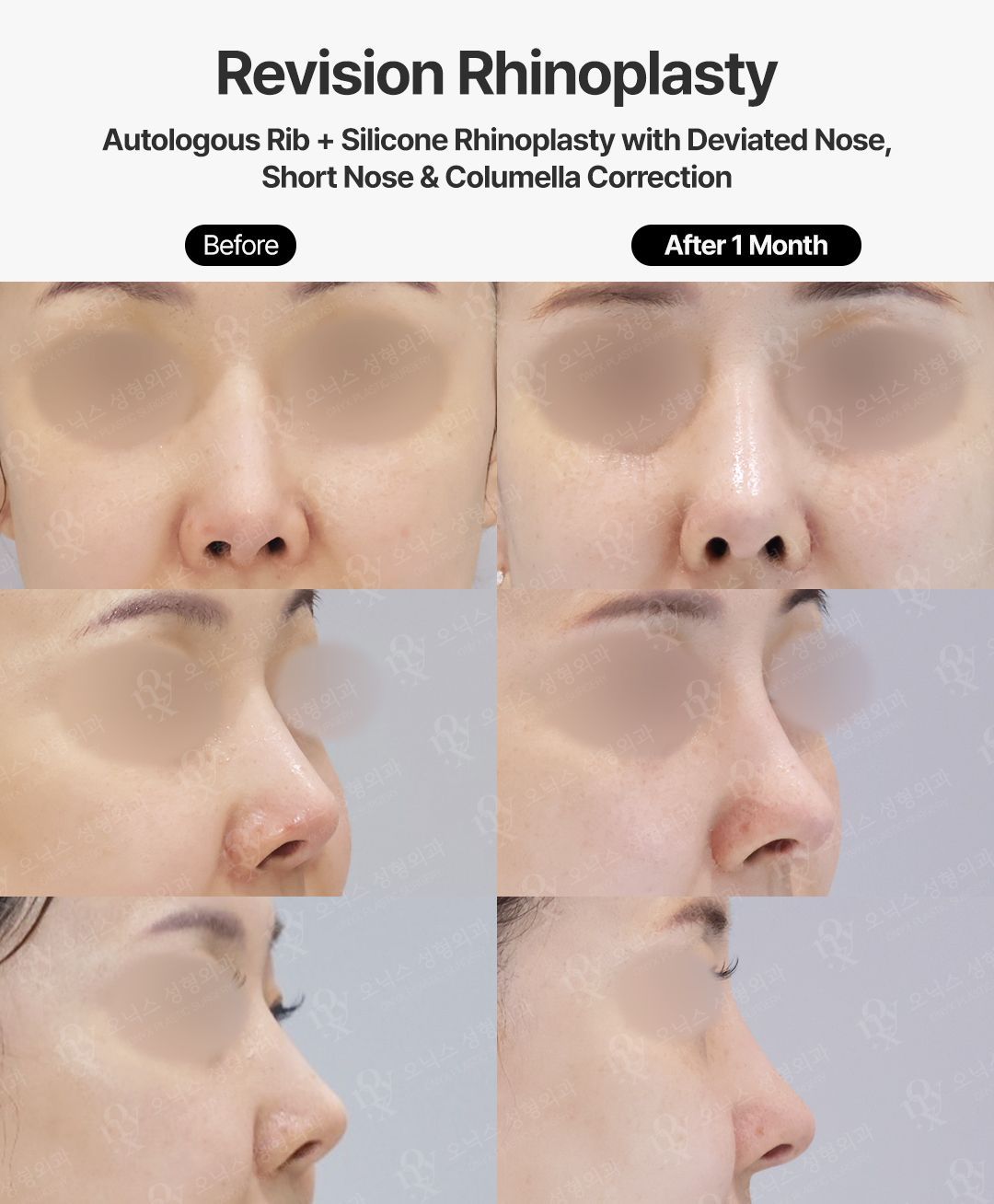
- Perfect for revision surgery
- Allows rib cartilage or septal grafts to be placed accurately
Disadvantages
- Slightly longer recovery
- Tiny columella scar (usually nearly invisible after healing)
What Is Closed Rhinoplasty?
Closed rhinoplasty is performed entirely inside the nostrils with no external scar. Korean surgeons use this method when only mild-to-moderate shaping is needed.
Advantages of Closed Rhinoplasty
- No visible scar
- Faster surgery
- Faster recovery and less swelling
- Less trauma to the skin
Disadvantages
- Limited visibility
- Not ideal for major tip reshaping
- Not typically used for revision cases
- Not suitable for rib cartilage reconstruction
- Harder to correct asymmetry
Which Is Better: Open or Closed? (Korea’s Perspective)
Korean surgeons don’t see one method as universally better — it depends entirely on your nose and your goals.
✔ Open Rhinoplasty Is Better If You Want:
- A big transformation
- Detailed tip refinement
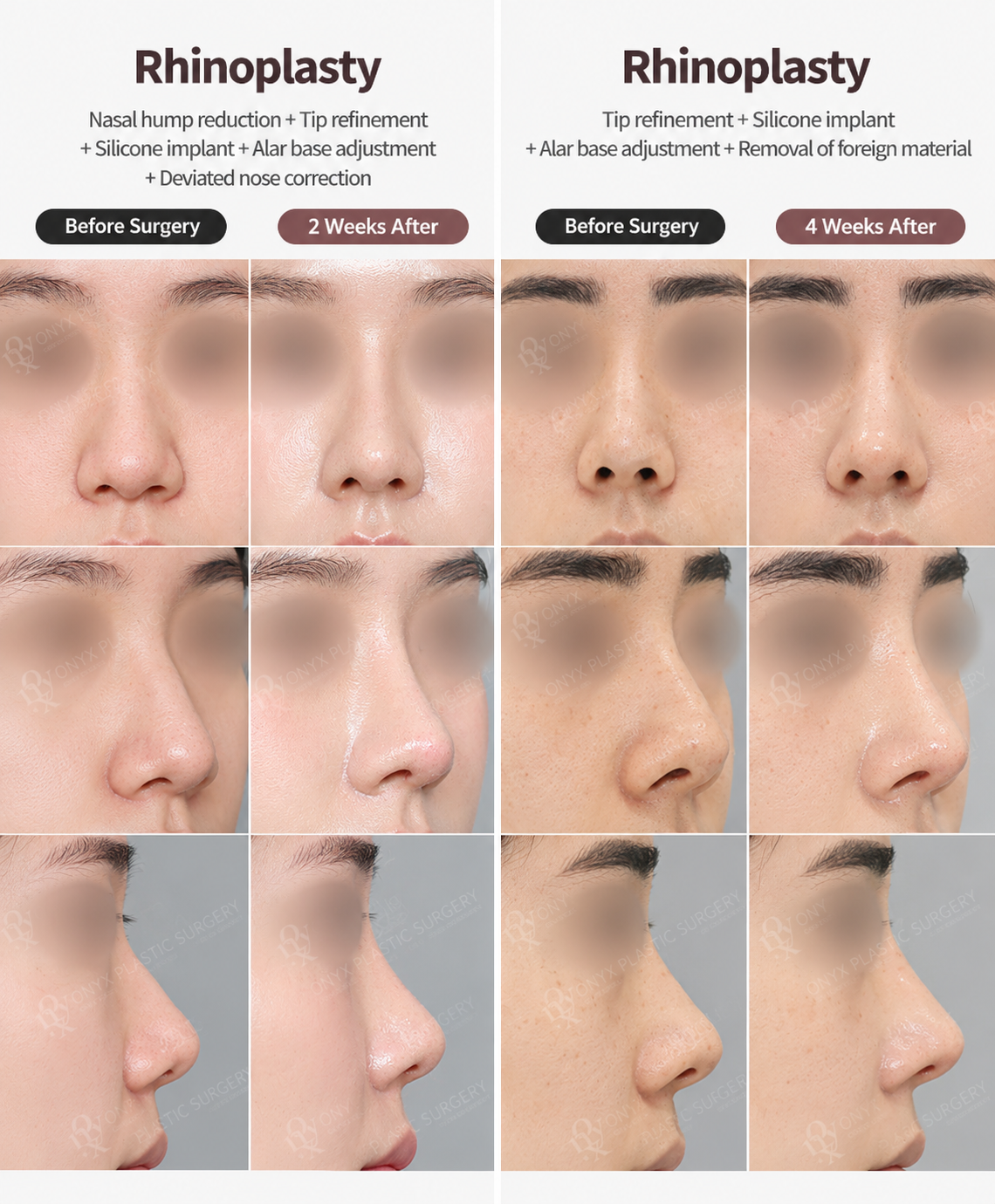
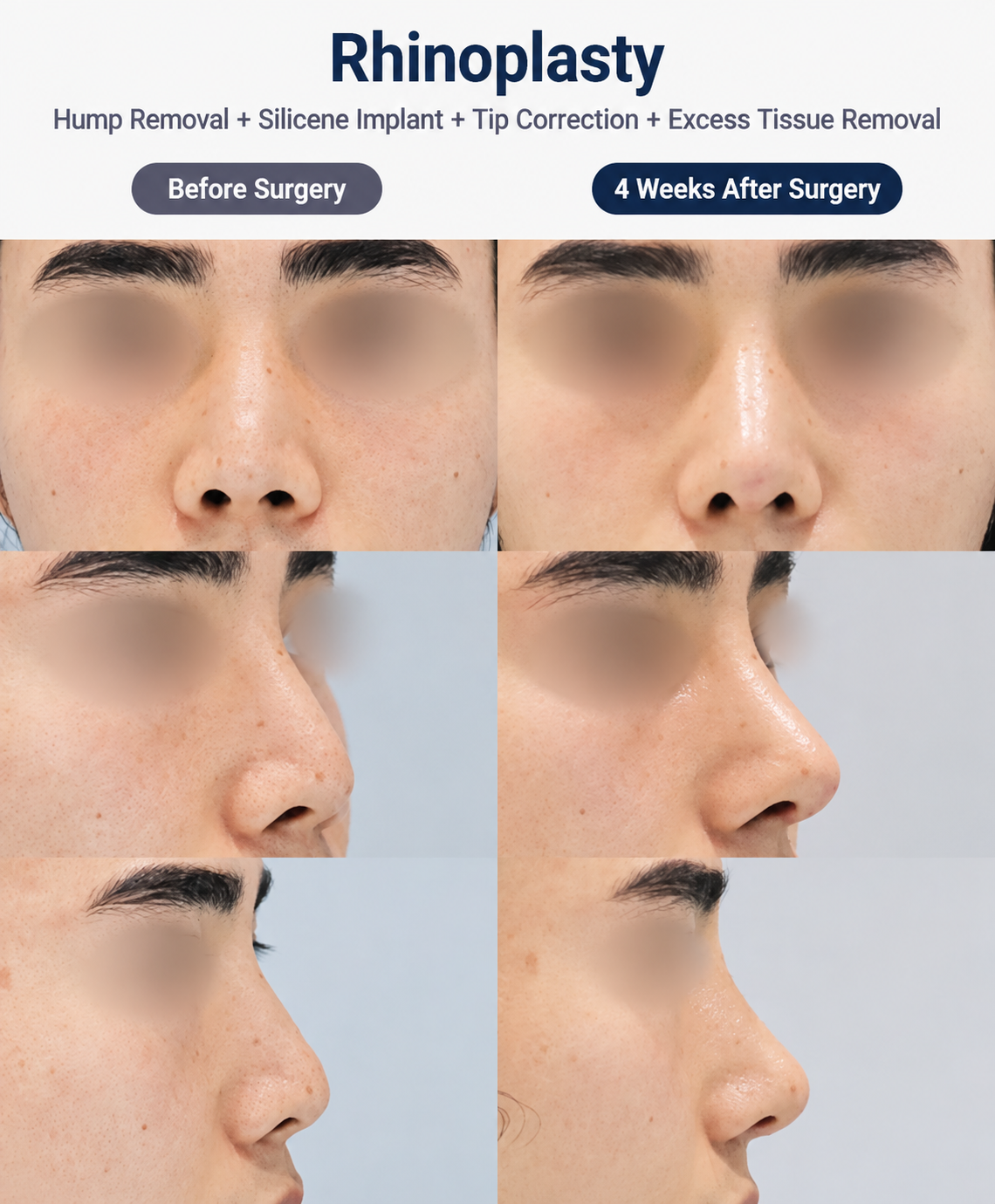
- Bridge + tip + alar combination work
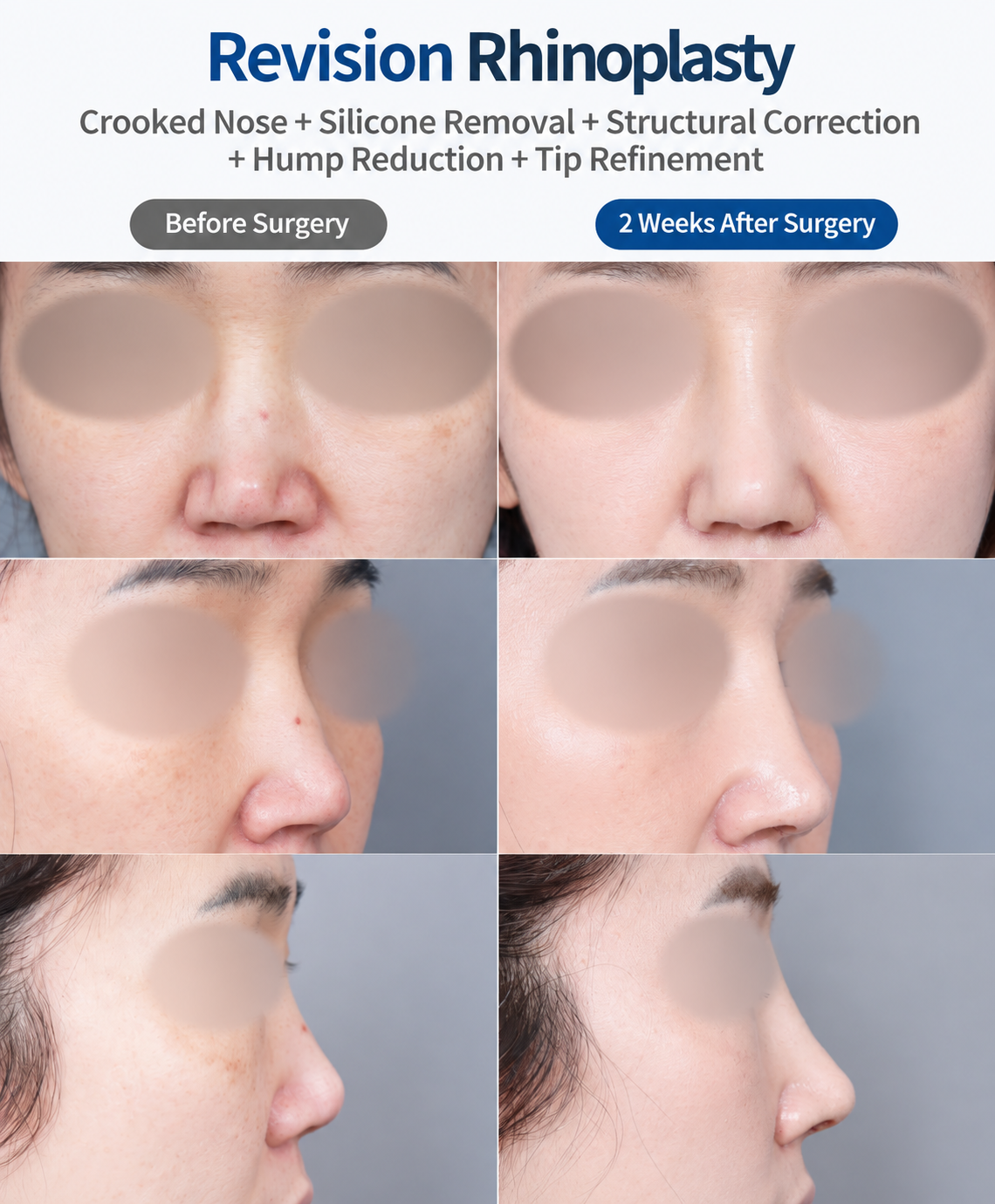
- Correction of crooked nose
- Septal cartilage reconstruction
- Rib cartilage rhinoplasty
- Revision surgery
Most “Korean-style complex rhinoplasties” use the open method.
✔ Closed Rhinoplasty Is Better If You Want:
- Small, subtle changes
- A natural upgrade without major restructuring
- Mild bridge augmentation
- Minor tip definition
- Faster downtime
Closed rhinoplasty is popular among patients seeking a conservative improvement.
Which Method Heals More Naturally?
Open Rhinoplasty
- Slightly more swelling
- Slightly longer healing time
- More control for shaping = more predictable results
Closed Rhinoplasty
- Less swelling
- Shorter downtime
- More natural immediately, but limited refinement options
Scar Visibility: Should You Be Worried?
The scar from open rhinoplasty is:
- Extremely small
- Hidden under the nose
- Often fades to the point where even professionals can barely see it
Most Korean surgeons use a fine inverted-V incision that heals beautifully.
What Beginners Should Know
1. Most Asian rhinoplasties use the open method.
Because Asian noses often require structural support (tip grafts, cartilage reinforcement), open rhinoplasty is preferred.
2. Closed rhinoplasty is excellent for simple cases.
If your bridge is the main focus and you want subtle refinement, closed may be enough.
3. Surgeon skill matters more than the method.
A skilled Korean surgeon can create natural, long-lasting results with either technique.
Which One Should You Choose?
Choose OPEN if you:
- Have thick skin
- Want major changes
- Need tip projection or rotation
- Want a sharp, defined tip
- Have functional issues
- Need revision
Choose CLOSED if you:
- Want subtle improvements
- Prefer quick recovery
- Have mild asymmetry
- Want a refined but conservative upgrade
Final Thoughts
Both open and closed rhinoplasty can produce stunning results in Korea. The key is choosing the method that matches your nose structure, goals, and level of correction needed. Korean surgeons excel at designing personalized rhinoplasty plans that balance function, aesthetics, and long-term stability.