Nose Collapse After Surgery: Korean Repair Techniques
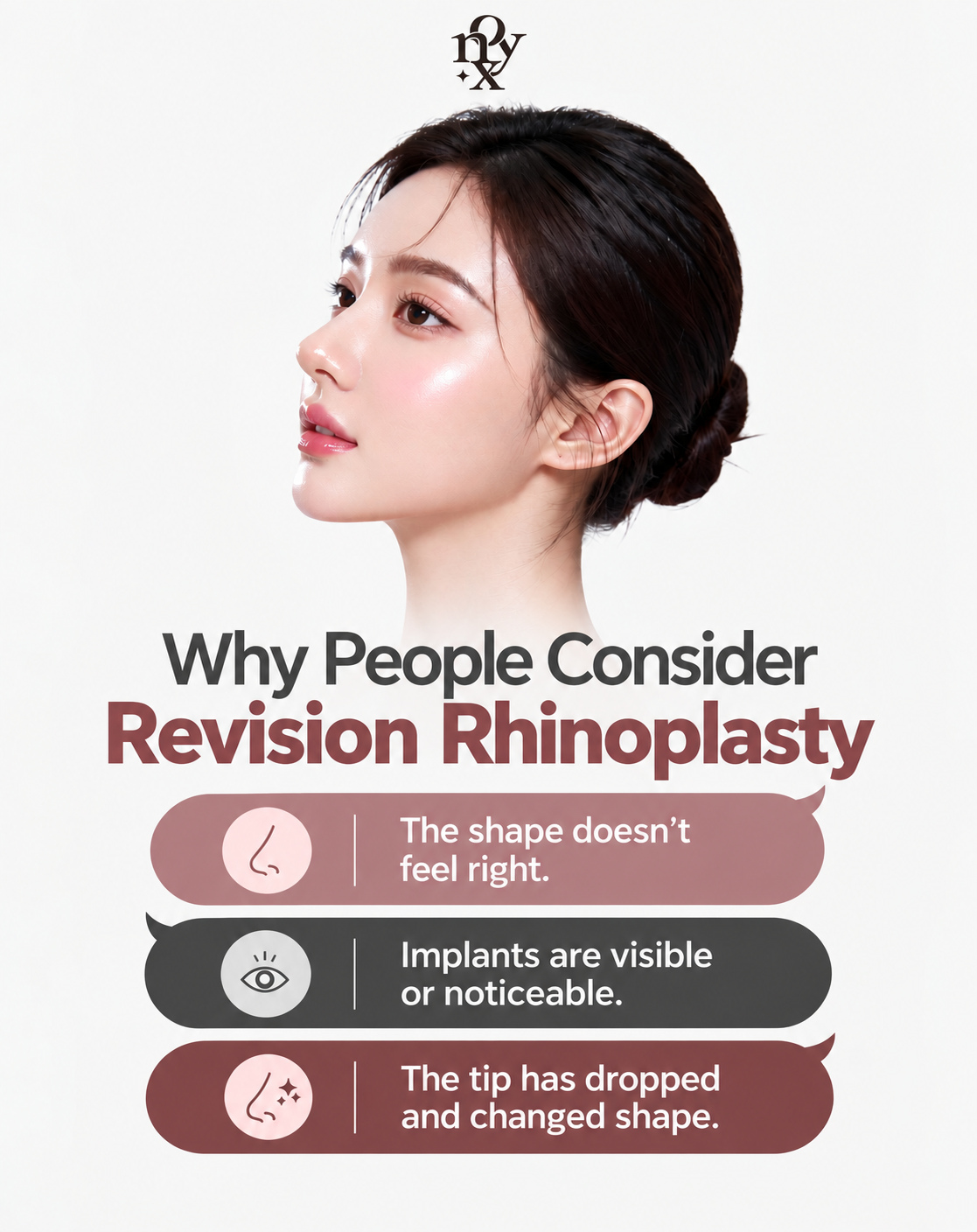
Nose collapse is one of the most distressing complications patients experience after rhinoplasty. It can affect both appearance and breathing, leaving the nose looking pinched, sunken, or structurally weak. Fortunately, Korea is one of the world’s leading destinations for revision rhinoplasty, offering advanced reconstructive techniques to rebuild and restore the nose.
Whether the collapse happened after implant removal, over-resection, infection, or multiple surgeries, Korean surgeons specialize in restoring stability, function, and natural aesthetics.
Here’s a complete guide to how nose collapse happens — and how Korea fixes it.
What Is Nose Collapse?
A collapsed nose occurs when the nasal structure loses support. This can affect:
1. The Bridge (Dorsal Collapse)
- Sunken or scooped-out appearance
- Flattened profile
- Weak structural support
2. The Tip (Tip Collapse)
- Downturned or pinched tip
- Loss of projection
- Nostril distortion
3. The Side Walls (Internal or External Valve Collapse)
- Breathing difficulty
- Nose “caving in” when inhaling
- Narrowed nasal passages
Collapse can be functional, aesthetic, or both.
Common Causes of Nose Collapse After Surgery
Over-resection
Too much cartilage removed during rhinoplasty weakens support.
Implant problems
Implant infection, shifting, or removal without reinforcement can cause collapse.
Contracture
Scar tissue tightens and pulls the nose inward, especially after multiple surgeries.
Septal collapse
Damage to the septum weakens the entire central support structure.
Trauma
Injuries after surgery can destabilize the reconstruction.
Because collapsed noses lack structure, they require rebuilding, not just reshaping.
Why Korea Excels at Repairing Collapsed Noses
Korean revision surgeons focus on structural rhinoplasty, using strong graft materials and multi-layer reinforcement. Their approach prioritizes both function and beauty, aiming for long-term stability.
Key strengths include:
- High volume of complex revision cases
- Expertise in rib cartilage reconstruction
- Detailed structural engineering of the nose
- Aesthetic precision for natural results
Korean Repair Techniques for Nose Collapse
Korean revision rhinoplasty relies on strong grafts and advanced rebuilding techniques. Here are the most common methods:
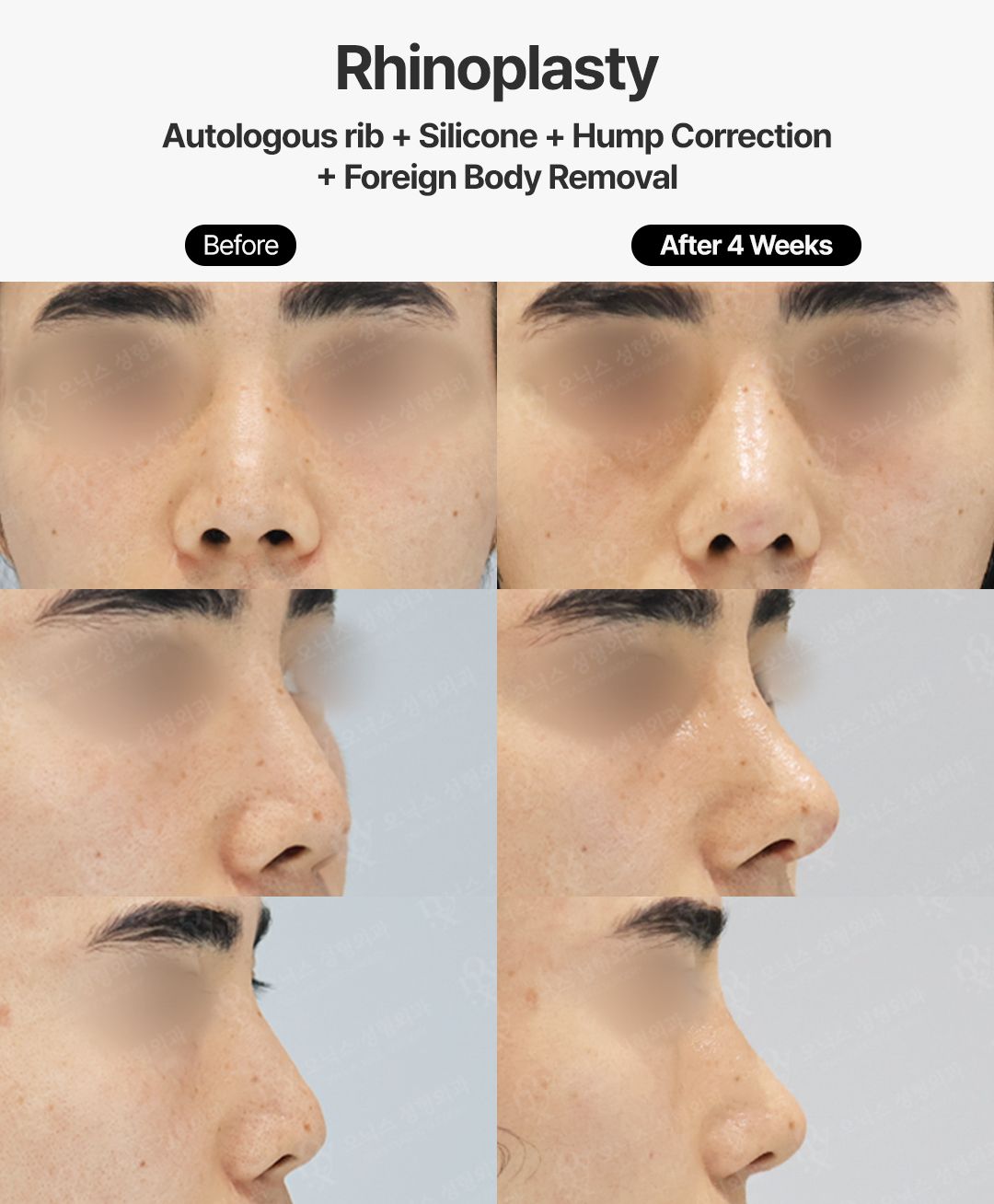
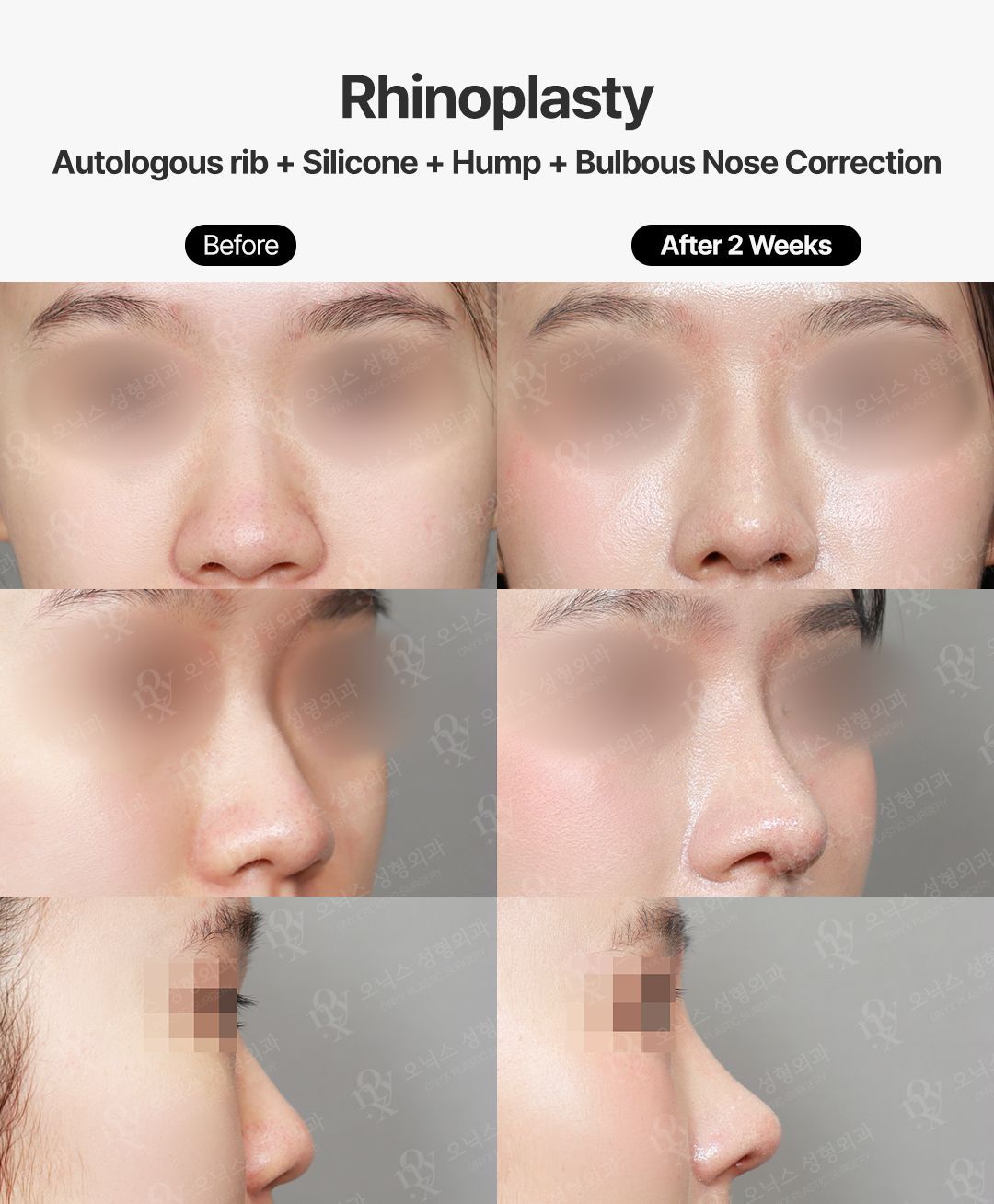
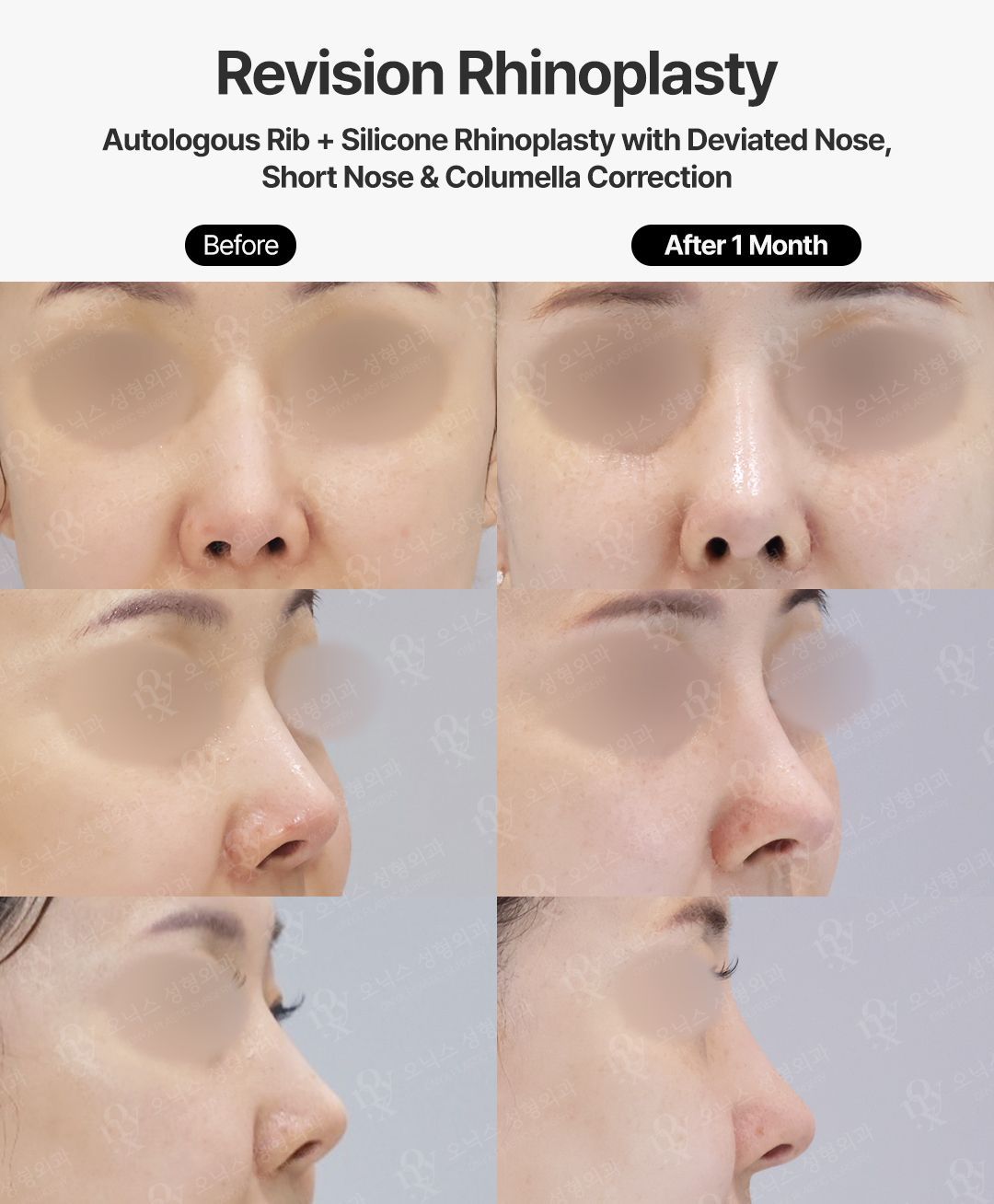
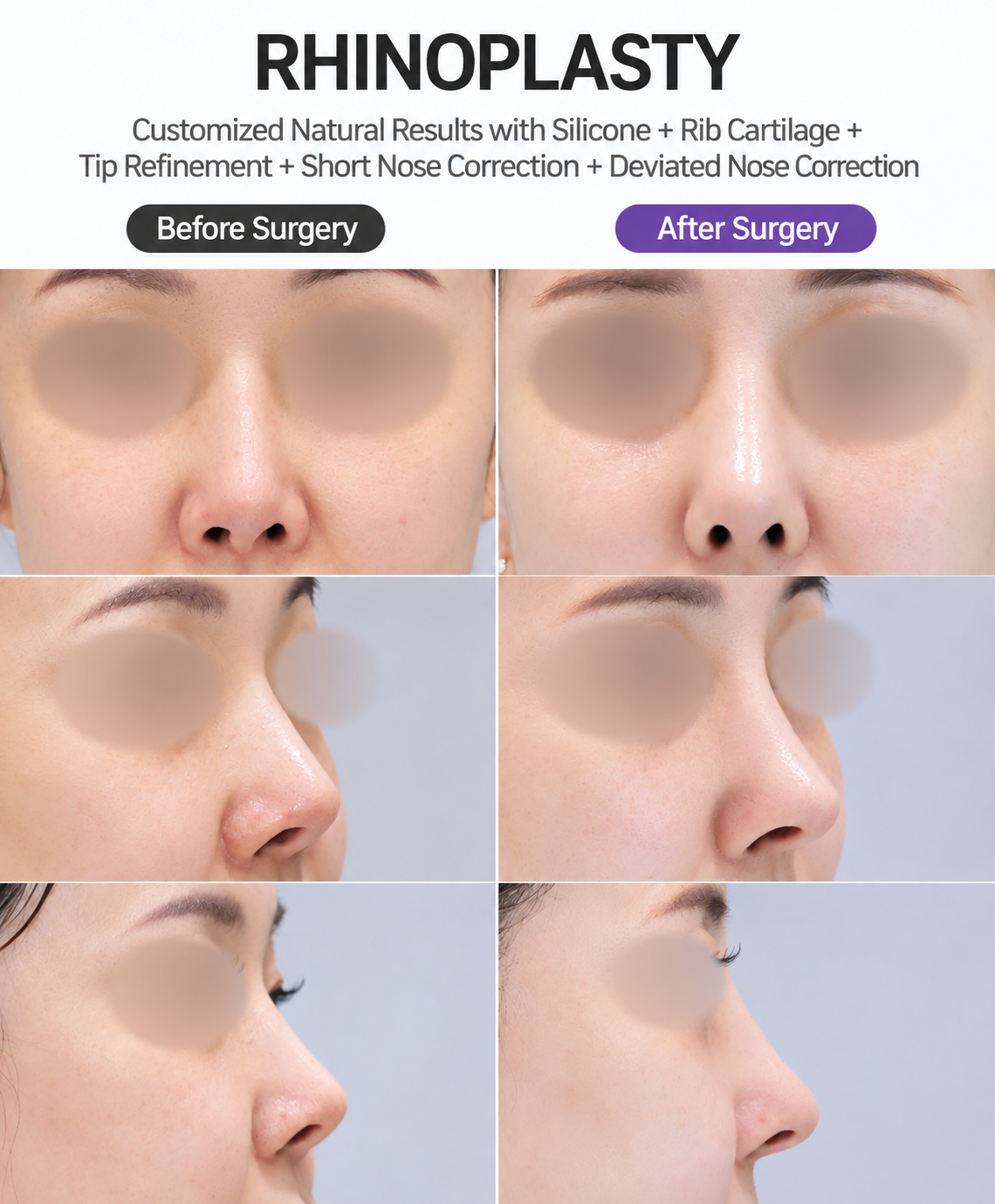
1. Rib Cartilage Reconstruction (Gold Standard)
Rib cartilage provides the strongest support — ideal for reconstructing collapsed noses.
Why it’s used
- Large quantity available
- Strong, durable support
- Can rebuild the septum, bridge, and tip
- Best for severe collapse or multiple failed surgeries
What it can fix
- Collapsed bridge
- Short or upturned nose
- Pinched or weak tip
- Valve collapse
- Loss of nasal projection
Most severe collapse cases require rib cartilage for predictable, lasting results.
2. Septal Extension Grafts
These grafts restore central support by extending the septum.
Benefits
- Re-establishes tip projection
- Prevents future collapse
- Helps straighten the nose
- Stabilizes the entire nasal structure
Often combined with rib cartilage for added strength.
3. Spreader Grafts for Valve Collapse
Spreader grafts widen the internal nasal valve, improving both breathing and appearance.
Used for
- Nose collapsing inward when breathing in
- Narrow mid-vault
- “Pinched” look after surgery
Korean surgeons place these grafts precisely to restore symmetry and widen airflow.
4. L-Strut Reconstruction
If the original L-strut (the foundation of the septum) has been weakened or damaged, surgeons rebuild it using rib or septal cartilage.
Benefits
- Restores structural integrity
- Strengthens the midline
- Supports both tip and bridge
- Helps correct severe deviations
This is essential in cases of septal collapse.
5. Alar Rim and Lateral Wall Grafting
For noses that look pinched or caves inward:
These grafts help
- Strengthen nostril edges
- Prevent inward collapse during breathing
- Improve symmetry
- Create a smooth, natural nostril curve
Often necessary after overly aggressive alar or tip surgery.
6. Bridge Rebuilding (Dorsal Augmentation)
A collapsed bridge can be reshaped using:
- Rib cartilage
- Soft silicone implant (carefully selected)
- Gore-Tex
- Composite grafts
Korean surgeons prioritize natural height and smooth contour.
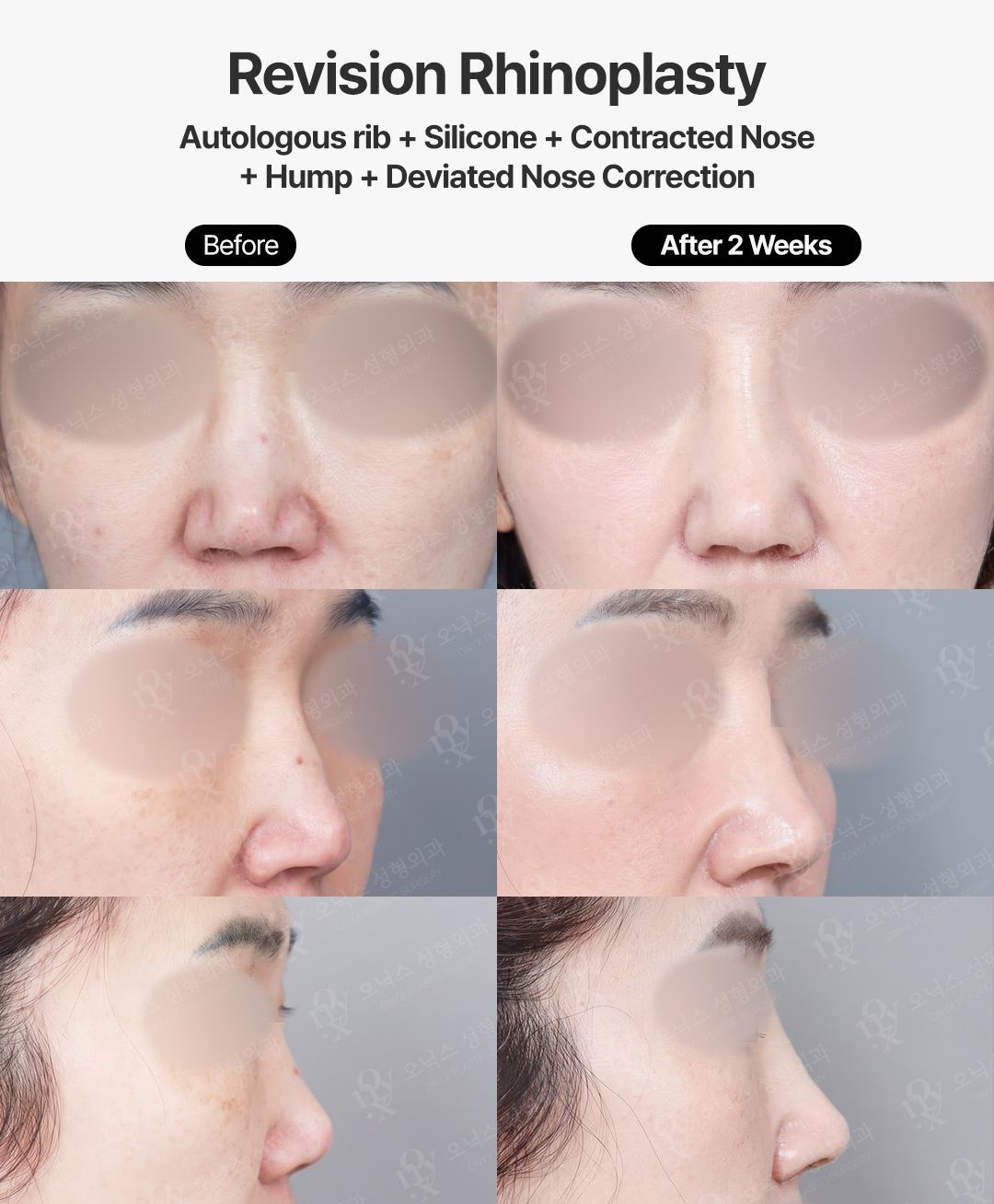
7. Scar Tissue Release (Contracture Correction)
For noses tightened by scar tissue, surgeons release fibrotic bands and rebuild the space with cartilage.
Benefits
- Restores flexibility
- Prevents upward pull
- Allows proper repositioning of the tip
Critical for contracted or “pulled-up” noses.
What Recovery Looks Like
Week 1
- Splint removal
- Swelling highest
Weeks 2–4
- Nose begins to stabilize
- Breathing improves
3–6 Months
- Major refinement visible
- Structural support improving daily
6–12 Months
- Final shape and stability reached
Revision surgeries take longer to settle due to scar tissue and complex restructuring.
Expected Results After Korean Reconstruction
Most patients experience:
- A stronger, more stable nose
- Restored bridge height
- Improved breathing
- Natural, refined contours
- Better tip definition and projection
- Protection against re-collapse
- Improved symmetry from all angles
This transformation can be both functional and aesthetic.
Final Thoughts
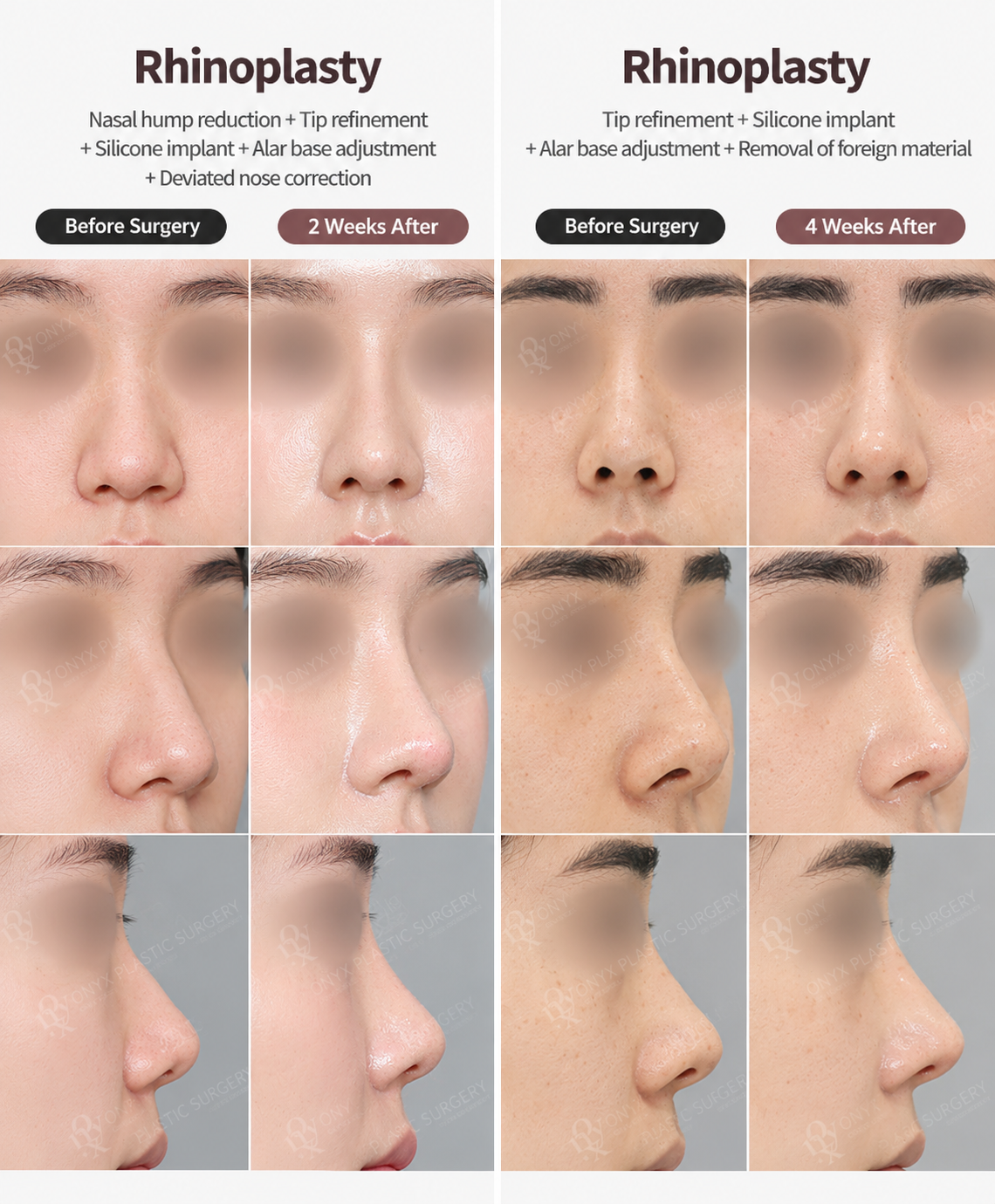
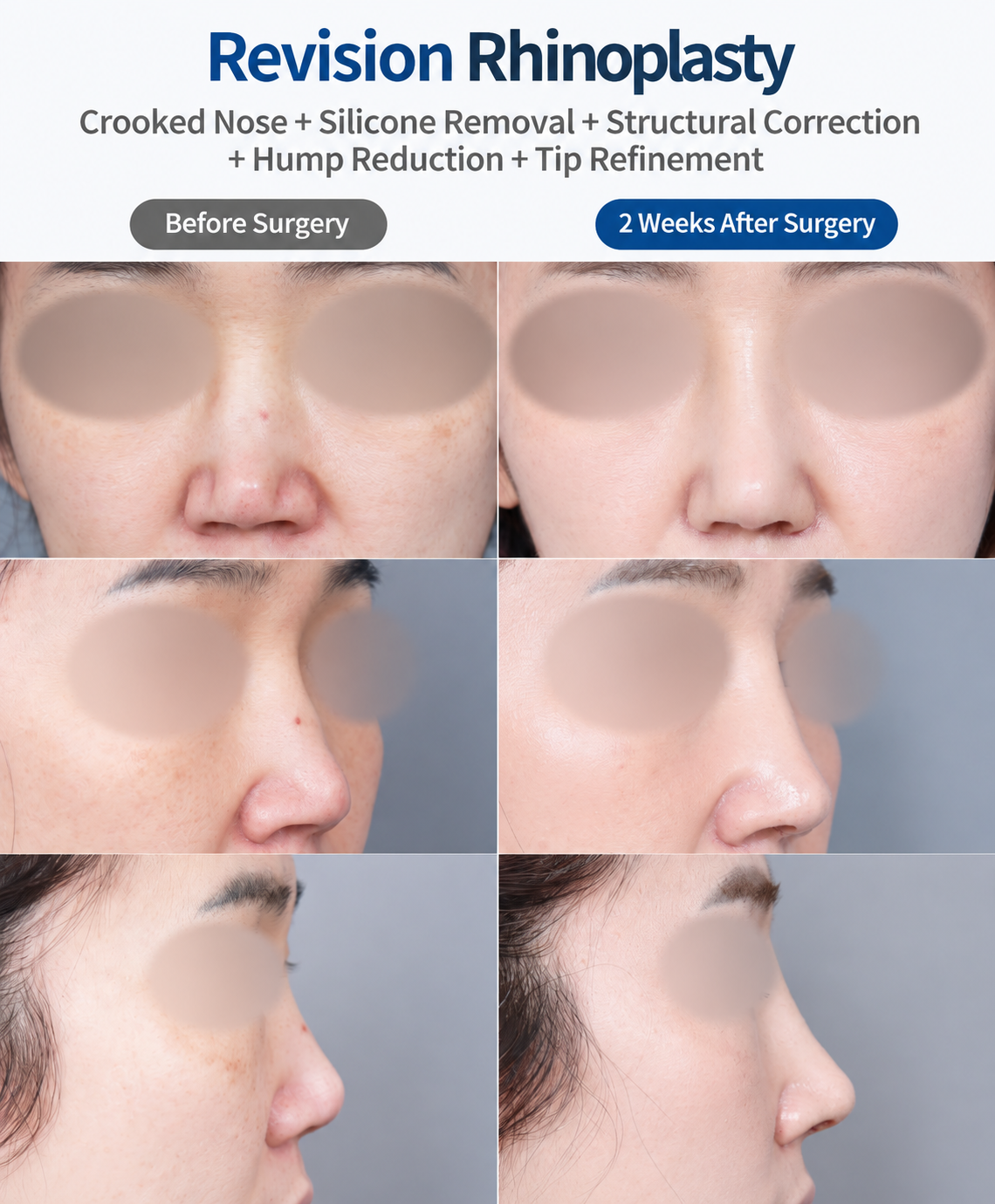
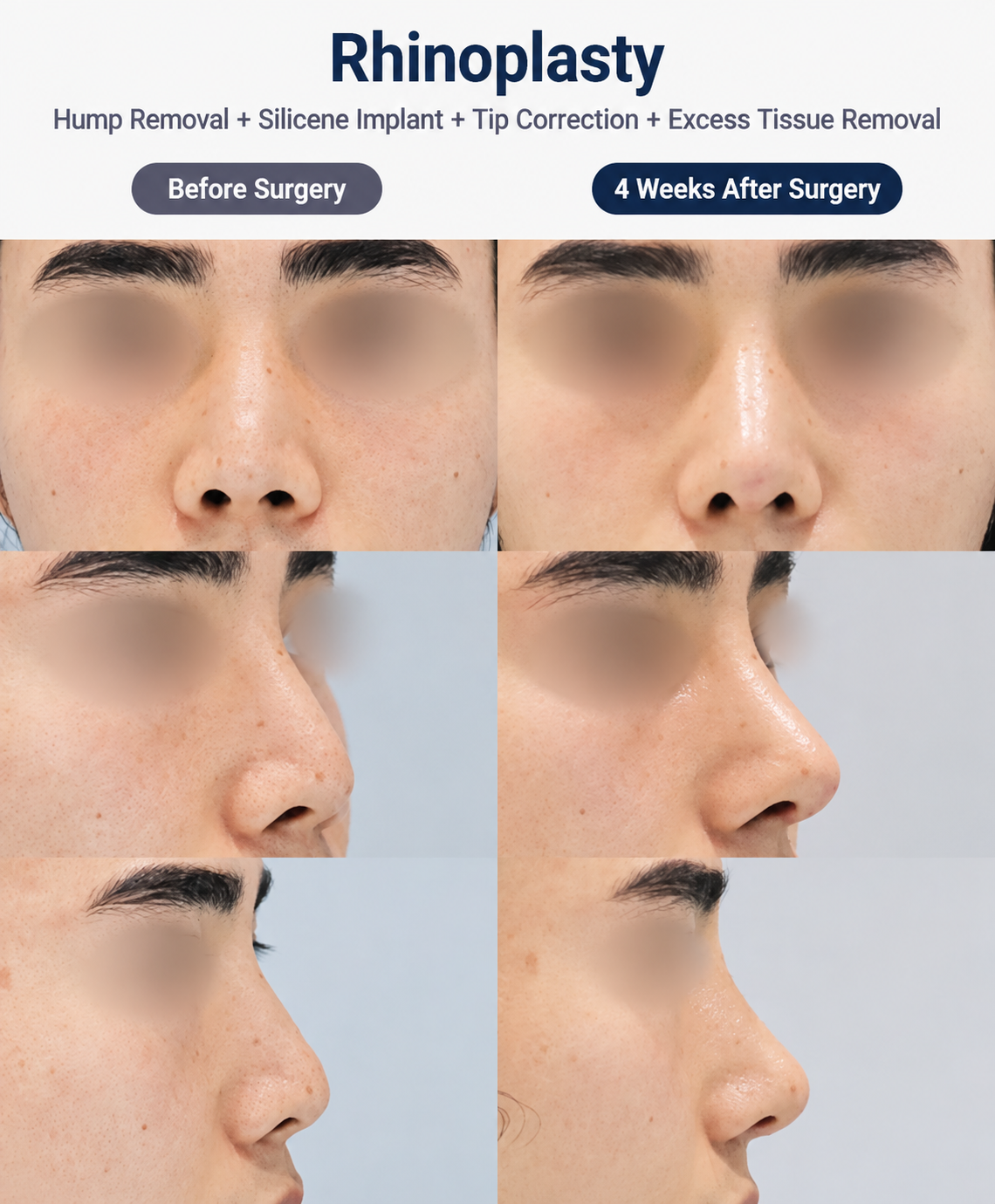
Nose collapse after surgery is emotionally and physically challenging, but Korea’s structural, cartilage-based rhinoplasty techniques offer some of the most reliable solutions in the world. Using methods like rib cartilage reconstruction, L-strut rebuilding, and spreader grafts, Korean surgeons restore not only the shape of the nose — but also its strength and function.
If your nose feels weak, sunken, pinched, or difficult to breathe through after previous surgery, Korea’s advanced repair techniques can help rebuild confidence and comfort.