Nose Thread Lift Korea: Pros, Cons, and Safety
The nose thread lift has become one of Korea’s most popular non-surgical techniques for lifting and defining the nose without incisions or implants. Using ultra-fine dissolvable threads, Korean specialists can create a straighter bridge, a more projected tip, and subtle contour—often in under 20 minutes.
But like any cosmetic procedure, it comes with both advantages and limitations. This guide breaks down the pros, cons, and safety considerations of a nose thread lift in Korea so you can make a confident, informed decision.
What Is a Nose Thread Lift?
A nose thread lift uses dissolvable PDO, PLLA, or PCL threads inserted along the bridge or tip of the nose to lift, support, and reshape the nasal structure. Unlike fillers, which add volume, threads provide internal structural lifting.
What Threads Can Improve
- Low or flat nasal bridge
- Mild crookedness
- Slightly drooping tip
- Weak or undefined tip projection
- Lack of structural support
These threads dissolve over time while stimulating collagen, providing a temporary but natural-looking enhancement.
Pros of Nose Thread Lift in Korea
Korea is known for advanced thread techniques that prioritize safety, symmetry, and subtle aesthetics. Here’s what makes it appealing:
1. No Surgery, No Downtime
You can return to your normal activities the same day.
No incisions, no anesthesia, and no long recovery.
2. Creates Real Structural Lift
Unlike fillers, which primarily add volume, threads can actually:
- Lift the tip
- Sharpen the bridge
- Improve definition
This makes them ideal for patients wanting a cleaner, more sculpted look.
3. Natural, Subtle Enhancements
Korea specializes in results that look refined—not overdone.
Threads blend with your natural structure and gradually dissolve.
4. Longer-Lasting Than Fillers
Depending on the material:
- PDO: 9–12 months
- PLLA/PCL: 12–18 months
Even after the thread dissolves, collagen stimulation helps maintain shape.
5. Good Option for Filler-Sensitive Patients
Some patients avoid fillers due to:
- Swelling
- Allergic reactions
- Vascular occlusion risk
Threads avoid filler-related complications and offer a safer structural alternative.
6. Perfect for Bridge Straightening
Threads can smooth small irregularities and create a straight-looking dorsum without adding volume.
Cons of Nose Thread Lift in Korea
While nose threads are effective, they are not for everyone.
1. Results Are Temporary
Threads don’t provide permanent lift.
Most patients repeat the procedure every 12–18 months.
2. Not Suitable for Major Reshaping
Threads cannot correct:
- Severe crookedness
- Short or upturned noses
- Contracted noses
- Flat tips needing strong projection
- Large dorsal humps
- Functional airway problems
Surgery is required for structural issues.
3. Risk of Thread Visibility
If placed too superficially, threads may:
- Become visible under thin skin
- Create tiny bumps
- Cause unevenness
Experienced Korean injectors minimize this risk with precision placement.
4. Potential for Infection or Extrusion
If hygiene or technique is poor, threads may:
- Become infected
- Migrate
- Emerge through the skin
High-quality clinics greatly reduce these risks.
5. Tip Over-Rotation Risk
Overuse of threads at the tip can create an unnatural upward tilt.
Skilled practitioners balance projection and rotation carefully.
Safety of Nose Thread Lift in Korea
Korea is known for exceptionally high safety standards, especially for nose procedures.
Why It’s Safe When Done Properly
- Specialized injectors trained in advanced thread techniques
- Use of high-quality PDO, PLLA, or PCL materials
- Minimal trauma insertion methods
- Focus on symmetry and anatomical safety
- Sterile, medical-grade procedure rooms
Still, choosing the right clinic makes all the difference.
Things to Consider Before Getting Nose Threads
✔ Your Skin Thickness
Thin skin increases the chance of thread visibility.
✔ Your Nose Structure
Weak cartilage or very flat noses may need fillers or surgery instead.
✔ Your Long-Term Goals
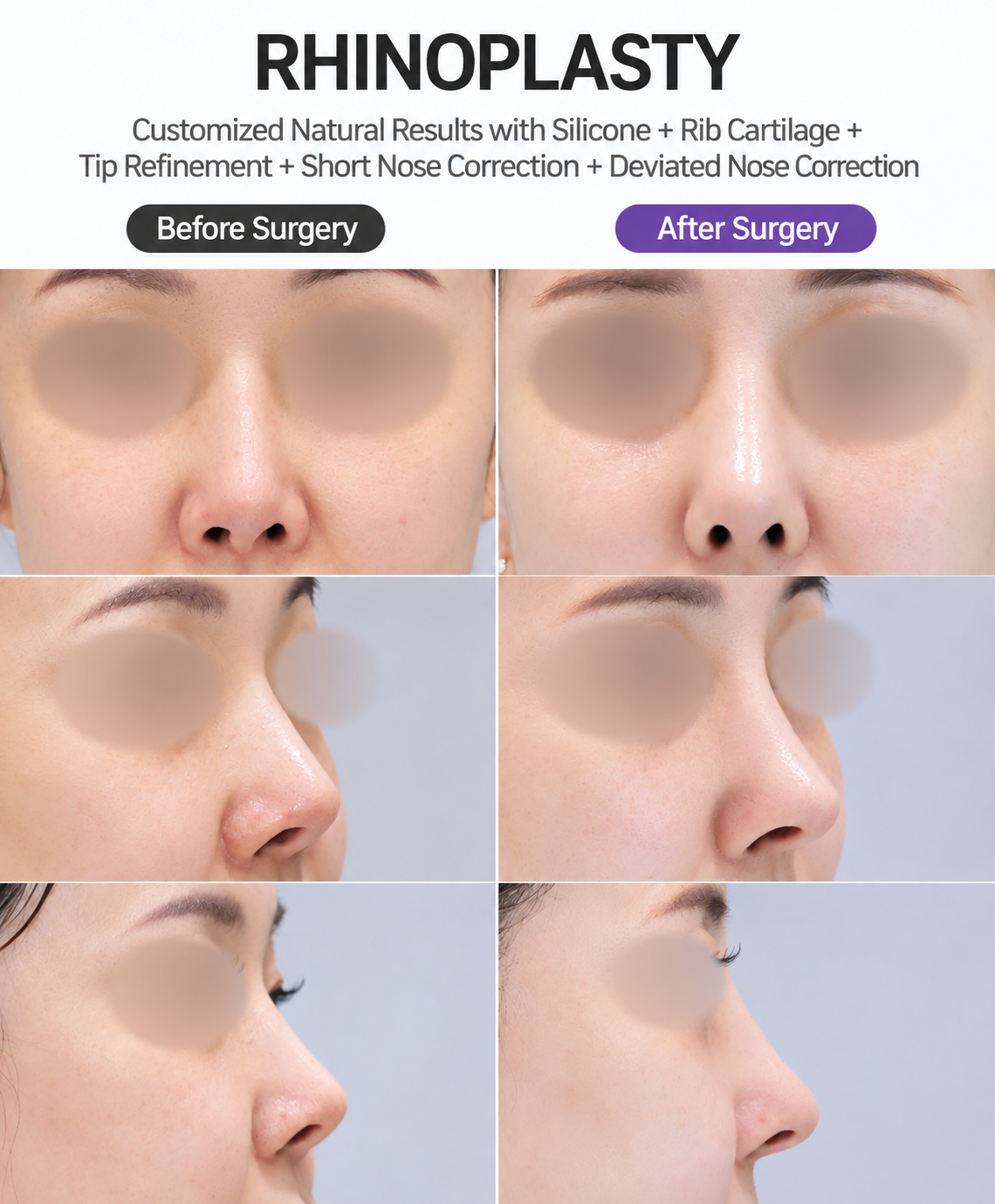
If you want a permanent or dramatic change, rhinoplasty is better.
✔ Your Lifestyle
Threads are great if you want low commitment and no downtime.
How Long Do Results Last?
- PDO: 9–12 months
- PLLA: 12–15 months
- PCL: 15–18 months or more
Most patients maintain results with annual touch-ups.
Nose Threads vs Fillers: Which Is Better?
Choose Threads If You Want:
- A structural lift
- Tip projection
- Straightening without bulk
- Collagen stimulation
Choose Fillers If You Want:
- A softer, higher bridge
- Smooth contouring
- Instant correction of small dips or asymmetry
Many Korean clinics combine both for best results.
Final Thoughts
A nose thread lift is an excellent non-surgical option for refined, natural enhancements — especially when performed by skilled specialists in Korea. It offers structure, lift, and definition without the commitment of surgery. But it’s important to know its limitations and choose a clinic experienced in nose anatomy and thread safety.
If you want subtle changes, minimal downtime, and a cleaner profile, a nose thread lift in Korea may be the perfect solution.