Liquid Rhinoplasty vs Surgical Rhinoplasty Korea
Korea is known worldwide for advanced nose reshaping — both surgical and non-surgical. Two of the most popular options are liquid rhinoplasty (nose fillers) and surgical rhinoplasty, each offering different benefits depending on your goals.
Liquid rhinoplasty provides quick, subtle enhancement without downtime, while surgical rhinoplasty delivers long-lasting, structural changes. Understanding the differences will help you choose the best approach for your needs.
Here’s a complete guide comparing both options in the Korean aesthetic approach.
What Is Liquid Rhinoplasty?
Liquid rhinoplasty uses hyaluronic acid fillers to reshape the nose without surgery.
What It Can Do
- Lift a flat bridge
- Smooth small bumps or irregularities
- Refine the contour
- Create a straighter profile
- Add tip definition
What It Cannot Do
- Reduce nose size
- Fix a drooping or weak tip structurally
- Correct crooked or deviated noses
- Improve breathing
- Fix a short or upturned nose
This option is ideal for mild cosmetic enhancement.
What Is Surgical Rhinoplasty?
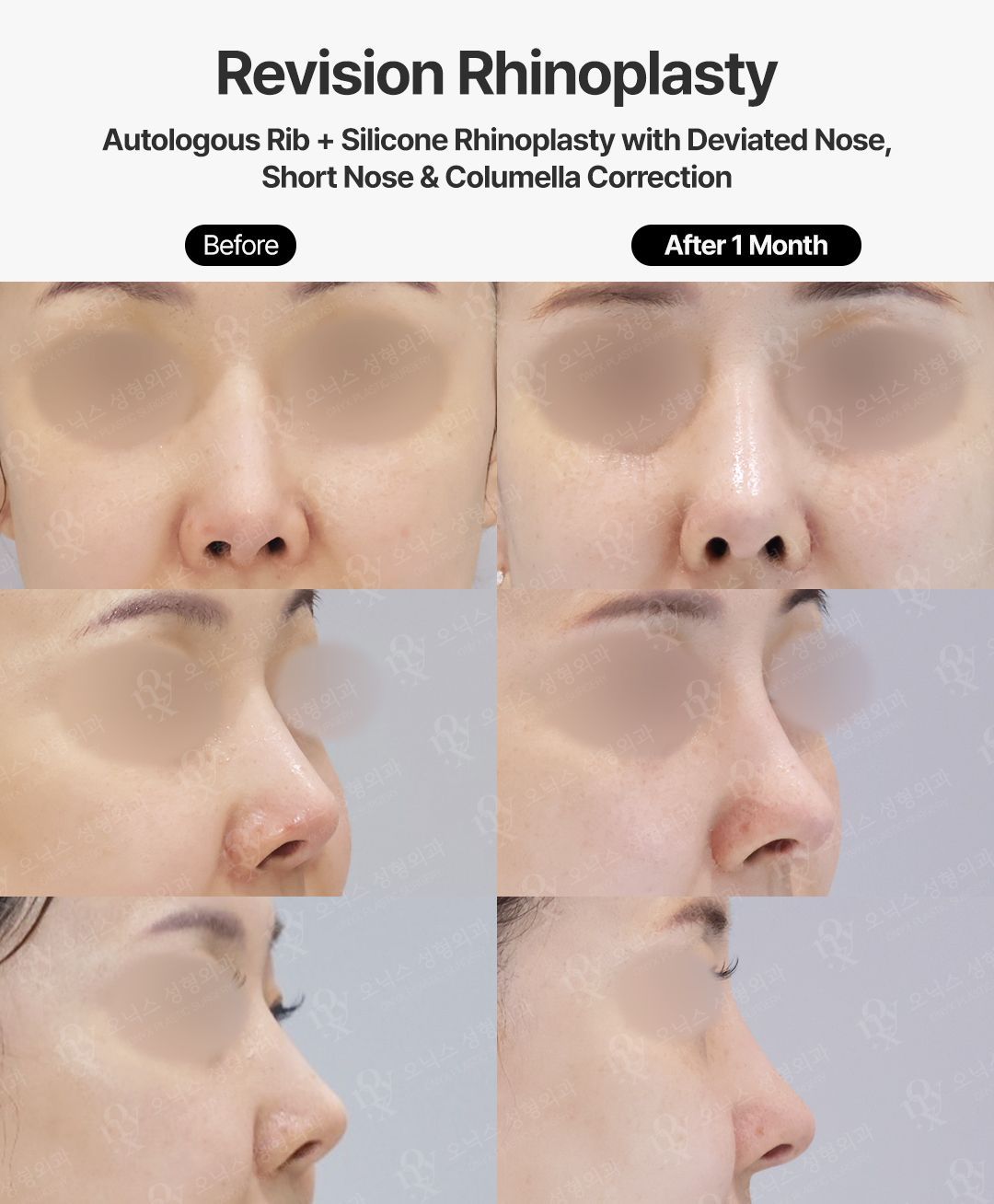
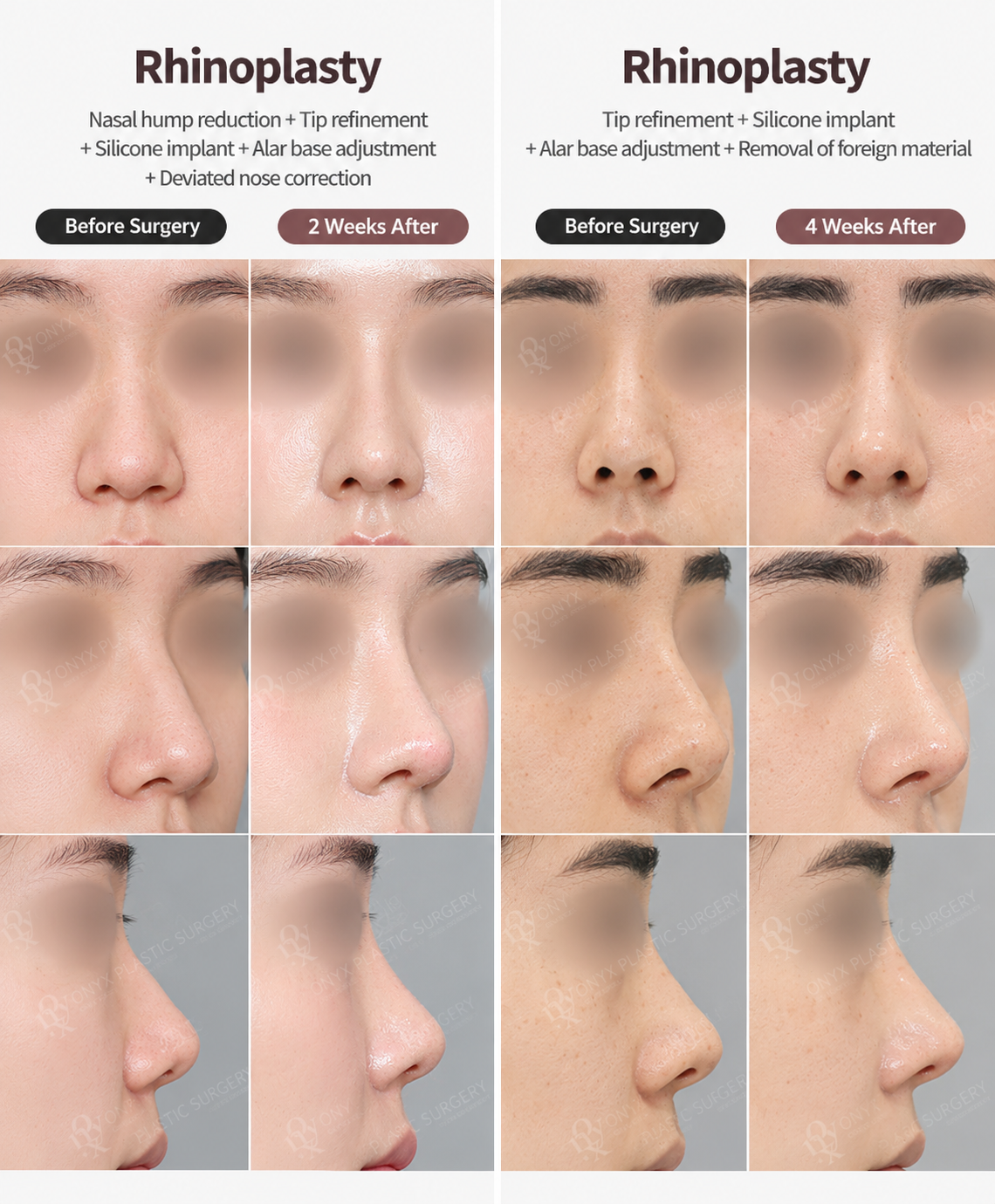
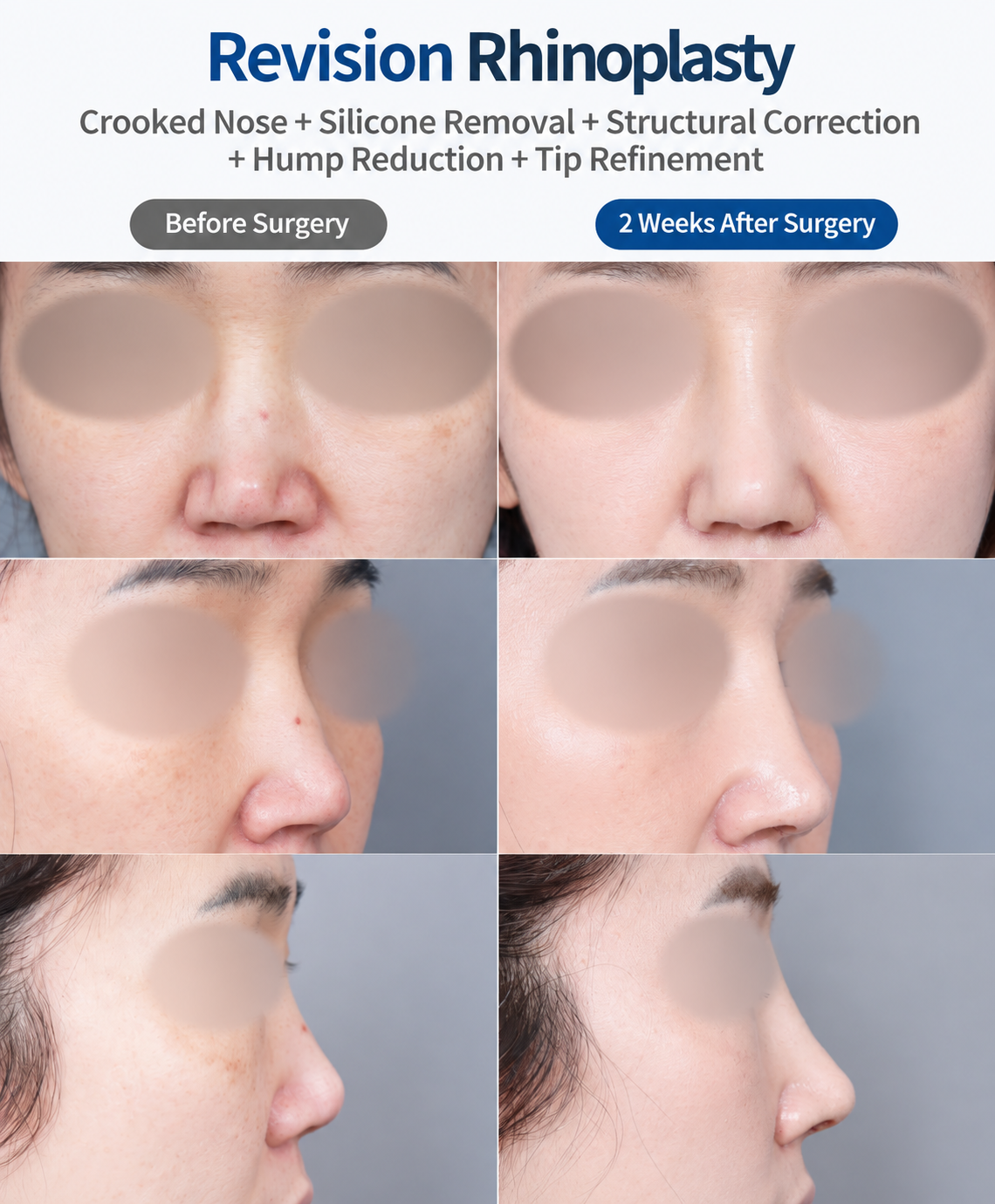
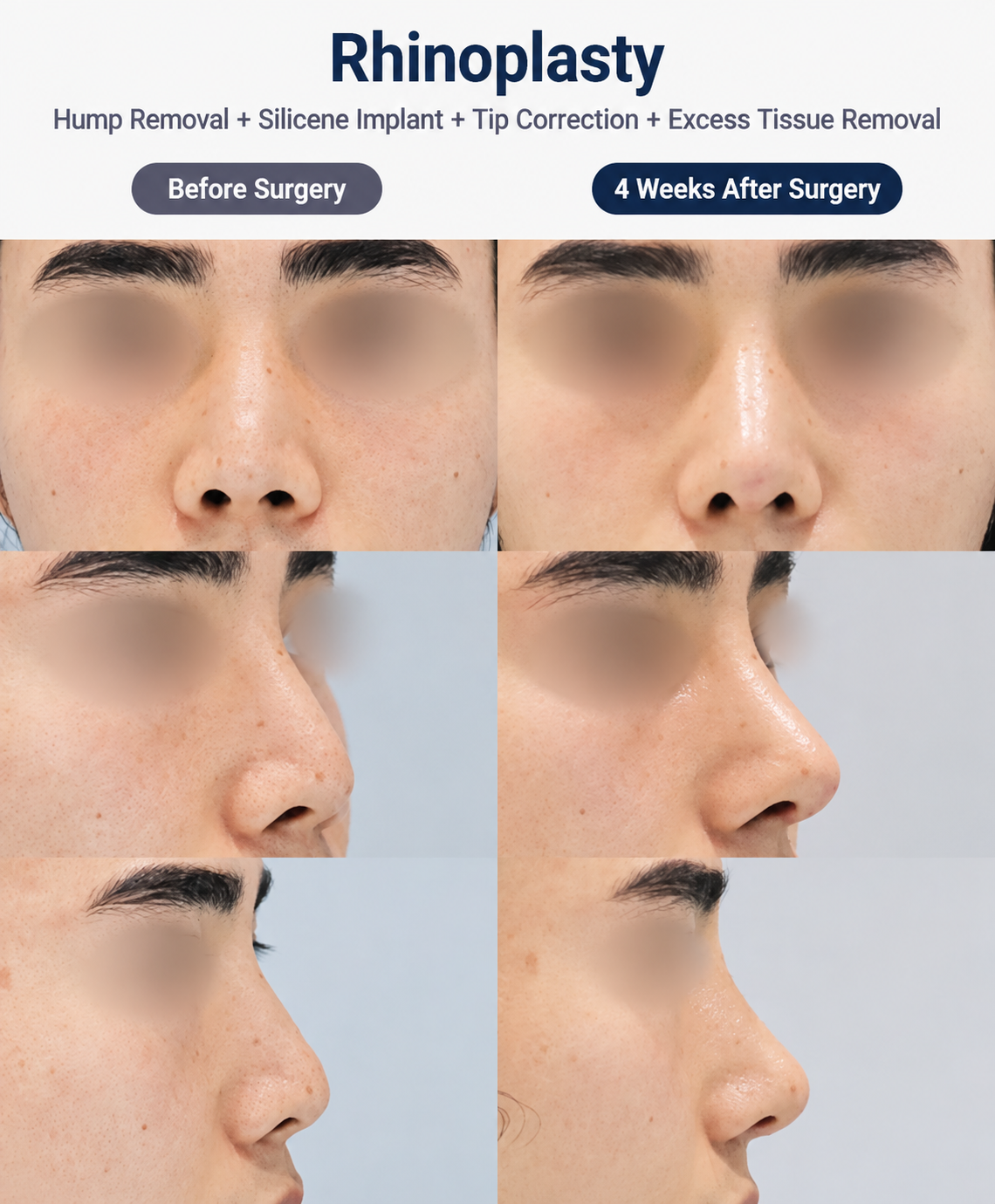
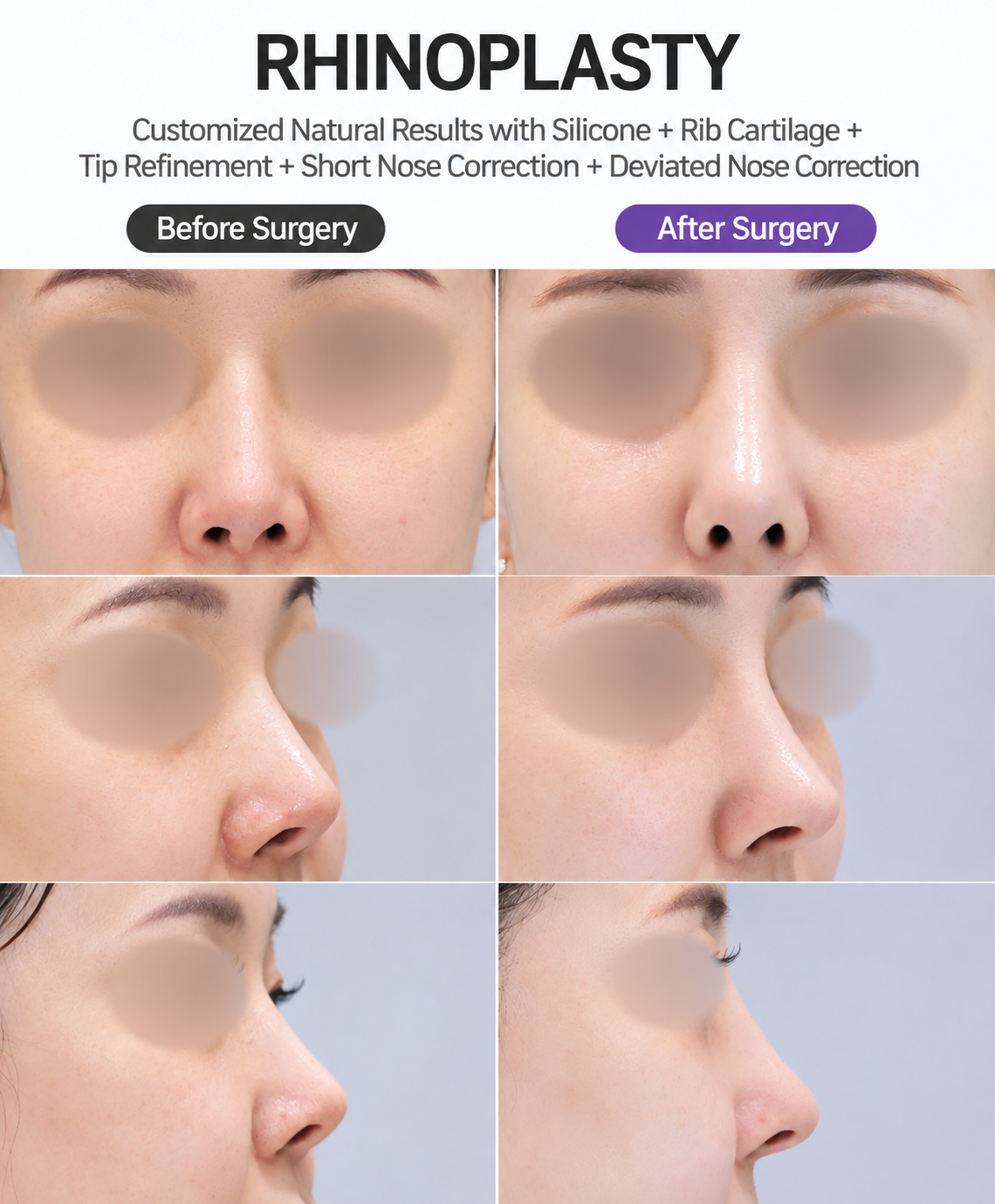
Surgical rhinoplasty reshapes the internal bone, cartilage, and soft tissue for long-lasting changes.
What It Can Do
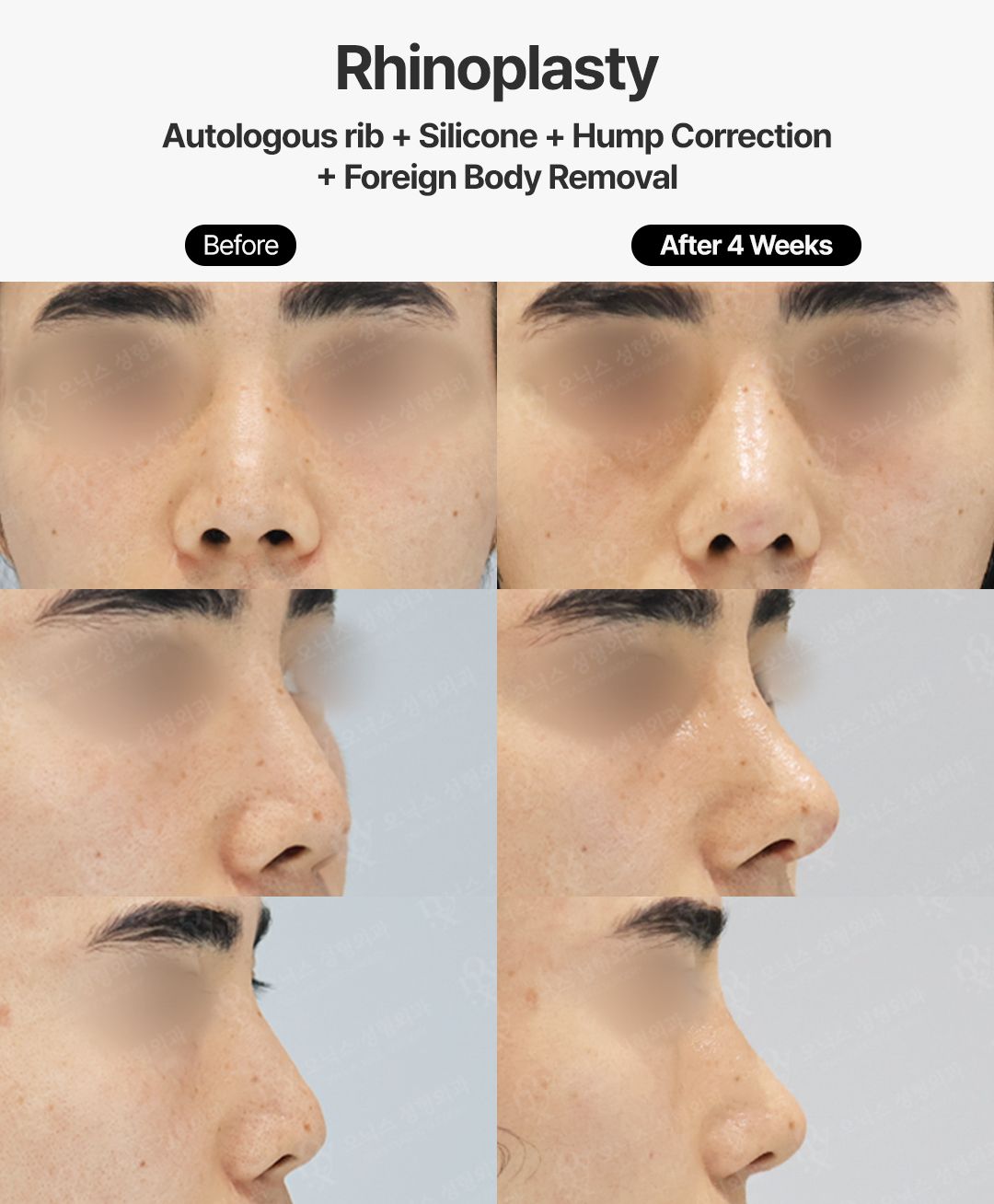
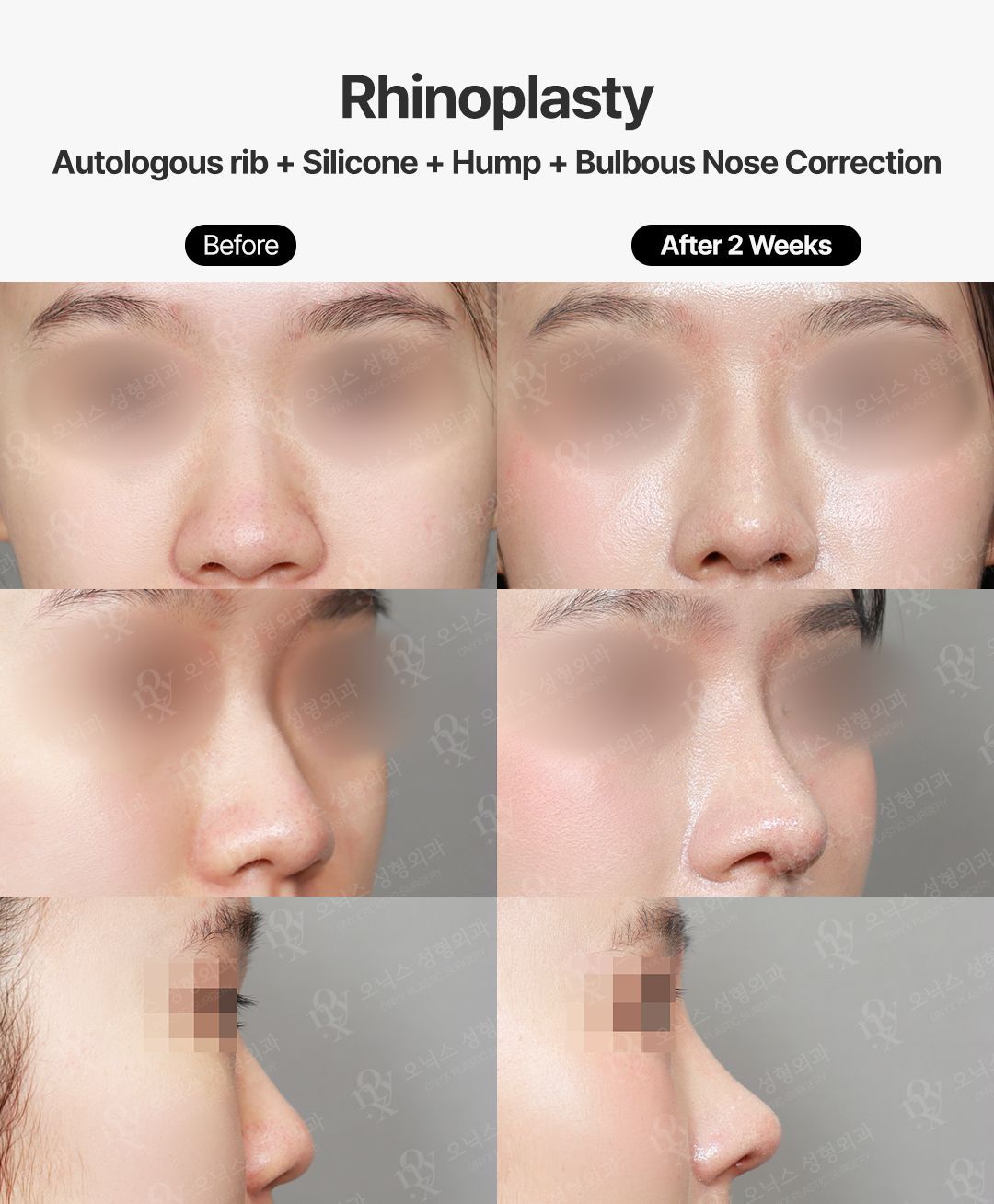
- Change the size, shape, and overall structure of the nose
- Build projection and length with cartilage grafts
- Correct drooping or weak tips
- Improve breathing and fix septal deviation
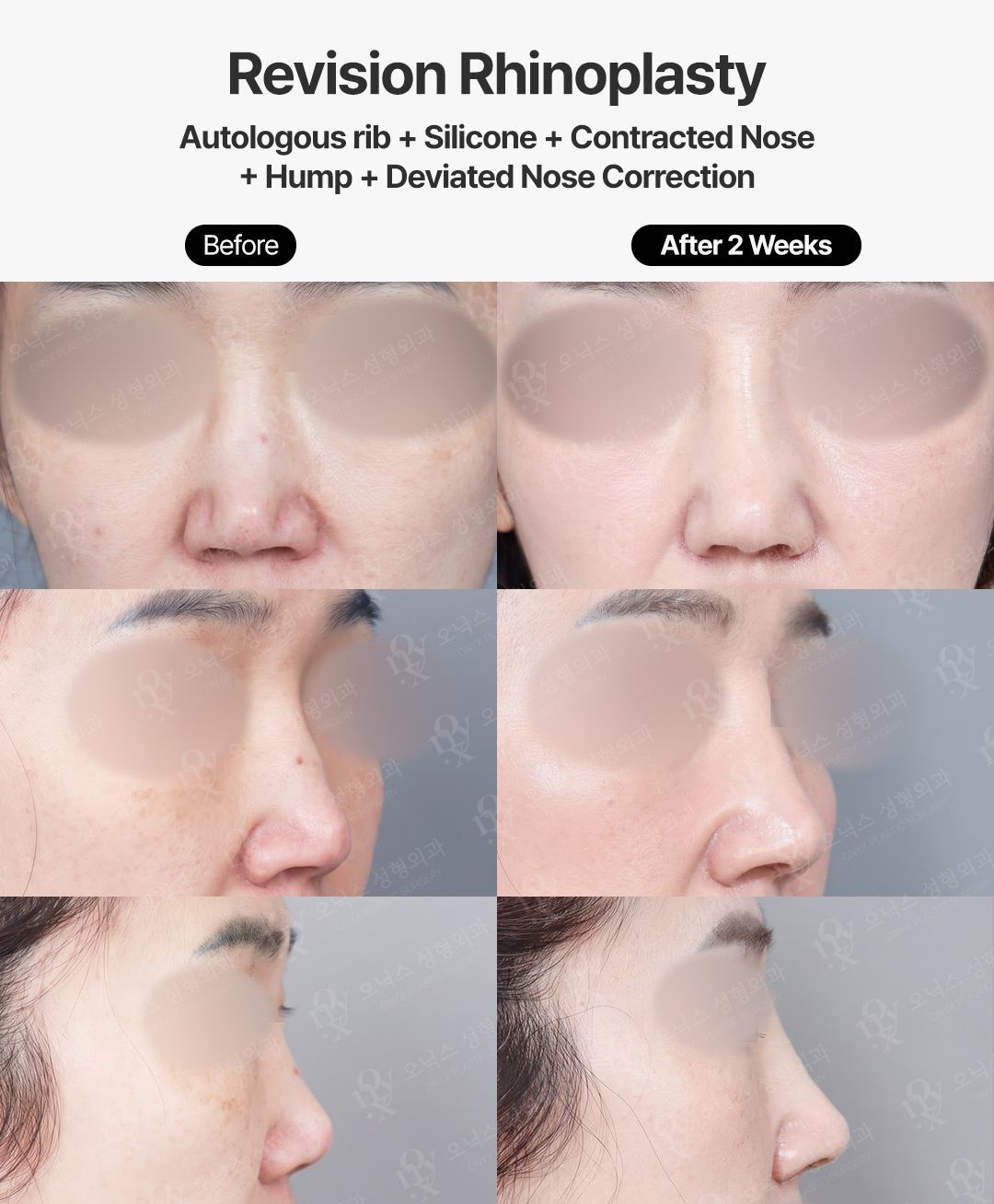
- Correct crooked noses
- Lengthen short or contracted noses
- Remove dorsal humps
What It Cannot Do
- Provide immediate results (requires healing time)
- Be reversible
Surgical rhinoplasty is ideal for patients seeking significant, permanent changes.
Liquid Rhinoplasty: Pros and Cons
Pros
✔ No downtime
You can return to daily life immediately.
✔ Instant results
Changes appear right after injection.
✔ Reversible
Hyaluronic acid fillers can be dissolved.
✔ Affordable
Lower cost compared to surgery.
✔ Great for subtle, natural enhancements
Especially for bridge height and small contour issues.
Cons
✘ Temporary
Results last 6–12 months.
✘ Cannot fix major structural problems
Not suitable for drooping tips, large humps, crooked noses, or short/contracted noses.
✘ Adds volume
Cannot make the nose smaller or more delicate.
✘ Vascular risks
Only safe when performed by an expert injector.
Surgical Rhinoplasty: Pros and Cons
Pros
✔ Permanent, long-lasting change
You only need one surgery for life-long transformation.
✔ Suitable for complex goals
Including crooked noses, short noses, deviated septums, and breathing issues.
✔ Tip control and projection
Achievable only with structural techniques, often using cartilage.
✔ Can make the nose smaller
Unlike fillers which only add volume.
✔ Addresses function and aesthetics
Breathing improvements and airway correction are possible.
Cons
✘ Longer recovery
Swelling and downtime last several weeks.
✘ Higher cost
More expensive than fillers.
✘ Not reversible
Changes require revision surgery if adjustments are needed.
Who Should Choose Liquid Rhinoplasty?
Ideal for People Who:
- Want subtle, low-commitment enhancement
- Have a flat or low nasal bridge
- Want a straighter profile
- Prefer no downtime
- Want to “test” how a higher bridge might look before surgery
Not Recommended For:
- Thick skin requiring strong structural support
- Tip droop or lack of projection
- Large humps
- Short or upturned noses
- Functional breathing problems
Korean injectors often use micro-droplet techniques for refined, natural results.
Who Should Choose Surgical Rhinoplasty?
Ideal for People Who:
- Want permanent results
- Need structural correction
- Have functional issues (breathing blockage, deviation)
- Have tip asymmetry or weak cartilage
- Want to fix a crooked nose
- Want to reduce or reshape the nose — not just add height
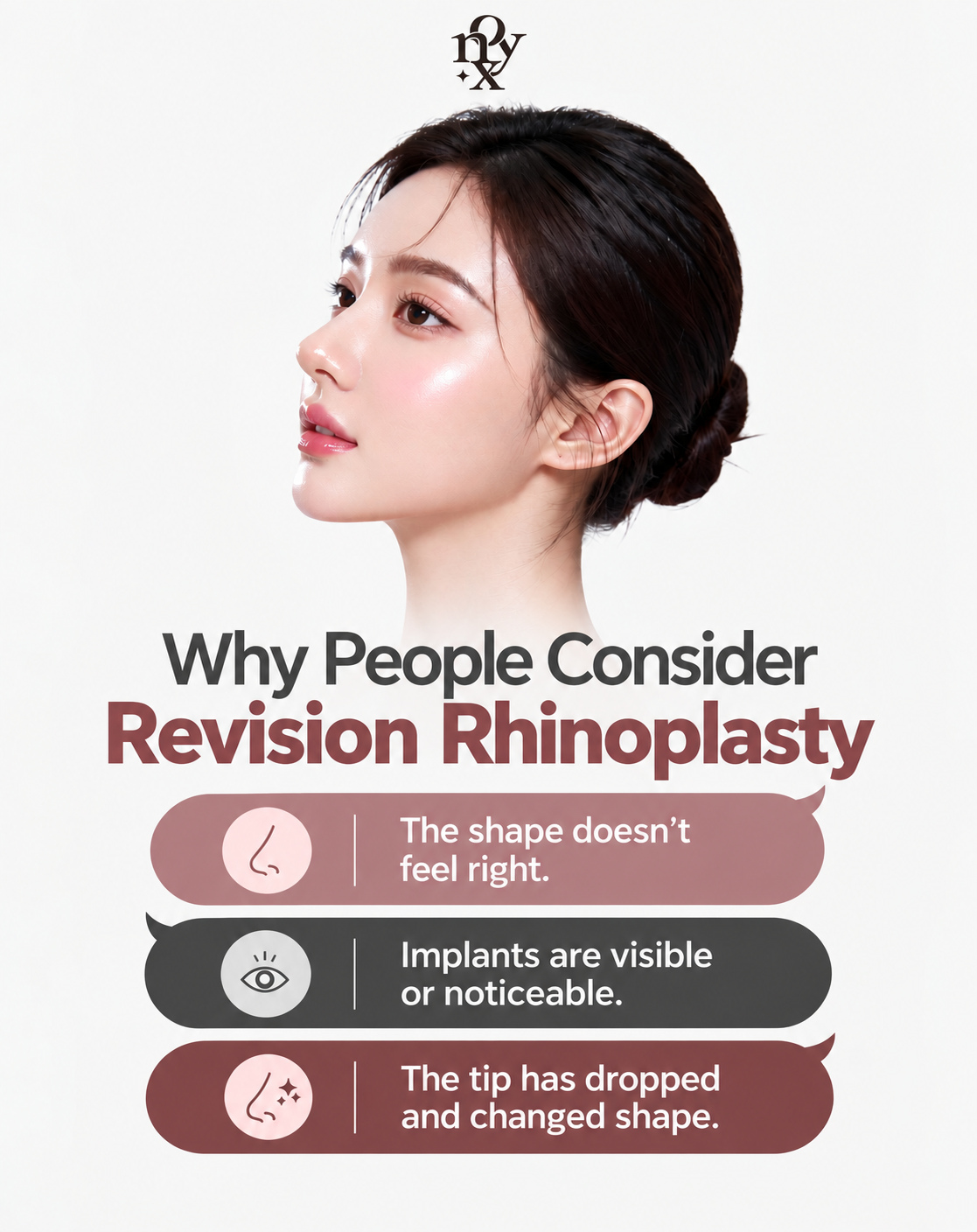
- Had complications from previous surgeries or fillers
Surgery offers the greatest control and longest-lasting outcome.
Why Korea Excels at Both Procedures
✔ High specialization in Asian facial harmony
✔ Thousands of procedures performed yearly
✔ Advanced filler safety techniques
✔ Leading cartilage grafting and structural rhinoplasty methods
✔ Artistic approach to natural-looking results
✔ Strong focus on safety, symmetry, and proportion
Whether non-surgical or surgical, Korea is at the forefront of nasal aesthetics.
Cost Overview (General Description)
(No table — simple text for clarity.)
Liquid Rhinoplasty
Lower cost, billed per syringe. Requires yearly maintenance.
Surgical Rhinoplasty
Higher cost due to anesthesia, operating room, surgeon expertise, and structural grafting. One-time investment for long-term results.
Which Option Is Better?
It depends on your goals.
Choose Liquid Rhinoplasty if you want:
- Minor enhancement
- Temporary results
- No downtime
- A preview of future surgical changes
Choose Surgical Rhinoplasty if you want:
- Major structural improvement
- Tip projection or rotation
- Better breathing
- Correction of crooked or short noses
- Permanent results
Many patients start with fillers but ultimately choose surgery for a more complete transformation.
Final Thoughts
Both liquid rhinoplasty and surgical rhinoplasty have a strong place in Korea’s cosmetic landscape. Liquid rhinoplasty offers instant, subtle enhancement with no downtime, while surgical rhinoplasty delivers long-lasting, structural improvements that fillers simply can’t match.
Understanding your goals — whether small contour changes or full structural correction — is the key to choosing the right path.