Non-Surgical Nose Lift vs Nose Thread Lift in Korea
Korean beauty clinics are famous for nose enhancements that look refined, natural, and elegant — often without surgery. Two of the most popular options are the non-surgical nose lift (using fillers) and the nose thread lift (using dissolvable PDO or PCL threads).
Both treatments create instant definition and subtle reshaping, but they work very differently. Understanding how each option transforms the nose can help you choose the best match for your goals.
What Is a Non-Surgical Nose Lift?
A non-surgical nose lift uses
hyaluronic acid fillers to reshape and contour the nose.
In Korea, this technique is often called a “liquid nose lift” or “liquid rhinoplasty.”
What Fillers Can Do
- Create a higher, straighter bridge
- Smooth small bumps or irregularities
- Add gentle tip definition
- Improve symmetry
- Give a clean, refined side profile
Who It’s Best For
People who want subtle improvements with zero downtime, and those who want to “try out” nose reshaping before committing to surgery.
What Is a Nose Thread Lift?
A nose thread lift uses dissolvable threads inserted under the skin to create lift and support. Threads can subtly raise the bridge or tip and help contour the nasal line.
What Threads Can Do
- Lift the nasal tip
- Sharpen the bridge line
- Add internal structure without adding volume
- Improve mild asymmetry
- Give a more sculpted, defined look
Who It’s Best For
People seeking a structural lift rather than added volume, and those wanting longer-lasting results than fillers.
Non-Surgical Nose Lift: Pros and Cons
Pros
- Instant results
- No downtime
- Reversible (HA filler can be dissolved)
- Soft, natural contour
- Great for first-time aesthetic patients
Cons
- Temporary (6–12 months)
- Only adds volume — cannot make the nose smaller
- Cannot correct structural issues like droopy tips or crooked noses
- Risk of vascular complications if done by unskilled injectors
Nose Thread Lift: Pros and Cons
Pros
- Creates lift without adding bulk
- Longer-lasting than fillers (9–18 months)
- Good for tip projection
- Helps straighten the midline
- Stimulates collagen for added definition
Cons
- Not reversible
- May cause thread visibility if the skin is very thin
- Cannot fix large humps or major structural problems
- Slight risk of extrusion or infection if technique is poor
Which One Looks More Natural?
Both can look incredibly natural when performed in Korea, but they have distinct vibes:
- Fillers: soft, smooth, subtle
- Threads: defined, sculpted, structured
Many clinics combine both for the most balanced, camera-friendly results.
Longevity: How Long Do Results Last?
- Fillers: 6–12 months
- PDO threads: 9–12 months
- PCL threads: 12–18 months
Thread lifts generally last longer, but the effect is still temporary.
Which One Should You Choose?
Choose a Non-Surgical Nose Lift (Fillers) if you want:
- Subtle improvements
- Zero downtime
- A reversible option
- Height and contour on the bridge
Choose a Nose Thread Lift if you want:
- Tip lift and structure
- More definition without extra volume
- Longer-lasting results
- A more sculpted, sharper look
Choose Surgical Rhinoplasty if you want:
- Permanent results
- Major reshaping
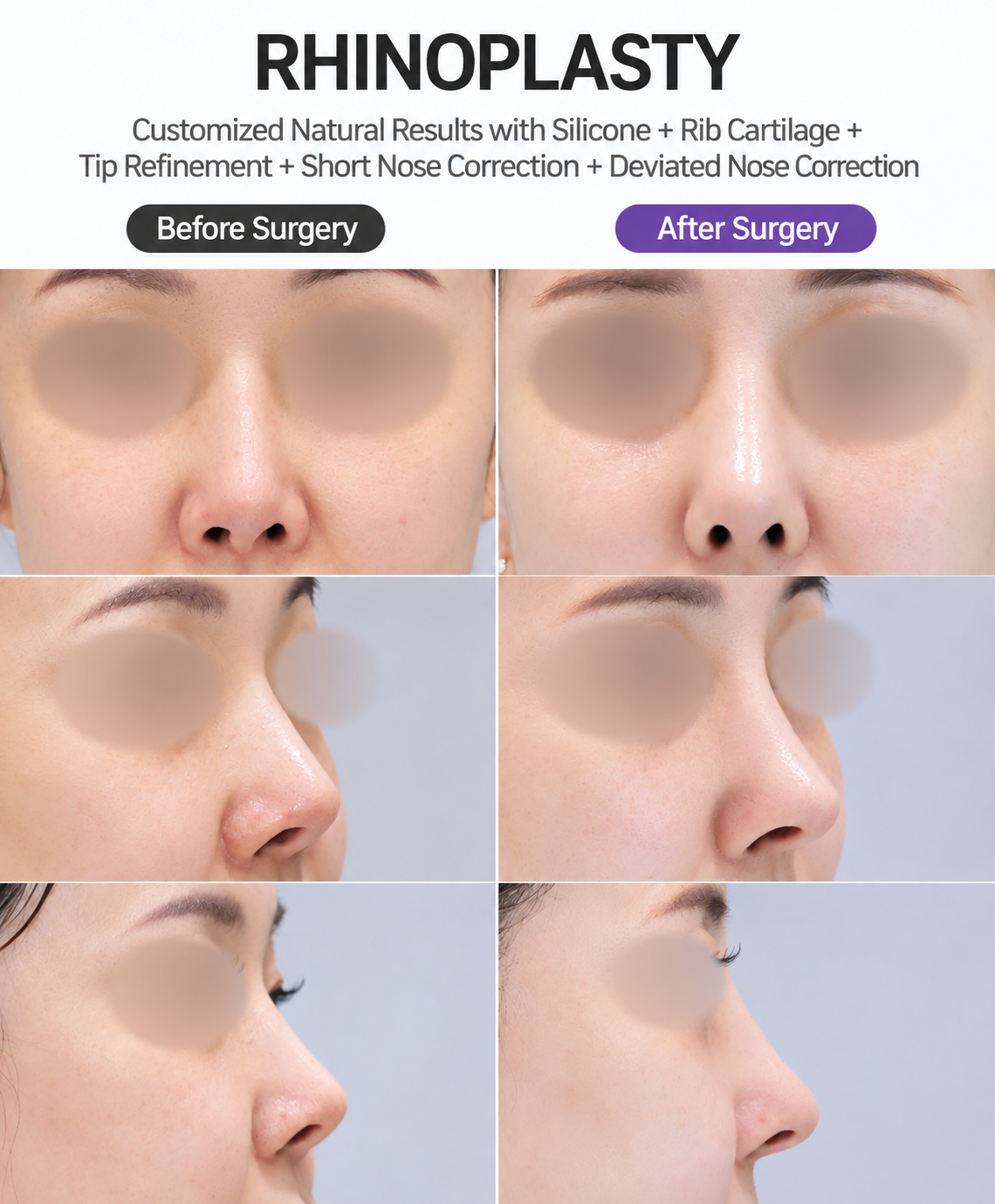
- Correction of crooked, short, or contracted noses
- Better breathing and structural improvement
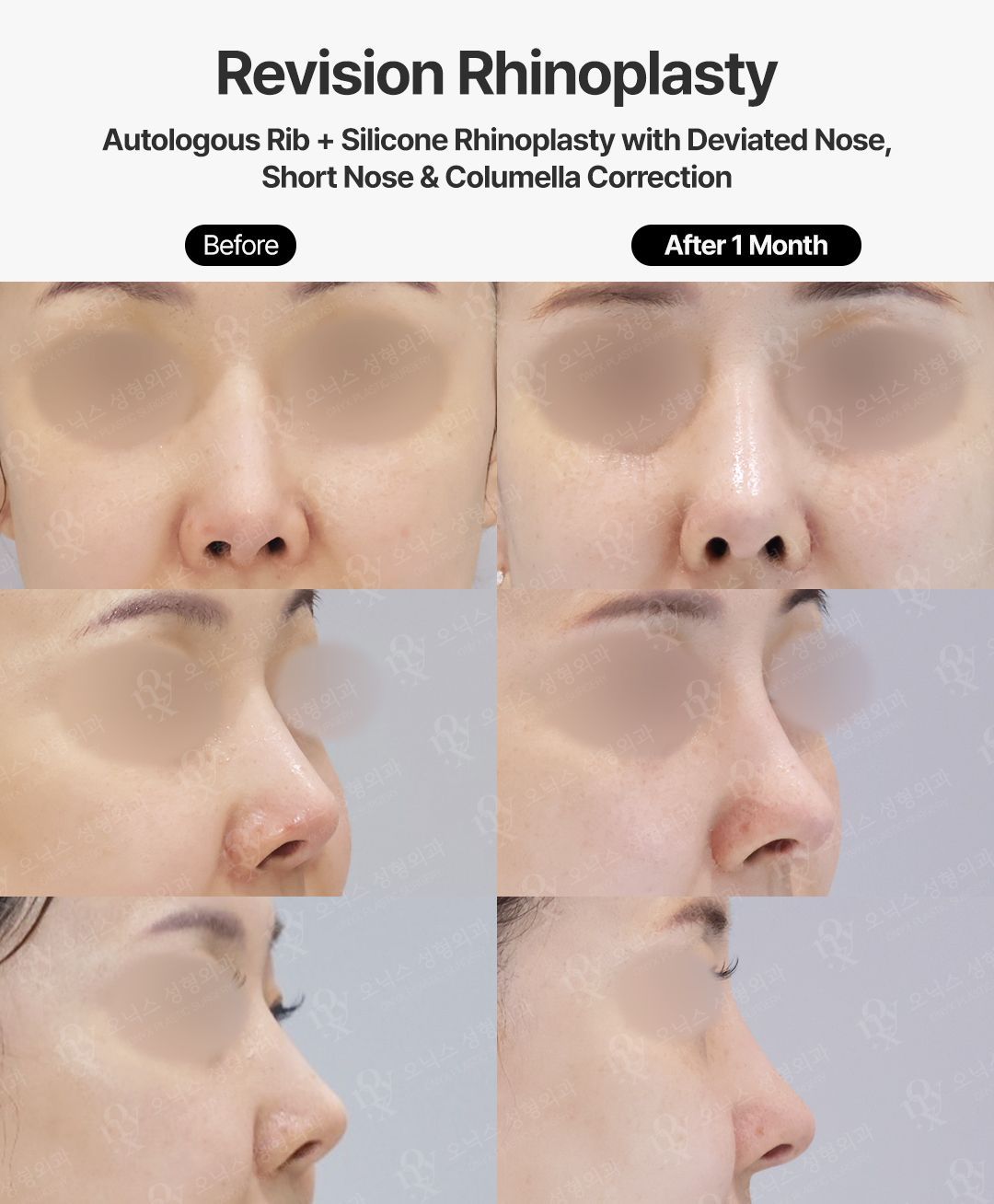
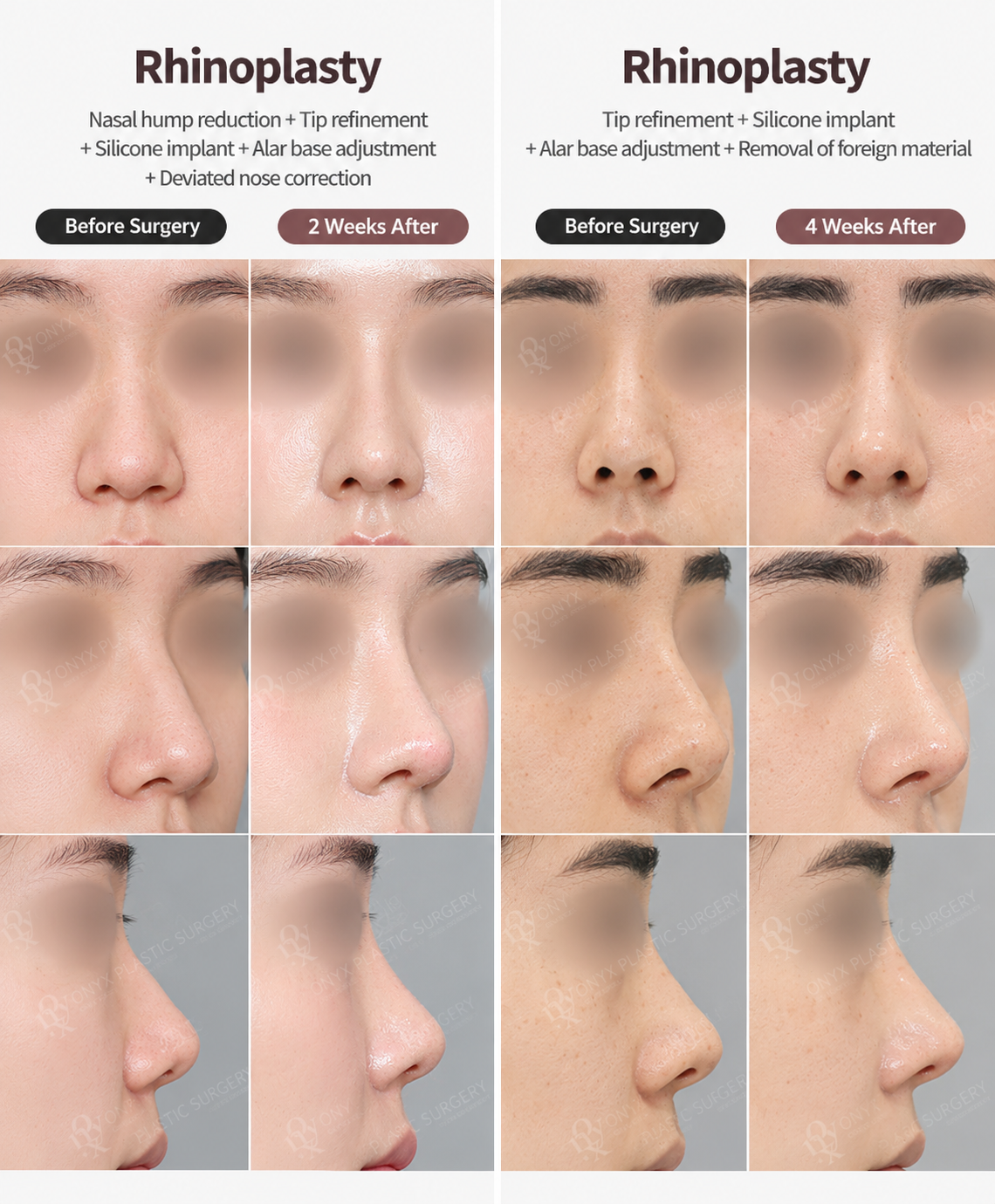
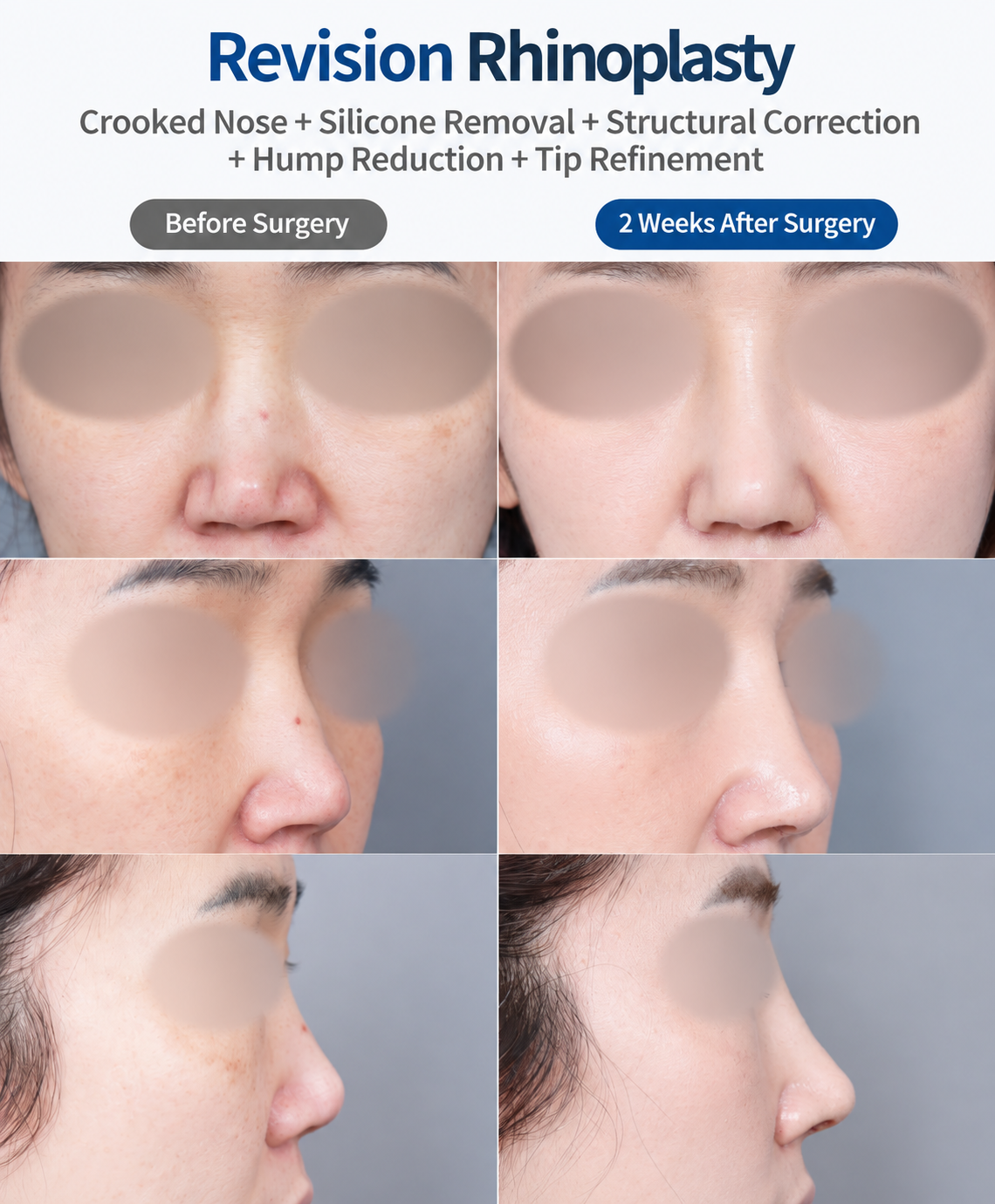
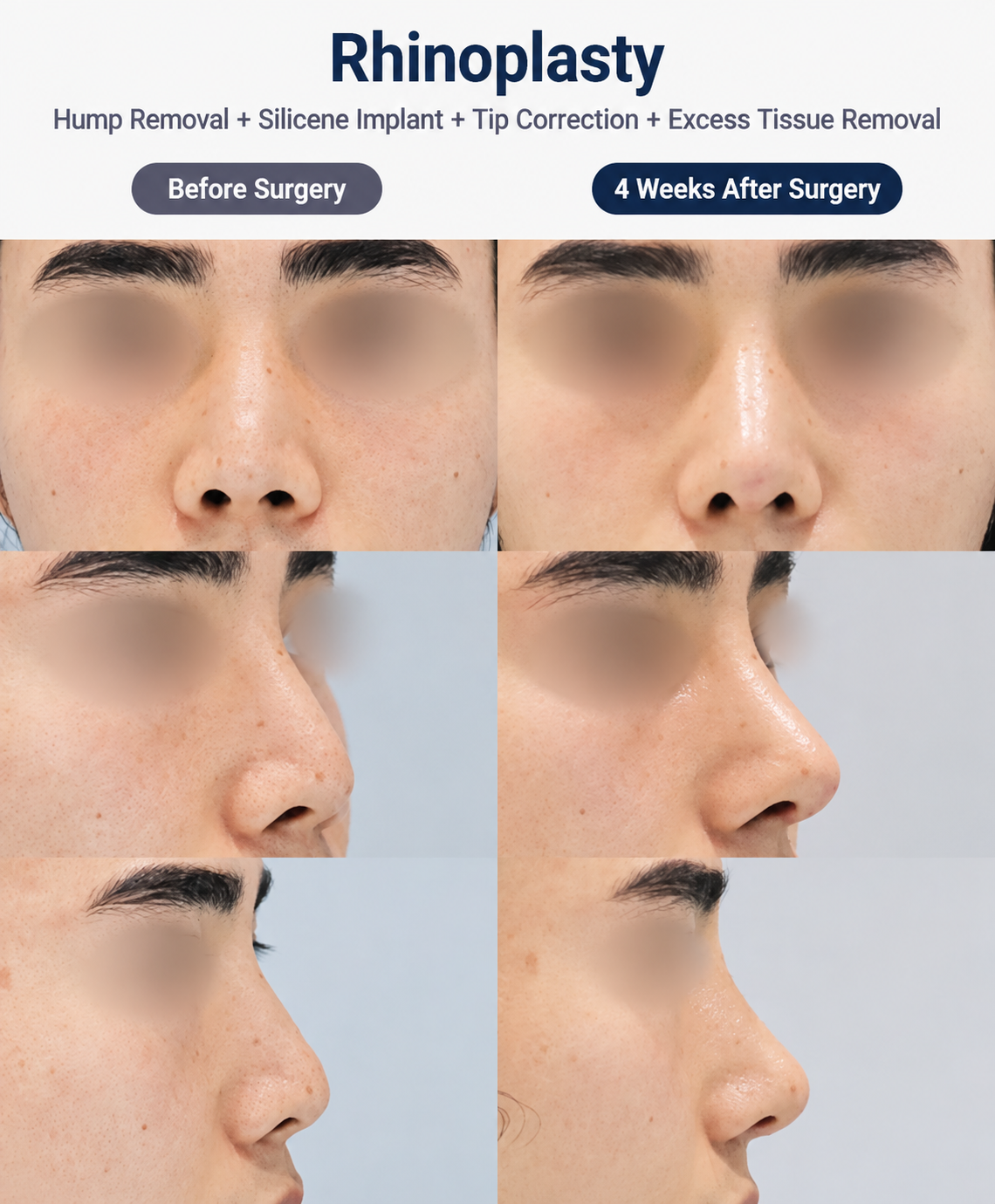
Non-surgical options are enhancements, not replacements for structural rhinoplasty.
Why Korea Leads in Non-Surgical Nose Procedures
Korean aesthetic clinics are known for:
- Ultra-precise injection techniques
- Advanced thread protocols
- A natural aesthetic philosophy
- High experience levels with Asian nasal anatomy
- Minimal bruising, minimal downtime, maximum refinement
Patients often come to Korea specifically for nose fillers and thread lifts because the results are consistently polished and subtle.
Final Thoughts
A non-surgical nose lift and a nose thread lift are both excellent ways to enhance your nose shape without surgery. Fillers give soft, smooth contouring and instant results, while threads offer structural lift and longer-lasting definition.
The best choice depends on your goals:
- Fillers for volume and contour
- Threads for lift and structure
- Combination treatment for the most balanced Korean-style refinement
Both options deliver elegant, natural enhancements — especially when performed by experienced Korean specialists.