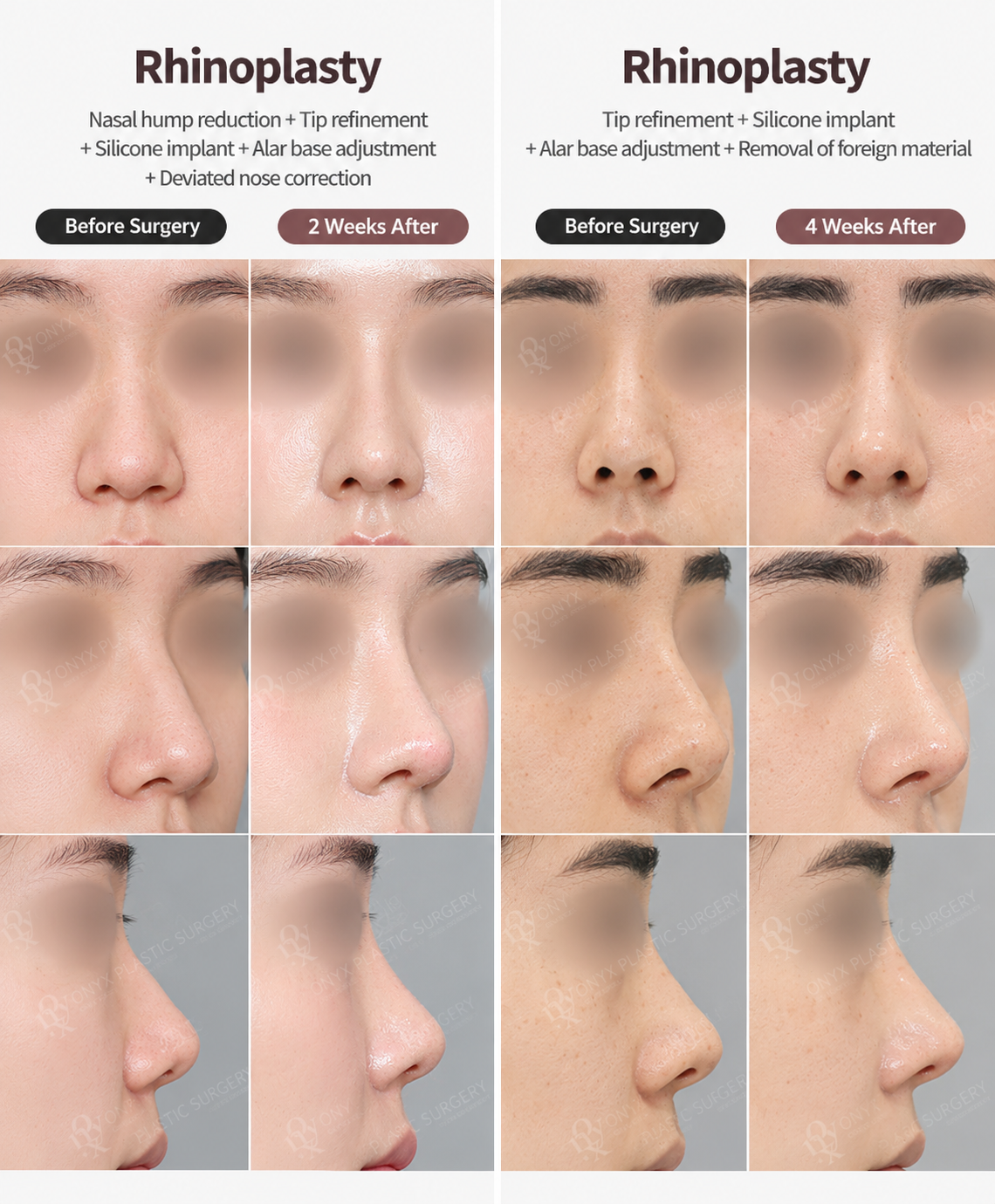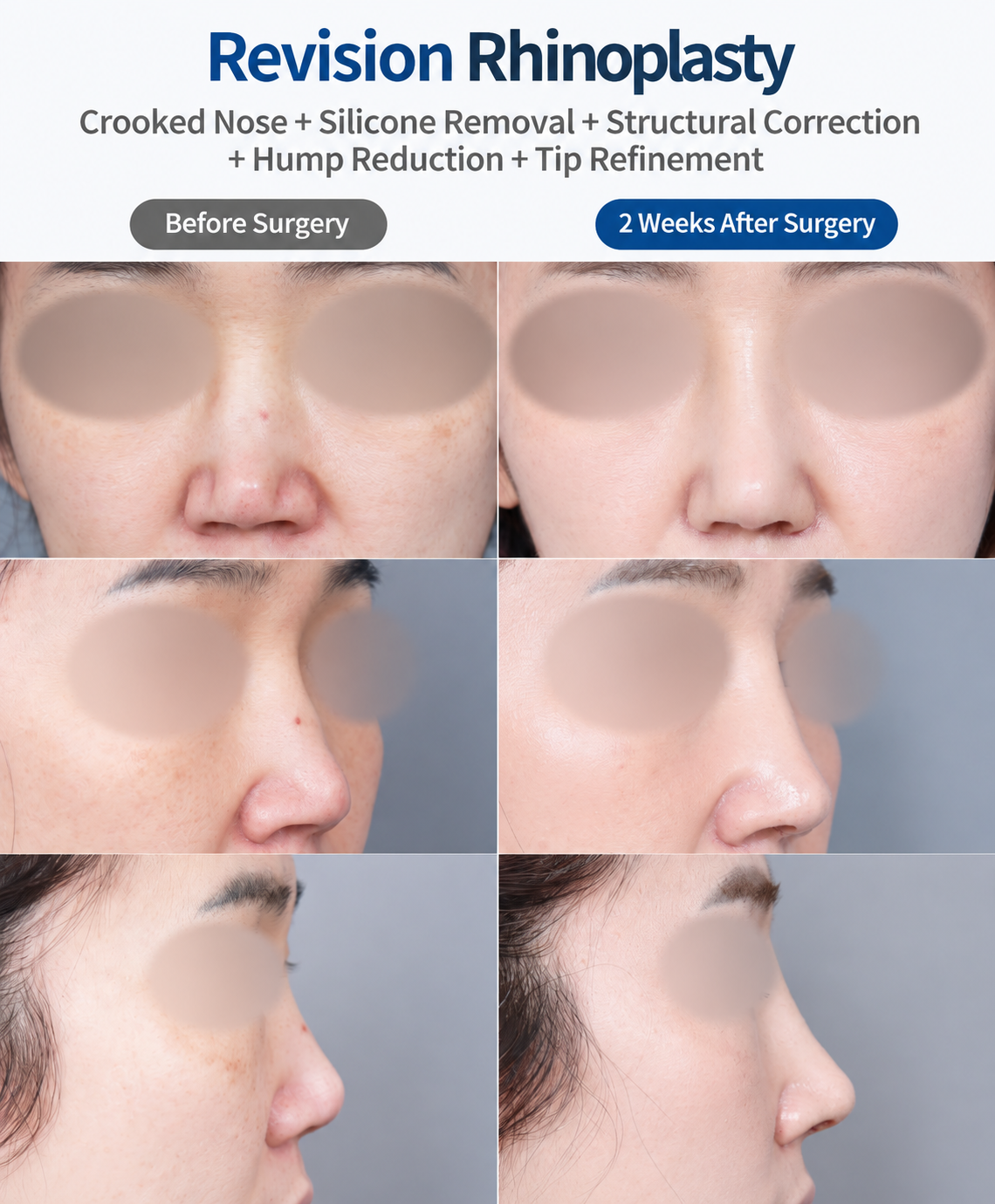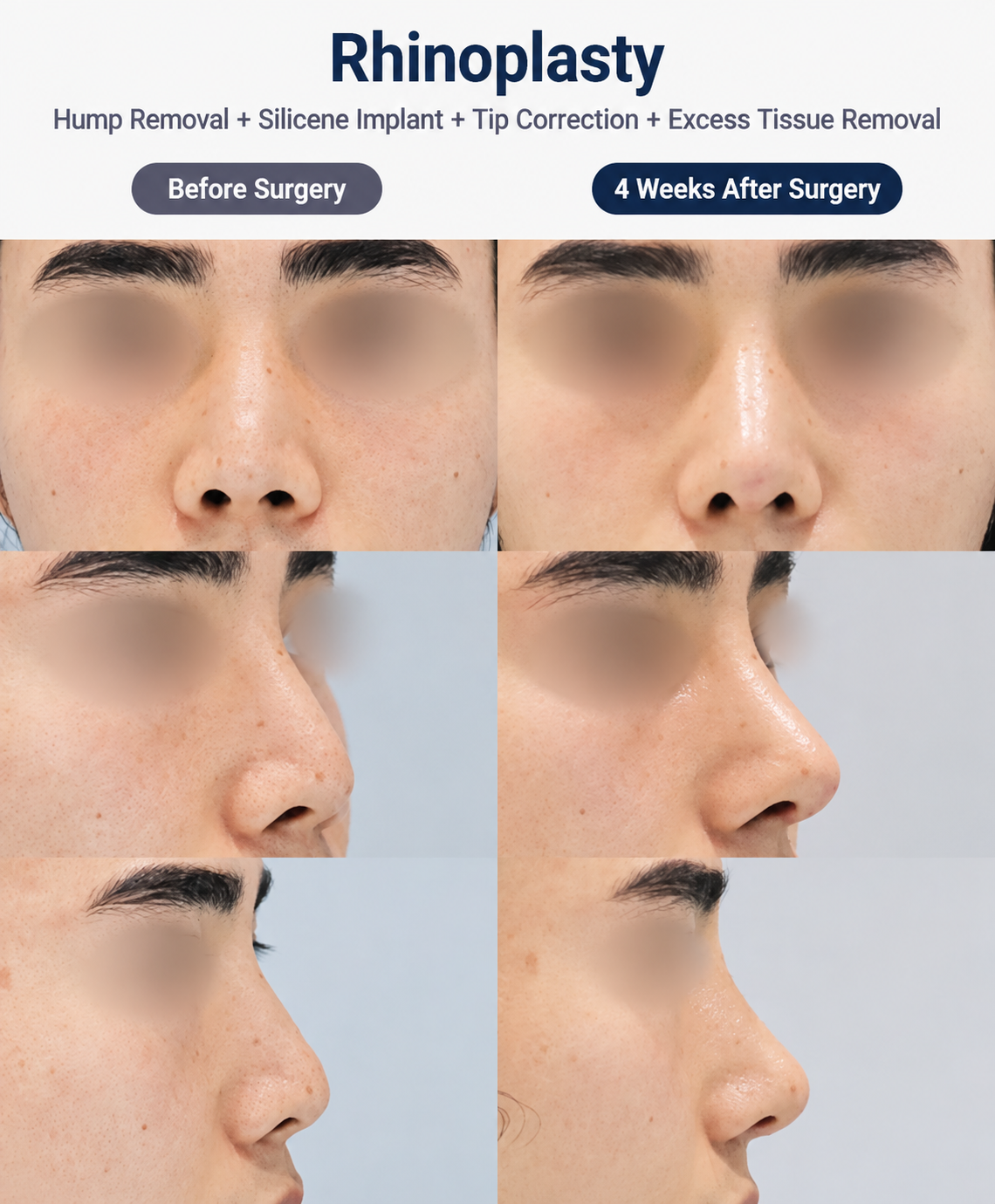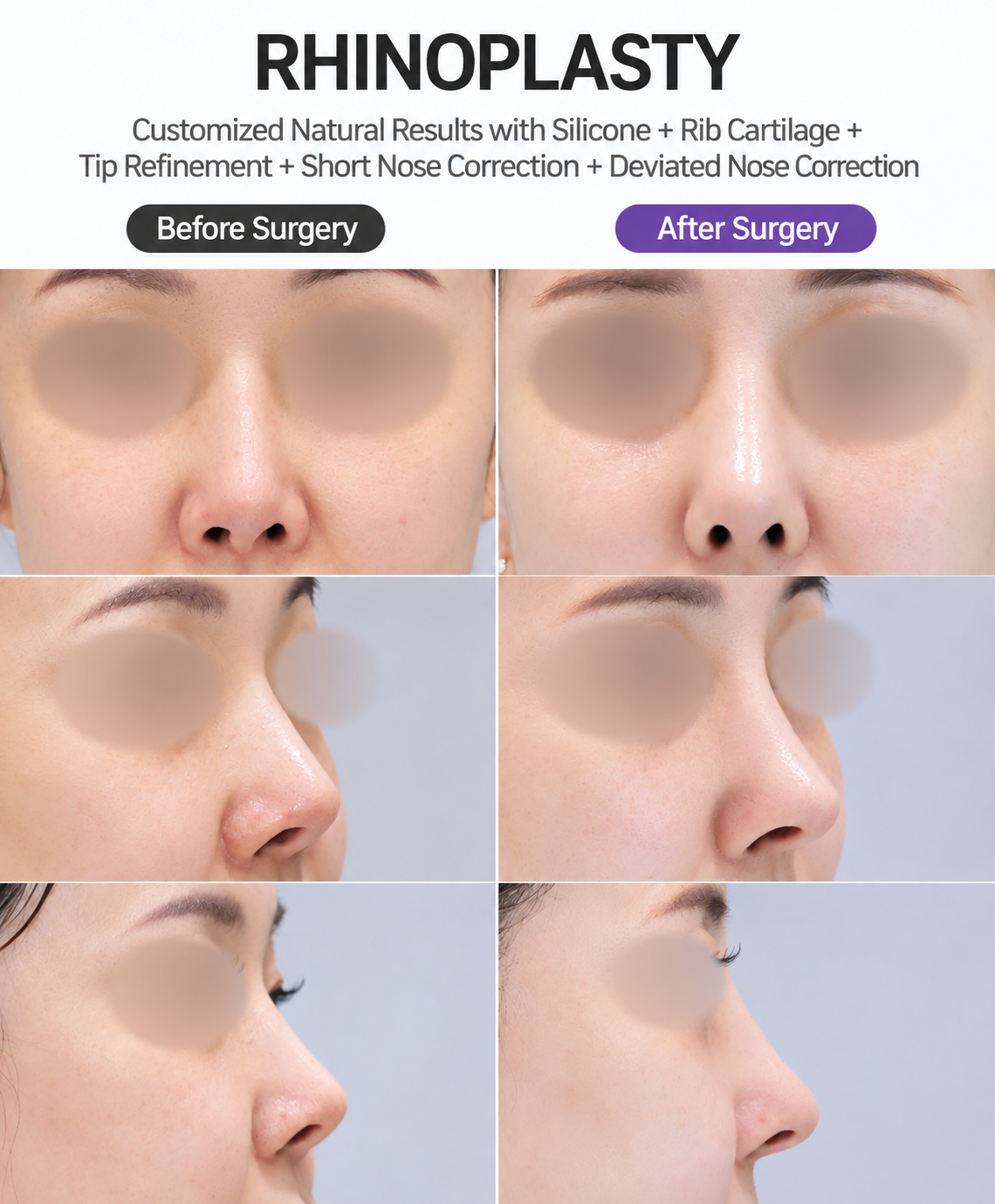
Alar Reduction in Korea: Minimizing Nasal Base Width
A wide nasal base or prominent nostrils can make the nose look larger or disproportionate compared to other facial features. Alar reduction, also known as alarplasty, is one of Korea’s most sought-after procedures for refining nose shape—particularly among patients who want a slimmer, more balanced nasal base without altering the rest of the nose.
Korea is known for surgical precision, tiny incisions, and natural-looking outcomes, making it one of the top destinations for alar reduction surgery.
Here’s a full guide on how it works, who it’s for, and what to expect.
What Is Alar Reduction?
Alar reduction reshapes and narrows the nostril wings (alar base) to create a more proportionate nasal width. The goal is to reduce nostril flare and refine the shape while maintaining natural breathing function.
Depending on the anatomy, surgeons can reduce:
- Nostril width
- Nostril flare
- Alar thickness
- Alar curvature
The changes are subtle but effective, creating a slimmer and more elegant appearance.
Why Alar Reduction Is Popular in Korea
✔ Tiny, hidden scars
Korean surgeons hide incisions within the natural alar crease for minimal visibility.
✔ Customized approach
Every patient’s nostril shape is different, so Korea focuses on personalized techniques.
✔ Natural results
The goal is refinement—not making the nose look unnaturally narrow.
✔ Suitable for many nose types
Particularly effective for Asian and African nose shapes with wider bases.
Types of Alar Reduction Techniques in Korea
Alarplasty isn’t a single procedure—Korean surgeons choose the approach based on the patient’s nasal anatomy.
1. Alar Base Reduction (Weir Excision)
This removes a small wedge of skin at the nostril base to:
- Narrow the nostrils
- Reduce flare
- Create a cleaner, more refined contour
This is the most common method for visibly wide nostrils.
2. Alar Flare Reduction
This technique targets outward flaring rather than overall width.
Best for:
- Nostrils that widen during smiling
- Dynamic flare
- Patients who want narrower wings without reducing total nostril size
3. Sill Reduction (Nostril Floor Reduction)
Used when the nostrils look wide at the bottom rather than the sides.
Best for:
- Thick nostril bases
- Broad nostril floors
- Subtle width adjustment
4. Internal Alar Reduction
For patients wanting no visible external scar, internal trimming can:
- Slightly reduce width
- Improve nostril shape
This method is more subtle and not suitable for large reductions.
Who Is an Ideal Candidate?
You may consider alar reduction if you have:
- Wide nostrils
- Excessive nostril flare
- A bulbous or heavy alar base
- A desire for improved facial proportion
- A rounder nose with limited definition
- A previously reshaped bridge/tip that still looks wide from the front view
This procedure is often combined with tip refinement or bridge enhancement for a balanced result.
Benefits of Alar Reduction in Korea
✔ Better facial harmony
Narrower nostrils make the nose look more defined and balanced.
✔ Minimal downtime
Healing is quick, and most patients resume normal activities within days.
✔ Very natural outcomes
Korean aesthetics favor subtle refinement, not extreme narrowing.
✔ Can dramatically improve the front-view appearance
Even small reductions create a noticeable, elegant change.
Recovery Timeline
1 Week
- Stitches removed
- Most bruising and swelling reduced
- Mild redness may persist
2–4 Weeks
- Scars fade quickly
- Shape becomes more refined
3–6 Months
- Final nostril shape sets
- Incision lines nearly invisible
Patients typically feel confident appearing in public by week one.
Potential Risks to Consider
While the technique is highly successful in Korea, potential risks include:
- Visible scarring (rare with proper incision placement)
- Asymmetry
- Over-reduction or unnatural narrowing
- Changes in nostril shape
- Breathing difficulty (very rare when done by experts)
Choosing an experienced surgeon is essential for maintaining function and natural contour.
Combining Alar Reduction With Other Rhinoplasty Procedures
For a more complete nose transformation, alar reduction can be paired with:
- Tip refinement
- Bridge augmentation
- Septorhinoplasty
- Hump removal
- Short nose correction
- Revision rhinoplasty
Combining procedures ensures balanced proportions in all views.
Final Thoughts
Alar reduction in Korea is highly refined, minimally invasive, and designed to create elegant, natural-looking improvements to the nostril width and shape. With advanced techniques, hidden incisions, and aesthetic precision, Korean surgeons deliver subtle but powerful transformations—especially for patients who want a slimmer nose base without dramatic surgery.
If your goal is a balanced, harmonious nose from the front view, alar reduction in Korea is one of the most effective solutions available.