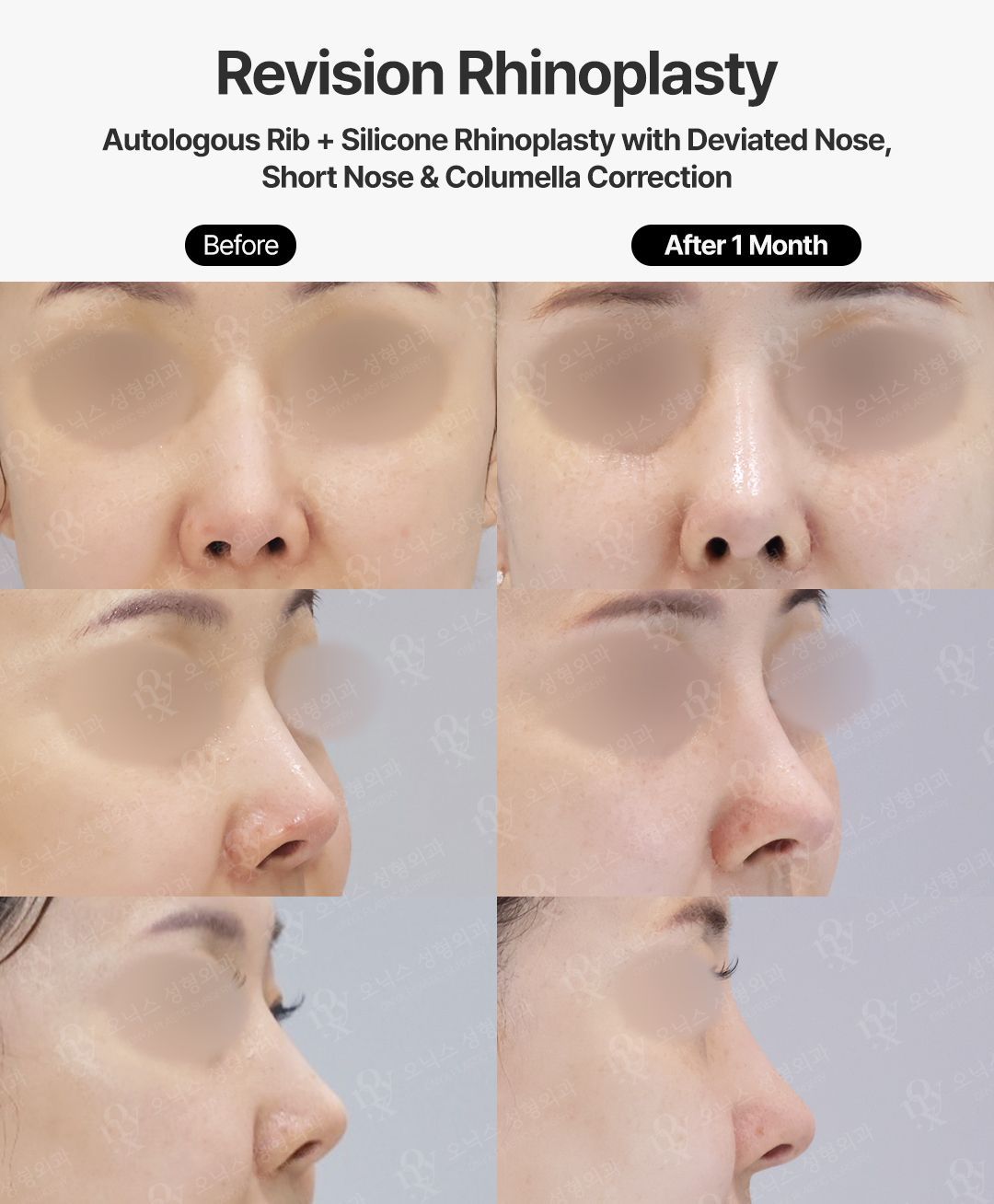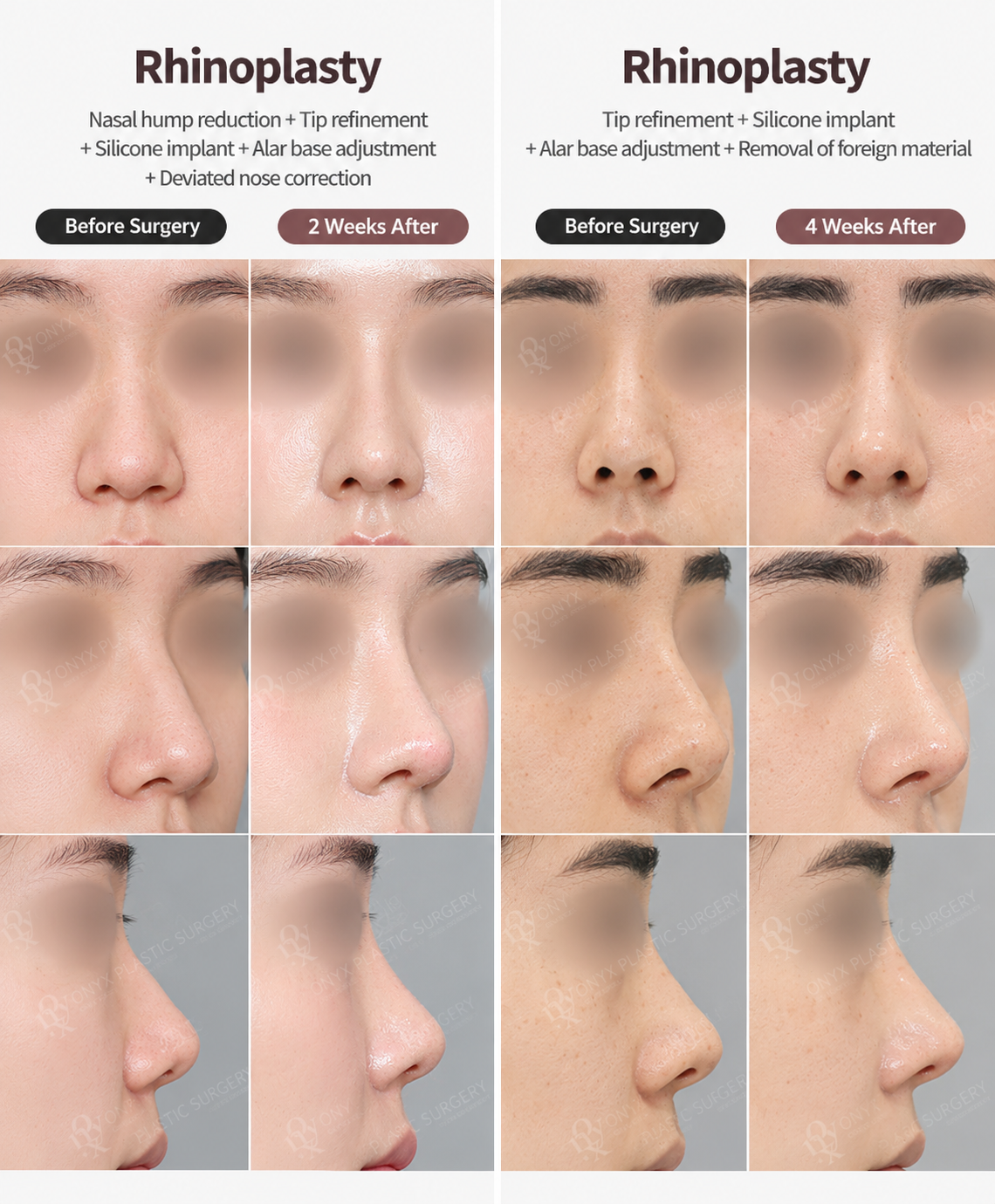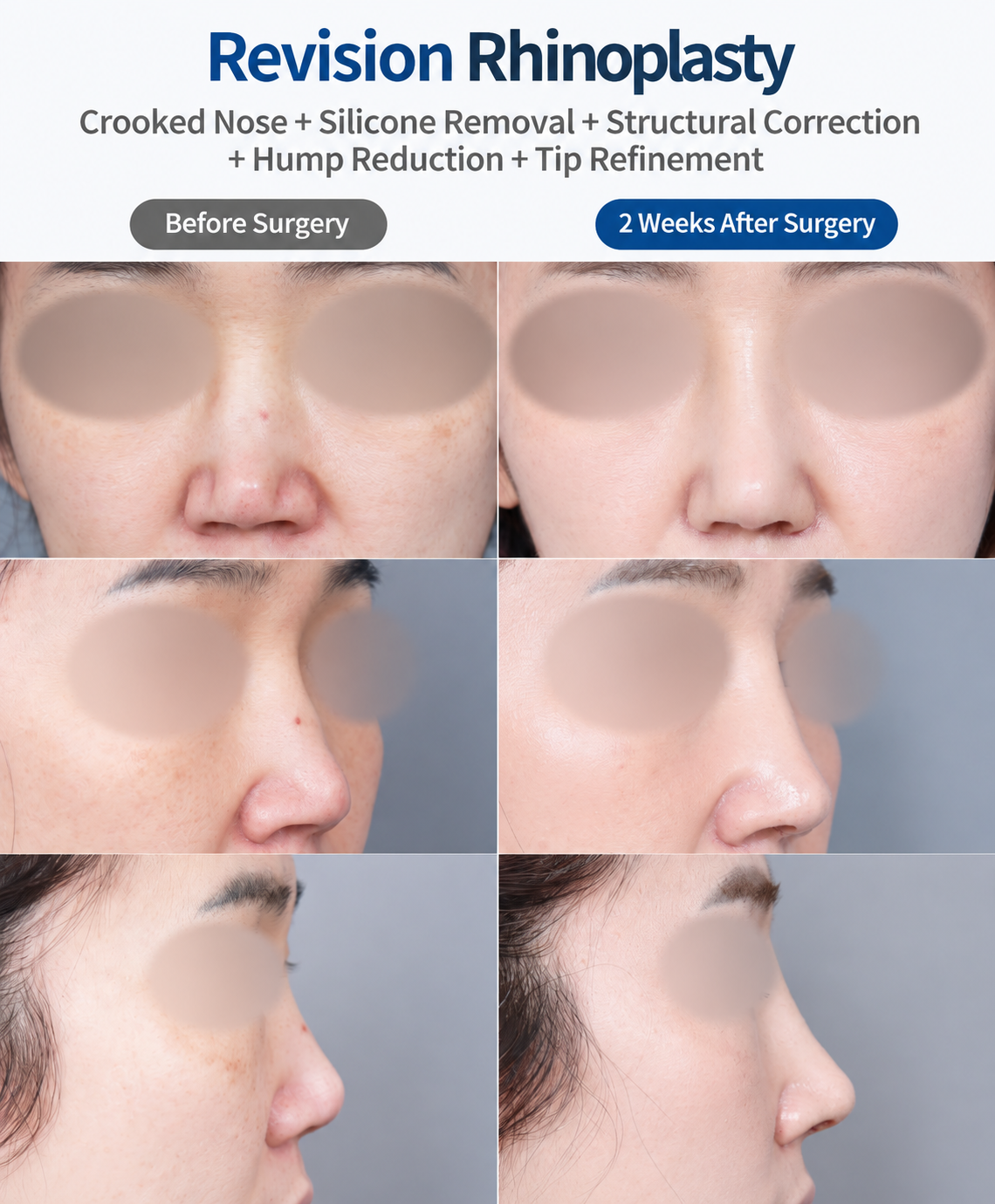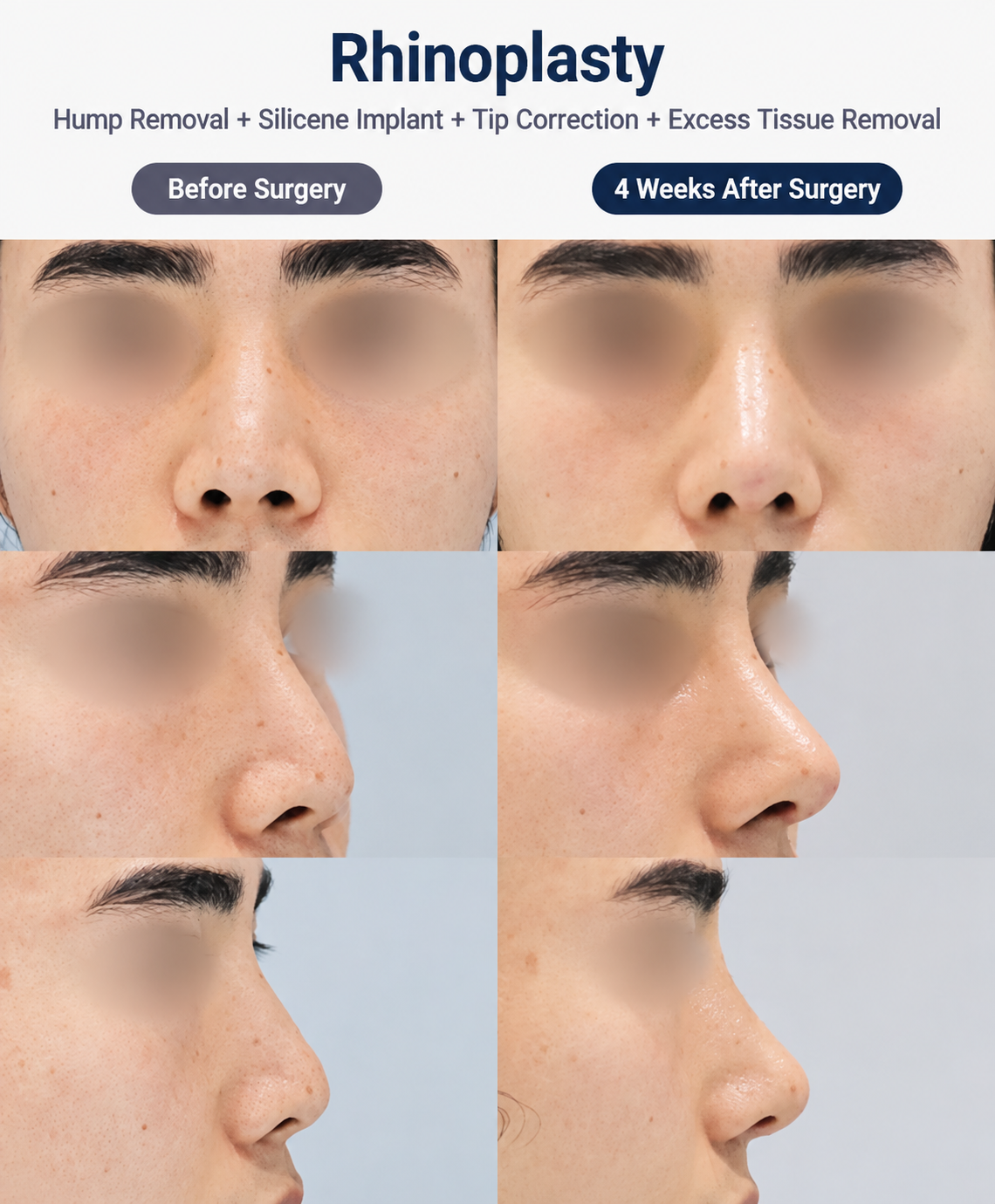
Alar Reduction Scarring in Korea: What to Expect
Alar reduction is one of Korea’s most popular nose refinement procedures, offering a slimmer, more elegant nostril shape with minimal downtime. But one question almost every patient asks is:
“Will I have visible scars?”
The good news is that Korea is internationally recognized for producing extremely discreet alar reduction scars thanks to meticulous incision design, careful suturing techniques, and advanced scar-fading protocols.
This guide explains exactly what to expect — from incision placement to long-term scar behavior — so you can make an informed and confident decision.
Why Alar Reduction Can Leave a Scar
Because alar reduction requires removing a small wedge of skin or narrowing the nostril base, an incision must be made at the alar crease (where the nostril meets the upper lip or cheek).
Any incision can create a scar, but in Korea, surgeons strategically place and refine it so that it becomes nearly invisible over time.
Where Incisions Are Placed in Korea
Korean surgeons hide the incision inside the natural shadow line of the nostril:
✔ Along the alar crease (Weir excision)
Tucked into the natural fold where the nostril meets the face.
✔ Inside the nostril (when possible)
For very minor reductions, internal incisions can minimize external scars.
✔ Blended into the curvature
Instead of a straight cut, surgeons follow the nostril’s natural curve to make the scar blend seamlessly.
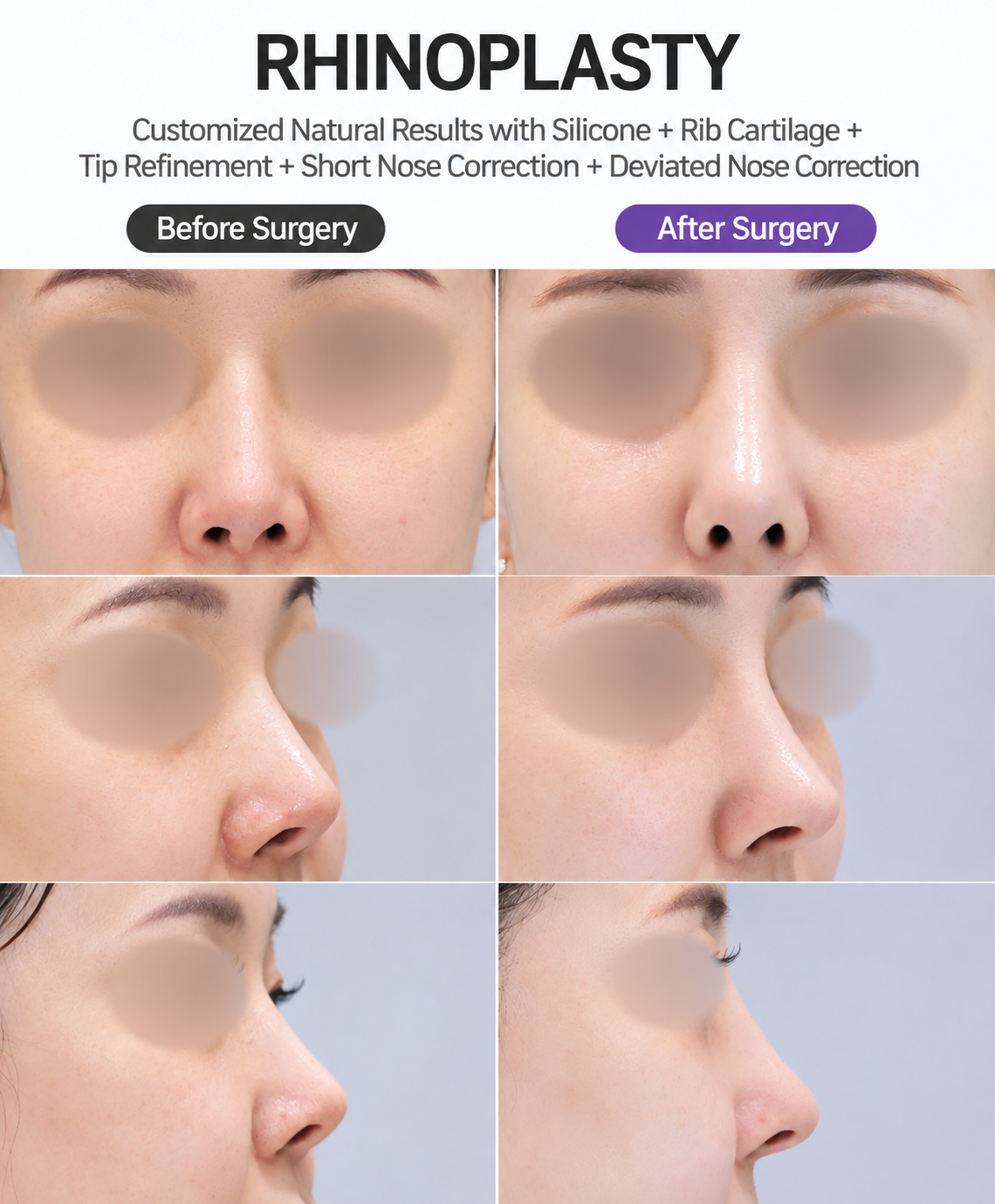
Thanks to these refined techniques, scars usually appear like faint crease lines — only visible up close.
How the Scar Heals Over Time
Week 1–2: Initial Healing
- Slight redness
- Suture marks
- Mild swelling
These early changes are temporary and usually covered with makeup after stitches are removed.
1–3 Months: Scar Maturation
- Redness fades
- Scar begins flattening
- Texture becomes smoother
Most patients find that the scar is already hard to notice by month three.
6–12 Months: Final Fading
- Scar blends with skin tone
- Looks like a natural crease
- Often invisible unless very closely examined
Korean clinics monitor this process closely and offer treatments to optimize scar fading.
Why Scars Are Less Noticeable in Korea
Korea’s success with minimal scarring comes from a combination of precise surgery and attentive aftercare.
1. Micro-incision Techniques
The amount of skin removed is carefully calculated to avoid tension that causes wide scars.
2. Ultra-fine Suturing
Fine sutures support clean healing and reduce the chance of raised or thick scars.
3. Perfect Tension Balance
Too much tension can widen the scar.
Too little can create irregular folds.
Korean surgeons optimize the balance for ideal healing.
4. Early Scar Management Programs
Many clinics include:
- Laser scar fading
- Silicone gel
- Taping
- Professional scar massage
- Redness reduction treatments
These boost healing during the crucial first 3 months.
What Affects Scar Visibility?
Even with perfect technique, your scar’s final appearance may depend on:
✔ Skin type & thickness
Thin or sensitive skin may stay red longer.
✔ Healing tendencies
Some individuals naturally form thicker scars.
✔ Post-op care
Avoiding stretching, pulling, or sun exposure is critical.
✔ Amount of reduction
Larger reductions may require slightly longer incisions.
Korean clinics give detailed aftercare instructions to help minimize scar visibility.
How to Make the Scar Heal Better
Korean surgeons often recommend:
- Applying silicone scar gel
- Avoiding sun exposure
- No smoking
- Gentle cleansing without pulling
- Taping in the early weeks
- Avoiding strenuous facial movements for a short time
- Following all follow-up appointments
With consistent care, scar lines fade dramatically.
Will the Scar Be Noticeable?
Most patients report the final scar is:
- Thin
- Light
- Natural-looking
- Only visible at extremely close distance
For many, alar reduction scars are less noticeable than acne scars or pores. Makeup can fully cover them even during early healing.
When Scars Are More Noticeable
In rare cases, scars may look more visible due to:
- Keloid tendencies
- Over-reduction causing tension
- Smoking during healing
- Infection
- Improper hygiene
- Poor genetic healing patterns
In these cases, Korean clinics offer scar-resurfacing lasers or minor scar revisions.
Final Thoughts
Alar reduction is one of the most refined and advanced procedures in Korea, and scarring is usually minimal thanks to strategic incision placement and exceptional aftercare. While no surgery is completely scar-free, the final result typically blends organically into the natural crease and becomes nearly invisible over time.
If you want a slimmer, more refined nasal base with discreet, well-hidden scars, Korean alar reduction techniques deliver some of the highest-quality outcomes worldwide.