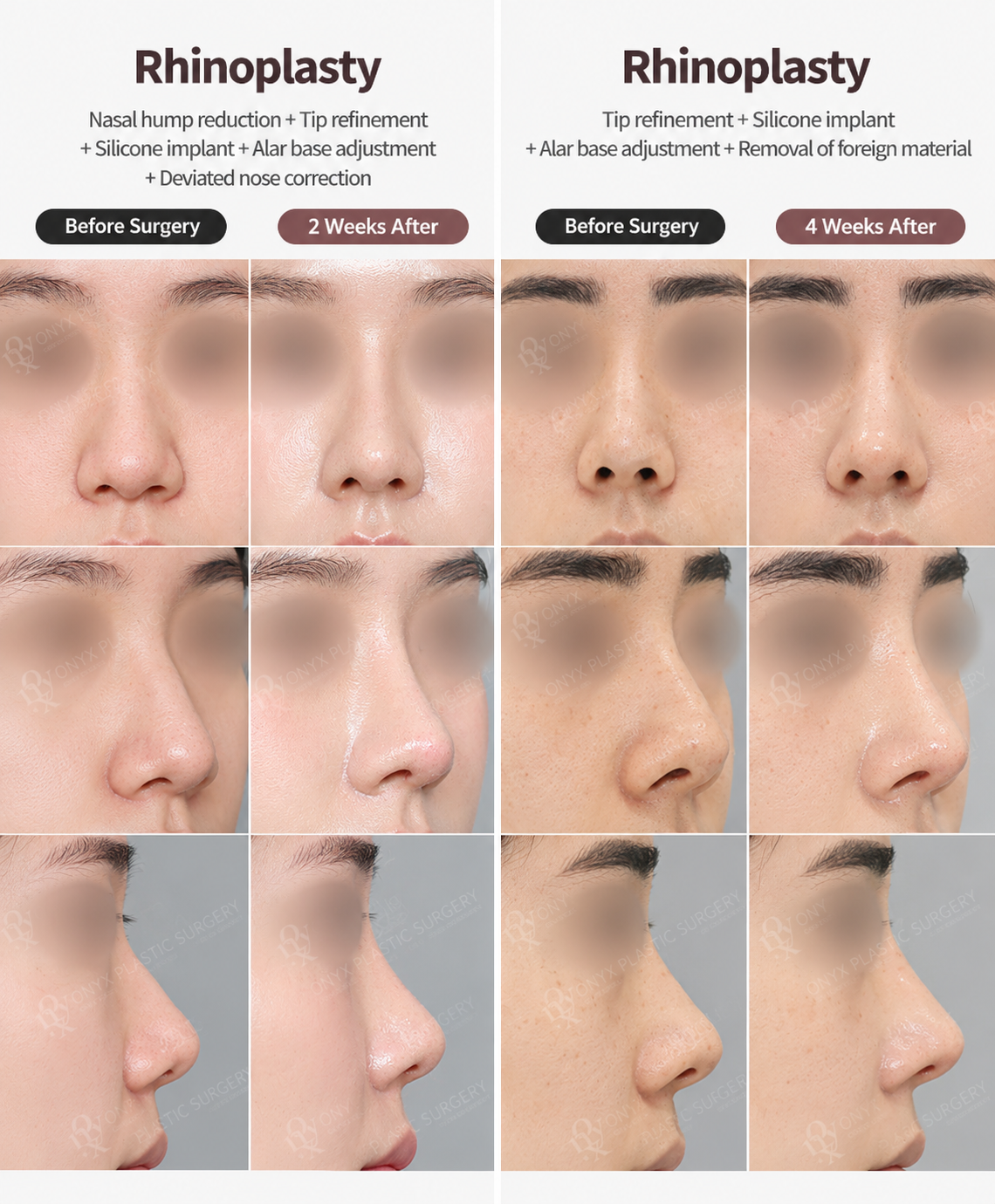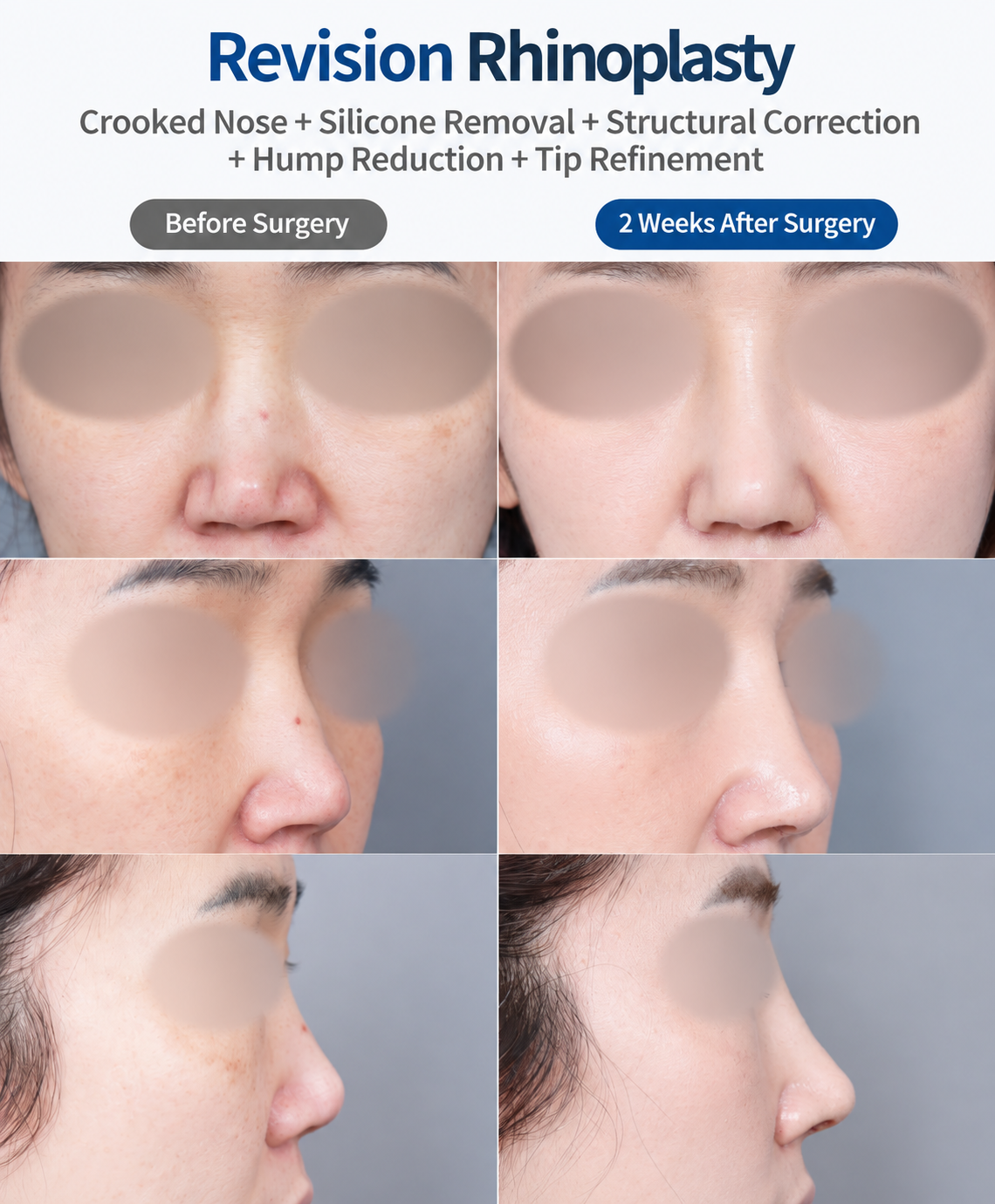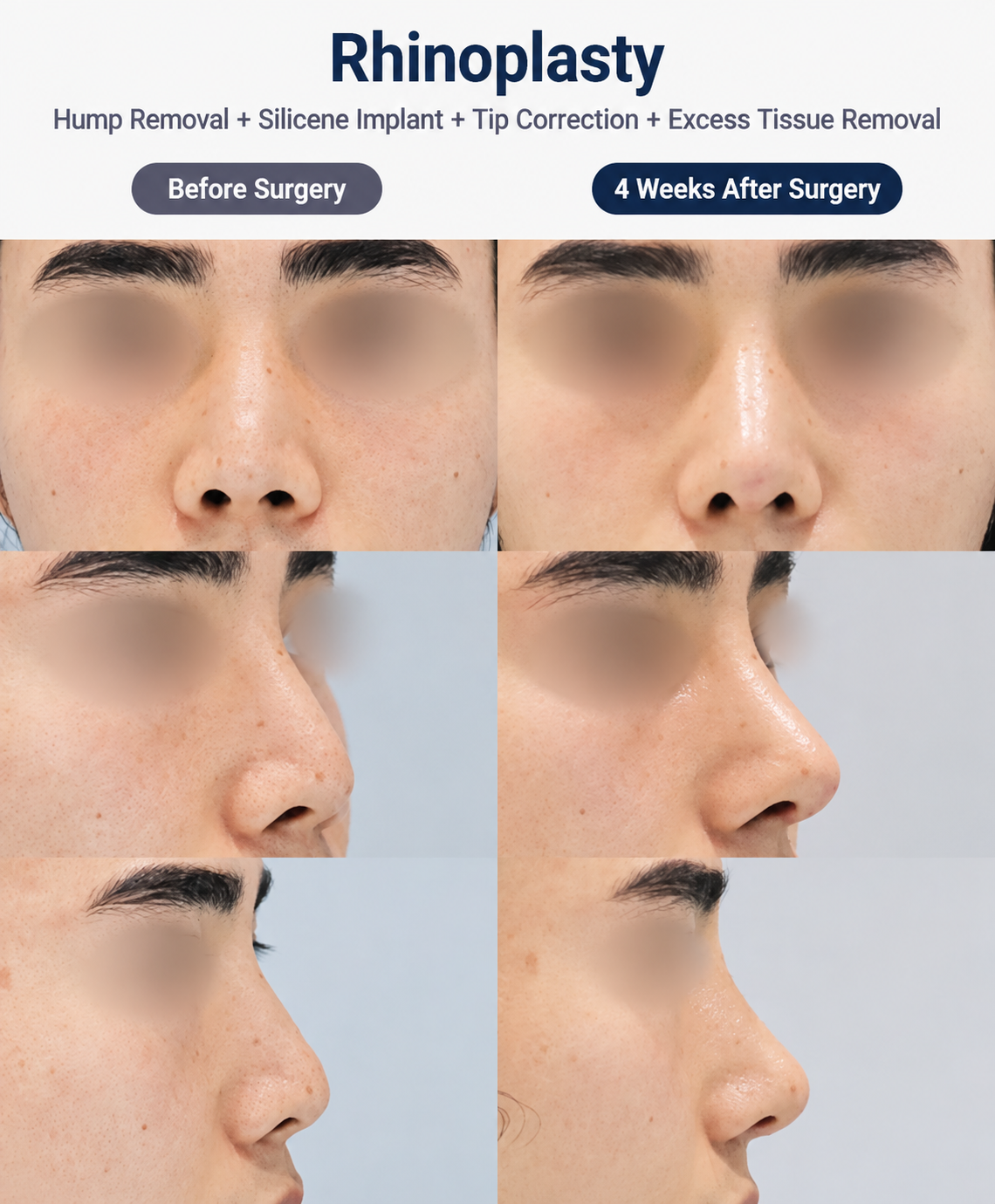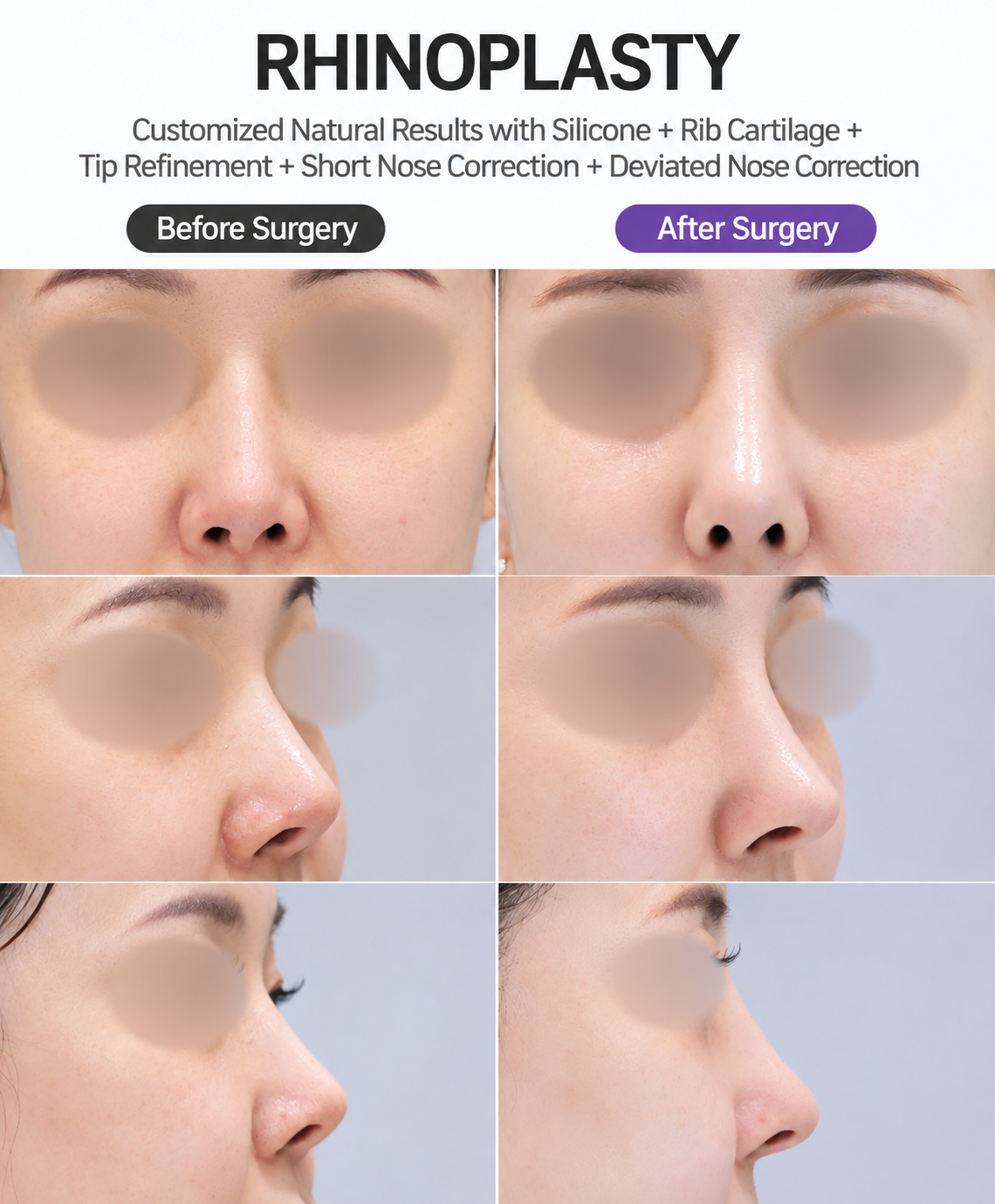
Dorsal Hump Removal Surgery in Korea
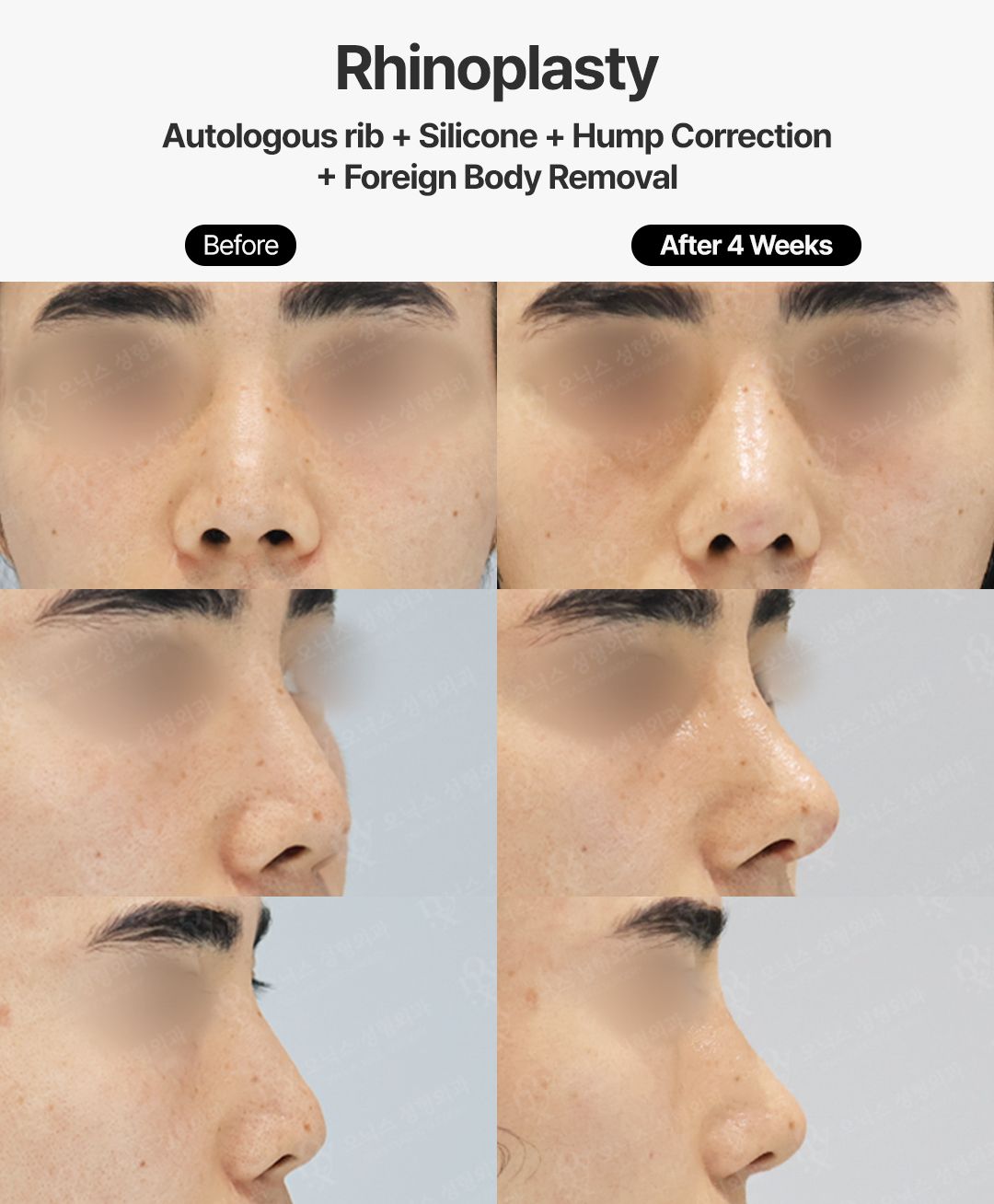
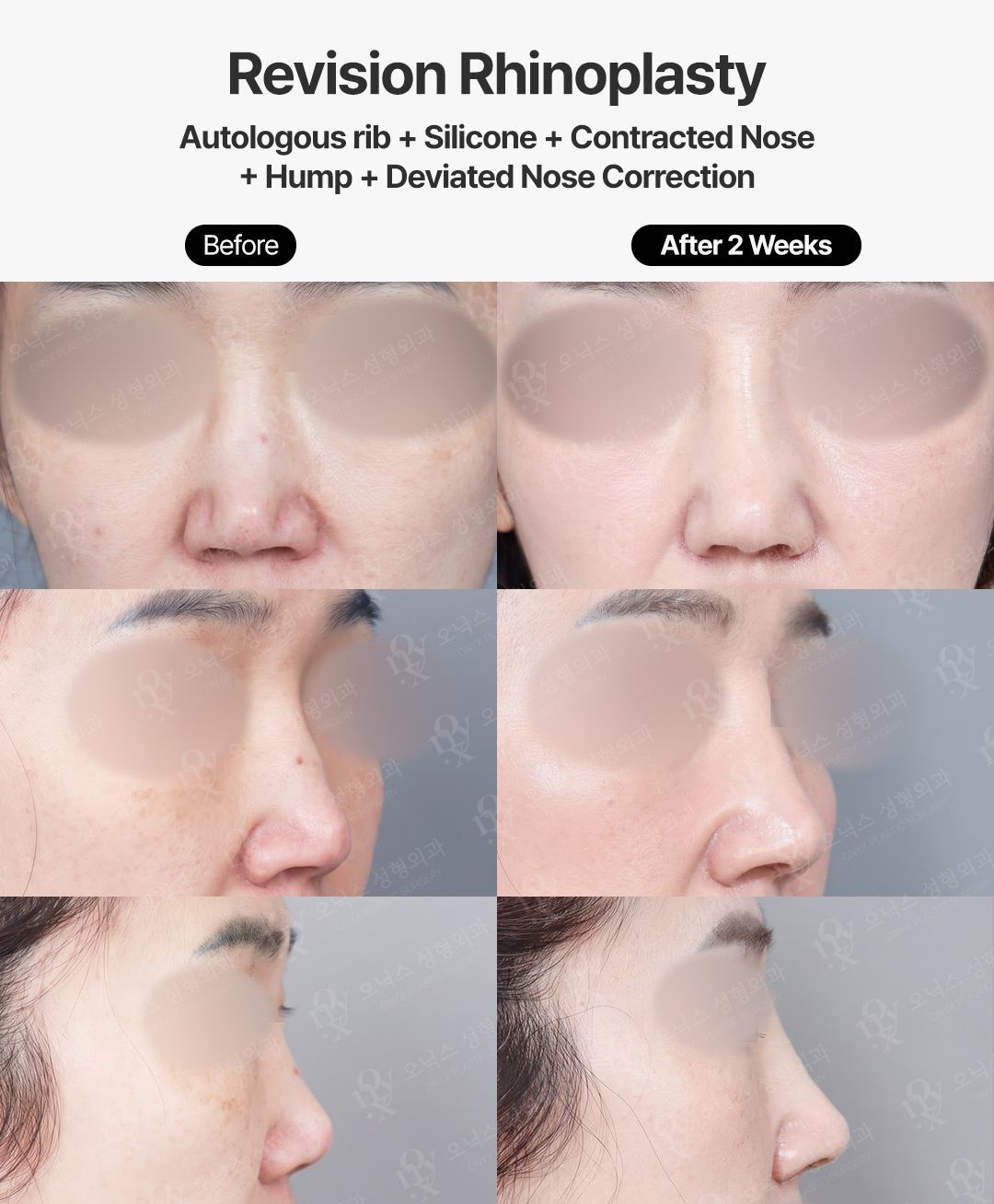
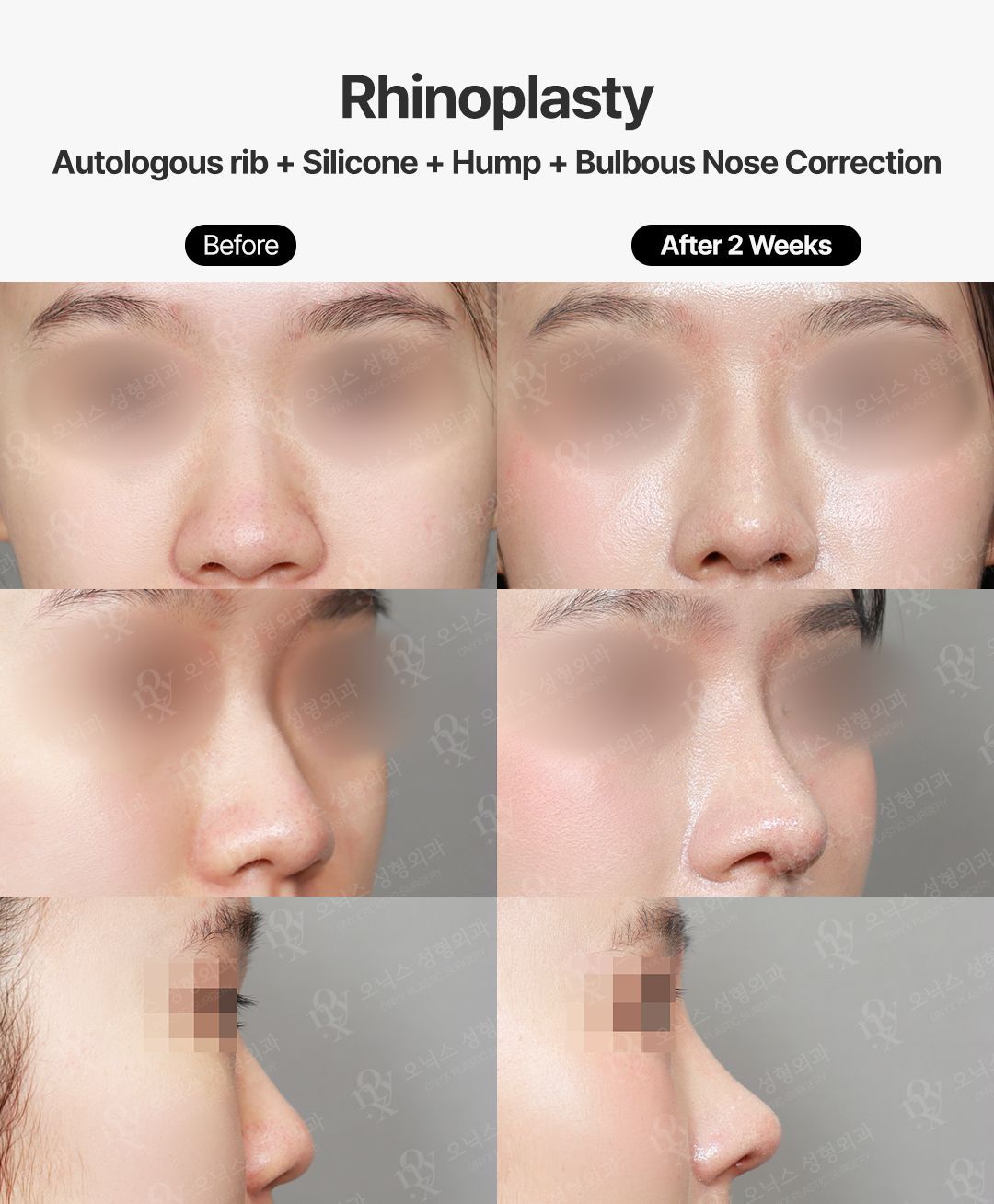
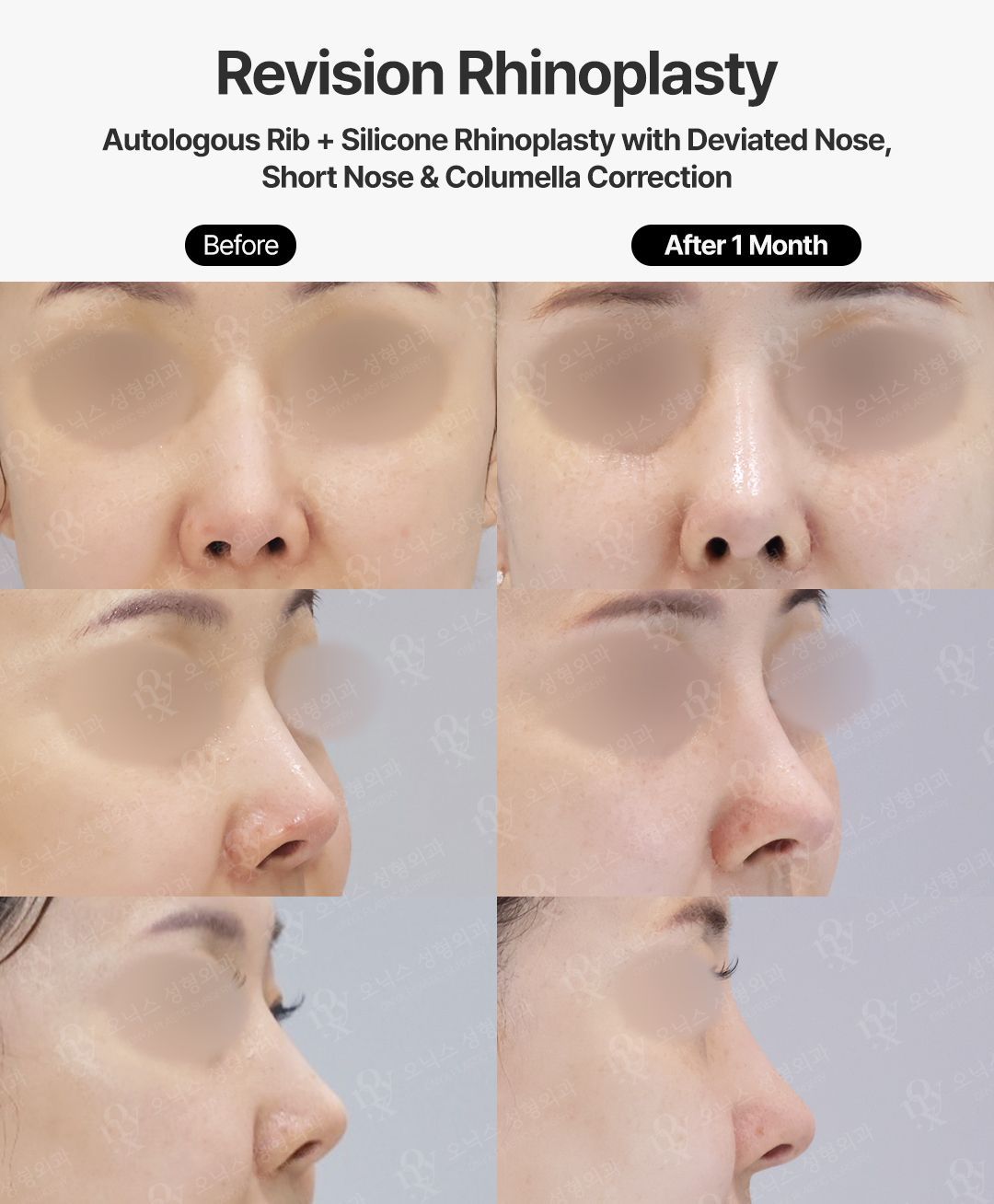
A dorsal hump — the bump or raised ridge along the nose bridge — is one of the most common concerns for patients seeking rhinoplasty. Whether caused by genetics, trauma, or uneven cartilage growth, a pronounced hump can affect both the profile and overall balance of the face.
Korea is globally recognized for delivering natural, refined rhinoplasty results, especially when it comes to dorsal hump removal. With high surgical volume, experienced specialists, and advanced contouring techniques, Korean clinics create smooth, elegant profiles while preserving nasal function and structural stability.
Here’s everything you need to know about dorsal hump removal surgery in Korea.
What Is a Dorsal Hump?
A dorsal hump is formed by a combination of:
- Bone
- Cartilage
- Occasionally, scar tissue or trauma-related irregularities
Humps vary from small bumps to more prominent projections, and they can appear isolated or combined with other concerns such as droopy tips, crooked noses, or flared nostrils.
How Korea Removes a Dorsal Hump
Korean surgeons use highly refined rhinoplasty techniques to carefully reduce and reshape the dorsal bridge while maintaining structural support and natural proportions.
1. Osteotomy (Bone Shaving or Controlled Fracture)
When the hump contains bone, surgeons gently shave or reposition the nasal bones to smooth the profile.
2. Cartilage Reduction
Cartilage forming the upper portion of the hump is precisely trimmed for clean, natural contour.
3. Spreader Grafts (If Needed)
To prevent the nose from collapsing or looking pinched after reduction, spreader grafts may be placed to:
- Support the internal valve
- Smooth the dorsum
- Maintain symmetry
4. Profile Refinement
After reduction, surgeons refine the contour to create:
- A straight or slightly sloped bridge
- Balanced proportions with the tip
- Natural harmony with the eyes, forehead, and lips
5. Tip Work (Optional but Common)
Many patients choose to also:
- Lift the tip
- Sharpen the definition
- Increase projection
Korean aesthetics emphasize a smooth, refined transition from bridge to tip.
Open vs. Closed Rhinoplasty for Hump Removal
Closed Rhinoplasty
- No external incision
- Less swelling
- Ideal for small-to-moderate humps
- Faster recovery
Open Rhinoplasty
- Better visibility
- Essential for complex cases
- Allows combined tip refinement
- Ideal for patients seeking major reshaping
Korean surgeons choose the method based on complexity and desired results, not a one-size-fits-all approach.
Who Is a Good Candidate?
You may be a candidate for dorsal hump removal if you have:
- A visible bump on the bridge
- A desire for a smoother profile
- A crooked or asymmetrical nose
- A hump associated with trauma
- Difficulty breathing (optional functional correction)
- A droopy or under-projected tip
Most patients benefit from customizing the procedure with tip work or slight bridge adjustments.
Benefits of Dorsal Hump Removal in Korea
✔ Natural, Elegant Profiles
Korean surgeons prioritize balanced, realistic results.
✔ Advanced Cartilage & Bone Work
Minimizing trauma for faster healing.
✔ Structural Support
Use of spreader grafts prevents collapse or irregularities.
✔ Aesthetic Harmony
Surgeons design the profile to complement the entire face.
✔ High Experience Level
Korea performs thousands of rhinoplasties annually.
Recovery Timeline
Week 1
- Splint removal
- Bruising and swelling begin to fade
Week 2–3
- Return to daily activities
- Nose appears smoother and more balanced
1–3 Months
- Bridge contour becomes more refined
- Subtle swelling continues to settle
6–12 Months
- Final profile visible
- Full tissue healing
Swelling around the bridge resolves faster than tip swelling, so the profile usually looks good early on.
Possible Add-On Procedures
Many Korean patients combine dorsal hump removal with:
- Tip reshaping (for better proportion)
- Nostril narrowing
- Septoplasty (for breathing issues)
- Bridge augmentation for Asian nose types
- Dorsal onlay grafting if too much reduction would weaken the structure
A personalized approach creates long-lasting, beautiful results.
Risks to Consider
While Korean rhinoplasty has high success rates, potential risks include:
- Over-reduction or under-reduction
- Asymmetry
- Breathing issues if internal support isn’t maintained
- Irregularities along the bridge
Choosing an experienced surgeon dramatically reduces these risks.
Final Thoughts
Dorsal hump removal is one of the most transformational yet delicate rhinoplasty procedures. Korea’s precise surgical techniques, artistic sense of proportion, and focus on structural integrity make it a top choice for patients seeking a smooth, elegant profile.
Whether you want a subtle refinement or a dramatic improvement, Korean specialists deliver natural results that harmonize beautifully with your entire face.