How Long to Stay in Korea After Nose Surgery
One of the most common questions international patients ask before rhinoplasty is how long they should stay in Korea after nose surgery. The answer depends on the type of rhinoplasty performed, whether cartilage grafts are used, and how closely post-operative monitoring is required.
Staying for the right amount of time is critical for safe healing, proper follow-up, and reducing revision risk.
General Recommendation
Most Korean plastic surgery clinics recommend staying in Korea for 7 to 14 days after rhinoplasty.
This time frame allows for:
- Initial swelling and bruising to stabilize
- Removal of nasal splints and stitches
- Early assessment of shape and symmetry
- Management of complications if they arise
Leaving too early may limit proper aftercare.
Recommended Stay by Rhinoplasty Type
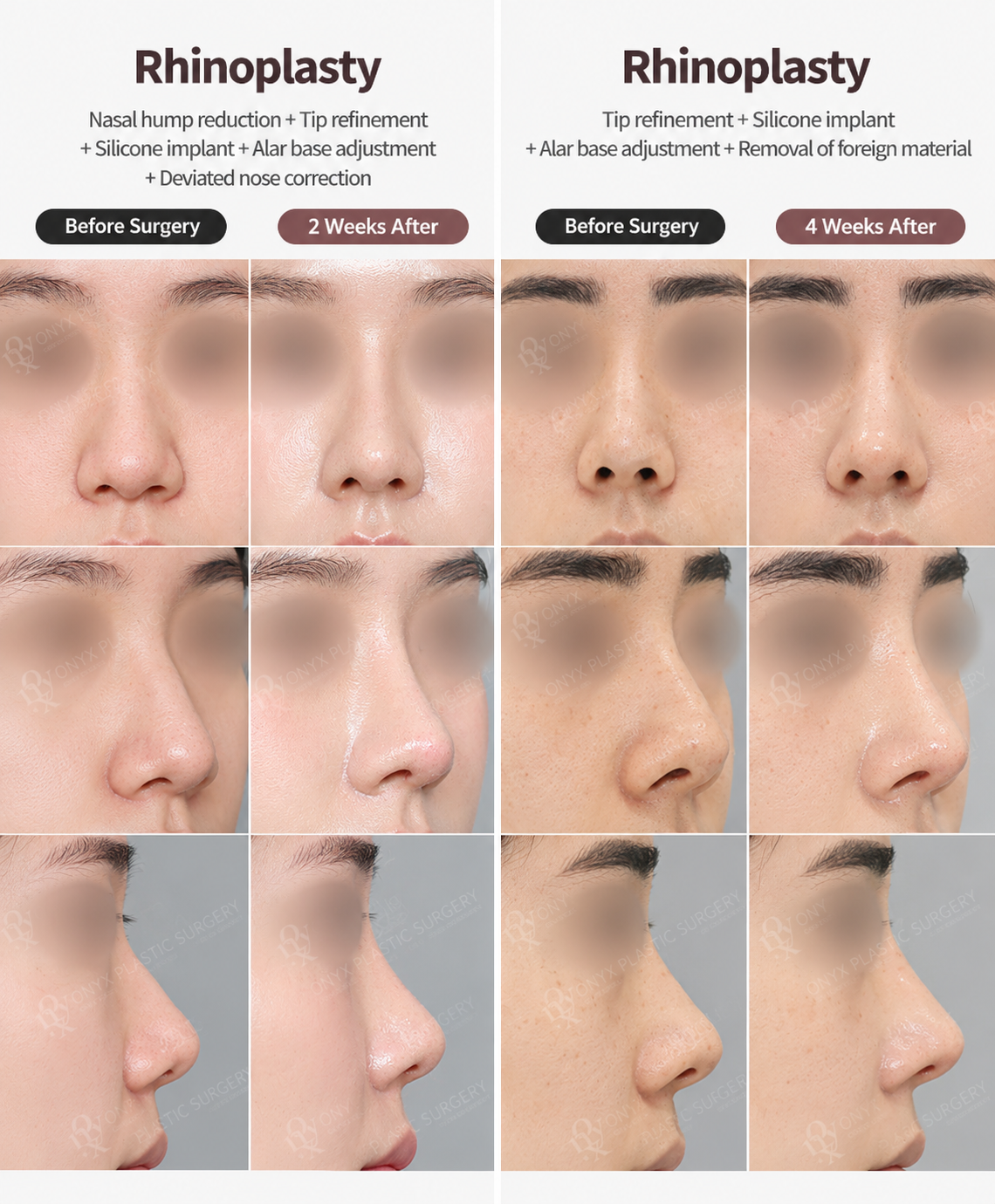
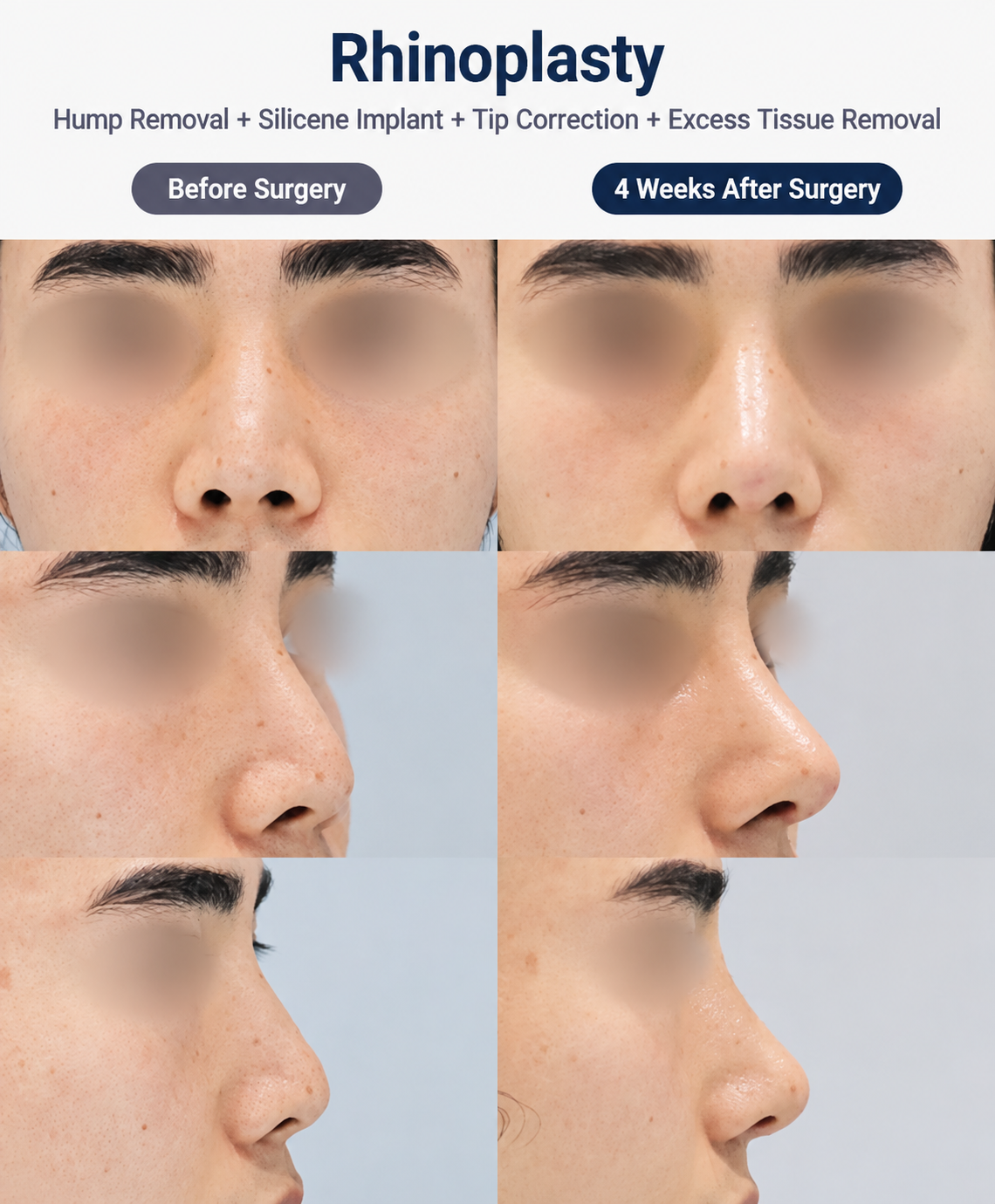
Primary Rhinoplasty (Standard Nose Surgery)
Recommended stay: 7–10 days
This applies to:
- Bridge augmentation
- Tip refinement
- Implant-based or cartilage-based primary surgery
Splints are usually removed around day 5–7, making it important to remain in Korea until this step is completed.
Rhinoplasty With Cartilage Grafts (Ear or Septum)
Recommended stay: 10–14 days
Cartilage grafting requires:
- Closer early monitoring
- Additional healing time
- Follow-up for donor sites
Swelling and stiffness may be more pronounced in the first week.
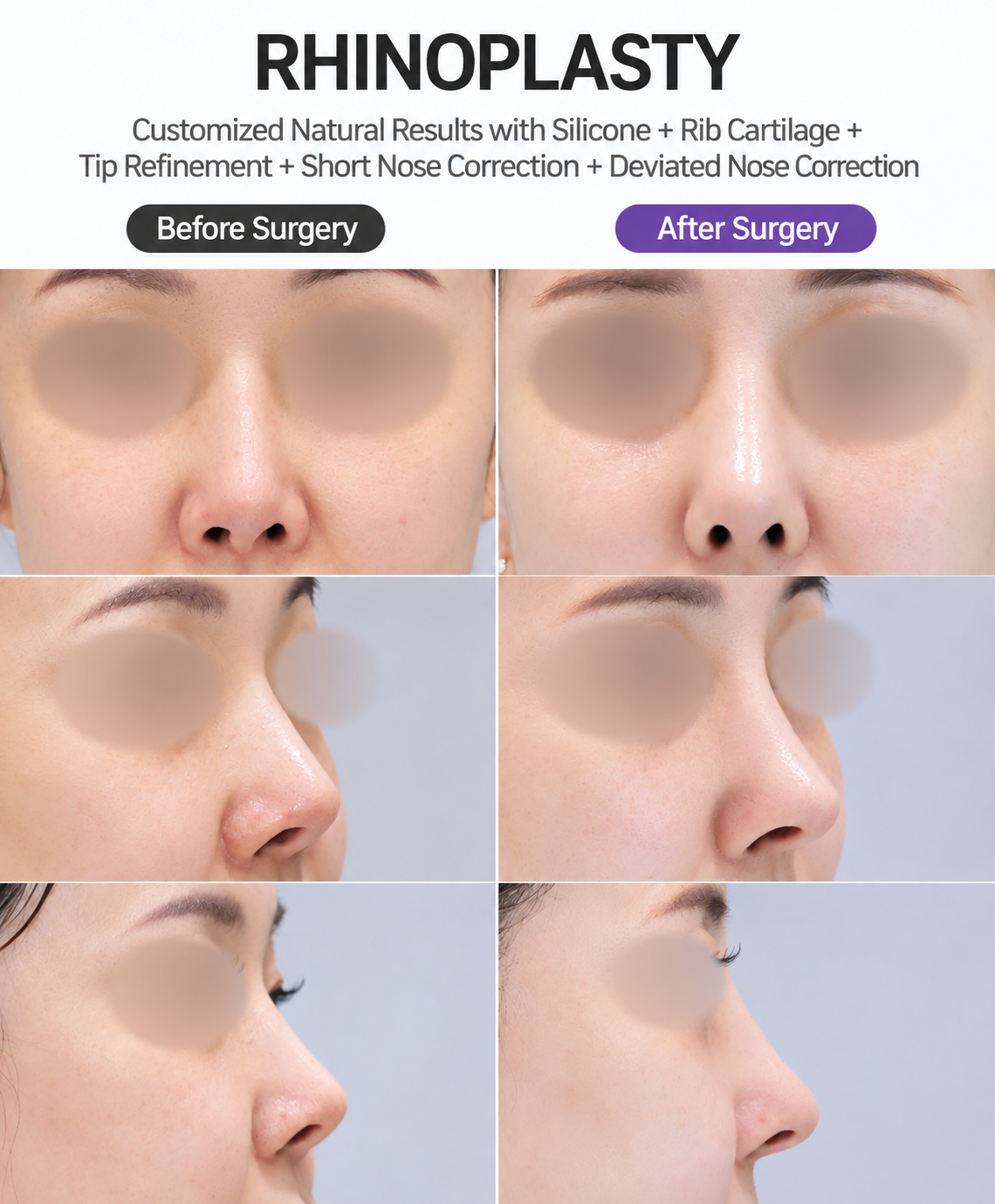
Rib Cartilage Rhinoplasty
Recommended stay: 14 days or longer
Because this involves:
- Major structural reconstruction
- A chest donor site
- Higher surgical complexity
Surgeons often recommend a longer local recovery period before long-haul travel.
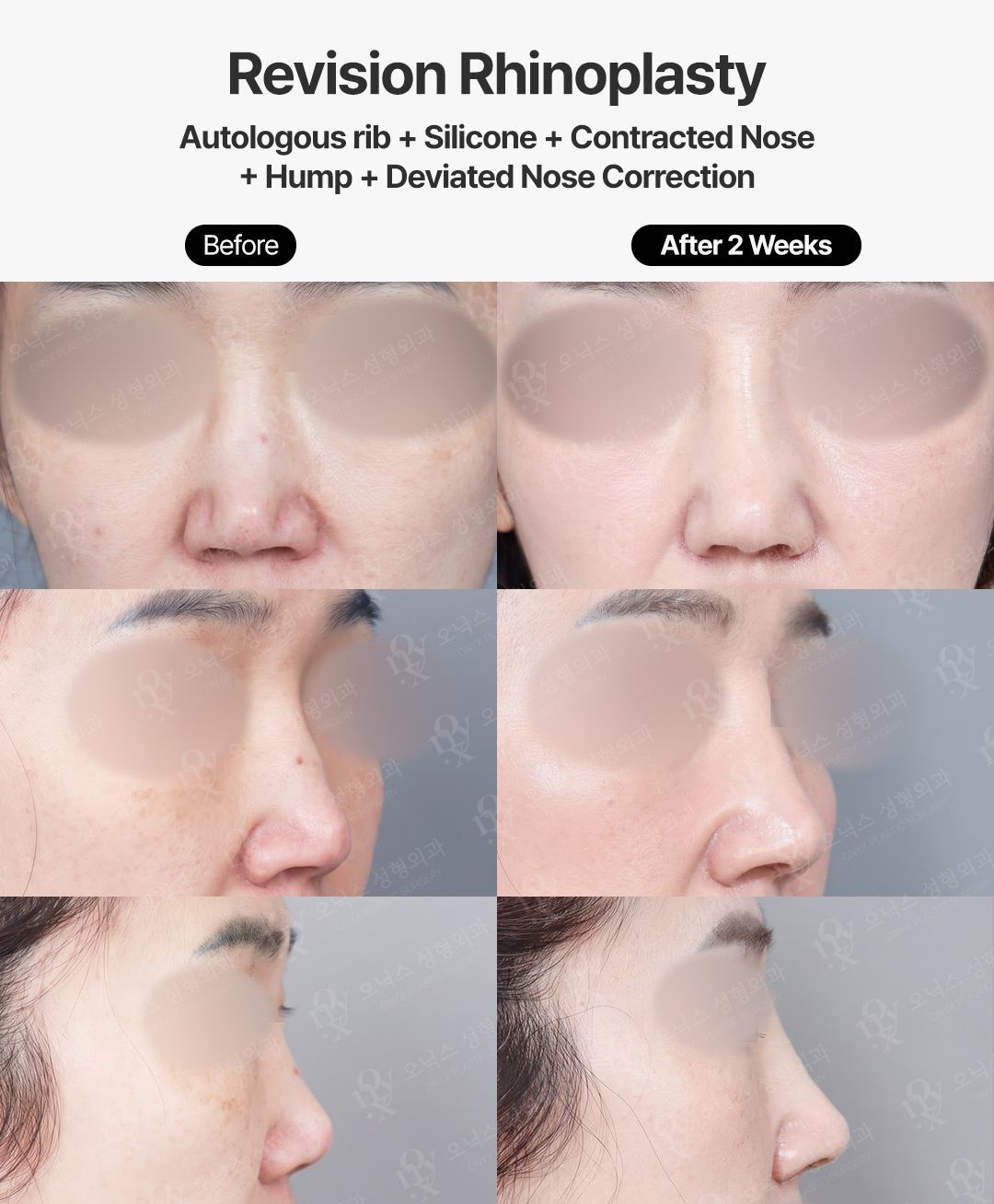
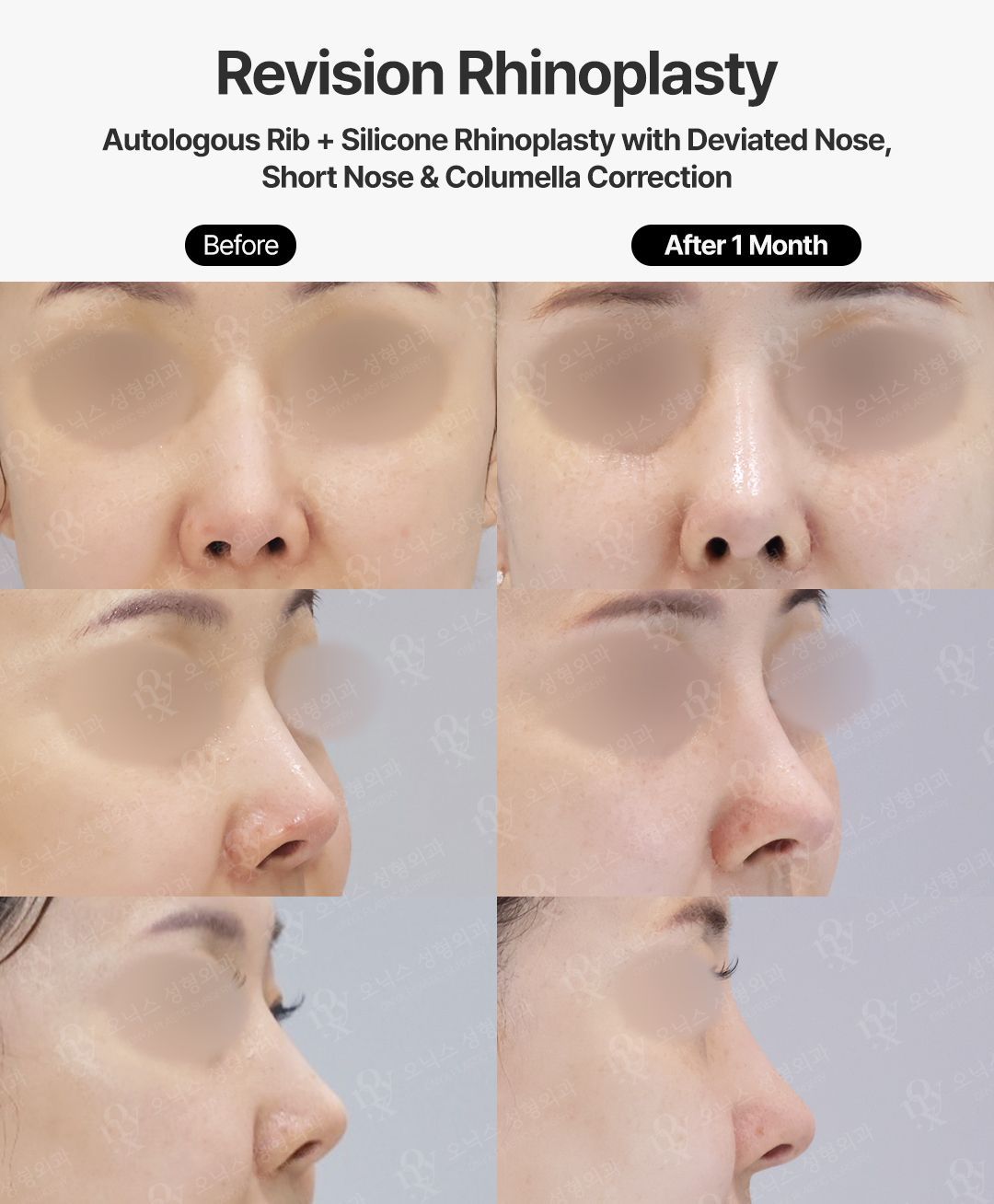
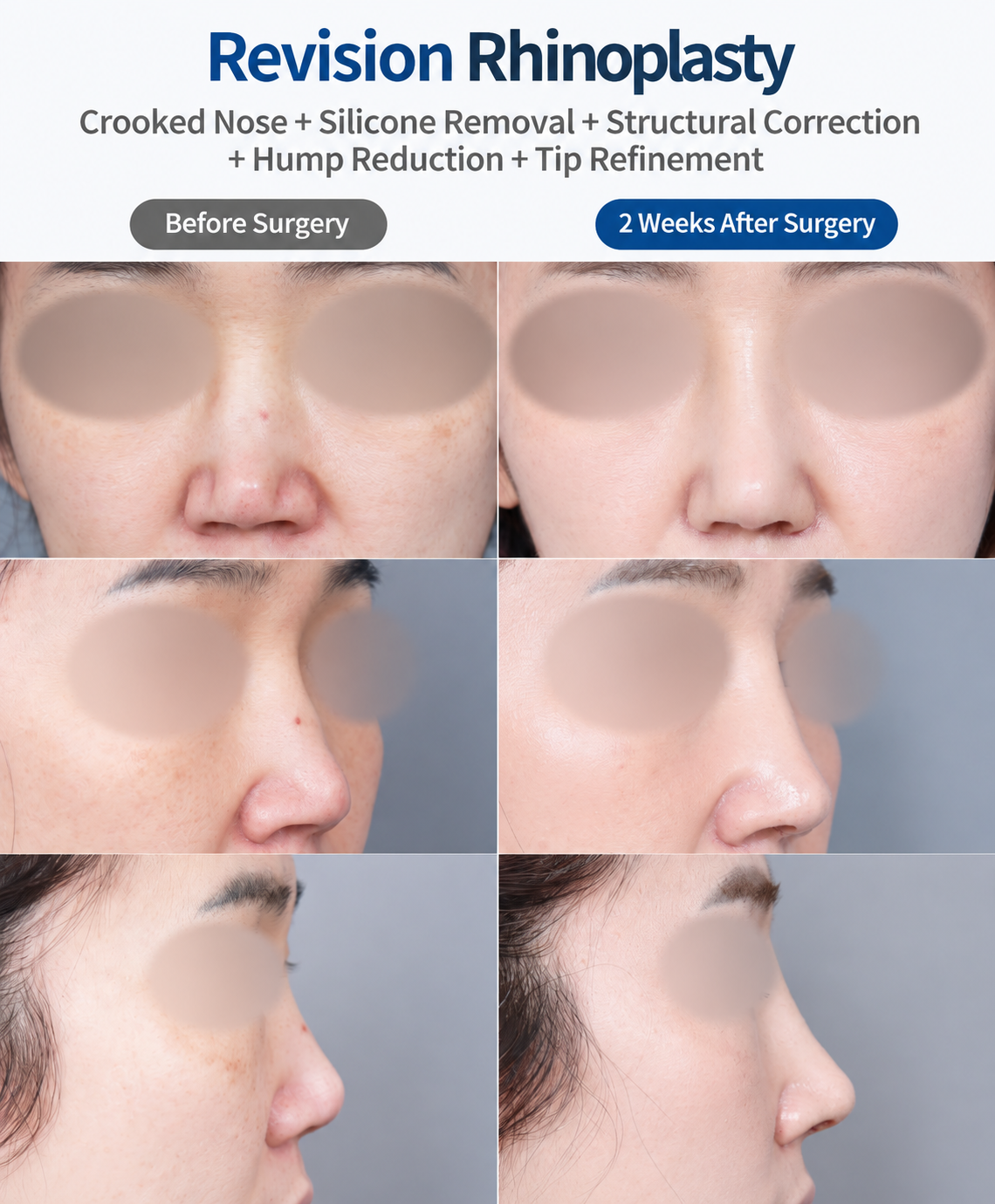
Revision Rhinoplasty
Recommended stay: 10–14 days (sometimes longer)
Revision cases have:
- More scar tissue
- Higher swelling variability
- Greater need for early follow-up
Most surgeons prefer to assess healing progress in person before approving travel.
Why Clinics Recommend Staying Longer
Korean clinics encourage adequate stay time because:
- Early swelling can hide asymmetry
- Adjustments or additional care may be needed
- Infections or bleeding are easier to manage locally
- Long flights too soon can worsen swelling
This approach reduces post-travel complications and revision risk.
Can You Leave Korea Earlier?
Early departure may be possible only if:
- Surgery was simple and primary
- Healing is smooth with minimal swelling
- Stitches and splints have already been removed
- The surgeon explicitly approves travel
However, leaving before splint or stitch removal is strongly discouraged.
Flying After Nose Surgery
Most surgeons recommend:
- Short flights after 7–10 days
- Long-haul flights after 10–14 days
Flying too soon can:
- Increase swelling
- Cause discomfort due to cabin pressure
- Delay early healing
Always follow your surgeon’s clearance before booking flights.
Travel Planning Tips for International Patients
- Book flexible return tickets if possible
- Stay near the clinic for easy follow-up visits
- Avoid scheduling flights immediately after splint removal
- Allow buffer days in case healing is slower than expected
Many patients find that a 10–14 day stay provides the safest balance.
What Happens After You Return Home?
Before departure, clinics typically provide:
- Detailed aftercare instructions
- Medication guidance
- Warning signs to watch for
- Contact information for remote follow-up
Some clinics offer online check-ins after patients return home.
Final Thoughts
How long you should stay in Korea after nose surgery depends on procedure complexity, materials used, and individual healing response. While some cases allow shorter stays, most rhinoplasty patients benefit from remaining in Korea for at least 7–14 days.
Allowing enough recovery time helps ensure:
- Safer healing
- Better early results
- Peace of mind before returning home
Proper planning is one of the most important parts of a successful rhinoplasty experience.