Why Rhinoplasty Results Fail
Why Rhinoplasty Results Fail
Rhinoplasty can produce long-lasting and satisfying results, but no surgical procedure can guarantee a perfect outcome. Unsatisfactory results may occur for a variety of reasons, including healing differences, unrealistic expectations, technical challenges, or structural issues. Understanding these factors can help patients make informed decisions and prepare for a realistic recovery process.
Unrealistic Expectations
One of the most common causes of disappointment is expecting results that are not surgically achievable.
Examples include:
- Expecting perfection
- Copying another person's nose
- Ignoring facial proportions
- Expecting immediate results
- Seeking dramatic changes
- Comparing recovery photos online
- Misunderstanding healing timelines
Open communication before surgery is essential for setting realistic goals.
Individual Healing Differences
Every patient heals differently, even after the same procedure.
Healing can be influenced by:
- Skin thickness
- Swelling patterns
- Scar formation
- Tissue response
- Cartilage quality
- Age
- Overall health
These factors can affect the final appearance over time.
Inadequate Structural Support
A nose should be both aesthetically pleasing and structurally stable.
Insufficient support may contribute to:
- Tip drooping
- Bridge irregularities
- Nasal collapse
- Asymmetry
- Profile changes
- Functional concerns
- Long-term instability
Modern rhinoplasty often emphasizes structural preservation and reinforcement.
Poor Surgical Planning
Successful rhinoplasty requires individualized analysis rather than a standard approach.
Important planning considerations include:
- Facial proportions
- Nasal anatomy
- Functional needs
- Skin characteristics
- Long-term stability
- Patient preferences
- Realistic goals
Personalized planning can reduce the risk of unsatisfactory outcomes.
Recovery Mistakes
Postoperative care plays an important role in the healing process.
Common recovery mistakes include:
- Returning to exercise too early
- Ignoring medical instructions
- Missing follow-up appointments
- Touching the healing nose
- Wearing glasses before approval
- Skipping prescribed medications
- Failing to protect the nose from injury
Careful adherence to postoperative instructions supports proper healing.
Complications and Unpredictable Factors
Even with excellent planning and technique, unpredictable events may occur.
Potential issues include:
- Persistent swelling
- Scar tissue formation
- Infection
- Delayed healing
- Tissue changes
- Minor asymmetry
- Structural changes over time
Not every complication can be completely prevented.
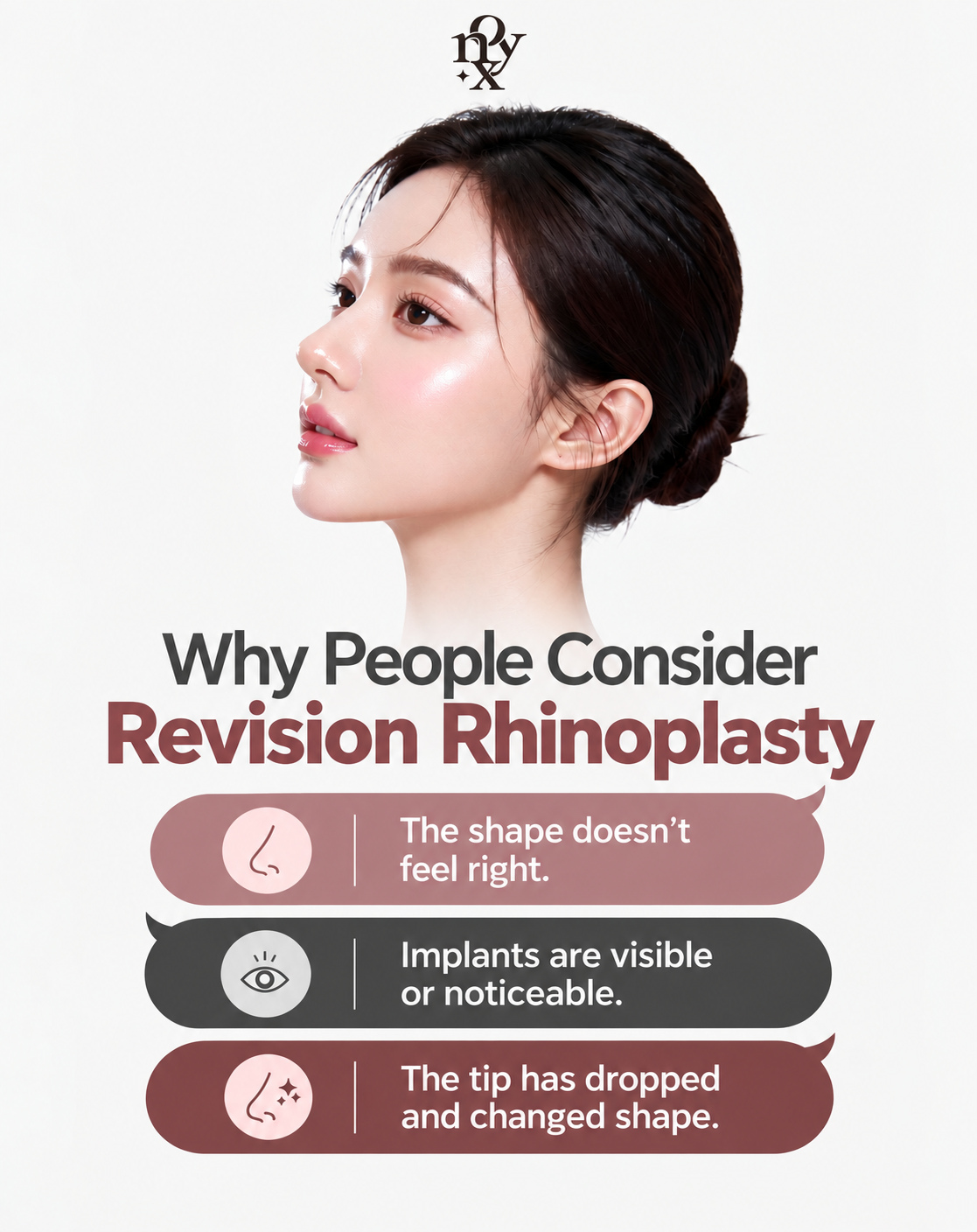
Revision Surgery Is Sometimes Necessary
Some patients may require additional surgery to improve cosmetic or functional concerns.
Possible reasons include:
- Residual asymmetry
- Persistent breathing problems
- Irregular contours
- Structural weakness
- Undercorrection
- Overcorrection
- Healing-related changes
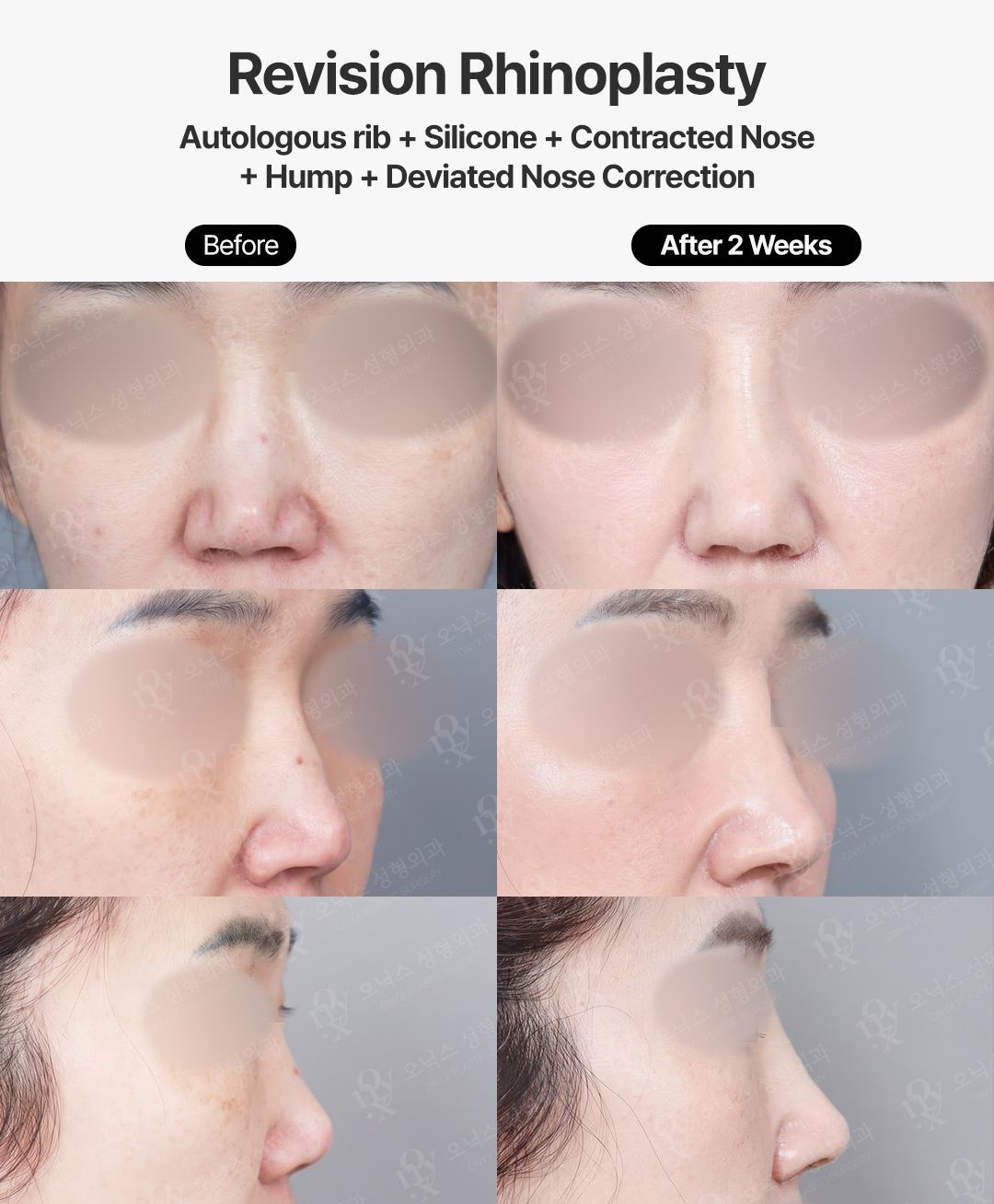
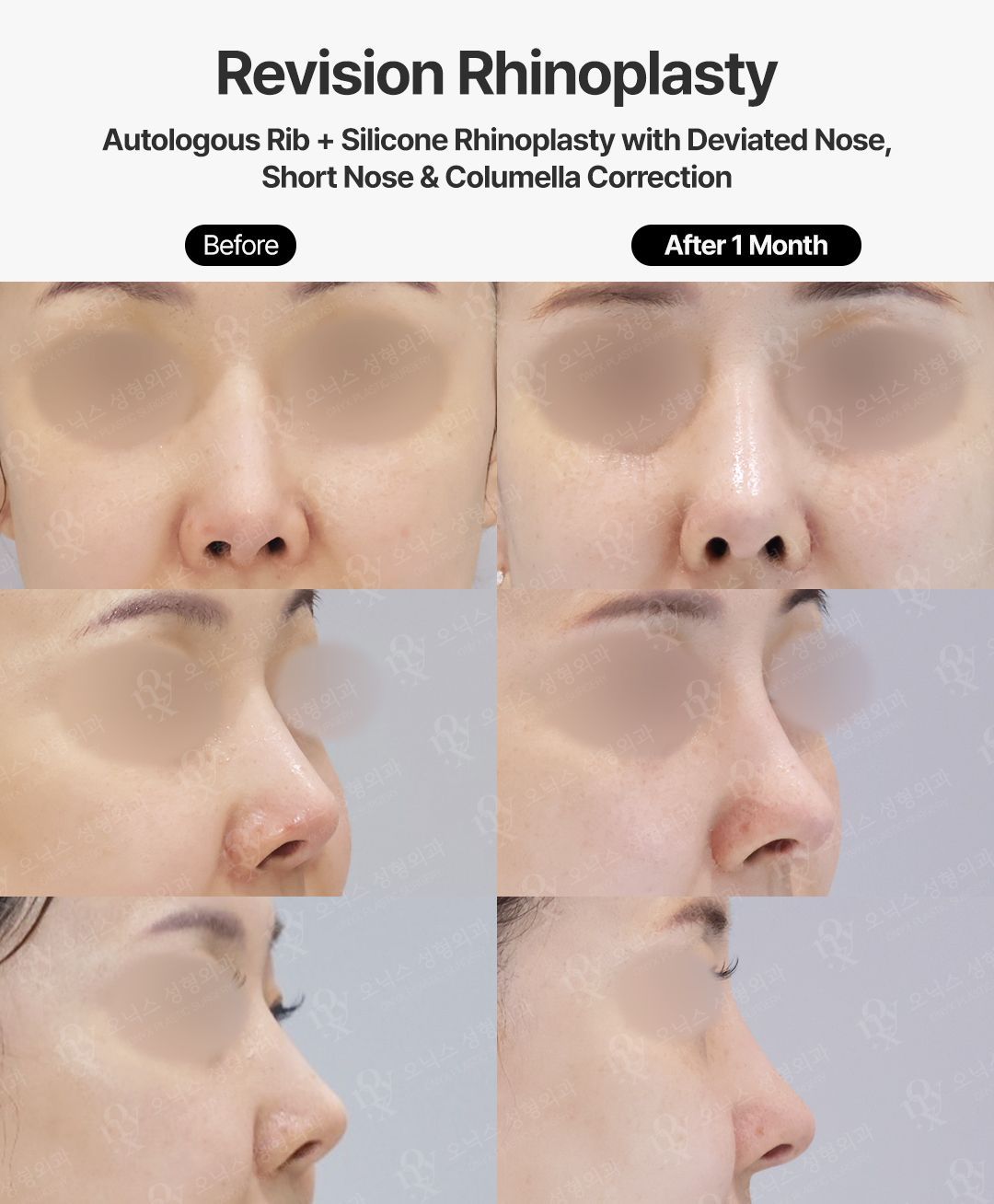
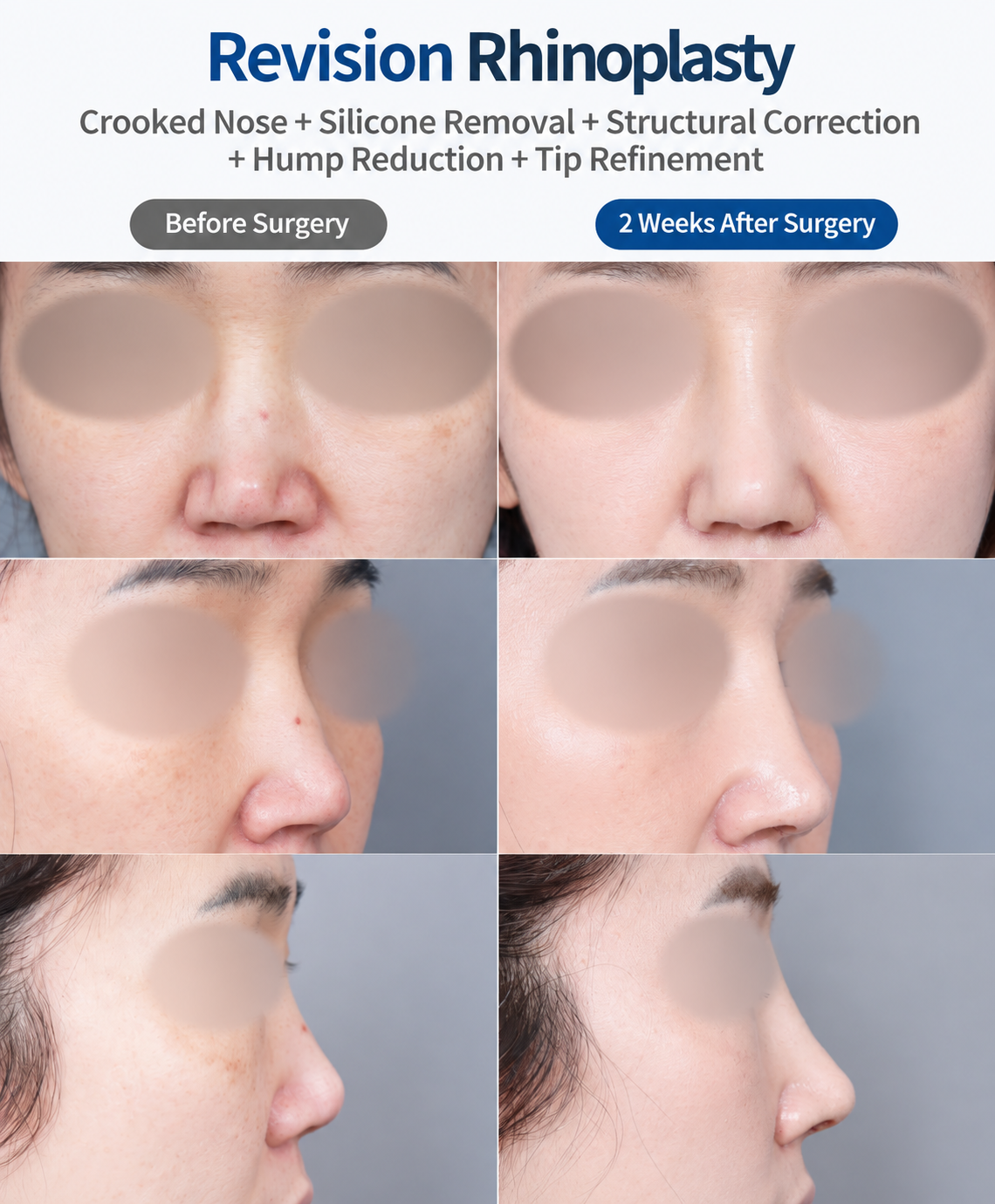
Revision rhinoplasty is often more complex than the original procedure.
How Patients Can Reduce the Risk
While no surgery is risk-free, patients can take steps to improve their chances of a successful outcome.
Helpful practices include:
- Choosing an experienced surgeon
- Discussing realistic expectations
- Following all preoperative instructions
- Following postoperative guidance
- Attending follow-up appointments
- Being patient during healing
- Reporting concerns promptly
A collaborative approach between patient and surgeon is important for long-term success.
Final Thoughts
Rhinoplasty results may fall short of expectations for many different reasons, ranging from natural healing variations to structural issues and unrealistic goals. Careful surgical planning, realistic expectations, proper postoperative care, and patience throughout the healing process all play an important role in achieving balanced, natural-looking, and long-lasting results.