When Should You Consider Revision Surgery?
When Should You Consider Revision Surgery?
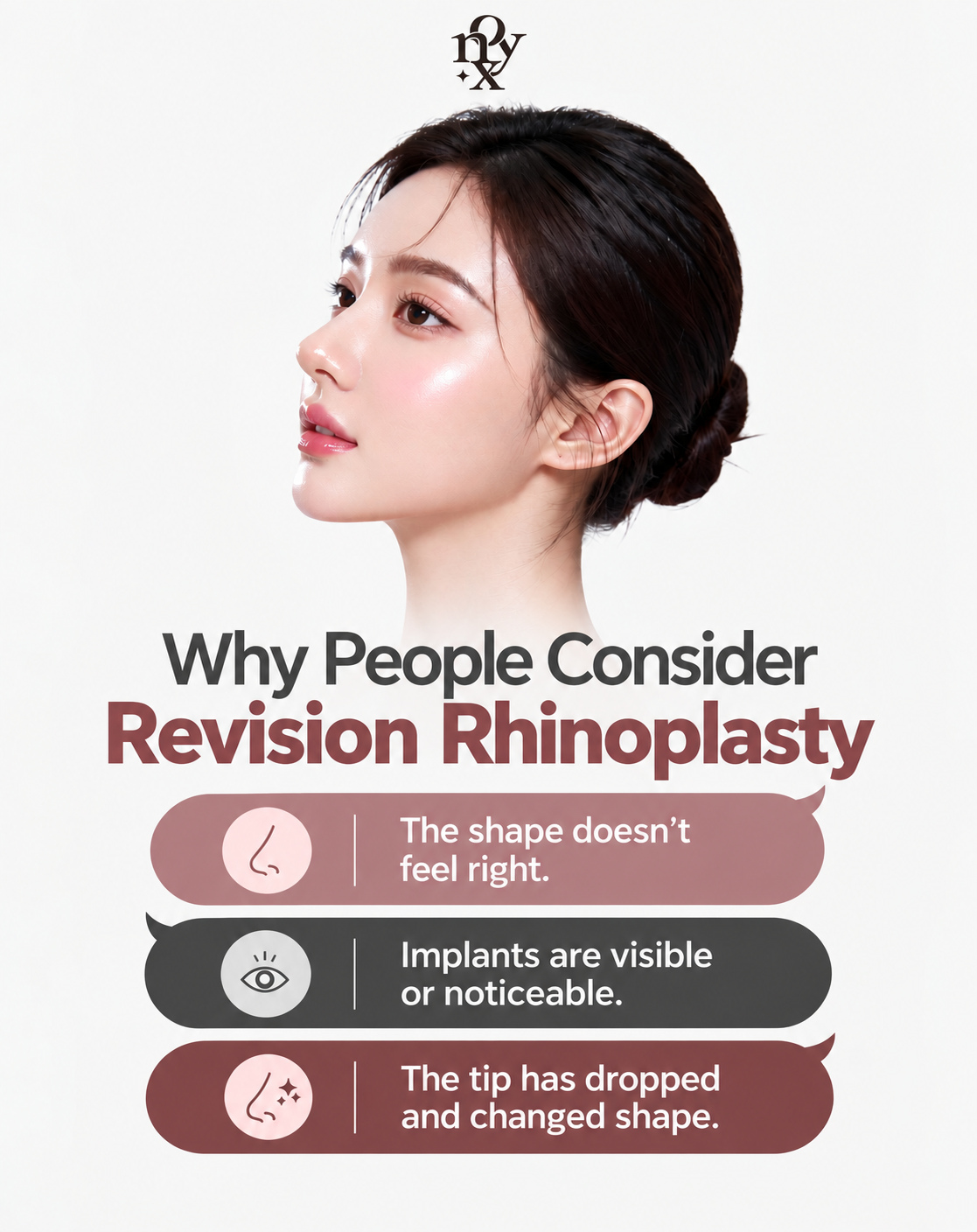
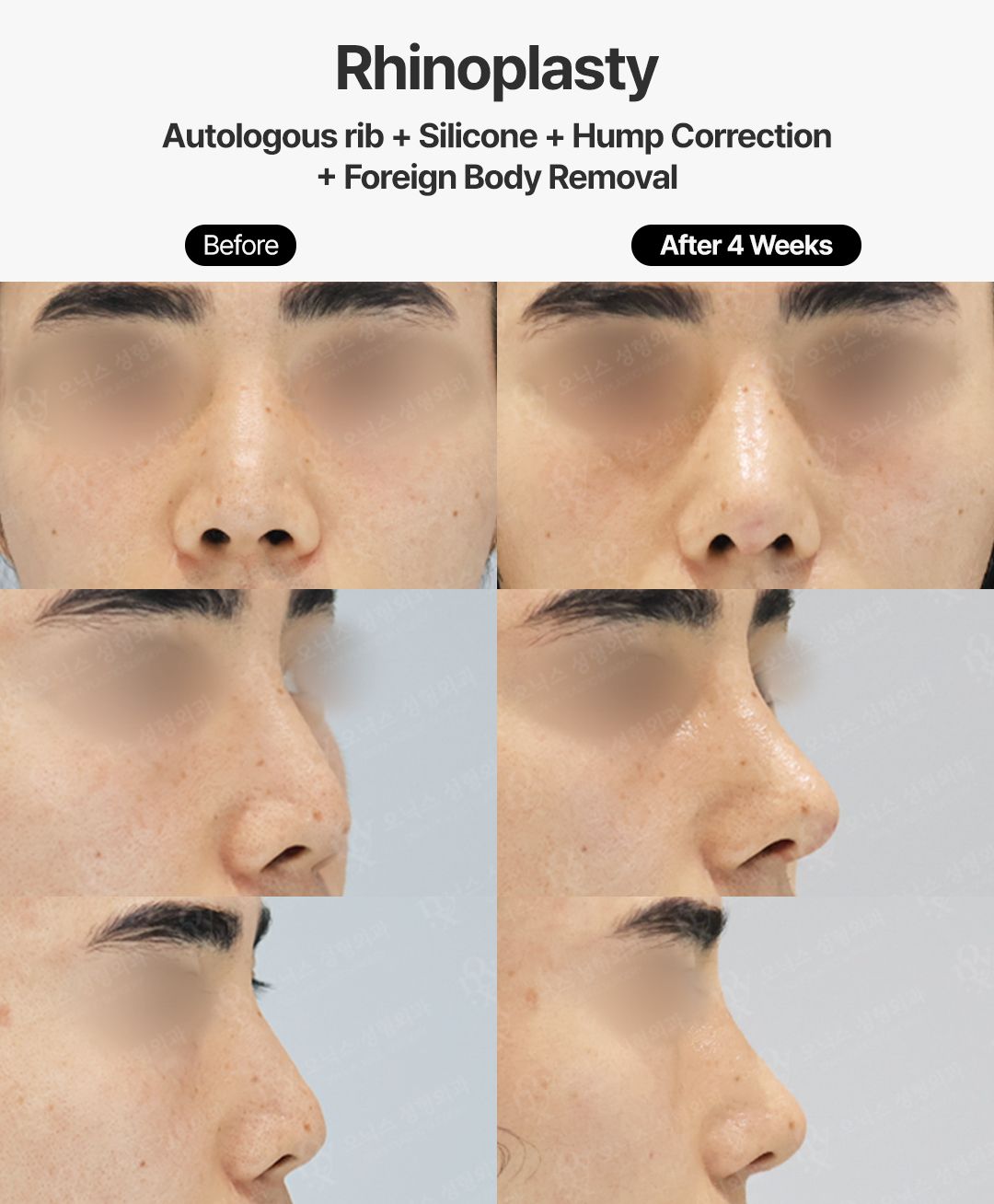
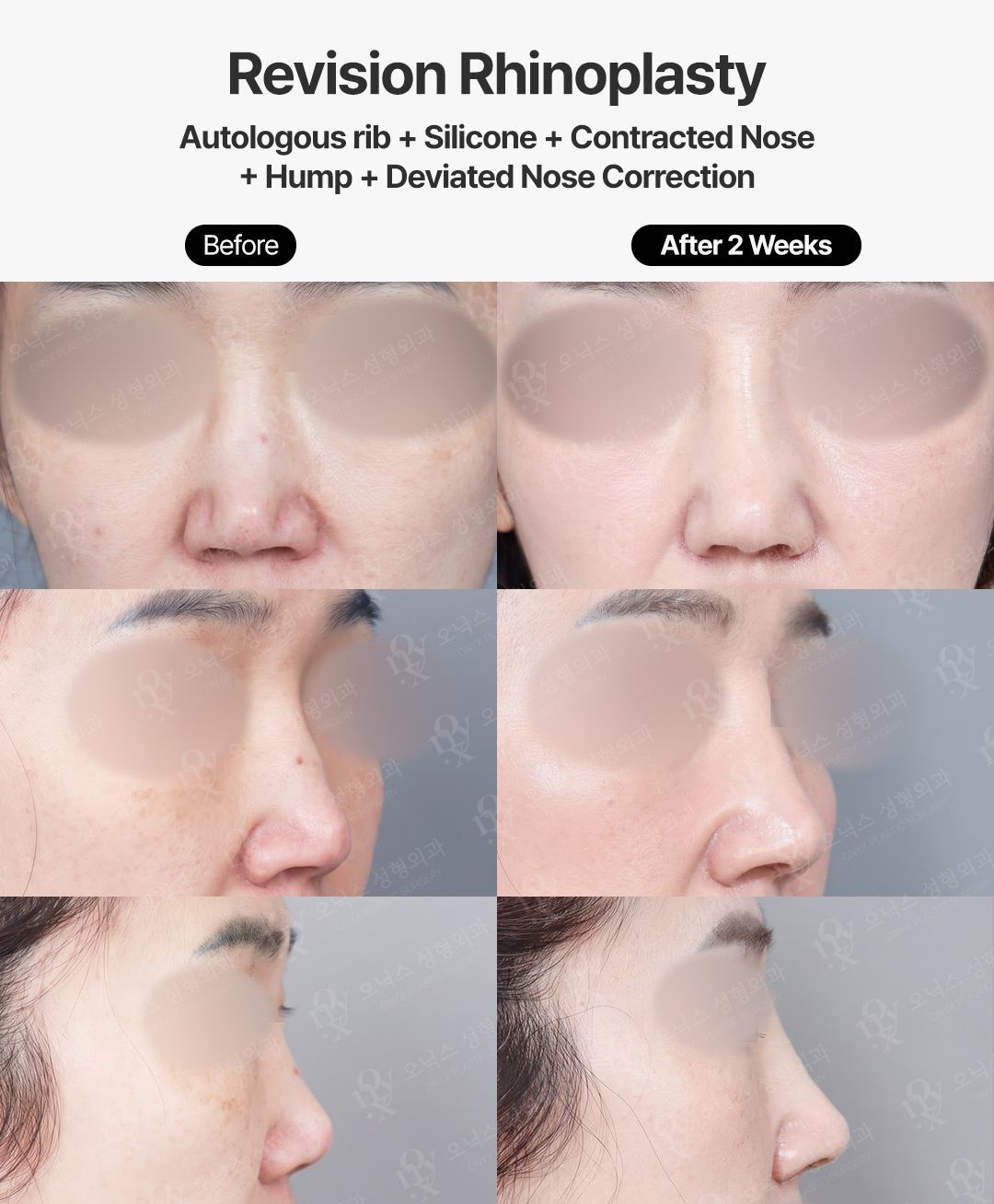
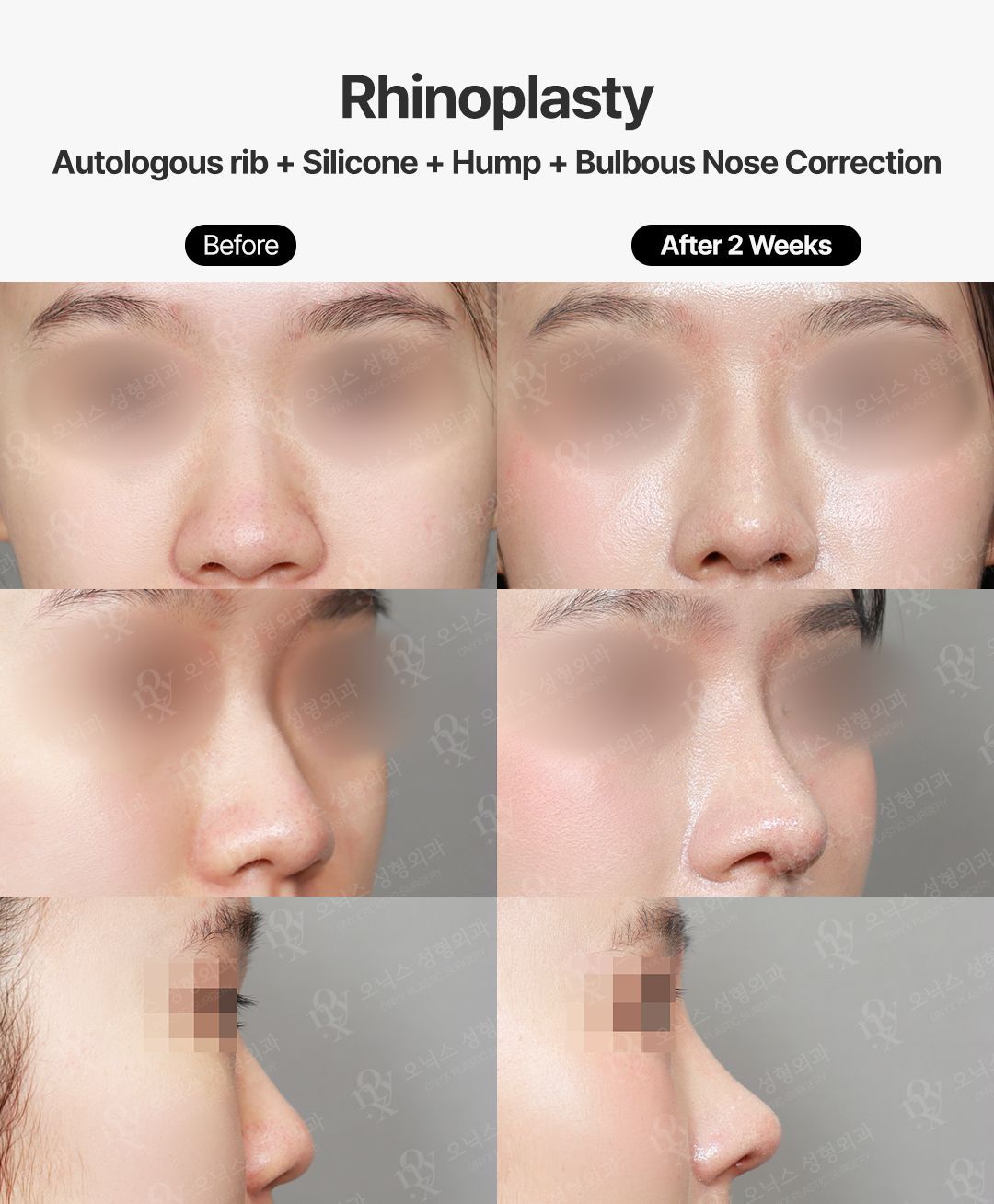
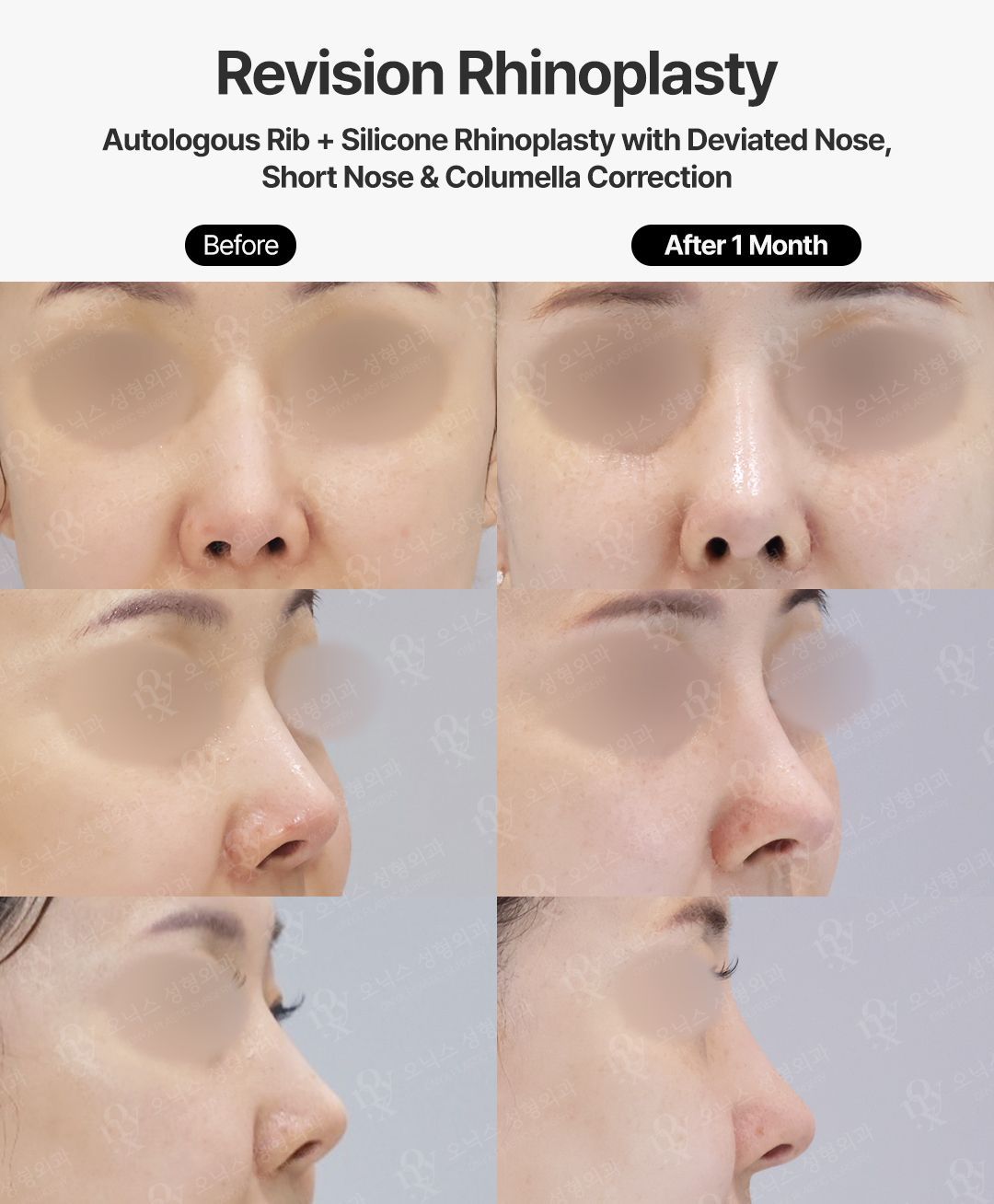
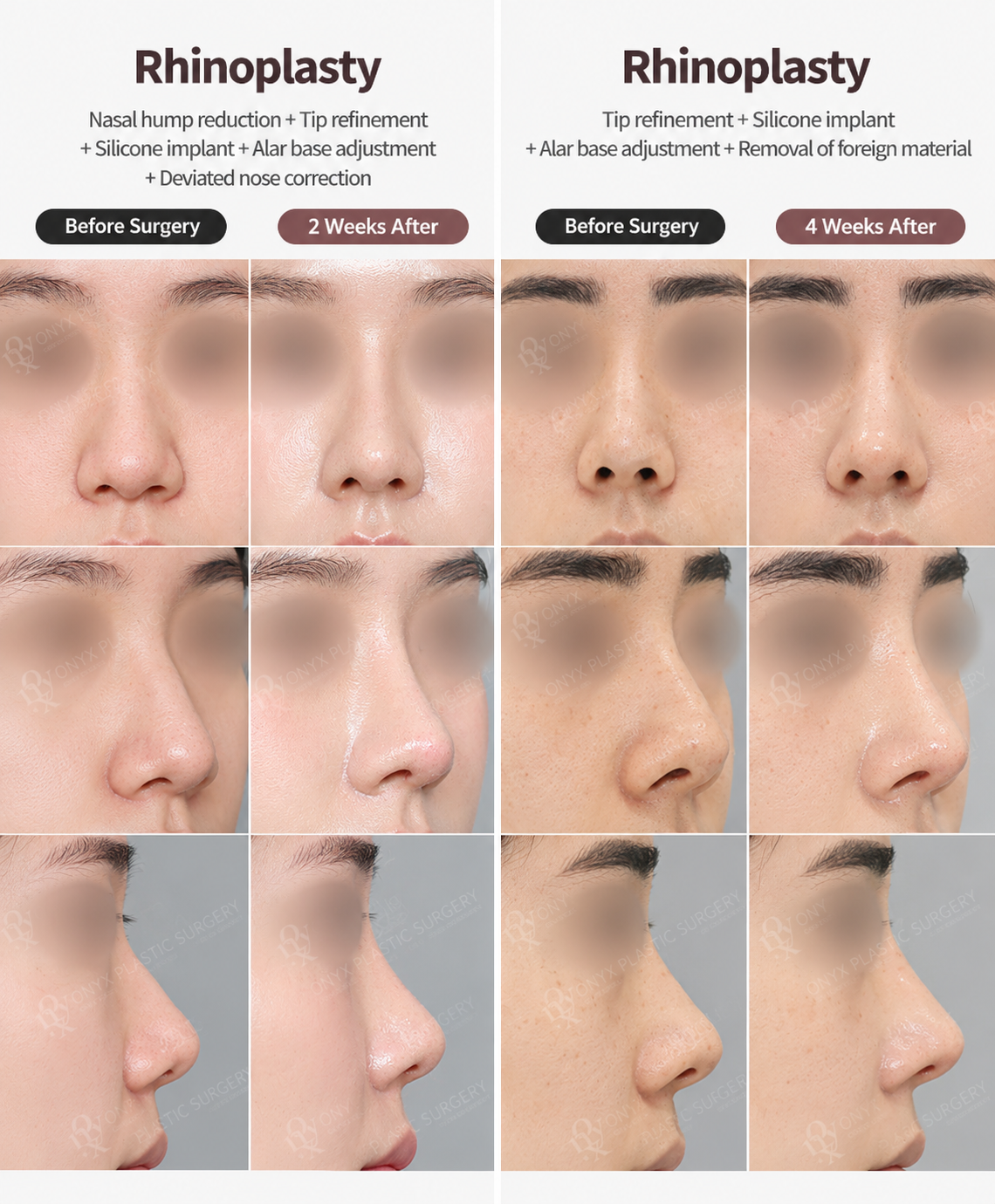
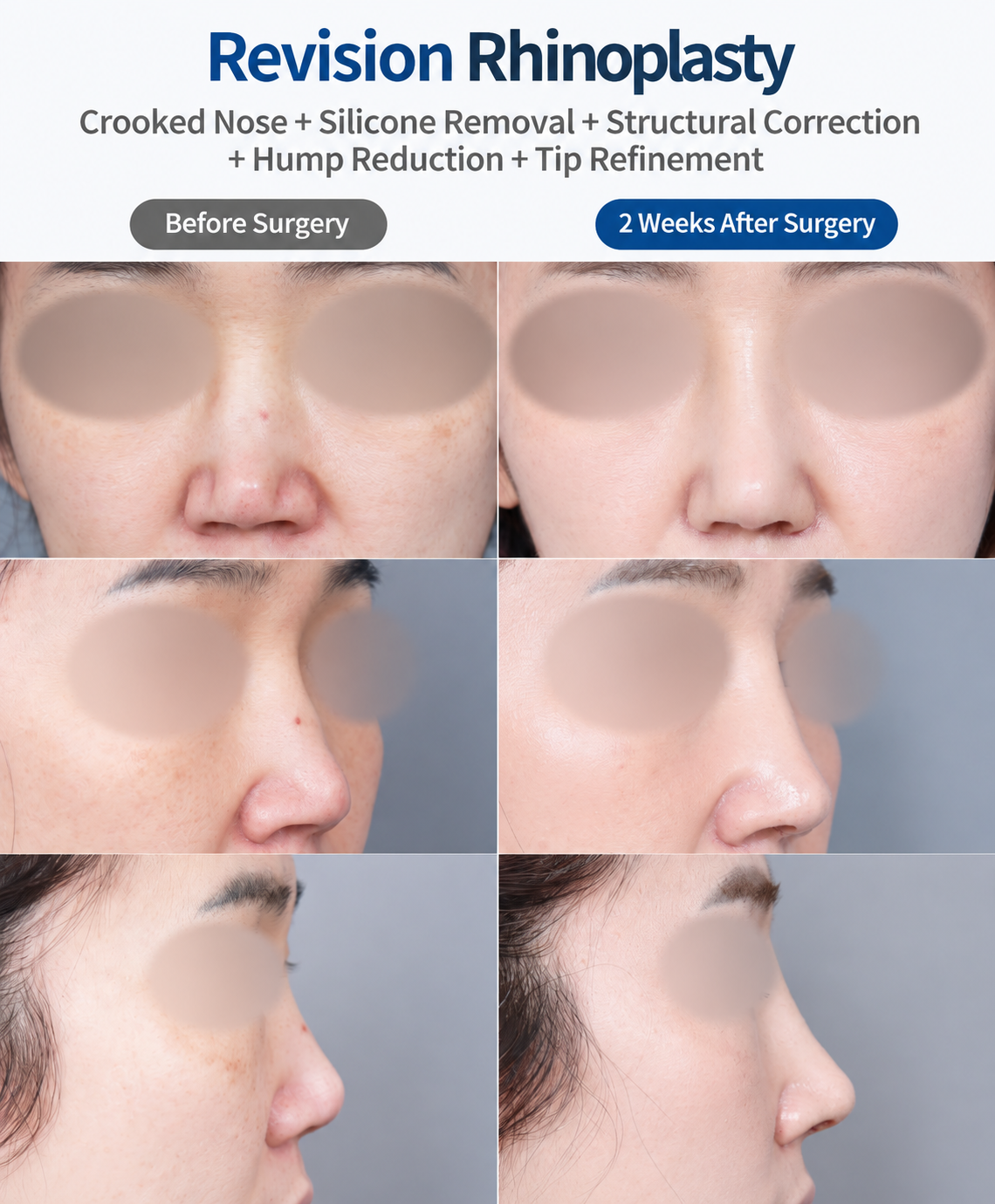
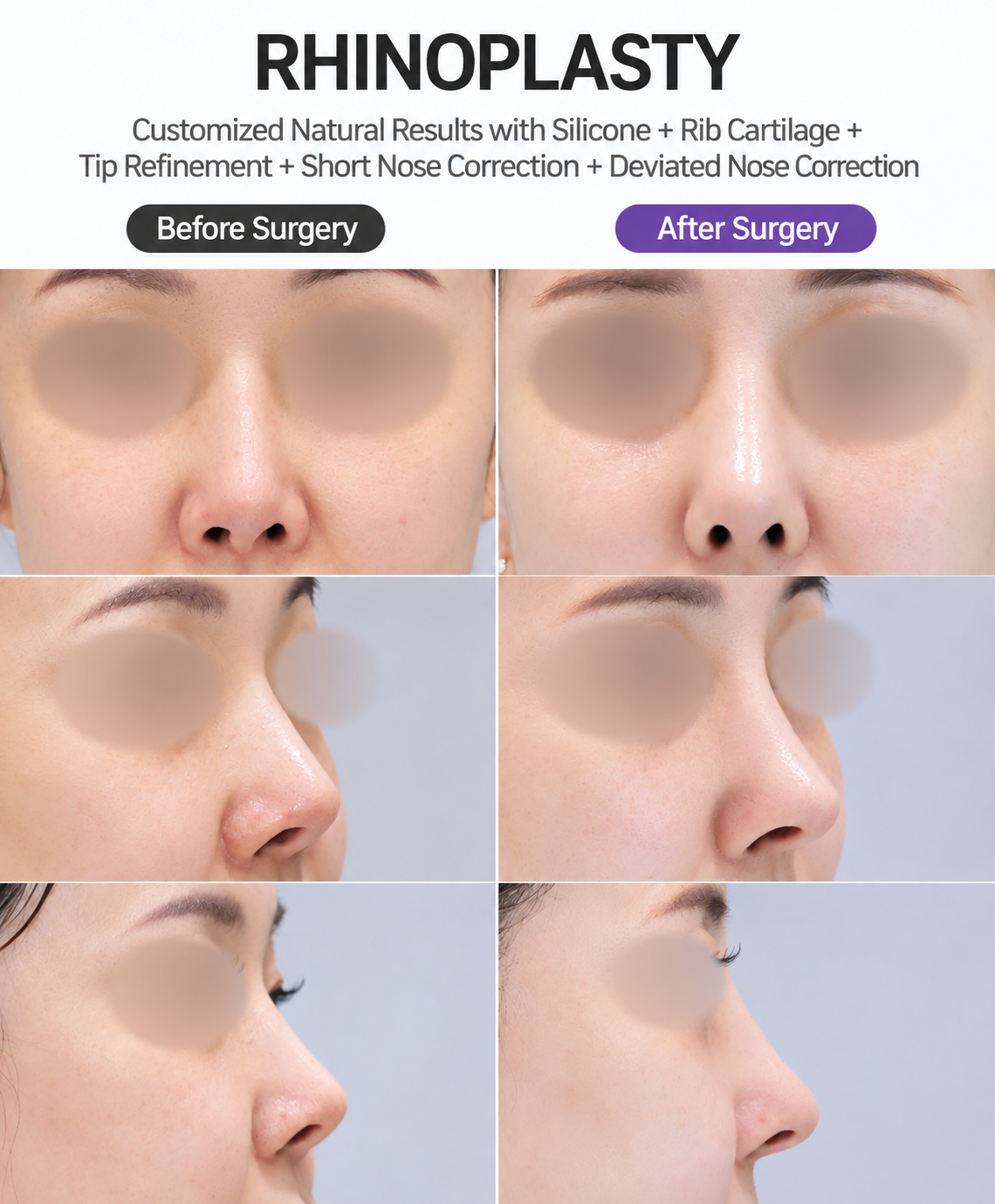
Revision rhinoplasty is a secondary procedure performed to address cosmetic concerns, functional problems, or structural issues following a previous nose surgery. Not every imperfection requires another operation, and many changes continue to improve as healing progresses. Careful evaluation and realistic expectations are essential before deciding whether revision surgery is appropriate.
Allow Enough Time for Healing
One of the most important considerations is giving the nose enough time to recover.
During the healing process:
- Swelling gradually decreases
- Tip definition continues to improve
- Scar tissue matures
- Nasal contours evolve
- Minor asymmetries may improve
- Tissues continue to settle
- Final results take time to appear
Patience is often necessary before making decisions about additional surgery.
Persistent Cosmetic Concerns
Some patients consider revision because they remain unhappy with the appearance of their nose after healing.
Examples may include:
- Crooked appearance
- Bridge irregularities
- Bulbous tip
- Drooping tip
- Asymmetry
- Overcorrection
- Undercorrection
A detailed examination can help determine the cause of these concerns.
Breathing or Functional Problems
Revision surgery may also be considered for functional reasons.
Possible issues include:
- Nasal obstruction
- Difficulty breathing
- Internal collapse
- Structural weakness
- Septal deviation
- Airflow problems
- Valve dysfunction
Improving function can be just as important as improving appearance.
Structural Changes Over Time
Some changes may become more noticeable as healing progresses.
Potential structural concerns include:
- Tip collapse
- Bridge instability
- Cartilage movement
- Scar tissue effects
- Contour irregularities
- Asymmetrical healing
- Loss of support
Careful assessment is needed to determine the most appropriate solution.
When Revision May Not Be Necessary
Not every concern requires another operation.
Temporary issues may include:
- Early swelling
- Mild asymmetry
- Tip firmness
- Minor contour changes
- Temporary congestion
- Healing-related irregularities
- Ongoing tissue remodeling
Many of these improve naturally over time.
The Importance of a Thorough Consultation
A revision consultation should include a comprehensive evaluation of both cosmetic and functional concerns.
Topics often discussed include:
- Current symptoms
- Previous surgical history
- Healing progress
- Structural support
- Available cartilage
- Treatment options
- Expected outcomes
Personalized planning is especially important in revision cases.
Questions to Ask Before Revision Surgery
Before making a decision, consider discussing:
- Is revision truly necessary?
- Has healing fully stabilized?
- What caused the current concern?
- What techniques are recommended?
- Will cartilage grafting be needed?
- What improvements are realistically possible?
- What are the potential risks?
Clear communication helps establish achievable expectations.
Recovery After Revision Rhinoplasty
Recovery may differ from the original surgery depending on the complexity of the procedure.
Patients may experience:
- Swelling
- Mild bruising
- Temporary congestion
- Tip firmness
- Progressive healing
- Gradual contour refinement
- Continued improvement over many months
Healing timelines vary between individuals and procedures.
Final Thoughts
Revision surgery should be considered only after careful evaluation of both cosmetic and functional concerns and after allowing adequate time for healing from the original procedure. A personalized assessment, realistic expectations, and thoughtful surgical planning can help determine whether revision rhinoplasty is the right choice and support balanced, long-lasting results.