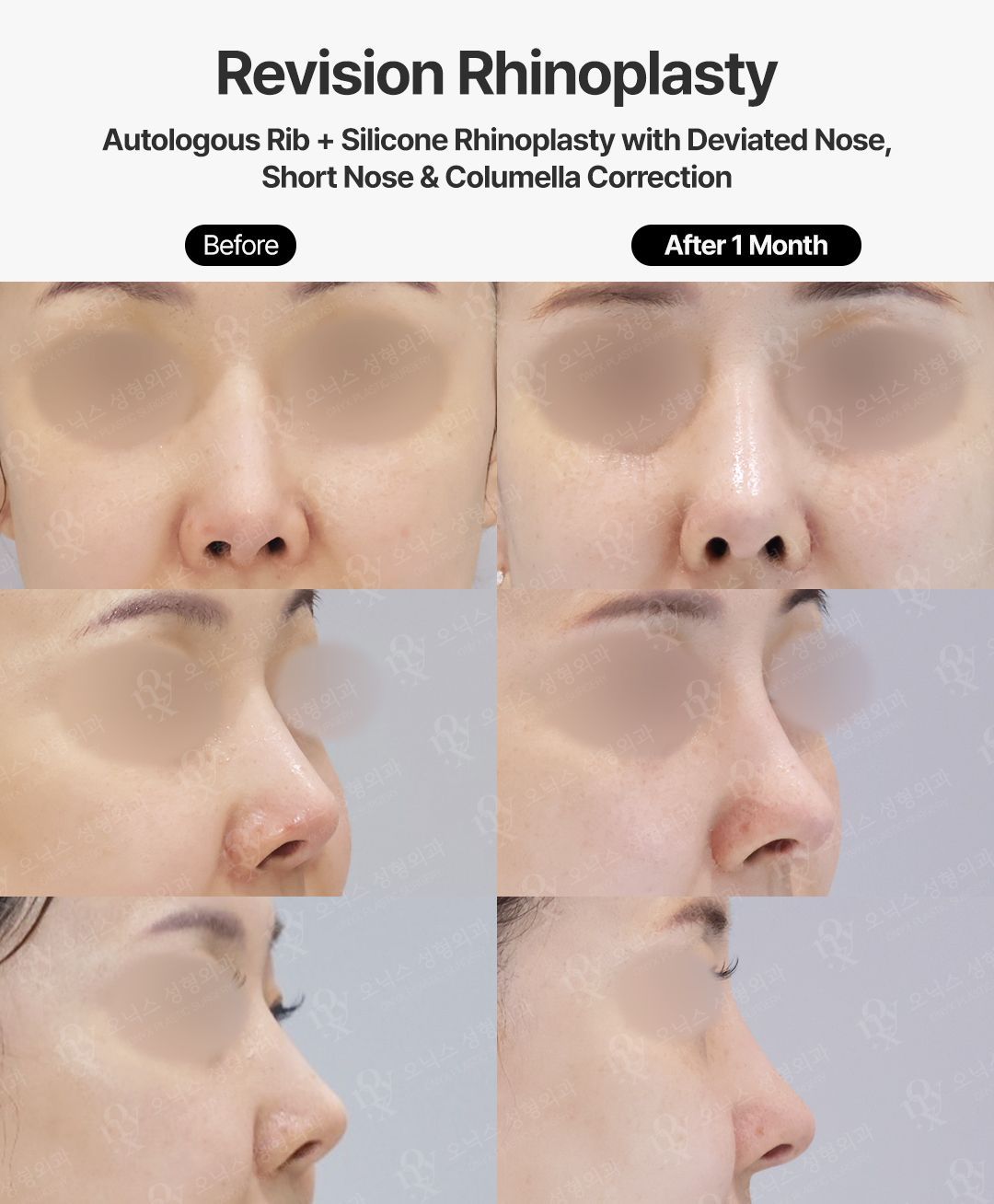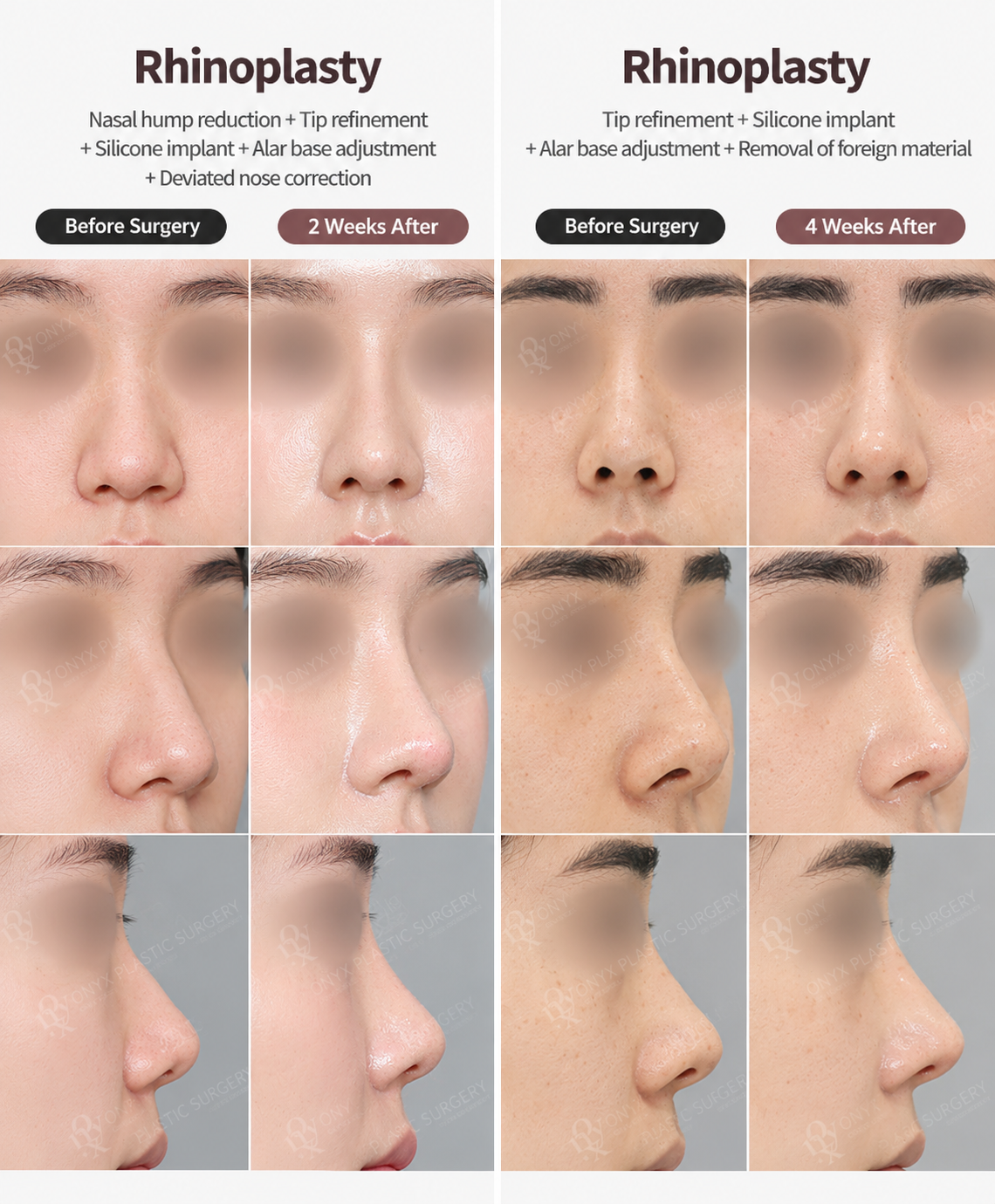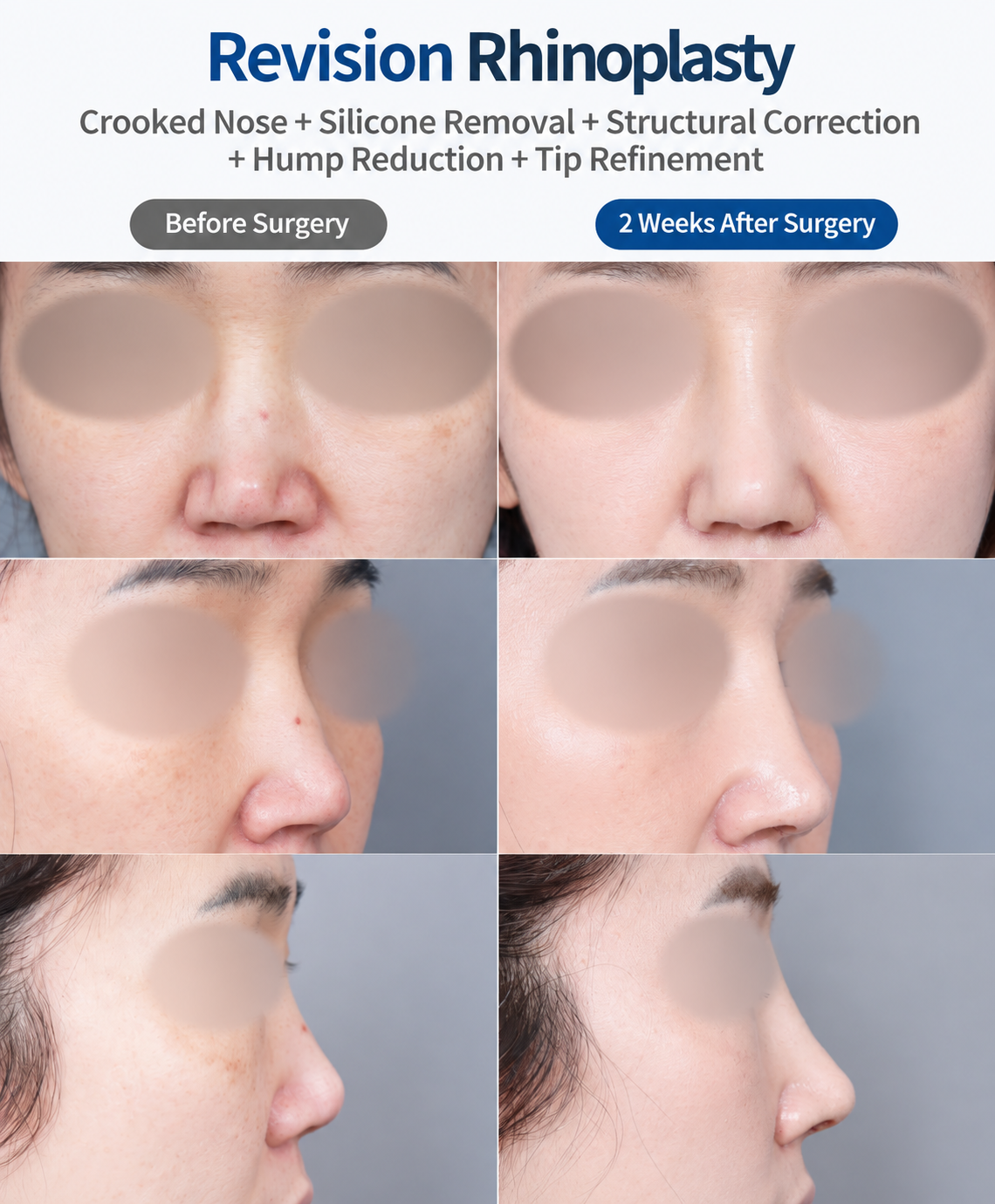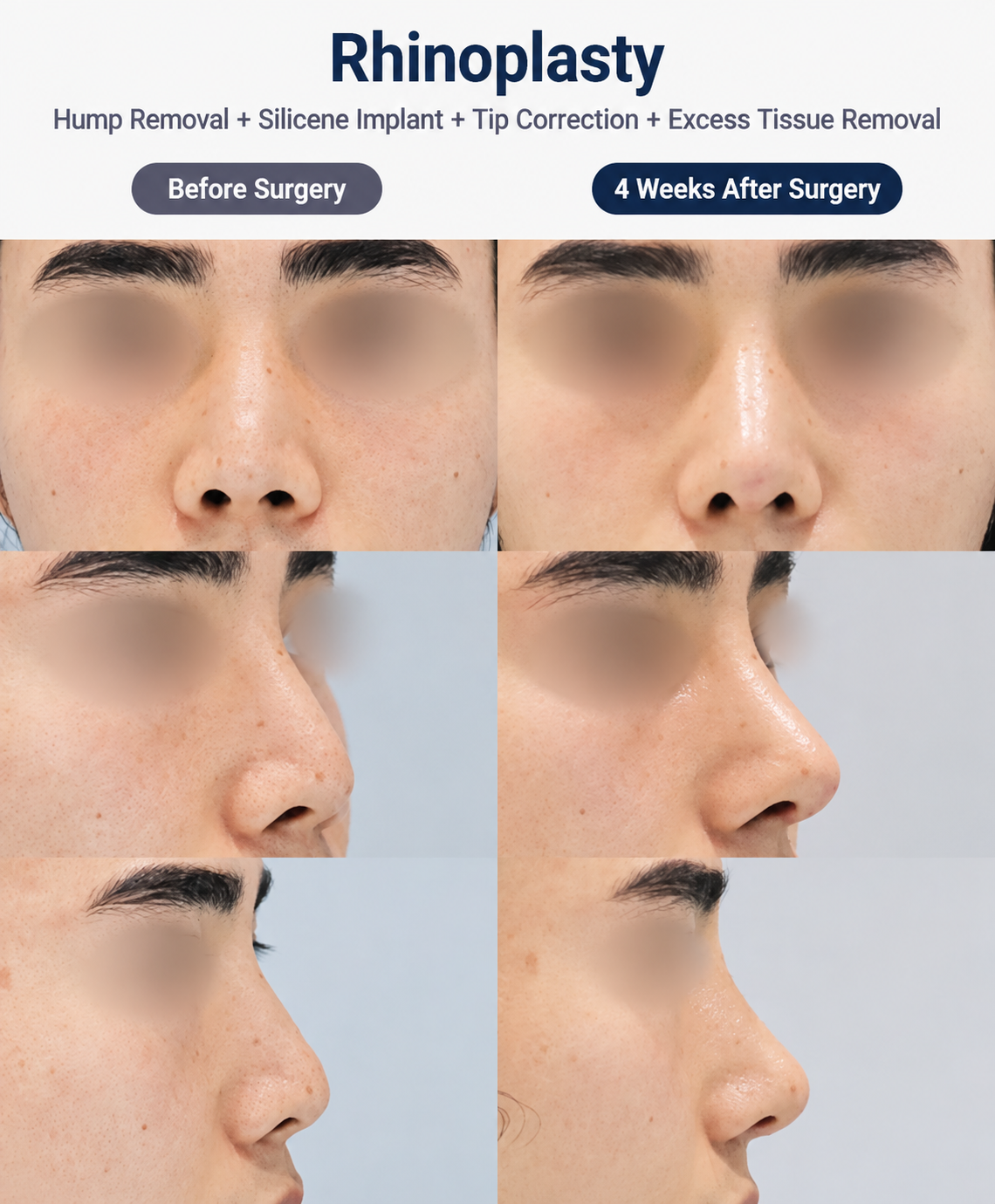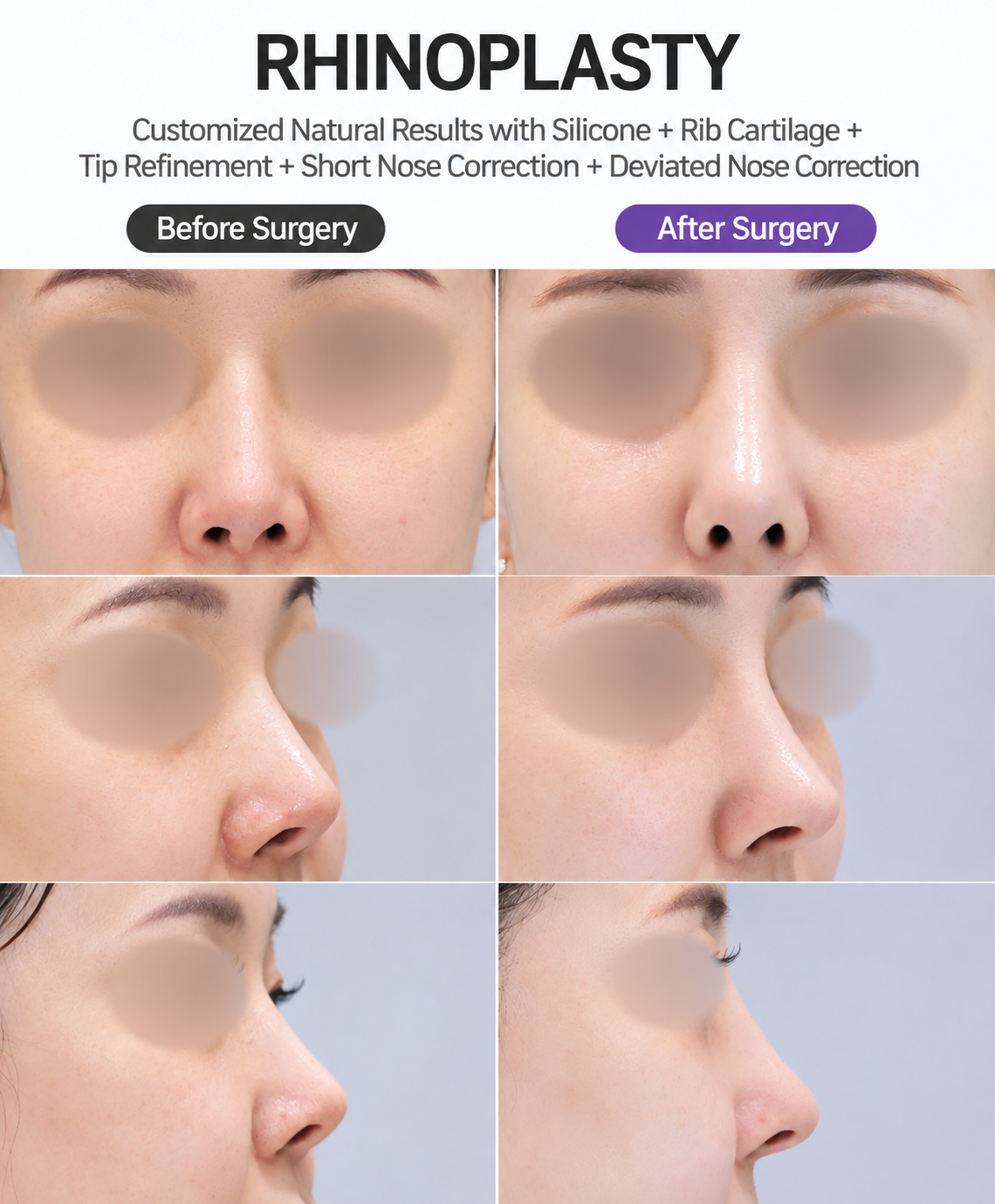
Revision Rhinoplasty Recovery
Revision Rhinoplasty Recovery
Recovery after revision rhinoplasty can be different from recovery after a first nose surgery. Because the procedure often involves scar tissue, altered anatomy, or structural reconstruction, healing may take longer and require additional patience. Every recovery experience is unique, and the timeline depends on the complexity of the surgery and the individual's healing process.
The First Few Days After Surgery
The initial recovery period focuses on rest and protecting the healing nose.
Patients may experience:
- Swelling
- Mild bruising
- Nasal congestion
- Temporary discomfort
- Splint placement
- Fatigue
- Mild tenderness
Following postoperative instructions carefully is essential during this stage.
The First Few Weeks
Visible healing usually progresses steadily during the first several weeks.
Common experiences include:
- Gradual reduction in swelling
- Bruising improvement
- Better overall comfort
- Continued congestion
- Tip firmness
- Ongoing healing
- Follow-up appointments
The nose may still look significantly different from its final appearance.
Long-Term Healing
Revision rhinoplasty often requires an extended healing period.
Over the following months, patients may notice:
- Progressive contour refinement
- Softening of tissues
- Reduced swelling
- Better definition
- Improved symmetry
- Structural settling
- Continued subtle changes
Final results may take a year or longer to fully develop.
Managing Swelling
Swelling is a normal part of recovery and may persist longer after revision procedures.
Helpful practices may include:
- Keeping the head elevated
- Following medication instructions
- Staying hydrated
- Attending follow-up visits
- Protecting the nose
- Following activity restrictions
- Being patient with the healing process
Healing rates vary among individuals.
Activity Restrictions
Protecting the nose during recovery is an important part of achieving stable results.
Patients are often advised to avoid:
- Heavy lifting
- Intense exercise
- Contact sports
- Accidental impacts
- Excessive bending
- Unapproved activities
- Premature return to strenuous routines
Always follow your surgeon's specific recommendations.
Scar Tissue and Structural Healing
Revision surgery frequently involves existing scar tissue and structural reconstruction.
Recovery may include:
- Temporary firmness
- Internal healing
- Tissue remodeling
- Scar maturation
- Structural stabilization
- Gradual softening
- Ongoing refinement
These changes can continue for many months.
Follow-Up Care
Regular follow-up appointments allow your surgeon to monitor healing and address concerns.
Postoperative care may include:
- Physical examinations
- Healing assessments
- Progress evaluation
- Recovery guidance
- Activity recommendations
- Symptom monitoring
- Long-term follow-up planning
Maintaining communication with your surgeon is an important part of recovery.
Signs to Contact Your Surgeon
While mild swelling and discomfort are expected, certain symptoms require prompt medical attention.
Seek medical advice if you experience:
- Severe pain
- Heavy bleeding
- Fever
- Foul-smelling drainage
- Rapidly worsening swelling
- Significant breathing difficulty
- Unexpected changes in healing
Early evaluation can help identify and manage potential complications.
Final Thoughts
Revision rhinoplasty recovery often requires more patience than primary rhinoplasty due to the complexity of secondary surgery and the presence of scar tissue or structural reconstruction. By following postoperative instructions, protecting the healing nose, attending follow-up appointments, and maintaining realistic expectations, patients can support a smoother recovery and allow the final results to develop gradually over time.