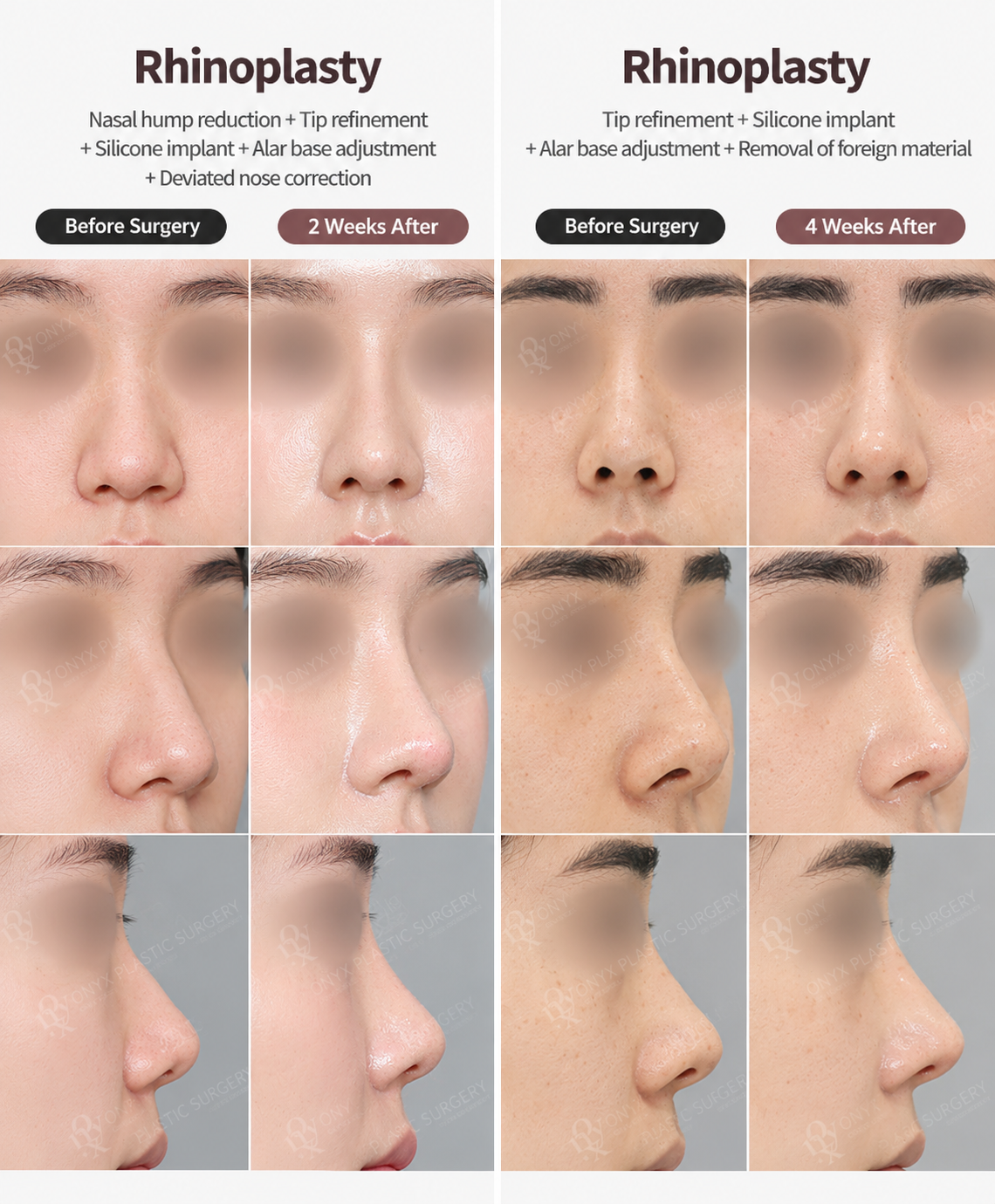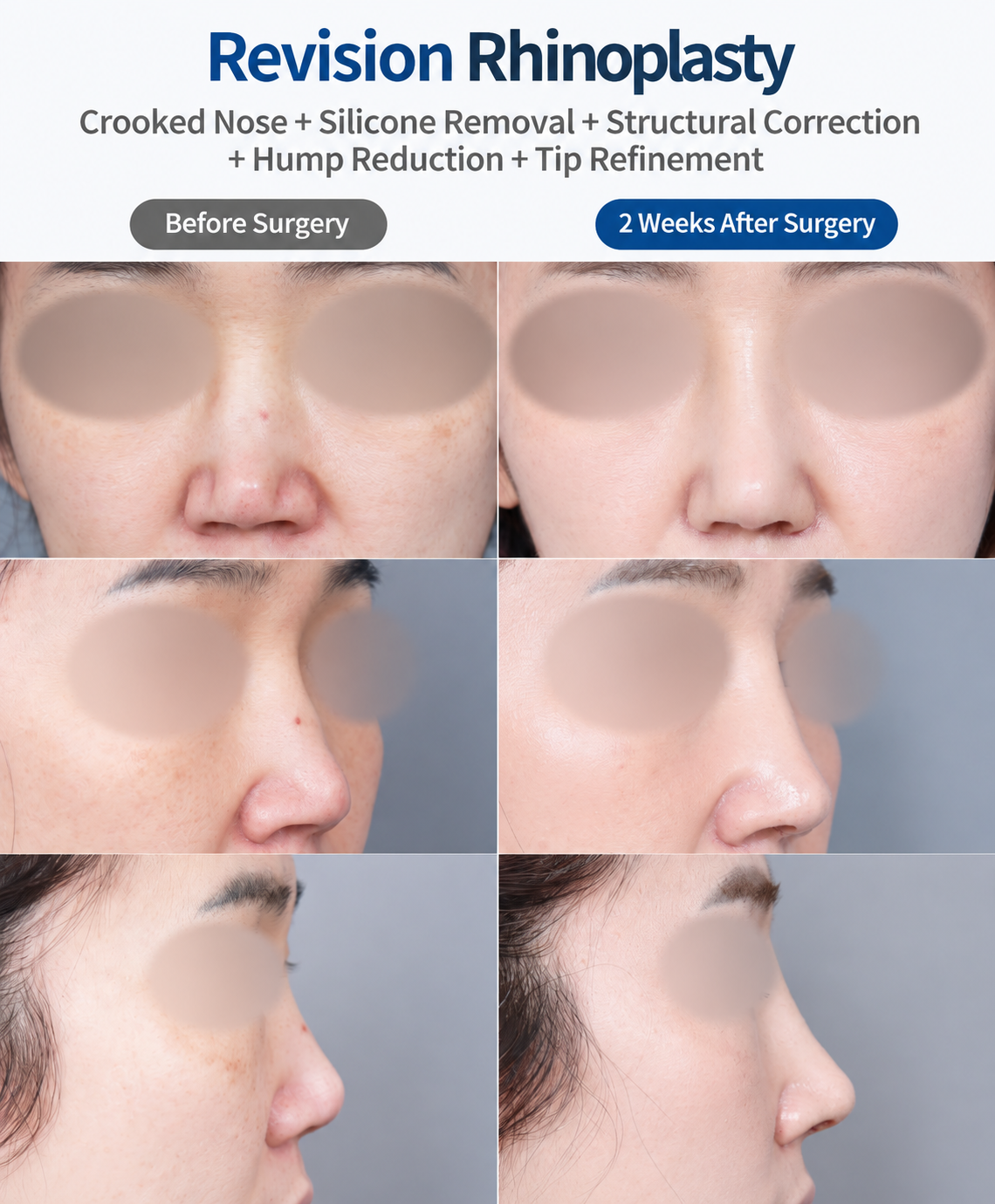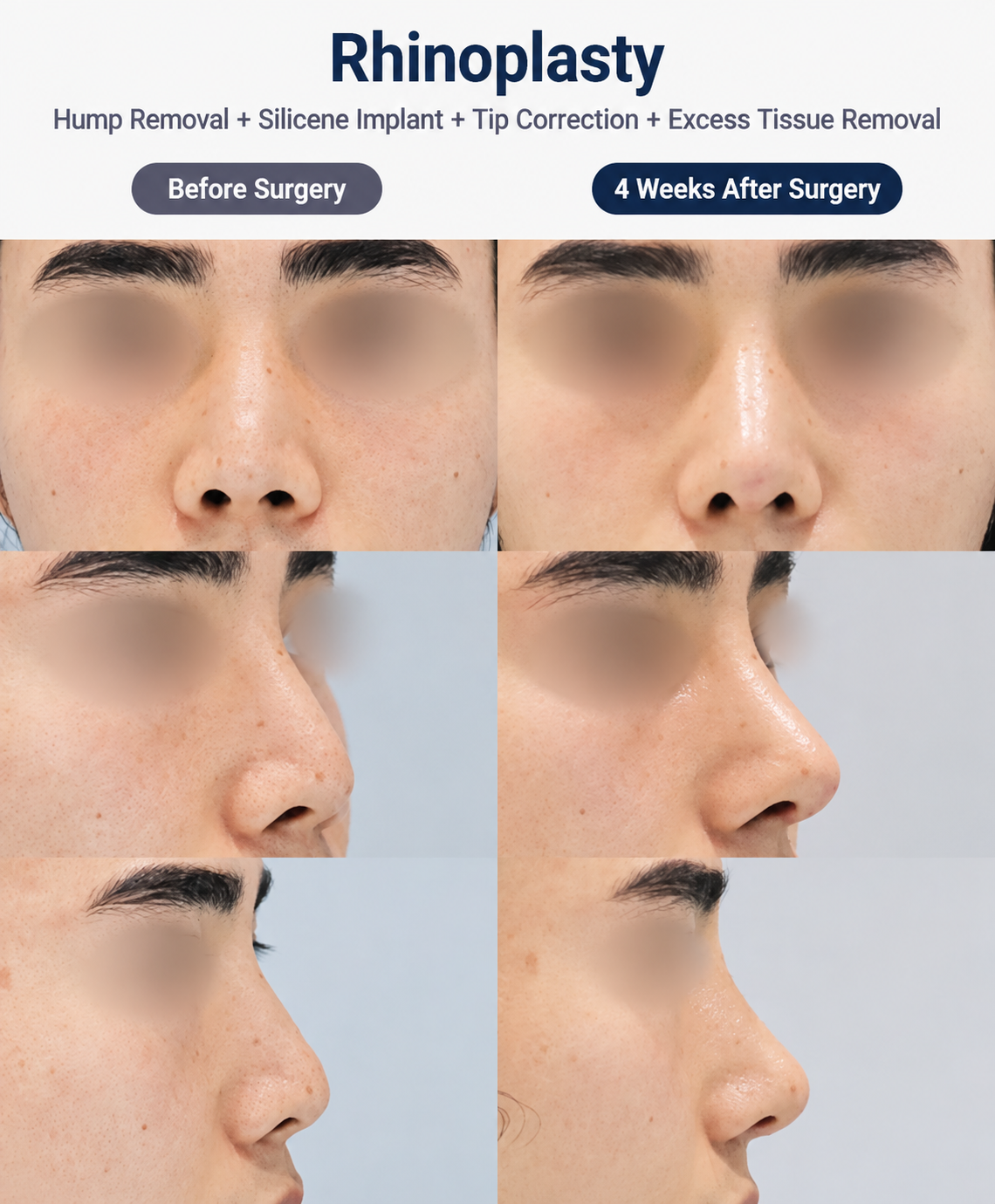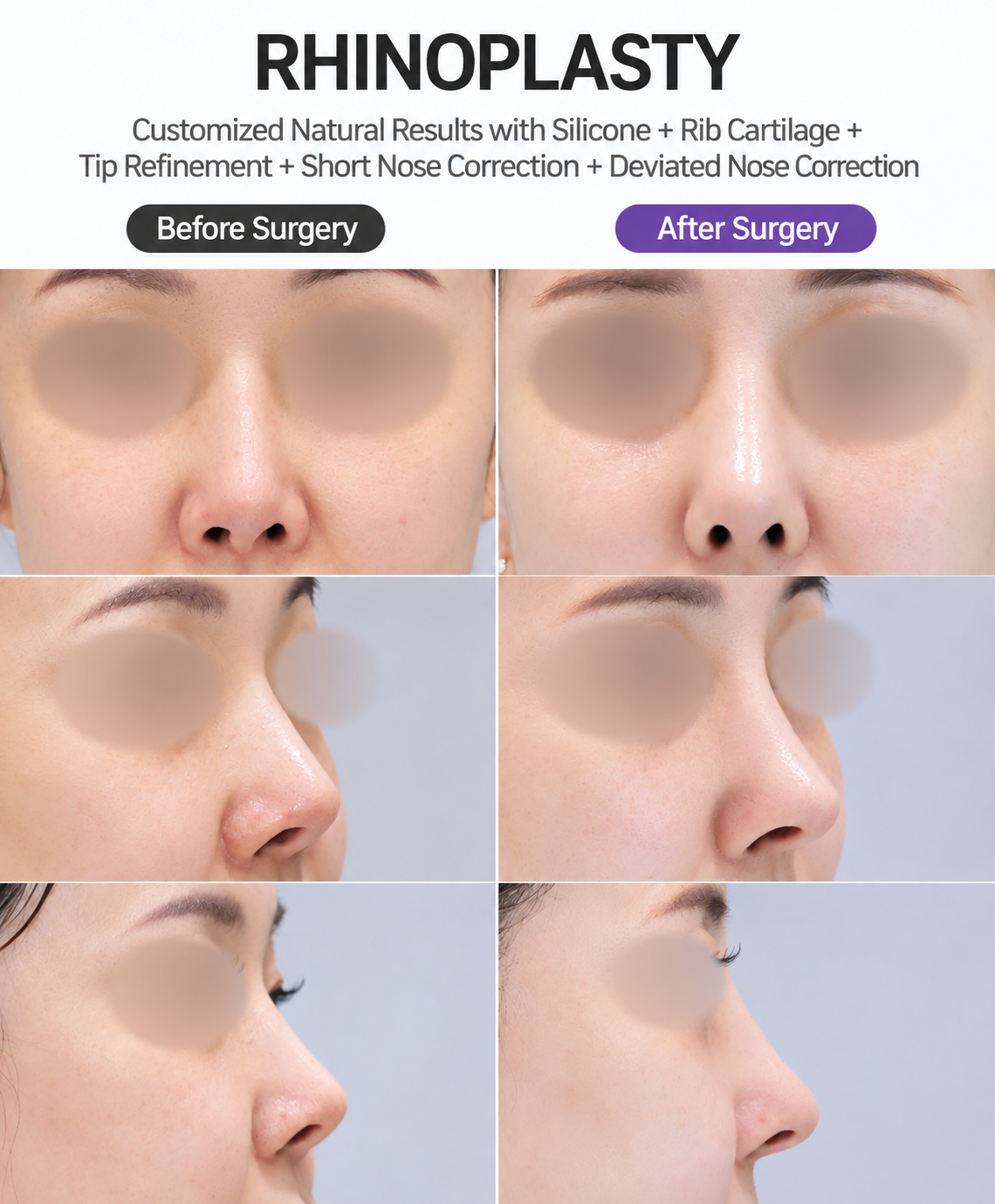
Rib Cartilage for Revision Rhinoplasty
Rib Cartilage for Revision Rhinoplasty
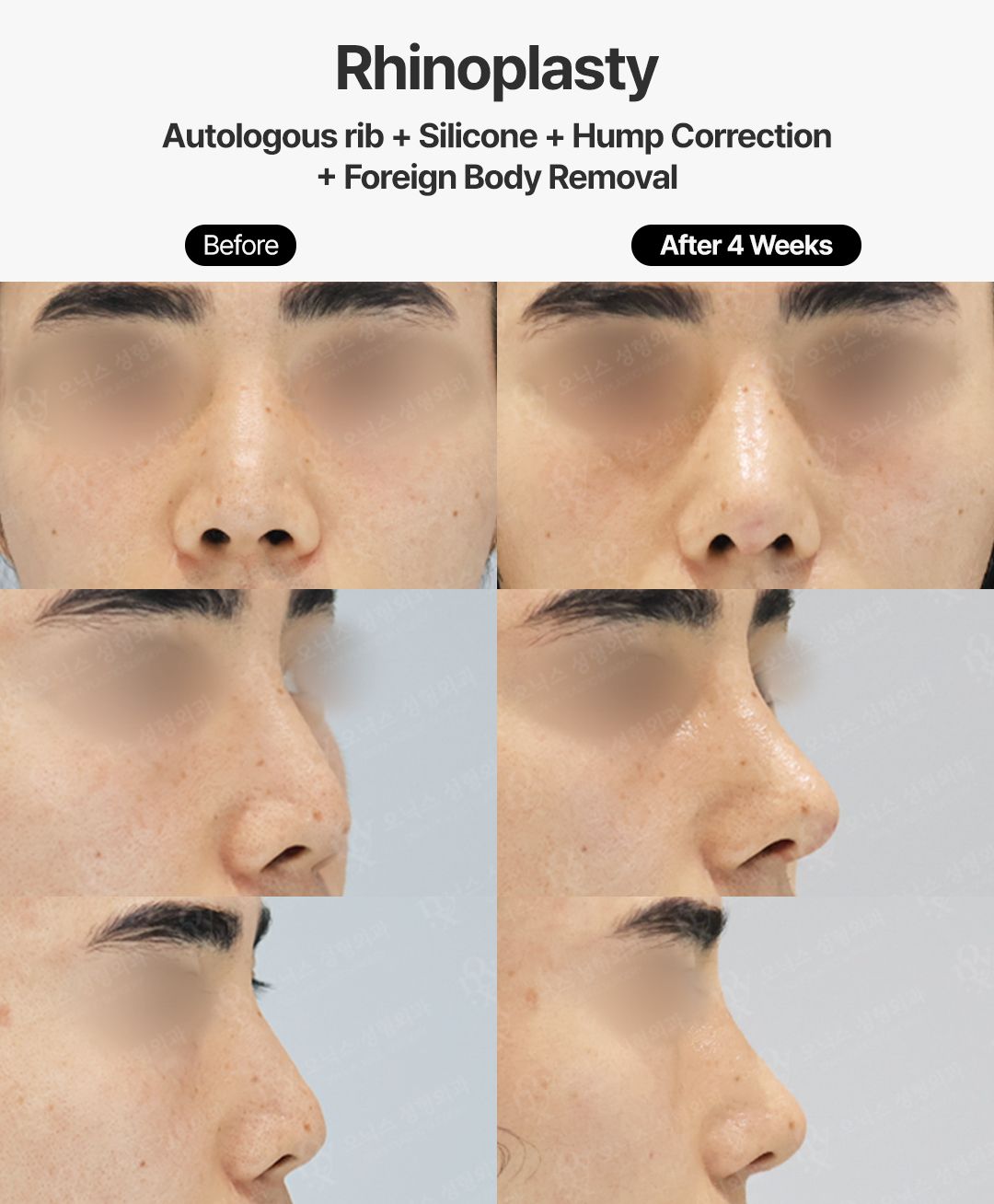
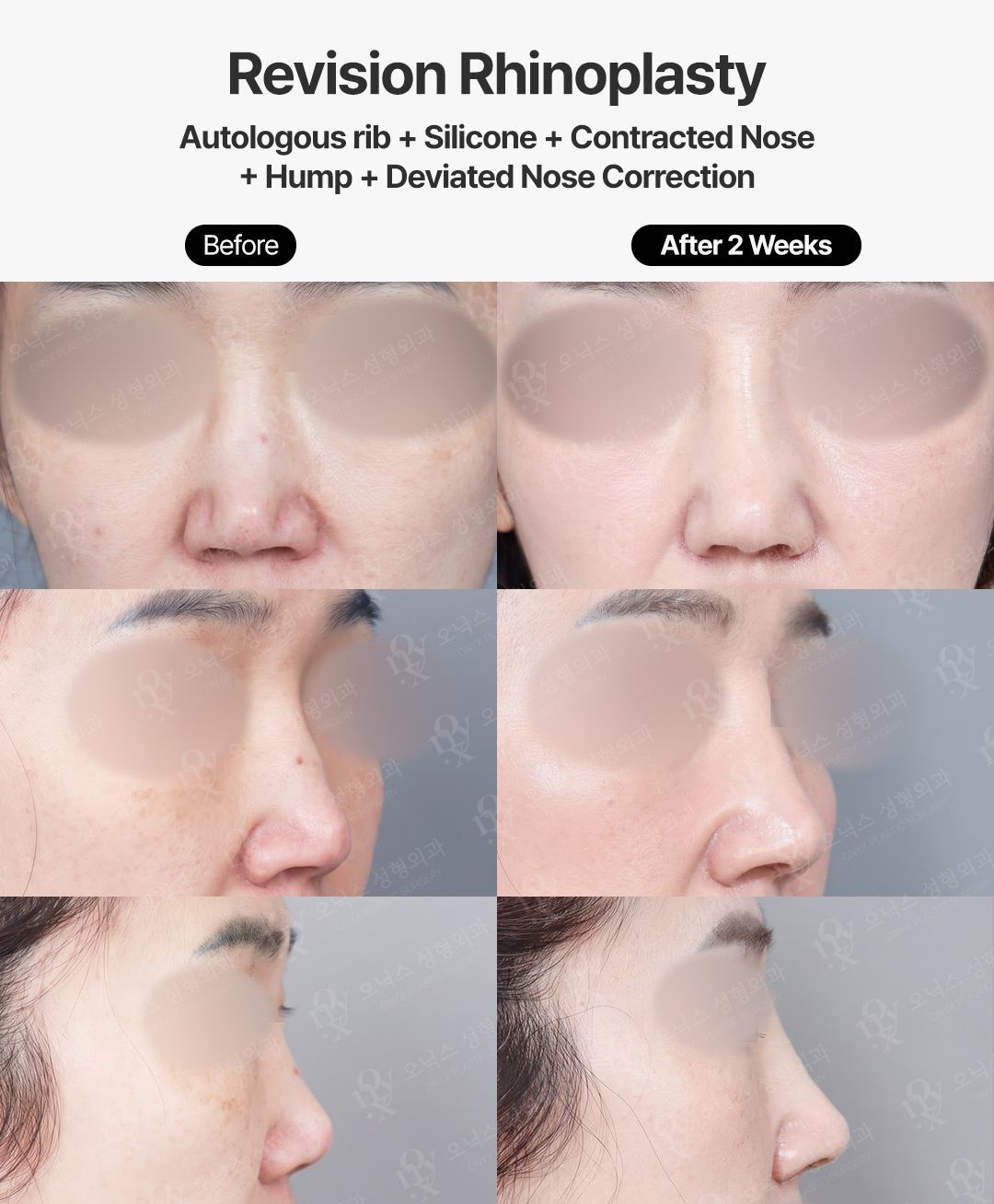
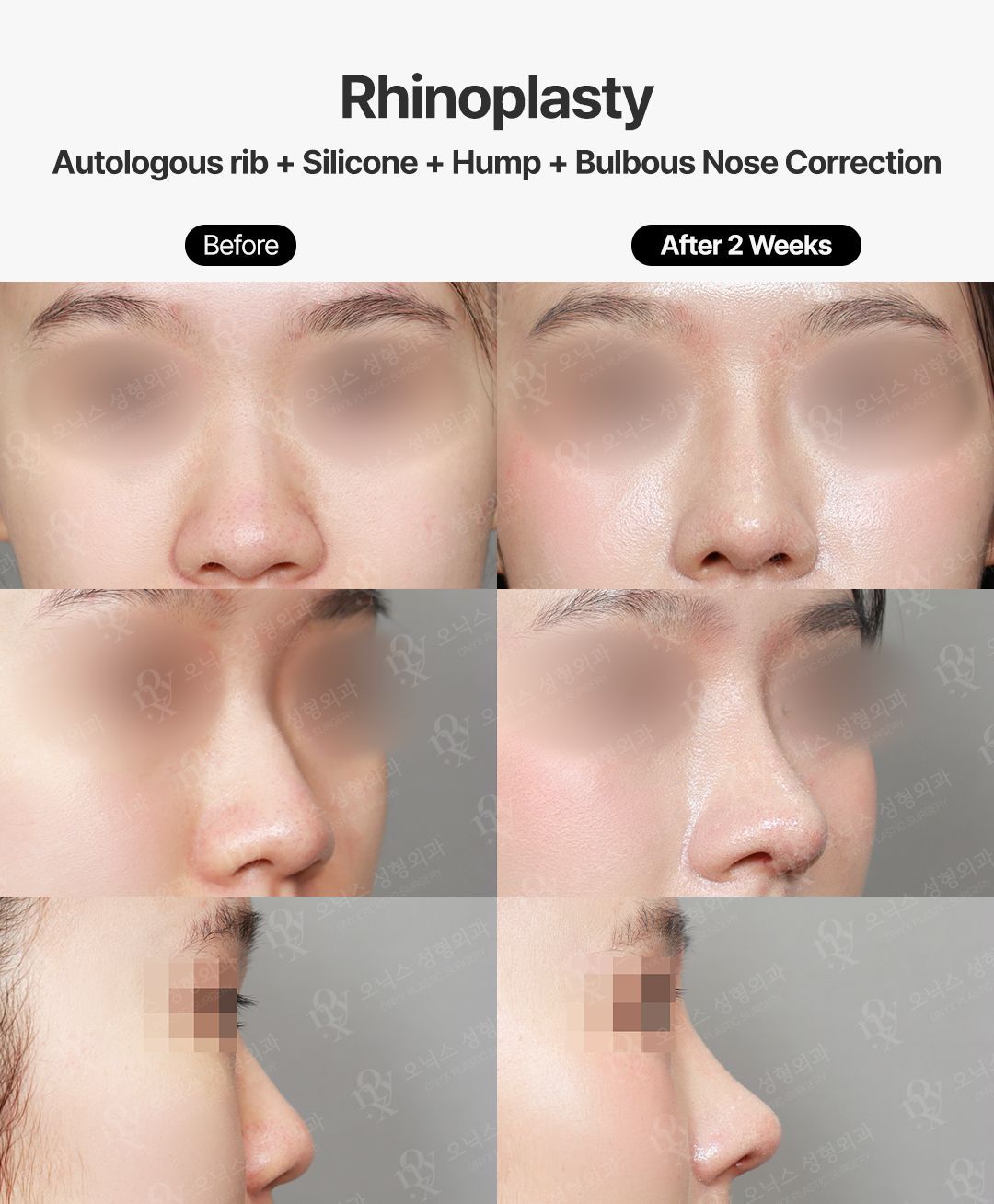
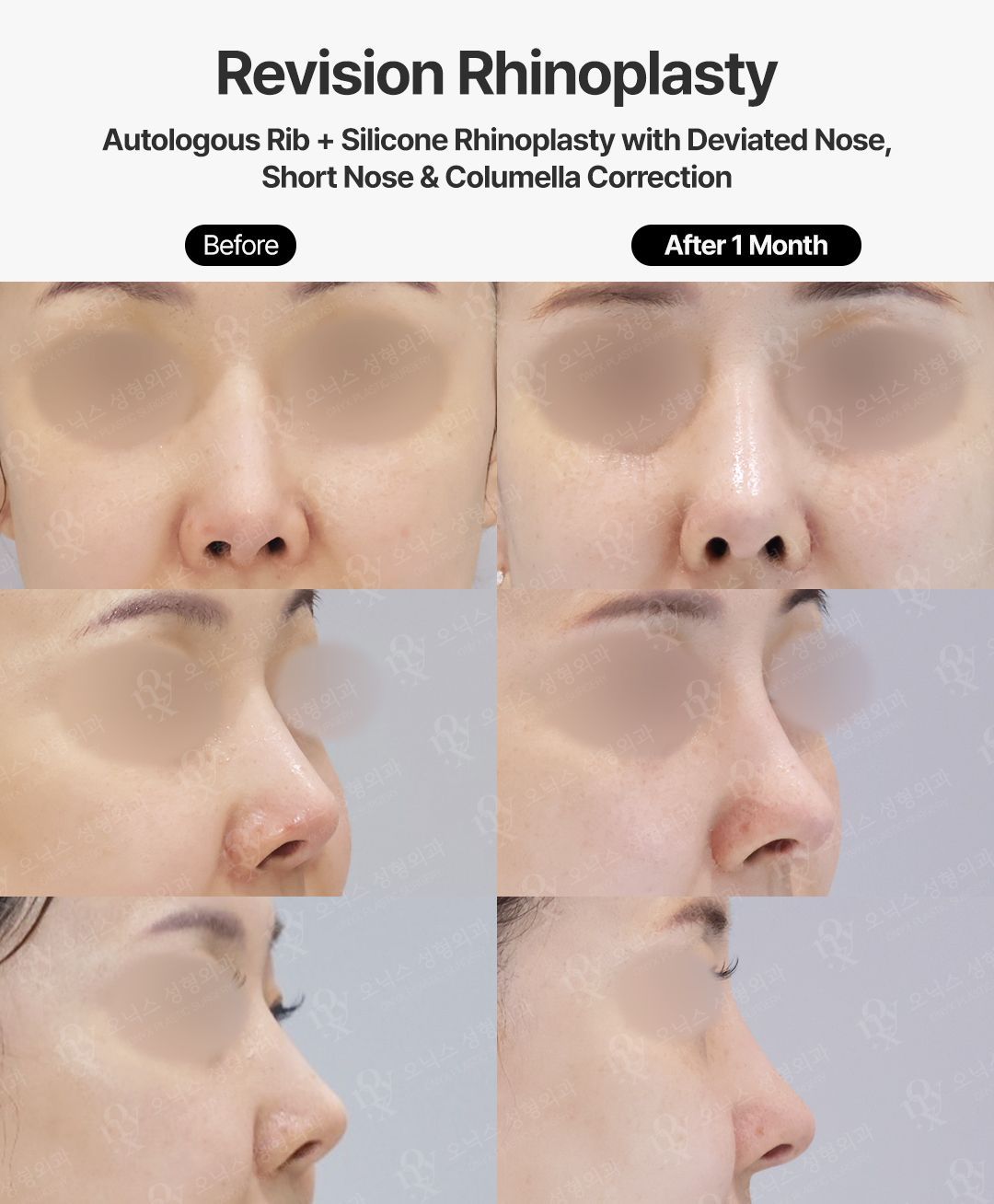
Rib cartilage is one of the most commonly used graft materials in complex revision rhinoplasty, particularly when additional structural support or a larger amount of cartilage is needed. Because previous surgeries may have already used available septal cartilage, rib cartilage can provide sufficient material for reconstruction, reinforcement, and reshaping. The decision to use it depends on each patient's anatomy and surgical requirements.
Why Rib Cartilage Is Used in Revision Surgery
Revision procedures often require rebuilding or strengthening nasal structures.
Common reasons for using rib cartilage include:
- Limited septal cartilage
- Need for additional support
- Structural reconstruction
- Major shape correction
- Complex revision cases
- Long-term reinforcement
- Extensive graft requirements
The treatment plan is tailored to the individual patient.
Advantages of Rib Cartilage
For appropriate candidates, rib cartilage offers several potential benefits.
These may include:
- Large amount of available tissue
- Strong structural support
- Versatile shaping options
- Ability to rebuild complex anatomy
- Long-term stability
- Suitable for extensive reconstruction
- Useful in challenging revision cases
Its strength makes it particularly valuable in major reconstructive procedures.
When Other Cartilage Sources May Be Used
Not every revision requires rib cartilage.
Alternative graft sources include:
- Septal cartilage
- Ear cartilage
- Remaining native cartilage
- Previously preserved tissue
- Combined graft techniques
- Structural graft combinations
- Customized reconstruction
The most appropriate option depends on surgical needs and tissue availability.
Common Uses During Revision Rhinoplasty
Rib cartilage can be used in various parts of the nose.
Possible applications include:
- Bridge reconstruction
- Tip support
- Tip projection
- Structural reinforcement
- Dorsal augmentation
- Correction of deformities
- Overall shape restoration
The exact use varies according to the patient's anatomy and goals.
Recovery Considerations
Recovery includes healing of both the nose and the cartilage donor site when rib cartilage is harvested.
Patients may experience:
- Nasal swelling
- Mild bruising
- Temporary congestion
- Chest discomfort
- Gradual healing
- Ongoing contour refinement
- Long-term tissue recovery
Healing timelines differ from patient to patient.
Questions to Ask During Your Consultation
Before surgery, consider discussing:
- Why rib cartilage is recommended
- Whether other graft options are available
- How much cartilage will be needed
- Donor site recovery expectations
- Potential risks and benefits
- Long-term structural stability
- Expected recovery timeline
A thorough consultation helps patients understand the rationale behind the treatment plan.
Factors That Influence Surgical Planning
The decision to use rib cartilage depends on multiple considerations.
These may include:
- Previous surgeries
- Available septal cartilage
- Degree of reconstruction
- Functional concerns
- Cosmetic goals
- Skin thickness
- Overall nasal structure
Every revision procedure requires individualized planning.
Final Thoughts
Rib cartilage plays an important role in many complex revision rhinoplasty procedures by providing strong and abundant structural support when other graft sources are limited. Through careful surgical planning and personalized reconstruction techniques, it can help restore stability, improve nasal shape, and support long-lasting results that complement each patient's unique anatomy and goals.