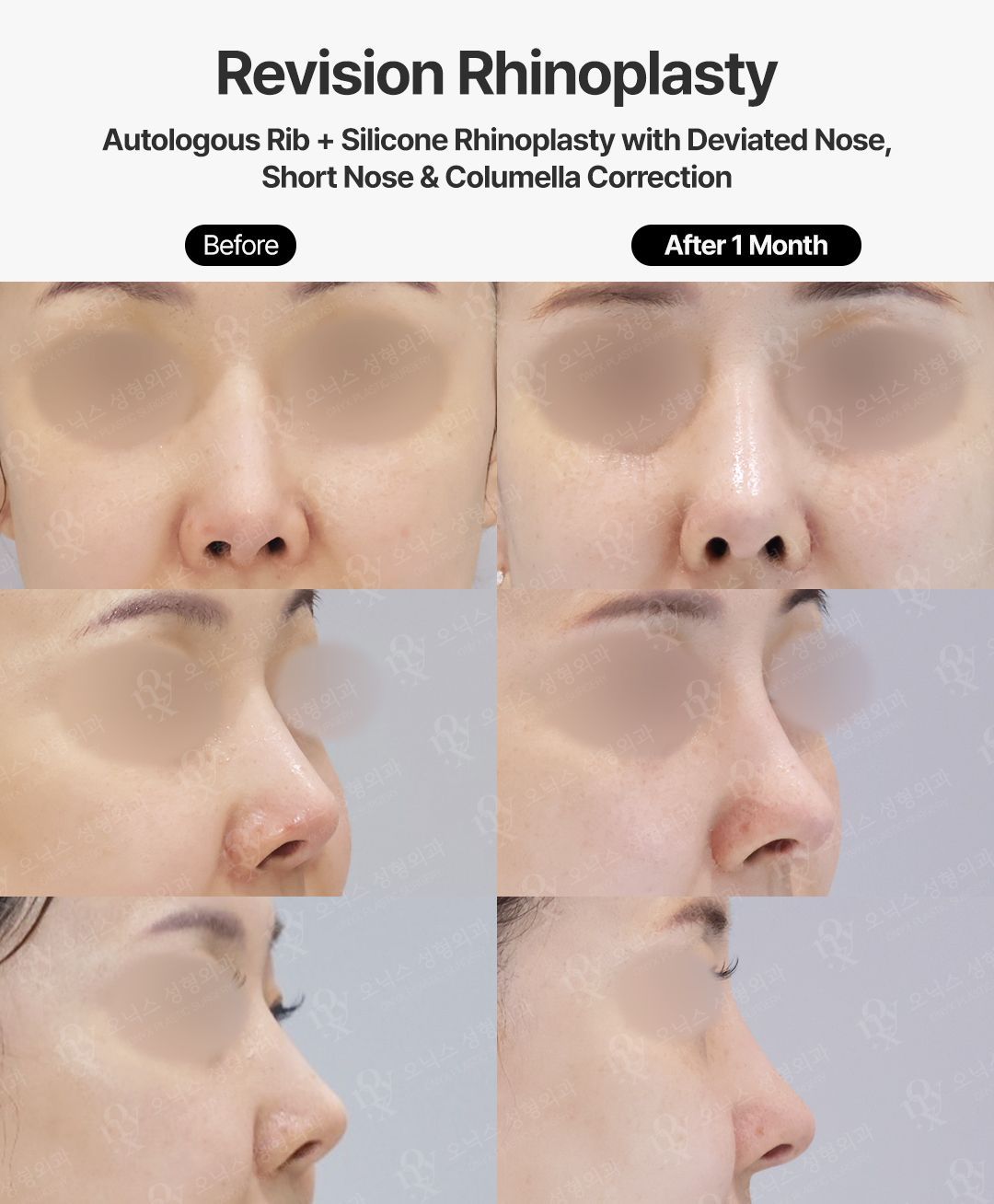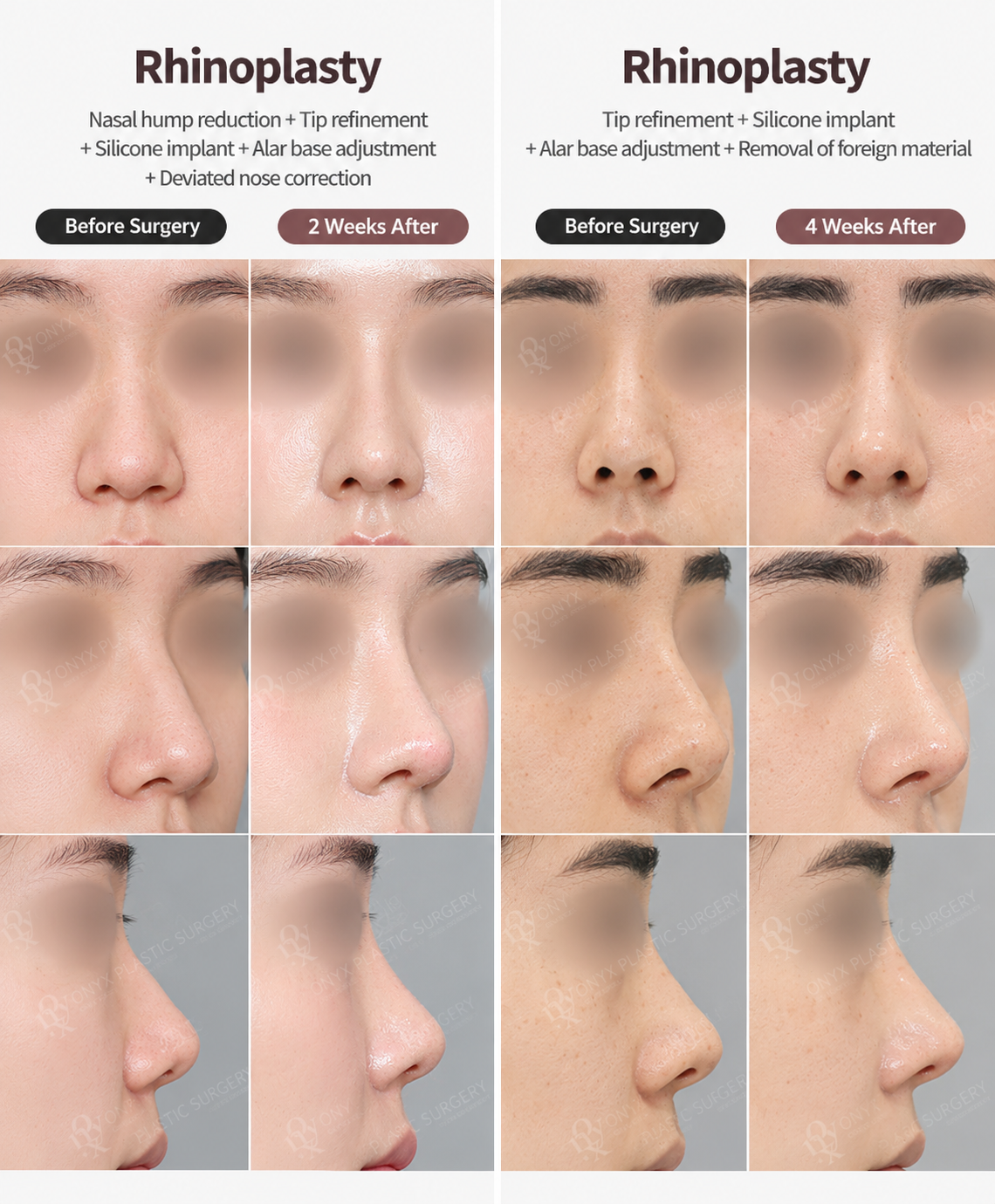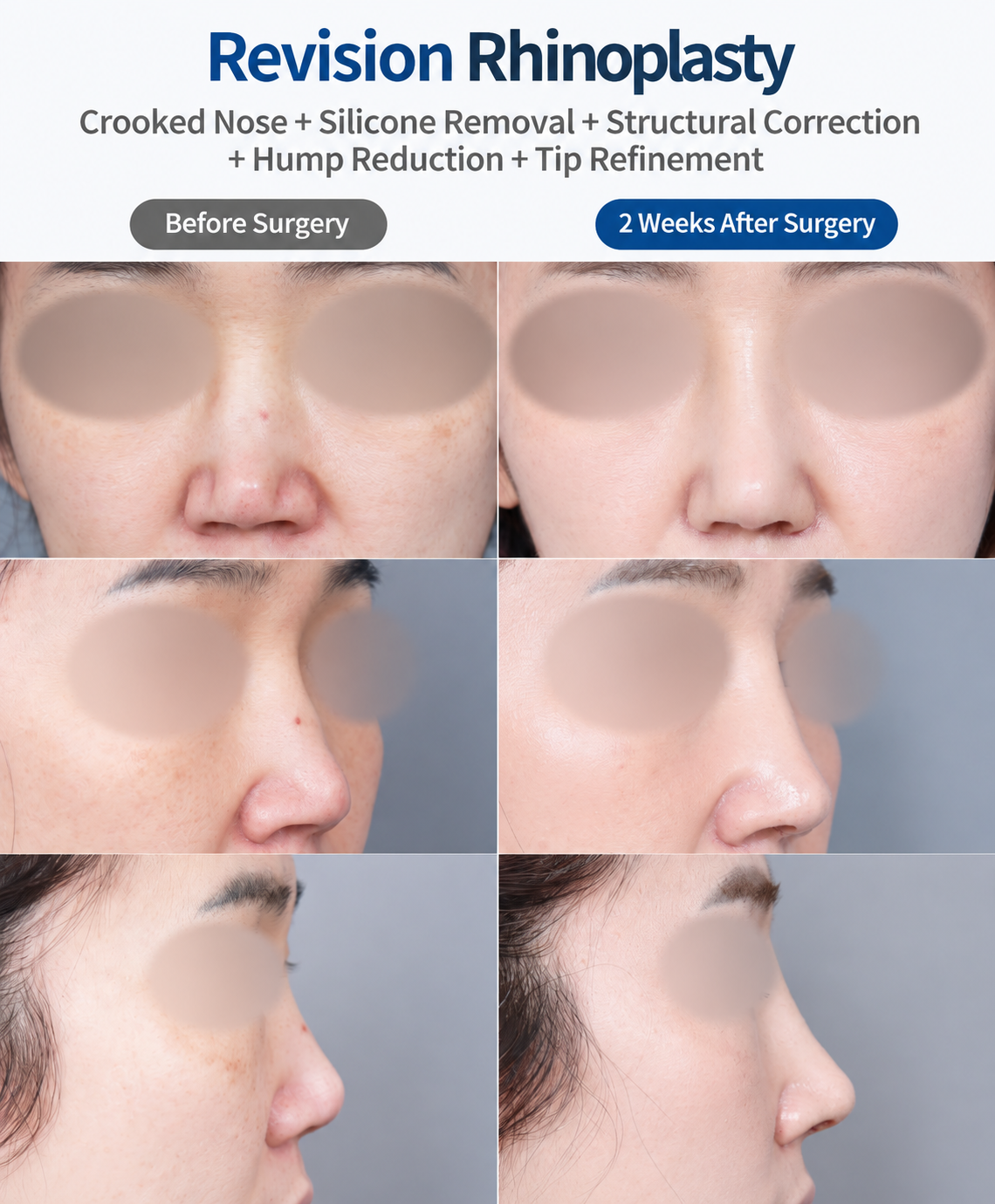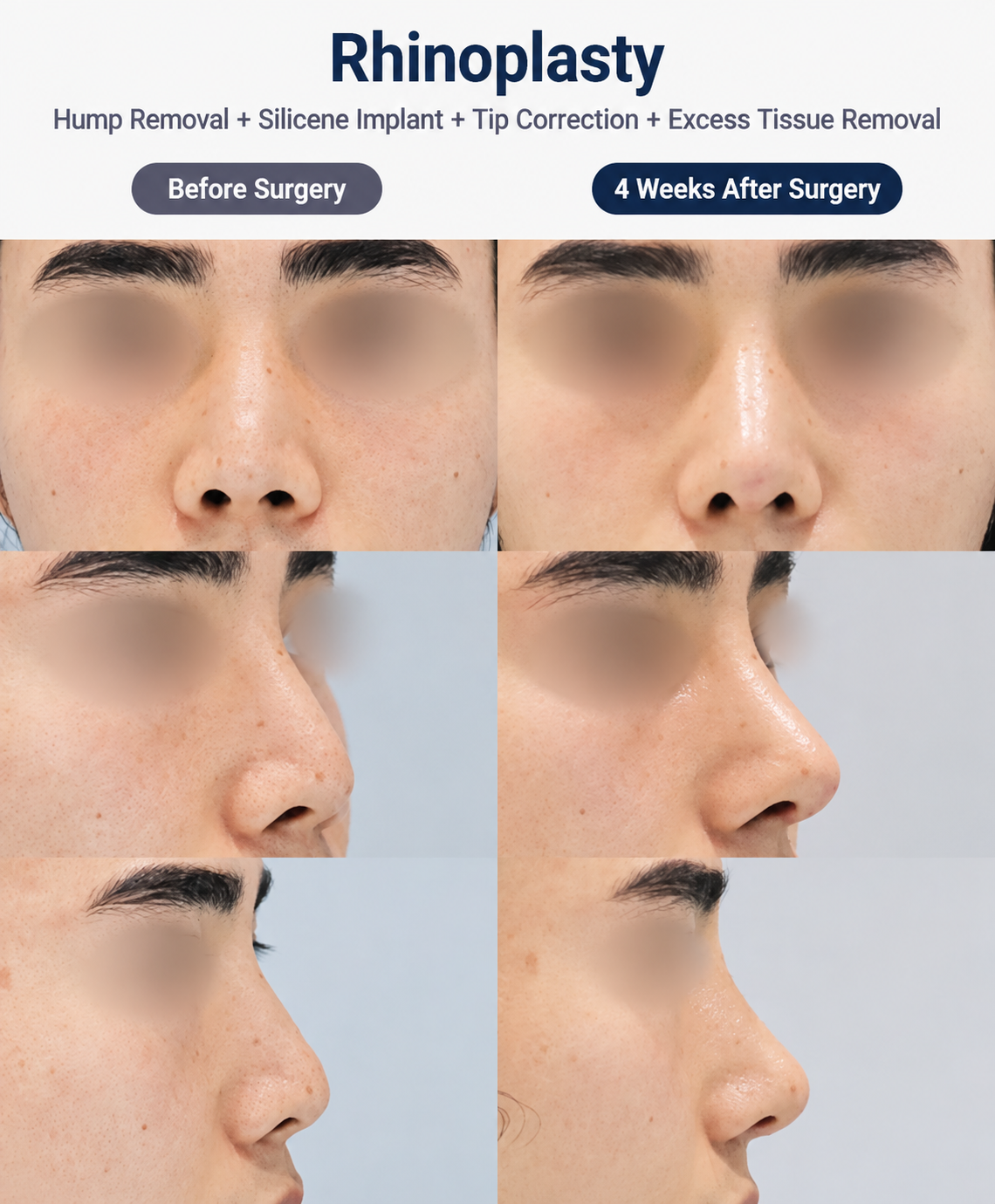
Fixing a Collapsed Nose
Fixing a Collapsed Nose
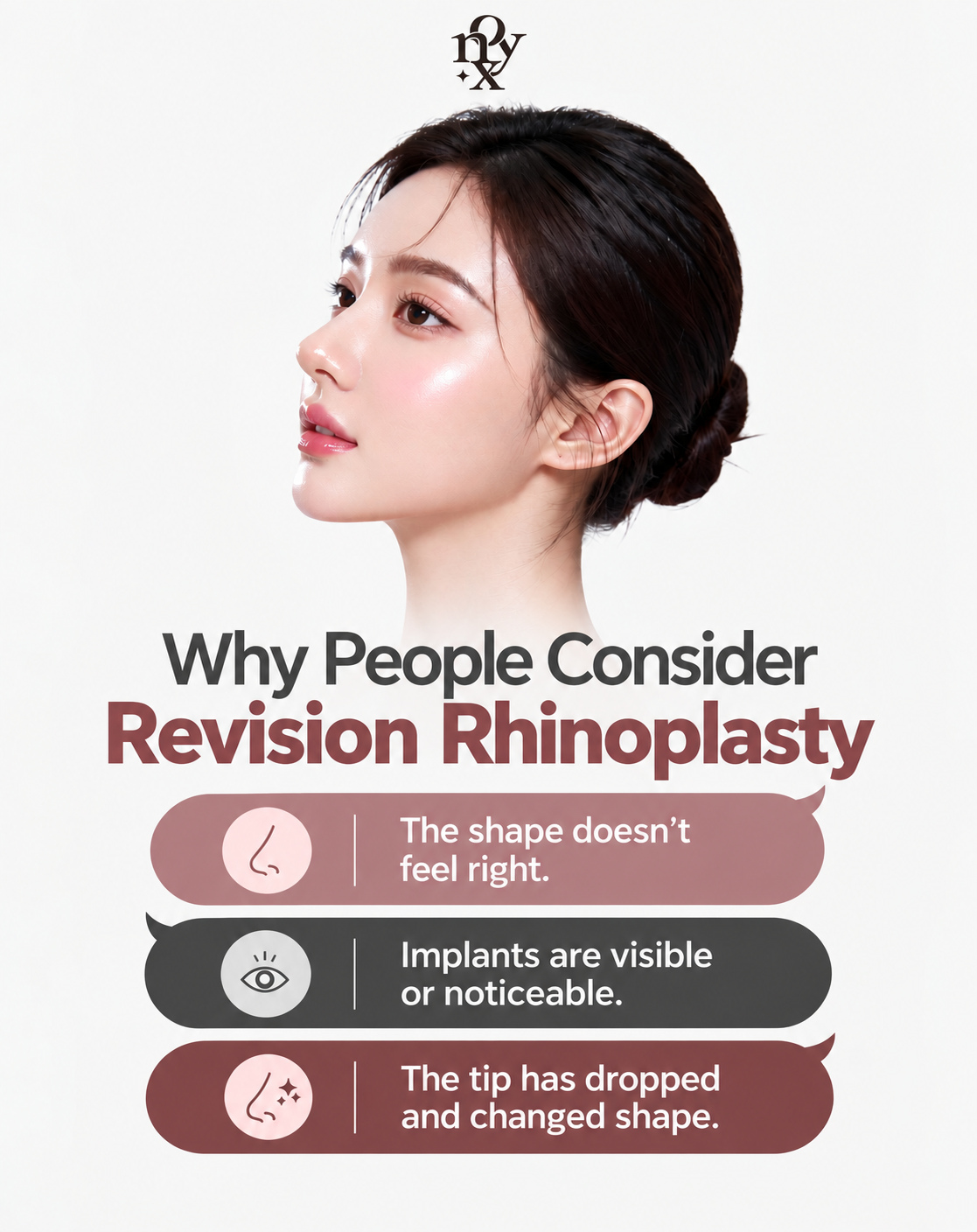
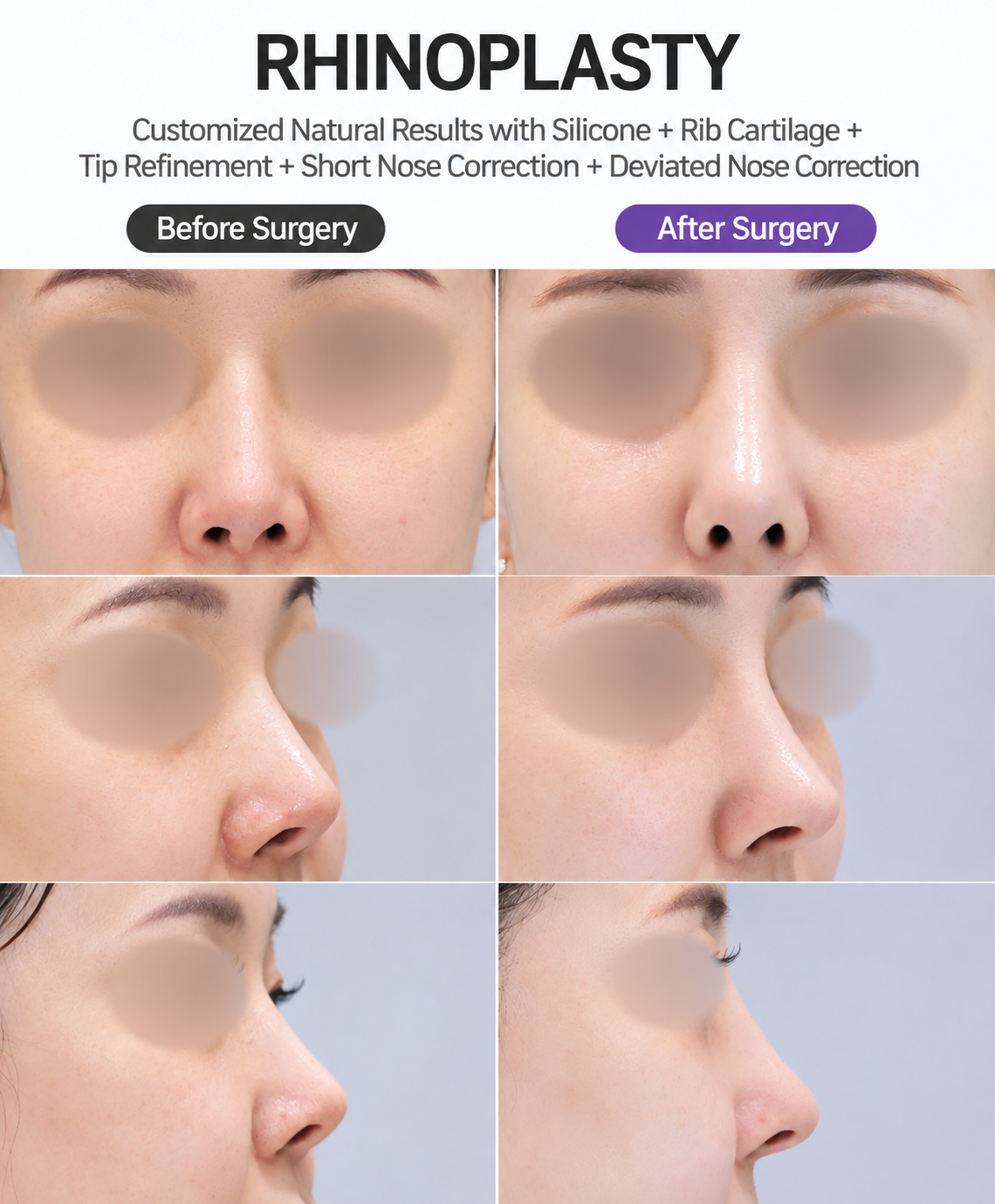
A collapsed nose refers to a condition in which the structural support of the nose has weakened or deteriorated, leading to changes in appearance, breathing function, or both. Treatment often involves reconstructive rhinoplasty techniques that restore stability, improve airflow, and create balanced facial proportions. Every case is unique, and surgical planning is based on the underlying cause and the patient's individual anatomy.
What Is a Collapsed Nose?
A collapsed nose can affect both the external appearance and the internal nasal structure.
Common characteristics may include:
- Flattened bridge
- Loss of projection
- Tip drooping
- Asymmetrical appearance
- Structural weakness
- Visible deformity
- Breathing difficulties
The severity can range from mild to significant.
Common Causes of Nasal Collapse
A variety of factors can contribute to structural collapse.
Possible causes include:
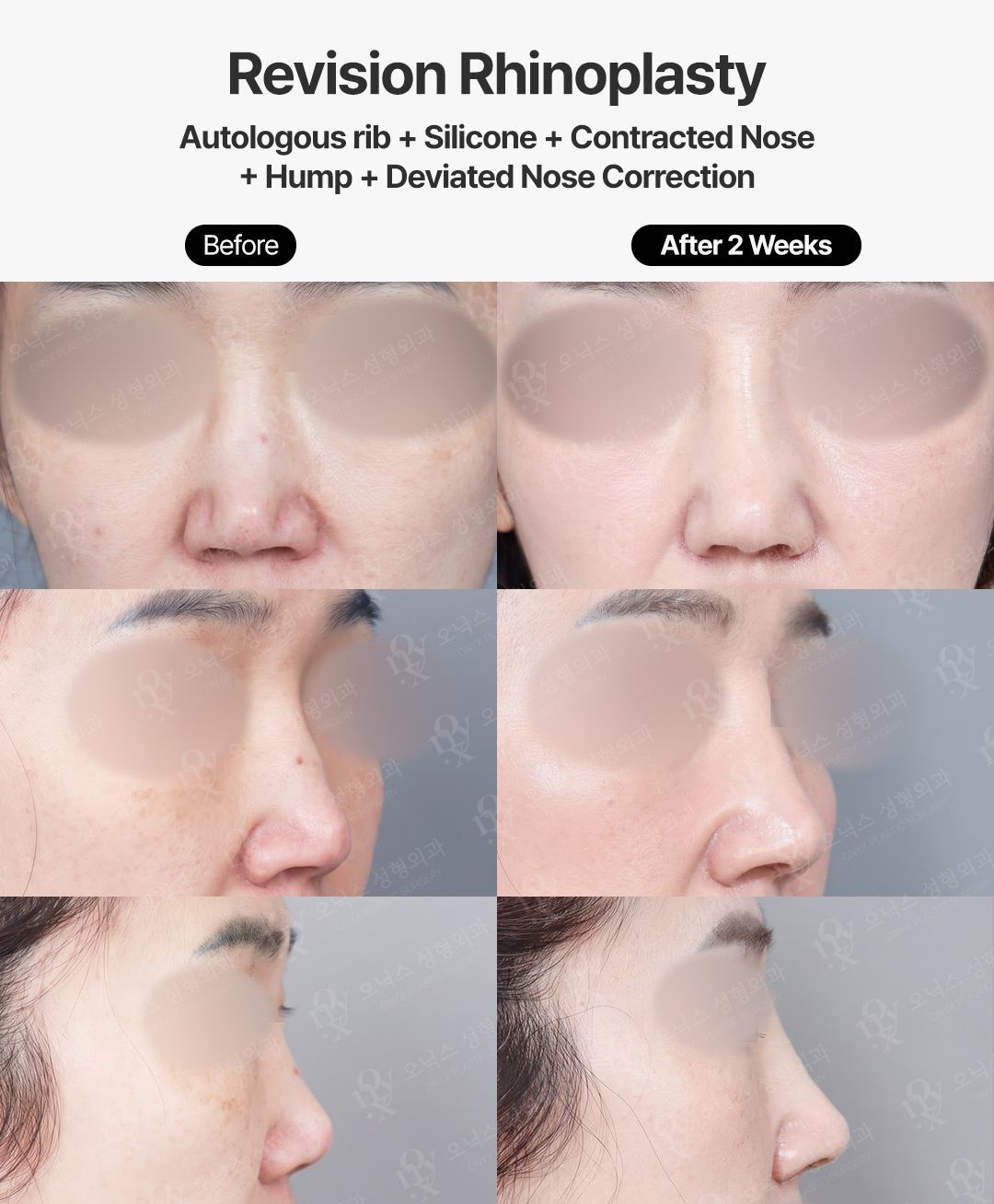
- Previous rhinoplasty
- Trauma or injury
- Infection
- Cartilage loss
- Congenital conditions
- Excessive tissue removal
- Long-term structural weakening
A comprehensive examination is necessary to determine the underlying problem.
Goals of Reconstructive Surgery
Treatment is designed to restore both appearance and function whenever possible.
Common objectives include:
- Structural reinforcement
- Better facial balance
- Improved breathing
- Restored projection
- Enhanced symmetry
- Long-term stability
- Natural-looking results
The surgical plan is customized for each patient.
Common Surgical Techniques
Several reconstructive methods may be combined during surgery.
These may include:
- Structural rhinoplasty
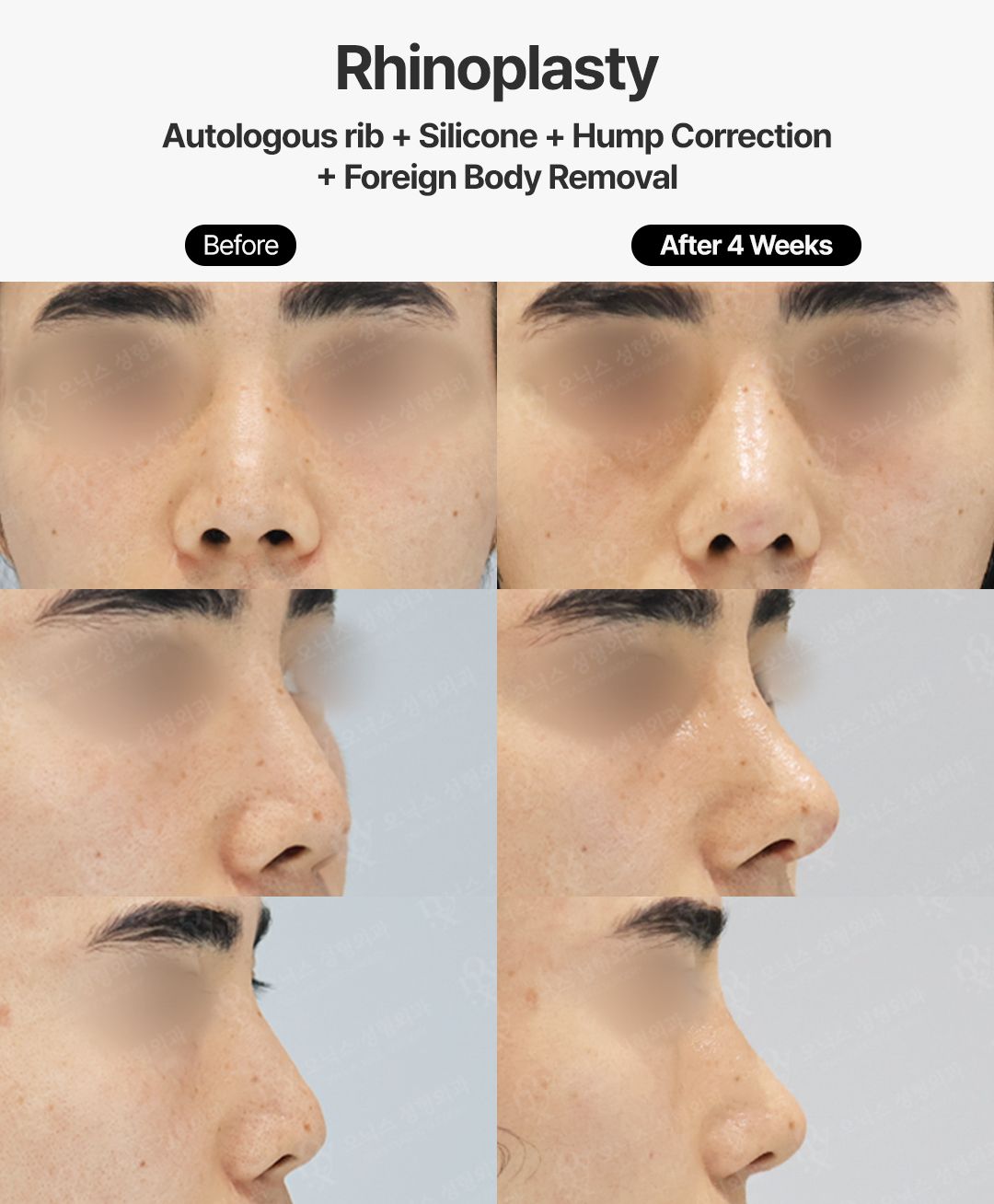
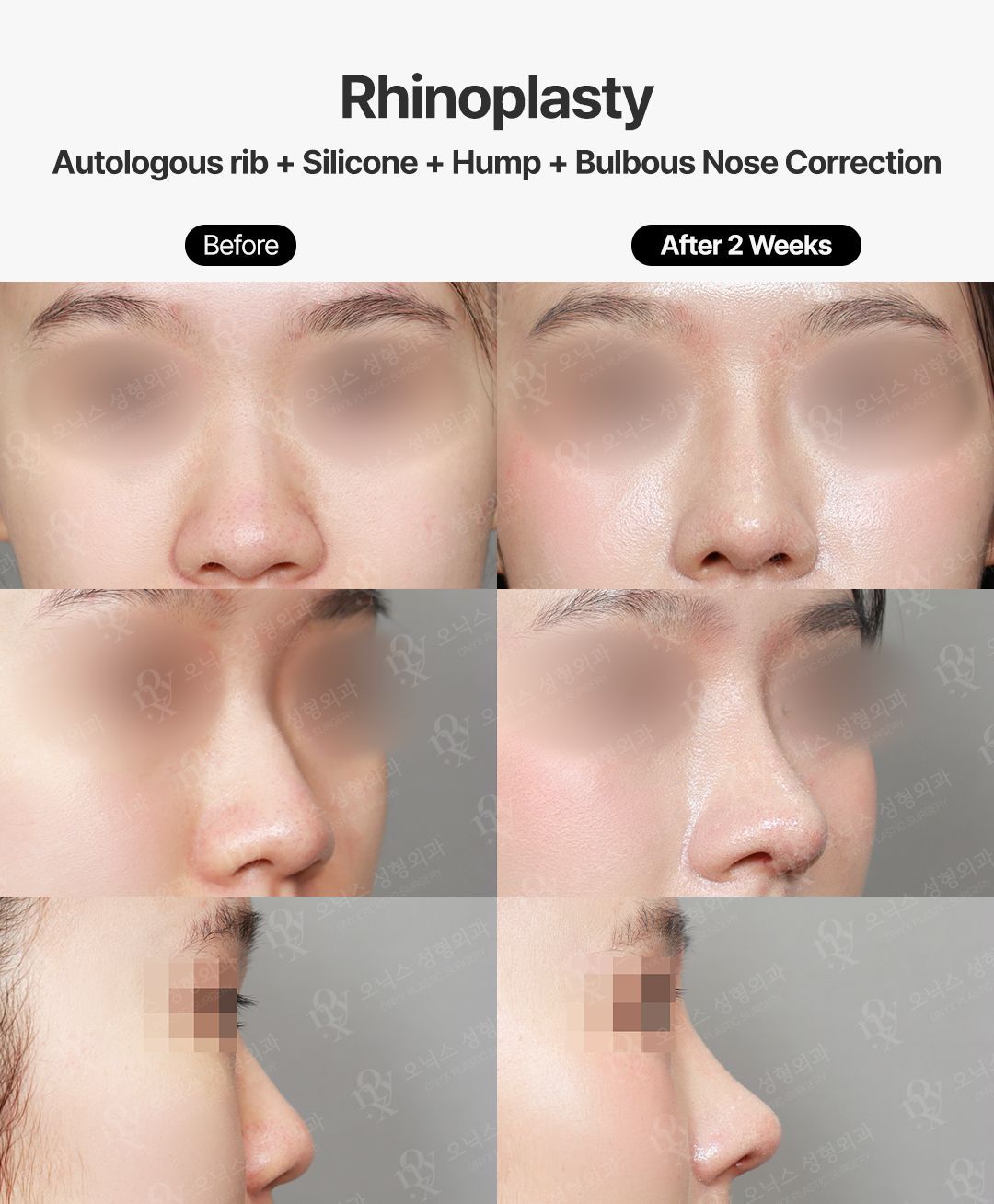
- Cartilage grafting
- Bridge reconstruction
- Tip support
- Septal reconstruction
- Functional correction
- Open rhinoplasty
The exact approach depends on the extent of the collapse.
Cartilage Grafting Options
Cartilage grafts often play a central role in rebuilding support.
Common sources include:
- Septal cartilage
- Ear cartilage
- Rib cartilage
These grafts may be used for:
- Bridge support
- Tip reconstruction
- Structural reinforcement
- Airway support
- Shape restoration
- Long-term stability
The choice depends on tissue availability and surgical complexity.
Functional Improvements
Many patients seek treatment to improve breathing as well as appearance.
Surgery may help address:
- Nasal obstruction
- Airflow limitation
- Internal valve collapse
- Structural instability
- Septal problems
- Functional asymmetry
- Support deficiencies
Functional goals should be discussed during consultation.
Recovery Expectations
Recovery depends on the complexity of the reconstruction.
Patients commonly experience:
- Swelling
- Mild bruising
- Temporary congestion
- Tip firmness
- Progressive healing
- Ongoing contour refinement
- Continued improvement over many months
Final results often become more apparent as healing progresses.
Questions to Ask During Your Consultation
Before surgery, consider discussing:
- The cause of the collapse
- Recommended reconstruction techniques
- Cartilage graft options
- Functional improvements
- Recovery timeline
- Potential risks
- Long-term stability
A thorough consultation helps establish realistic expectations and a personalized treatment plan.
Final Thoughts
Fixing a collapsed nose often requires advanced reconstructive techniques that restore structural support while improving both appearance and function. Through individualized planning, appropriate cartilage grafting, and careful surgical execution, patients can achieve balanced, stable, and natural-looking results that enhance facial harmony and support long-term nasal function.