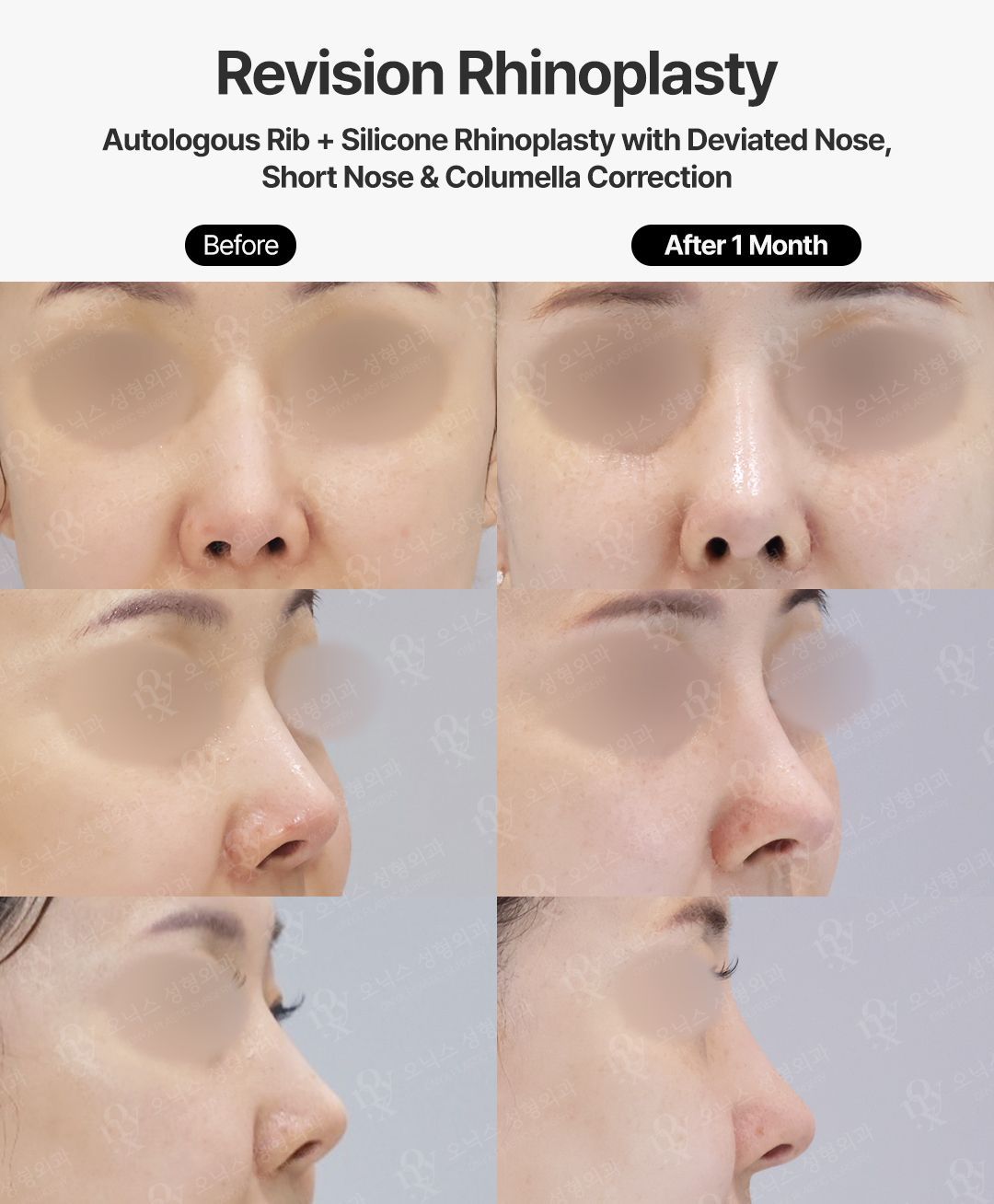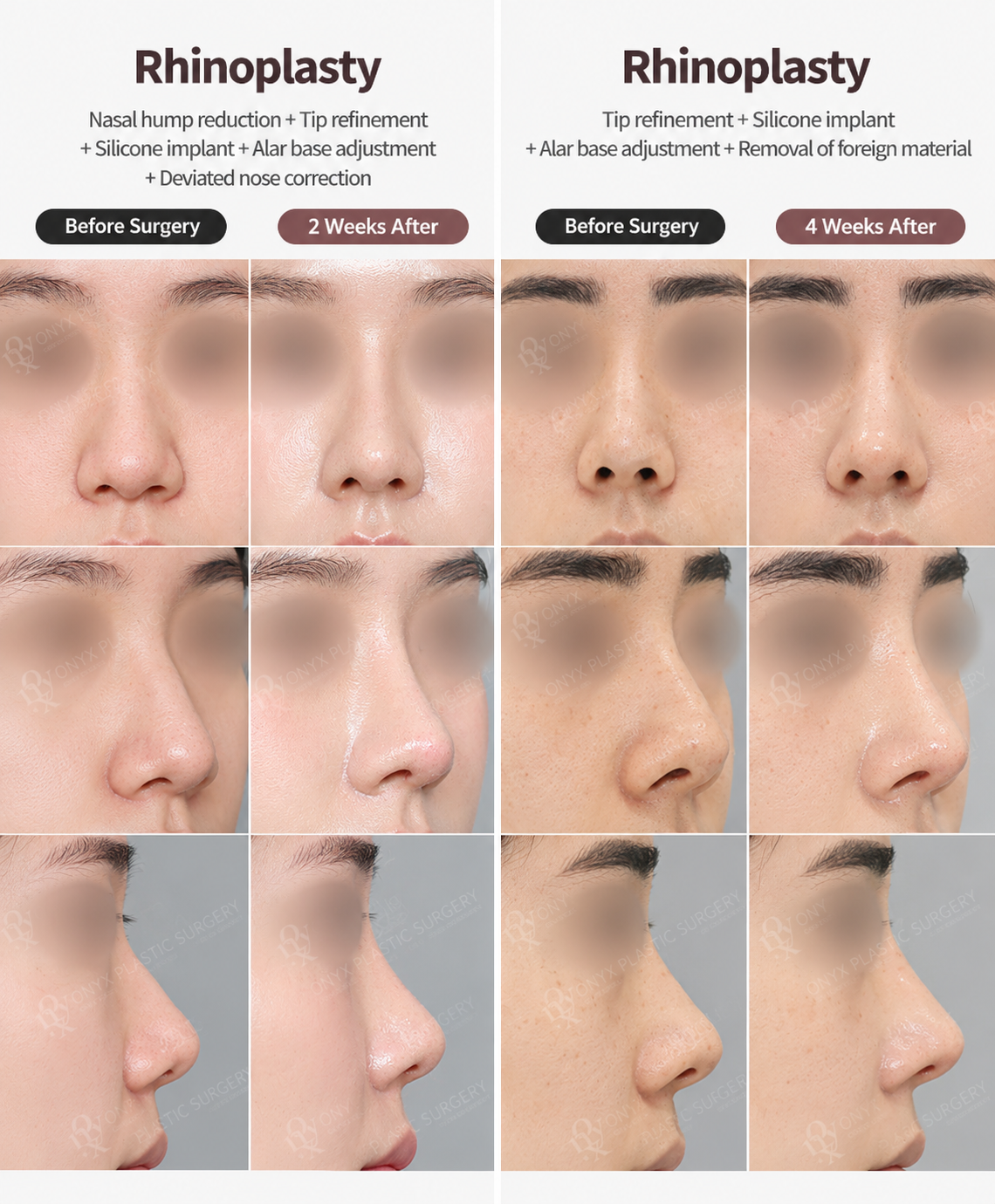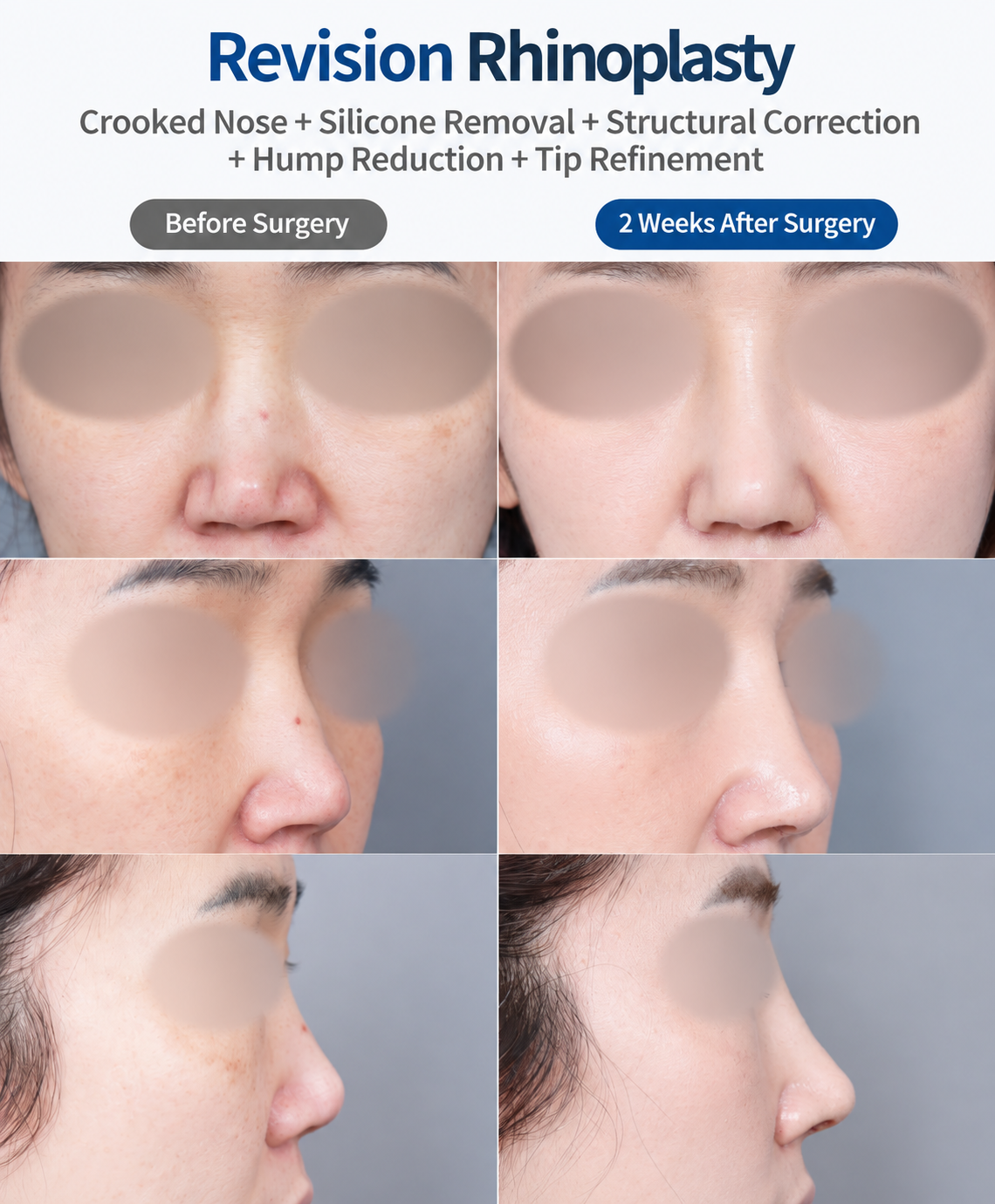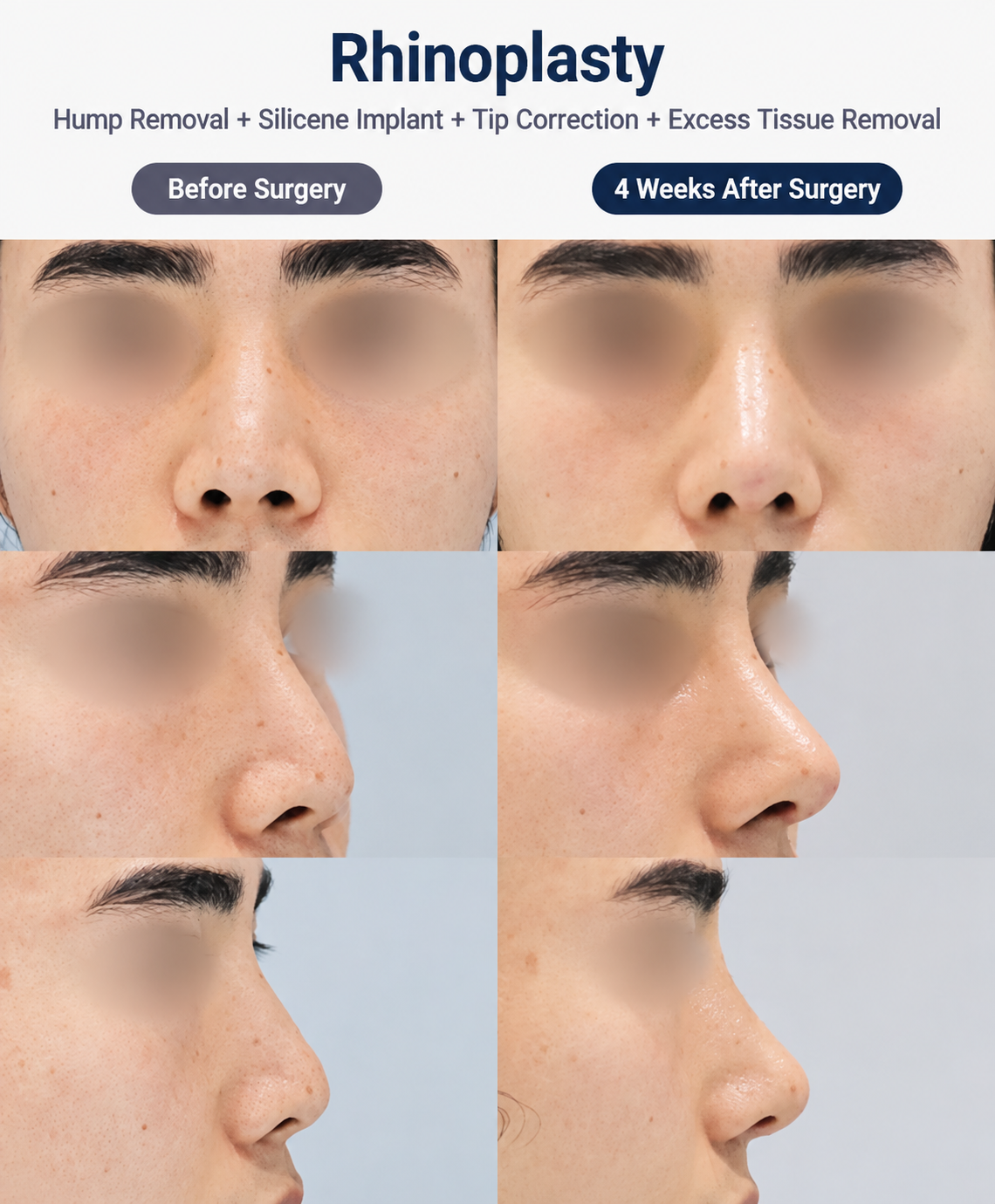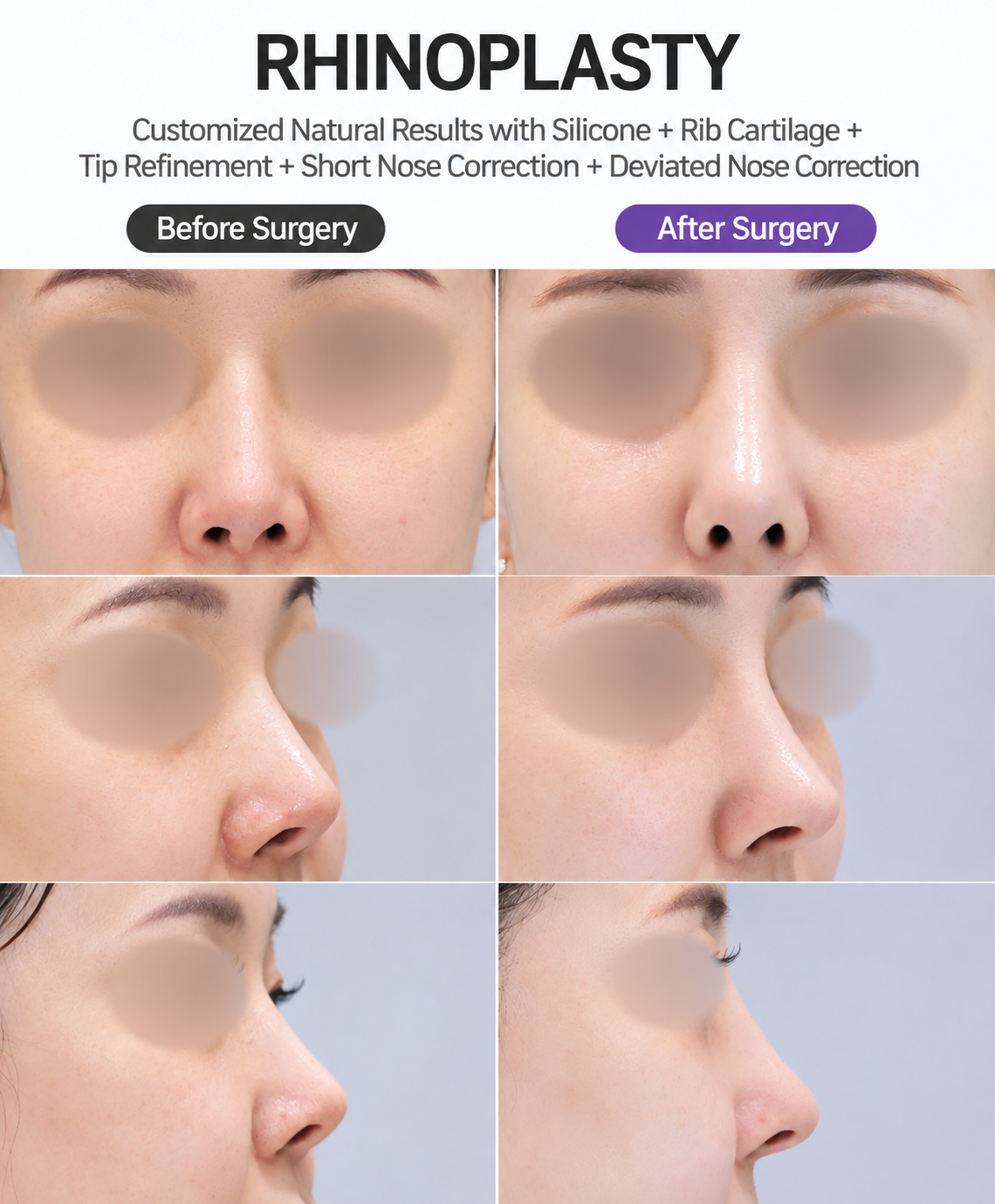
Fixing an Over-Projected Nose
Fixing an Over-Projected Nose
An over-projected nose extends farther from the face than desired, making the profile appear more prominent or unbalanced. Correction surgery is a specialized form of rhinoplasty that aims to improve facial harmony by adjusting nasal projection while preserving structural support and natural-looking proportions. Every surgical plan is customized to the patient's anatomy and aesthetic goals.
What Is an Over-Projected Nose?
An over-projected nose is one in which the nasal tip or overall nose extends excessively from the facial profile.
Common characteristics may include:
- Prominent side profile
- Excessive tip projection
- Long nasal appearance
- Strong forward extension
- Facial imbalance
- Visible profile dominance
- Disproportionate proportions
The degree of projection varies from person to person.
Common Goals of Surgery
Treatment focuses on creating a balanced and harmonious appearance rather than simply making the nose smaller.
Typical objectives include:
- Reduced projection
- Improved facial balance
- Better profile harmony
- Refined nasal tip
- Natural-looking proportions
- Enhanced symmetry
- Long-term structural stability
Goals should be individualized for each patient.
Common Surgical Techniques
The surgical approach depends on the underlying anatomy and the amount of correction needed.
Possible techniques include:
- Tip refinement
- Cartilage reshaping
- Structural rhinoplasty
- Tip repositioning
- Cartilage grafting
- Open rhinoplasty
- Closed rhinoplasty
Multiple methods may be combined to achieve stable and balanced results.
Maintaining Structural Support
Reducing projection should not compromise the strength of the nose.
Modern surgical planning often emphasizes:
- Tip support
- Structural reinforcement
- Cartilage preservation
- Functional stability
- Long-term durability
- Balanced contour
- Natural appearance
Proper support helps maintain both appearance and nasal function.
Can It Be Combined With Other Procedures?
Over-projected nose correction is often performed alongside additional rhinoplasty techniques.
These may include:
- Hump reduction
- Bridge refinement
- Tip reshaping
- Alar reduction
- Septoplasty
- Functional rhinoplasty
- Revision rhinoplasty
A combined approach may provide a more harmonious overall result.
Recovery Expectations
Healing is gradual and varies among individuals.
Patients commonly experience:
- Swelling
- Mild bruising
- Temporary congestion
- Tip firmness
- Progressive contour refinement
- Gradual reduction in swelling
- Continued healing over several months
The final appearance develops as tissues continue to settle.
Factors That Influence Results
Several factors can affect both the procedure and the recovery process.
Important considerations include:
- Skin thickness
- Cartilage quality
- Existing nasal structure
- Facial proportions
- Healing response
- Previous surgery
- Postoperative care
A personalized assessment helps determine the most appropriate surgical strategy.
Questions to Ask During Your Consultation
Before proceeding with surgery, consider discussing:
- The recommended surgical technique
- Expected changes in projection
- Need for cartilage grafting
- Recovery timeline
- Potential risks
- Functional considerations
- Long-term follow-up care
Clear communication helps establish realistic expectations and an individualized treatment plan.
Final Thoughts
Fixing an over-projected nose involves more than simply reducing its size—it requires careful planning to maintain structural integrity and achieve facial harmony. Through personalized surgical techniques and thoughtful reconstruction, patients can achieve balanced, natural-looking, and long-lasting results that complement their unique facial features while preserving nasal function.