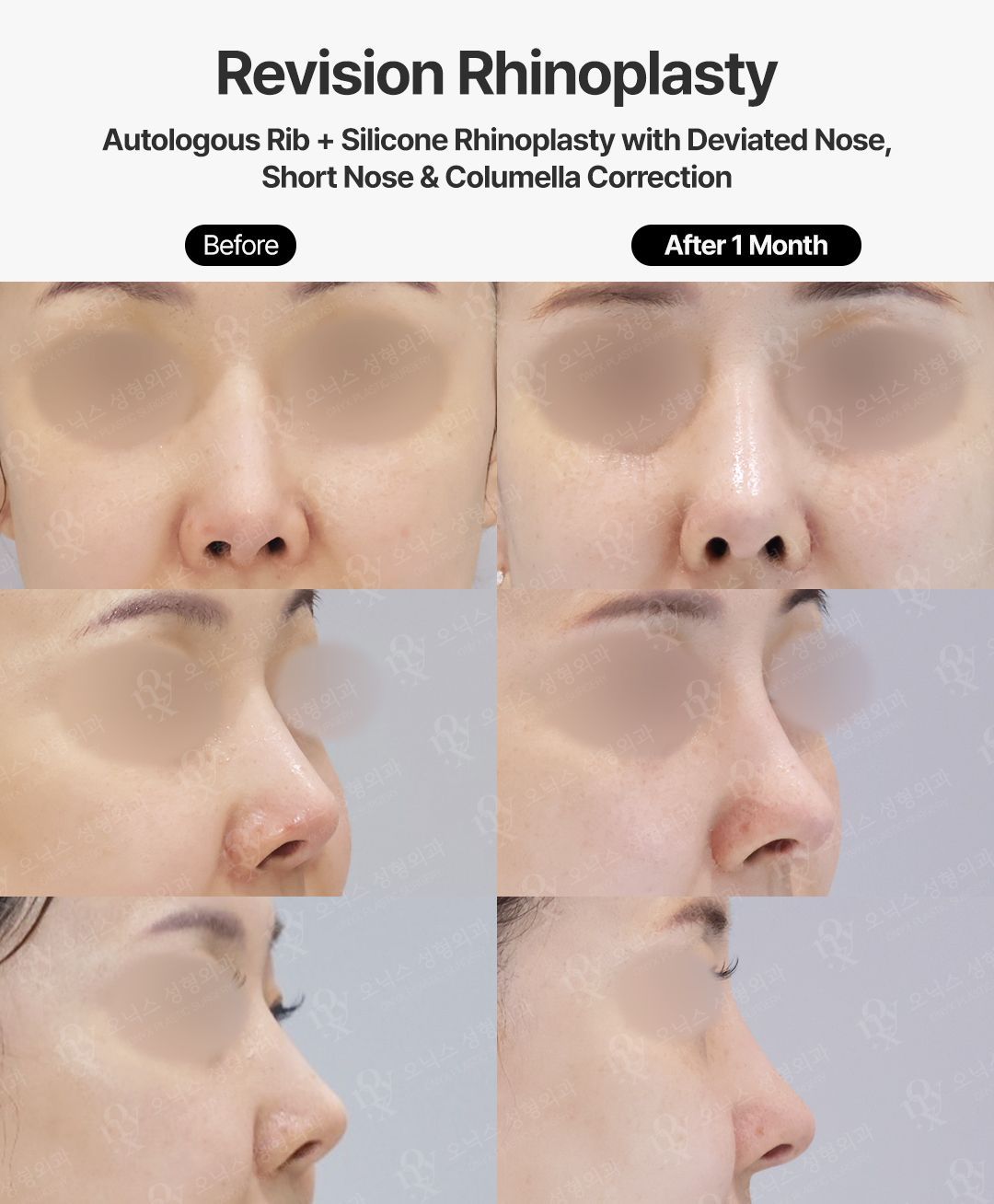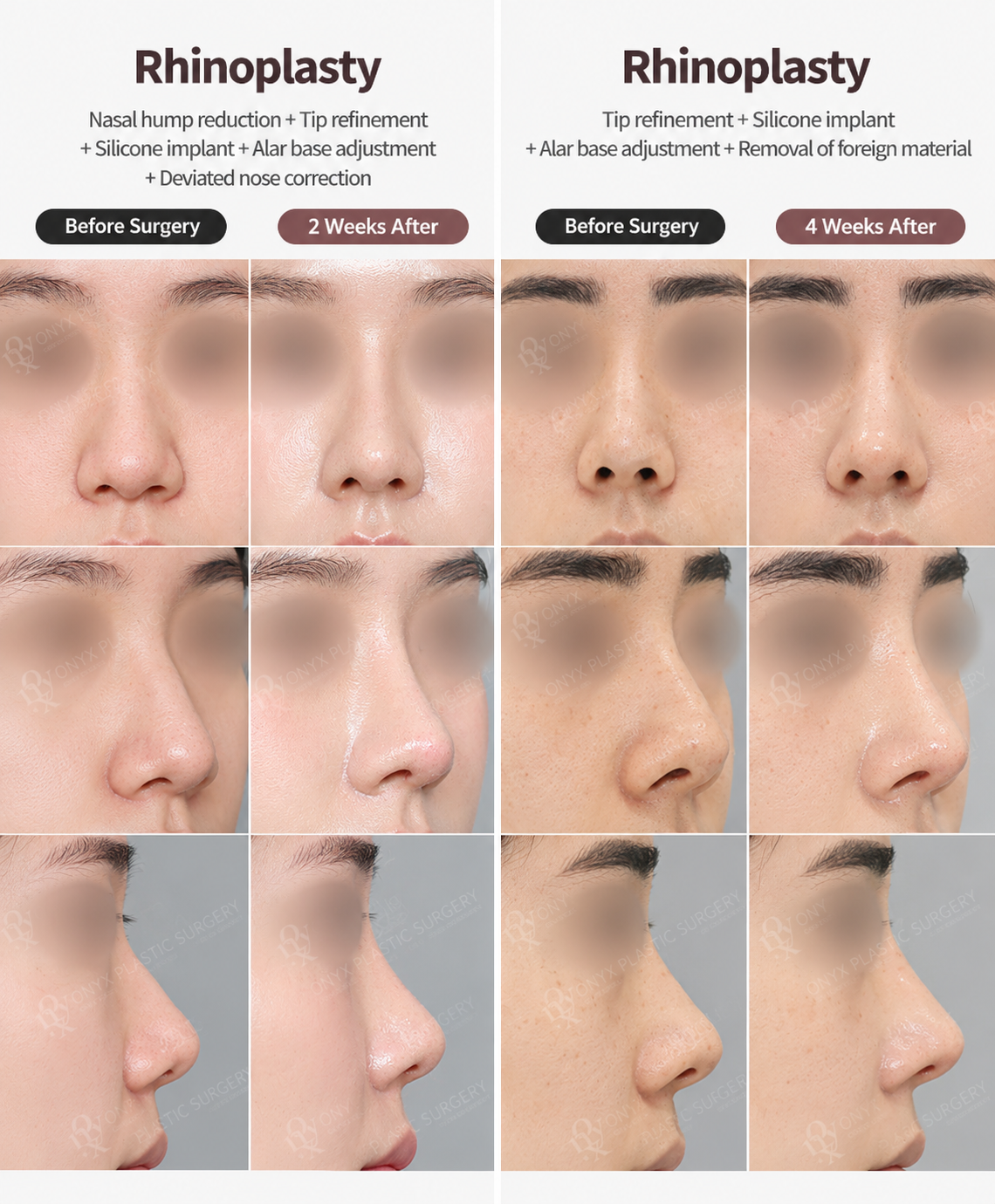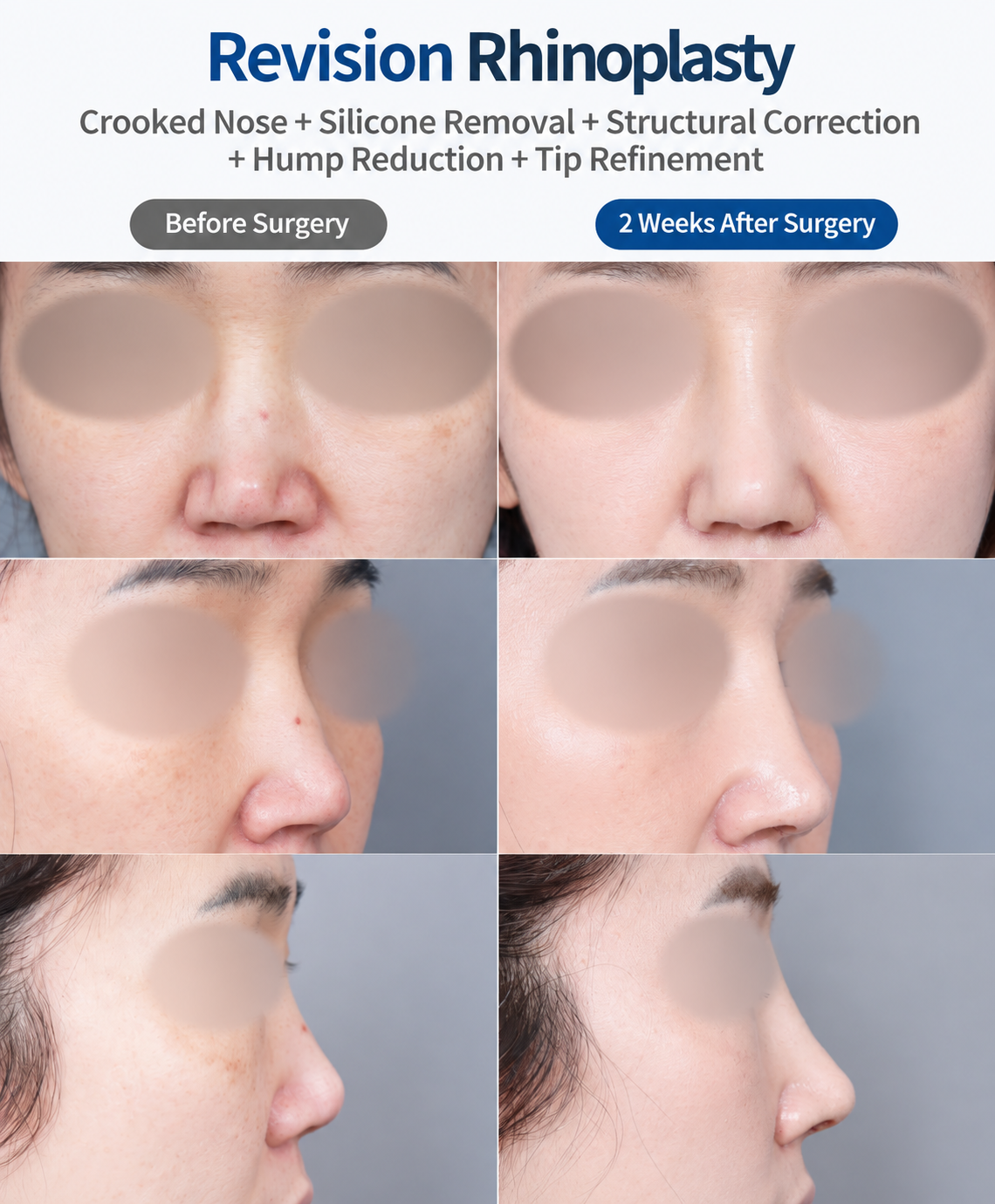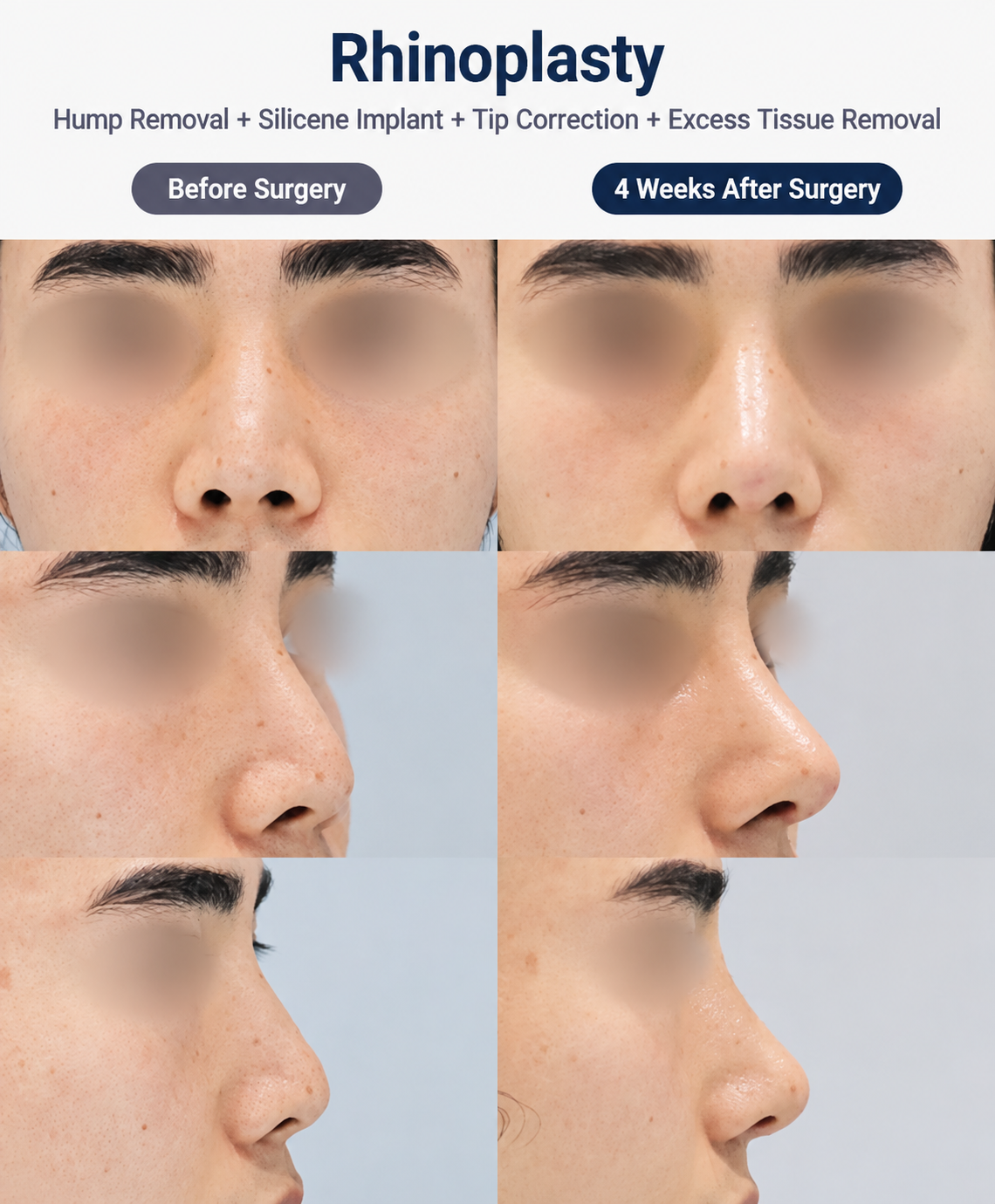
Correcting an Upturned Nose
Correcting an Upturned Nose
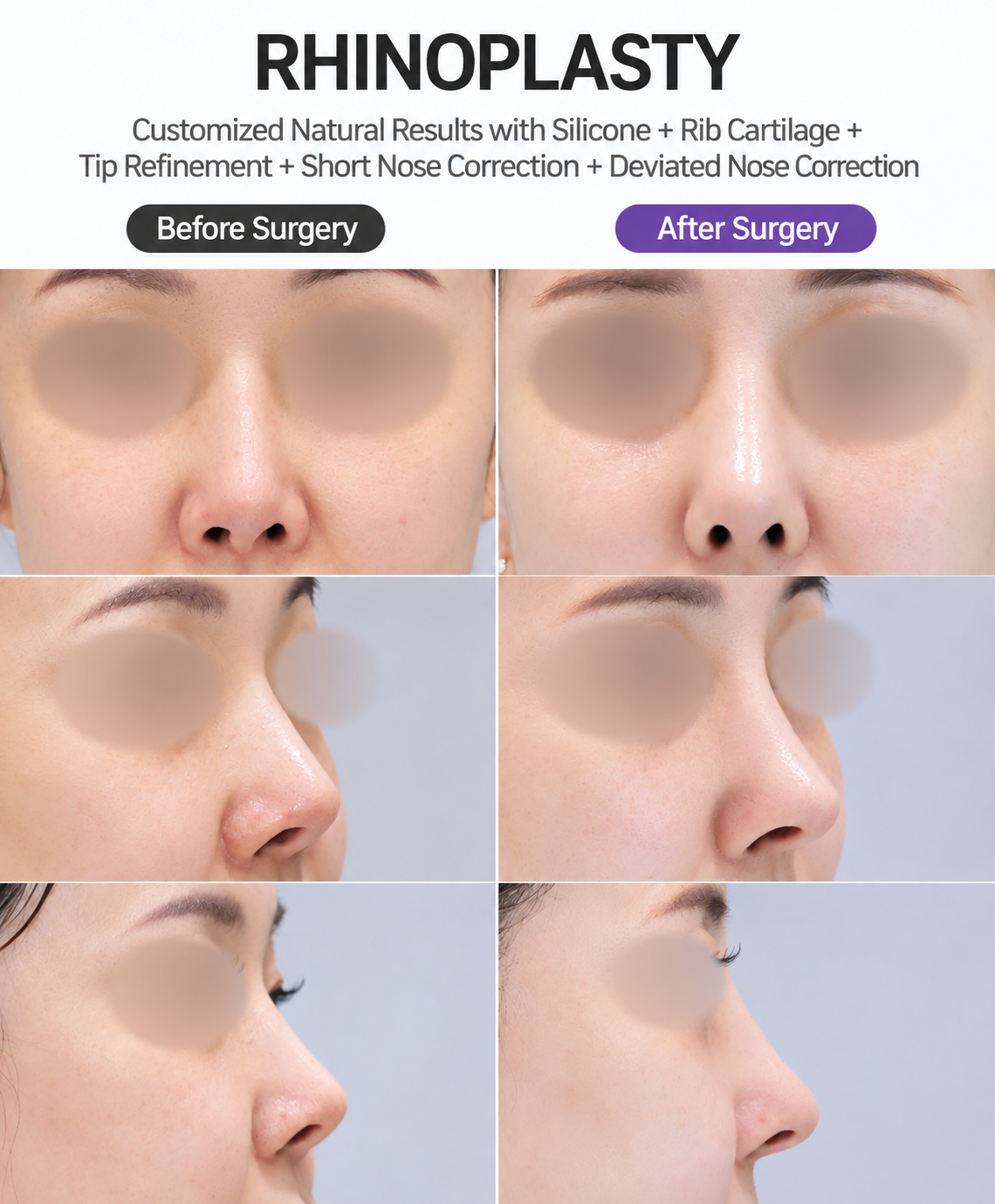
An upturned nose is characterized by a nasal tip that rotates upward, making the nostrils more visible from the front or side. While some people naturally have this feature and are happy with it, others may seek correction to achieve a different balance or profile. Modern rhinoplasty techniques focus on creating natural-looking proportions while preserving structural support and nasal function.
What Is an Upturned Nose?
An upturned nose can vary in appearance and severity depending on individual anatomy.
Common characteristics include:
- Elevated nasal tip
- Increased nostril visibility
- Shorter nasal appearance
- Tip rotation
- Prominent front view
- Profile imbalance
- Reduced nasal length
Every patient's anatomy is unique and requires individualized evaluation.
Common Causes of an Upturned Nose
The condition may be present naturally or develop over time.
Possible causes include:
- Genetic factors
- Congenital anatomy
- Previous rhinoplasty
- Trauma
- Structural weakness
- Scar tissue
- Loss of cartilage support
Identifying the underlying cause helps determine the most appropriate treatment plan.
Goals of Surgical Correction
Treatment is designed to improve facial harmony while maintaining a natural appearance.
Common objectives include:
- Lowering the nasal tip
- Reducing nostril visibility
- Increasing perceived nasal length
- Improving profile balance
- Enhancing symmetry
- Restoring structural support
- Achieving natural-looking results
The desired outcome should reflect each patient's personal goals.
Common Surgical Techniques
The surgical approach depends on the anatomy and severity of the condition.
Possible techniques include:
- Tip repositioning
- Structural rhinoplasty
- Cartilage grafting
- Tip extension grafts
- Cartilage reshaping
- Open rhinoplasty
- Revision techniques when necessary
Multiple methods may be combined to create stable and balanced results.
The Role of Cartilage Grafting
Cartilage grafts are often used to provide support and improve long-term stability.
Common sources include:
- Septal cartilage
- Ear cartilage
- Rib cartilage
These grafts may help with:
- Tip support
- Nasal lengthening
- Structural reinforcement
- Shape refinement
- Functional stability
- Revision reconstruction
The choice depends on available tissue and surgical complexity.
Recovery Expectations
Healing occurs gradually and varies between patients.
Common postoperative experiences include:
- Swelling
- Mild bruising
- Temporary congestion
- Tip firmness
- Progressive contour refinement
- Gradual reduction in swelling
- Continued healing over several months
The final appearance develops as the tissues continue to settle.
Factors That Influence Results
Several factors may affect both surgery and recovery.
These include:
- Skin thickness
- Cartilage quality
- Existing nasal structure
- Facial proportions
- Healing response
- Previous surgery
- Postoperative care
Personalized planning helps optimize both cosmetic and functional outcomes.
Questions to Ask During Your Consultation
Before surgery, consider discussing:
- The cause of the upturned appearance
- Recommended surgical techniques
- Need for cartilage grafting
- Expected changes in tip position
- Recovery timeline
- Potential risks
- Long-term follow-up care
A detailed consultation helps establish realistic expectations and an individualized treatment plan.
Final Thoughts
Correcting an upturned nose requires careful surgical planning to achieve balanced proportions while preserving structural integrity and natural facial harmony. Through personalized techniques and appropriate support, rhinoplasty can create refined, stable, and long-lasting results that complement each patient's unique facial features and functional needs.