Correcting Implant Complications
Correcting Implant Complications
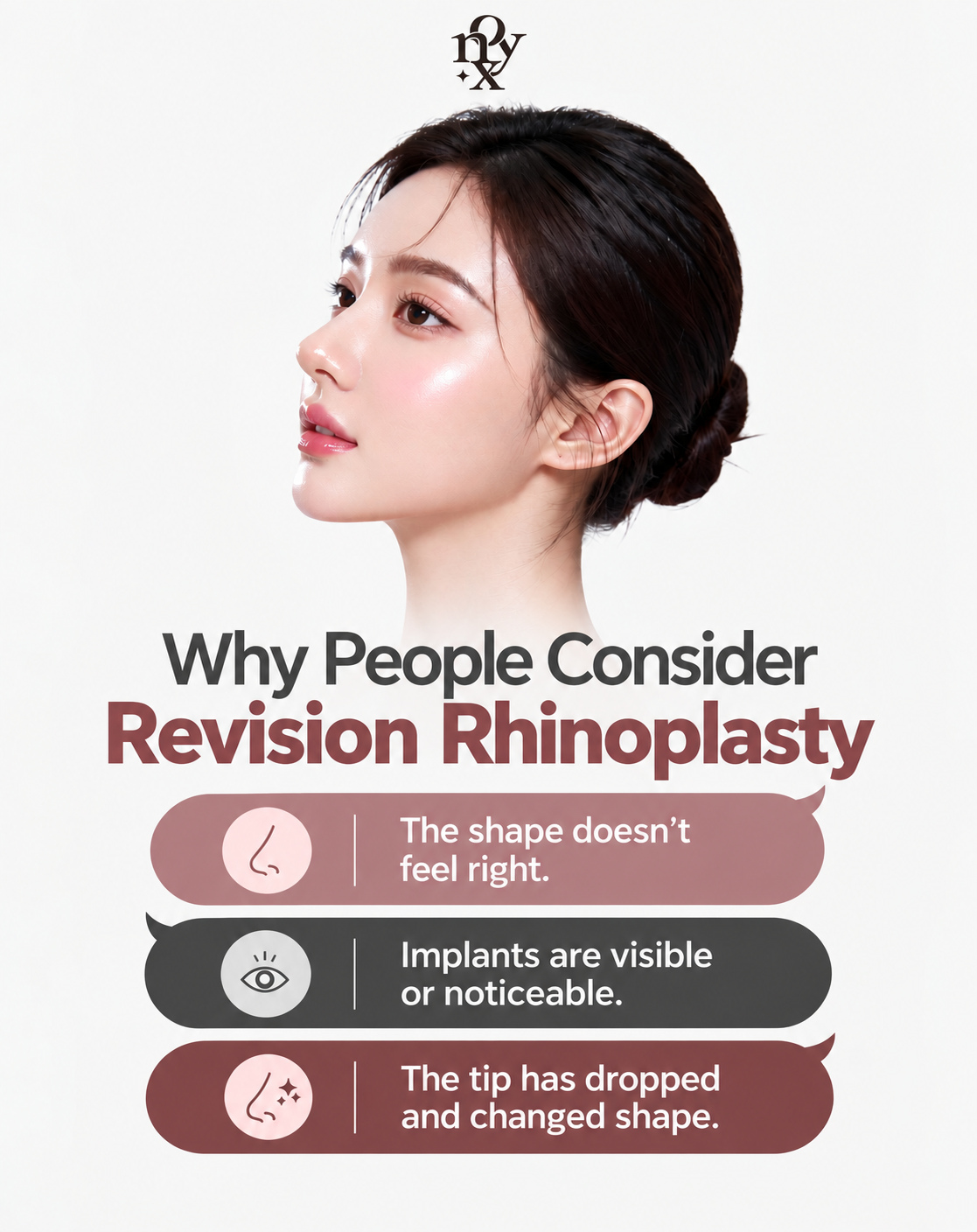
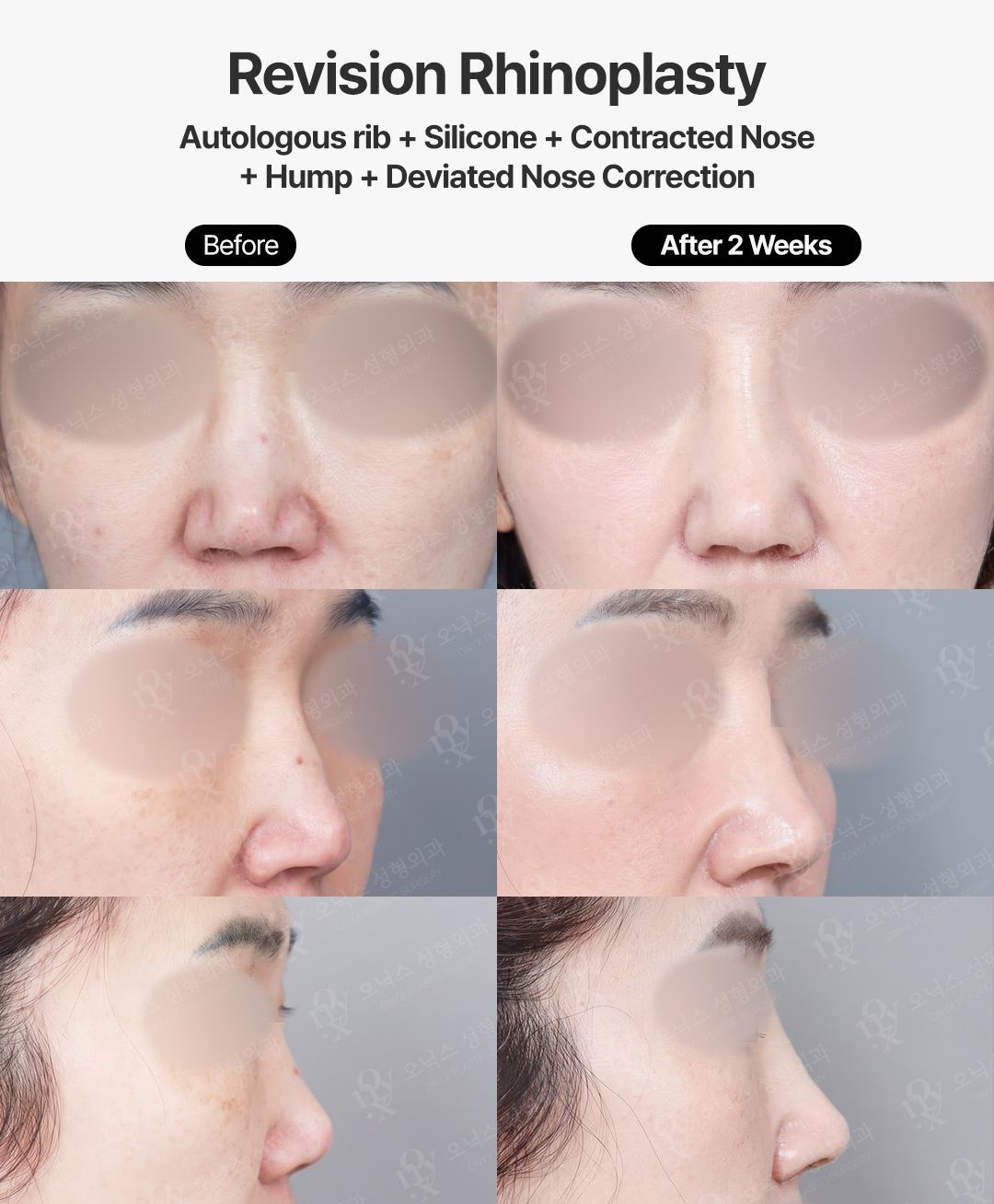
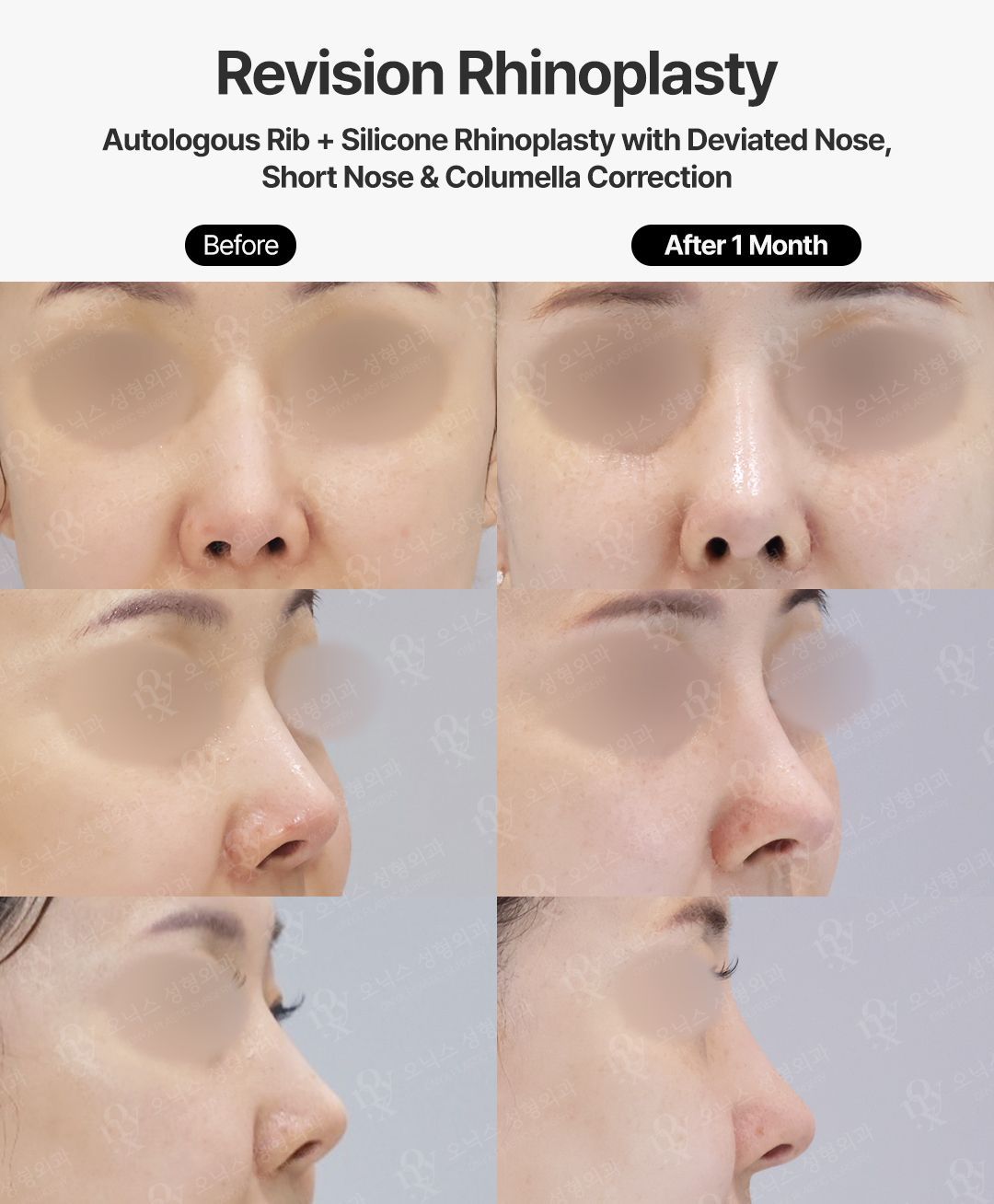
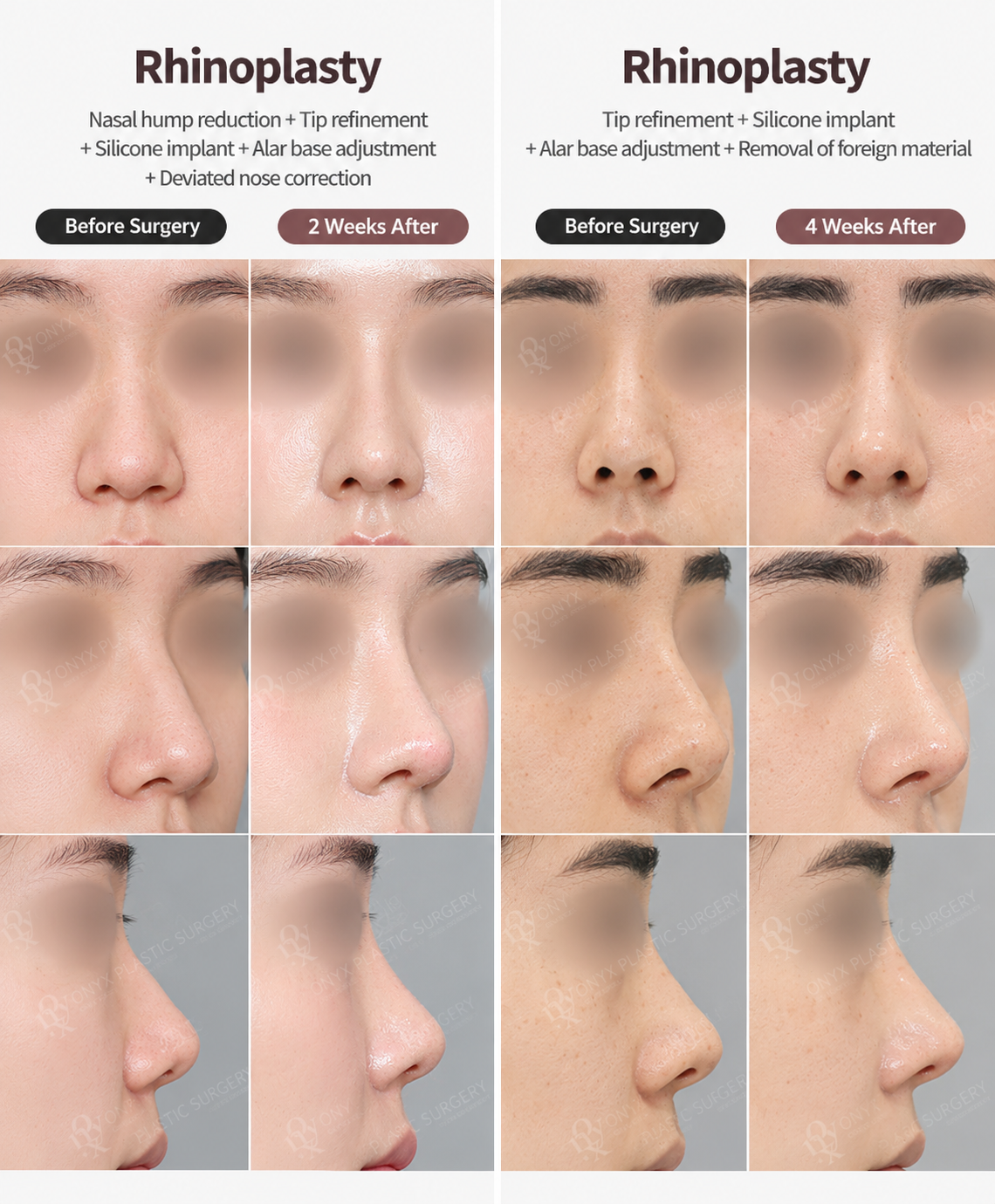
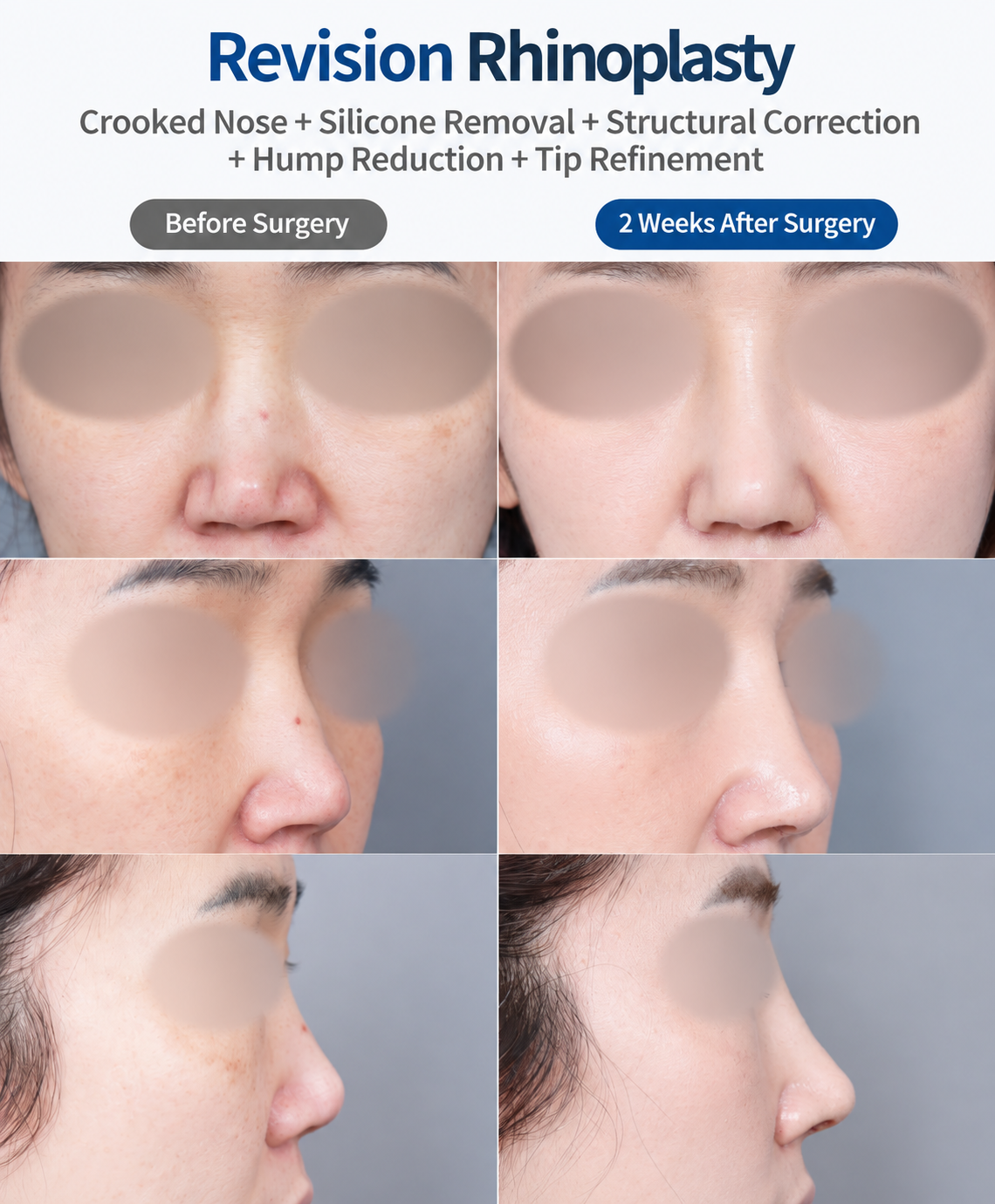
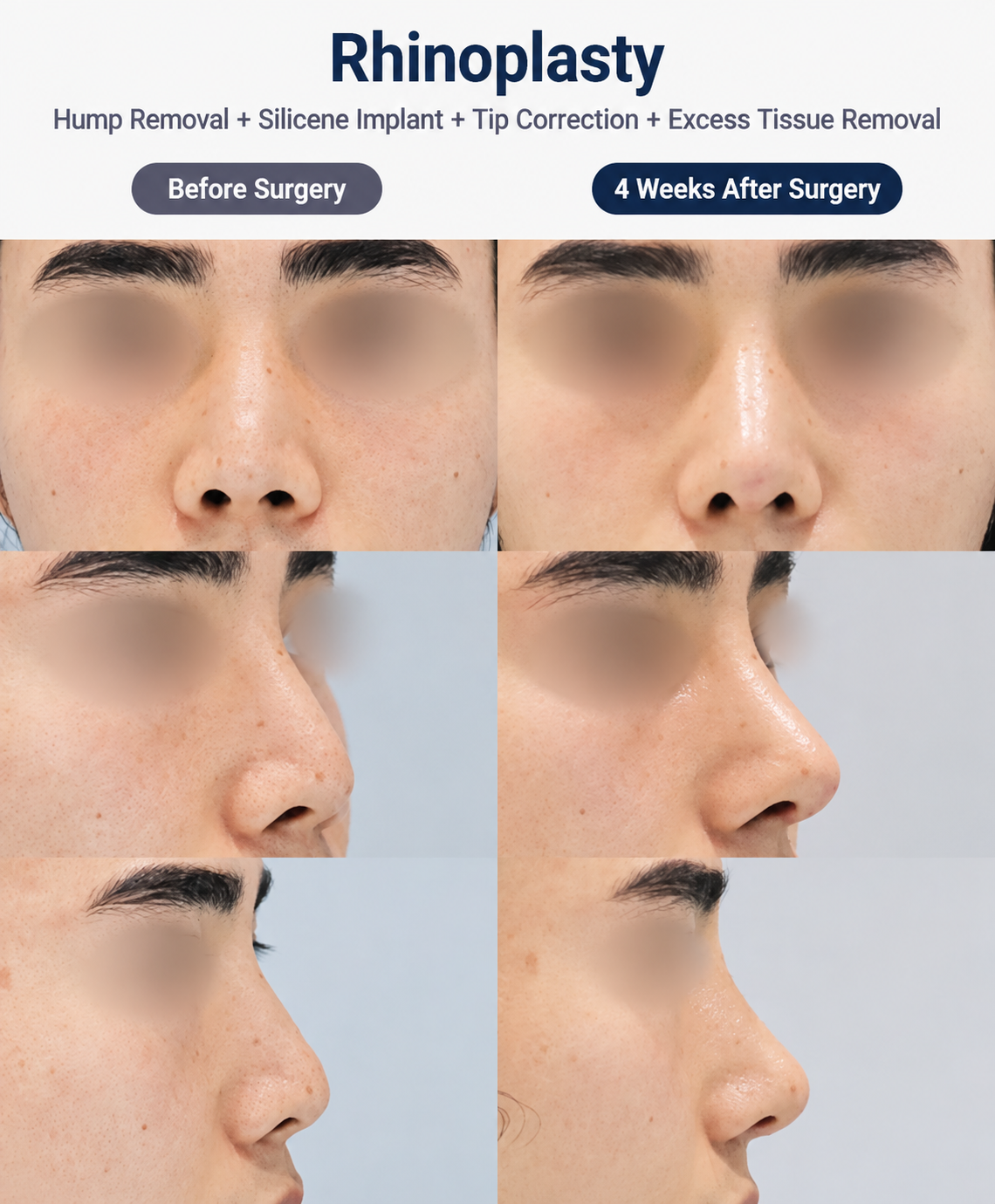
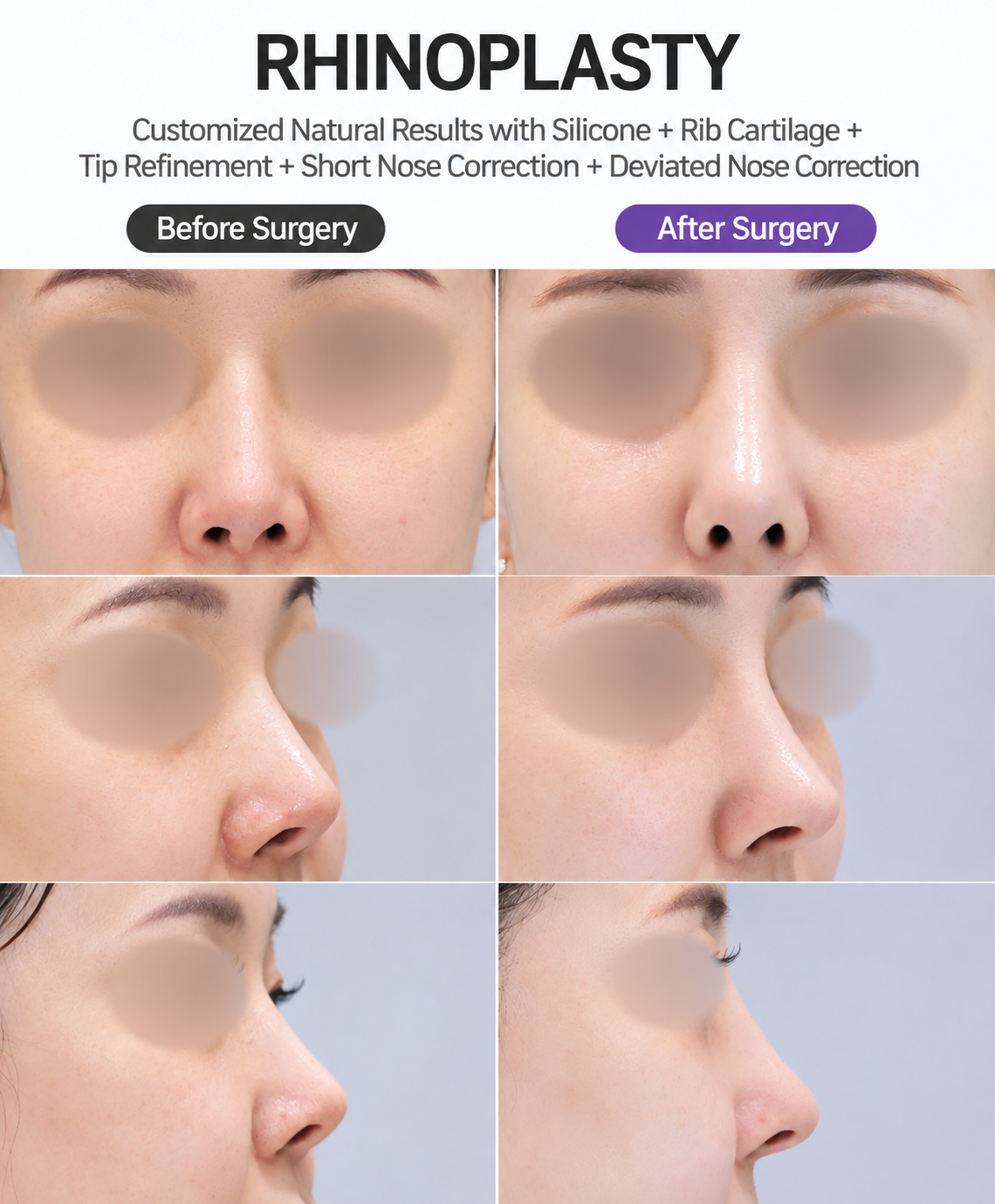
Implant-related complications after rhinoplasty can affect both the appearance and function of the nose. While many patients experience successful long-term outcomes, some may require revision surgery to address issues such as implant displacement, infection, visible contours, or structural changes. Treatment should always be individualized and based on a thorough evaluation of the underlying problem.
Common Implant-Related Complications
The type and severity of complications can vary from patient to patient.
Possible concerns include:
- Implant displacement
- Visible implant edges
- Asymmetry
- Infection
- Skin thinning
- Unnatural contours
- Structural instability
Not every concern requires the same treatment approach.
Signs That Require Medical Evaluation
Patients should seek professional assessment if they notice unusual or persistent changes.
Potential warning signs include:
- Persistent pain
- Increasing redness
- Swelling that worsens over time
- Implant movement
- Skin changes
- Drainage
- Breathing difficulties
Prompt evaluation can help identify the cause and determine appropriate management.
Causes of Implant Complications
A variety of factors may contribute to implant-related issues.
These may include:
- Previous surgery
- Trauma
- Infection
- Healing differences
- Implant positioning
- Scar tissue changes
- Structural weakness
A detailed examination is necessary to identify the underlying cause.
Revision Surgery Options
Treatment depends on the specific complication and the patient's anatomy.
Possible surgical approaches include:
- Implant repositioning
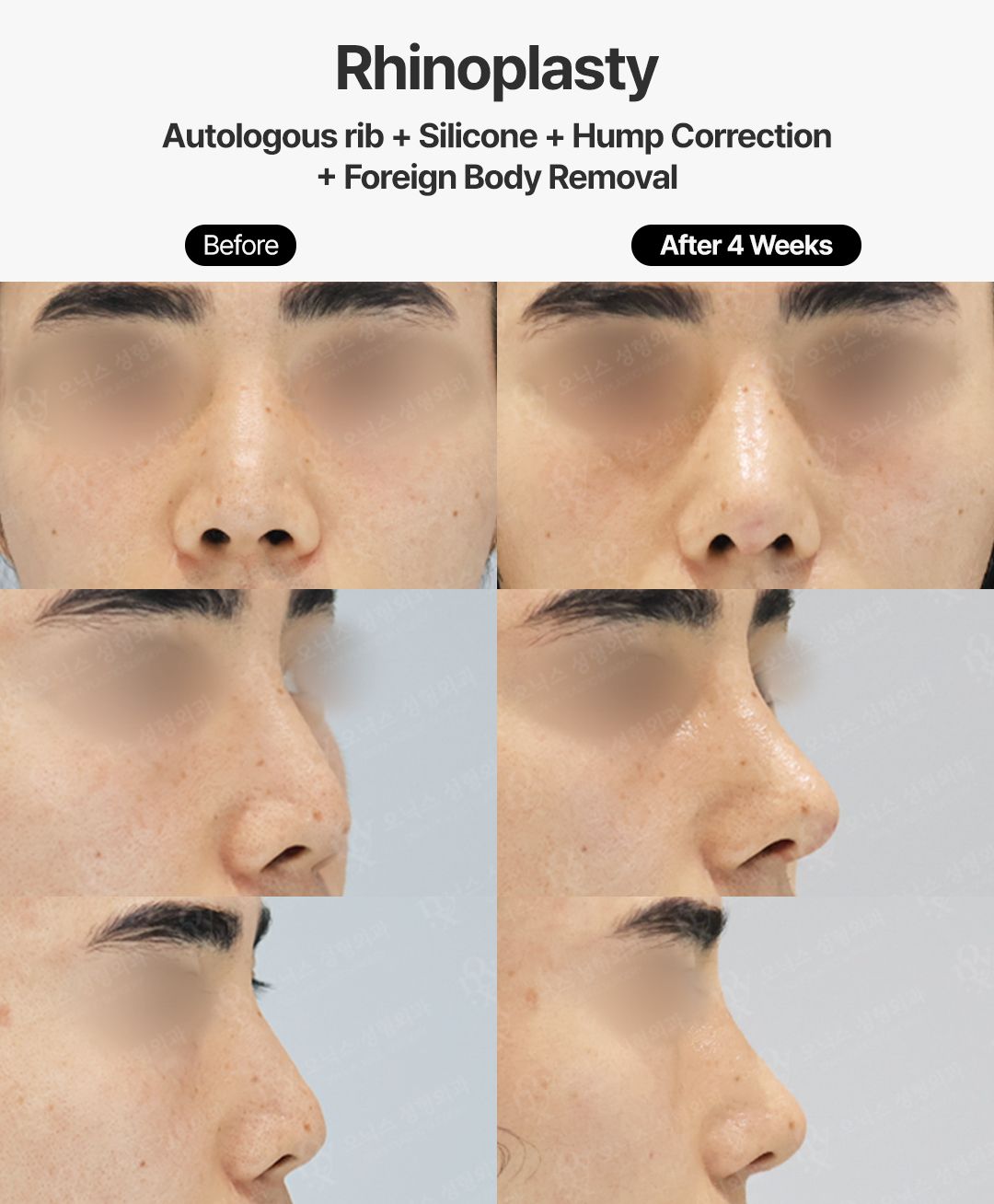
- Implant removal
- Implant replacement
- Structural rhinoplasty
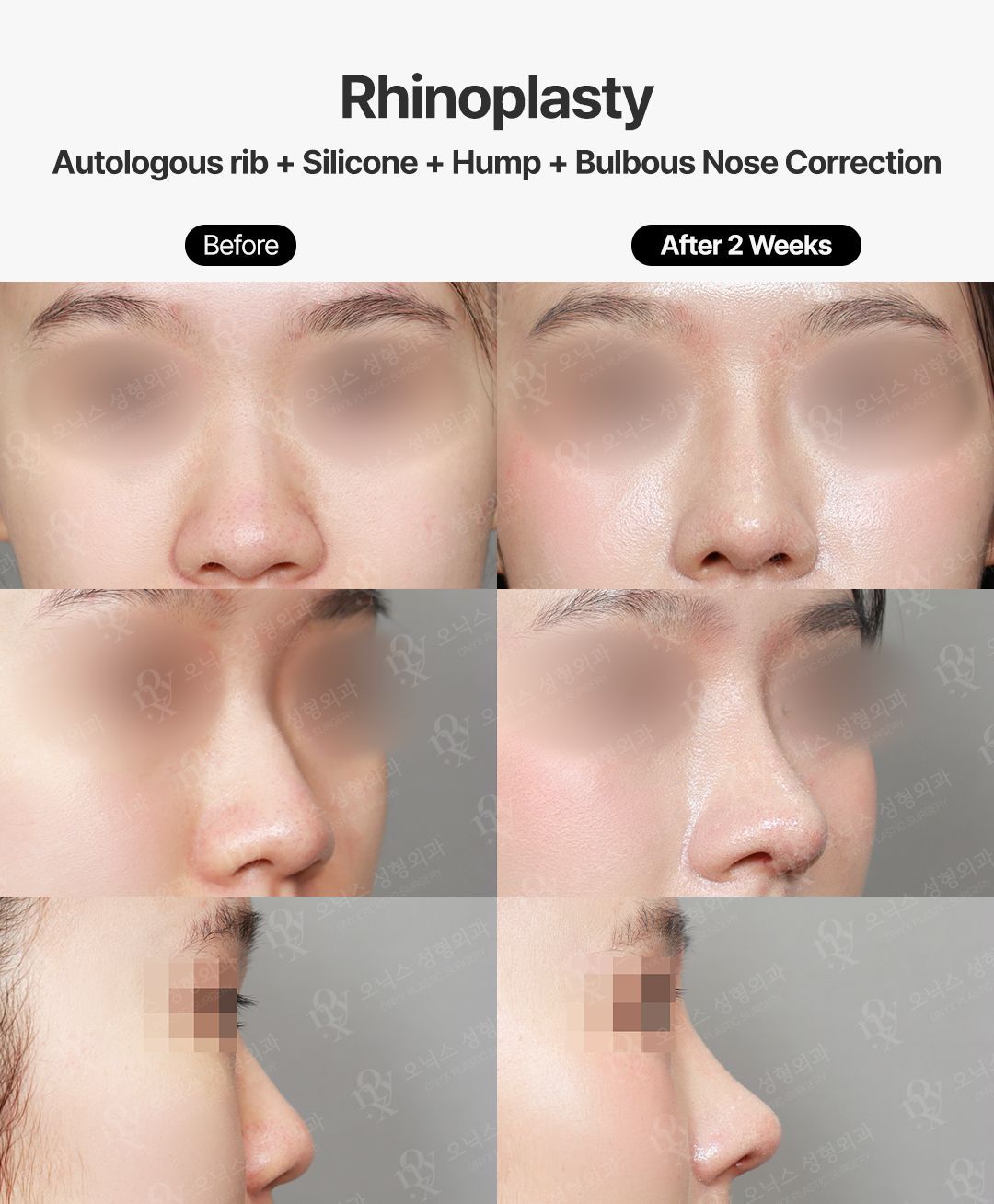
- Cartilage grafting
- Bridge reconstruction
- Functional correction
The surgical plan should be tailored to each individual case.
The Role of Cartilage Grafting
Cartilage grafts are commonly used to restore support and improve long-term stability.
Potential sources include:
- Septal cartilage
- Ear cartilage
- Rib cartilage
These grafts may be used for:
- Structural reinforcement
- Tip support
- Bridge reconstruction
- Shape refinement
- Functional improvement
- Revision surgery
The choice depends on tissue availability and reconstruction needs.
Recovery Expectations
Recovery after implant correction varies depending on the complexity of the procedure.
Patients may experience:
- Swelling
- Mild bruising
- Temporary congestion
- Tenderness
- Progressive healing
- Ongoing contour refinement
- Continued improvement over several months
Final results develop gradually as healing progresses.
Reducing the Risk of Future Problems
Long-term planning plays an important role in revision surgery.
Important considerations include:
- Personalized surgical planning
- Structural support
- Appropriate material selection
- Careful postoperative care
- Regular follow-up
- Protection from trauma
- Realistic expectations
A comprehensive approach may help improve long-term outcomes.
Questions to Ask During Your Consultation
Before revision surgery, consider discussing:
- The cause of the complication
- Available treatment options
- Whether implant removal is recommended
- Need for cartilage grafting
- Recovery timeline
- Potential risks
- Long-term follow-up care
Clear communication helps establish realistic expectations and a personalized treatment plan.
Final Thoughts
Correcting implant complications often requires careful evaluation and individualized surgical planning to restore both appearance and structural stability. Depending on the underlying issue, revision surgery may involve implant removal, replacement, reconstruction, or cartilage grafting to achieve balanced, natural-looking, and long-lasting results while preserving or improving nasal function.