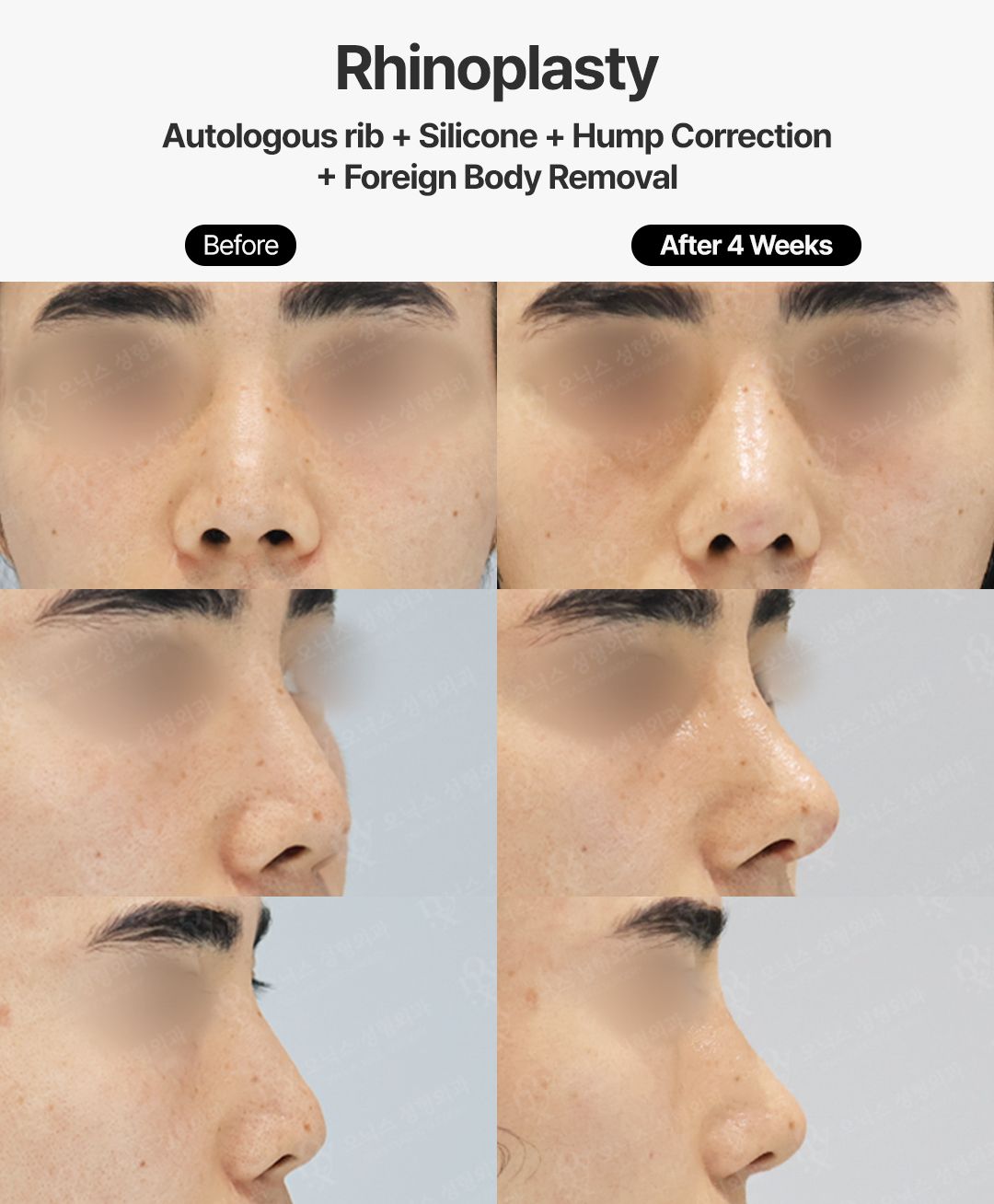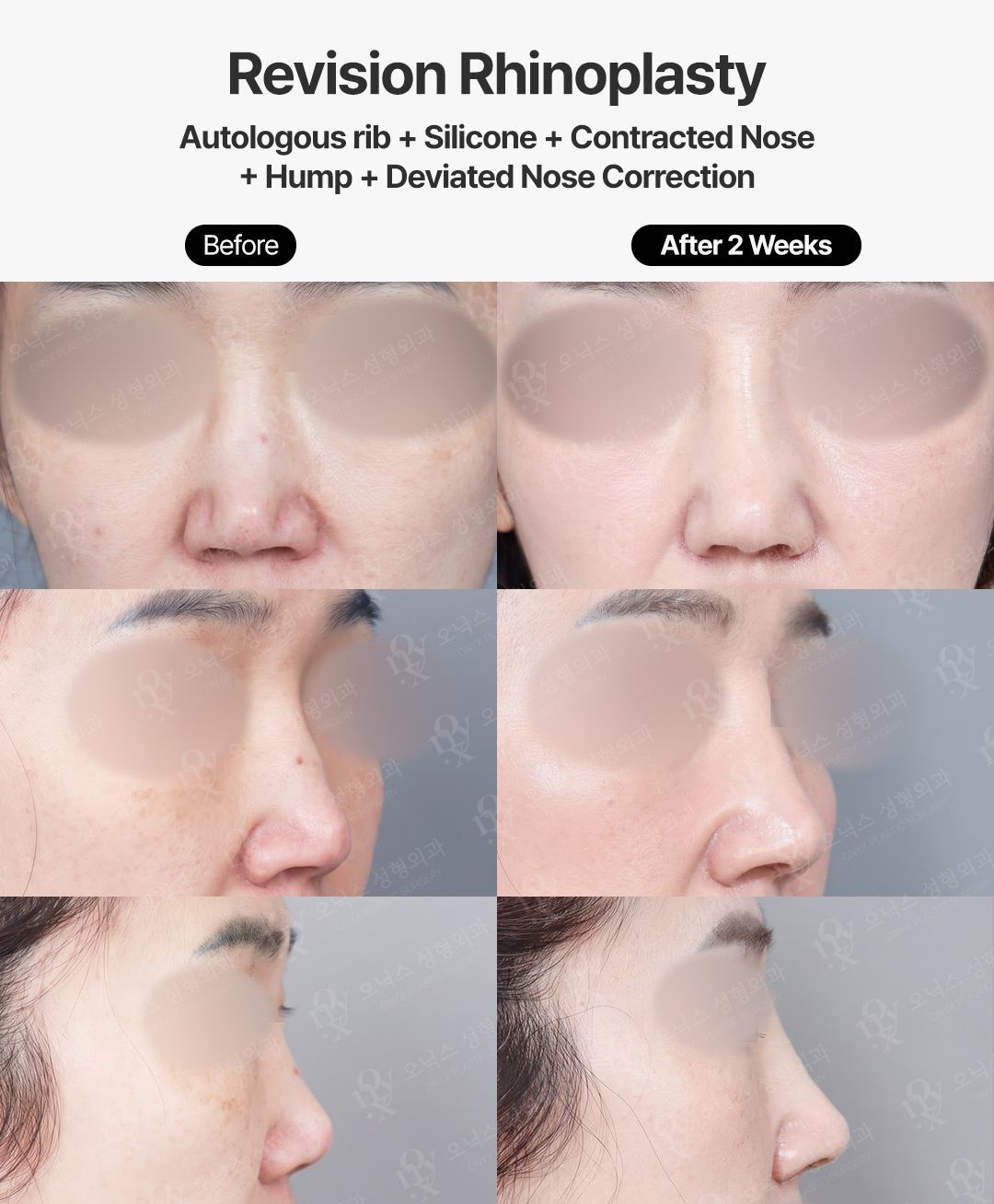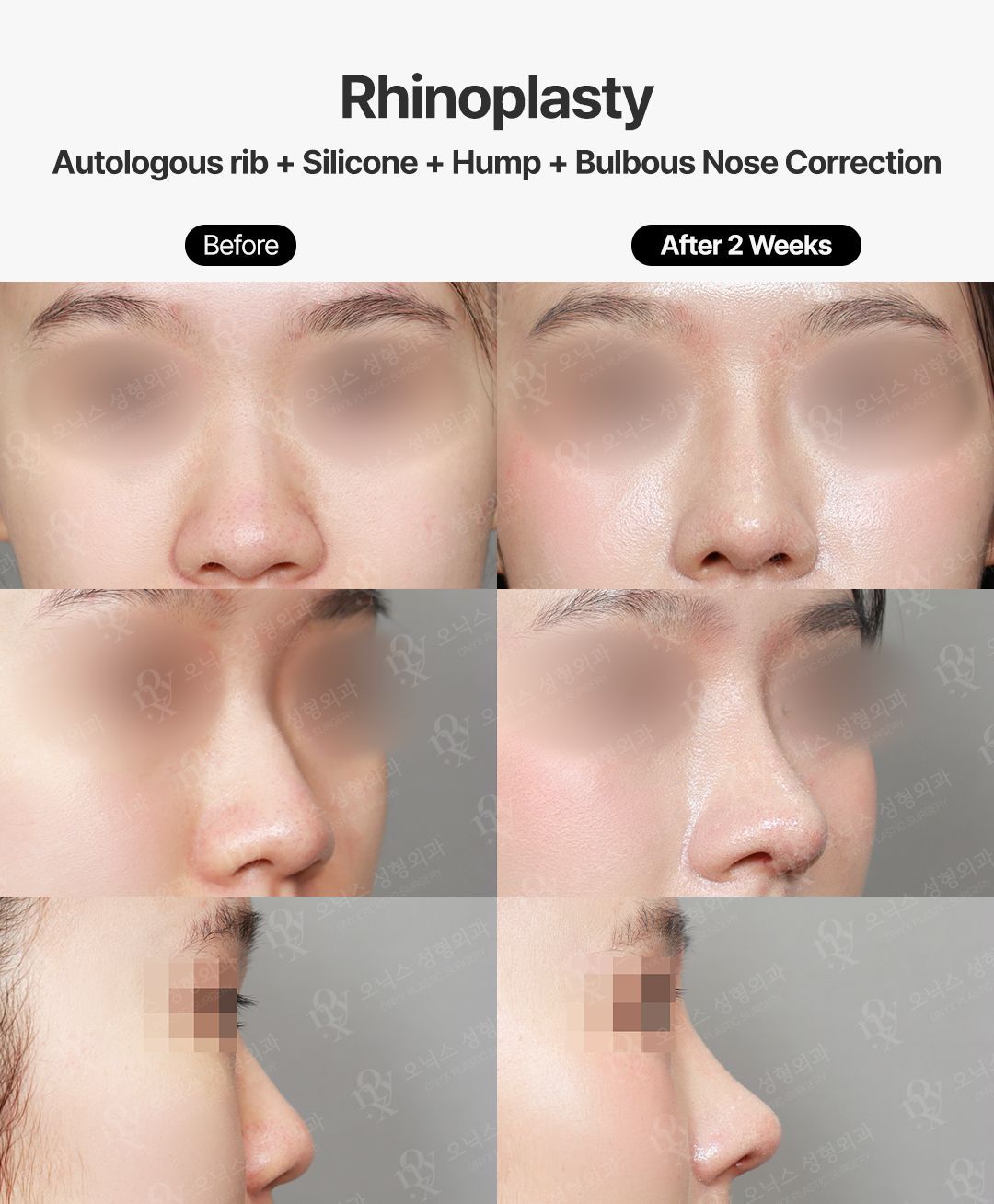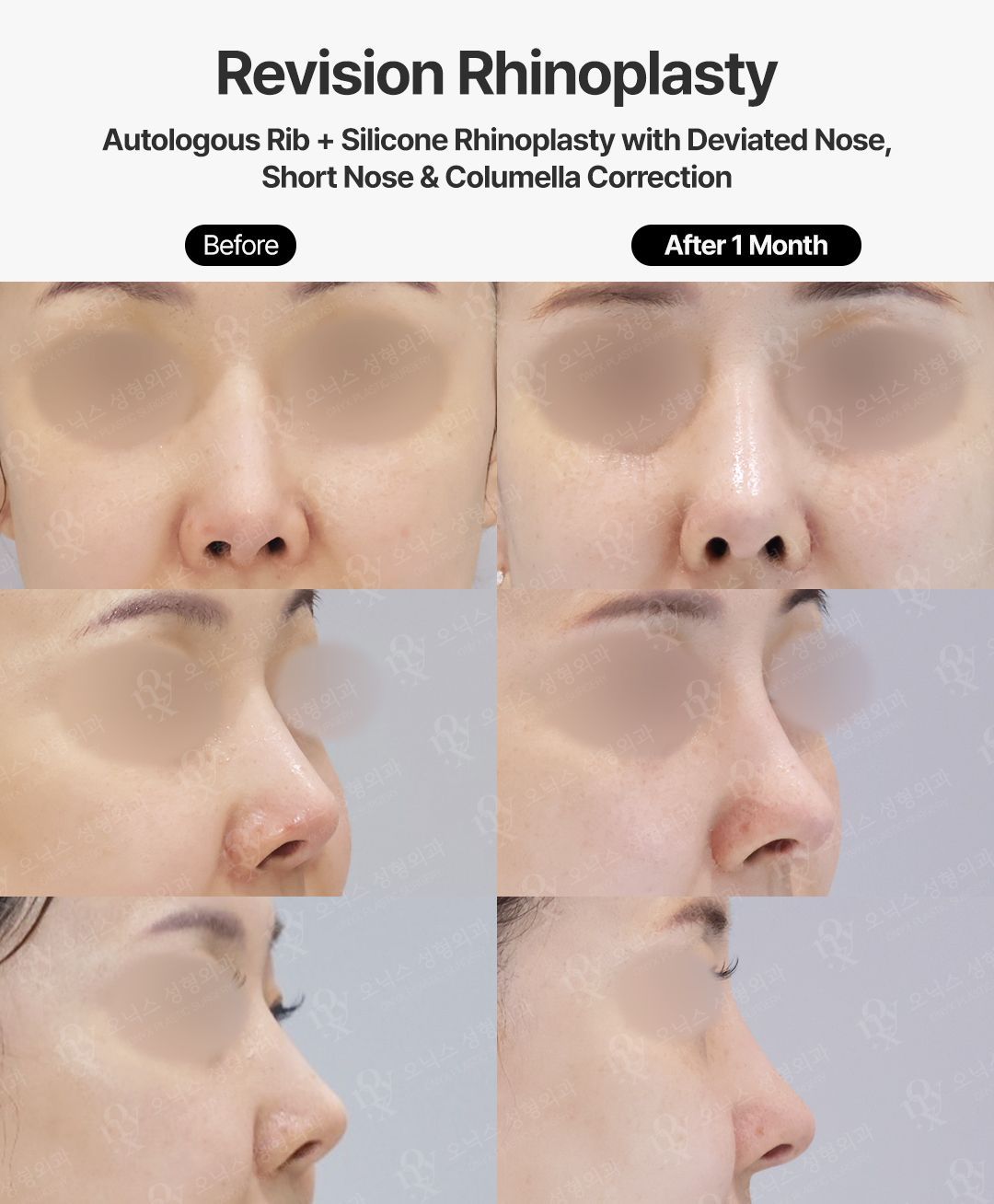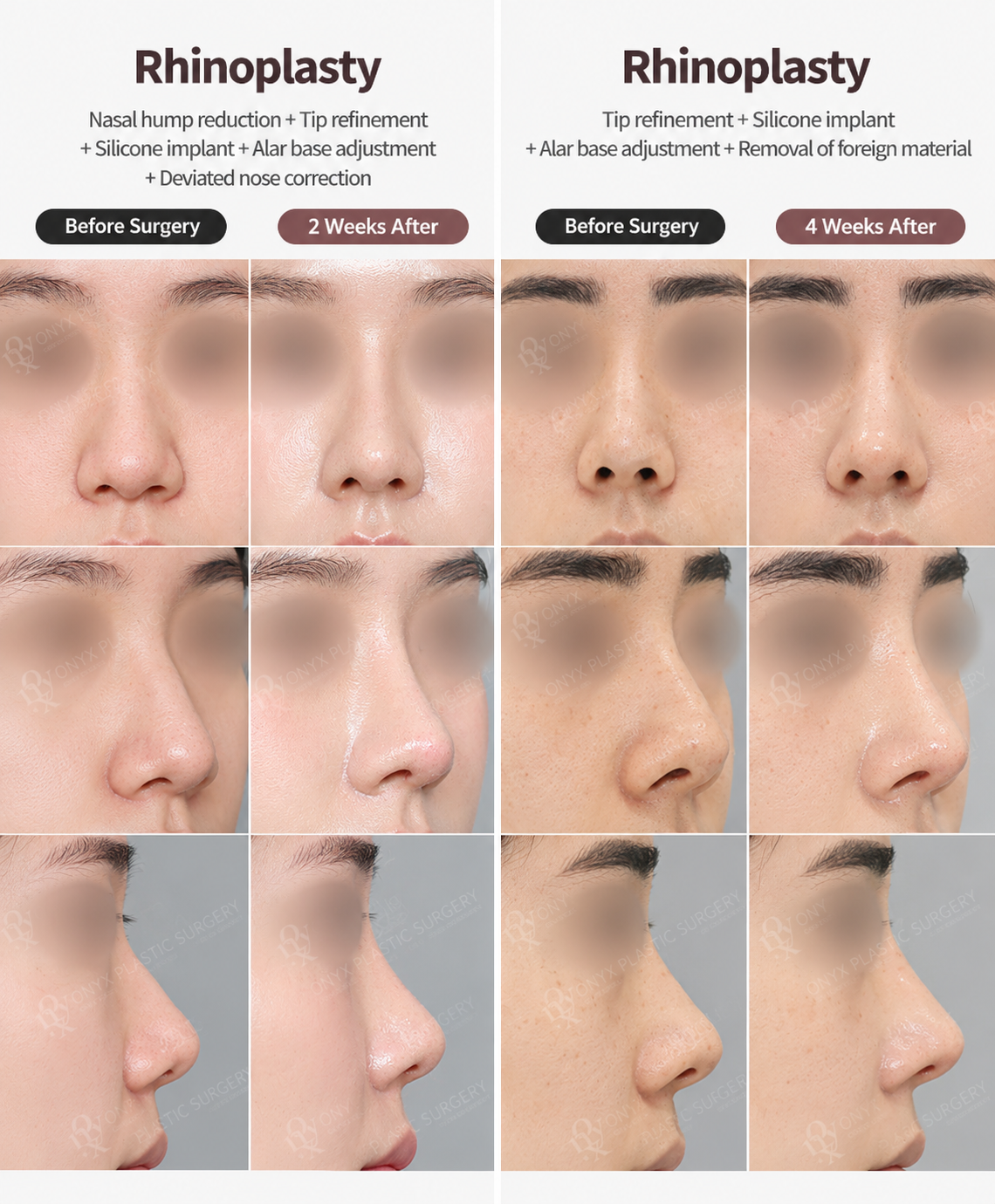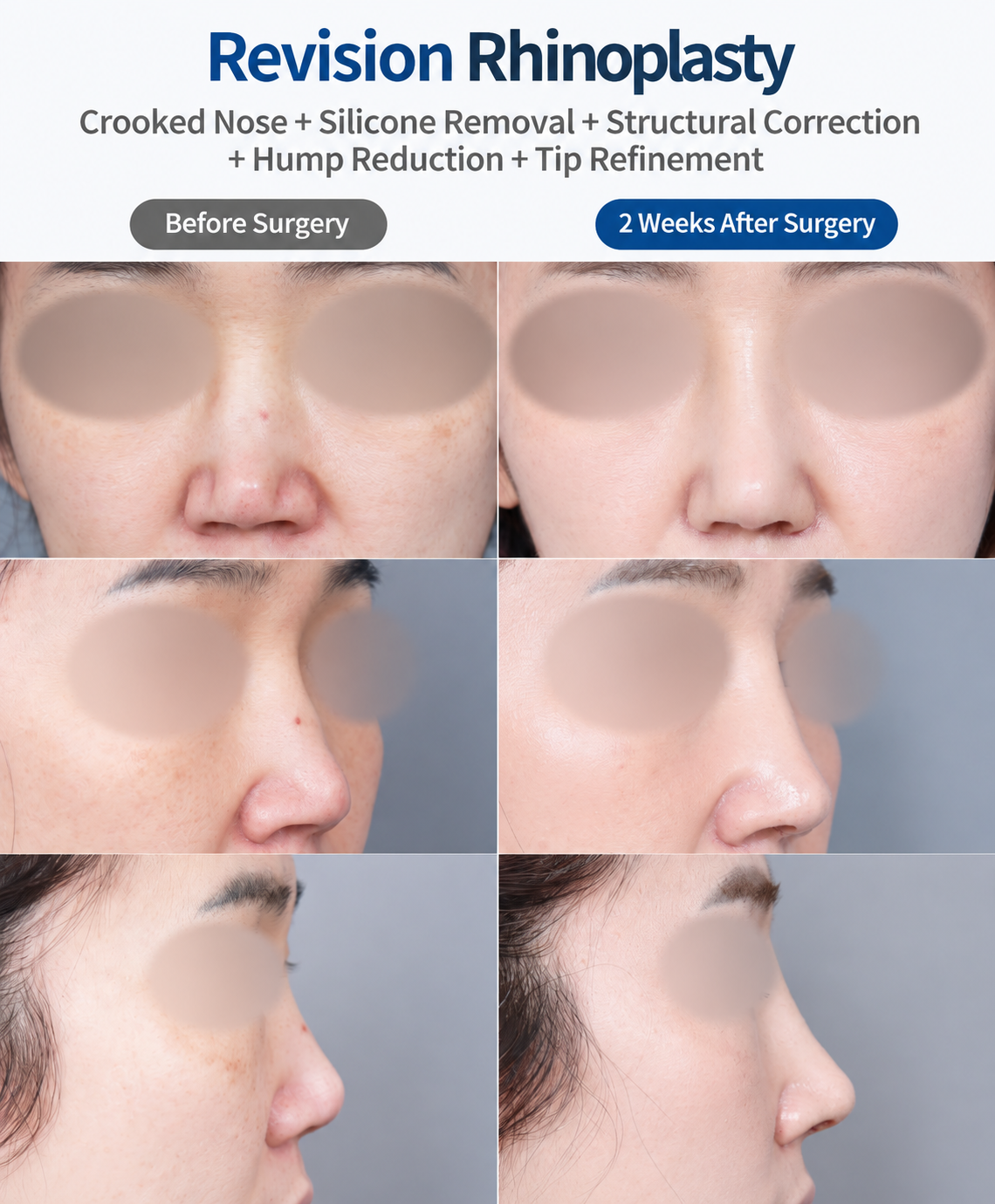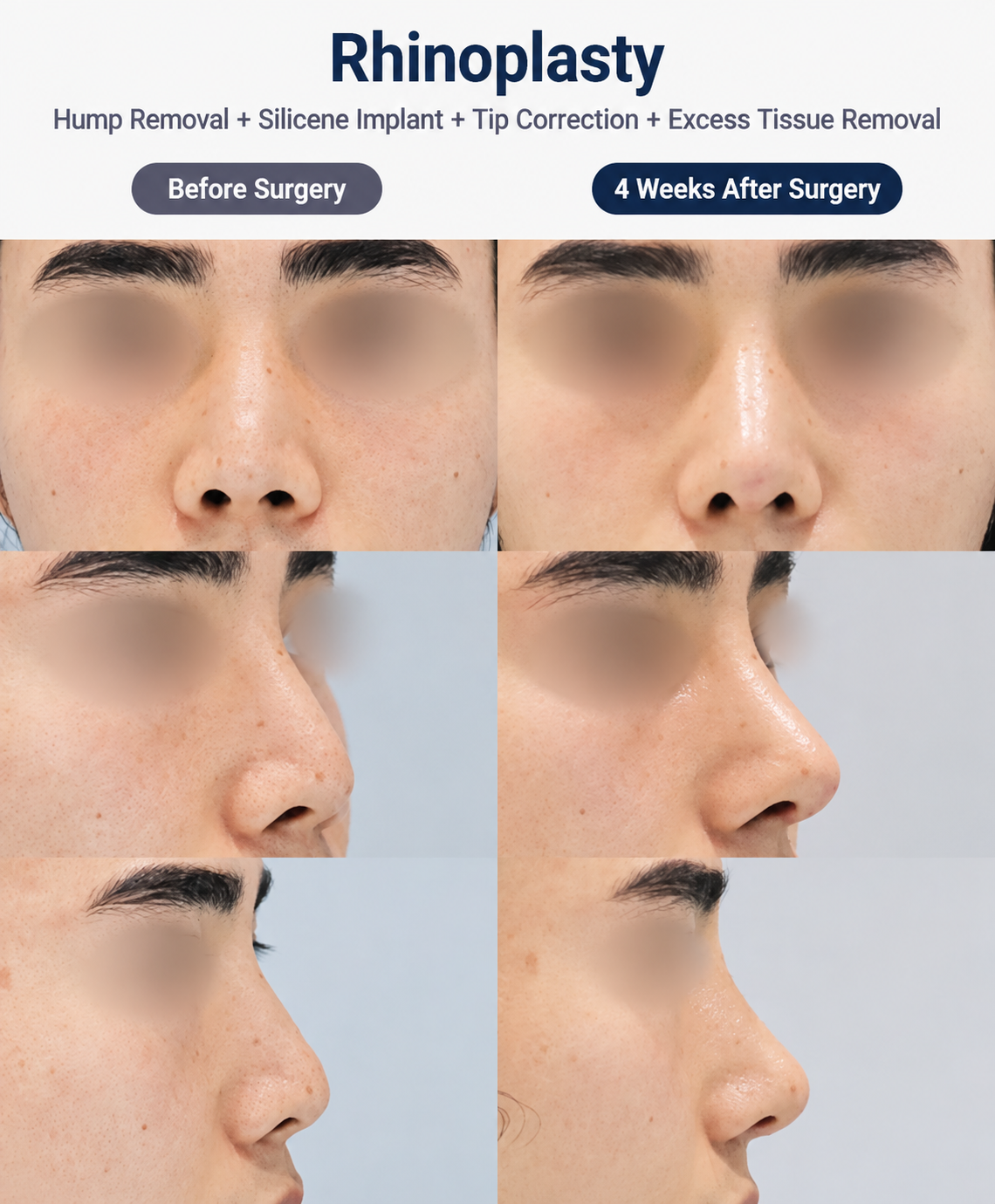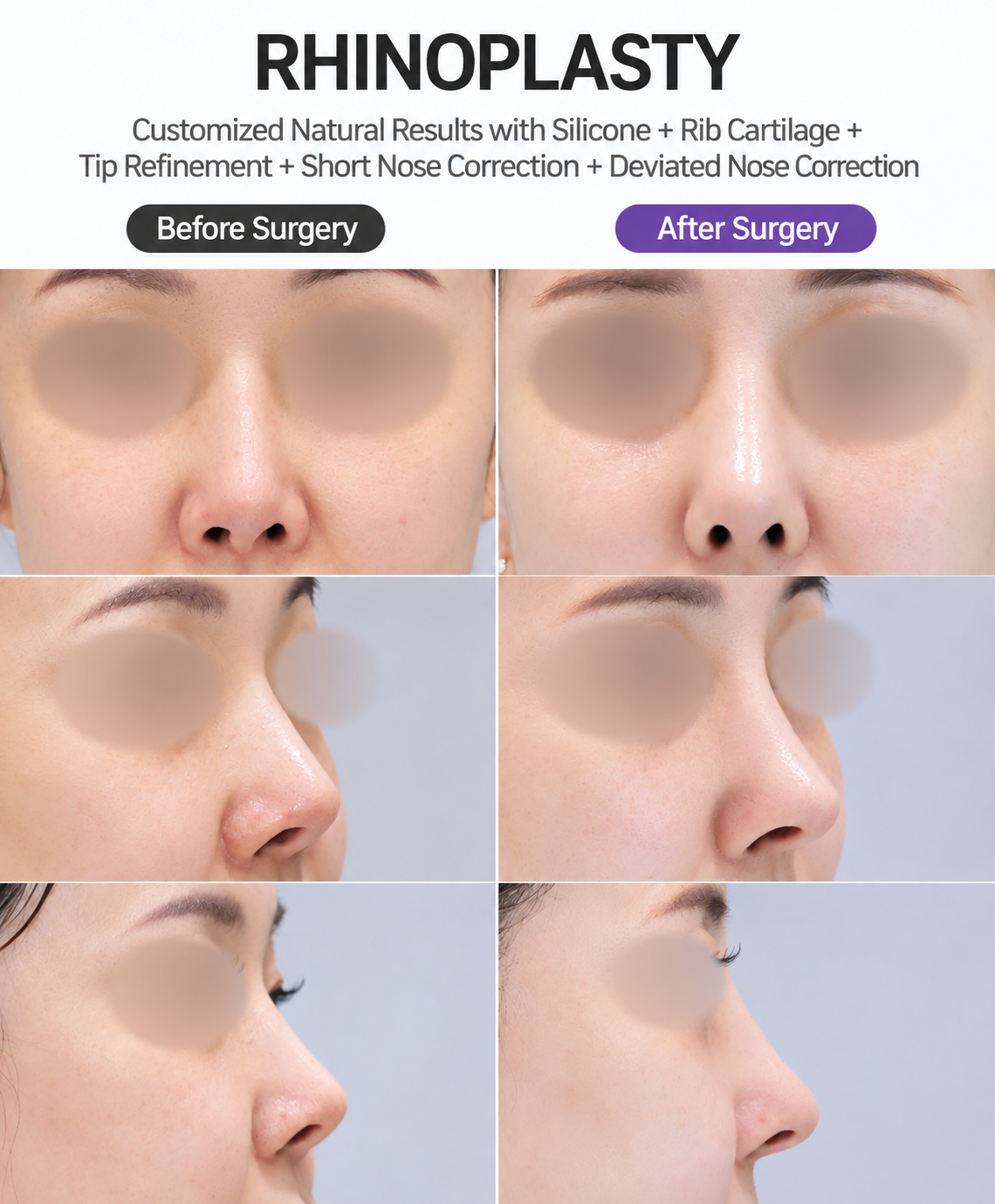
Revision Rhinoplasty Success Stories
Revision Rhinoplasty Success Stories
Revision rhinoplasty is often performed to improve the appearance, function, or structural stability of a nose that has already undergone surgery. While every patient's journey is unique, many successful outcomes share common elements such as realistic expectations, detailed surgical planning, experienced care, and patience throughout the recovery process. Rather than focusing on dramatic transformations, successful revision surgery often emphasizes subtle, balanced, and long-lasting improvements.
Why Patients Seek Revision Rhinoplasty
Every revision case has its own challenges and goals.
Common reasons include:
- Persistent asymmetry
- Breathing difficulties
- Drooping nasal tip
- Bridge irregularities
- Structural weakness
- Implant-related concerns
- Dissatisfaction with previous results
The treatment plan depends on the specific cause of the concern.
What Successful Outcomes Often Have in Common
Many positive revision experiences share similar characteristics.
These may include:
- Personalized planning
- Realistic expectations
- Careful structural analysis
- Open communication
- Detailed consultations
- Long-term treatment goals
- Consistent follow-up care
Preparation is often just as important as the surgery itself.
Story Example: Restoring Facial Balance
Some patients seek revision after feeling that their original surgery created an unnatural appearance.
Potential improvements may include:
- Better profile harmony
- Improved tip definition
- Smoother bridge contour
- Enhanced symmetry
- Natural proportions
- Better facial balance
- Greater confidence
Results are always individualized and vary from patient to patient.
Story Example: Improving Breathing and Appearance
For some individuals, revision surgery addresses both cosmetic and functional concerns.
Possible goals include:
- Improved airflow
- Stronger structural support
- Corrected nasal collapse
- Better tip stability
- Functional reconstruction
- Balanced appearance
- Long-term durability
Combining functional and aesthetic improvements can significantly enhance quality of life.
The Role of Structural Reconstruction
Complex revision cases often require rebuilding internal support.
Techniques may involve:
- Cartilage grafting
- Tip reinforcement
- Bridge reconstruction
- Septal reconstruction
- Structural rhinoplasty
- Functional repair
- Long-term stabilization
The approach depends on the patient's anatomy and previous surgeries.
Recovery Is Part of the Success Story
Healing is an important part of achieving a successful outcome.
Patients commonly experience:
- Temporary swelling
- Mild bruising
- Gradual contour refinement
- Tip firmness
- Progressive healing
- Ongoing tissue remodeling
- Continued improvement over many months
Patience is often essential during the recovery process.
Setting Realistic Expectations
Even successful revision surgery has limitations.
Important considerations include:
- Previous surgical changes
- Scar tissue
- Individual anatomy
- Healing response
- Available cartilage
- Functional priorities
- Achievable improvements
The goal is improvement rather than absolute perfection.
Choosing the Right Revision Strategy
Careful planning can contribute to better long-term outcomes.
Patients should discuss:
- Surgical recommendations
- Reconstruction techniques
- Cartilage graft options
- Recovery timeline
- Potential risks
- Functional goals
- Long-term follow-up care
A comprehensive consultation helps establish a personalized treatment plan.
Final Thoughts
Revision rhinoplasty success stories often reflect thoughtful planning, individualized treatment, and realistic expectations rather than dramatic cosmetic change. By addressing both structural and aesthetic concerns with a customized approach, revision surgery can restore balance, improve function, and provide natural-looking, long-lasting results that better align with each patient's goals and facial features.