Silicone Implant Rhinoplasty
Silicone Implant Rhinoplasty
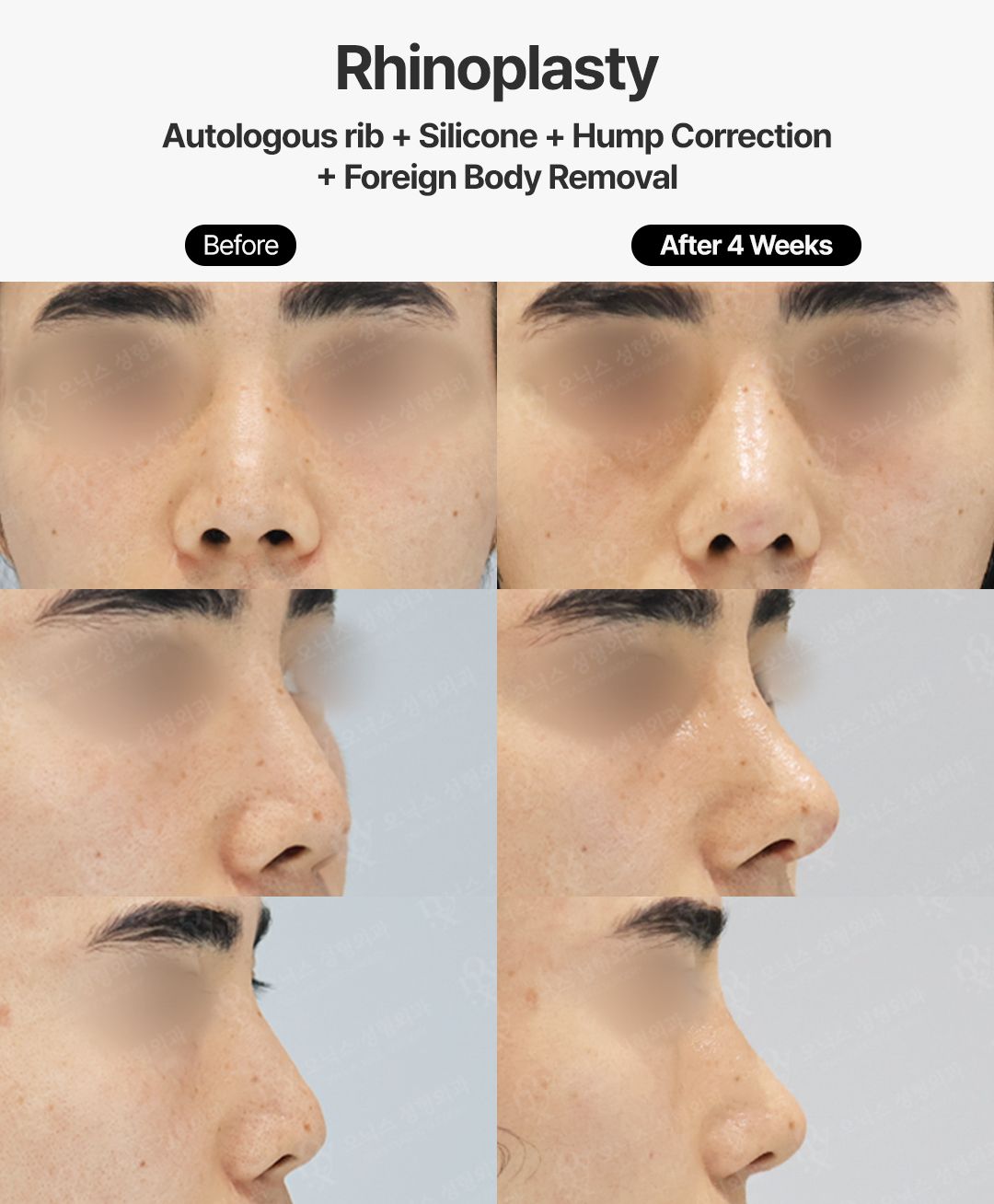
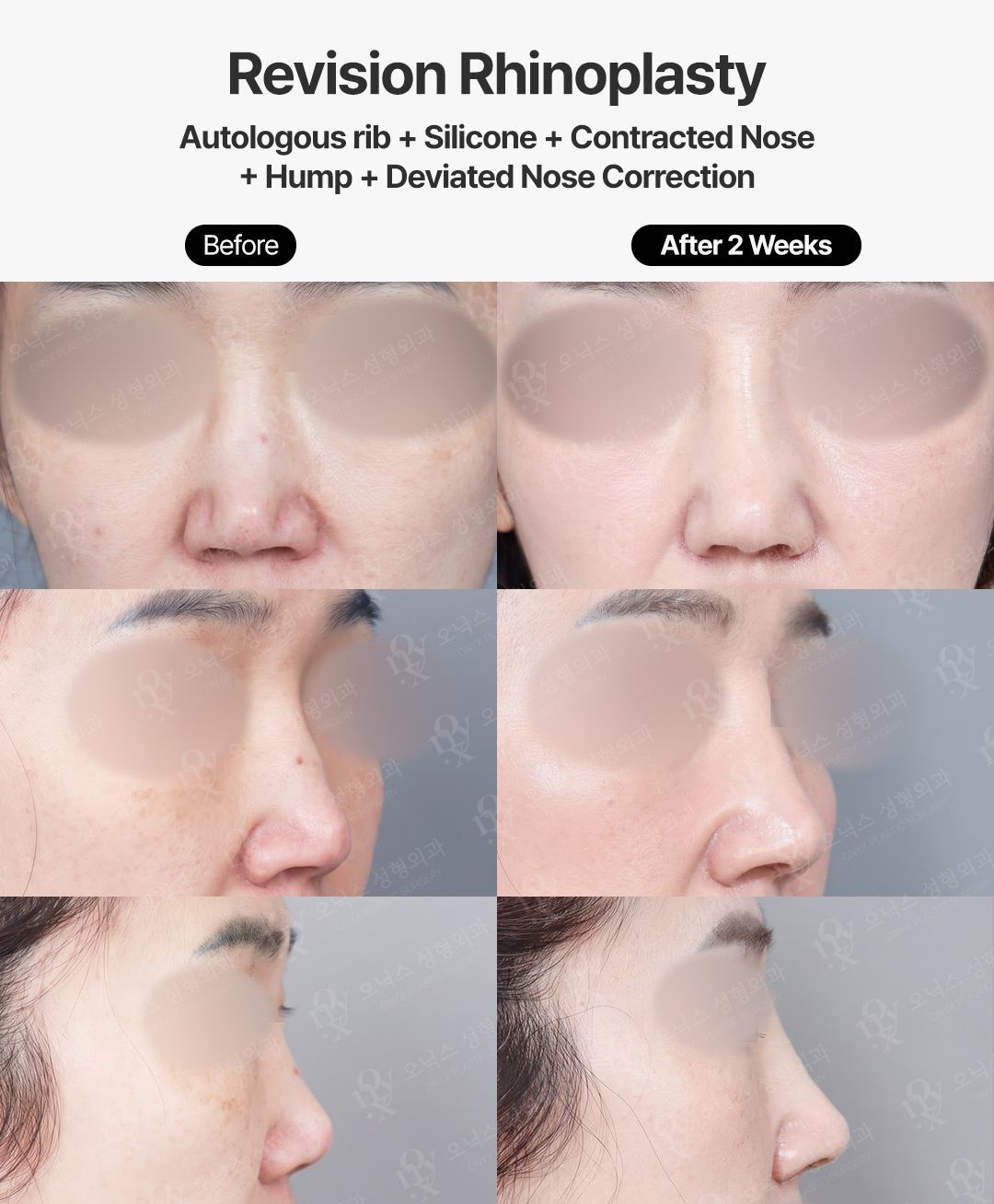
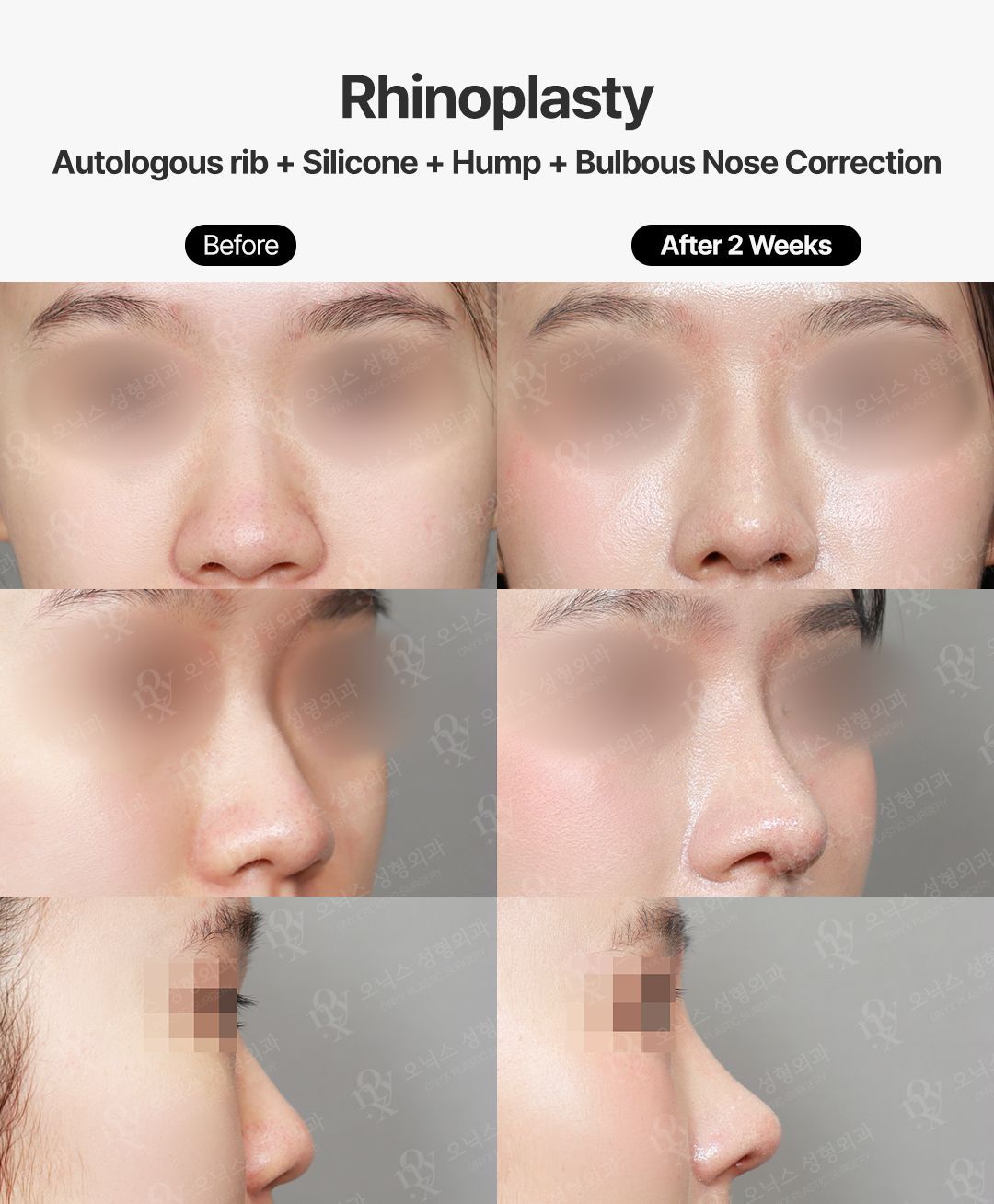
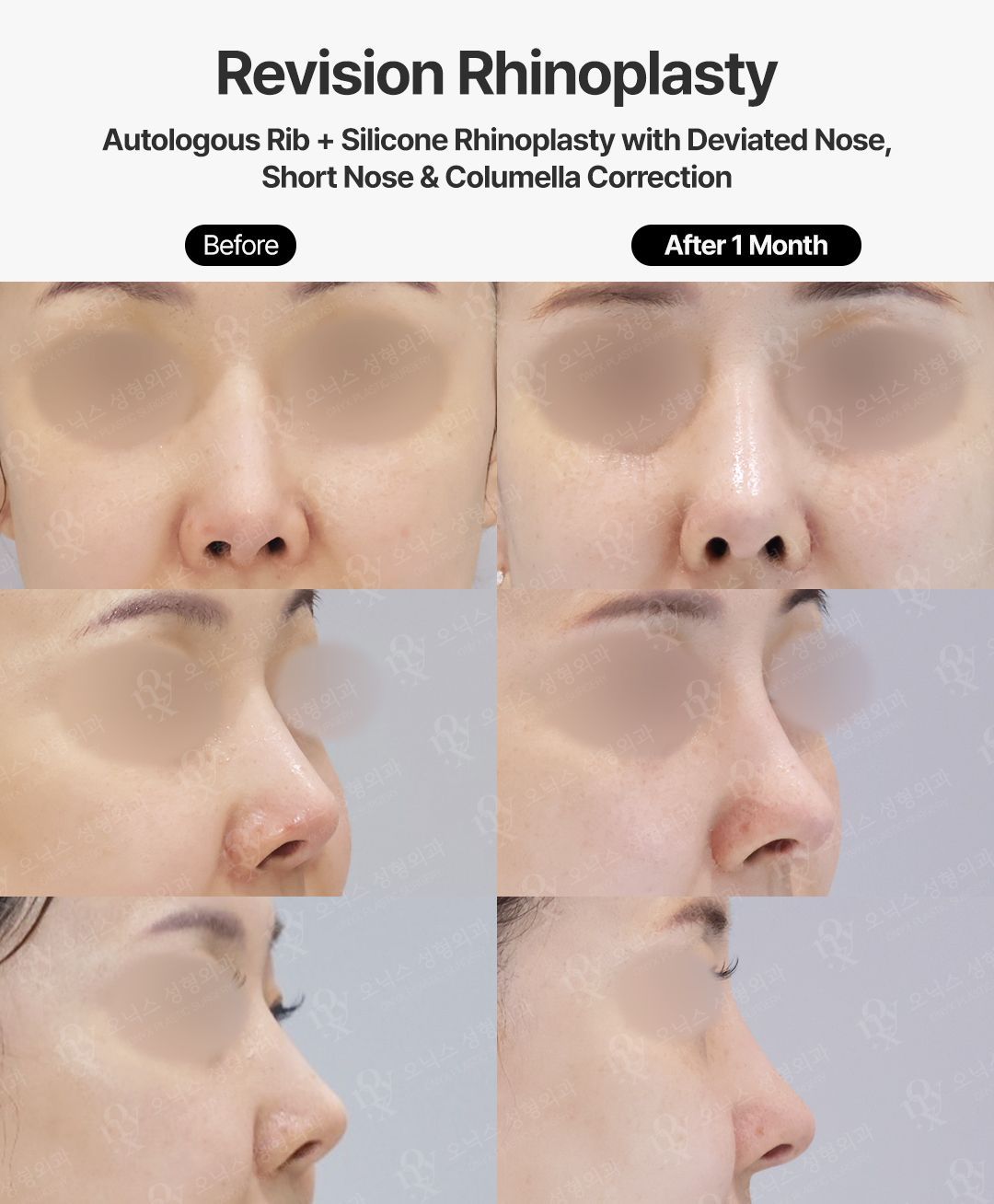
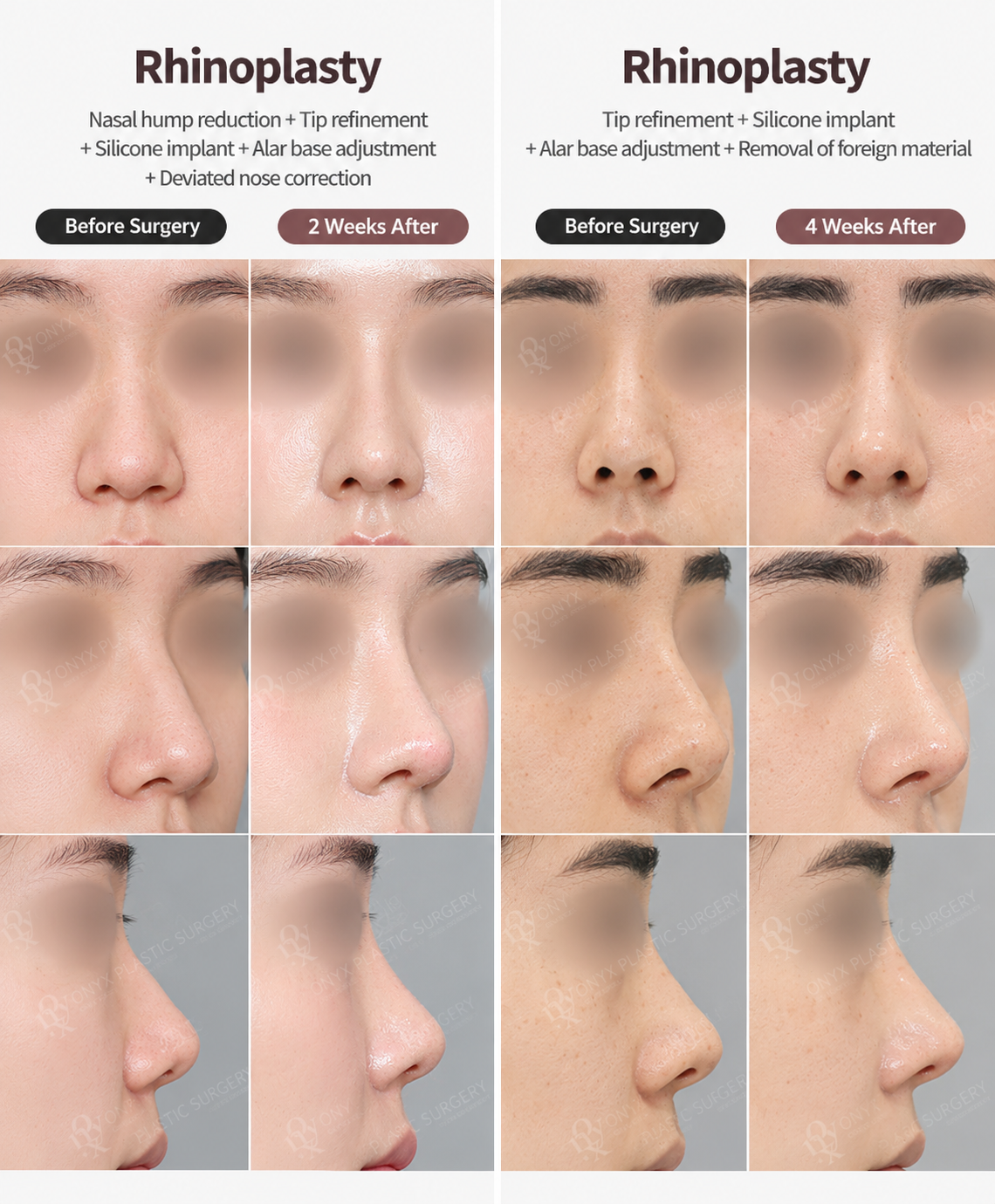
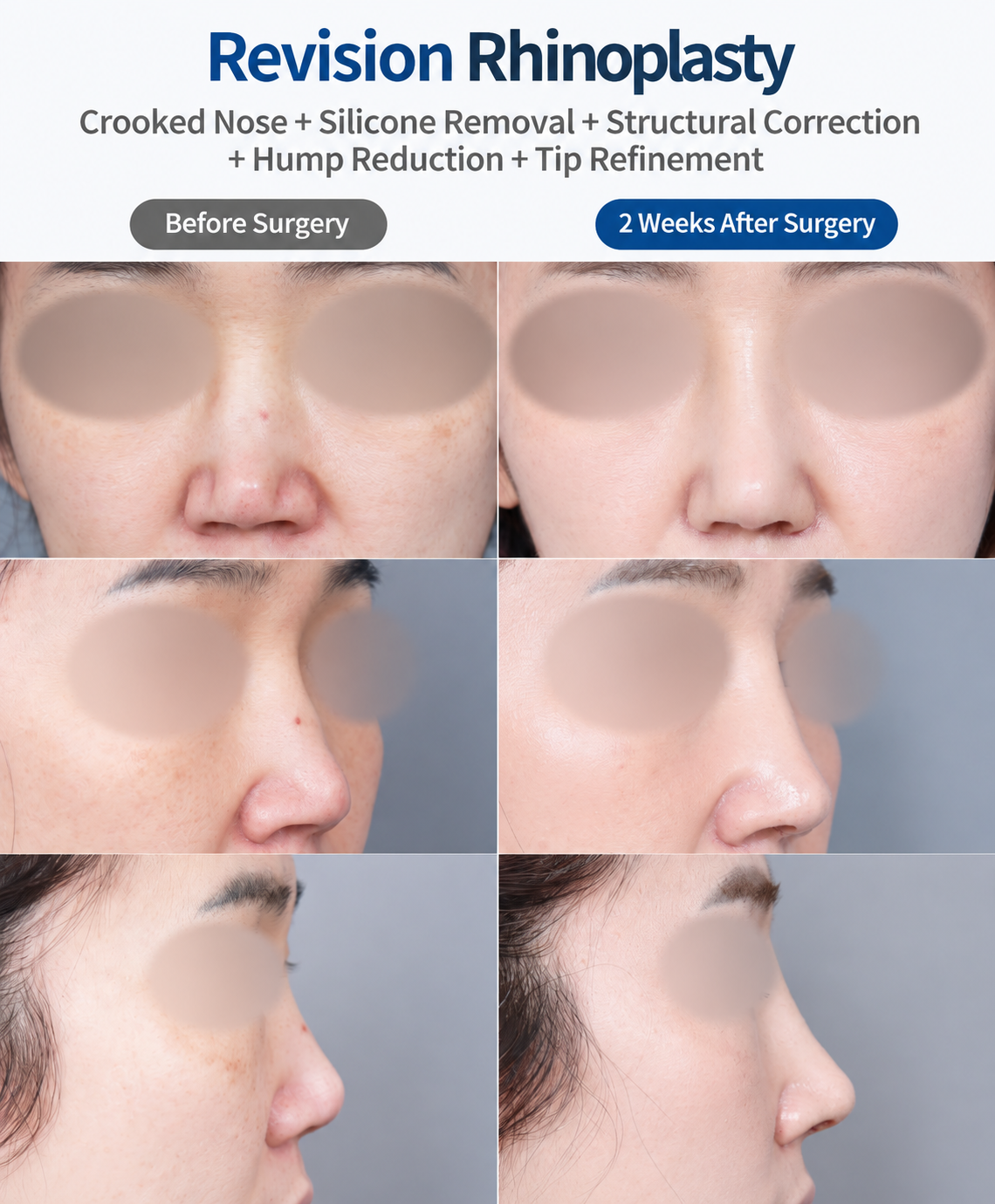
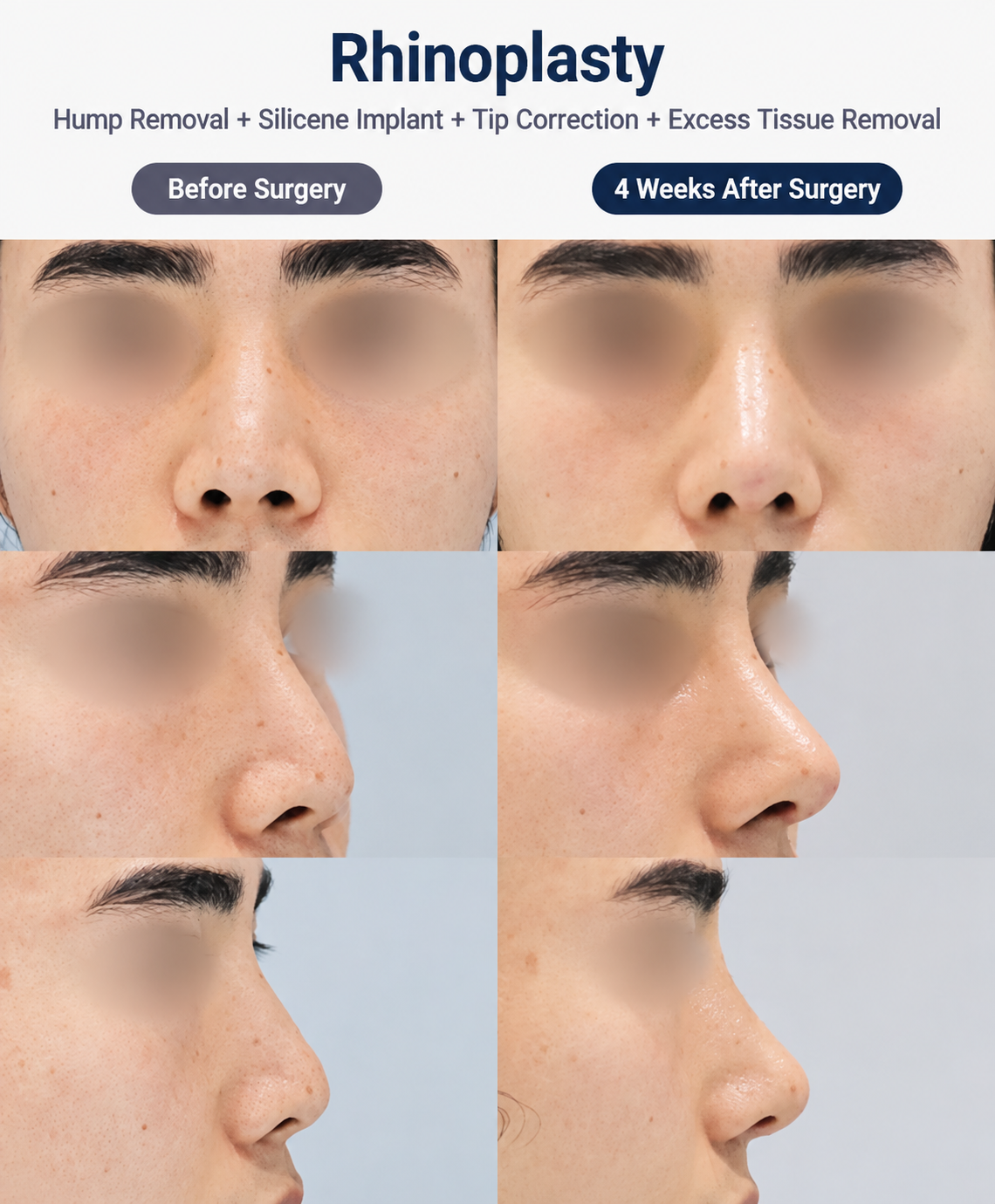
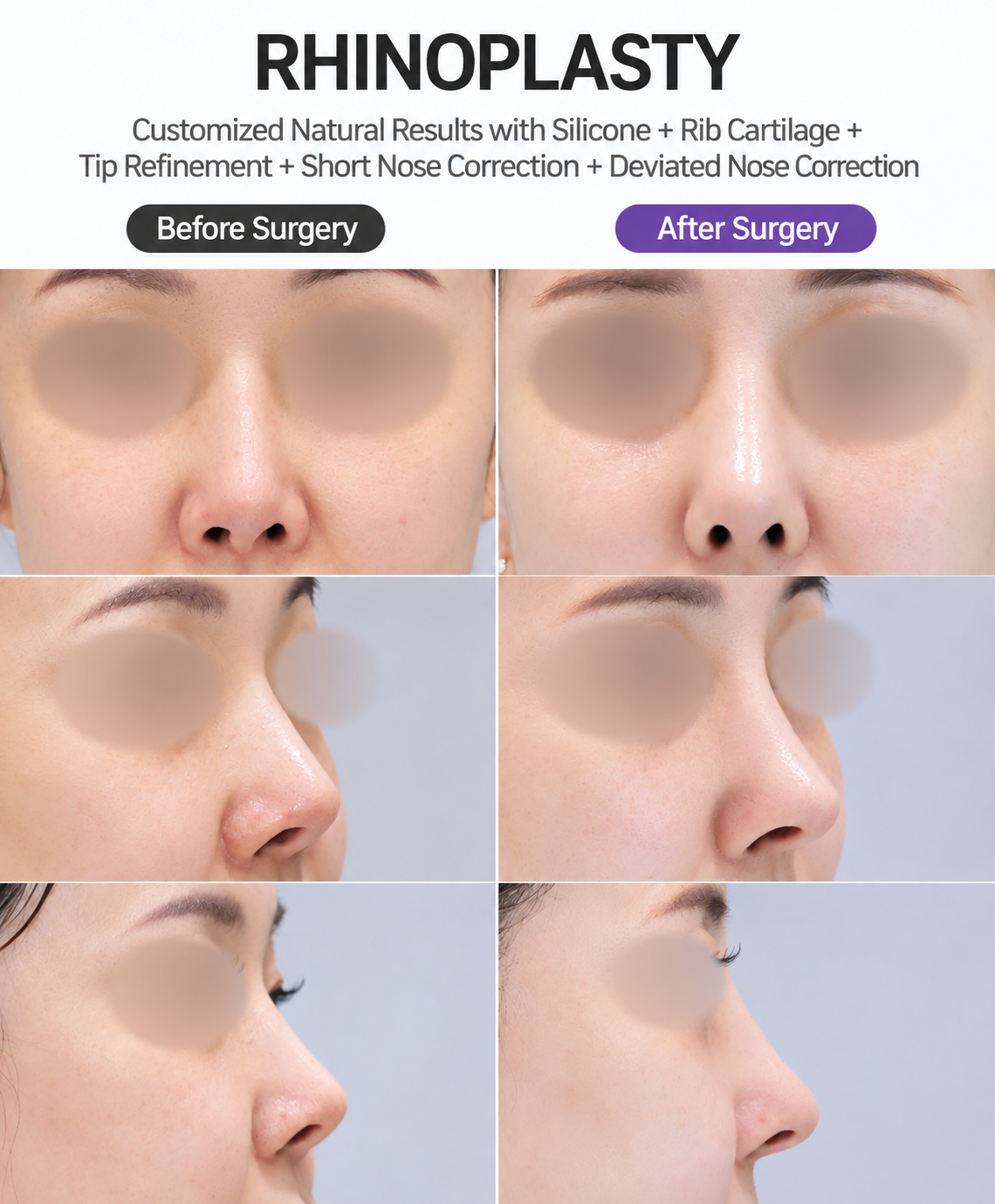
Silicone implant rhinoplasty is a commonly performed procedure that uses a medical-grade silicone implant to enhance the shape and height of the nasal bridge. It has been used for many years in various parts of the world, particularly for patients seeking greater bridge definition. Modern treatment planning focuses on achieving balanced, natural-looking results that complement the patient's facial proportions rather than creating an exaggerated appearance.
What Is a Silicone Implant?
A silicone implant is a synthetic material designed to provide structural enhancement to the nose.
Common characteristics include:
- Medical-grade material
- Bridge augmentation
- Consistent shape
- Smooth surface
- Customizable sizing
- Long-term placement
- Profile enhancement
The exact implant design depends on the patient's anatomy and surgical plan.
Who May Be a Good Candidate?
Silicone implant rhinoplasty may be considered for patients seeking bridge enhancement or profile refinement.
Potential candidates may include those who want:
- Higher nasal bridge
- Better profile definition
- Improved facial balance
- Bridge augmentation
- Natural-looking enhancement
- Stable structural support
- Personalized results
A thorough consultation is necessary to determine suitability.
Common Surgical Techniques
The procedure may be performed alone or combined with other rhinoplasty techniques.
Possible approaches include:
- Bridge augmentation
- Tip refinement
- Structural rhinoplasty
- Alar reduction
- Cartilage grafting
- Open rhinoplasty
- Closed rhinoplasty
The treatment plan is customized according to individual goals and anatomy.
Can Silicone Be Combined With Cartilage?
Yes, many rhinoplasty procedures combine different materials and techniques.
Possible combinations include:
- Silicone for bridge enhancement
- Cartilage for tip support
- Structural reinforcement
- Better contour transition
- Improved projection
- Functional support
- Long-term stability
The specific approach depends on surgical requirements.
Potential Advantages
For selected patients, silicone implants may offer several benefits.
Possible advantages include:
- Effective bridge enhancement
- Consistent shape
- Predictable contour
- Well-established surgical use
- Profile improvement
- Customizable sizing
- Structural definition
The benefits vary according to the patient's anatomy and treatment goals.
Potential Risks and Considerations
Like all surgical procedures, silicone implant rhinoplasty has potential risks that should be discussed during consultation.
Possible considerations include:
- Infection
- Implant displacement
- Asymmetry
- Visible contours
- Skin thinning
- Need for revision surgery
- Healing differences
Careful surgical planning and follow-up care are important components of treatment.
Recovery Expectations
Recovery varies depending on the complexity of the procedure and whether additional techniques are performed.
Patients commonly experience:
- Swelling
- Mild bruising
- Temporary congestion
- Splint placement
- Progressive healing
- Gradual contour refinement
- Continued improvement over several months
The final appearance develops gradually as healing progresses.
Questions to Ask During Your Consultation
Before deciding on surgery, consider discussing:
- Whether a silicone implant is appropriate for your anatomy
- Alternative treatment options
- Possibility of combining silicone with cartilage
- Expected recovery timeline
- Potential risks and benefits
- Long-term follow-up care
- Realistic outcome expectations
A detailed consultation helps create a personalized treatment plan.
Final Thoughts
Silicone implant rhinoplasty remains a widely used option for nasal bridge enhancement and profile refinement in appropriately selected patients. Through individualized planning, careful surgical technique, and realistic expectations, the procedure can provide balanced, natural-looking, and long-lasting results while preserving facial harmony and structural stability.