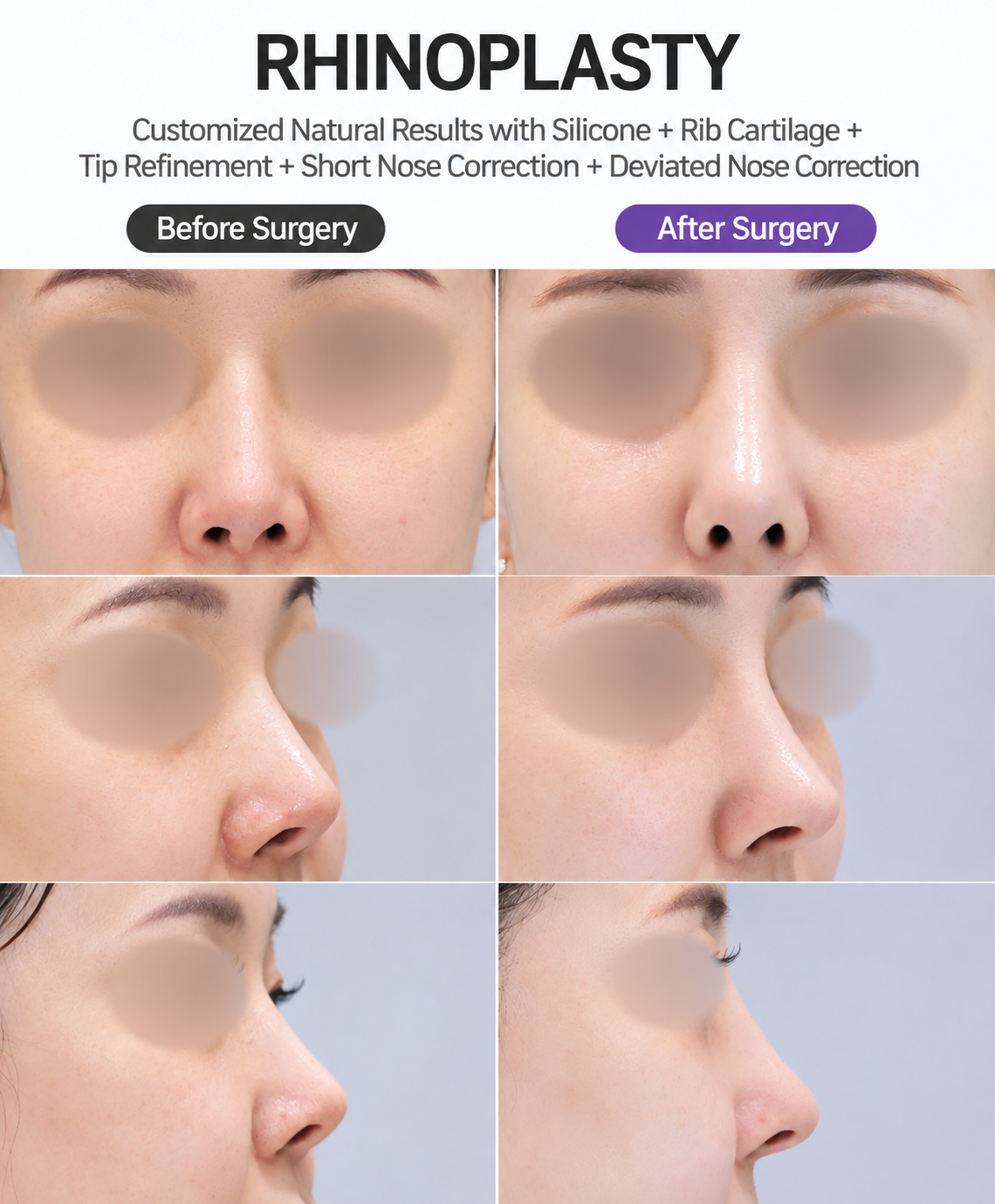
What Is Revision Rhinoplasty?
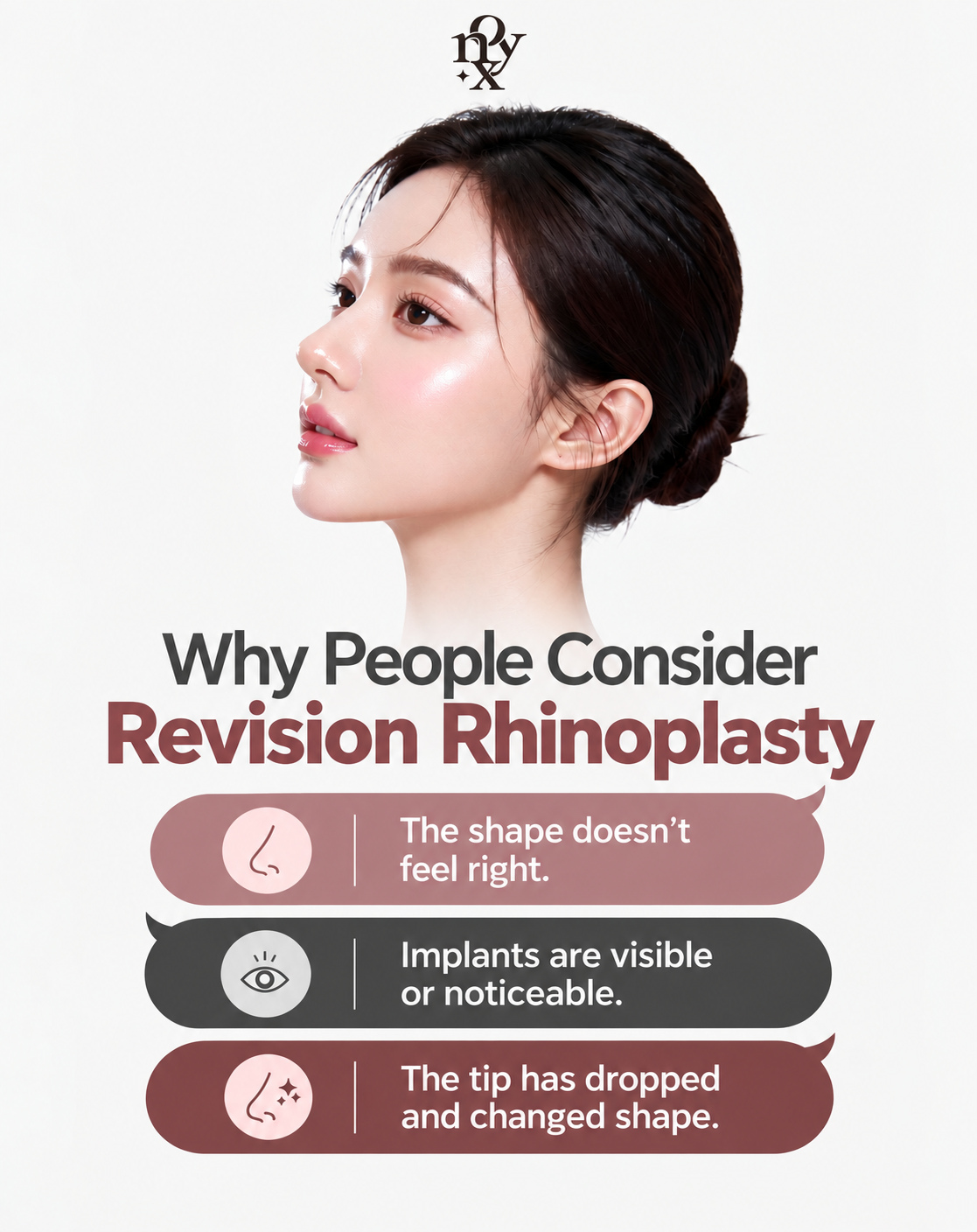
What Is Revision Rhinoplasty?
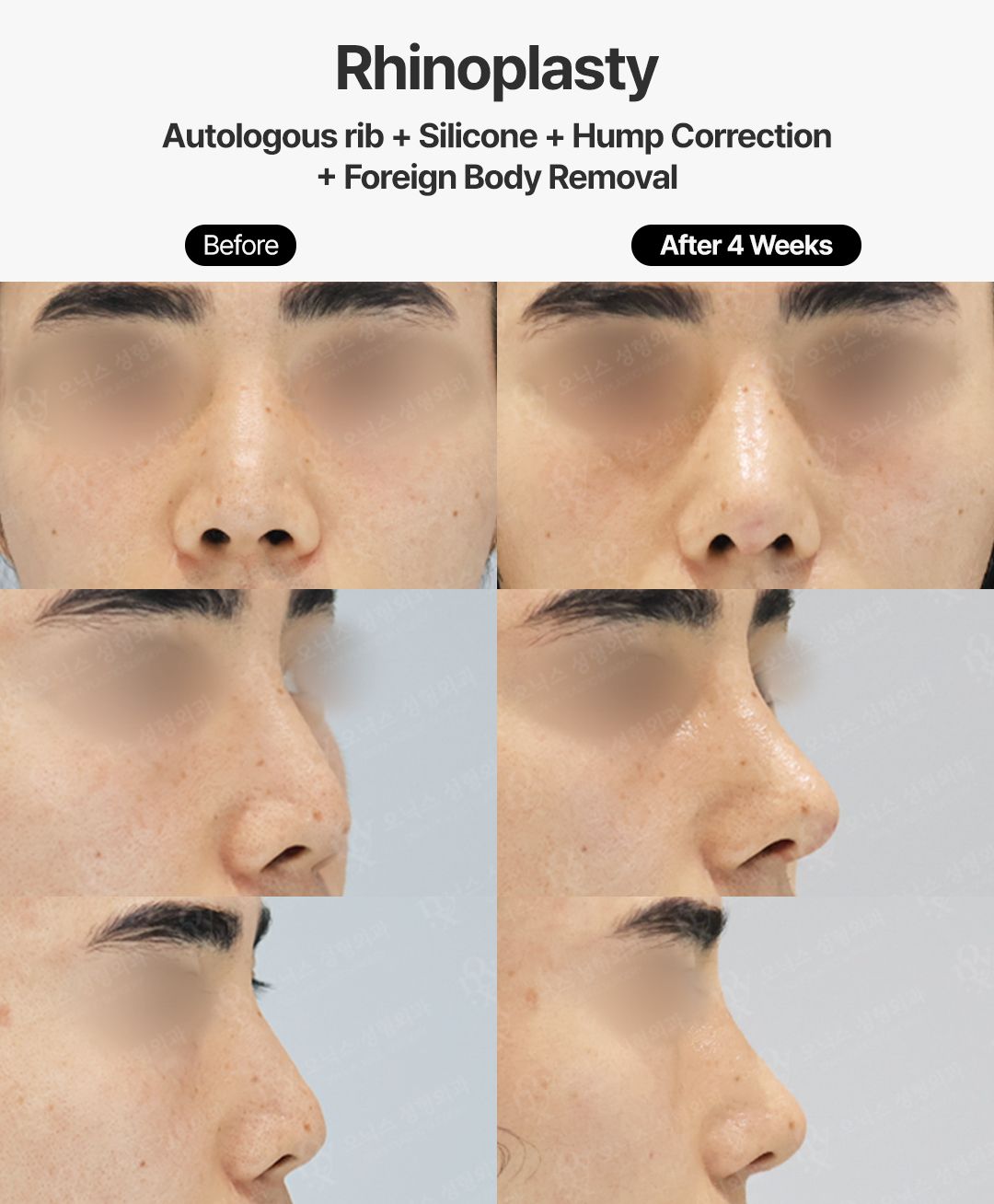
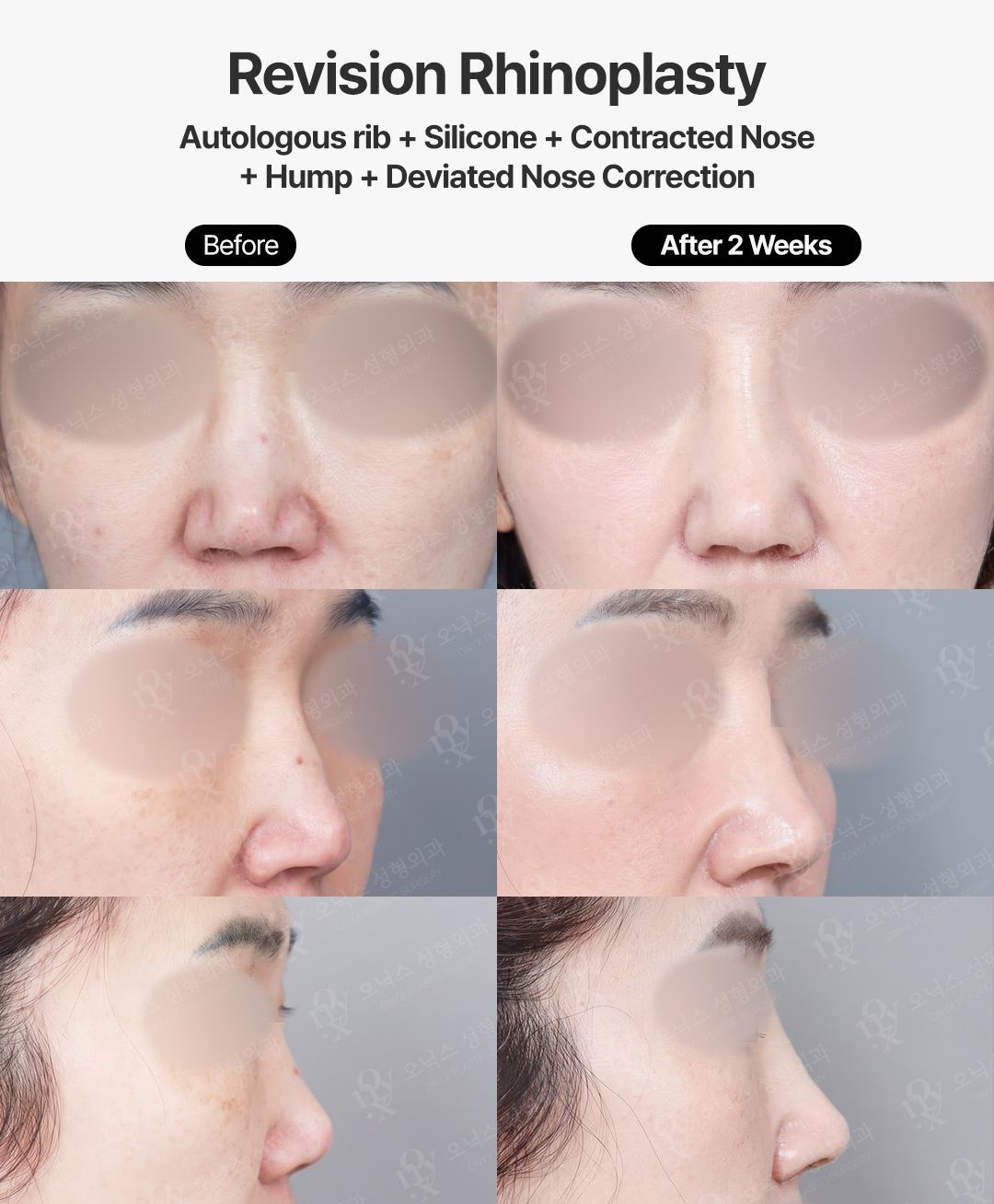
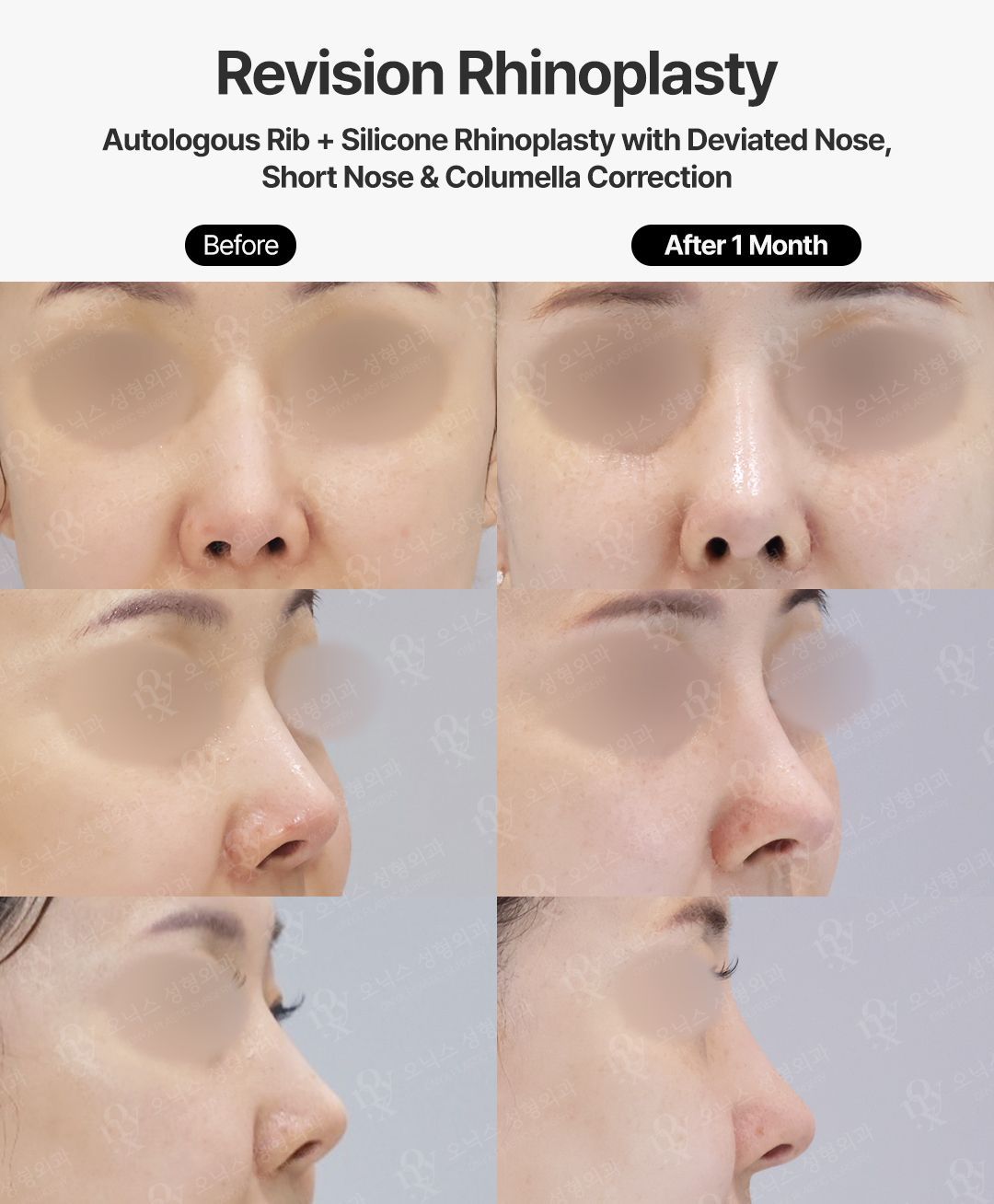
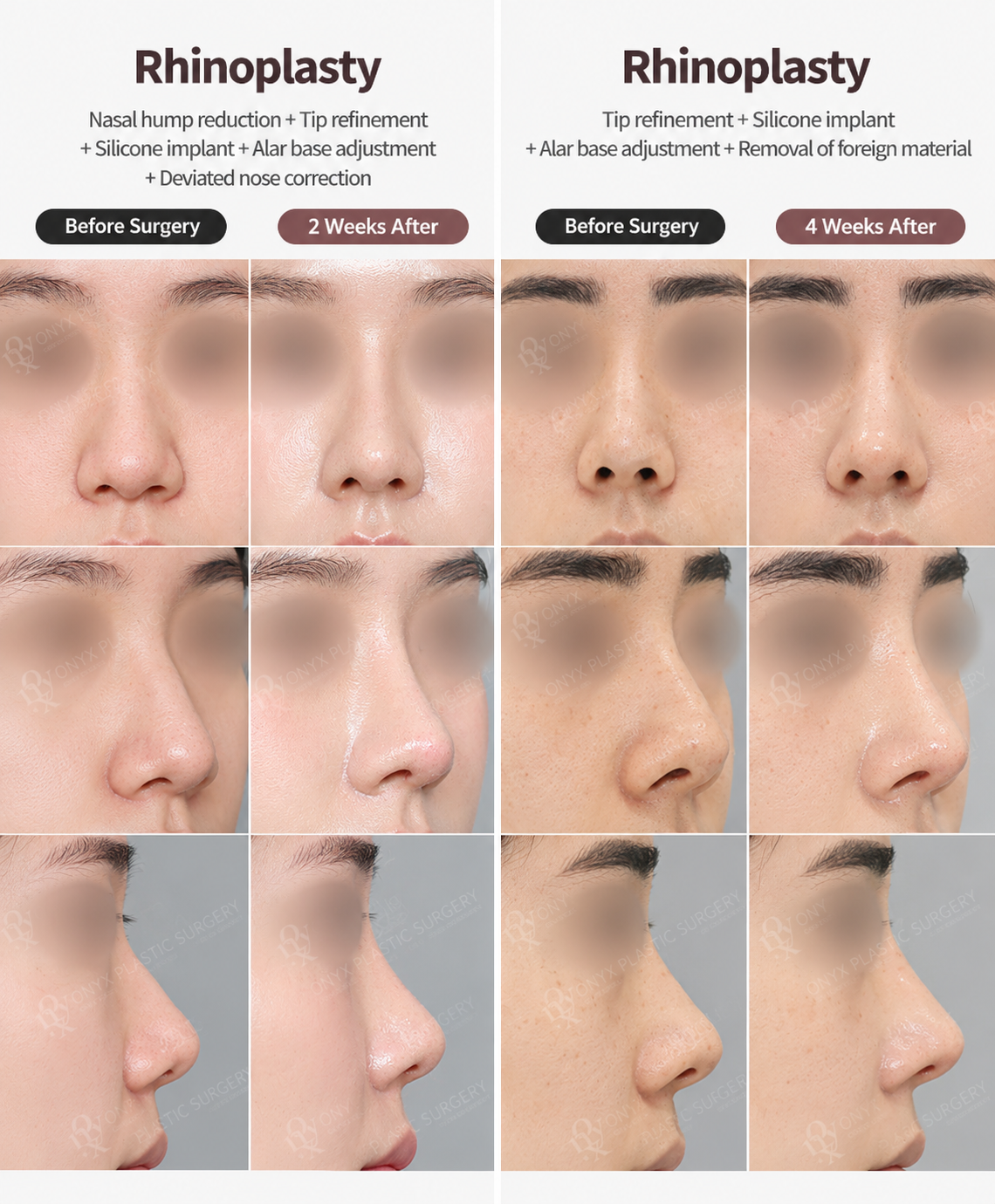
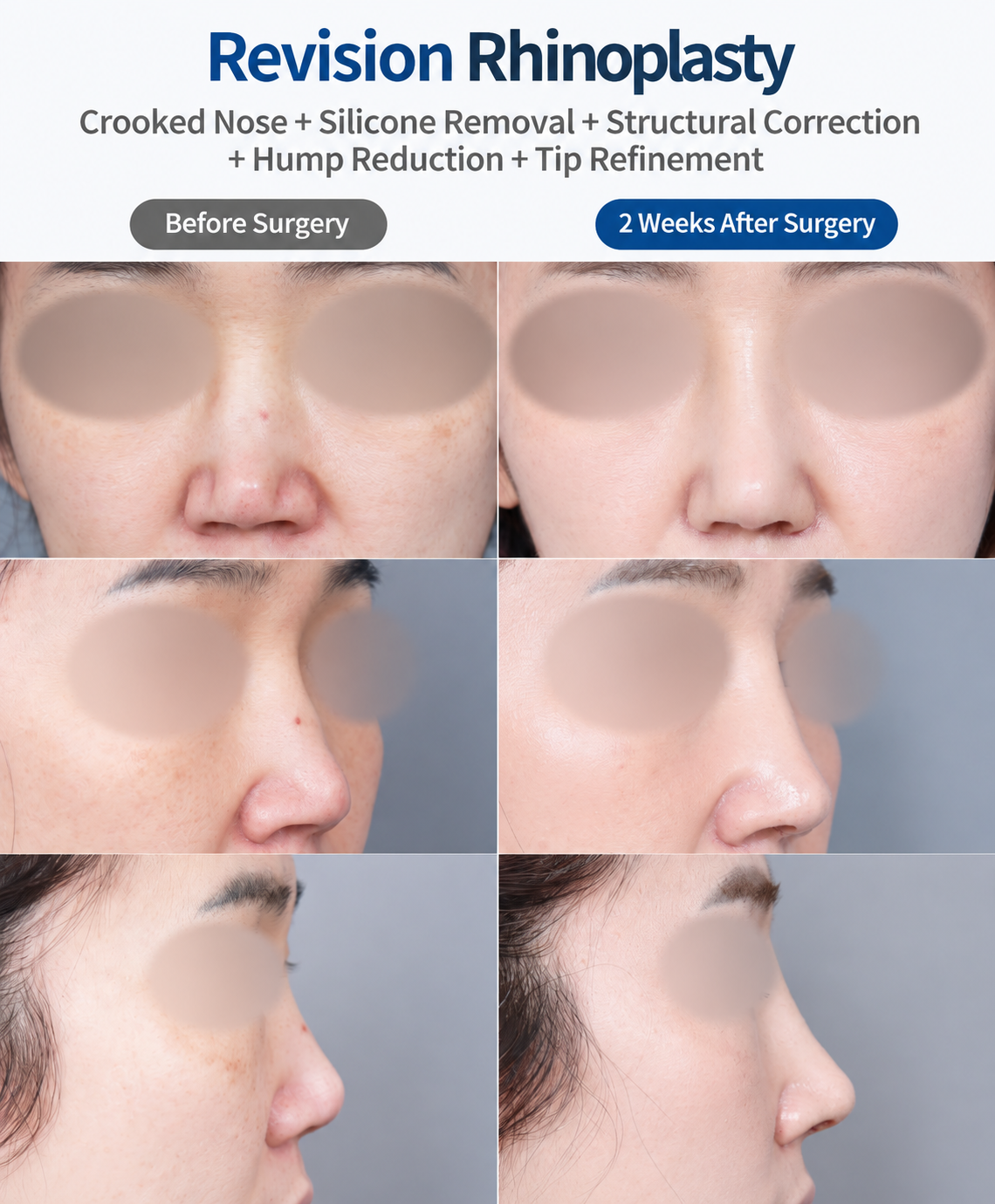
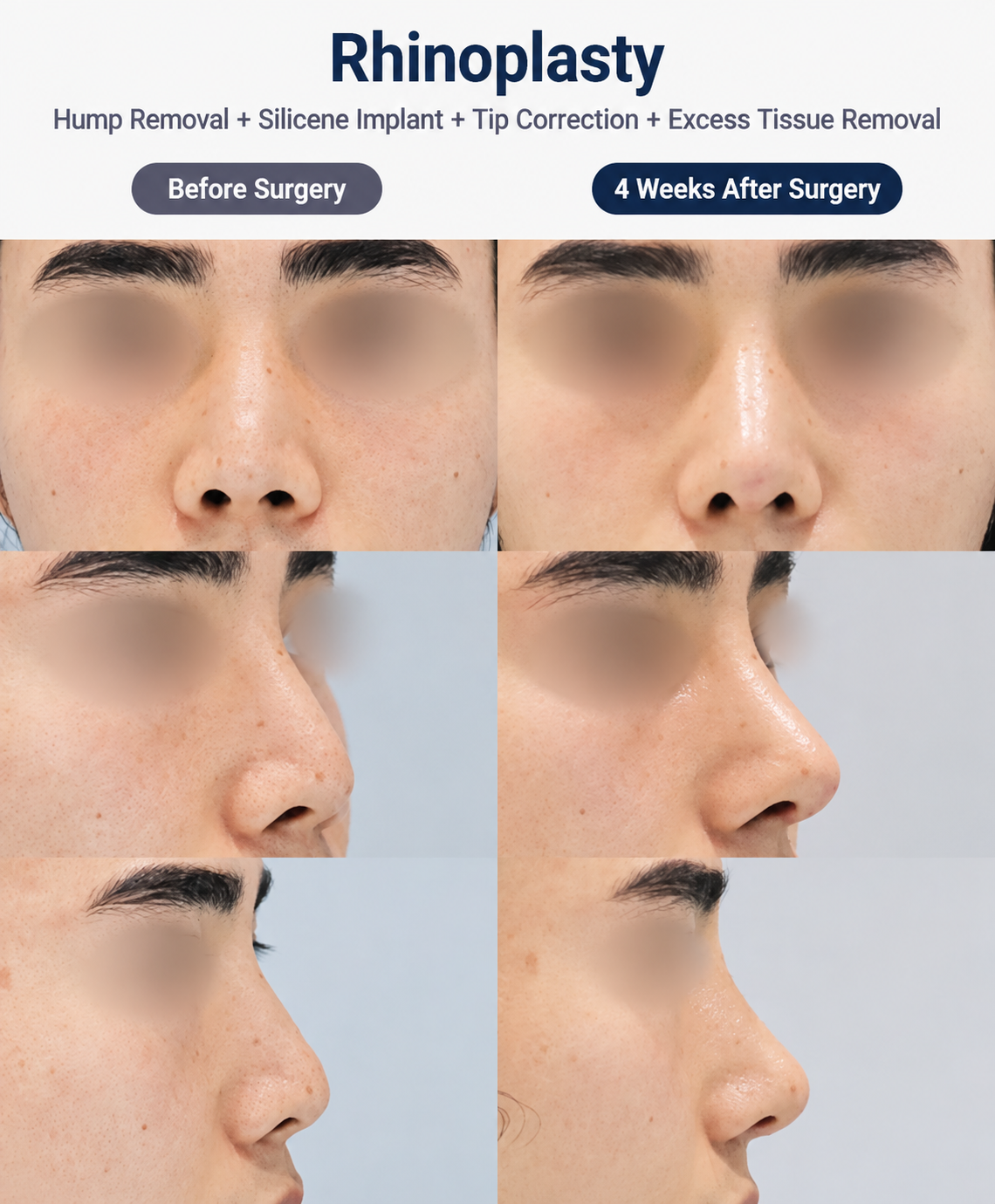
Revision rhinoplasty is a secondary nose surgery performed to improve the appearance, function, or structural stability of a nose that has previously undergone rhinoplasty. Some patients seek revision because of cosmetic concerns, while others require correction of breathing problems or structural issues. Since the anatomy has already been altered by a previous operation, revision procedures are often more complex and require careful planning.
Why Do Patients Need Revision Rhinoplasty?
There are many reasons why someone may consider a second surgery.
Common reasons include:
- Dissatisfaction with appearance
- Persistent asymmetry
- Breathing difficulties
- Structural weakness
- Overcorrection
- Undercorrection
- Changes after healing
Every case is unique and requires an individualized evaluation.
Common Cosmetic Concerns
Revision surgery may address a variety of aesthetic issues.
Examples include:
- Crooked nose
- Irregular bridge
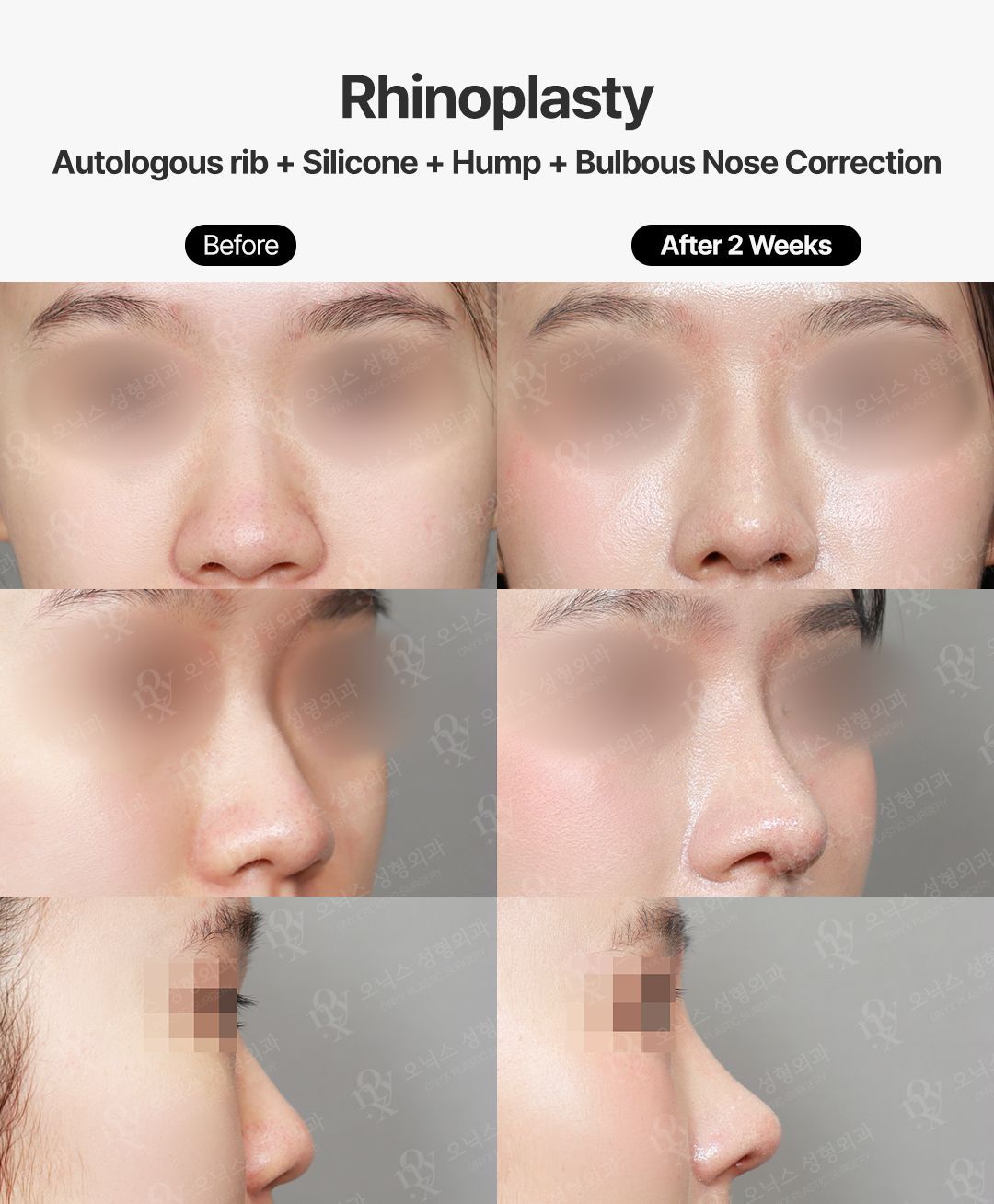
- Bulbous tip
- Drooping tip
- Excessive projection
- Insufficient definition
- Uneven contours
The treatment plan depends on the patient's anatomy and previous surgery.
Functional Reasons for Revision
Some patients seek revision to improve nasal function rather than appearance alone.
Possible concerns include:
- Nasal obstruction
- Breathing problems
- Internal collapse
- Weak structural support
- Septal issues
- Airflow limitations
- Valve dysfunction
A comprehensive examination helps identify the underlying cause.
How Is Revision Rhinoplasty Different?
Secondary surgery is often more technically demanding than primary rhinoplasty.
Factors that may increase complexity include:
- Scar tissue
- Altered anatomy
- Reduced cartilage availability
- Previous implants
- Structural instability
- Healing changes
- Multiple prior procedures
Careful planning is essential for achieving stable results.
Cartilage Grafting in Revision Surgery
Additional cartilage is frequently needed to rebuild support and improve shape.
Common sources include:
- Septal cartilage
- Ear cartilage
- Rib cartilage
These grafts may be used for:
- Structural reinforcement
- Tip support
- Bridge reconstruction
- Functional correction
- Shape refinement
- Long-term stability
The choice depends on the patient's anatomy and surgical needs.
Recovery Expectations
Recovery after revision rhinoplasty can vary depending on the complexity of the procedure.
Patients may experience:
- Swelling
- Mild bruising
- Temporary congestion
- Tip firmness
- Progressive healing
- Ongoing contour refinement
- Continued improvement over many months
Final results often take time to fully develop.
Who May Be a Good Candidate?
Revision rhinoplasty may be appropriate for patients who have concerns after a previous nose surgery.
Potential candidates may include those with:
- Cosmetic dissatisfaction
- Functional problems
- Structural deformities
- Healing irregularities
- Persistent asymmetry
- Implant-related concerns
- Desire for further refinement
A detailed consultation is necessary to determine the most suitable approach.
Questions to Ask During Your Consultation
Before proceeding with revision surgery, consider discussing:
- The cause of the current concern
- Recommended surgical techniques
- Need for cartilage grafting
- Expected improvements
- Recovery timeline
- Potential risks
- Long-term follow-up care
Clear communication helps establish realistic expectations and personalized treatment goals.
Final Thoughts
Revision rhinoplasty is a highly specialized procedure designed to improve the appearance, function, or structural integrity of a previously operated nose. Through careful evaluation, personalized surgical planning, and appropriate reconstructive techniques, patients can achieve balanced, natural-looking, and long-lasting results that better meet their cosmetic and functional goals.