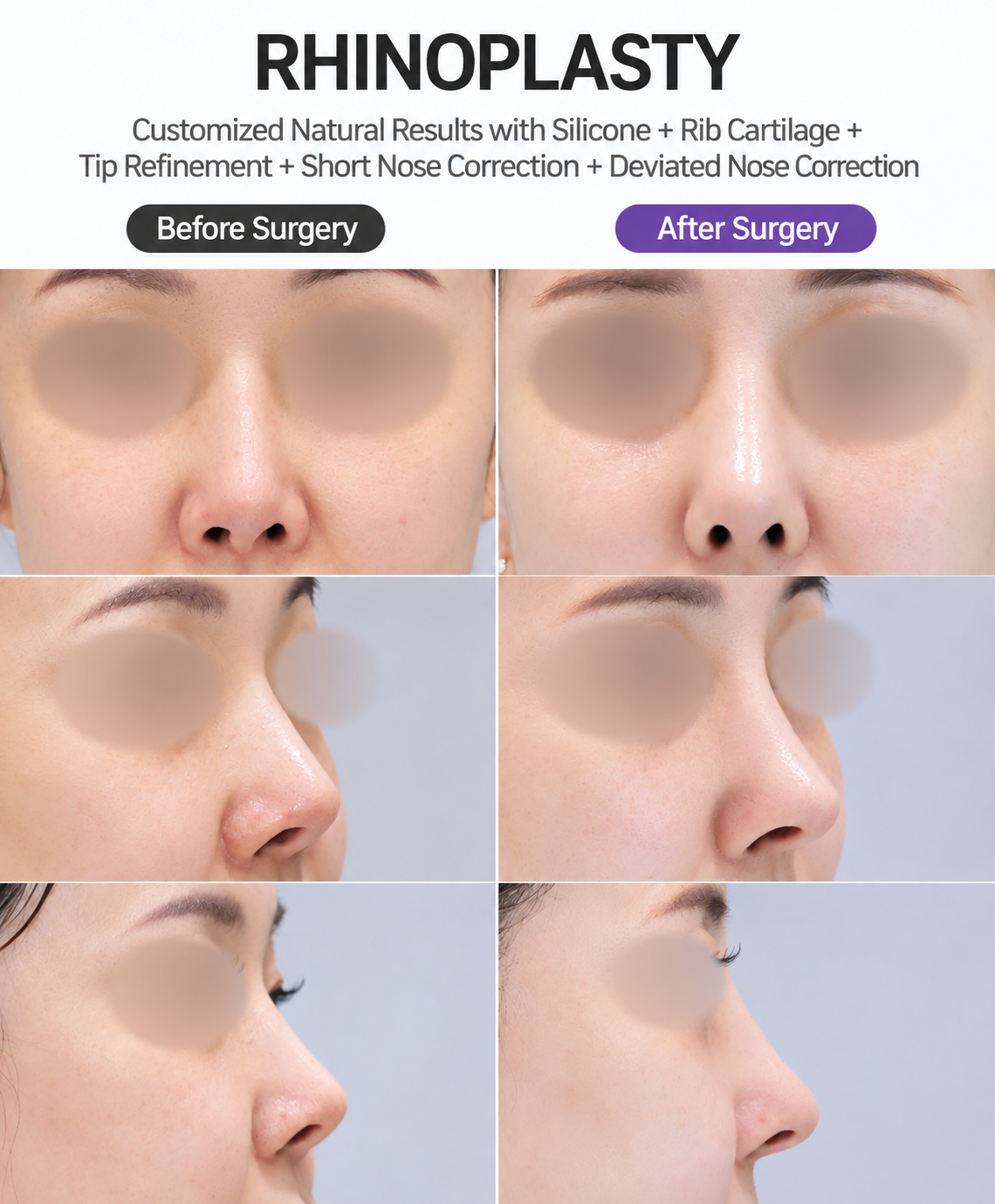
First-Time Rhinoplasty Guide
First-Time Rhinoplasty Guide
If you're considering rhinoplasty for the first time, understanding the entire process can help you make informed decisions and prepare for a smoother experience. From your initial consultation to long-term recovery, every step should be based on realistic expectations, personalized planning, and open communication with your surgeon.
Understand Your Goals
Before scheduling surgery, think carefully about what you hope to achieve.
Common goals include:
- Better facial balance
- Improved profile
- Tip refinement
- Bridge enhancement
- Better symmetry
- Functional improvement
- Natural-looking results
Having clear and realistic expectations is an important first step.
Choose the Right Surgeon
Selecting an experienced surgeon is one of the most important decisions in the process.
Consider factors such as:
- Relevant experience
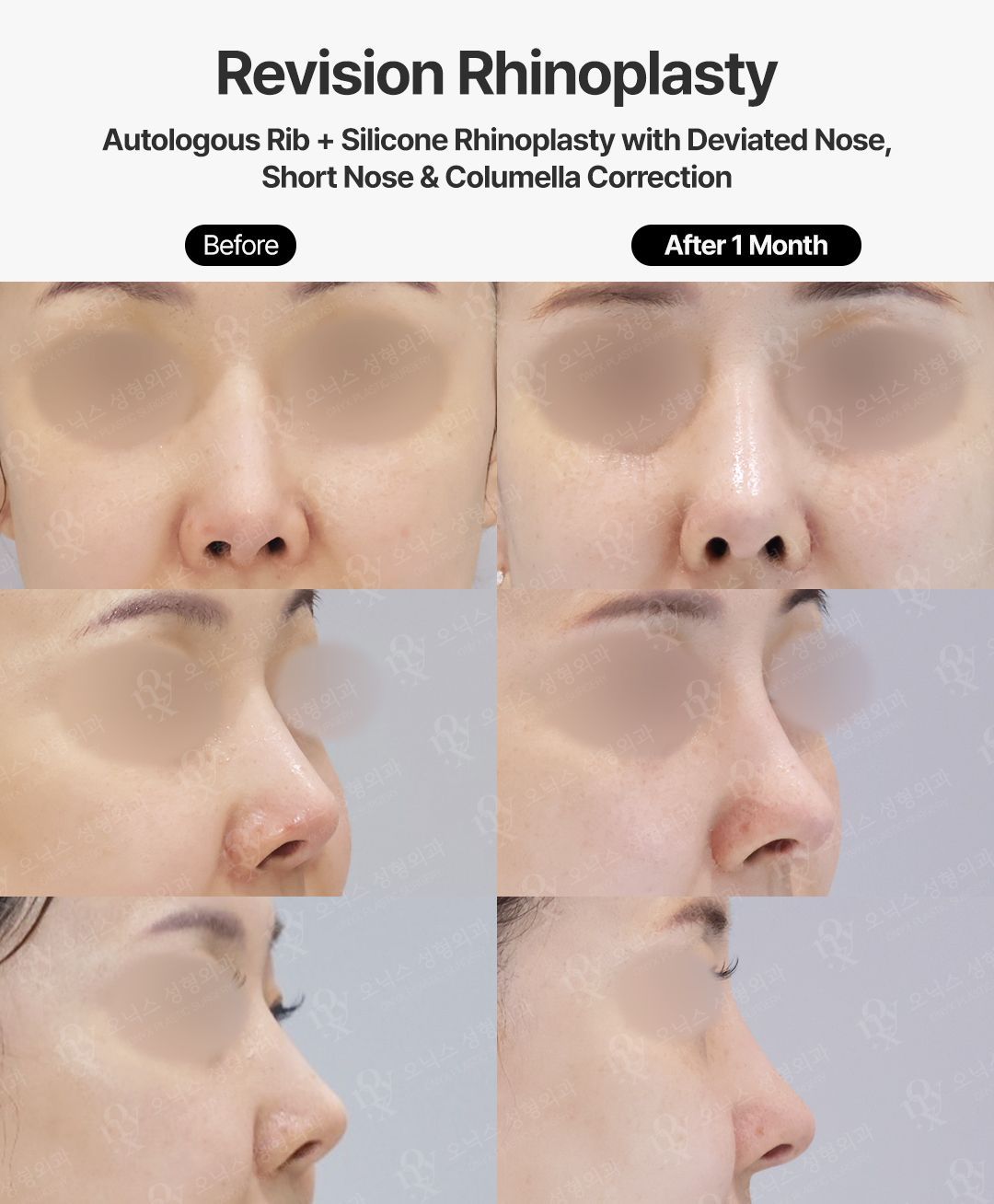
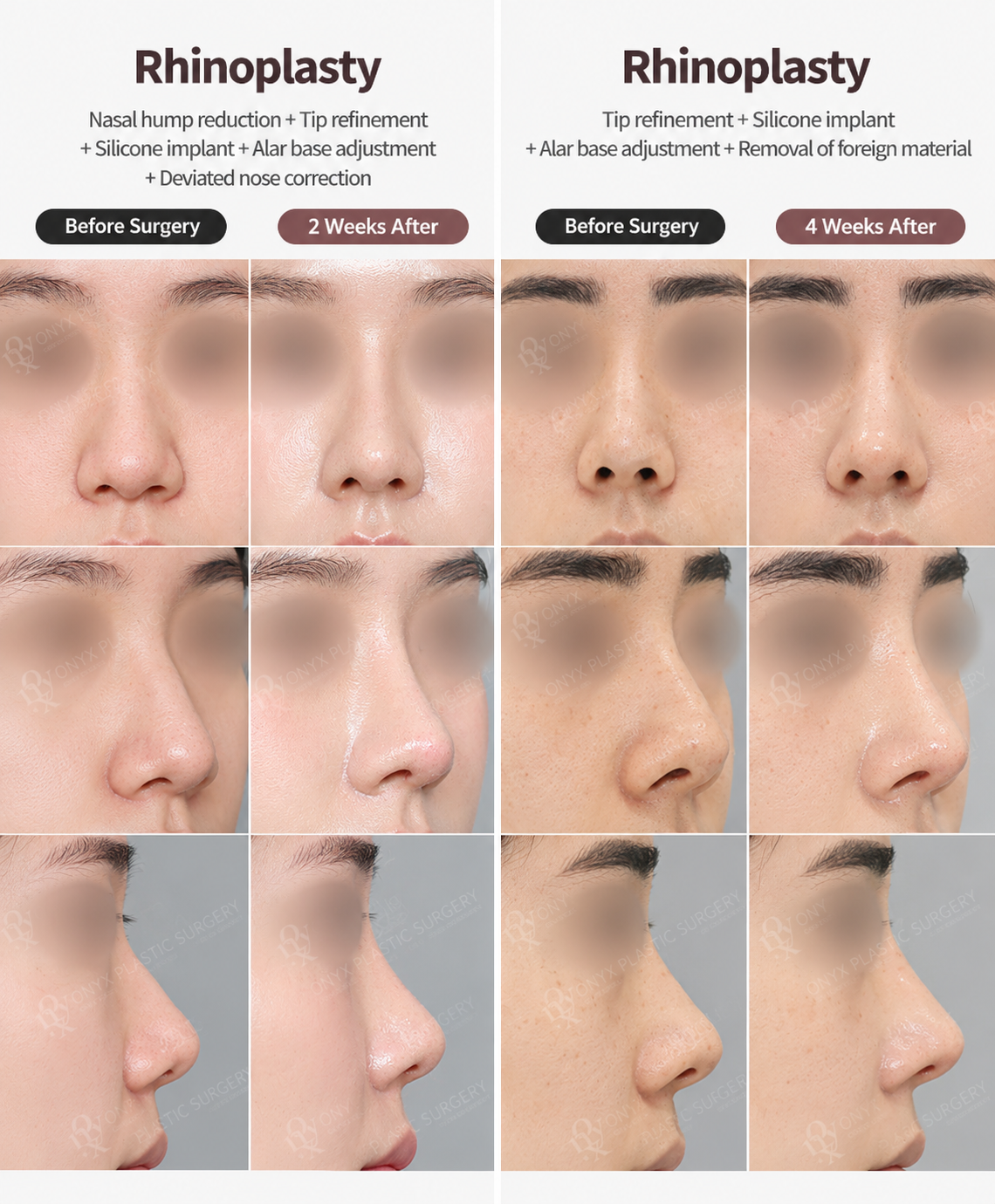
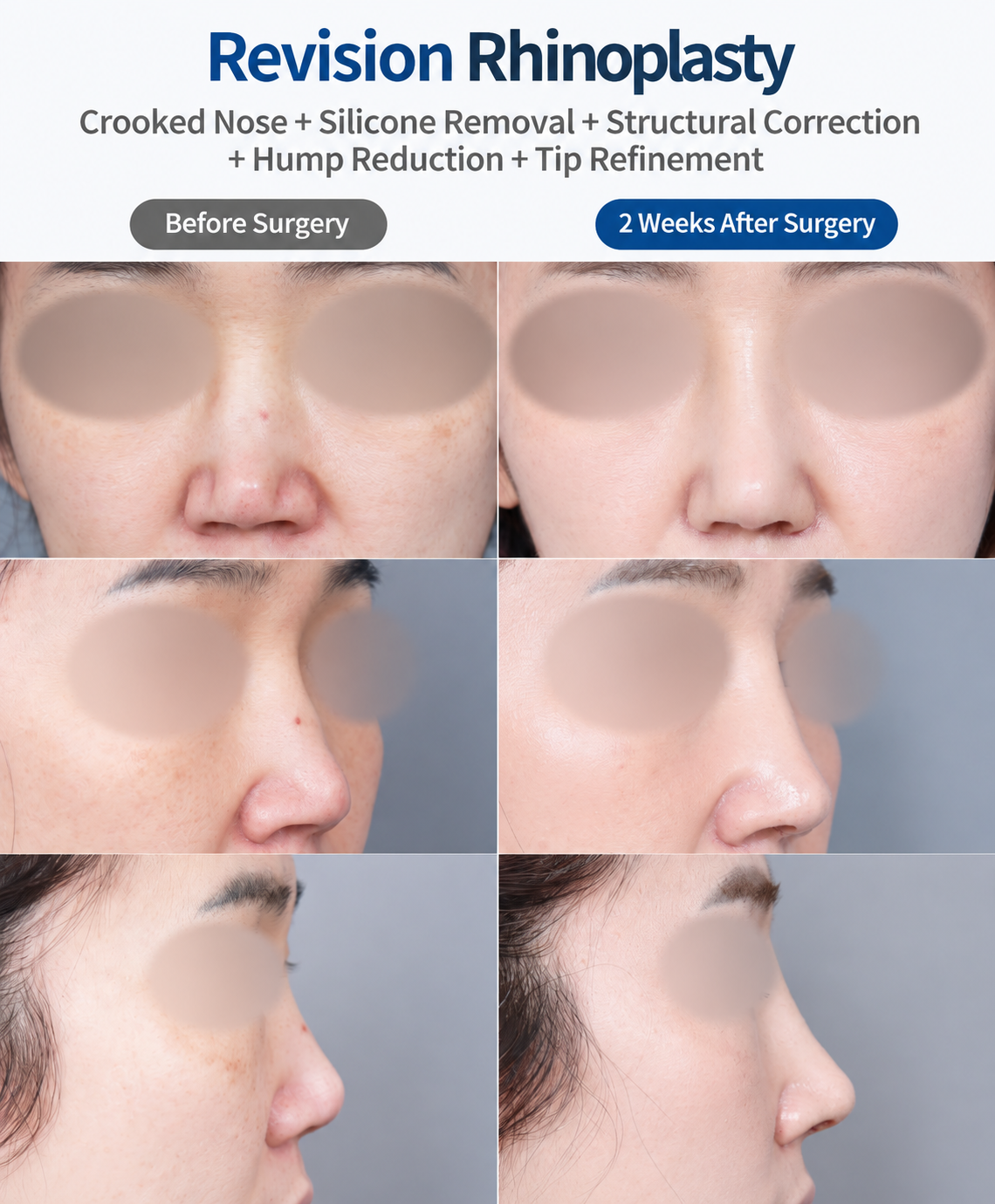
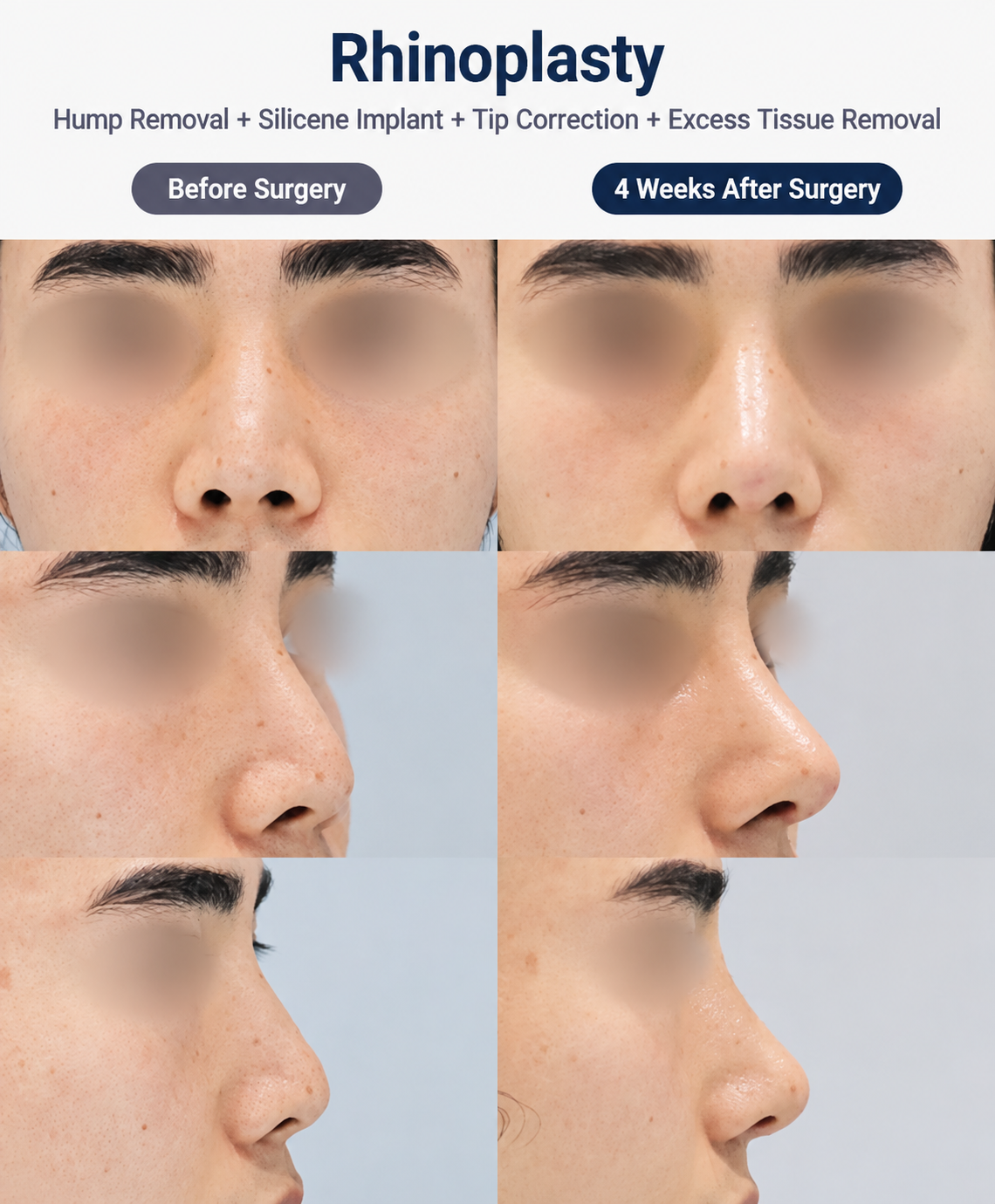
- Before and after portfolio
- Surgical approach
- Communication style
- Personalized consultations
- Patient education
- Follow-up care
Take time to research and ask detailed questions during your consultation.
What Happens During the Consultation?
Your consultation helps create a customized treatment plan.
The appointment may include:
- Medical history review
- Facial analysis
- Nasal examination
- Discussion of goals
- Surgical recommendations
- Recovery explanation
- Opportunity to ask questions
Clear communication helps establish realistic expectations.
Preparing for Surgery
Preparation before the procedure can make recovery more manageable.
Helpful steps include:
- Following medical instructions
- Arranging transportation
- Planning time off work
- Preparing recovery supplies
- Organizing medications
- Staying well hydrated
- Completing required evaluations
Your surgeon will provide instructions specific to your case.
What Happens on Surgery Day?
The exact process varies depending on the procedure and clinic.
Typical steps may include:
- Preoperative check-in
- Final consultation
- Surgical preparation
- Anesthesia administration
- Rhinoplasty procedure
- Recovery monitoring
- Discharge instructions
Patients should carefully follow all postoperative guidance before leaving.
The Early Recovery Period
The first days after surgery are focused on healing and rest.
You may experience:
- Swelling
- Mild bruising
- Nasal congestion
- Temporary discomfort
- Splint placement
- Fatigue
- Gradual improvement
Recovery experiences vary from person to person.
Long-Term Healing
Final results take time to develop.
Patients should expect:
- Progressive reduction in swelling
- Gradual tip refinement
- Continued tissue healing
- Improving definition
- Ongoing structural settling
- Long-term contour changes
- Results that evolve over several months
Patience is an essential part of the process.
Common Mistakes to Avoid
Protecting your results is just as important as the surgery itself.
Try to avoid:
- Returning to exercise too soon
- Ignoring postoperative instructions
- Touching the healing nose
- Missing follow-up appointments
- Wearing glasses too early if restricted
- Judging results prematurely
- Skipping communication with your surgeon
Following professional advice can support a smoother recovery.
Final Thoughts
A first-time rhinoplasty journey involves much more than the operation itself. Careful planning, choosing the right surgeon, understanding the recovery process, and maintaining realistic expectations all contribute to a positive experience. With personalized treatment and proper postoperative care, patients can achieve balanced, natural-looking, and long-lasting results that complement their unique facial features.